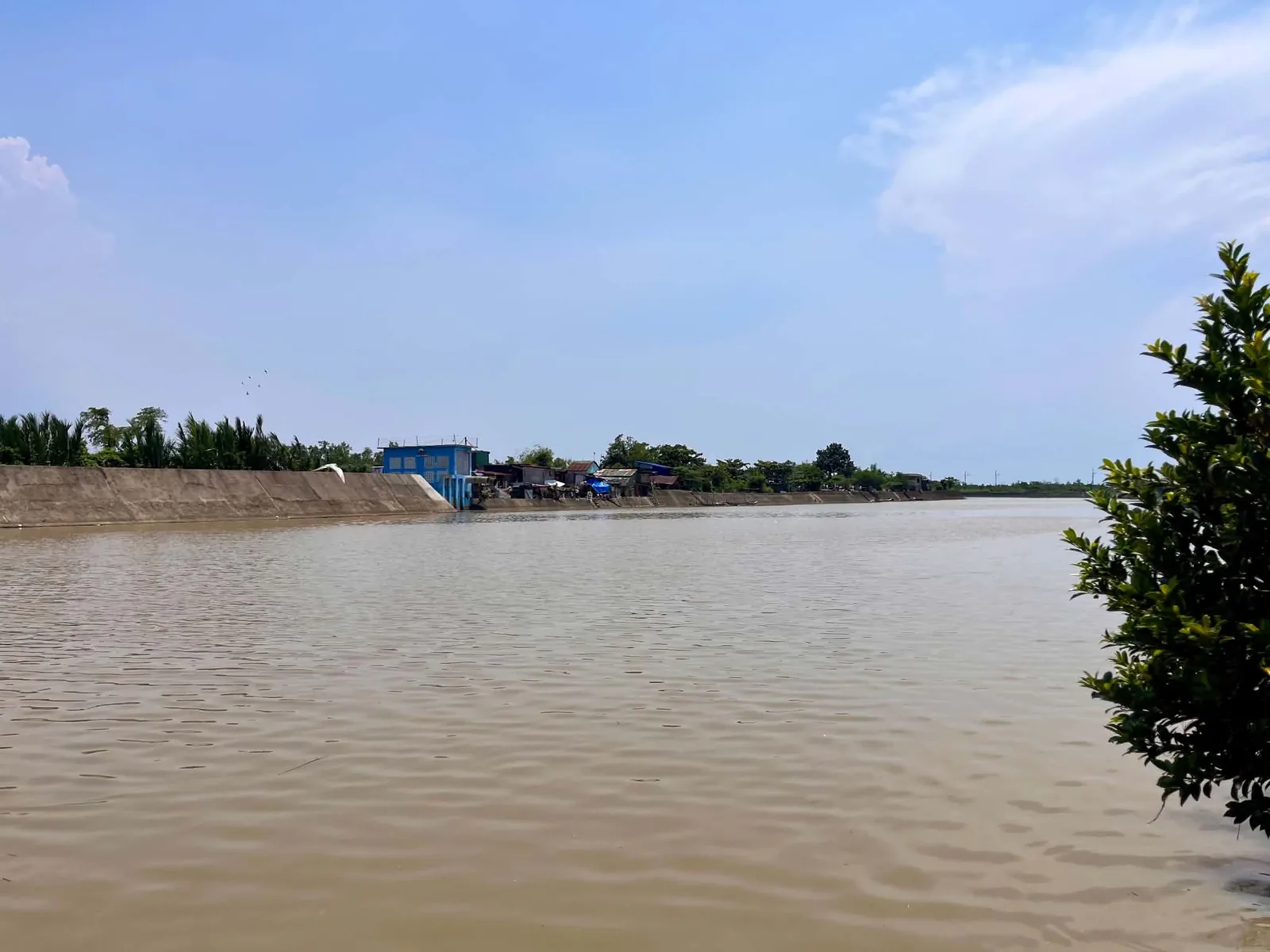
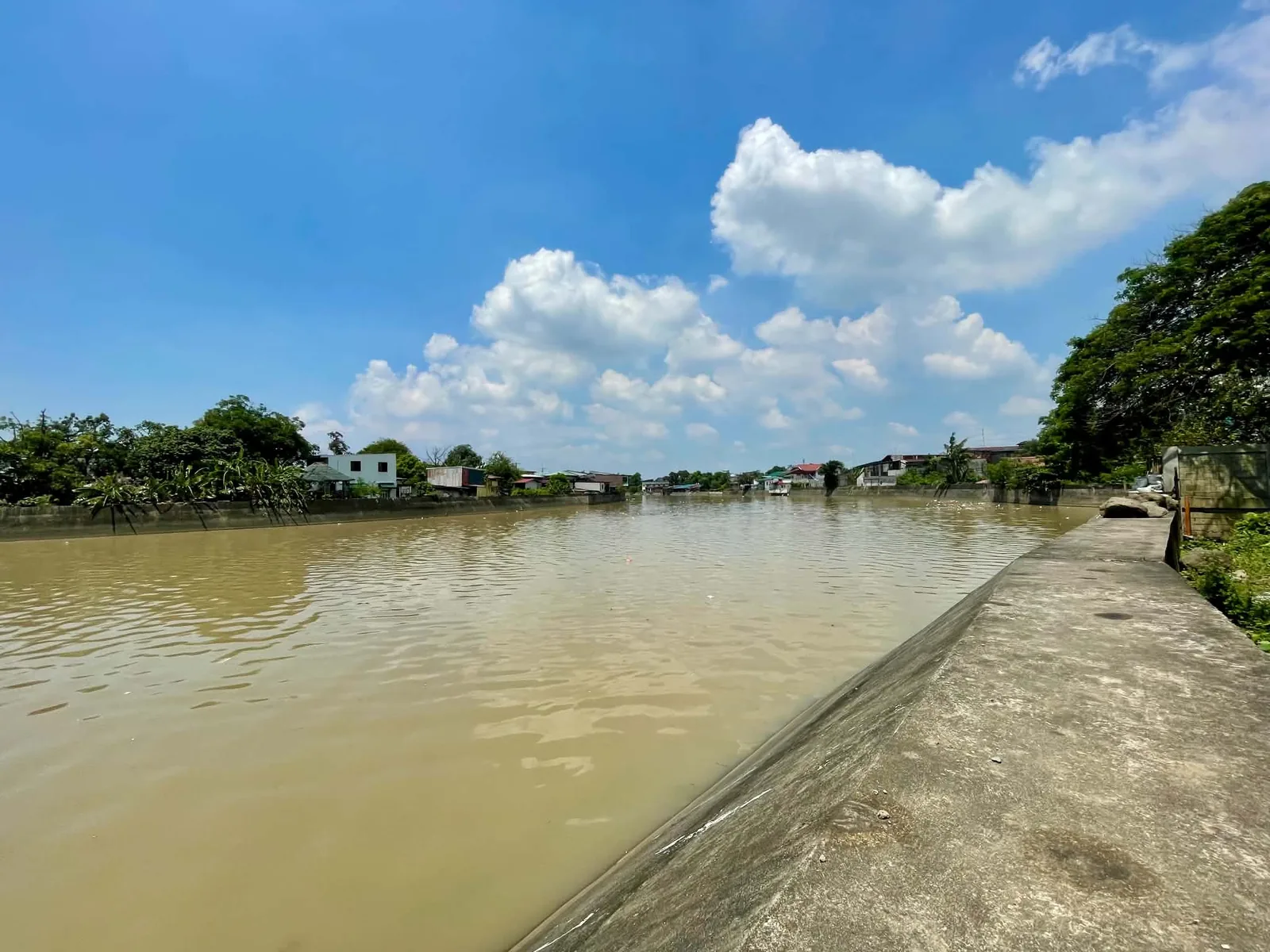
Wind passed over the water, and afternoon sunlight shimmered across the Wawa River in Bocaue, Bulacan. From the nearby streets came the sound of passing cars and motorcycles. For a moment, it was an ordinary scene: a familiar river moving quietly through town.
But knowing what happened here on July 2, 1993, changed how we looked at the water. Beneath the calm surface was a history of devotion, loss and remembrance that the community has carried for decades.
A river bound to faith
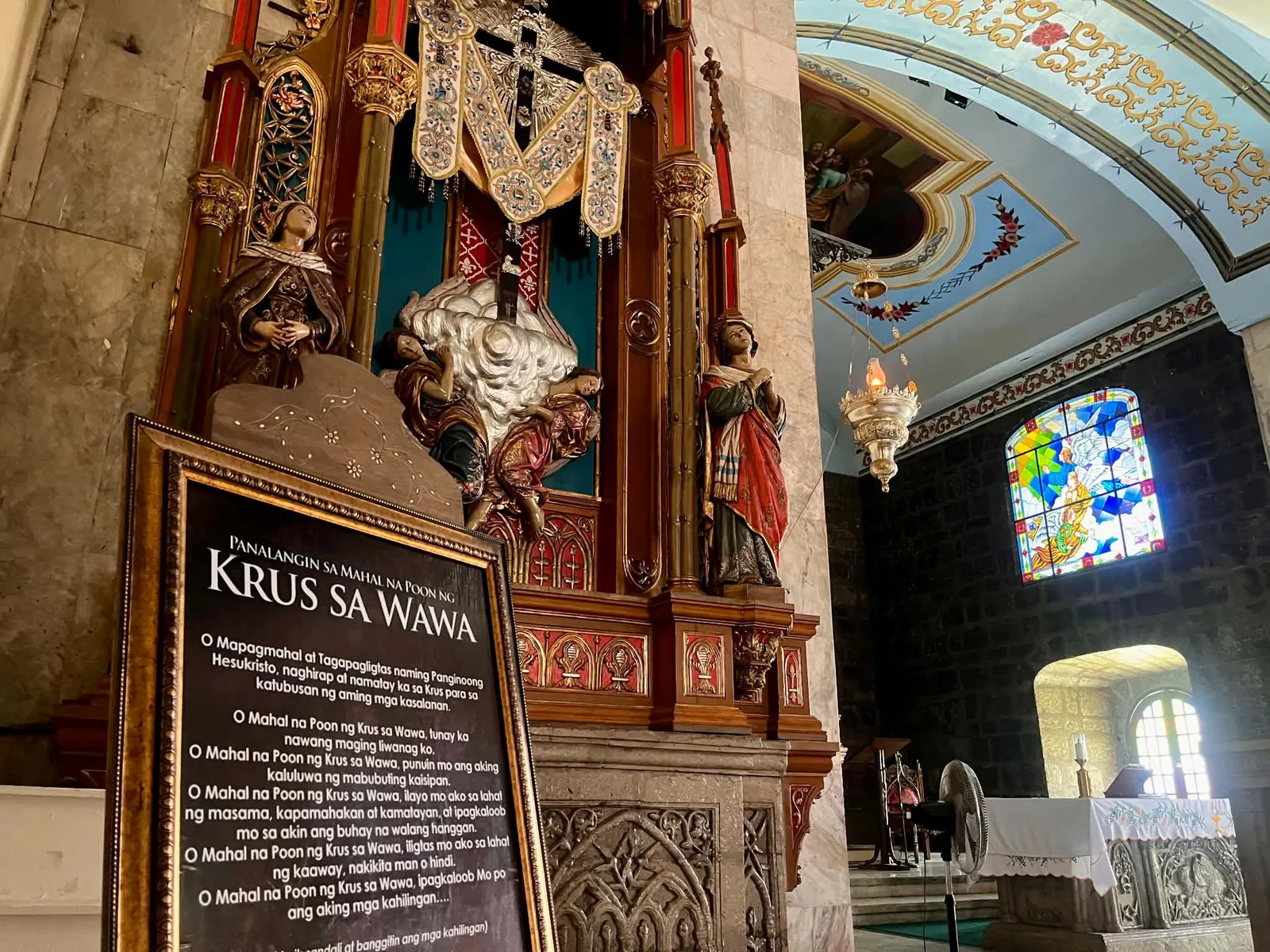
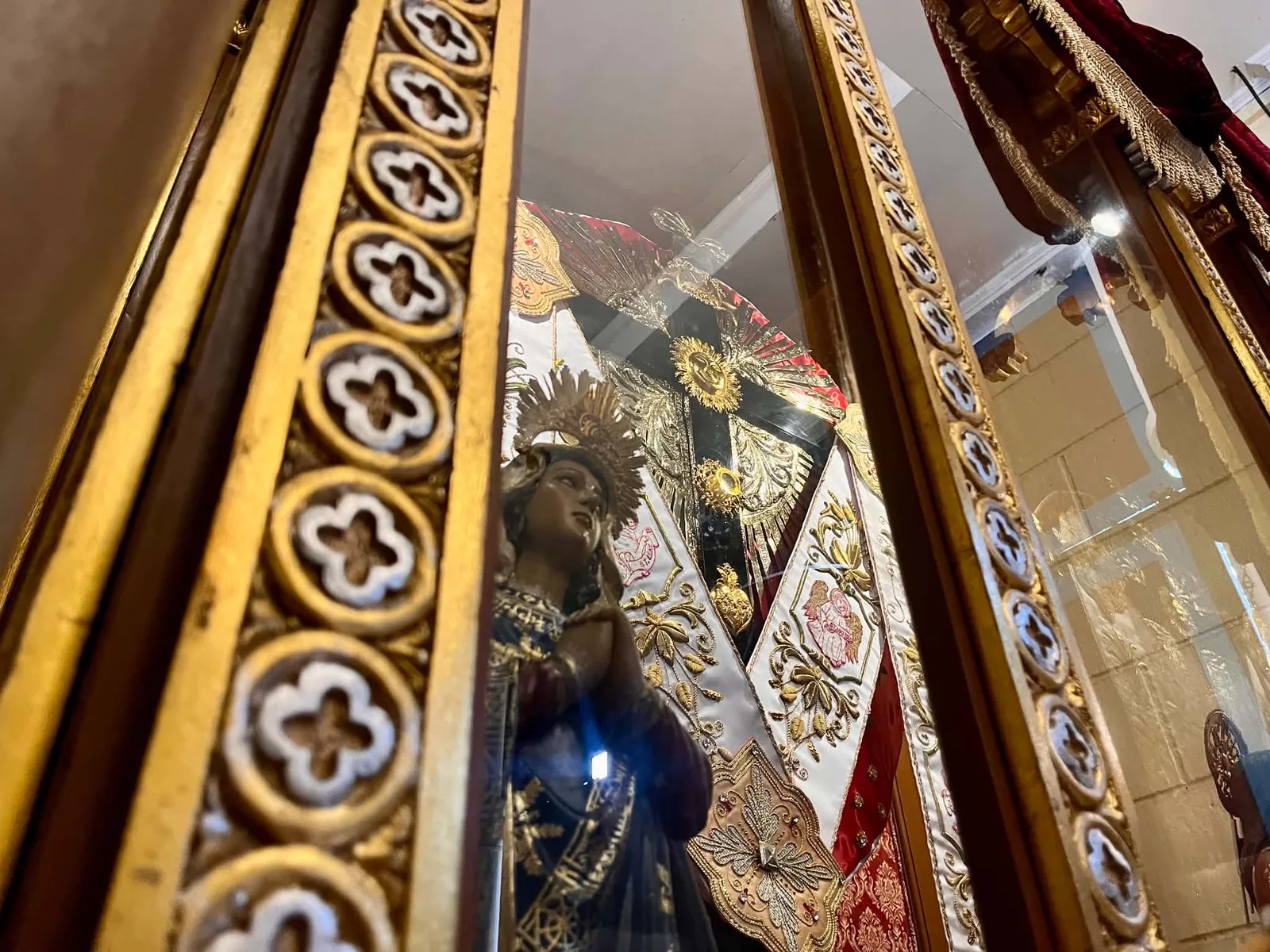
For generations, Bocaue residents have honored the Mahal na Krus sa Wawa, or Holy Cross of Wawa. Local tradition holds that a wooden cross was found in the river in the 19th century. The devotion became part of the town’s identity, bringing families and worshippers together for prayers, thanksgiving and a fluvial procession.
During the Pagoda Festival, a decorated floating structure carries the Holy Cross along the river, accompanied by other boats. For the people who take part, it is more than a spectacle. It is a shared expression of faith and local history.
The night of July 2, 1993
On July 2, 1993, a floating pagoda crowded with devotees tilted and capsized during the religious observance. People were thrown into the Bocaue River. Residents and rescue workers searched the water for survivors, while families waited for news of relatives and friends.
Accounts of the disaster differ in some details. A contemporary Washington Post report recorded at least 226 deaths in its early coverage; later Philippine Daily Inquirer accounts cited 270 and 297. These varying figures reflect reporting from different periods, not different tragedies. Whichever account a reader encounters, every number represents lives lost and families permanently changed.
Early reports described an overcrowded structure. One eyewitness told the Washington Post that fireworks caused people aboard to shift position before the pagoda overturned. Later accounts have also emphasized the vessel’s excess weight. Rather than treating a single explanation as certain, the reports show why accurate attribution matters when remembering a disaster.
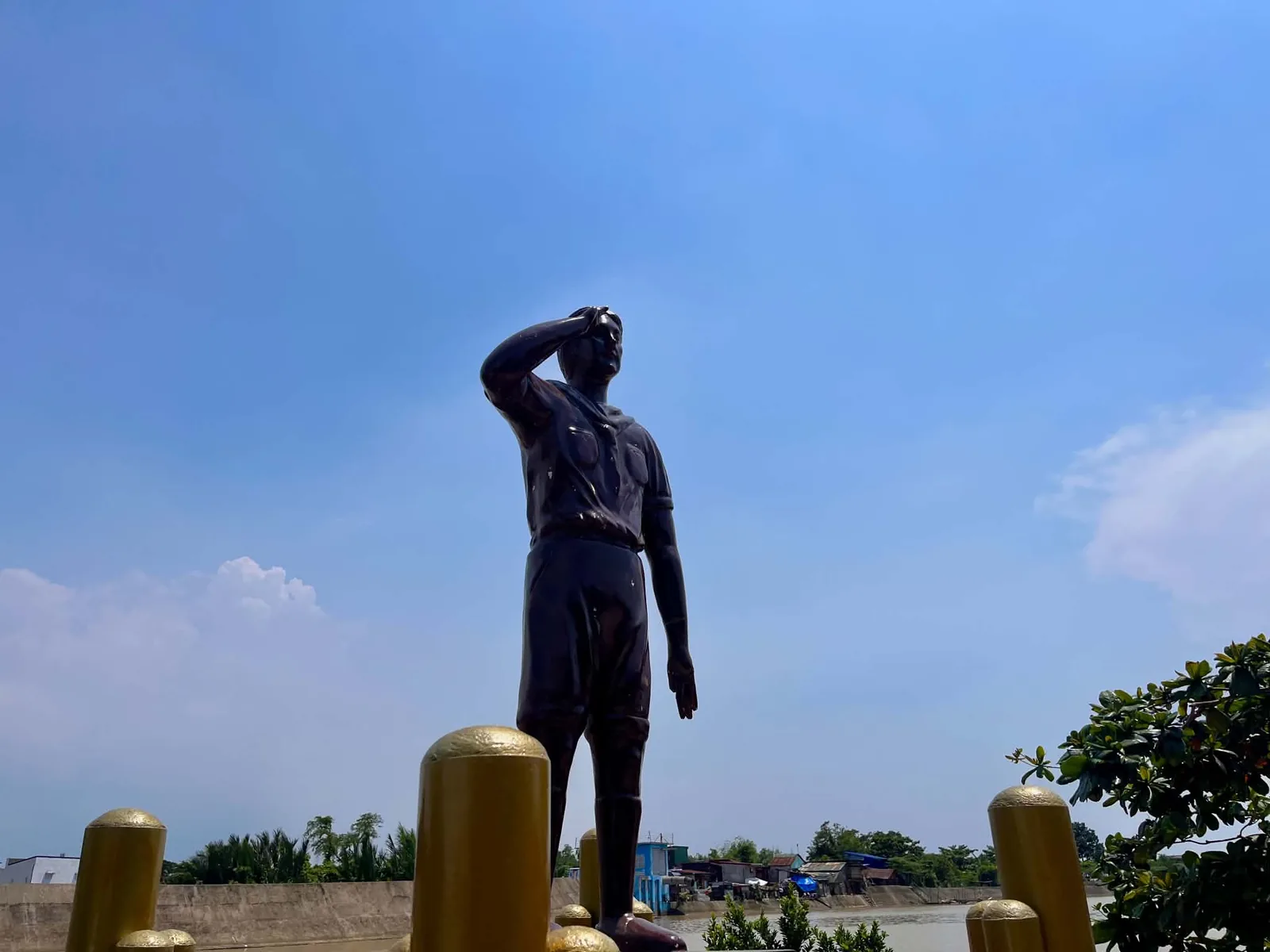
The courage of Sajid Bulig
Among the people remembered is Sajid Bulig, a 12-year-old boy who lost his life while trying to save other children from drowning. His actions were formally recognized in Executive Order No. 393, signed on January 22, 1997, which established the Sajid Bulig Presidential Award for Heroism.
His story reminds us that the tragedy cannot be understood only through an account of the pagoda or the number of victims. It is also a story of people who responded to danger by helping others.
One family’s memories
During our visit, we spoke with Girlie San Pedro about what the tragedy meant to her family. She told us that her 16-year-old sister, Jennifer, died in the disaster, while her 14-year-old cousin, Arlene, survived. Although Girlie was not herself aboard the pagoda, the loss remained personal.
“Halos lahat ng bahay merong nakaburol” (“Nearly every house had a wake”), she recalled, describing the widespread grief of that time. Her account drew on memories and stories passed through her family, including the difficult days when residents awaited news of victims and survivors.
She also reflected on what the festival continues to mean to Bocaue: “Pagoda is a celebration of creativity and faith.” As she explained, remembering the victims is part of the tradition, and safety must never be overlooked amid the festivities.
When the pagoda returned
For 21 years after the disaster, the major floating pagoda procession did not take place in its previous form. Religious devotion and remembrance continued, but the absence of the pagoda was itself a reminder of the lives lost.
The floating pagoda returned in 2014. News reports from that year described additional precautions, including engineering consultations, limits on passengers, life jackets and restrictions on children boarding. Later coverage also documented registration procedures and rescue coordination. Those reports explain how organizers sought to respond to the lessons of 1993; they should not be taken as a guarantee of the rules for any particular future festival.
The return was not an erasure of the past. For many Bocaueños, celebration and remembrance now exist alongside each other.
Visiting with respect
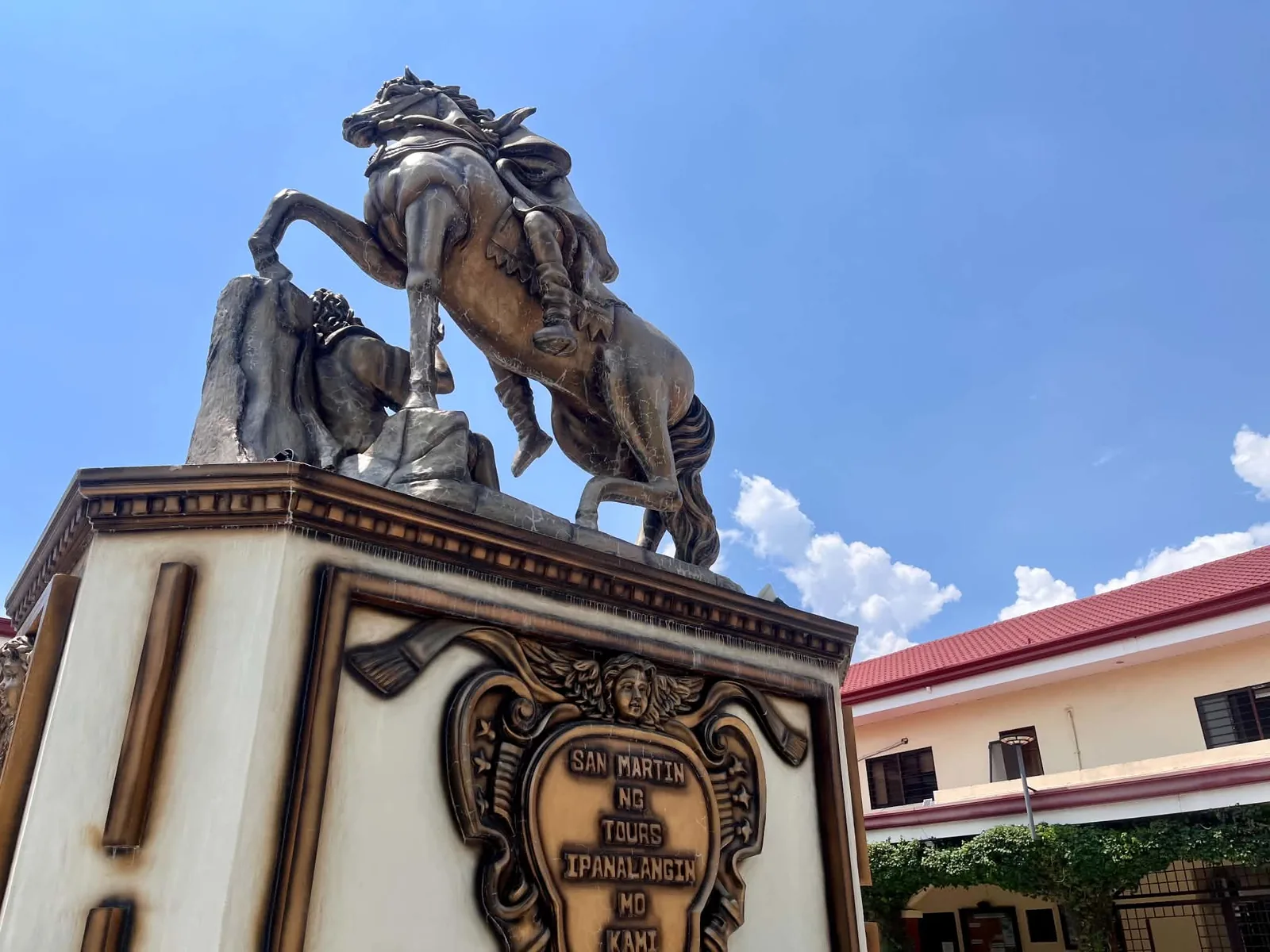
The Wawa River is not a place to treat another community’s tragedy as entertainment. Visitors can appreciate Bocaue’s religious and cultural heritage while remembering that the events of July 1993 are part of living family histories.
The area invites a different kind of travel experience: reading the memorials, listening when residents choose to share their stories, and observing religious places and ceremonies respectfully. Visitors should ask before photographing people, especially during prayer or remembrance activities.
The Pagoda Festival remains associated with the Holy Cross of Wawa, but exact schedules, access arrangements and safety restrictions may change. Anyone planning to attend a procession should consult current announcements from local organizers and authorities rather than relying on earlier event reports.
What remains in the water
During our visit, we were struck by the contrast between the river’s peaceful appearance and the history connected to it. The water moved quietly, and life along the nearby streets continued as usual. Nothing in the scene could tell a visitor, on its own, what happened here.
Learning the history made us see the river differently. It carries stories of faith, shared celebration, extraordinary courage and painful loss. The river continues to flow, but the memories remain part of Bocaue and its people.
For those who know what happened here, the river will never be just a river again.
Sources and further reading
- The Washington Post — contemporary July 1993 report
- Philippine Daily Inquirer — retrospective Bocaue coverage
- GMA News — return of the floating pagoda in 2014
- Executive Order No. 393 (1997) — Sajid Bulig Presidential Award
- Tourism Promotions Board — Pagoda Festival
- Bulacan provincial government — Feast of the Holy Cross of Wawa
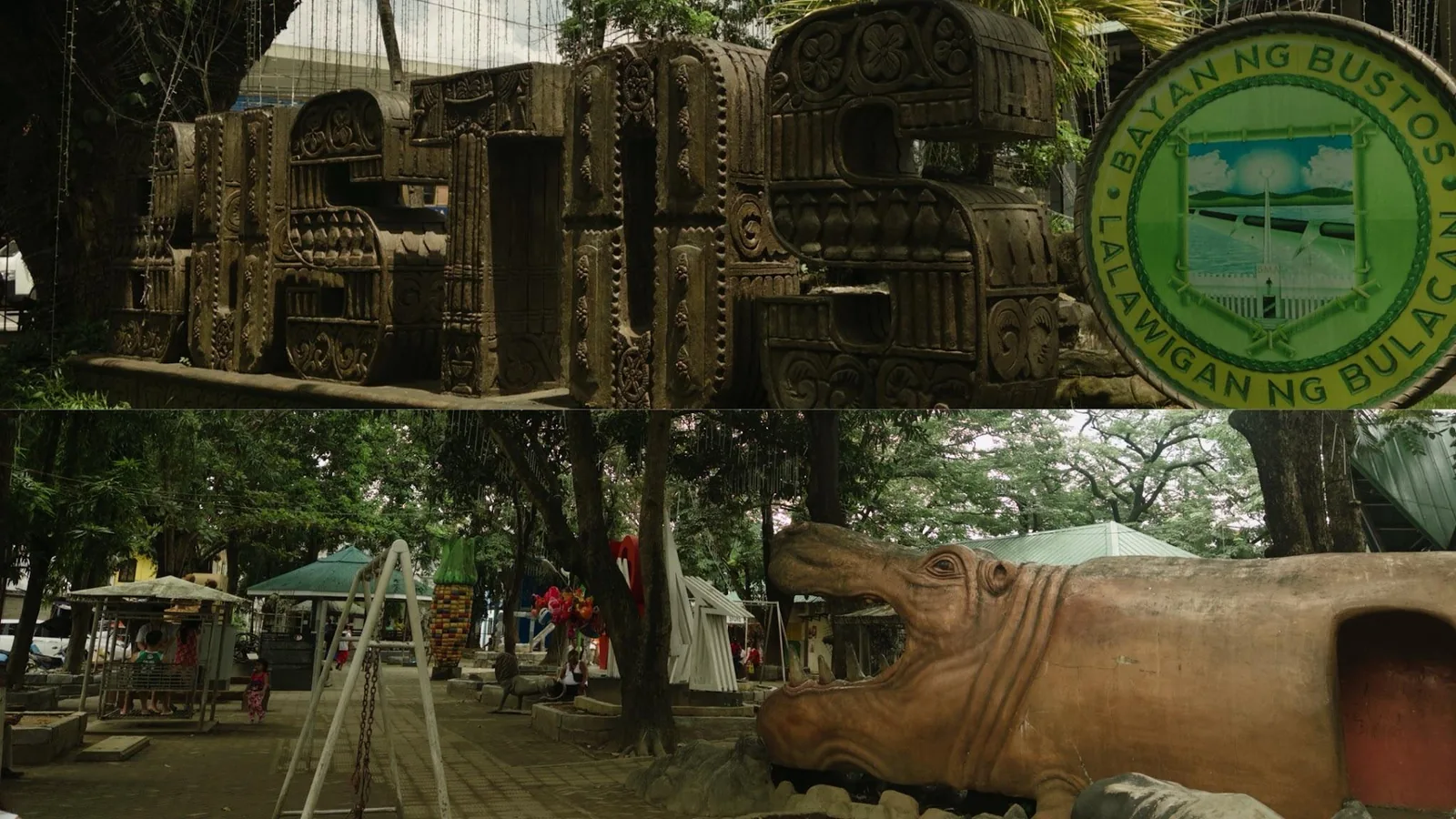
A student-reported interview with Girlie San Pedro informs the family remembrance above. Her words and family account are attributed to the contributors’ interview, not represented as independently verified archival testimony. For more Bulacan student heritage reporting, see Bustos Heritage Park and Malolos’s Kamestisuhan district.