“A Detour in Time of Bustos”
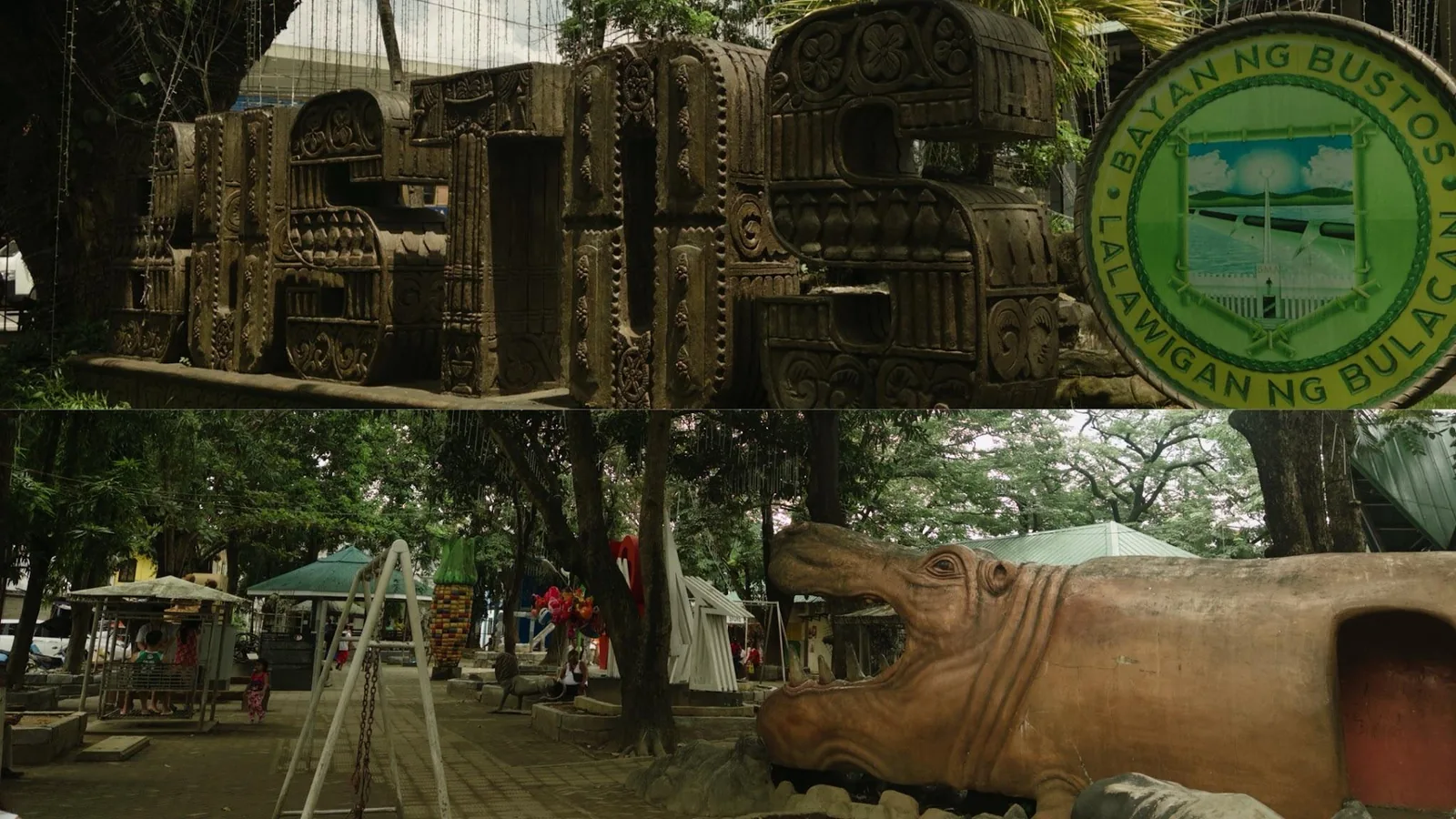
The long tricycle ride going to Bustos made us sleepy, and when we went down from the tricycle in front of the old arch, we were greeted by a warm breeze like it was a welcoming invitation to guide us inside. The sun lingered behind cotton-like clouds; it was still hot even though it was already ber-months, hiding its bright eye from the quiet park, mindful not to disturb the place. We can see statues and sculptures everywhere throughout the park, with their carvings almost fading—well, maybe because, after hours under the sunlight they were rusting while others were losing their colors, as we could already feel everything this place had seen. When walking, we realized how simple life could be here. But what really caught our attention was a stray dog that seemed to be a guard, following us like a tour guide. When we felt hungry during our walk, there were Filipino pastries available. Zeny’s Minasa is known not only in Bustos but also outside Bulacan. Ms. Elena of Zeny’s told us the recipe was from her grandmother; it has been operating since 1958, and the pastry tradition was passed down through generations. There were stories in the quietness of the place that made Bustos Heritage Park feel like a past storybook that we can walk through together.
“Where the Past Still Stands”
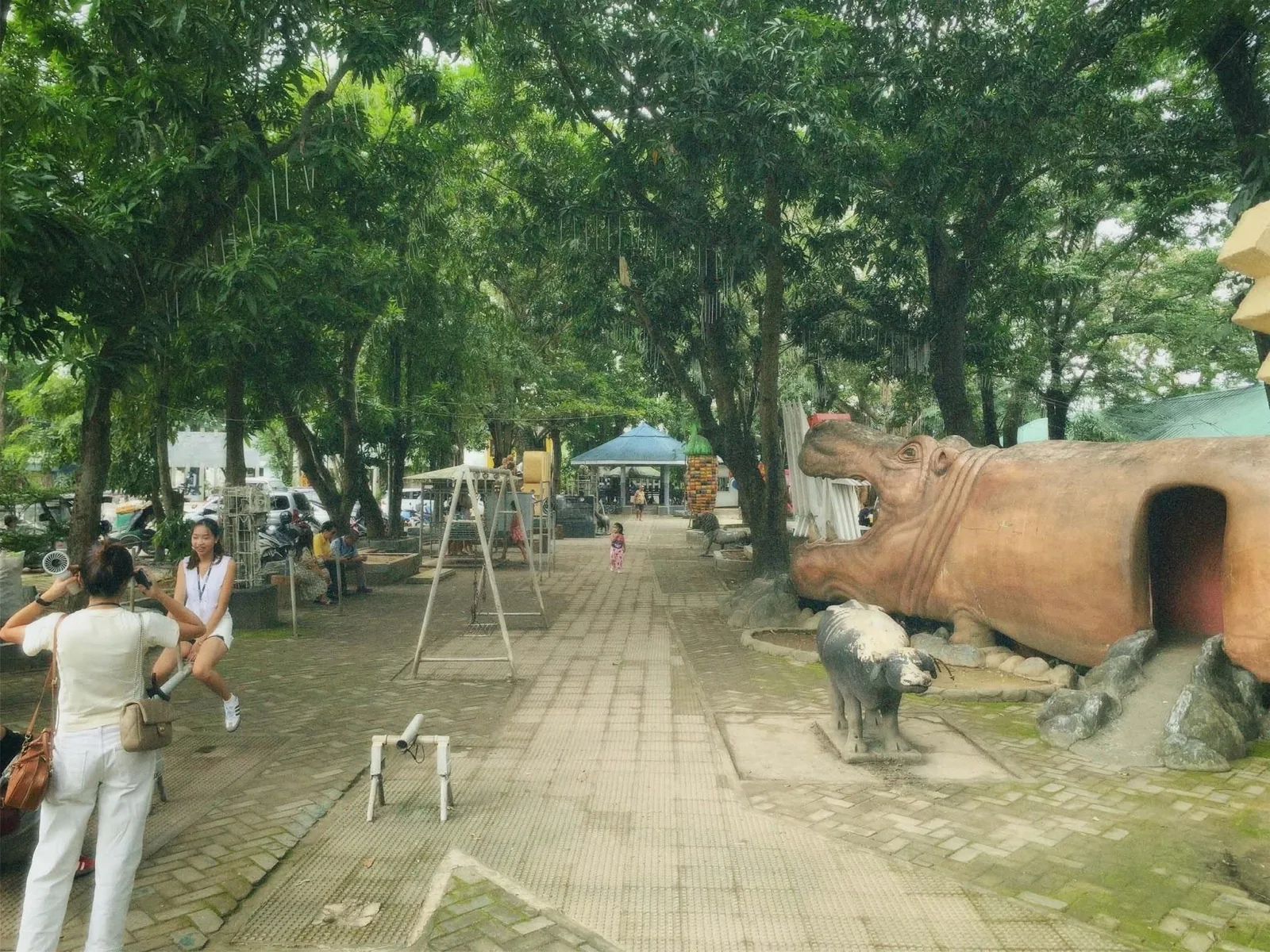
The moment we entered the park, we immediately noticed its peaceful yet lively atmosphere that felt like a look back into the past. It was 11 in the morning, and the gentle sunlight spread like a thin layer of light along the pathways, making the grass and plants glow as the trees swayed and whispered through the breeze. The park was not crowded, but it was still filled with enjoyment and delight. Children were swinging and enjoying the seesaws while their parents stayed nearby watching them. Some students were simply hanging out to pass the time, while others were practicing for their dance.
While walking, we noticed a monument with “BMA” written in brown paint through the group of students dancing, which caught our attention. We found out that it was the Bulacan Military Area, which holds part of the history of Bustos, Bulacan. As a Manong taho vendor offered us taho, we respectfully asked him about the monument. He briefly told us that it was built to honor the memories of the heroes of Bulacan who fought side by side against Japanese invaders during World War II. He also added that it was formed from four guerrilla regiments under Commander Alejo Santos. As we read the plaque, we learned that the four guerrilla regiments became ten with the help of fellow Filipinos in fighting Japanese forces. This monument became evidence of the pride and bravery of the Filipino people in fighting for their rights and their motherland.
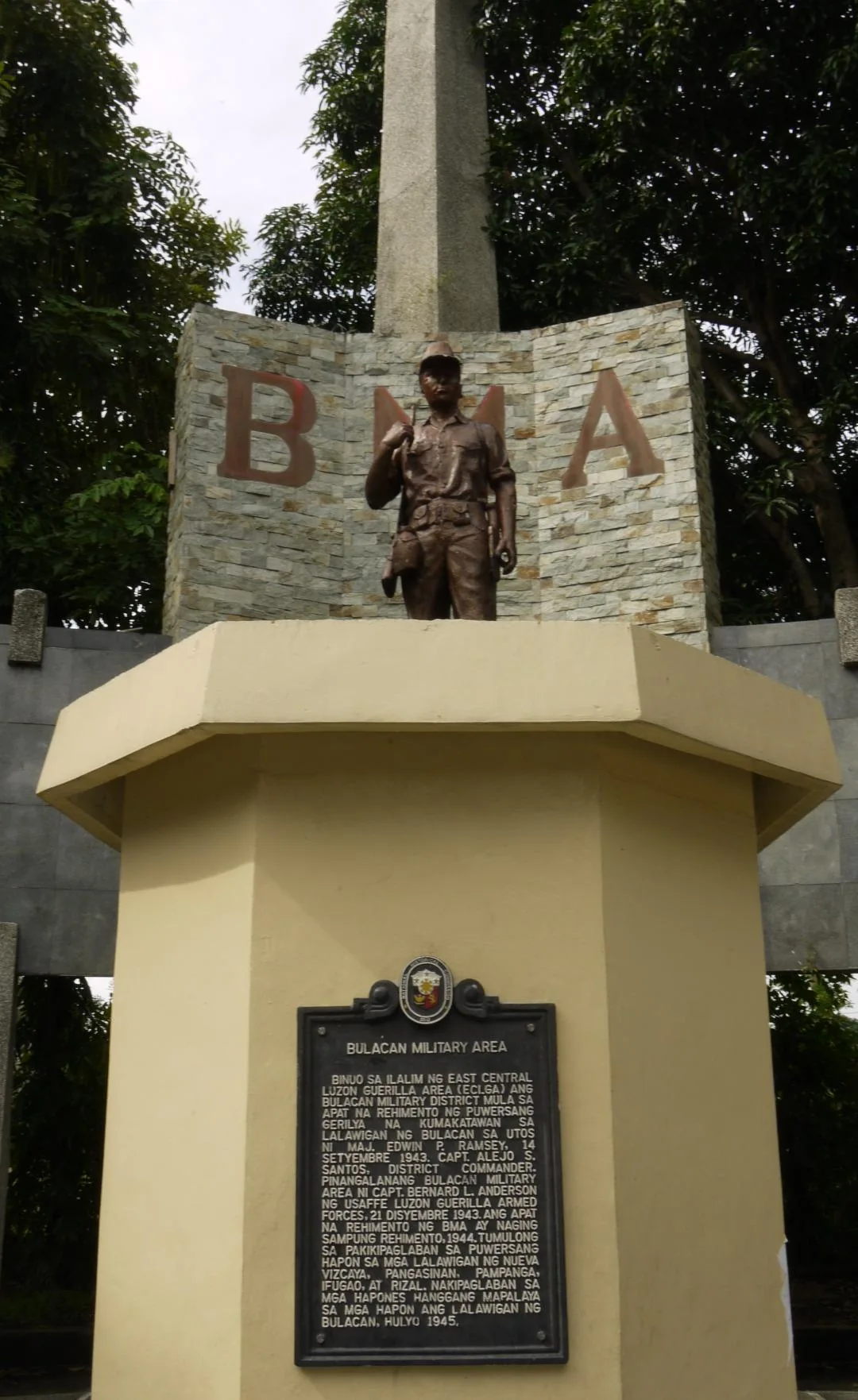
Knowing this made us see the park as more than just a place to hang out or spend time with others. Instead, we saw it as a sanctuary of collective memory that bridges not only the past and the present, but also the future.
“Deeper Than the Surface”
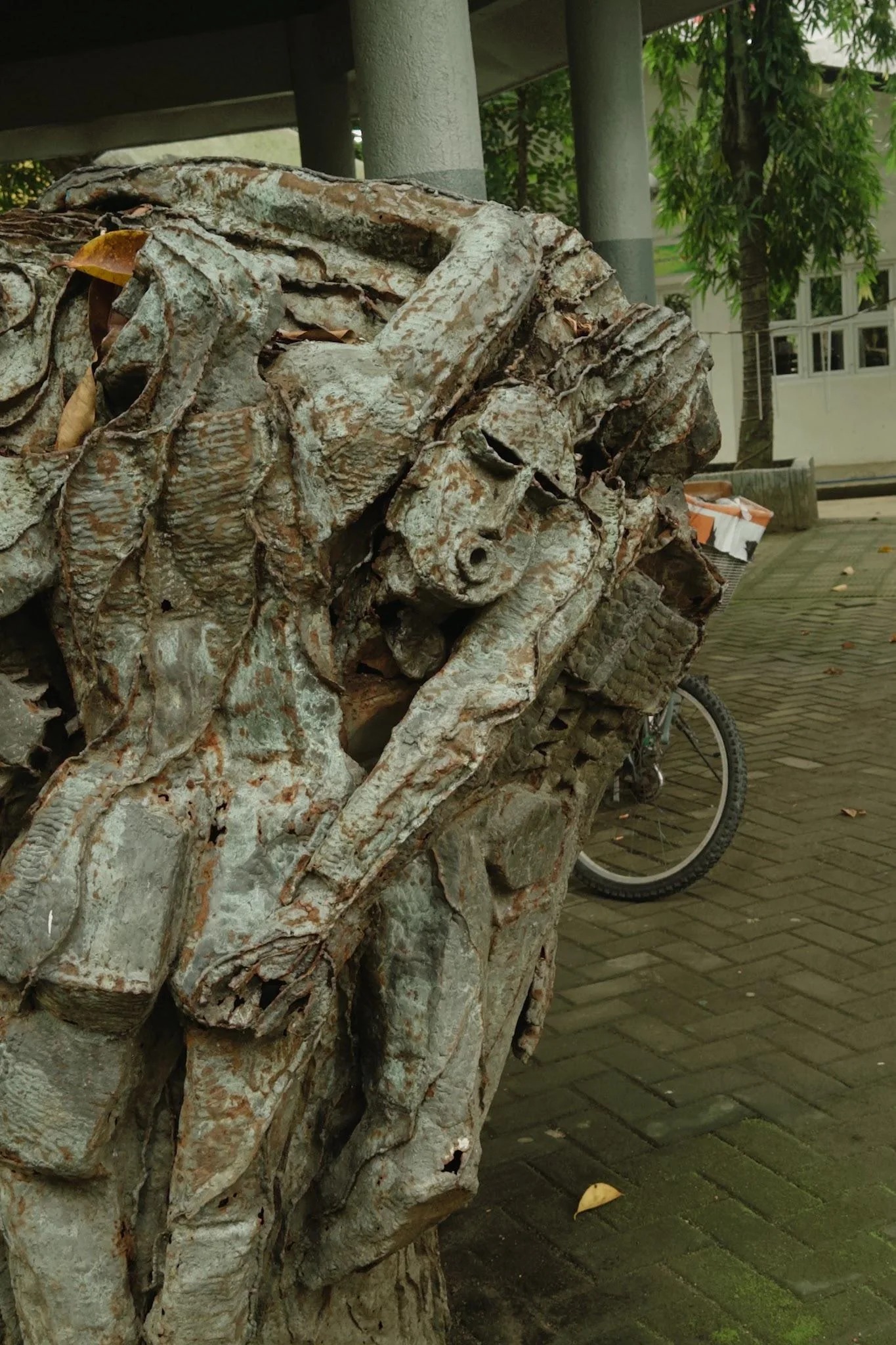
Despite the feeling of the sun waving directly at our faces, we cannot deny that the calmness, the sweet dancing joy of the tall trees, and the warm welcome of the park itself made us want to stay and spend a little more time there. We felt so relaxed that we enjoyed walking, running, and trying those fun activities such as the seesaw and swing on a bright, sunny day. Aside from that, we were intrigued when we saw the different outdoor sculptures that were created by Conrado Mercado. Most of the sculptures that we saw around the park are his artwork. The sculptures are so interesting because they showed raw human emotions, and it feels like it is also showing deep feelings, which made us wonder what the meaning of those displays was. We also visited the tourism office inside the park, and as Ma’am Evangeline told us, Bustos Park is the first open Sculpture Garden in Central Luzon, which is why Bustos takes pride in it.
And as we wandered further down, we saw more than just pieces of art. With every sculpture and cultural element we encountered, we saw the park as a living artwork where we saw not just the arts but also the history and the culture of Bustos.
“Beneath the Same Trees”
We spent some time in the park that morning, observing the people around us. Families were out having fun with their children. The kids were playing while the students socialized together in groups. We loved seeing everyone being so stress-free. Everyone looked like they had nothing else to worry about or do for the meantime. Some spent quality time on the benches, while others simply enjoyed their morning with their loved ones.
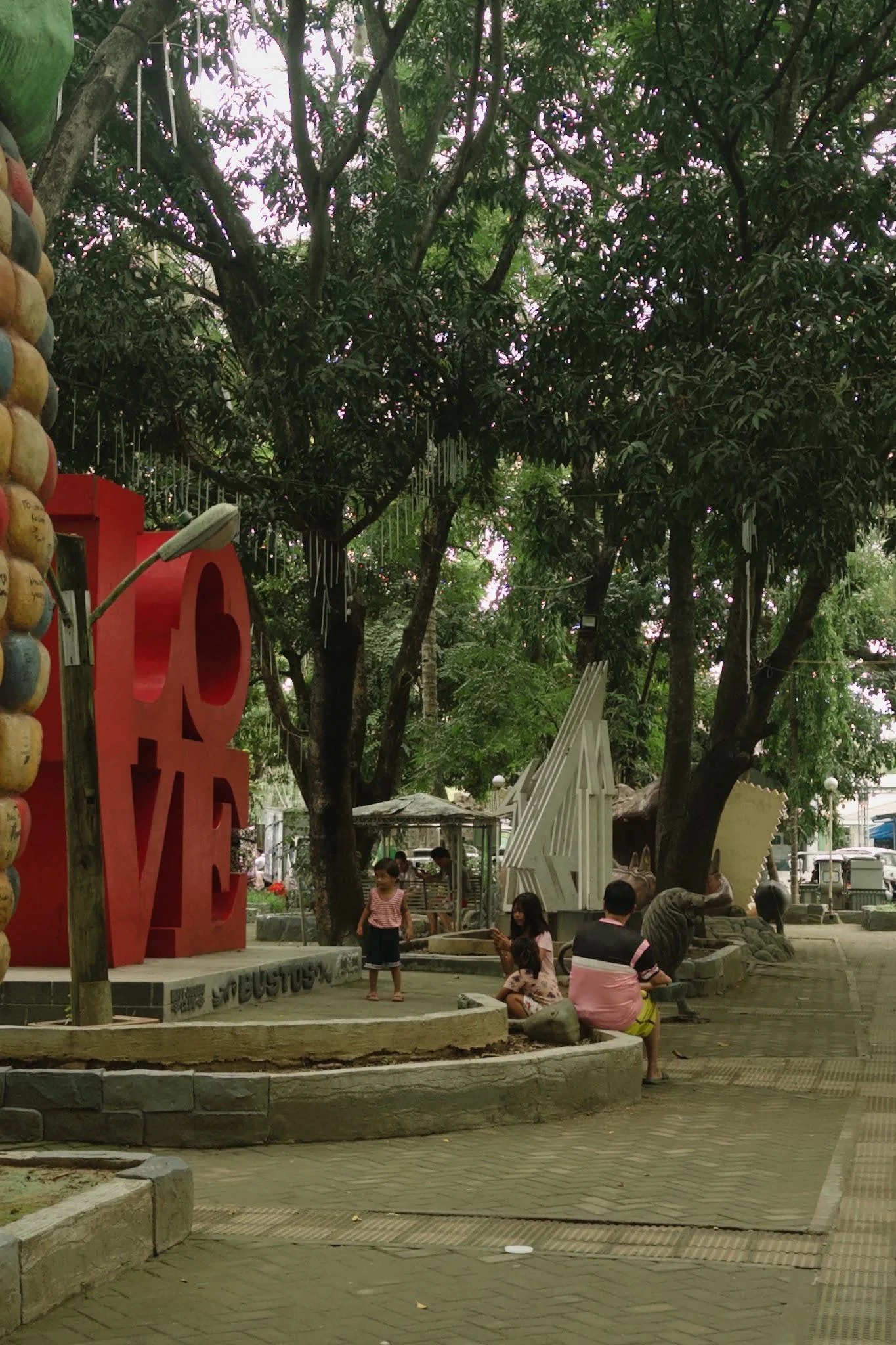
While watching everyone, we started wondering if it was the first time the park had witnessed such a morning. There must have been countless people who had already experienced this place and its ordinary days. They may have sat in the same spots before, talked with someone, laughed together, or simply enjoyed a quiet morning. The people we saw that day would eventually leave, just like everyone else who had been there before them. But the park would still be there.
We started thinking about how we do not always remember the big things that happen. Sometimes, it is just a normal morning, sitting somewhere and watching people, that stays in our minds for some reason. Maybe the past stays with us in those little moments that we end up remembering.
“Where Memory Lives in Plain Sight”
After exploring Bustos Heritage Park, we realized that it is more than just a place to relax, play, or spend time with others. At first glance, it may seem like an ordinary park with trees, open spaces, sculptures, and visitors. However, as we walked around and explored its surroundings, we discovered that every monument, artwork, and corner holds a part of Bustos history. What made our visit meaningful was seeing how the past and present come together in one place.
The Bulacan Military Area Monument reminded us of the bravery and sacrifices of Filipino guerrillas during World War II, while the sculptures and cultural elements reflected the town’s identity and heritage. At the same time, families, children, students, and other visitors continued to enjoy the park. This made us realize that history is not only found in museums or textbooks. Sometimes, it is already part of our surroundings, quietly becoming a part of our everyday lives.
Our visit reminded us that heritage should not only be remembered but also experienced and appreciated. Bustos Heritage Park may appear peaceful and ordinary, but behind its calm surroundings are stories of bravery, culture, and memories that continue to live on. Sometimes, a simple walk through a park is enough to make us realize that the past is not as far away as we think. It may be right beside us, waiting to be discovered and appreciated.
References from the student manuscript
- Lorenzo, E. (2026, August 11). Minasa: The heirloom biscuit tradition of Bustos, Bulacan. Delish Philippines - Your Home for Filipino Recipes, Dining & Food Culture. Retrieved September 15, 2026, from https://delish.ph/news-stories/food-and-drinks/minasa-biscuit-tradition-bustos-bulacan/
- Traveler on Foot. (2017, September 24). Bustos. https://traveleronfoot.wordpress.com/2017/09/24/bustos/
- Velasco, S. F. (2024, February 27). Ika-40 taong anibersaryo ng pagkamatay ni Alejo Santos ginunita sa Bulacan. Philippine Information Agency. https://pia.gov.ph/news/ika-40-taong-anibersaryo-ng-pagkamatay-ni-alejo-santos-ginunita-sa-bulacan/
Planning a Visit to Bustos Heritage Park
Bakasyon.ph visitor information — researched separately from the students’ account; sources checked October 19, 2026.
Location: Bustos Heritage Park is in the town-center area of Bustos, Bulacan, near the municipal offices. The National Historical Commission of the Philippines places an Alejo Santos marker within Bustos Heritage Park. For navigation, use Bustos Heritage Park on Google Maps and confirm your destination before setting out.
Getting there: For a trip from Malolos or another Bulacan town, plan your route to Bustos town proper first. Local jeepney, bus and tricycle arrangements depend on where you start, and services can change. Confirm the current route and last connection locally rather than assuming a fixed travel time or fare.
At the park: Expect a public green space with monuments, outdoor sculpture and shaded places to pause. The student photographs document swings, seesaws and visitors during the visit described in their September 2026 manuscript, but do not establish that every facility will always be available. Walk slowly enough to read historical markers and enjoy the sculptures without touching or climbing on artworks.
Hours and admission: We could not confirm current operating hours or entry charges directly with the municipal authority. Do not rely on third-party listings as guaranteed; check with the Bustos municipal government or local tourism office before a time-sensitive visit.
Comfort and accessibility: Outdoor heat and rain can affect a visit. Bring drinking water and sun or rain protection. Individual paths and facilities were not independently accessibility-audited, so visitors who require step-free access or particular facilities should ask locally before travelling.
For more context, see Bakasyon’s Philippine food and culture stories and slow-travel planning collection.
Sources and editorial note
Historical details were checked against the NHCP Bulacan Military Area marker, the NHCP Alejo Santos marker, and Philippine Information Agency reporting. For the sculpture and local-food setting, the students consulted Traveler on Foot’s Bustos account and cited a Delish Philippines feature on minasa. The Delish page was not independently retrievable during our October 19 fact check, so the reported 1958 start of Zeny’s Minasa remains attributed to the conversation described by the student contributors.
Personal impressions, the student group’s conversations and photographs submitted with their September 2026 manuscript are their contributions. Historical cross-checking, external links and the visitor-planning notes were added during Bakasyon.ph editorial review.