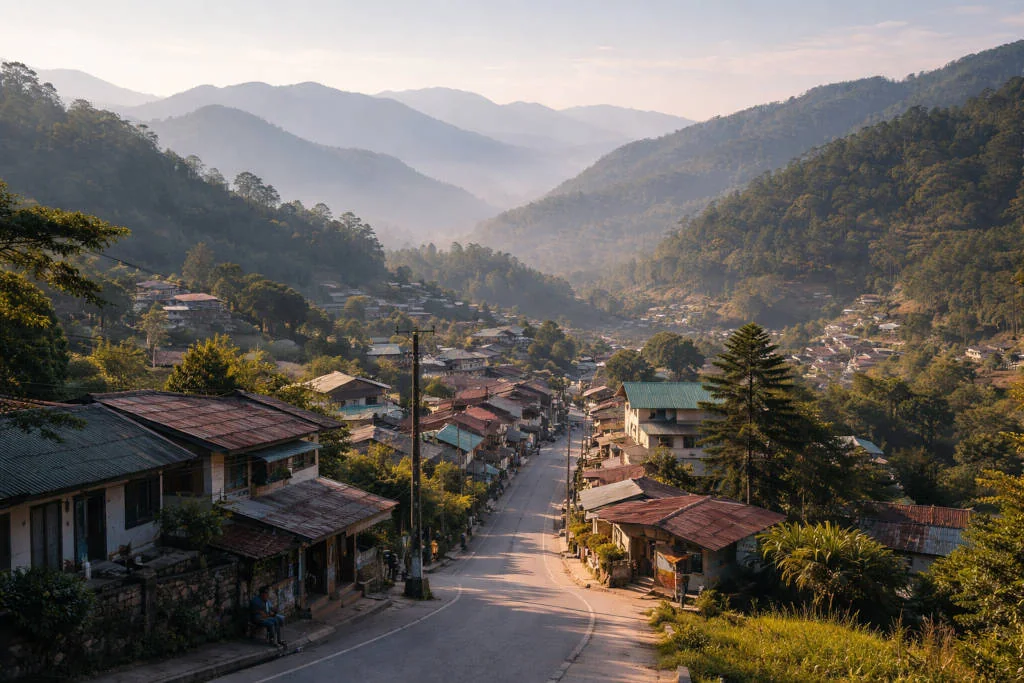
Slow travel is a practical choice about how many places to visit, how often to move and how much room to leave for ordinary days. This hub turns that preference into specific choices about base length, transport and fallback days—not a promise that going slowly always costs less.
Choose a trip pace you can actually enjoy
| If you have… | Practical pattern | Likely trade-off |
|---|---|---|
| A long weekend | One base and one main activity per full day. | You may skip distant highlights to preserve usable time. |
| One week | One base with several relaxed days, or two nearby bases if the connection is straightforward. | A transfer can consume much of a sightseeing day. |
| Two weeks | Two regions or islands only when the actual connection permits useful stays. | Extra flights or ferries can increase both cost and fatigue. |
| Flexible dates | Hold a rest or weather day near a main activity. | Some accommodation and tours require advance commitments. |
Build a slower route, not just a longer one
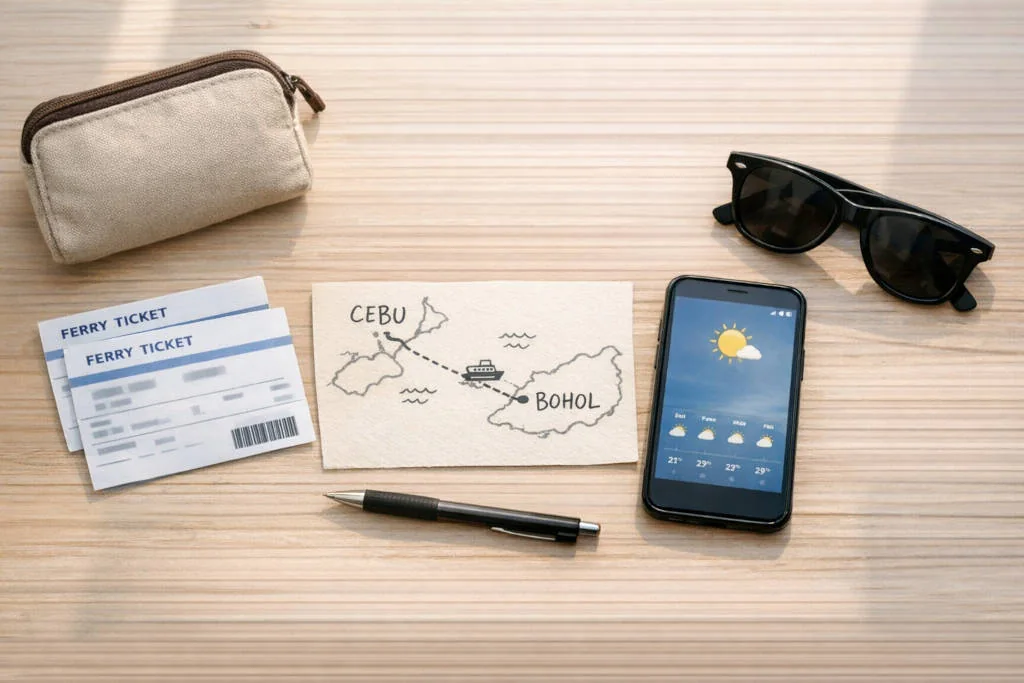
Choose a first base around the activities you most want. Add another only if its distinct experience outweighs transport and packing time. Compare the Cebu–Bohol loop or seven days in Boracay for different ways to use a week.
What to leave flexible
- Arrival day: food, check-in and simple orientation rather than a fixed excursion.
- Boat or weather day: a sensible alternative from the weather-planning hub.
- Transfer day: do not assign a full tour to the same day as a long bus or ferry journey.
- Base selection: use the where-to-stay hub before changing hotels.
The Siargao, Bohol and La Union guides offer different environments for flexible stays. Whether a longer stay saves money depends on actual rooms, transport and purchases—not on the phrase “slow travel.”