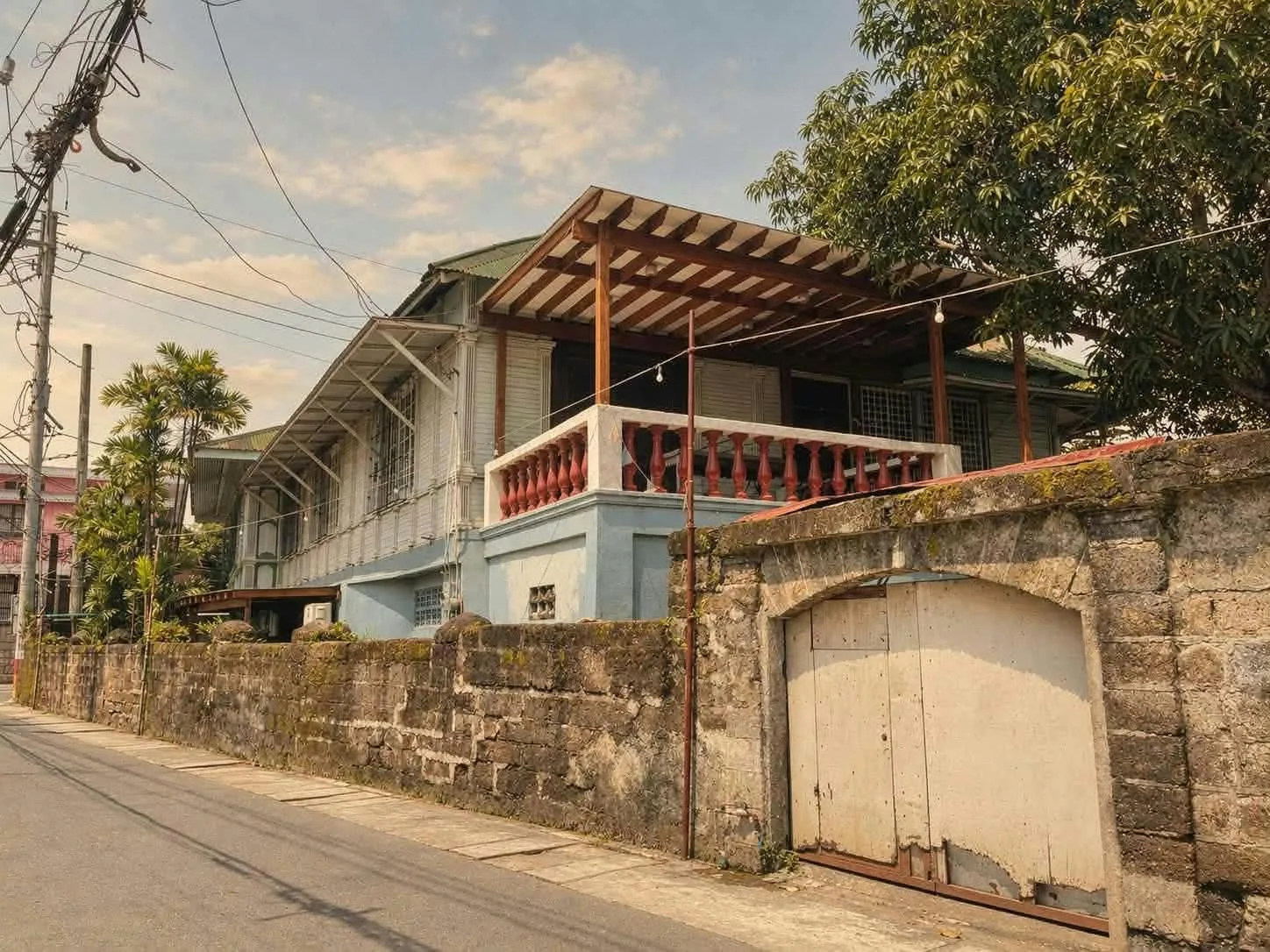
Have you ever felt like history was talking to you while you walked on a street? It was noontime, right after class. The sun was heavy, but we went anyway. The heat was so intense that day that we could really feel the sun on our skin, but it didn’t stop us from going. We took a jeepney, which they called “Karatig”, to reach our destination. A ride that showed us what daily life really looked like. The constant blaring of horns resembled the loud chirping of cicadas, and the exhaust fumes from surrounding vehicles were inescapable. We also experienced heavy traffic due to many commuters sharing the road with us. Upon arrival, however, our fatigue vanished as we were bathed in natural light, and the Kamistisuhan District glowed. It was late afternoon, almost golden hour, and the light made the old wood and stone walls look softer, more mysterious. Particularly the sight of the ancestral houses. We found ourselves using perspective and angle just to capture them, some shots from below to show how tall they stood, others from the side where wires tried to hide them. This was cultural photography and street photography all at once.
However, it is truly heartbreaking to see some of these structures left behind and seemingly abandoned. The wires and cables got in the way of the view, and big trees with thick plants were covering parts of the old houses. Cars parked in front of the historic homes also made it hard for us to take good pictures. It was ironic that modern life was hiding the very history we came to see.
Still, we really admired how each building was designed, and we couldn’t help but wonder, "Who would’ve thought there was a place like this in Malolos?" As we walked around, we started to feel how deep and beautiful the history here was. History here is not dead. It’s a silent witness. A few houses were still being cared for by the grandchildren of the original owners, but others were already repaired and turned into stores.
While walking along the streets of Kamestisuhan District, we learned that Malolos was an important place during the First Philippine Republic under Emilio Aguinaldo. A fascinating heritage feature by writer Marky Ramone Go tells of how many of these grand ancestral homes actually became the offices of the revolutionary government because of their strategic location and large space. Knowing this made us appreciate the places more.
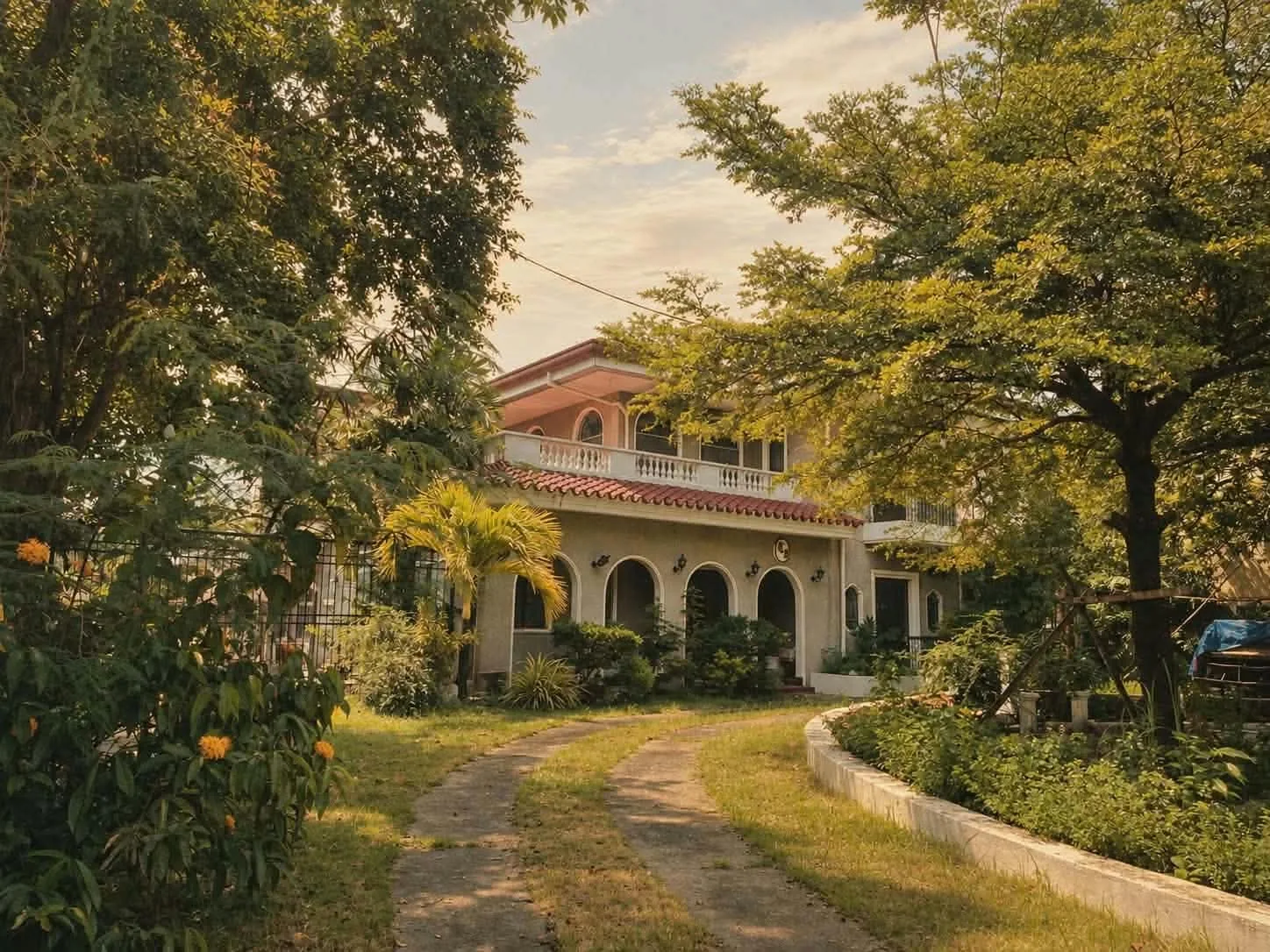
While we were walking by, we noticed a house with a very unique design. At first glance, it appears just like a regular house, but once you peek closely, you'll spot the four women engraved on the outer facade. We also observed that the windows have metal frames that firmly hold the glass; the house is two stories high, making it easily noticeable. As we casually glanced at the house, we found out that it belonged to Don Jose Bautista. It was also associated with historical events in Malolos. Learning this made us appreciate the house more because behind its unique design lies a piece of history.
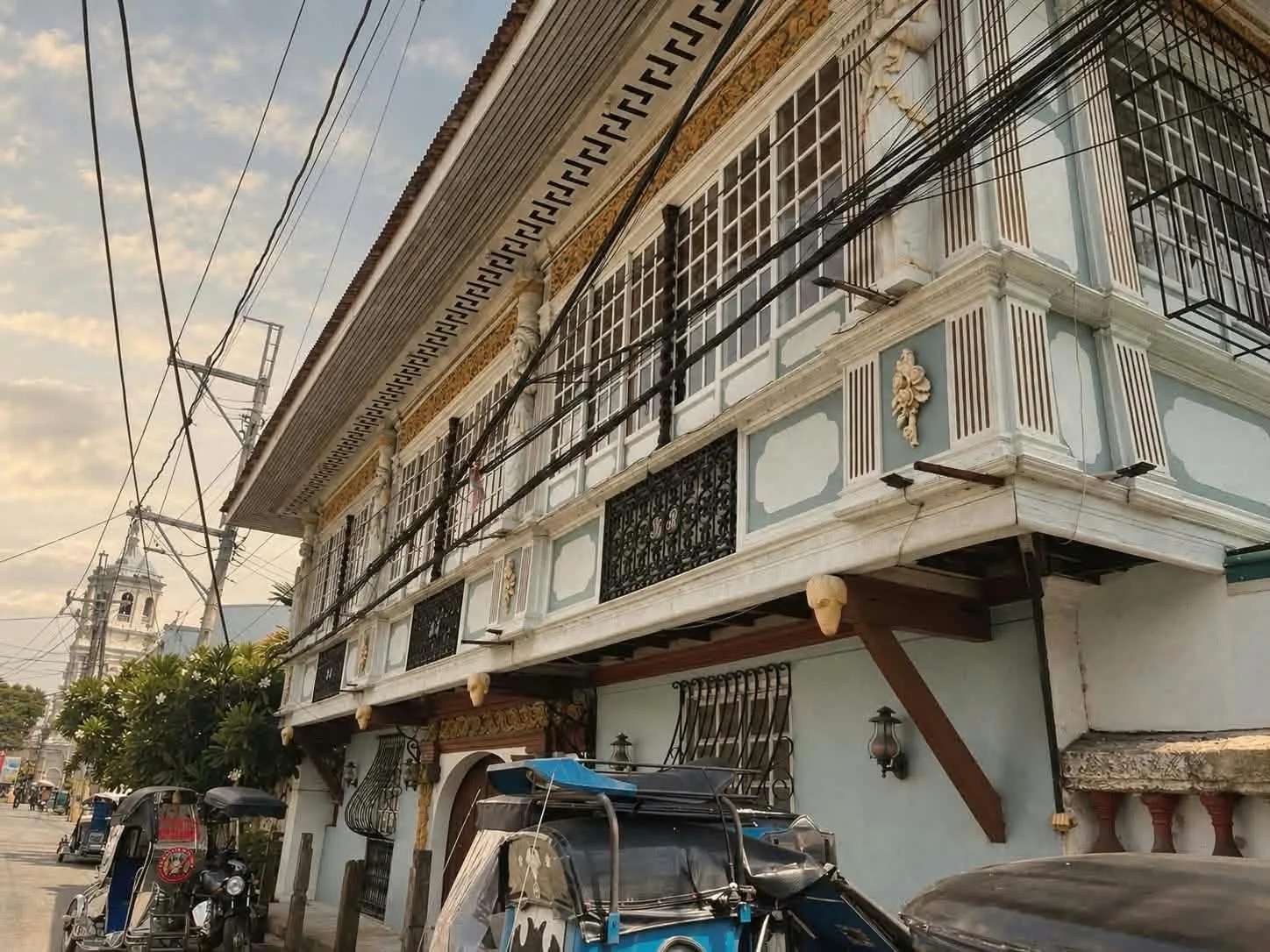
Not long after, the pink house caught our attention. We took one look at the house of Don Jose Bautista. It had a different design, so we got curious and walked closer to inspect it. As we examined the house, we noticed that even the ceiling outside had intricate designs. The windows looked old-fashioned, accompanied by two large doors. Suddenly, something crossed our minds; it was the "Uitangcoy-Santos house". Our Philippine history professor introduced this to us, but as far as we knew, it didn't look like the same house anymore. As we thought about it, we heard someone say it's been renovated, and that made us snap back to reality. We don't know if we will feel sad or happy because of the renovation, but we know deep down that even if it gets renovated, the history lies where the house was placed.
As we wandered down the road, a red house caught our attention. Walking towards it, we saw a plaque engraved in front. As we read it, we learned that before, it was a "Bahay Paaralan ng mga kababaihan", the 21 Kababaihan of Malolos, and their desire to have access to education. Reading their story while being in the area made it more interesting for us, because as women, we yearn to have education to build a good life in the future. Our hearts ache knowing education was once a privilege that not every woman could easily access. They faced many restrictions and struggles just to pursue education and prove that they were also capable of learning. Knowing their stories made us realize how much courage it took for women before to fight for the chance to be educated.
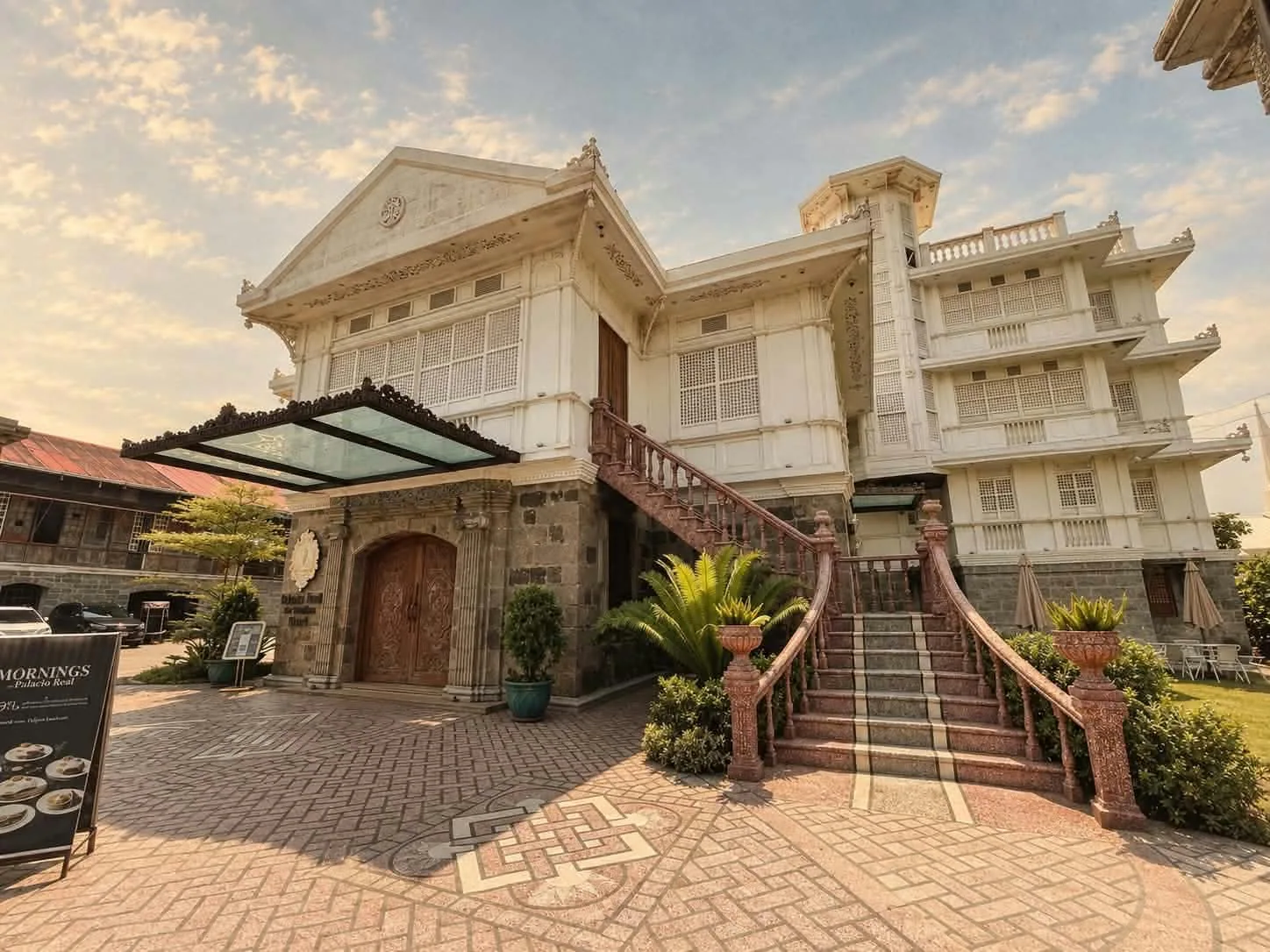
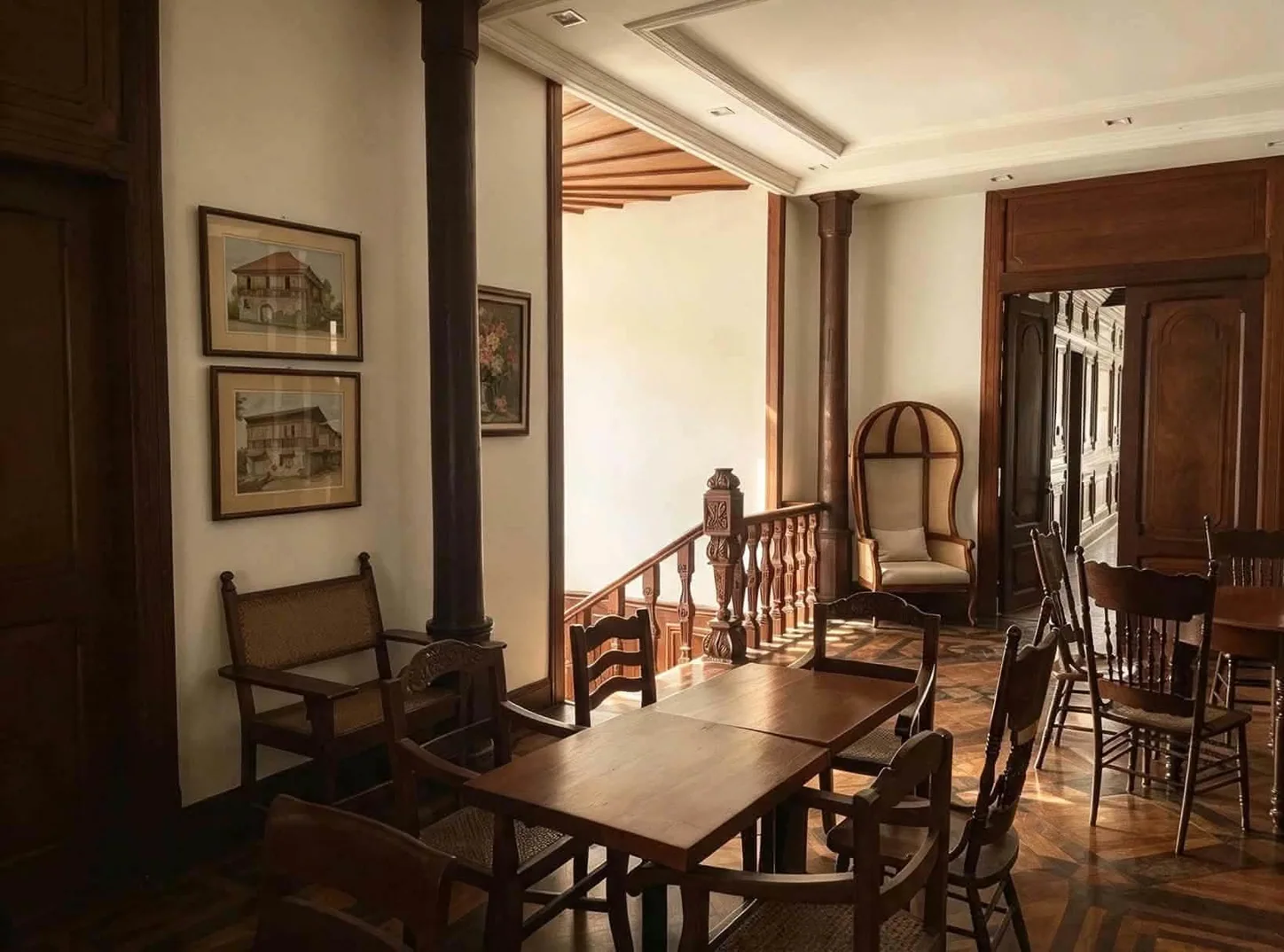
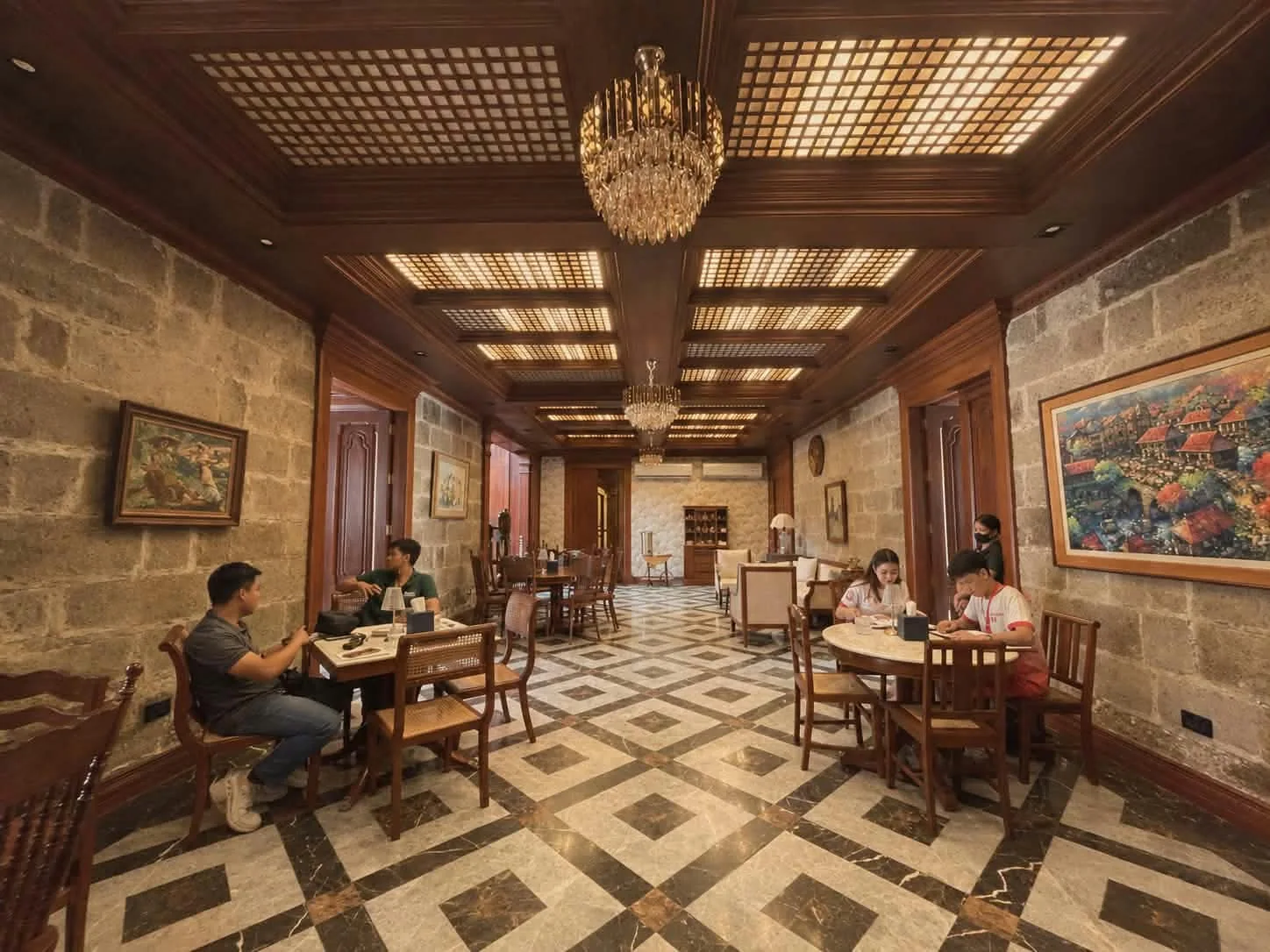
As we were walking by, we felt exhaustion throughout our bodies due to the intense heat. Just then, a figure caught our eyes in the distance. We saw a man holding a cup of tea as he exited the grand house. Feeling exhausted from the heat, we were tempted to come closer and look. As we entered the big white house, we noticed its name: Palacio Real De Santo Niño Hotel. As we walked inside the house, it gave off a nostalgic, old-world aura. The paintings, chairs, tables, and warm lighting add to the feeling, making it seem as though we have gone back to the past.
We sat down directly and ordered a drink, but we were intrigued, so we roamed around the house. As we explored each room, we realized that with every step we took inside the house, someone from the past had walked through the same place before us.
Going back to our table, we took a taste of the drink, and we felt refreshed. It was delicious and reasonably priced, and also it was a great privilege to take some rest in a historic place like this.
Standing in front of Palacio Real De Santo Niño Hotel, we looked around until a house in the distance caught our attention. As we walked towards it, we saw the plaque engraved and read it. We learned that it was the house of Dr. Luis Santos, designed in the Art Deco style. Also, Dr. Luis Santos was an eye specialist who trained at Johns Hopkins and treated important people, such as the sister of Jose Rizal.
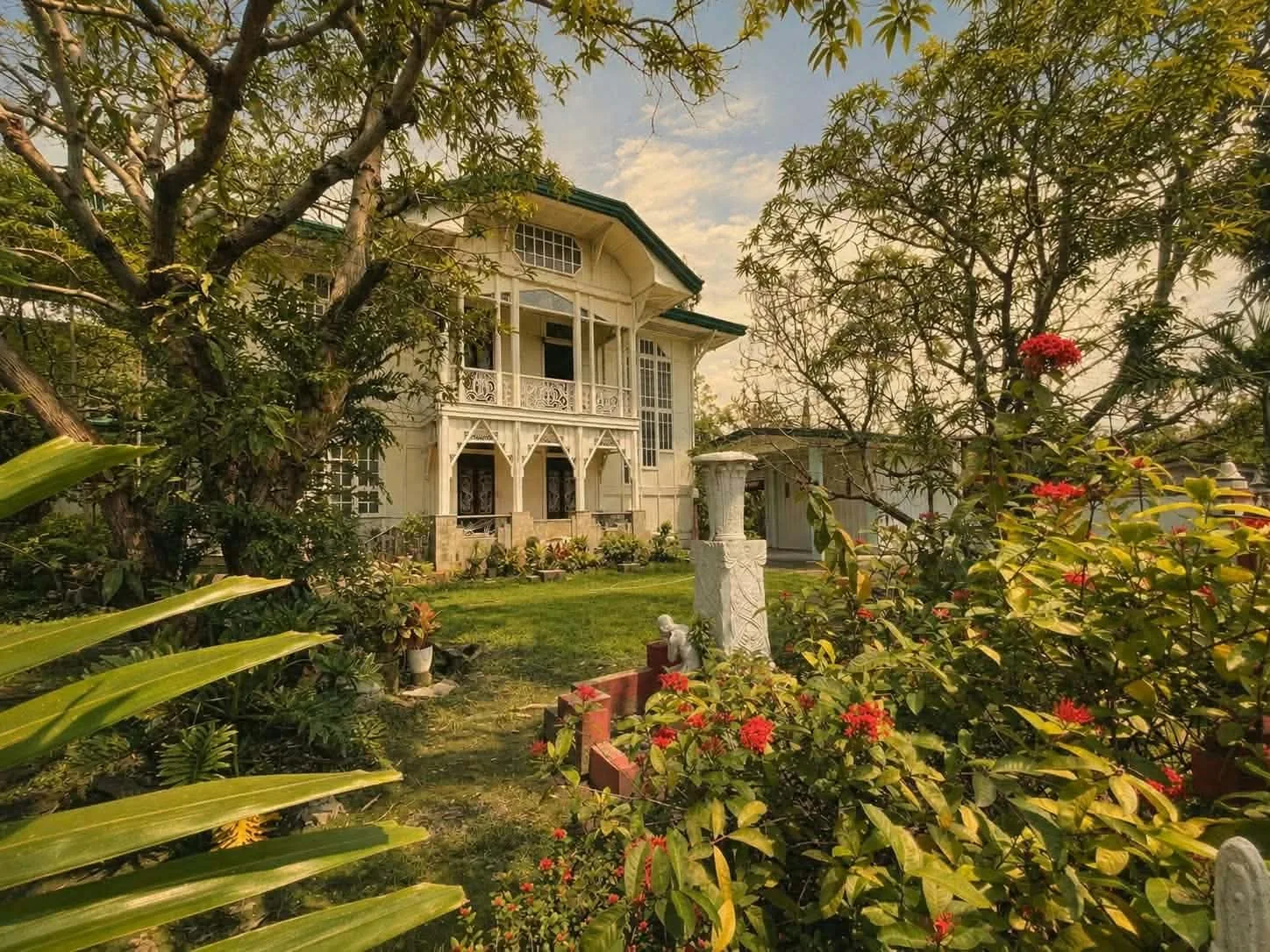
We were amazed that this house was also his clinic. We couldn’t help but think about how the patients would have arrived at the clinic with the hope of better eyesight. We were impressed by the design of the house and by how enormous it is. In front of the house, we noticed the fountain. Out of all the houses we saw in Kamestisuhan District, this is the only house that has a fountain.
When we left the Kamestisuhan District in Sto. Niño, Malolos, Bulacan, we discovered that it has a hidden history, and even after several decades, the beauty of the place still remains. We are sure that it is even more beautiful at night because of the lights that are lit around it. We couldn't help but look back again. We understood the history even more because of the plaques placed on the houses.
There, we realized that the writings there are not just dates and names but traces of courage and excellence that still remain. That's when we understood better that Kamistisuhan District never gets old. We returned home tired and sweaty, but we were full of spirit and had no regrets.
References
Spot.ph. (2025, February 14). This ancestral home in Bulacan houses art by two National Artists. Spot.ph. https://www.spot.ph/arts-culture/the-latest-arts-culture/111048/this-ancestral-home-in-bulacan-houses-art-by-two-national-artists-a5332-20250214-lfrm
Studocu. (n.d.). Art App: Functions of art in Malolos. Bulacan State University. https://www.studocu.com/ph/document/bulacan-state-university/business-administration/art-app-functions-of-the-art-in-malolos/89574877
Daily Tribune. (2023, June 12). Kamestisuhan District: The historic heritage street of Malolos, Bulacan[Facebookpost].Facebook. https://www.facebook.com/tribunephl/posts/pfbid03555bX2G9QdAmqkajDFUoN6Pu34eXKUVAEoqFgW6XAEhtgRiLbtyMsikdYZ8pcPpKl
Student feature and all seven photographs by the seven credited Bulacan State University tourism students, from their September 2026 manuscript. Original photo captions have been retained.
Additional information from Bakasyon.ph
Planning a Visit to Kamestisuhan District
Editorial supplement: The travel narrative, photograph captions and original references above are the students’ own work, reproduced without editorial rewriting. The practical guidance and historical clarifications below were researched separately by Bakasyon.ph; they are not part of the student manuscript.
Where it is: Kamestisuhan (also written Kamistisuhan or Kamestizuhan) is a historic district in Malolos City, Bulacan, particularly around Barangay Santo Niño and its old residences. The City Government of Malolos includes Kamestisuhan in its official heritage tours. The neighborhood is best approached as a heritage streetscape: admire historic façades, plaques and streets, while remembering that some buildings are privately occupied or serve modern purposes. Source: City Government of Malolos.
A practical approach to a heritage walk
- Start locally: Use central Malolos as the arrival point and ask a local driver for the Kamestisuhan heritage area in Santo Niño. The city has also featured the smaller local karatig jeepney on its heritage itinerary. Routes, availability and fares should be checked locally. City heritage-tour source.
- Plan to walk: Inspect architecture and historical markers at street level while staying alert to traffic, uneven pavements, sun and afternoon rain. Some building interiors may not be open to unscheduled visitors.
- Respect private property: Do not assume a heritage listing means public access. Ask before photographing residents or entering a building, and check current arrangements with local tourism staff or the property operator.
- Connect nearby heritage: Malolos’ recognised sites include Casa Real Shrine, Barasoain Church and the historic Women of Malolos schoolhouse site. Confirm admission and opening arrangements independently before your trip.
Clarifying the heritage-house names
Several historic homes in Malolos have similar family names, and the students’ original captions are reproduced above as submitted. Published heritage research identifies the Don José Bautista House by its unusual female caryatid figures on the upper façade. The Alberta Uitangcoy-Santos House is separately recorded as a heritage house by the National Historical Commission of the Philippines. These names should not be treated as interchangeable. The exact identification of every photographed house in the student feature has not been independently established, and readers should not use a single student caption as a definitive historical property record. Heritage architecture reference · NHCP registry.
The Women of Malolos and the Dr. Luis Santos House
The NHCP schoolhouse marker records that 21 young women petitioned for permission to establish a Spanish-language night school in December 1888, and that José Rizal praised their initiative in his February 1889 letter. Separately, published heritage reporting documents the Art Deco character of Dr. Luis Santos House and the presence of Fernando Amorsolo’s Bounty Harvest mural. The manuscript’s account of Dr. Santos treating a sister of Rizal was not independently confirmed in the sources reviewed; it should be understood as a claim reported in the students’ submission rather than independently verified medical history. Architecture and art reporting.
Before visiting: No verified admission prices, opening hours or guaranteed access arrangements are provided here. Ask the Malolos City tourism office or the relevant property directly for current visitor information. For broader trip preparation, see our Philippines first-trip planning guide and slow-travel planning resources.
Editorial source verification: October 19, 2026. Local access and transport details may change.