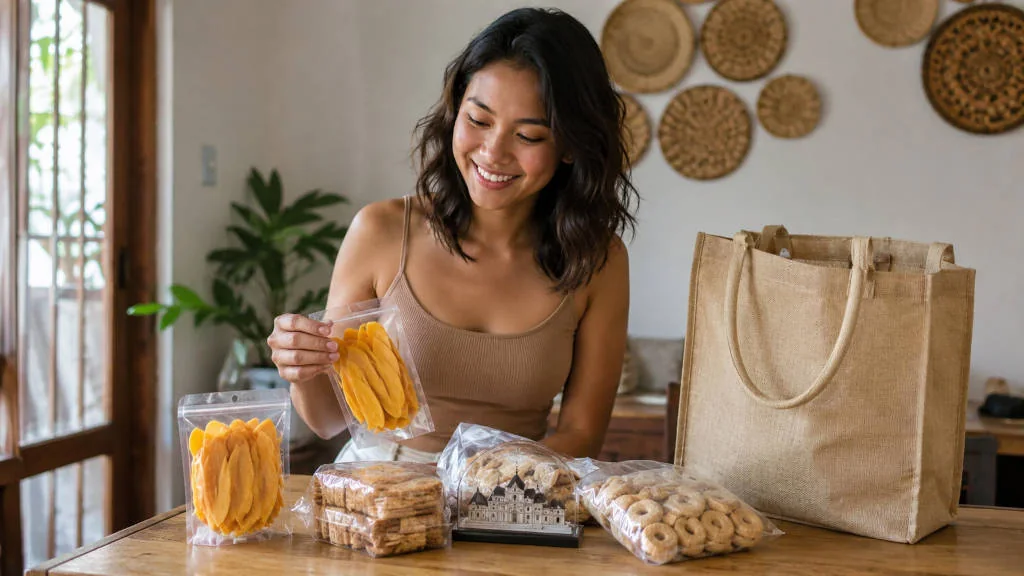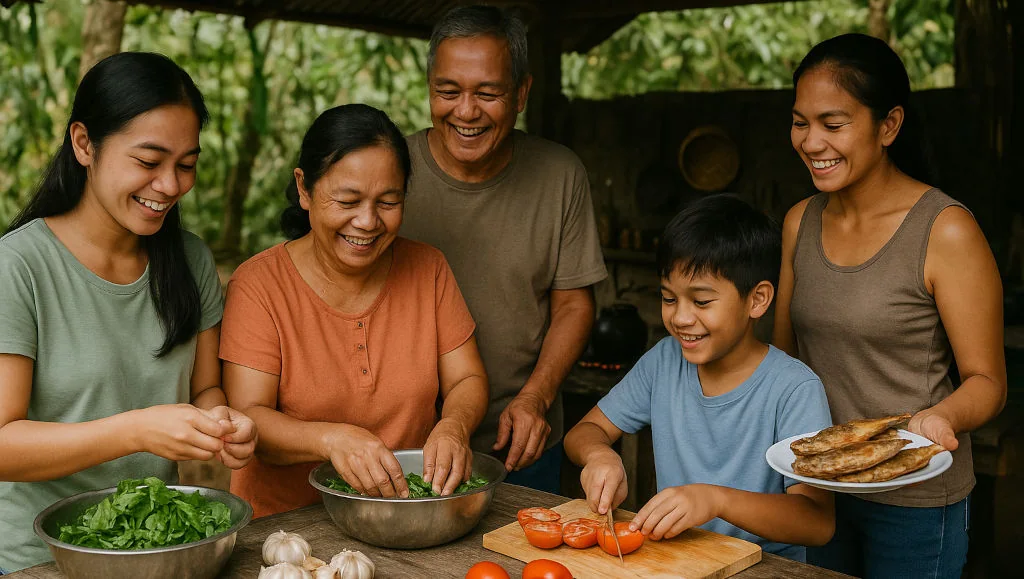
The first time I tried cooking with locals, I didn’t expect to laugh so much. I was standing in a small seaside kitchen in Eastern Visayas, holding a knife far too big for my skill level, while an older tita teased me gently for slicing onions like I was afraid of them. That moment captured what the experience truly offers—connection, humor, and a sense of belonging that goes far beyond the food. It’s a delicious reminder that the best cultural lessons are sometimes learned over simmering pots and shared wooden tables.
Why Cooking With Locals Feels Like Coming Home
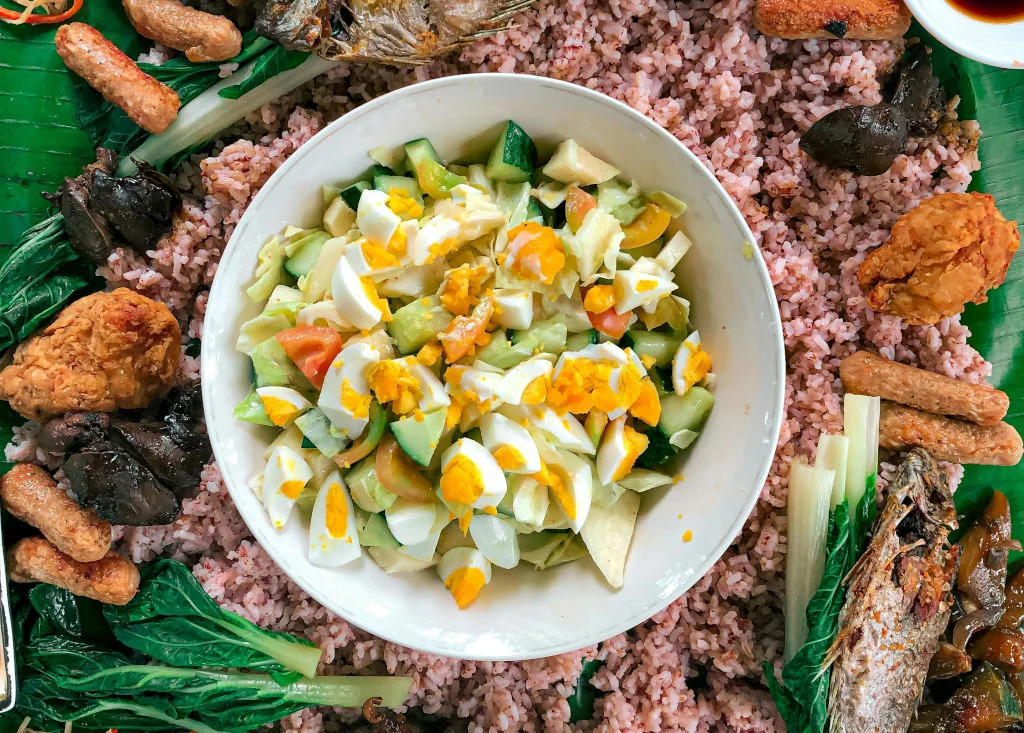
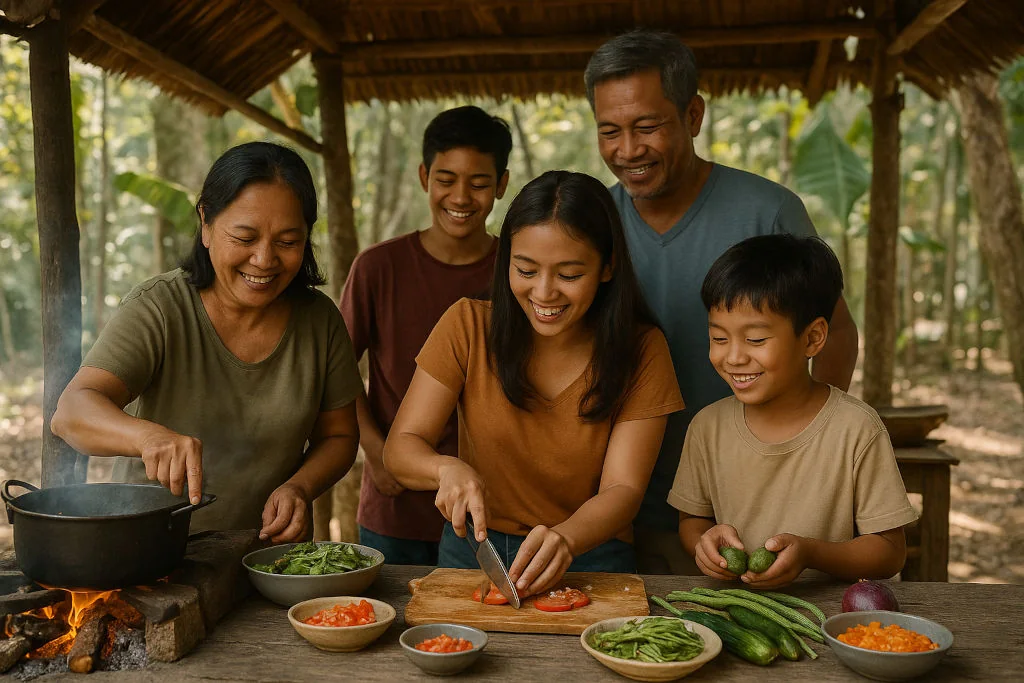 Across the Philippines, joining local kitchens is more than a travel activity—it’s an invitation. You’re stepping into someone’s routine, watching flavors unfold through familiar hands and well-loved tools. Every region has its own personality, and being welcomed this way brings those traits to life: Ilocanos with their earthy, balanced dishes, Bicolanos with their love for heat and gata, and Visayan cooks who swear by the comfort of kinamot meals. When you take part in this kind of hands-on cooking, you feel woven into a tradition that existed long before you arrived.
Warm Kitchens and Warmer Conversations
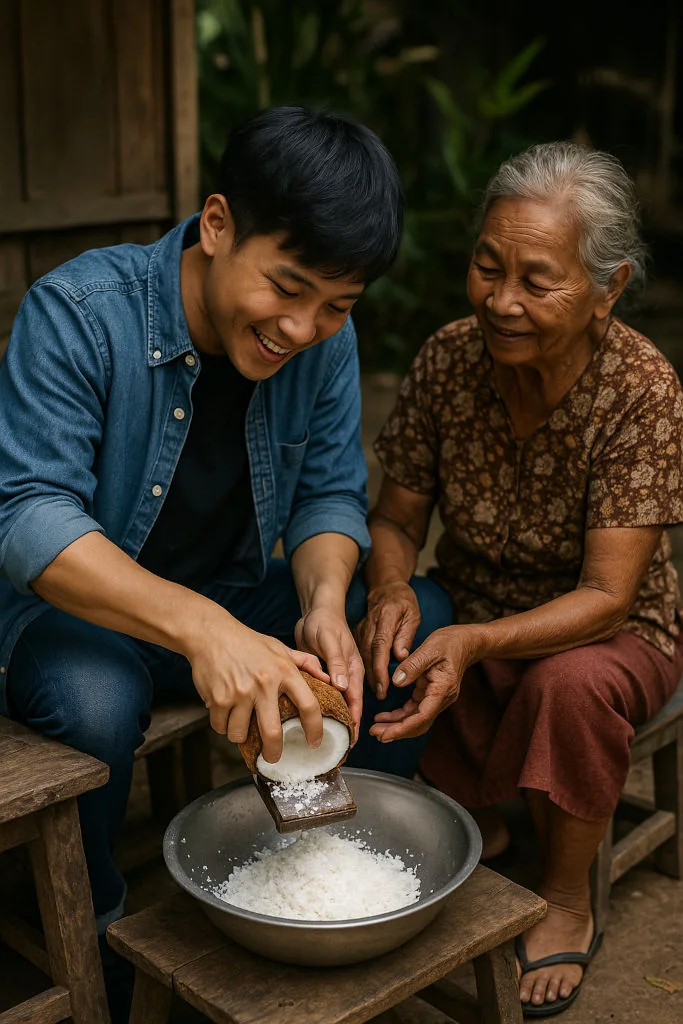 Some of my most memorable trips took unexpected turns because of chance invitations from locals. In Mindanao, a family once asked me to help prepare piaparan in their backyard. As we grated coconut by hand, they shared stories about fiestas, family reunions, and the small joys of everyday life. It made me realize that cooking alongside home cooks is also a way of learning people’s histories—told casually, between jokes and careful stirring.
The Humor That Always Shows Up
Filipino kitchens are full of laughter. There’s always someone joking about your chopping skills, a tito claiming he makes the best adobo in town, or a niece insisting you taste her grandmother’s secret sawsawan. These shared moments turn simple meal prep into something unforgettable, because food in our culture is rarely serious unless it’s meant for healing or celebration.
Learning Through Flavors and Hands-On Practice
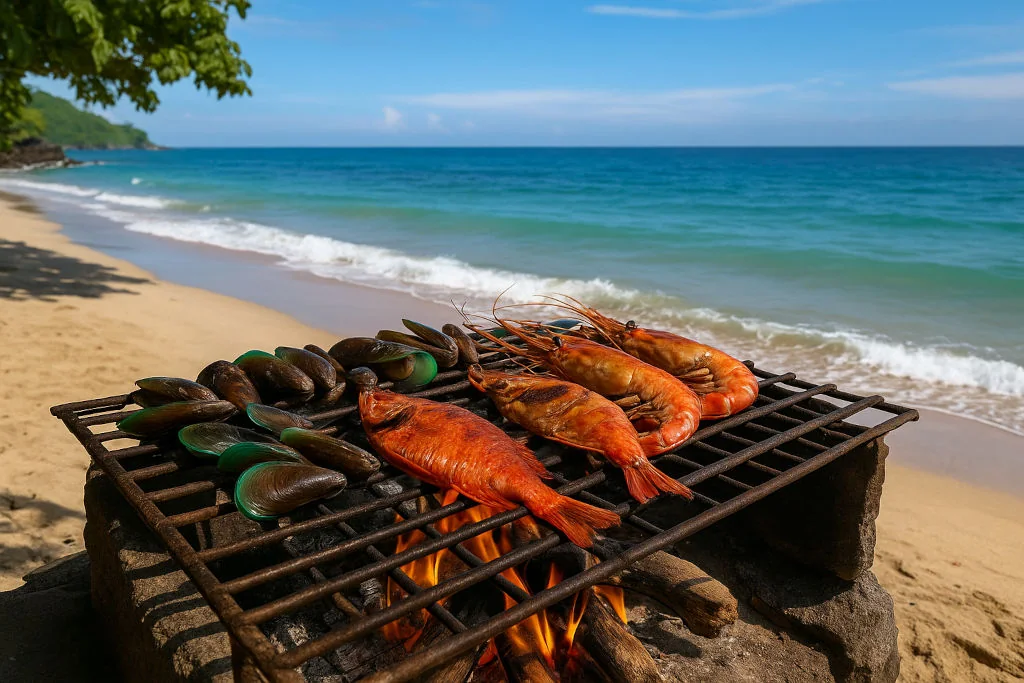
One thing I love about learning from locals is how intuitive everything feels. Measurements are “tansya,” cooking times are “pag mabango na,” and the best ingredients are often whatever was picked or caught that morning. There’s a craftsmanship in Filipino cuisine that shines when you’re guided by people who cook from instinct rather than recipes.
The Beauty of Imperfect Techniques
During a session in Northern Luzon, I burned the first batch of garlic. Instead of letting me feel embarrassed, my host laughed and said, “Ayan, masarap na ‘yan—lutong-bahay!” It reminded me that mistakes become part of the memory. It’s not about perfection; it’s about presence.
Cooking With Locals Across the Islands
Each region teaches you something different. In the Visayas, you might learn to prepare kinilaw so fresh it tastes like the sea. In Zamboanga, dishes reflect Spanish, Malay, and Tausug influences. In Palawan, backyard-grown herbs and wild produce introduce flavors you’ve never heard of. This diversity turns every cooking with locals experience into a new chapter of understanding Filipino identity.
The Shared Joy of Eating What You Cook
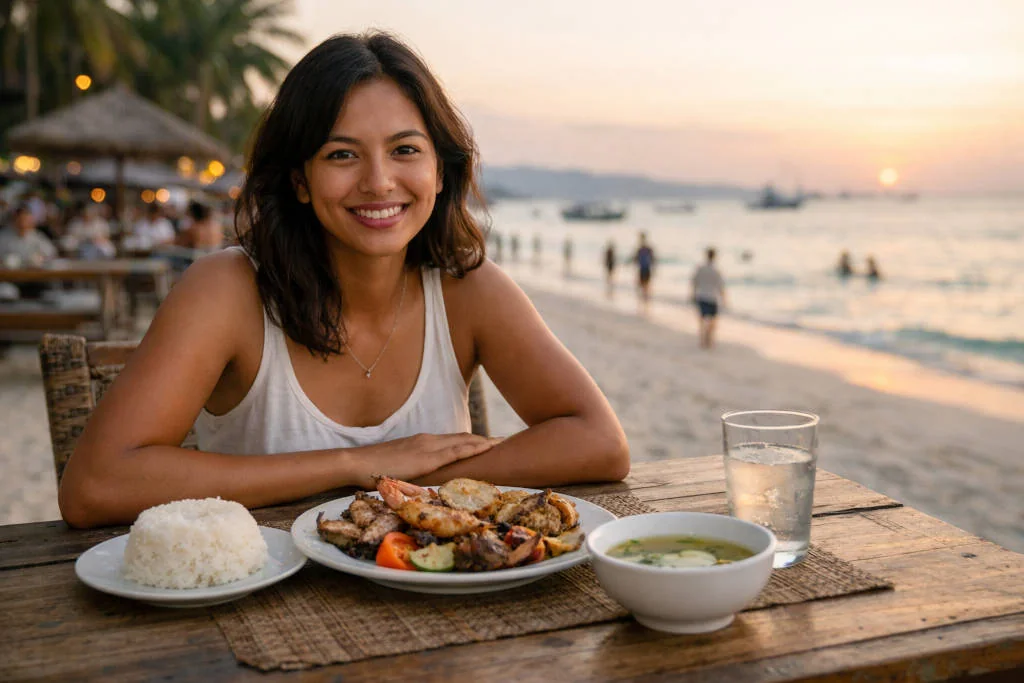
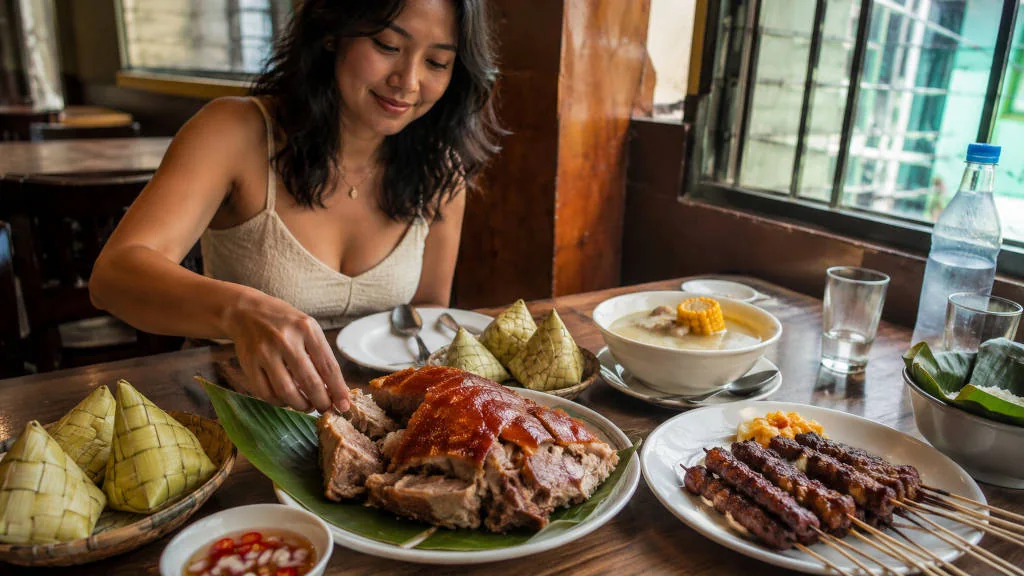
The finishing moment—sitting down together—is my favorite part. Meals taste better when you know the hands that made them, the stories behind the ingredients, and the laughter that filled the kitchen. Eating together becomes a celebration of effort, community, and trust.
Practical Tips for First-Timers
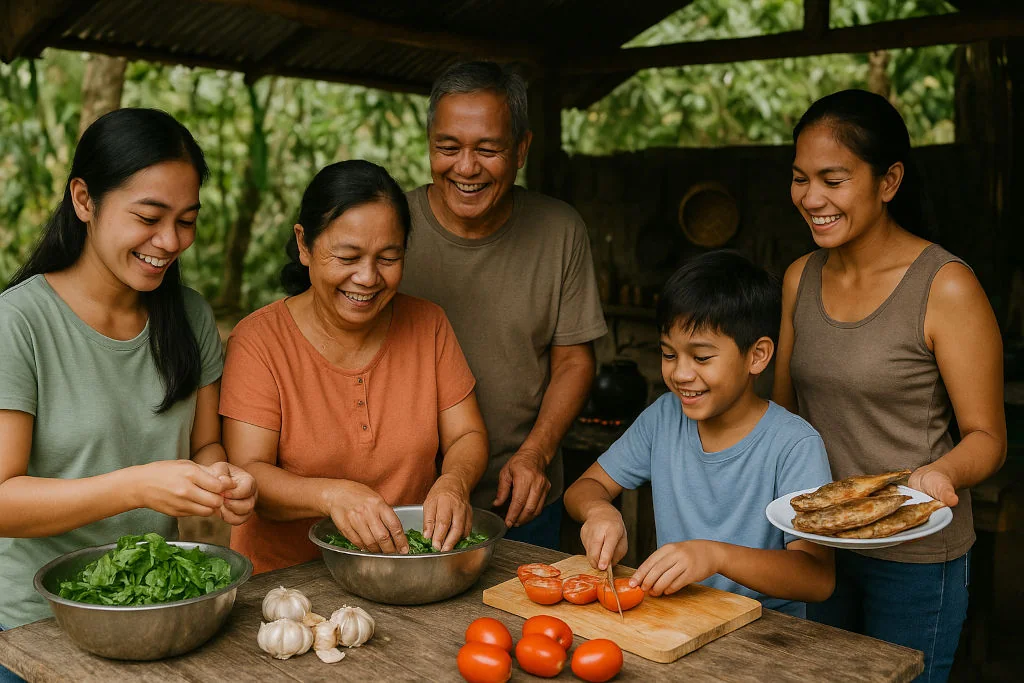 If you’re planning to try cooking with locals during your travels, come with curiosity and an open palate. Bring a reusable container if they insist you take leftovers (they will), and be ready to get your hands messy—many families will happily put you to work chopping, pounding, and mixing. For regional inspiration before your trip, pairing this experience with insights from Bakasyon.ph’s Palawan guide can help you appreciate local ingredients more deeply. Broader culinary context is also available through Philippine cuisine resources.
Respecting Traditions and Boundaries
Always ask before photographing someone’s kitchen or tools. Some families treasure these deeply. Offer help even if they say “Kaya na ‘yan”—because participation is part of the exchange. And remember: gratitude goes a long way. A simple “Salamat po” carries warmth across any table.
At its heart, cooking with locals isn’t just about learning recipes—it’s about sharing humanity. It’s about letting yourself be welcomed, laughing at your own mistakes, and finding comfort in flavors that reveal the soul of a place. No matter where you wander in the Philippines, the experience offers a glimpse into traditions lovingly passed down, one meal at a time. And each time you’re invited into a new kitchen, may you carry with you the joy, humility, and connection that make this kind of journey such a beautiful way to travel.
How to Choose a Responsible Local Cooking Experience
Look for an experience where the host clearly explains what you will cook, how long the session takes, what is included, and whether the meal is private, family-run, community-based, or part of a larger commercial tour. The best sessions leave room for questions and conversation instead of rushing through a fixed photo opportunity.
What to Ask Before You Book
Confirm dietary restrictions, allergies, accessibility needs, transport, and whether market visits or ingredient purchases are included. If raw seafood, shellfish, or unfamiliar ingredients are involved, ask how they are stored and prepared. Those questions do not make the experience less spontaneous; they make it easier to relax once you arrive.
For more food-and-culture planning, browse the Food & Culture hub or continue with Filipino coastal cooking traditions.