Religious tourism in the Philippines is not one single itinerary. A visit to a Marian shrine in Pangasinan, a Holy Week church circuit in Laguna and an afternoon at an active Cebu City basilica call for different transport, time and etiquette decisions. Muslim, Christian and other sacred communities also have places of worship and heritage, but public access is not automatically available to tourists.
Start with the purpose of your trip: if you wish to attend a particular Mass or devotion, use the site's current official timetable first. If your goal is religious heritage, choose a geographically compact area and travel around services rather than treating worship as a photo opportunity. If mobility or heat is a concern, choose fewer stops and confirm access details before departure.
Choose a route by pilgrimage intent and location
| Pilgrim goal | Best starting point | Main planning decision |
|---|---|---|
| Marian devotion in Northern Luzon | Our Lady of Manaoag, Pangasinan | Confirm Mass or blessing timetable; decide whether the travel and return fit one day. |
| Seven-church Catholic visits in Laguna | Laguna seven-church pilgrimage and Visita Iglesia | Choose a coordinated provincial tour or plan your own smaller set, not an assumed walkable route. |
| Cebu City worship and walkable heritage | Basilica Minore del Santo Niño | Check schedules, special liturgies and downtown traffic before combining nearby stops. |
| Cebu countryside Marian shrine | Simala Shrine, Sibonga | Allow substantial road time from Cebu City; verify dress and mobility needs. |
| History linked to faith and community memory | Bocaue's Wawa River story | Read respectfully as a remembrance site, not as a routine pilgrimage attraction. |
The Philippines Department of Tourism's faith-tourism overview explicitly recognizes Christian and Muslim sacred places. This guide focuses on trips with adequate publicly verified visitor information; it does not claim every sacred site welcomes unannounced sightseeing.
Plan by region, not by the length of a list
Northern Luzon: Manaoag as a dedicated pilgrimage
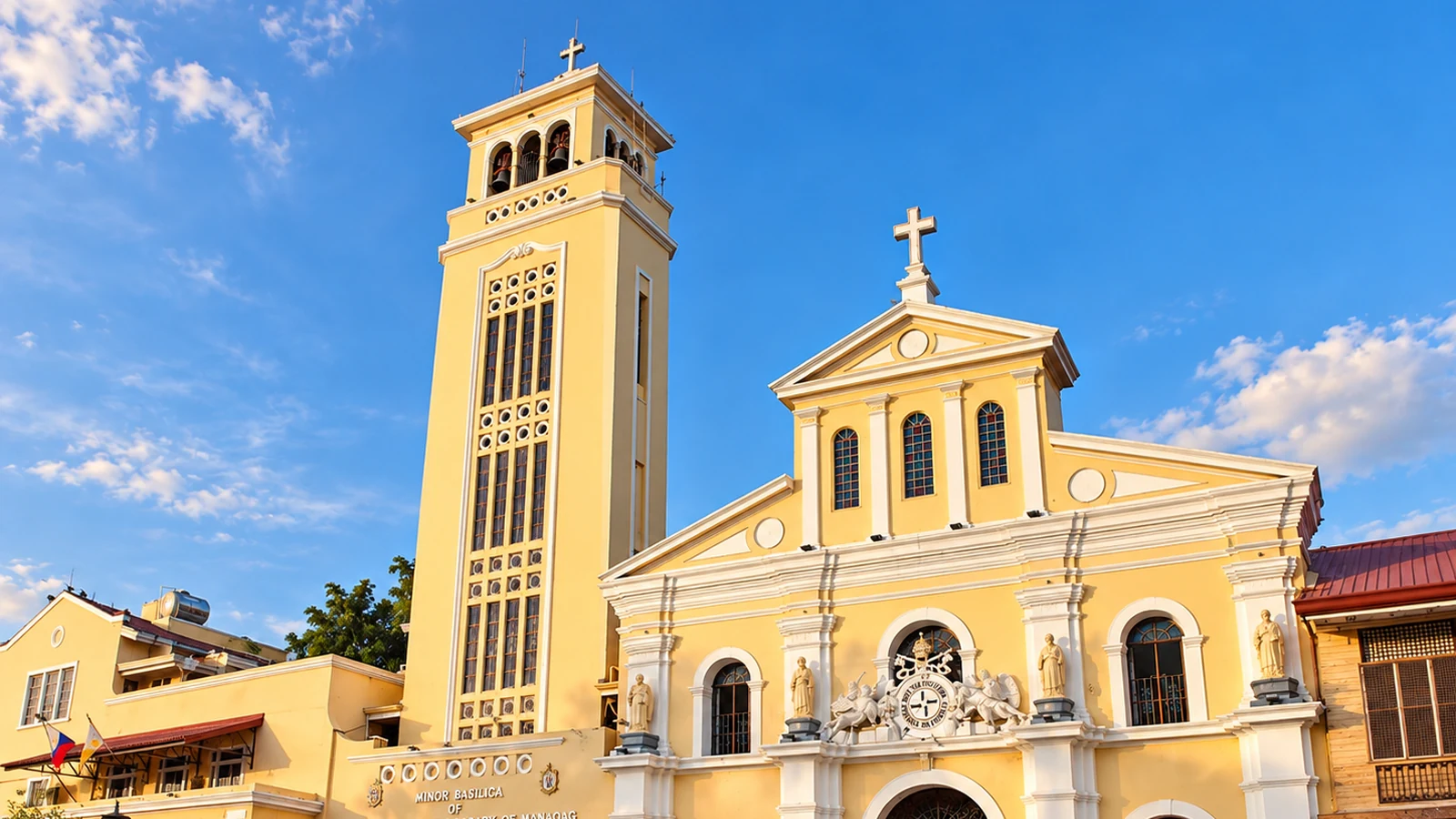
The Dominican-run Minor Basilica of Our Lady of the Rosary of Manaoag is in the town of Manaoag, Pangasinan. Its official website publishes worship schedules and contact details, while the basilica's history page explains the devotion and highlights peak visits around Lent, Easter, May and October. For an elder traveling from Metro Manila, a pilgrimage that needs an early Mass, prolonged queuing and same-day long-distance return may be tiring. Compare a direct bus with a confirmed change at Urdaneta; avoid promising that any named operator runs a particular departure.
CALABARZON: Laguna circuits and Antipolo as different decisions
Laguna's provincial government introduced a seven-church organized pilgrimage program in 2026, with transport and church coordination described in its announcement. That program is not the same as every independently chosen seven-church Visita Iglesia list found online. The route spans separate towns; use the Laguna planning guide to decide whether its full scope fits your group.
Antipolo Cathedral, also known as the International Shrine of Our Lady of Peace and Good Voyage, is a separate Rizal Province pilgrimage candidate. Use the cathedral's official account directory to check contemporary visitor and Mass announcements. It belongs on a future dedicated route after transport, crowd-management and accessibility checks; do not fold it into a Laguna circuit by assumption.
Visayas: Cebu City and Sibonga need different time budgets
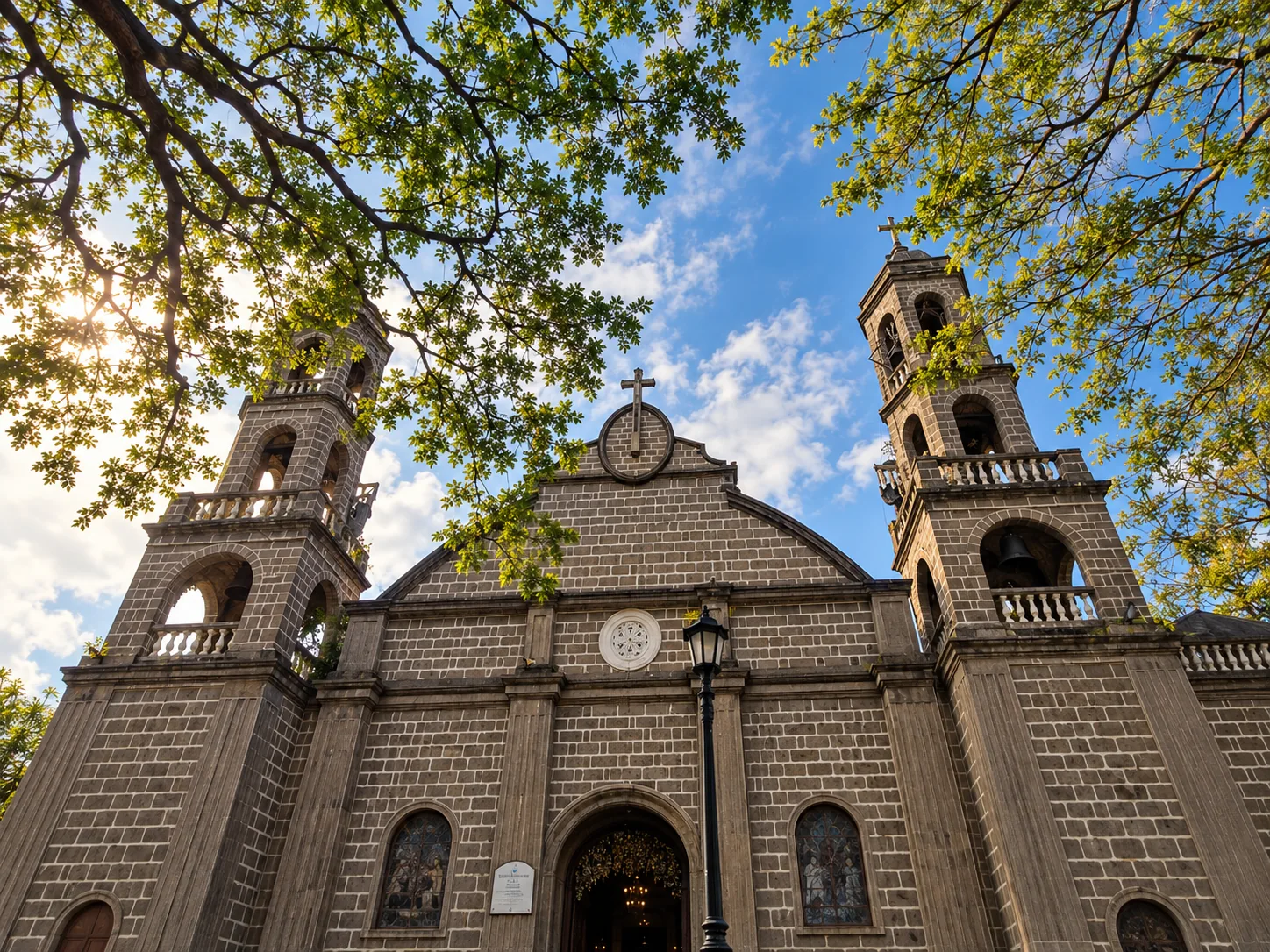
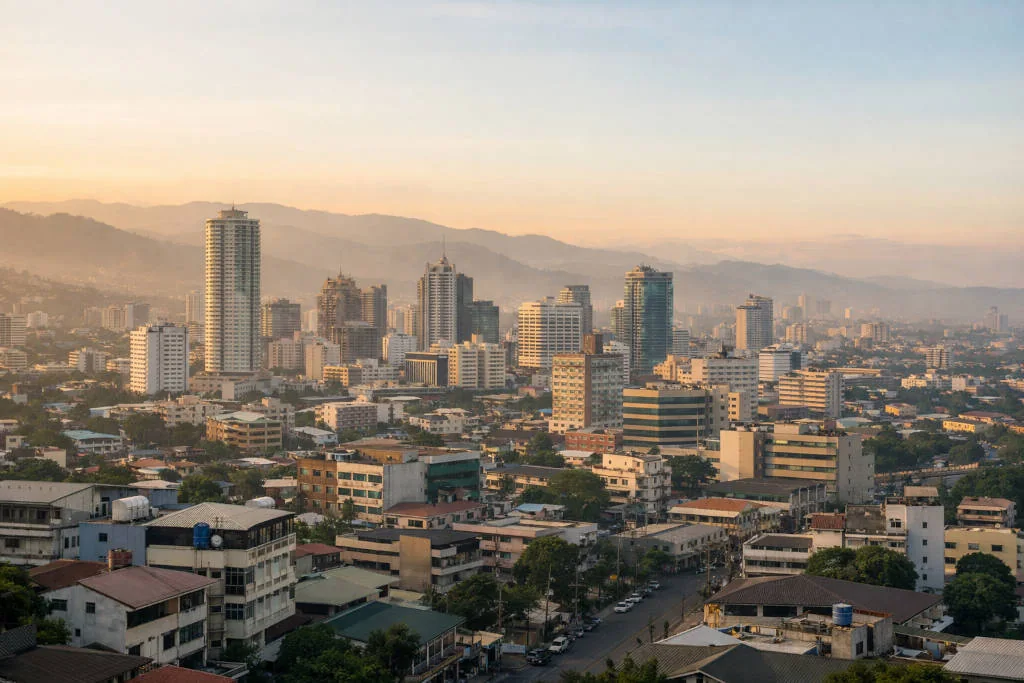
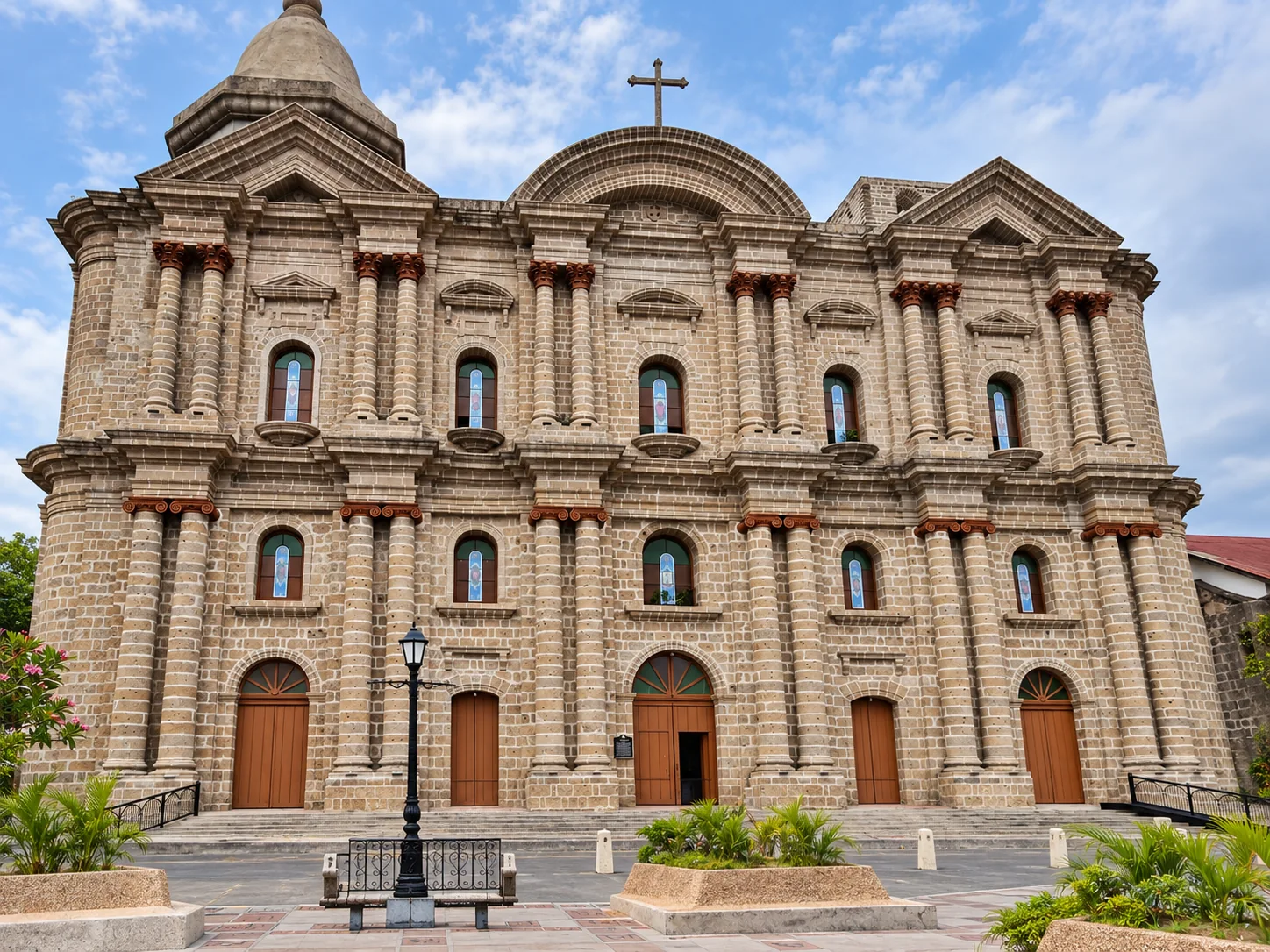
The Santo Niño Basilica in Cebu City suits visitors interested in worship and central-city heritage. The Simala Shrine in Sibonga is south of the city and requires a separate road transfer. It is possible to visit both in one broader Cebu trip, but it is unwise to promise an effortless same-morning circuit without verifying traffic, opening rules, prayer time and return transport.
Other faiths and sacred heritage
Muslim prayer spaces and Islamic heritage are an integral part of Philippine religious life, especially in Mindanao and in urban communities elsewhere. Christian groups beyond Catholicism and Buddhist or Chinese-Filipino temples also maintain living worship traditions. Visiting these places responsibly requires site-specific permission, community context, appropriate dress and awareness of service or prayer times. Do not assume that a building listed as heritage is publicly accessible, or that photography inside a mosque, temple or prayer service is permitted. We have not listed specific non-Catholic interiors here without reliable public-visitor guidance. Check with the worship community or official tourism office before making plans.
A practical pilgrimage decision checklist
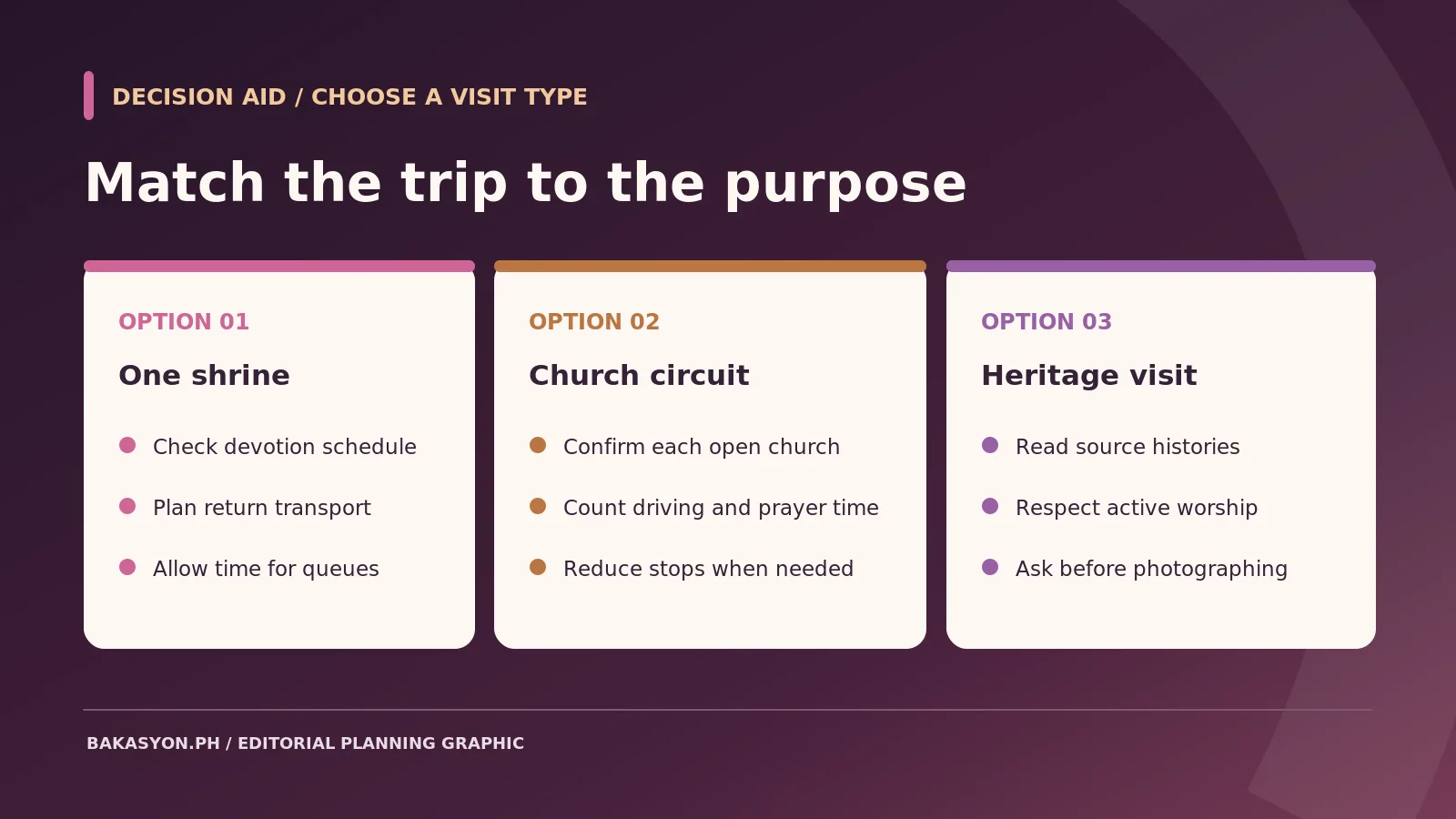
1. Define the worship commitment
Write down the exact service or devotion that matters to your group: Mass, confession, candle offering, quiet prayer, heritage walk or cultural learning. Check the official church or shrine account on the day you plan, especially for Holy Week, a feast day or a parish celebration. Special events can replace the ordinary timetable.
2. Count transfers and waiting, not just kilometres
For a single shrine, plan transport to a named town or terminal, the final local transfer, parking or drop-off, queue time and the return journey. For a multi-town circuit, estimate travel between each church separately. A seven-stop religious trip is not seven quick photo stops; people need time to pray, rest, eat and use accessible toilets.
3. Ask about mobility and seating before promising access
Historic churches may have steps, uneven pavements, narrow entrances or limited shaded waiting space. Before going with a wheelchair user, someone with limited mobility, small children or an older pilgrim, contact the parish to ask about step-free entrances, vehicle drop-off, toilets, seating and assistance. A shrine's popularity is not proof that all areas are accessible.
4. Plan for heat, rain and crowds
Peak devotion days often coincide with longer queues and congested approaches. Carry drinking water where permitted, use sun protection outdoors and bring a lightweight rain layer. During typhoons or intense rainfall, review government weather alerts and do not treat a pilgrimage commitment as a reason to risk dangerous travel. In a busy event, agree on a group meeting point away from doors and procession routes.
5. Respect the people for whom the site is sacred
Dress according to the site's actual rules; speak quietly near worshippers; keep aisles and exits clear. Never photograph people praying, receiving sacraments or participating in rituals without permission. For funerals and remembrance, use restraint rather than turning grief into content. Donations and devotional purchases should remain voluntary unless an official, clearly identified service has an announced charge.
Plan a realistic budget without inventing fares
Calculate round-trip intercity fare or fuel/tolls + final-mile transport + meals/water + parking where relevant + optional donations or museum admissions + a contingency. Confirm transport operators, local parking arrangements and any tour payment directly. Do not confuse the ticket price of an organized group package with the cost of independently entering a church. General Philippine transport basics are explained in our public transport guide.
Frequently asked questions
Is religious tourism only Catholic pilgrimage?
No. The Philippines has sacred places and living traditions across faith communities. Catholic pilgrimage routes have more readily published visitor logistics for the examples above, but that is not a claim that other traditions are less important.
Are churches free to visit?
Ordinary worship access is often distinct from paid guided tours, museums, special exhibits, transport and parking. Check the specific parish and never assume a donation or purchase is compulsory.
Can I do Laguna's seven churches in one day?
A province-coordinated tour was marketed for seven stops in 2026, but a self-arranged day depends on the actual stop sequence, road conditions, service schedules and your group's mobility. The Laguna route guide explains when to split the trip.
When should I recheck pilgrimage information?
Check official parish or organizer announcements shortly before travel and again if severe weather, special liturgies or holidays may affect the route. The links below are source references, not live guarantees.
Official sources and further planning
- Philippines Department of Tourism — Faith Tourism (reviewed October 27, 2026)
- Minor Basilica of Manaoag — official website and liturgical schedule (reviewed October 27, 2026)
- Provincial Government of Laguna — pilgrimage route announcement (reviewed October 27, 2026)
- Antipolo Cathedral — official updates directory (reviewed October 27, 2026)