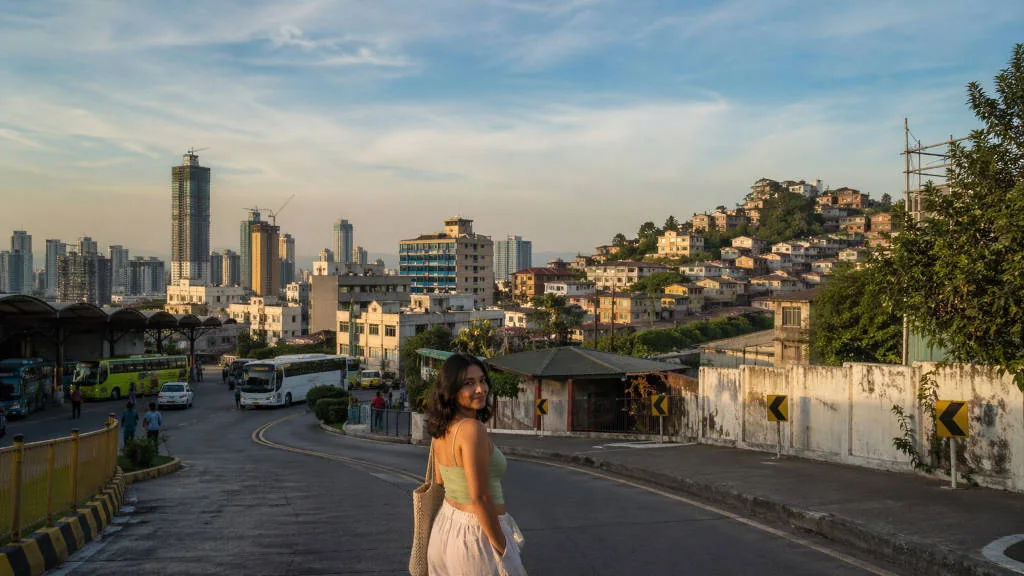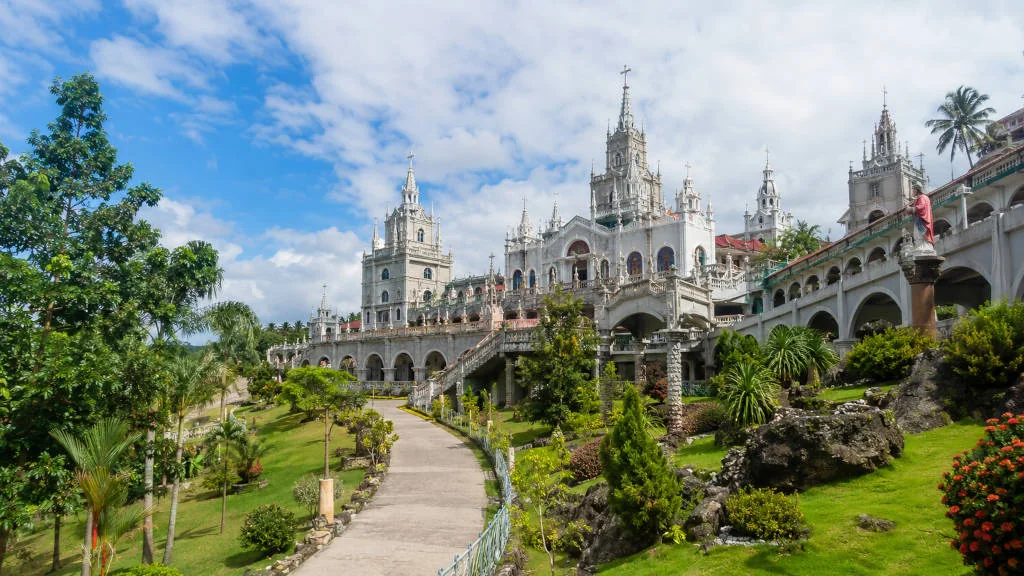
Simala Shrine is one of those Cebu stops that needs a little more planning than a casual photo detour. Set in Sibonga, south of Cebu City, the shrine is known for its grand, castle-like exterior, long stairways, devotional spaces, and steady flow of visitors who come to pray, give thanks, or simply see one of the most recognizable religious landmarks in Southern Cebu.
For travelers, the best experience begins before arrival: knowing what to wear, when to go, how to get there, and how to move with respect inside an active religious place.
This Simala Shrine guide keeps things calm and practical. Instead of treating the site as a quick spectacle, it helps you decide whether the trip fits your route, budget, mobility, weather comfort, and travel values. For a wider Cebu overview, you can pair this planning with the Cebu destination hub, but keep Simala Shrine as its own focused stop rather than trying to squeeze it into an overpacked day.
Quick Planning Summary for Simala Shrine
Simala Shrine is best for pilgrims, Catholic travelers, architecture-focused visitors, families, and Cebu travelers who want a slower inland stop away from beaches and waterfalls. It is not the easiest add-on if your day is already packed with long-distance South Cebu activities, because road time from Cebu City can take up a large part of the schedule.
Most visitors should set aside at least half a day when coming from Cebu City, especially when using public transport. The visit itself can be quick or unhurried, but the total experience includes the ride south, local transfer, walking, queues, heat, and the trip back. A private car or hired driver gives the most flexibility, while bus and local transfer options are better for budget travelers who can handle waiting and route changes.
Wear modest clothing: covered shoulders, modest bottoms, and comfortable footwear are the safest choices. Bring a shawl or light cover-up if your outfit might feel too casual for a church setting. For weather, expect sun exposure, possible rain, and warm walking conditions. An umbrella, water, and patience can make the Simala Shrine visit feel much smoother.
Reality Check: Simala Shrine is more peaceful when treated as a dedicated stop or as part of a simple Southern Cebu route. It becomes tiring when squeezed between several far-apart attractions without enough travel buffer.
What Simala Shrine Is Like
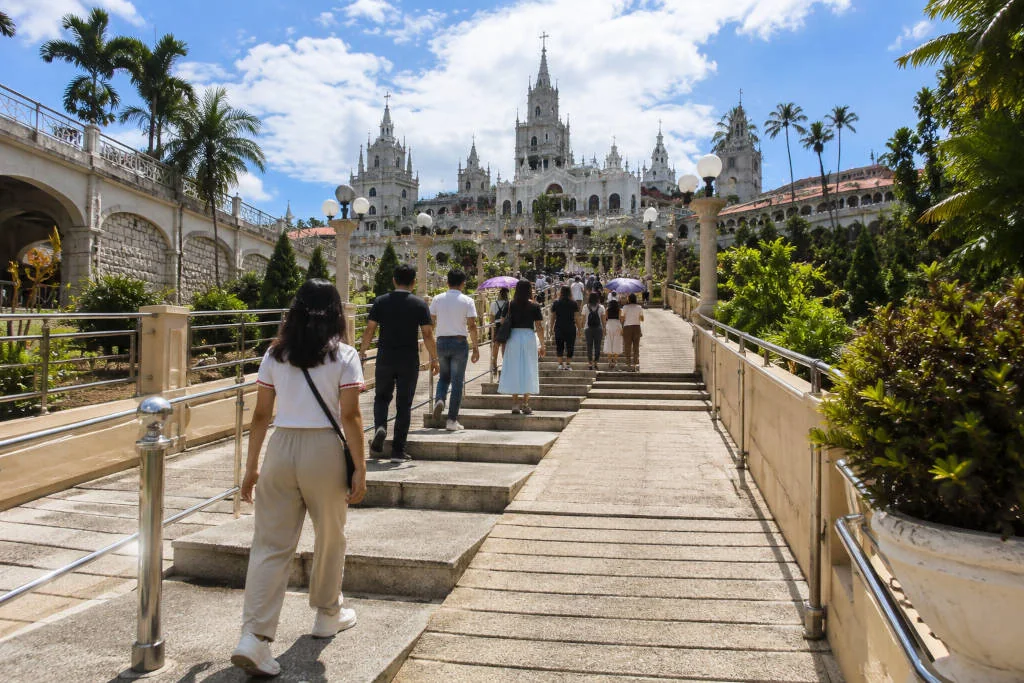 Simala Shrine, also known as the Monastery of the Holy Eucharist or Our Lady of Lindogon Shrine, is a religious site in Sibonga, Cebu. Many travelers also call it Simala Church Cebu, though it is more than a regular parish stop.
The exterior is dramatic, with towers, arches, and a castle-like profile that rises above the surrounding area. From the approach, the scale can feel surprising, especially for first-time visitors expecting a small provincial chapel.
Inside and around the grounds, the mood changes from visual drama to quiet movement. There may be stairs, covered walkways, prayer areas, devotional displays, and spaces where visitors are expected to lower their voices. Some people arrive as tourists, but many are there for prayer and thanksgiving, so the tone should stay respectful.
Photos are usually better kept to outdoor areas and non-intrusive angles, especially when devotees are praying nearby.
For background reading, travelers may recognize the site from references to Simala Shrine, while broader destination context can be checked through Cebu Province tourism information. Still, the most important guide on the day itself will be the posted rules and the behavior of the religious community on-site.
Reality Check: The shrine is beautiful, but it is not designed like a theme park. Expect shared spaces, devotional activity, and moments when taking fewer photos is the more respectful choice.
Is Simala Shrine Worth Visiting?
Best for pilgrims, Catholic travelers, architecture-focused visitors, and slow Cebu day trips
Simala Shrine is worth visiting if the stop matches what you value. For pilgrims and Catholic travelers, it can be a meaningful place for prayer, reflection, and thanksgiving. For architecture-focused visitors, the appeal is in the dramatic exterior, the climb, the details, and the way the shrine feels set apart from the busier tourist rhythm of Cebu City or the beach towns.
It also works well for travelers who enjoy slower day trips. A Simala Shrine visit gives structure to a calmer Southern Cebu day, especially if paired lightly with Carcar food stops or a simple scenic drive. This is a good choice for families traveling with elders, balikbayan visitors, or groups who want something devotional and cultural rather than adrenaline-based.
Less ideal for rushed beach itineraries, travelers avoiding long road travel, or visitors who cannot follow modest dress expectations
Simala Shrine may not be ideal if your Cebu trip is short and focused on beaches, waterfalls, diving, or whale shark tours. The shrine sits along the Southern Cebu route, but it still requires time, road patience, and proper clothing. If you only have one day for Moalboal, Oslob, or Kawasan-style activities, adding the shrine can make the day feel more like a checklist than a meaningful visit.
It is also not a good fit for travelers who do not want to follow a modest dress code. This is an active Cebu pilgrimage site, so the clothing expectations are part of the visit, not a small detail to ignore. If you prefer very casual beachwear all day, it is better to plan Simala Shrine on a separate day when you can dress appropriately.
Reality Check: The question is not only “Is Simala Shrine worth visiting?” but “Is it worth visiting with the time, outfit, weather, and transport setup I actually have?”
Simala Shrine Dress Code and What to Wear
Safe clothing choices for women
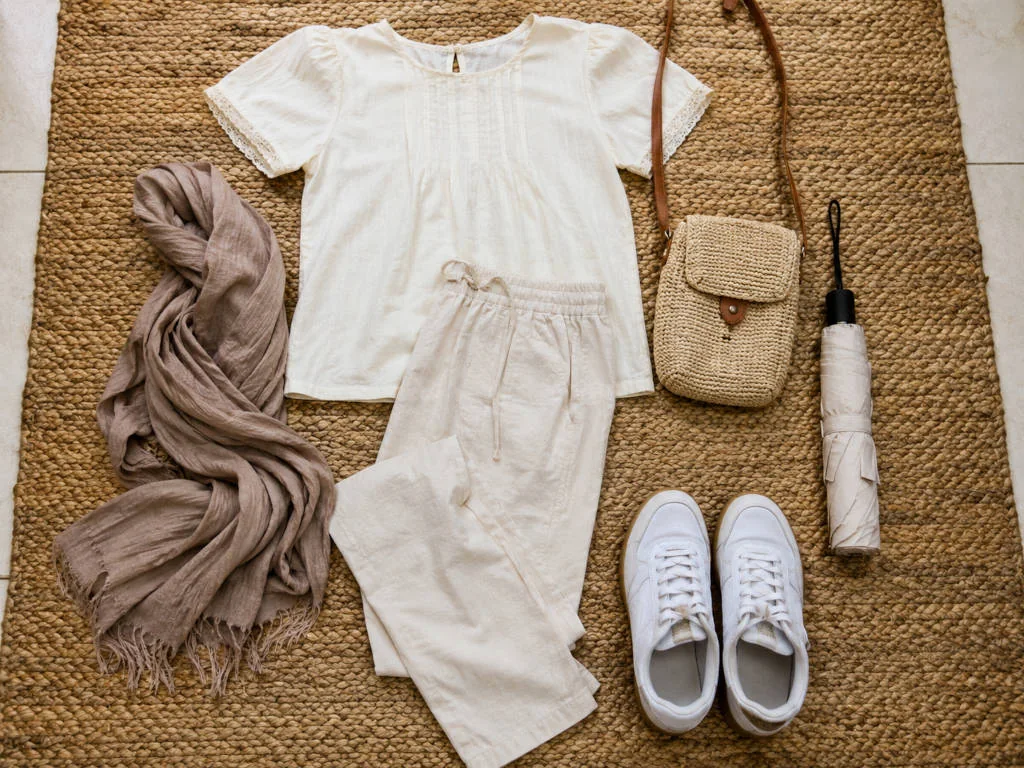 For women, safe clothing choices include tops with covered shoulders, breathable blouses, modest T-shirts, long skirts, midi skirts, loose trousers, jeans, or dresses that are not too short or revealing. A light cardigan, shawl, or scarf is useful if you are coming from another Cebu activity and need extra coverage.
Choose fabrics that can handle heat because Sibonga can feel warm, especially when walking through open areas or climbing stairs.
Comfortable shoes are just as important as modest clothing. Flats, sneakers, cushioned sandals, or other secure footwear are better than slippery sandals or high heels. Simala Shrine involves walking and possible stair climbing, so your outfit should help you move calmly, not make every step stressful.
Safe clothing choices for men
For men, modest shirts, collared shirts, clean T-shirts, jeans, trousers, or knee-length shorts are safer choices than sleeveless tops or beachwear. Breathable cotton and dri-fit-style fabrics can help with the heat, as long as the overall look remains respectful for a church visit.
A simple shirt and comfortable pants can work well for both the shrine and a casual stop in Carcar or another Southern Cebu town afterward.
Footwear should be practical. Closed shoes, walking sandals, or clean sneakers are better than flimsy slippers, especially if the ground is wet or crowded. The goal is to dress in a way that respects the place while still surviving Cebu heat.
What to avoid wearing
Avoid sleeveless tops, very short shorts, mini skirts, plunging necklines, sheer outfits, crop tops, swimwear, and clothing that feels more appropriate for a beach club than a religious site. Even if you are coming from Oslob, Moalboal, or a resort area, change before visiting.
Simala Shrine deserves the same respect you would give any church or pilgrimage place in the Philippines.
Also avoid outfits that make movement difficult. Very tight clothing, heavy layers, and uncomfortable shoes can make the visit hotter and more tiring than necessary. Modest does not have to mean formal; it can be simple, breathable, and practical.
Practical comfort tips for heat, stairs, and rain
Cebu weather can shift from bright heat to sudden rain, so think in layers. A light cover-up protects shoulders, an umbrella helps with both sun and showers, and a small towel or wipes can be useful after a humid walk. Choose clothes that dry reasonably fast if rain is in the forecast.
For rainy months and seasonal planning, the Philippines weather planning guide can help you understand how rain, heat, and holiday travel affect local trips. Simala Shrine is still possible in imperfect weather, but wet steps, umbrellas, and slower movement can change the pace.
Reality Check: The dress code is not just about getting allowed inside. It is also about arriving in a way that feels considerate to devotees who see the shrine as sacred space.
Behavior and Etiquette Inside the Shrine
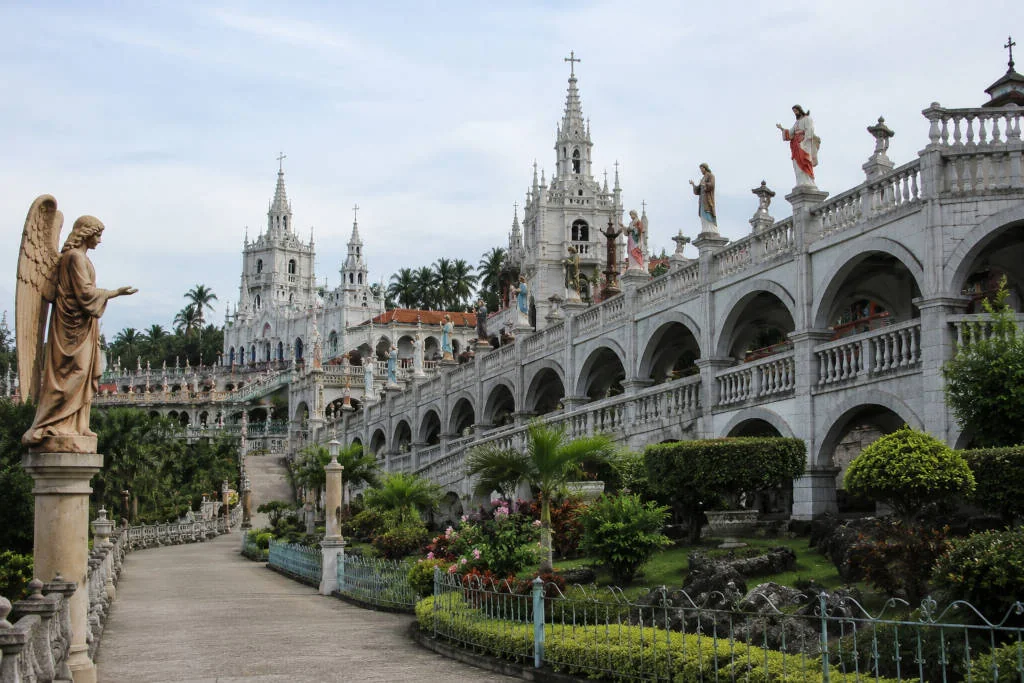 Good etiquette at Simala Shrine starts with quiet awareness. Keep voices low, avoid running or shouting, and give space to people praying. If there are posted rules about photography, entry points, clothing, or restricted areas, follow them without arguing.
A calm visit feels better for everyone, especially during busy weekends or religious periods.
Photos should be taken thoughtfully. Outdoor architecture, gardens, arches, and approach views are usually more appropriate than close photos of strangers in prayer. Avoid exaggerated poses, loud group shoots, or anything that turns devotional areas into a backdrop.
There is a difference between taking a memory and interrupting the mood of the place.
If you are traveling with children, brief them before arrival. Explain that the shrine is not a mall or amusement park, and that there may be lines, quiet areas, and people fulfilling personal devotions. For group trips, agree on a meeting point so no one has to call loudly across the grounds.
Reality Check: Simala Shrine can be photogenic, but the most respectful visitors remember that beauty is only one part of the site. Prayer, silence, and personal devotion are central to why many people are there.
Best Time to Visit Simala Shrine
Best time of day for lower heat and calmer movement
The best time to visit Simala Shrine is generally early in the day, especially if you are coming from Cebu City. A morning start helps reduce heat, gives more room for transport delays, and makes the visit feel less rushed. Early movement also helps if you plan to continue toward Carcar or another Southern Cebu stop afterward.
Weekdays are usually better than weekends for a calmer experience. If your schedule allows, choose a regular weekday morning rather than a Sunday or holiday. This gives you more breathing room for photos, walking, and quiet observation without feeling carried by a large crowd.
Days and seasons when crowds may be heavier
Crowds may be heavier on Sundays, feast days, public holidays, Holy Week, long weekends, school breaks, and peak travel periods. During these times, expect more vehicles, longer waiting, fuller prayer areas, and slower movement around the grounds.
If you visit during a busy period, build patience into the plan rather than expecting a quick in-and-out stop.
Holiday traffic can also affect the Southern Cebu route. Even if the visit itself is short, the road experience may be longer than expected. This is especially important if you need to return to Cebu City for a flight, ferry, dinner reservation, or hotel transfer.
Weather considerations during hot, rainy, and holiday periods
Heat can make stairs and open areas feel more tiring, so bring water, sun protection, and a small umbrella. During rainy periods, use shoes with grip and protect your phone, wallet, and extra clothing. Rain does not automatically ruin a Simala Shrine visit, but it can make walking slower and photography less convenient.
For hot months, avoid arriving at the harshest part of midday when possible. For rainy months, check the forecast before leaving and pack as if a sudden shower is normal, because in the Philippines, it often is. A small, prepared bag beats a beautiful outfit that cannot handle weather.
Reality Check: There is no perfect crowd-free guarantee. The best strategy is to arrive early, avoid obvious peak days when possible, and leave enough buffer so delays do not ruin the mood.
How to Get to Simala Shrine from Cebu City
Public bus and local transfer
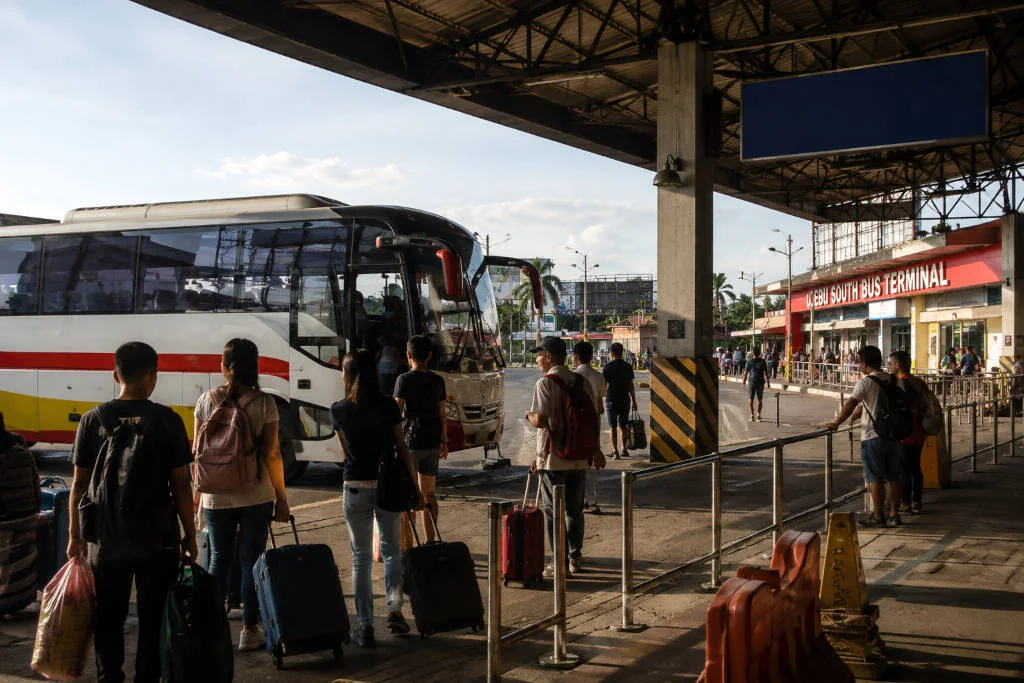 For budget travelers asking how to get to Simala Shrine from Cebu City, the usual public route starts at Cebu South Bus Terminal. From there, travelers take a southbound bus toward Sibonga or the appropriate Southern Cebu route, then continue by local transfer toward the shrine area.
Before leaving, check current fares, schedules, terminal procedures, and the best drop-off point because transport details can change.
The bus option is usually the most cost-conscious, but it requires patience. You may need to wait for departures, confirm with conductors, manage transfers, and adjust to traffic. It is a good fit for backpackers, solo travelers comfortable with provincial transport, and groups who prefer saving money over saving time.
For a wider primer on local movement, the Philippines public transport guide can help set expectations for buses, jeepneys, transfers, and flexible travel timing.
Van or shared transport
Vans or shared transport can be faster or more direct depending on availability, but comfort varies. Some vans wait to fill seats, and space can feel tight if you are carrying bags or traveling during hot hours. Always confirm the destination, fare, and drop-off arrangement before boarding.
This option may work for travelers who want a middle ground between public bus savings and private car comfort. It can also suit small groups who are comfortable with less flexibility but do not want to manage every transfer alone.
Private car or hired driver
A private car or hired driver is the easiest option for comfort, timing, and itinerary control. It lets you leave early, stop for food or restrooms, keep extra clothes in the vehicle, and combine Simala Shrine with Carcar or another Southern Cebu stop more smoothly.
It is usually more expensive, but the reduced stress can be worth it for families, elders, groups, or travelers with limited time.
This option is especially helpful if you want to avoid uncertainty around return transport. You can also adjust your visit if the weather turns, the shrine is crowded, or your group needs a slower pace.
Group tour or day trip package
A group tour or day trip package can work if you prefer a planned route and do not mind following a fixed schedule. Some packages may combine Simala Shrine with other Southern Cebu stops, but read the itinerary carefully. A tour that looks efficient online can feel rushed in real life if the stops are far apart.
Choose this option if you value convenience over independence. Ask what is included, how much time is actually given at Simala Shrine, whether dress code reminders are provided, and whether the route includes long waiting periods.
Reality Check: Public transport saves money but costs energy and time. Private transport costs more but protects your schedule, which matters if Simala Shrine is only one part of a bigger Cebu plan.
How Long to Spend at Simala Shrine
A quick Simala Shrine visit may take around one hour on-site if you are mainly viewing the exterior, walking through allowed areas, saying a short prayer, and taking a few respectful photos. This works only when crowds are light and your transport is already arranged.
A prayer-focused visit may take two hours or more, especially if you want quiet time, devotional moments, or unhurried movement through the shrine. A more relaxed visit with photos, grounds appreciation, rest breaks, and family pacing can also stretch longer.
The main thing is to separate on-site time from travel time, because the road journey from Cebu City and back can easily dominate the day.
If you are using public transport, budget extra time for waiting, transfers, and the return trip. If you are using a private car, you still need road buffer for traffic, meals, and possible delays. Simala Shrine is not difficult to appreciate, but it is easy to underestimate logistically.
Reality Check: Do not plan the visit based only on the time you expect to spend inside. The real schedule includes Cebu traffic, terminal waiting, walking, weather pauses, and the ride back.
What to Bring
Bring water, an umbrella or cap, a modest cover-up, small cash, a charged phone, an offline map, tissue or wipes, and comfortable shoes. A small bag is better than a bulky one, especially if you will be walking, climbing stairs, or managing public transport.
Keep valuables secure and avoid bringing more than you need.
Small cash is useful for local transport, snacks, or simple purchases along the way. A power bank can help if you rely on your phone for maps, communication, or ride coordination. If rain is possible, place electronics and extra clothing in a waterproof pouch or plastic bag.
Also bring the right mindset. Patience is practical travel gear in Cebu, especially on popular routes and religious sites. Crowds, heat, queues, and schedule shifts feel less frustrating when you already expect them.
Reality Check: The most useful items are simple: water, cover-up, umbrella, cash, and shoes that can handle walking. Overpacking can make the day hotter and heavier than it needs to be.
Fitting Simala Shrine Into a Cebu Itinerary
From Cebu City
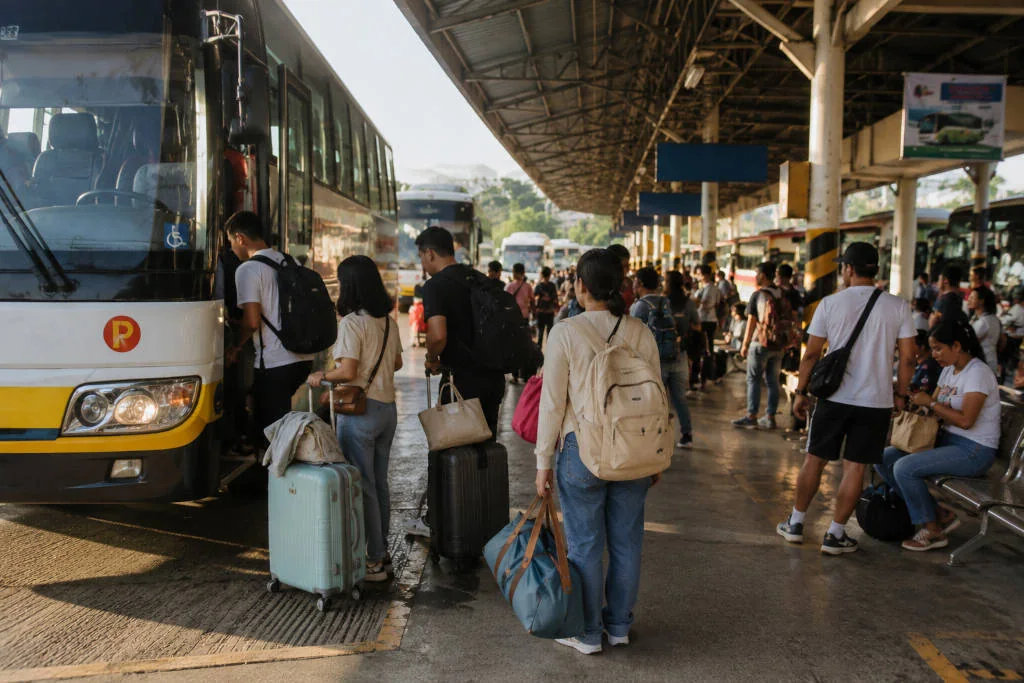 From Cebu City, Simala Shrine is best planned as a dedicated half-day to full-day outing, depending on transport. Leave early, keep the rest of the day light, and avoid placing an important evening commitment too close to your expected return.
For first-time Cebu travelers, it is helpful to study a broader Cebu trip planning guide so you understand how spread out the island can feel.
A simple plan might include an early departure, the shrine visit, lunch or snacks along the Southern Cebu route, and a relaxed return. This gives the day a purpose without turning it into a race.
With Carcar or southern Cebu stops
Carcar can make sense as a light pairing because it sits along the broader southern route and is known for heritage and local food. A Simala Shrine and Carcar combination can feel balanced: devotional stop, architecture, road trip, and a food break.
Keep the plan simple and avoid adding too many extra detours.
Other Southern Cebu stops may work if they are logically along your route, but check distances carefully. Cebu looks manageable on a map until traffic, road conditions, and actual travel pace enter the picture.
With Oslob or Moalboal
Pairing Simala Shrine with Oslob or Moalboal requires more caution. These destinations involve longer road time, early starts, and activities that can already fill a day. If you have a private vehicle and accept a very early departure, you may be able to include the shrine as part of a longer Southern Cebu movement.
For most travelers, however, cramming too much can make the day exhausting.
If your main goal is Oslob, Moalboal, diving, canyoneering, or beach time, consider whether Simala Shrine belongs on a different day. A religious site deserves a calmer mindset than “last stop before we collapse.”
Reality Check: The shrine fits best with simple route logic. It does not pair well with every famous Cebu attraction just because they all appear south of the city.
Common Mistakes to Avoid
The first common mistake is arriving underdressed. Even if your outfit feels normal for travel, it may not be suitable for Simala Shrine. Bring a cover-up and choose modest clothing before leaving Cebu City so you are not forced to adjust awkwardly at the entrance.
The second mistake is going during peak crowd times without patience. Sundays, holidays, Holy Week, and long weekends can be meaningful times to visit, but they are also busier. Expect more people, slower movement, and less control over your schedule.
The third mistake is underestimating the road trip. Cebu distances can feel longer in real life than they look on a map, especially with traffic or public transport waiting. Do not plan a tight airport, ferry, or dinner schedule immediately after the visit.
Another mistake is treating the shrine like a theme park. Avoid loud posing, blocking walkways, or taking intrusive photos. Simala Shrine is photogenic, yes, but it is also a place of devotion.
Finally, do not skip weather protection. Sun and rain can both affect comfort. An umbrella, water, and practical shoes may not look exciting in photos, but they often decide whether the day feels smooth or stressful.
Reality Check: Most problems come from poor expectations, not from the shrine itself. Dress properly, leave early, and keep the day flexible.
Final Decision: Should You Add Simala Shrine to Your Cebu Trip?
Add Simala Shrine to your Cebu trip if you want a meaningful religious stop, enjoy architecture, have enough time for the Southern Cebu route, and are willing to dress and behave respectfully. It is a strong choice for pilgrims, families, Catholic travelers, balikbayan groups, and visitors who want a slower day with cultural and devotional texture.
Consider it a maybe if your schedule is short, your group dislikes long road travel, or your main Cebu priorities are beaches, waterfalls, diving, and island hopping. In that case, Simala Shrine can still be worthwhile, but only if you give it enough breathing room.
Skip it for now if you cannot follow the modest dress code, have mobility concerns that make stairs and walking difficult, or are trying to squeeze too many distant stops into one day. There is no shame in choosing a cleaner itinerary. A respectful visit is better than a rushed one.
At its best, Simala Shrine is not just a pretty stop on the way south. It is a place to slow down, soften your voice, watch the light fall on pale arches, and remember that travel in the Philippines often moves between the practical and the sacred.
Plan well, arrive respectfully, and let the day feel steady rather than hurried.