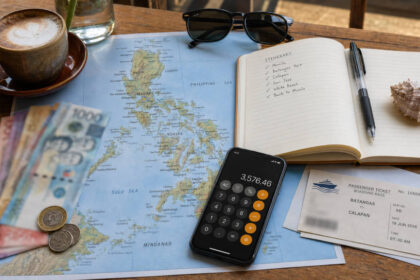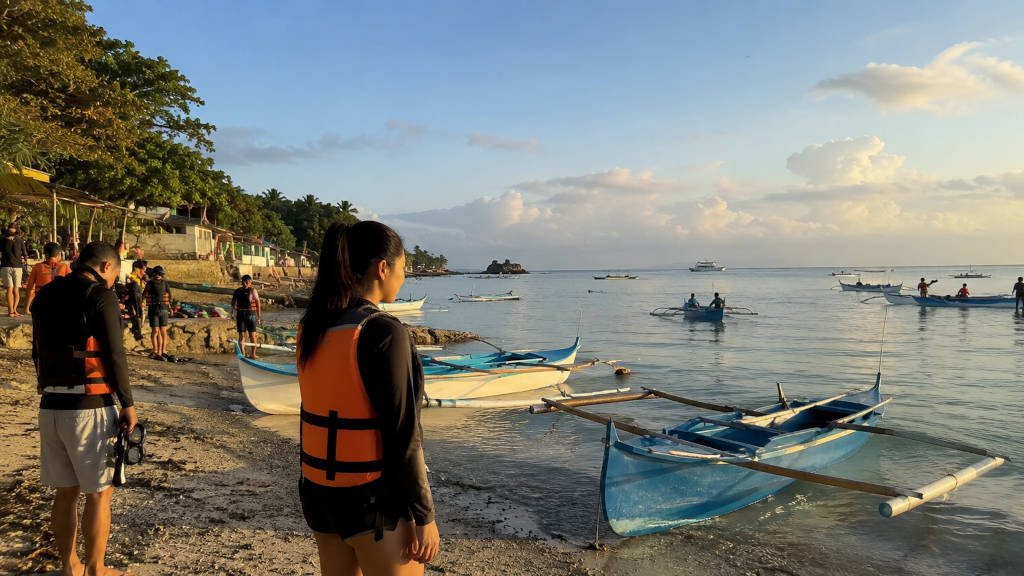
The Cebu travel guide with city, waterfalls, and whale sharks can help you see the bigger route, but this guide stays focused on one thing many travelers worry about first: the oslob whale shark watching entrance fee. Before the sunrise drive, before the snorkel mask, and before the first boat leaves Tan-awan Oslob, it helps to know how much cash to bring and what costs can quietly add up.
Think of this as your budget checklist, not a full Oslob itinerary. The goal is simple: separate the official activity fee from transport, gear, side trips, tips, meals, and private tour packages. That way, one missing small bill or unclear inclusion does not make an already early morning feel more stressful.
At-a-Glance: Oslob Whale Shark Watching Entrance Fee Budget
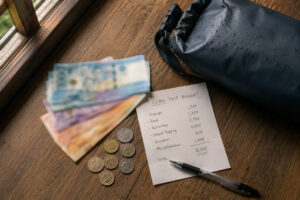 Use this as the fast budget read before you plan the morning.
- Best time window: very early morning, usually before the heat and bigger crowds settle in.
- Realistic travel time: staying in Oslob is easiest, while Cebu City often means a pre-dawn journey.
- Budget band: prepare for the activity fee, then add transport and food.
- Crowd and traffic risk: high on weekends, holidays, and peak travel seasons.
- Rain or heat backup: keep a flexible second stop, such as a slow breakfast, a waterfall visit only if conditions are safe, or a rest day near the coast.
Reality Check: The oslob whale shark watching entrance fee is only one part of the morning. Transport can cost more than the activity itself, especially if you are coming from Cebu City or joining a private tour.
Quick Answer: Oslob Whale Shark Watching Entrance Fee and Budget
Basic Per-Person Fee Estimate
 For planning purposes, travelers should expect the Oslob whale shark watching fee to vary depending on nationality, age, and whether the visitor will only watch from the boat or enter the water. Rates for Filipino tourists and foreign tourists may be different, and children may have separate rules depending on current local guidelines.
The safest answer to “how much is whale shark watching in Oslob” is this: bring more than the expected posted fee and verify the current rate at the official registration area before paying. Prices can change without notice because of local regulations, environmental fee adjustments, operational changes, or package inclusions offered by private operators.
Simple Budget Range for a Visit
For a simple visit, budget for the Oslob whale shark entrance fee, a few optional rentals, breakfast or snacks, and local transport. A lean DIY traveler staying nearby may spend much less than someone coming from Cebu City in a private car.
A comfortable budget should include a buffer for locker use, shower fees, towel rental, tips, and an underwater camera rental if photos matter to you.
Reality Check: Do not build your budget around the lowest number you see online. Posted rates, queue systems, and package inclusions can shift, so the more useful question is “how much should I budget with a small cushion?”
What the Fee Usually Covers
Registration and Briefing
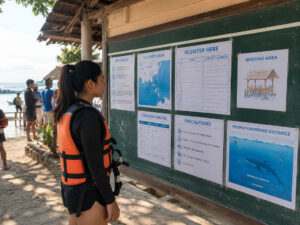 The official activity process usually begins with registration. Travelers are commonly asked to log details, pay the required fee, and attend a short briefing. The briefing matters because whale shark watching Cebu is not just a photo activity.
Visitors are expected to follow rules on distance, touching, flash photography, sunscreen use, and behavior in the water.
For budget planning, ask whether the environmental fee is already included in the amount you are paying. Some packages bundle the entrance fee and environmental fee together, while others list them separately. This is where confusion often starts, especially when travelers book through a driver, hotel, or third-party tour seller.
Boat, Life Vest, and Activity Time
The Oslob whale shark watching entrance fee usually covers the basic boat arrangement, life vest use, and a limited activity time at sea. The exact duration can feel short, especially when there are many visitors waiting for their turn. This is normal for a managed activity with queues and rotating boats.
Ask clearly what is included before you hand over cash: boat, guide or boat crew assistance, life vest, registration, and briefing. If someone quotes a higher package price, ask whether it already includes pickup, fuel, parking, driver fee, breakfast, gear, side trips, and drop-off.
What May or May Not Be Included
Snorkel masks, fins, lockers, showers, towels, and underwater cameras may not always be part of the basic fee. In some cases, gear is bundled; in others, it is charged separately. A private tour may say “all-in,” but all-in can mean different things depending on the operator.
Reality Check: The fee may get you into the activity, but not necessarily into a fully comfortable morning. Bring extra cash for the small things that make the experience smoother after the boat ride.
Fees for Filipino Tourists, Foreign Tourists, and Children
Why Rates May Differ
Many Philippine destinations have different rates for Filipino residents and foreign visitors, and Oslob may follow this kind of structure depending on current local rules. Children may also have special rates, minimum age guidelines, or safety restrictions. The posted fee on the day should be your final reference.
This is also why the oslob whale shark watching entrance fee can look different across blogs, tour pages, and social media posts. Some quote official fees only. Others quote a package with transport. Some include food, while others do not.
Why Posted Rates Should Be Checked on the Day
Before paying, look for the official posted rates at the registration area. If you booked a private tour, ask your operator to explain how much of your payment goes to the official activity and how much covers transport or service. A calm question can prevent awkward surprises later.
Reality Check: Rate differences are not automatically a scam, but vague explanations are a red flag. When the amount is unclear, pause and ask for the breakdown politely.
Optional Costs to Prepare For
Snorkel Gear, Fins, Lockers, Showers, and Towels
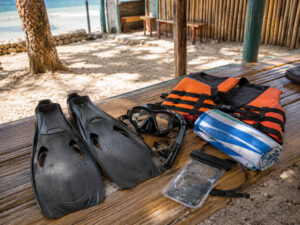 Optional add-ons are where budgets stretch. Snorkel gear and fins may be useful if you plan to enter the water. Lockers help if you are carrying a phone, wallet, or dry clothes.
Showers and towels become tempting after saltwater, especially if you are heading straight to another stop.
These costs are usually small individually, but they add up when you are traveling as a couple, family, or barkada. Prepare cash and small bills so you are not scrambling after the activity.
Underwater Camera Rental
Underwater camera rental is one of the most common add-ons. It can be worth budgeting for if you do not own a waterproof camera or phone case. Before agreeing, ask how many files are included, how you will receive the photos or videos, and whether the rental price is per person, per group, or per boat.
If your tour operator includes camera service, ask whether it is truly included or simply arranged for convenience. This small detail can change the final bill.
Tips, Food, and Small Local Expenses
Tips are not always required, but many travelers prepare a small amount for boat crew, drivers, or guides who assist well. You may also want cash for coffee, bottled water, a simple breakfast, parking, restroom use, or tricycle transfers.
Early mornings in Cebu can feel dreamy, with soft light over the water, but they can also feel rushed when everyone is hungry and sleepy.
Side Trips After Whale Shark Watching
Many travelers pair Tan-awan Oslob with waterfalls, beaches, heritage stops, or a longer South Cebu route. Side trips can add entrance fees, habal-habal rides, guide fees, parking, meals, and extra driver hours.
For wider planning, the Philippines first-trip planning guide is useful if you are still learning how local transport, cash, and timing work around the country.
Reality Check: A side trip may sound like “just nearby,” but time, traffic, wet clothes, and extra entrance fees can make the day more tiring and more expensive than expected.
Transport Costs That Affect Your Total Budget
Staying in Oslob
 If you are already staying in Oslob, your total cost can stay relatively simple. You may only need a short tricycle ride, hotel-arranged transfer, or walkable access depending on your accommodation. This is the easiest setup for travelers who want less stress and more sleep.
Even then, confirm whether your hotel is near the activity area or farther away in another part of Oslob. The town is not just one small corner by the water. You can read a general town overview through the Oslob overview if you need broader context before choosing where to stay.
Coming From Cebu City
Coming from Cebu City can be the biggest budget jump. The ride is long, usually very early, and can involve bus fares, terminal transfers, private car rental, fuel, toll or parking costs, driver meals, and waiting time.
For groups, a private vehicle can feel more comfortable. For solo travelers, DIY public transport may be cheaper but less forgiving if you are tired.
This is why the entrance fee should not be your only number. For many Cebu City travelers, transport is the real cost of the day.
Coming From Moalboal or Dumaguete
From Moalboal, you may need cross-town land transport and an early start. From Dumaguete, you have to consider port transfers, boat schedules, land travel, and timing. These routes can work, but they require more buffer because one delay can affect the whole morning.
If you are comparing whale shark destinations in the Philippines, Sorsogon has a different travel feel and seasonality. Use the Sorsogon whale shark travel guide comparison only as a broader reference, not as a direct price match for Oslob.
DIY Trip Versus Private Tour Package
A DIY trip usually gives more control over spending, but it requires energy, early decisions, and comfort with local transport. A private tour package costs more but can simplify pickup, drop-off, timing, and side trips.
Neither option is automatically better. The right choice depends on group size, comfort level, and how much friction you want to remove from the morning.
Reality Check: The cheapest route can become expensive if delays cause missed connections or rushed transfers. The best budget is the one that matches your actual travel style.
Cash, ATMs, and Small-Bill Tips
Why Cash Is Safest
Bring cash for the oslob whale shark watching entrance fee and nearby expenses. Even if some operators accept digital payment, cash is still the safest plan for early-morning queues, small vendors, tricycle rides, tips, and rentals. Phone signal, QR payment availability, and staff procedures can vary.
ATMs may not be convenient near the activity area, especially when you are trying to arrive early. Even when an ATM exists in town, it may be out of service, out of cash, or too far from the queue.
Withdraw before you travel south, preferably in Cebu City, Moalboal, Dumaguete, or another larger stop.
Suggested Bills to Prepare
Prepare a mix of small Philippine peso bills: 20s, 50s, 100s, and 500s. Avoid relying only on 1,000-peso bills because small vendors and local drivers may not have change early in the morning. Coins are helpful for restrooms or tiny purchases.
A dry bag or waterproof pouch is also practical. Keep your main cash separate from your activity money so you do not open your full wallet in a crowded waiting area.
What to Ask Before Paying
Before paying, ask: Is the entrance fee included? Is the environmental fee included? Is gear included? Is there a separate boat fee? Are lockers, showers, or towels extra?
Also ask whether underwater camera rental is optional and whether the price is per person or per group.
Reality Check: Cash makes the morning smoother, but too much loose cash can feel messy near the water. Organize small bills before you arrive.
How to Avoid Surprise Charges
Questions to Ask Tour Operators
If you are booking a private tour, ask for a written list of inclusions. Confirm pickup time, pickup point, drop-off point, entrance fee, environmental fee, guide, driver, fuel, parking, meals, gear, camera service, side trips, and tips. A good operator should be able to explain these calmly.
You can also ask whether the itinerary still runs if whale shark watching is suspended. This matters because some tours may continue to other stops, while others may offer a partial refund or reschedule depending on their policy.
What to Check in Inclusions
Look closely at phrases like “assistance included,” “fees excluded,” and “optional add-ons.” Assistance may only mean someone helps you register. Fees excluded means you still need cash on-site.
Optional add-ons means the displayed package price is not your final possible spend.
For more budget-style travel planning, the Tips & Inspiration category is a good internal place to connect this kind of practical decision-making with other Philippine trips.
When to Walk Away or Clarify Politely
Walk away or clarify politely if the price keeps changing, inclusions are vague, or you feel rushed to pay without seeing the breakdown. A simple “Can you please write what is included?” is fair. You do not need to argue; just protect your budget.
Reality Check: Most travel friction comes from assumptions, not bad intentions. Clear questions before payment are kinder than frustration after payment.
Weather, Crowds, and Closure Risks
Why Early Morning Matters
Early morning matters because whale shark watching in Oslob is tied to sea conditions, queues, and operating hours. Arriving early can mean cooler air, gentler light, and a better chance of finishing before the day becomes hot and crowded. It also gives you more room to adjust if there are delays.
Weekends, holidays, and long weekends can bring heavier queues. Build patience into the plan, especially if you are traveling with children, seniors, or first-time visitors.
What Rough Sea or Advisories Can Change
Weather suspension can happen when rough sea, local advisories, safety concerns, or operational decisions affect the activity. In that case, boats may not go out, schedules may shift, or the activity may be canceled for the day. Always ask your operator or accommodation how suspension affects payments and refunds.
The Cebu Province tourism overview can give broader tourism context, but on-the-day safety calls should come from local operations and official advisories.
How to Keep a Backup Plan
Keep a backup plan that does not depend on perfect sea conditions. This can be a slow breakfast, a coastal rest stop, a nearby heritage visit, or simply moving the activity to another morning if your schedule allows.
Avoid stacking too many paid stops after whale shark watching unless you are comfortable with changes.
Reality Check: No budget can guarantee calm water. The smartest plan includes both cash buffer and time buffer.
Sample Oslob Whale Shark Watching Budgets
Lean DIY Budget
A lean DIY budget works best if you are staying in or near Oslob, carrying your own towel, skipping camera rental, eating a simple breakfast, and using local transport. Your main costs are the oslob whale shark watching entrance fee, environmental fee if separate, short transfers, and basic food.
This setup is best for confident travelers who can handle early starts and simple facilities. It is not the best choice if you dislike uncertainty or are traveling with a lot of luggage.
Comfortable DIY Budget
A comfortable DIY budget adds room for gear rental, locker use, shower, towel, better meals, and a little tipping money. This is the sweet spot for many travelers because it keeps independence while reducing small stresses.
You still check posted rates yourself, but you do not feel pressured to skip comfort just to save a few pesos.
Private Tour or Packaged Budget
A private tour or packaged budget should include transport from Cebu City, Moalboal, Dumaguete, or another base, plus driver service and possible side trips. Ask whether the Oslob whale shark entrance fee is already included. Also confirm if meals, guide, parking, fuel, camera rental, and other entrance fees are part of the quoted price.
Reality Check: A package can look expensive beside the official activity fee, but sometimes you are paying for sleep, convenience, and fewer decisions before sunrise.
Final Planning Tips Before You Go
The oslob whale shark watching entrance fee is important, but it is not the whole budget. Bring cash, prepare small bills, check the posted rate before paying, and separate official fees from private tour inclusions.
Ask what is included, what is optional, and what happens if weather suspension affects the activity.
For a smoother morning, budget with a buffer. Arrive early, keep your valuables dry, eat something light, and avoid packing the day too tightly.
Tan-awan Oslob can be beautiful in that soft Cebu morning light, with boats moving quietly and travelers waking up beside the sea. A little planning lets you focus on the moment instead of worrying over change, add-ons, or one missing cash detail.