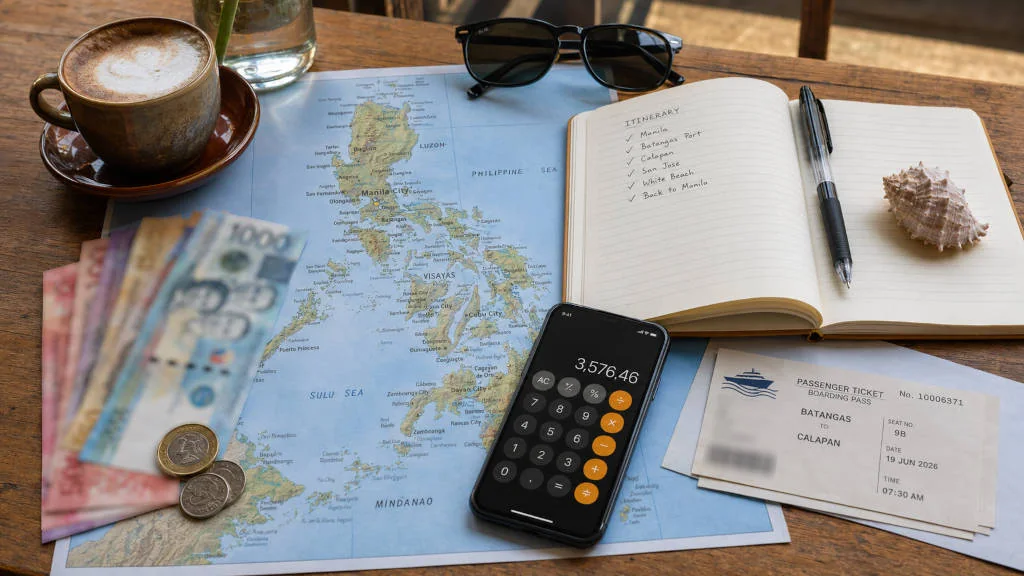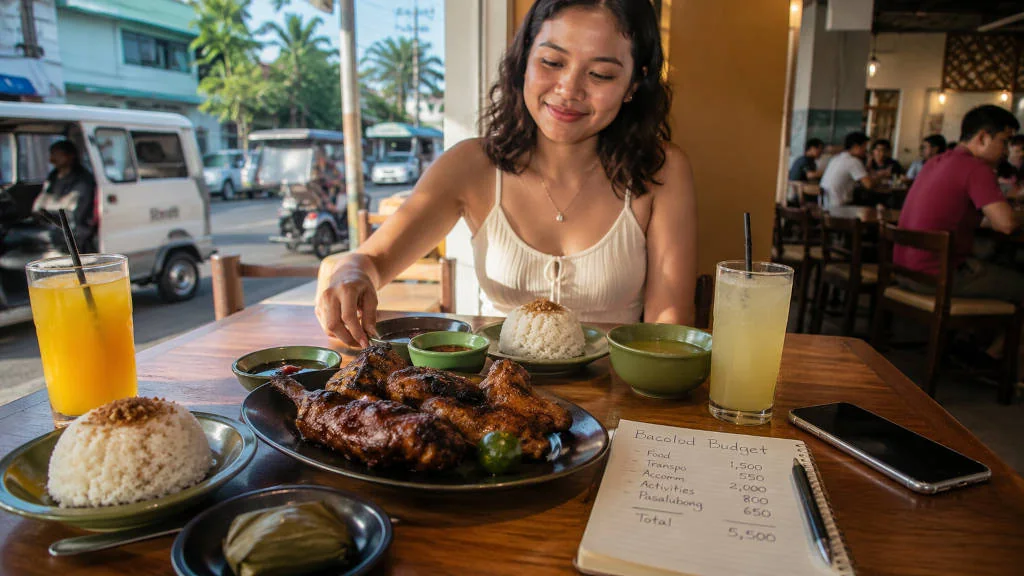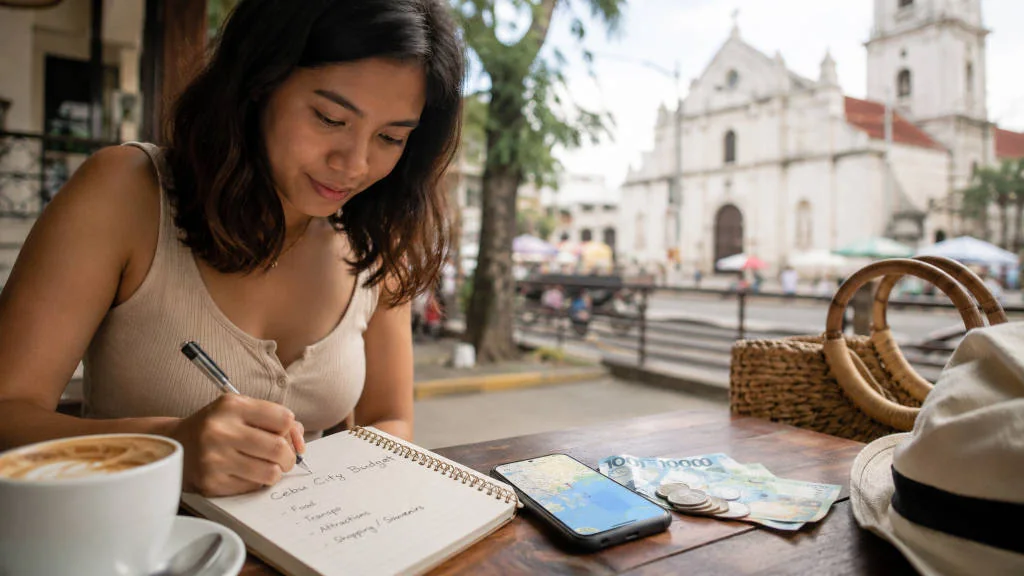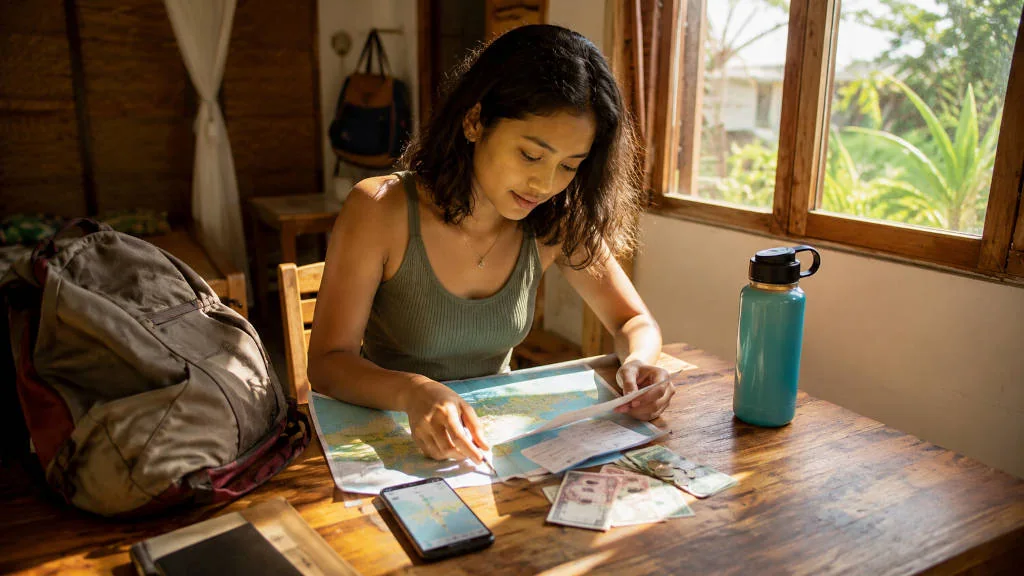
A useful travel budget starts with a route and a realistic daily plan rather than a single national average. Compare the major expense categories and choose where flexibility matters to you.
Which cost question are you trying to answer?
| Planning question | Best starting point | Check before deciding |
|---|---|---|
| How much for the full trip? | Sample budgets for 1, 2 and 4 weeks | Group size, season, room sharing and the number of flight/ferry legs |
| How do destinations compare? | 2026 travel cost reference | Source dates, what each daily range includes and excluded transport |
| Which expenses are easiest to control? | Ways to reduce avoidable costs | Baggage fees, pickup point, travel-day meals and cancellation policies |
| What does this destination cost? | Boracay, Cebu City or Bacolod | Actual travel dates and accommodation location |
Build your budget in the order you will spend it
- Choose your route first. Every additional destination can introduce an airport or pier transfer, another night's accommodation, and a lost sightseeing day.
- Choose a room and base. A cheaper room far from planned activities can cost more in repeated rides.
- Separate fixed from flexible costs. Price transport and booked services individually, then reserve headroom for food, weather changes and optional excursions.
- Compare the complete booking price. Include baggage, booking fees, pickup zones and refund terms, rather than judging the first displayed fare.
Destination budgets and examples
The curated guides below offer different kinds of cost evidence: daily scenarios, itinerary budgets and destination-specific trade-offs. Treat dated price examples as planning references, not live quotations.
Before you book
Use the appropriate flight comparison or transfer comparison only once your arrival route is clear. Bakasyon may earn referral commissions through eligible tools; check the provider's final total and cancellation conditions.