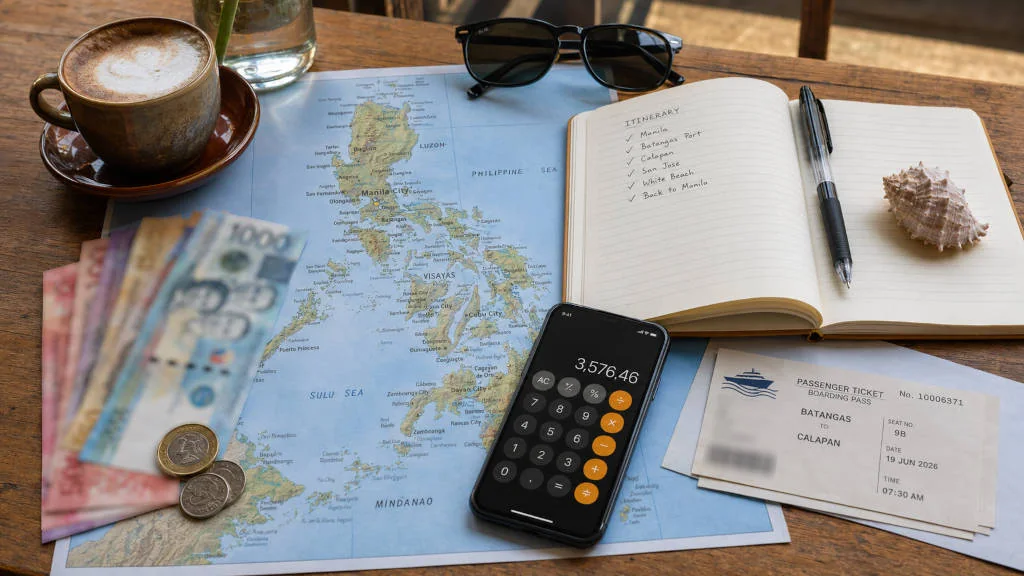
A realistic Philippines budget travel report should answer one simple question first: how much money do you need per day in the Philippines without feeling caught off guard? For 2026 planning, many travelers can think in broad daily ranges: around ₱1,800–₱3,200 for a careful budget traveler, ₱3,500–₱6,500 for a midrange traveler, and ₱7,000 and up for comfort-focused days.
These are planning ranges, not fixed prices, because Philippine travel costs can change quickly by island, season, route, booking timing, and how many tours or transfers you add.
At-a-Glance: 2026 Philippines Budget Travel Report
This Philippines budget travel report is best used before booking flights between islands, ferries, hotels, and tours. The Philippines can still be very good value, especially if you eat local, travel slowly, and avoid stacking too many famous islands into one short trip.
Costs often rise when your route includes multiple airports, private transfers, boat days, peak weekends, or tourist-zone dining.
| Planning Item | Calm 2026 Range | Reality Check |
|---|---|---|
| Best Time Window | Dry months are usually easier for transfers and boat tours | Peak weeks can push up accommodation costs and tours |
| Realistic Travel Time | Add half a day to one full day for island transfers | Flights and ferries may not connect neatly |
| Budget Band | ₱1,800–₱3,200 budget, ₱3,500–₱6,500 midrange, ₱7,000+ comfort | Tour days and transfer days often cost more than rest days |
| Crowd Or Traffic Risk | Higher in Manila, Boracay, El Nido, Coron, Siargao, Sagada, and weekend beach towns | Last-minute bookings can remove cheaper options |
| Rain Or Heat Backup | Add 10%–25% depending on season and route complexity | Rain can turn a cheap day into a café, taxi, or recovery day |
Reality Check: Daily averages look neat on a spreadsheet, but Philippine travel is full of uneven spending days. A quiet day in Iloilo can be affordable and delicious, then a Palawan transfer day can suddenly include a van, port fee, luggage add-on, boat ticket, dry bag, and a pricier dinner near the beach.
Methodology And Limitations
This report uses practical planning estimates based on destination type, route complexity, travel style, public price context, and common travel-friction categories such as transfers, weather delays, baggage, tours, food habits, and accommodation location. It is not a formal survey of every hotel, ferry operator, airline, guide, restaurant, or traveler.
Use these ranges as a starting point, not as official rates. Before booking, verify current prices directly with hotels, tour operators, ferry companies, airlines, and local transport providers, especially during holidays, peak weekends, rainy-season routes, and multi-island trips.
How To Use This 2026 Philippines Budget Travel Report
Use this Philippines budget travel report as a planning explainer, not as a promise that every traveler will spend the same amount. It helps you compare destinations, understand where costs spike, and build a more relaxed budget before you commit to a route.
The goal is calm planning: fewer surprise fees, fewer underfunded transfer days, and fewer moments when you skip something meaningful because the budget was too tight.
What This Report Includes
This report includes realistic planning ranges for accommodation costs, food budget, local transport, ferries, island hopping, airport transfers, environmental fees, tricycle fares, baggage fees, and travel buffer planning. It also compares destinations such as Cebu, Palawan, Boracay, Bohol, Manila, Siargao, Iloilo, Dumaguete, Davao, Sagada, Banaue, La Union, and Zambales.
For a practical next step, readers can use this broad report together with Bakasyon’s budget travel tips Philippines guide when they want calmer ways to reduce costs without making the trip feel too bare-bones.
What This Report Does Not Claim
This Philippines budget travel report does not claim firsthand spending data from every traveler, every hotel, or every ferry operator. Prices can shift with fuel, holidays, weather, local policy, and booking demand.
For national price context, travelers can review the Philippine Statistics Authority’s Consumer Price Index and Inflation Rate updates, then still verify current travel-specific rates before paying.
Why Daily Averages Can Mislead Travelers
A single daily average hides the real rhythm of the Philippines. One day might be a slow city day with coffee, jeepney rides, and a museum stop. The next day might include an early airport transfer, domestic flight, baggage fee, van to a coastal town, dinner in a tourist strip, and a tour deposit.
Both days belong to the same trip, but they do not belong in the same mental category.
Reality Check: Averages are useful for setting expectations, but they can make travelers underbudget for famous islands and overestimate the cost of quieter city bases. Separate normal days, transfer days, tour days, and disruption days before deciding whether your plan feels affordable.
Quick Answer: Realistic Daily Travel Costs In The Philippines
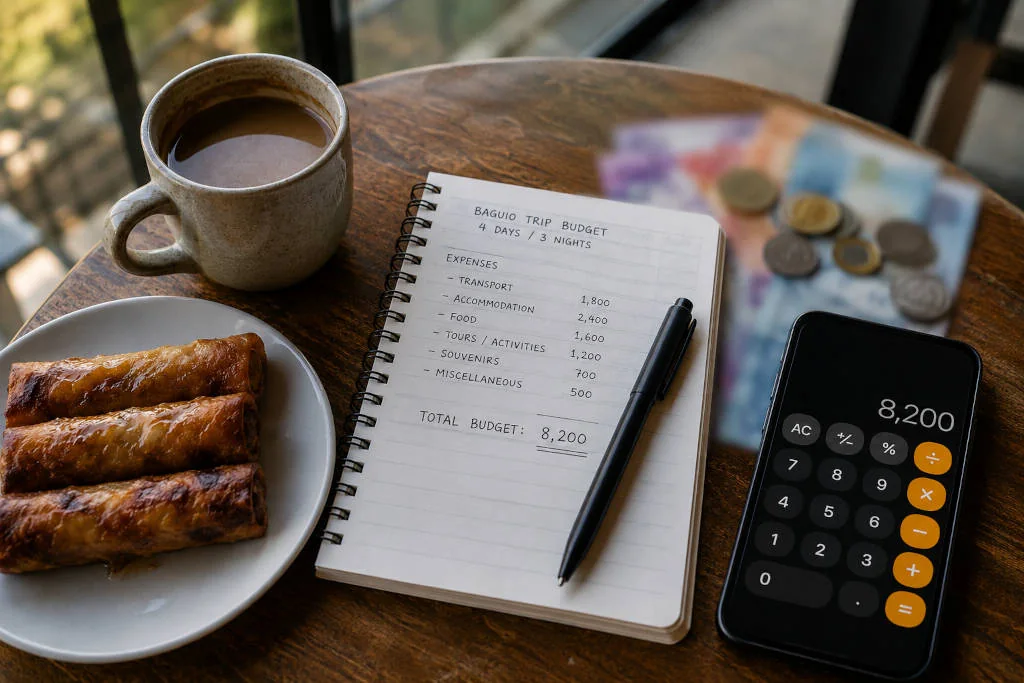
For 2026, a realistic daily travel budget in the Philippines depends on travel style and destination. A solo budget traveler staying in hostels, eating local meals, and using public transport can often plan lower than a couple choosing private rooms and easier transfers.
A family may spend more per day, but shared vans and larger rooms can make some costs more predictable.
Budget Traveler Range
A budget traveler can plan around ₱1,800–₱3,200 per person per day in many destinations, excluding major flights, big tours, and long transfers. This range usually assumes dorms or simple guesthouses, carinderia meals, bakeries, local snacks, jeepneys, buses, shared vans, and selective paid activities.
Cebu, Iloilo, Dumaguete, Davao, La Union, and Zambales are generally more forgiving for this kind of daily travel budget.
Midrange Traveler Range
A midrange traveler can plan around ₱3,500–₱6,500 per person per day, especially when choosing private rooms, air-conditioned transport when needed, cafés, beach restaurants, selected tours, and better-located stays. This is often the sweet spot for couples who want comfort but do not need luxury.
It also works well for first-time visitors who want fewer stressful compromises.
Comfort Traveler Range
A comfort traveler should plan ₱7,000 and up per person per day, especially in Palawan, Boracay, Siargao, and resort-heavy parts of Bohol or Cebu. Comfort does not always mean luxury.
It can simply mean private transfers, flexible check-in timing, better hotels, more direct routes, private tours, and enough room in the budget to avoid exhausting choices.
Costs To Separate From Daily Spending
Separate domestic flights, checked baggage, airport transfers, ferries, port charges, island hopping, guide fees, environmental fees, travel insurance, medical needs, gear, and weather-related route changes from your daily spending. This makes the Philippines budget travel report more useful because it shows where the real pressure points are.
| Travel Style | Daily Planning Range | Usually Includes | Separate These Costs |
|---|---|---|---|
| Budget | ₱1,800–₱3,200 | Hostel or simple room, local food, public transport | Flights, island hopping, long transfers |
| Midrange | ₱3,500–₱6,500 | Private room, mixed local and café meals, easier rides | Tour days, baggage, airport transfers |
| Comfort | ₱7,000+ | Better hotels, private transfers, selected private tours | Premium resorts, special activities, disruption buffers |
Reality Check: The Philippines can be cheap, but not always effortless-cheap. The travelers who feel most relaxed are the ones who stop pretending every day will cost the same.
Budget, Midrange, And Comfort Travel Styles Explained
Travel style matters more than labels. Two people can visit the same island and spend very different amounts depending on room location, transport confidence, food choices, and how much friction they are willing to accept.
In this Philippines budget travel report, the style categories are meant to help you match the budget to your energy, not judge how “good” your trip is.
Budget Does Not Mean Unsafe Or Miserable
Budget travel means choosing value carefully. It may mean staying in a clean hostel, eating silog for breakfast, buying fruit from a market, taking a bus instead of a private van, and choosing one big paid activity instead of three.
It should not mean ignoring safety, walking alone late in unfamiliar areas, skipping meals, or booking transport that feels uncomfortable just to save a small amount.
Midrange Means Fewer Stressful Compromises
Midrange travel usually means paying for smoother transitions. You might still eat at carinderias and ride buses, but you also choose a private room with air-conditioning, a Grab ride after a late arrival, a better ferry schedule, or a guided tour when logistics look tiring.
For many first-time visitors, midrange is the most realistic Philippines travel budget 2026 category.
Comfort Means Smoother Logistics, Not Necessarily Luxury
Comfort travel is about reducing friction. It can mean a hotel near the pier, a private airport pickup, a room with reliable cooling, or a private island hopping boat for a family.
It can also mean adding recovery nights so no one is dragging luggage through heat, rain, or ferry delays with a bad mood and an empty stomach.
Budget travel is best for slow travelers and confident commuters, but watch for cash gaps and tiring transfers. Midrange travel is best for couples and first-time visitors who want fewer hard tradeoffs, but watch for tour stacking. Comfort travel is best for families, groups, and tight schedules when predictability matters more than squeezing every peso.
Reality Check: A cheaper trip is not automatically a better-planned trip. Sometimes spending a little more on location, timing, or transport protects the whole day.
Philippines Destination Cost Comparison For 2026
The most useful part of a Philippines budget travel report is knowing where your money stretches and where it tightens. Famous islands often cost more because travelers pay for the dream setting plus the logistics needed to reach it.
City bases and less resort-heavy destinations can feel easier on the wallet because food, transport, and accommodation supply are more varied.
| Destination | Cost Feel | Best For | Watch For |
|---|---|---|---|
| Cebu | Flexible | Budget to midrange routes, varied transport | Long land transfers and activity fees |
| Palawan | Often higher | Island hopping, dramatic scenery | Vans, boats, environmental fees, tourist-zone food |
| Boracay | Higher in peak periods | Easy beach stays, nightlife, families | Accommodation demand and dining prices |
| Bohol | Moderate to higher | Couples, families, countryside tours | Panglao pricing and private tour costs |
| Iloilo | Good value | Food, heritage, calm city base | Day trip transport planning |
| Dumaguete | Good value | Slow travel, cafés, nearby nature | Extra costs for Apo Island or Siquijor add-ons |
Cebu
Cebu is one of the most flexible destinations for budget planning because it has city hotels, beaches, buses, ferries, malls, markets, hostels, resorts, and many route choices. A Cebu trip can be affordable if you focus on Cebu City, Moalboal, Bantayan Island, or public bus routes.
It can also get pricey if you add canyoneering, island hopping, private transfers, and resort stays in Mactan.
Palawan
Palawan is often more expensive than Cebu for travelers who want the classic El Nido, Coron, and island hopping experience. Palawan costs rise because of long vans, boat tours, environmental fees, limited peak-season rooms, and food pricing in tourist zones.
Puerto Princesa can be more moderate, but El Nido and Coron usually need a bigger tour and transfer budget.
Boracay
Boracay can feel expensive because it is compact, famous, and accommodation demand can climb quickly during peak periods. The beach is easy once you arrive, but getting there may include a flight, airport transfer, boat crossing, terminal fees, environmental fees, and local rides.
Compared with Siargao, Boracay is often easier for families and short stays, but peak lodging and beachfront dining can be higher.
Bohol
Bohol sits in the middle for many travelers. Panglao can feel resort-priced, while Tagbilaran or inland bases may be calmer for budget planning. The countryside tour, Chocolate Hills, tarsier stops, Loboc River, beaches, and island hopping are rewarding, but they work best when you budget for transport rather than assuming everything is close.
Manila
Manila is not always cheap, but it gives you choices. Food courts, bakeries, museums, cafés, malls, and neighborhood hotels create a wide spread of daily costs.
The biggest budget risks are traffic, airport transfers, taxis during tired arrival windows, and staying in the wrong area for your plans. A well-located hotel can save both money and patience.
Siargao
Siargao is beautiful, breezy, and often more expensive than visitors expect, especially around General Luna. Surf culture, cafés, motorbike rentals, island hopping, tours, and limited peak-season accommodation can lift daily costs.
Compared with Boracay, Siargao may feel more spread out and independent, so transport and activity planning matter more.
Iloilo
Iloilo is one of the more forgiving choices for calm budget planning. Food is a highlight, transport can be manageable, and city stays often feel less pressured than famous island bases.
It works well for travelers who enjoy heritage, local meals, cafés, and day trips without needing every day to be beach-centered.
Dumaguete
Dumaguete is strong value for slow travelers, digital nomads, and visitors who enjoy walkable pockets, cafés, seaside strolls, and nearby nature. Costs rise when you add Apo Island, Valencia, Manjuyod, or onward ferries to Siquijor or Cebu.
The base can be gentle; the add-ons need a separate line in the budget.
Davao
Davao can be good value for travelers who want a city base with food, nature, and space. Accommodation and meals can be reasonable compared with famous beach islands, but day trips, private transport, and airport logistics still need planning.
Families may appreciate the predictability of a city stay.
Sagada And Banaue
Sagada and Banaue are not always expensive per day, but transport effort is the main cost. Long bus rides, guide fees, lodging availability, cold-weather needs, and limited flexibility can affect the budget.
These mountain destinations reward slower pacing and a buffer night more than rushed itinerary math.
La Union And Zambales
La Union and Zambales can be budget-friendly or weekend-pricey depending on timing. Weekdays are often easier for rooms and food choices, while weekends and holidays can lift prices.
La Union may cost more around San Juan and Urbiztondo, while Zambales can stay affordable if you plan transport, beach access, and island-hopping add-ons carefully.
Reality Check: Destination comparison is not about declaring one place “cheap” and another “expensive.” It is about knowing where costs hide so you can choose the route that matches your budget and travel mood.
Why Some Philippine Destinations Cost More Than Others
Some Philippine destinations cost more because the beauty comes with logistics. Islands need boats, ports, vans, fuel, guides, permits, and weather windows. Mountain towns need longer land travel and sometimes guide support.
Famous beach zones have limited prime accommodation, so prices rise when demand is high.
Island Logistics And Limited Supply
Island destinations often have fewer rooms in the exact areas travelers want. When the best-located stays fill up, remaining options may be farther out, pricier, or less convenient.
That can turn one cost into three costs: a higher room rate, extra local rides, and more time spent moving around.
Tourist-Zone Food And Lodging
Food budget planning changes near famous beaches. A local rice meal may still be affordable, but beachfront cafés, smoothie bowls, cocktails, imported snacks, and Western-style breakfasts can quickly lift the daily average.
This is especially noticeable in Boracay, El Nido, Coron, General Luna, and Panglao.
Tour Dependency
Some destinations are most rewarding when you join tours. Palawan’s island hopping, Bohol’s countryside circuit, Siargao’s tri-island trips, and Coron’s lagoons are not just casual walk-up activities.
If you skip the tour budget, you may reach the destination but miss the reason you came.
Transfer Chains And Baggage
A transfer chain can include a hotel ride, airport terminal, flight, checked baggage, van, port, ferry, environmental fee, tricycle, and final hotel ride. Each item may look small alone, but together they can turn a “travel day” into one of the most expensive days of the trip.
Reality Check: Cheap travel advice often says to “just take public transport,” but that advice is incomplete if you have children, surfboards, big luggage, late arrivals, rain, or a tight ferry connection. Budget for the situation you will actually be in.
Lodging Costs To Expect
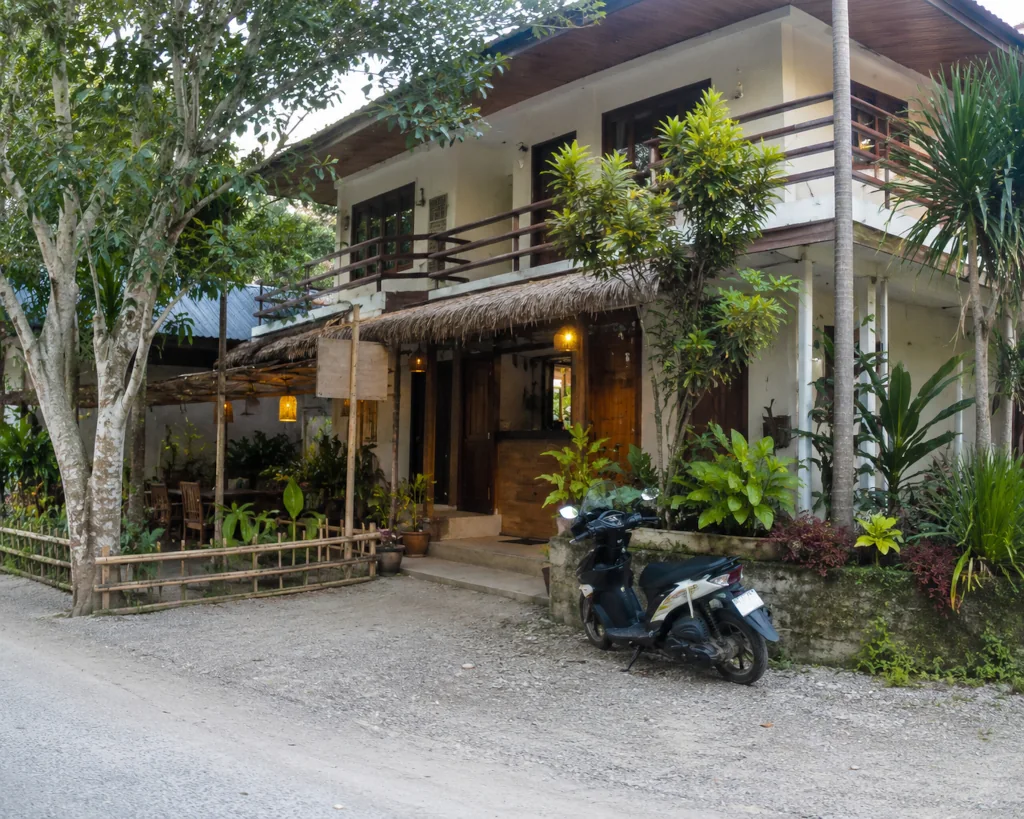
Accommodation costs are one of the biggest differences between budget, midrange, and comfort travel in the Philippines. The same town can have dorms, fan rooms, simple inns, boutique hotels, beachfront resorts, and villas.
Location matters as much as room type because a cheaper stay far from food, tours, or transport can quietly cost more.
Hostels And Simple Guesthouses
Hostels and simple guesthouses are best for solo budget travelers, backpackers, and social travelers who are comfortable with basic facilities. In many city and beach destinations, this is the easiest way to keep the daily travel budget low.
Look closely at air-conditioning, locker access, bathroom setup, walking distance, and late-night arrival instructions before booking.
Private Rooms And Budget Hotels
Private rooms and budget hotels are ideal for couples who want privacy without resort pricing. A clean room near the right terminal, beach path, bus stop, or food area can save more than it costs.
In places like Cebu City, Iloilo, Dumaguete, Manila, and Davao, practical hotels can make the whole itinerary easier.
Midrange Hotels And Calmer Stays
Midrange hotels usually offer better sleep, cooling, bathrooms, front desk support, breakfast, luggage storage, and easier transport coordination. This matters after long ferry days or early flights.
Families and first-time visitors often benefit from midrange stays because staff can help with pickups, tour timing, and local advice.
When Location Saves Money
A well-located room can reduce tricycle fares, taxi costs, heat fatigue, and snack spending. In Boracay, staying near the part of the beach you actually want saves energy. In Manila, staying near your meeting point or airport transfer route can save time.
In El Nido or Coron, proximity to tour pickup points can make mornings smoother.
Reality Check: The cheapest room is not always the cheapest stay. Add transport, time, comfort, and safety before deciding whether that bargain is truly a bargain.
Food And Drink Budget
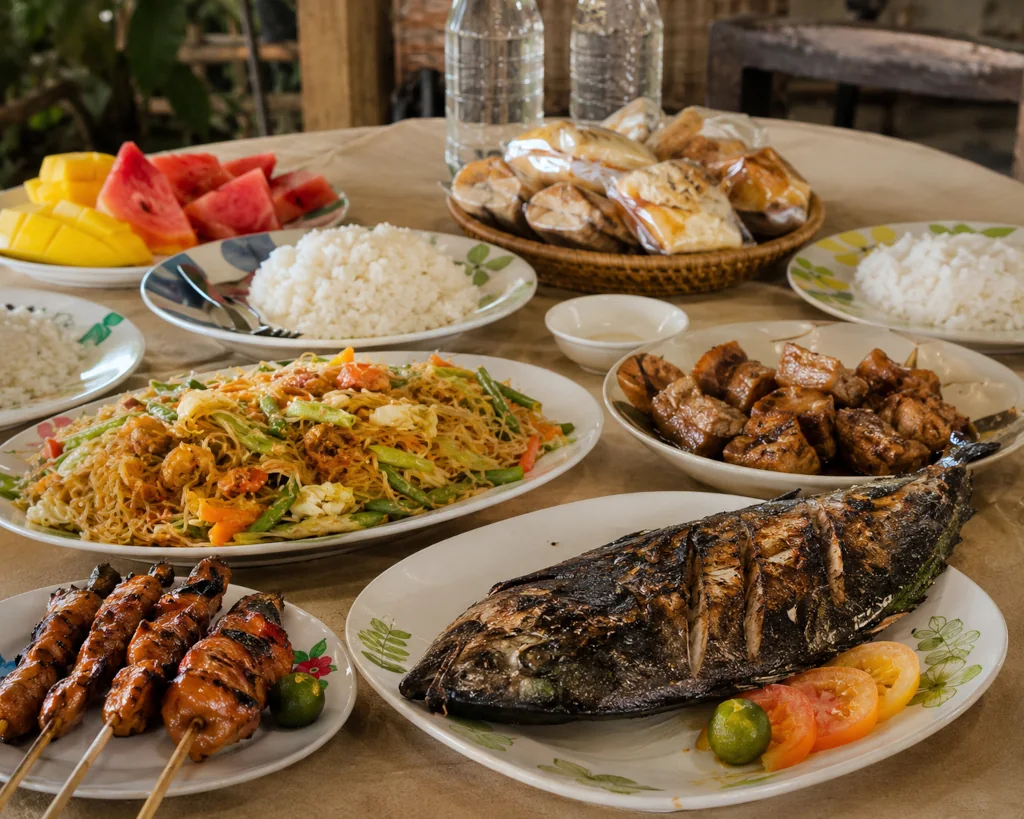
Food is one of the joys of traveling around the Philippines, and it can be flexible if you mix local meals with a few treat-yourself stops. A practical food budget should include breakfast, lunch, dinner, water, coffee, snacks, fruit, and small convenience buys.
The danger is not one fancy meal; it is forgetting the little extras that appear every day.
Carinderias, Bakeries, Markets, And Casual Meals
Carinderias, bakeries, markets, and casual eateries keep costs grounded. Rice meals, pancit, grilled fish, chicken barbecue, pandesal, bananas, suman, and local soups can carry a budget traveler through the day.
This is where the Philippines still offers lovely value: warm food, quick service, and neighborhood flavor without polished tourist pricing.
Cafés, Beach Restaurants, And Tourist-Zone Dining
Cafés and beach restaurants are part of the travel mood, especially in Siargao, Boracay, La Union, El Nido, and Panglao. They are also where a food budget can double quietly.
A coffee, smoothie, brunch plate, and sunset dinner can cost more than three simple local meals, so choose them intentionally.
Water, Snacks, Coffee, And Small Daily Extras
Budget water, snacks, coffee, and small daily extras. Heat makes people buy more drinks. Rain makes people linger in cafés. Long bus days make convenience-store snacks feel necessary.
These items rarely ruin a trip, but they do make a too-tight spreadsheet feel unrealistic.
| Food Style | Good For | Budget Note |
|---|---|---|
| Local meals and bakeries | Budget travelers and slow travelers | Best value when staying near local neighborhoods |
| Cafés and casual restaurants | Midrange travelers and work days | Easy to overspend if every meal is café-based |
| Beachfront dining | Sunset meals and special nights | Plan as a treat, not the default |
Reality Check: Food can be very affordable in the Philippines, but tourist-zone habits change the math. Eat local often, then enjoy the beautiful café or beachfront dinner without guilt because it was planned.
Local Transport, Transfers, And Ferries
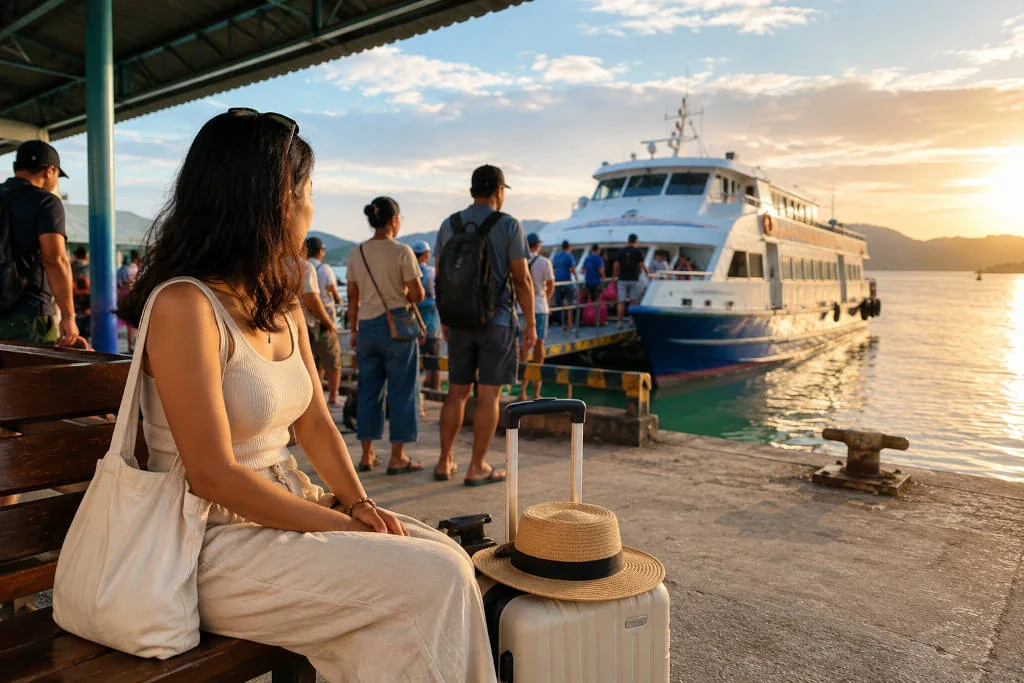
Local transport is where many travelers underestimate their Philippines travel costs. Tricycles, jeepneys, buses, taxis, vans, ferries, ports, and airport rides can be affordable separately, but transfers multiply when islands are involved.
A smart Philippines budget travel report separates movement within a destination from movement between destinations.
Tricycles And Short Rides
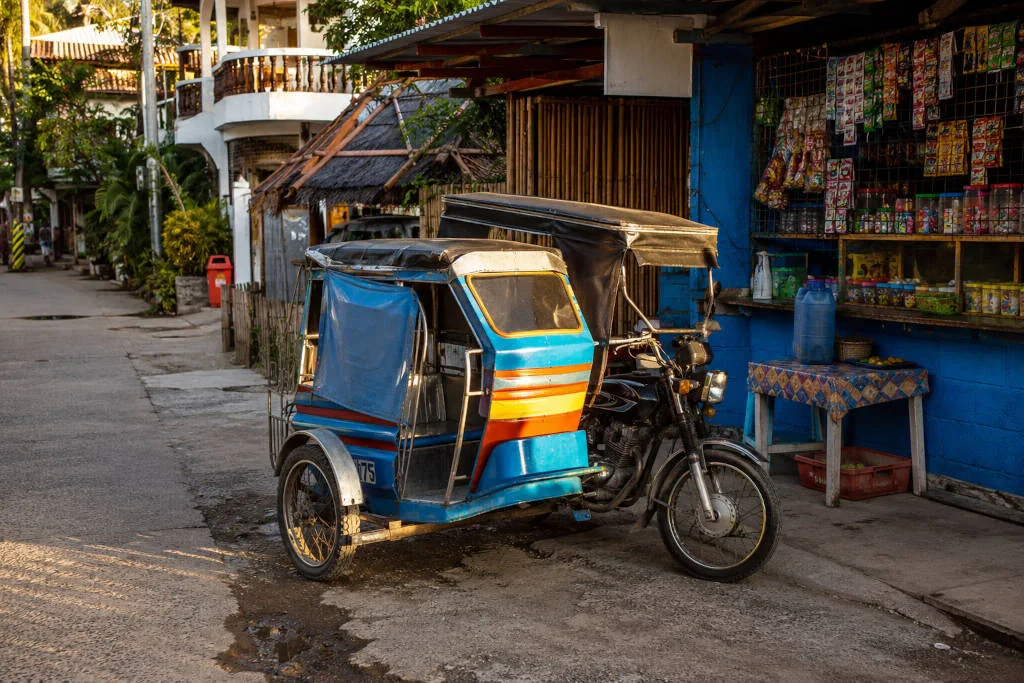
Tricycle fares vary by town, distance, time of day, luggage, and tourist demand. They are useful for short hops, beach access, bus terminal rides, and final stretches after ferries.
Agree on the fare before riding, especially in tourist towns, and ask your accommodation what a normal range looks like.
Jeepneys, Buses, Vans, And Taxis
Jeepneys and buses can keep a budget low, especially in cities and on major provincial routes. Shared vans are faster or more direct in some areas, but they can feel cramped with luggage.
Taxis and app-based rides are useful in Manila, Cebu City, Davao, and some urban areas when heat, rain, or late arrivals make public transport stressful.
Airport Transfers
Airport transfers deserve their own line. A cheap flight can become less cheap after baggage, terminal food, a late-night taxi, and a long van ride from the airport to the actual beach town.
For Manila arrivals, Bakasyon’s NAIA to Makati transfer guide is a useful example of why arrival logistics should be planned before landing.
Ferries, Ports, And Terminal Costs
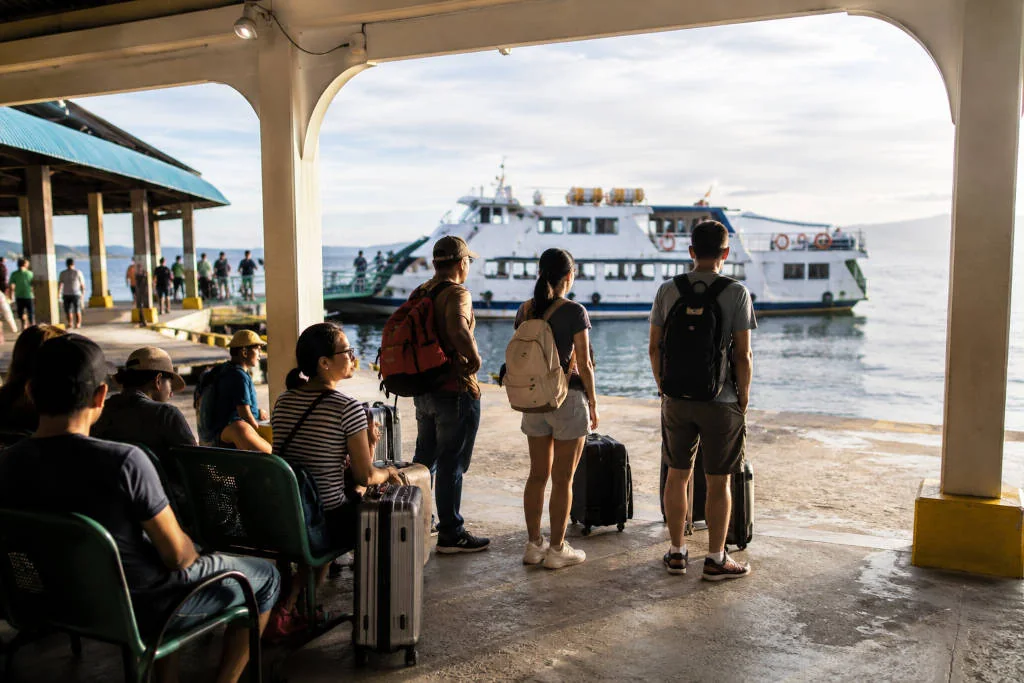
Ferries are part of the magic and the friction of the Philippines. They connect islands beautifully, but they may involve port fees, terminal fees, baggage handling, schedule changes, weather delays, and limited same-day options.
For routes such as Bohol to Siquijor, Cebu to Bantayan Island, or Iloilo to nearby islands, build a buffer around the crossing instead of treating it like a quick city commute.
Domestic Flights And Baggage
Domestic flights can save time on long routes, but baggage fees, airport transfers, delays, and schedule gaps change the total. A flight may be worth it when it protects vacation days, but a ferry or bus may be better when you have time, lighter luggage, and a simple route.
Always compare the full door-to-door cost, not just the ticket price.
Reality Check: Transport friction is one of the biggest reasons travelers overspend. The tired version of you will often choose the easier ride, so include that ride in the budget from the start.
Tours, Activities, And Island Fees
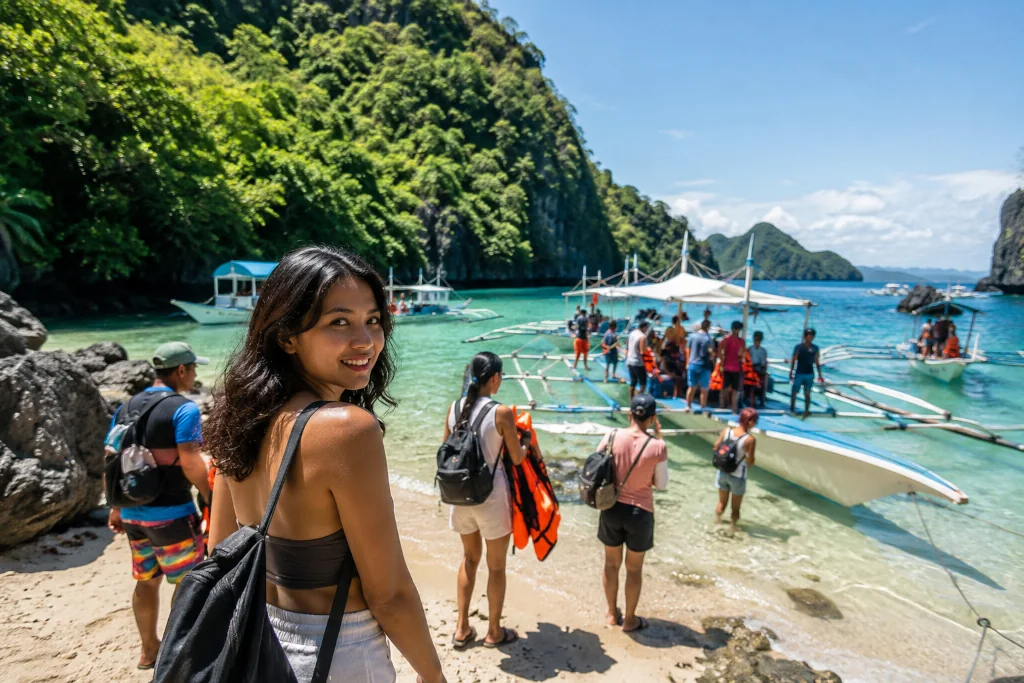
Tours and activities can be the highlight of the trip, but they are also where daily averages break down. Island hopping, canyoneering, surf lessons, countryside tours, snorkeling trips, entrance fees, environmental fees, and guide fees should sit in a separate tour budget.
This makes your main daily travel budget feel cleaner and more honest.
Island Hopping And Boat-Day Costs
Island hopping costs vary by destination, group size, private versus shared boat, inclusions, lunch, snorkeling gear, entrance fees, and environmental fees. Palawan and Coron boat days can be unforgettable, but they deserve proper budget space.
Boracay, Siargao, Bohol, and Zambales also have boat experiences that can change the cost of a day quickly.
Entrance, Environmental, And Guide Fees
Environmental fees and entrance fees are easy to forget because they often look small. Add them anyway. A fee at a beach, lagoon, lake, waterfall, mountain trail, or heritage site may not hurt alone, but several in one itinerary can matter.
Guide fees are also part of responsible travel in places where local rules require or recommend them.
When Private Tours Are Worth The Cost
Private tours can be worth the cost for families, groups, photographers, older travelers, nervous swimmers, and anyone with tight timing. They can reduce waiting, create flexibility, and help you avoid overpacked shared itineraries.
They are not required for every traveler, but they should be considered when comfort, pacing, safety, or mobility matters.
When To Keep Activities Simple
Not every day needs a paid tour. A beach walk, public market, church plaza, sunset viewpoint, café break, simple swim, or food-focused city day can balance the budget between bigger highlights.
These days help the budget recover and give the body time to breathe between early call times.
Reality Check: The cheapest itinerary is often not the most memorable one. Choose the paid experiences that matter, then protect them with quiet low-cost days around them.
Hidden Costs Travelers Often Forget
The hidden costs when traveling in the Philippines are rarely mysterious. They are normal little expenses that travelers forget to include: cash withdrawal fees, SIM or eSIM data, laundry, medicine, dry bags, sunscreen, insect repellent, early check-ins, late checkouts, baggage fees, snacks, and emergency taxis.
This is where a travel buffer saves the mood.
Cash Withdrawal Fees And Cash Gaps
Cash remains important in many Philippine destinations, especially for tricycles, small eateries, market purchases, tips, guide fees, island fees, and rural transport. Bring enough cash for the next few days of small spending, but avoid carrying your entire trip budget in one place.
Ask your hotel where reliable ATMs are, and withdraw before going to smaller islands or mountain towns.
Laundry, SIM Or eSIM, Dry Bags, Medicine, And Gear
Laundry matters in humid weather. SIM or eSIM data matters when coordinating pickups and checking maps. Dry bags matter on boat days.
Medicine matters when heat, motion sickness, bites, or upset stomachs appear. These are not glamorous travel expenses, but they protect comfort and confidence.
Early Check-Ins, Late Checkouts, And Recovery Nights
Early arrivals and late departures can create awkward spending. You may pay for luggage storage, a day-use room, a café stay, or an extra night to rest properly.
Recovery nights are especially useful after red-eye flights, long ferries, mountain buses, or multi-leg island transfers.
Peak Season Pricing And Last-Minute Booking Stress
Peak seasons, long weekends, festivals, school breaks, and holiday periods can shrink affordable choices. Last-minute booking can work in flexible city bases, but it is riskier in Boracay, Palawan, Siargao, Bohol, Sagada, and small beach towns during busy dates.
Book key rooms and transfers earlier when timing matters.
Reality Check: Hidden costs are not always scams or mistakes. Often, they are the cost of comfort, timing, weather, and being human while traveling.
Weather, Delays, And Buffer Spending

A practical Philippines budget travel report needs a weather section because island travel depends on conditions. Rain can be cozy and beautiful, with tin roofs tapping and roadside cafés steaming with coffee, but it can also delay boats, shift tours, and make cheap walking plans less appealing.
For broader climate context before choosing travel dates, review PAGASA’s Climate of the Philippines explainer, then budget for flexibility before you need it.
Rainy Season Planning
Rainy season travel can still be rewarding, especially for slow travelers who do not mind adjusting plans. Add money for taxis, café breaks, laundry, waterproof bags, extra snacks, and schedule changes.
Avoid building an itinerary where one canceled boat ruins the next three bookings.
Boat Cancellations And Route Changes
Boat cancellations can force an extra hotel night, new transfer, missed tour, or replacement flight. This matters in Palawan, Bohol, Siquijor, Cebu, Zambales, and other island-hopping routes.
Leave space between important transfers and international flights, especially if weather is unsettled.
Typhoon Season Comfort Buffer
During storm-prone periods, the comfort buffer should be larger. This does not mean avoiding the Philippines completely; it means planning with humility.
Choose refundable or flexible bookings when possible, avoid overly tight ferry chains, and keep extra cash for a safer route change.
How Much Extra To Add For Calm Planning
For dry-season city trips, a 10% buffer may be enough. For island-heavy itineraries, use 15%–20%. For rainy-season routes, family travel, or trips with several ferries, 20%–25% is calmer.
This buffer is for weather, comfort, schedule changes, missed connections, and the occasional “we are too tired for the cheapest option” moment.
| Trip Type | Suggested Buffer | Why It Helps |
|---|---|---|
| Simple city trip | 10% | Traffic, taxis, snacks, small changes |
| One island base | 15% | Tours, weather swaps, local rides |
| Multi-island route | 20% | Ferries, ports, transfers, baggage |
| Rainy season or family trip | 20%–25% | Comfort, delays, extra nights, flexible transport |
Reality Check: A buffer is not wasted money. If everything goes smoothly, it becomes souvenir money, a nicer final meal, or savings you happily bring home.
Sample Planning Formulas

The easiest way to use this Philippines budget travel report is to build the trip in layers. Start with daily spending, then add transfer days, tour days, and a weather or comfort buffer.
This helps answer how much cash to bring to the Philippines more honestly than multiplying one daily number by your number of nights.
Daily Cost Formula
Daily cost equals accommodation, meals, local transport, small activities, water, snacks, and small extras. For a budget traveler, this may be simple and local. For a midrange traveler, add private room comfort, café stops, and occasional app-based rides.
For comfort travelers, add better hotels, smoother transfers, and more flexible meals.
Transfer-Day Formula
Transfer-day cost equals hotel-to-terminal ride, ticket or fare, baggage, port or terminal fees, snacks, arrival ride, and possible recovery meal. If the transfer involves a flight or ferry, add more buffer.
Transfer days are often not good days for ambitious paid activities because delays and fatigue can steal the schedule.
Tour-Day Formula
Tour-day cost equals tour price, environmental fees, entrance fees, gear rental, guide tip, breakfast, water, snacks, dry bag or locker needs, transport to pickup point, and dinner after the activity. This formula works well for island hopping, canyoneering, countryside circuits, surf lessons, and guided mountain activities.
Weather-Buffer Formula
Weather-buffer cost equals extra transport, extra meal or café time, laundry, flexible rebooking, backup activity, and possible extra night. For island trips, this buffer matters more than travelers expect.
It keeps the trip from feeling financially tight when nature changes the plan.
Reality Check: Formulas are not meant to make travel feel stiff. They simply give your vacation enough breathing room to stay joyful when the day becomes imperfect.
How Couples, Families, And Solo Travelers Should Budget Differently
A solo traveler, couple, family, and group can visit the same destination with very different cost patterns. Solo travelers pay full price for private rooms and some transfers, but they can choose dorms and flexible meals.
Couples share rooms and some rides, but may spend more on comfort. Families need predictability, shade, snacks, and fewer risky transitions.
Solo Budget Travelers
Solo budget travelers should focus on safe locations, hostels with good reviews, public transport by day, and enough cash for app-based rides when needed. The biggest risk is underbudgeting for private transport in places where shared options are limited.
A solo traveler can keep costs low, but should never make safety dependent on saving a few pesos.
Couples Planning Midrange Island Trips
Couples often get good value from private rooms, shared transfers, and selective tours. A midrange couple can balance local meals with date-night dinners, choose one or two memorable paid activities, and spend more on location.
In Palawan, Boracay, Bohol, and Siargao, couples should watch accommodation and tour costs carefully.
Families And Groups
Families and groups should budget for private transfers more often, not because public transport is impossible, but because luggage, naps, heat, bathroom breaks, and safety change the equation.
Shared costs can help, but families also spend more on snacks, downtime, better rooms, and flexible exits when kids get tired.
Slow Travelers And Digital Nomads
Slow travelers and digital nomads should compare monthly value bases rather than daily highlight costs. Iloilo, Dumaguete, Davao, Cebu City, Bacolod, and some parts of La Union may feel more practical than famous resort zones if the goal is routine, food variety, internet access, and lower daily pressure.
Reality Check: The right budget is personal. A family’s “necessary comfort” may look like luxury to a backpacker, while a backpacker’s flexibility may feel impossible to someone managing children or remote work.
Key Destination Comparisons For Budget Decisions
When travelers ask whether Palawan is more expensive than Cebu or whether Boracay is more expensive than Siargao, the answer is usually: it depends on route, season, and travel style.
Still, comparisons help you choose. This Philippines budget travel report uses cost feel, not exact promises, to guide better decisions.
Palawan Versus Cebu Costs
Palawan is often more expensive than Cebu for travelers focused on El Nido, Coron, and island hopping. Cebu gives more transport options, more city infrastructure, and more ways to adjust the budget.
Choose Palawan if dramatic lagoons and boat days are the priority. Choose Cebu if you want flexibility, varied routes, and a wider range of daily costs.
Boracay Versus Siargao Costs
Boracay can be more expensive for beachfront stays and peak-season convenience, while Siargao can become expensive through spread-out transport, cafés, tours, and accommodation demand in General Luna.
Choose Boracay if you want an easier short beach stay with more centralized services. Choose Siargao if you want surf-town energy, island movement, and a more independent rhythm.
Bohol Versus Cebu Costs
Bohol can feel more expensive when the trip centers on Panglao, private countryside tours, and island hopping. Cebu can be easier to adjust because it has more city, beach, mountain, and ferry options.
Choose Bohol for a compact mix of countryside, beaches, and family-friendly pacing. Choose Cebu if you want more transport variety and more ways to scale the trip up or down.
La Union Versus Zambales Costs
La Union and Zambales can both work for budget travelers, but timing matters. La Union can become more expensive around San Juan and Urbiztondo on weekends, while Zambales can involve more DIY transport and beach access planning.
Choose La Union for surf-town energy, cafés, and nightlife. Choose Zambales for beach coves, group trips, and a more DIY-feeling coastal escape.
Reality Check: Comparisons are most useful before you book. Once your route is fixed, the best savings usually come from pacing, location, food choices, and fewer last-minute changes.
Island Destinations Versus City Bases
Island destinations often give the postcard version of the Philippines: turquoise water, limestone cliffs, bangka boats, white sand, salty hair, and golden sunsets. City bases offer something quieter but powerful for budget planning: more food choices, more transport options, more accommodation supply, and easier rainy-day backups.
When Islands Are Worth The Extra Cost
Islands are worth the extra cost when the main reason for the trip is the landscape. If you dream of Coron lagoons, El Nido cliffs, Boracay sunsets, Siargao surf, or Bohol beaches, build the budget around that dream rather than squeezing it into leftover money.
Pay for the highlight, then simplify other days.
When City Bases Are Better Value
City bases are better value when you want food, culture, work routines, errands, easy transport, and flexible weather plans. Iloilo, Dumaguete, Davao, Cebu City, Bacolod, and parts of Manila can be excellent for travelers who want a slower, more practical rhythm.
They also help reset the budget between expensive island legs.
How To Mix Both Calmly
A balanced route might include one famous island, one practical city base, and one quieter destination. This gives the trip variety without making every day expensive.
For example, a traveler might pair Cebu City with Moalboal, or Iloilo with Guimaras, or Manila with Zambales, depending on time and energy.
Reality Check: Not every day has to be cinematic. Some of the most budget-friendly travel memories happen over hot coffee, a bakery breakfast, a slow plaza walk, or a jeepney ride that teaches you the rhythm of a place.
Dry Season Versus Rainy Season Budgeting
Season affects the budget in two ways: price and flexibility. Dry months can bring better conditions for beaches, ferries, and tours, but they may also bring higher demand.
Rainy months can bring lower pressure and softer light, but they need a stronger weather backup budget.
Dry Season Budgeting
Dry-season trips should budget for peak demand in famous destinations. Book key stays earlier, compare transfer options, and expect popular tours to be busier.
The upside is that boat days and beach plans may feel easier to schedule, though no season can guarantee perfect weather.
Rainy Season Budgeting
Rainy-season trips should budget for flexibility. Add extra for taxis, indoor meals, laundry, waterproof gear, and possible changes.
Choose destinations with cafés, museums, food scenes, malls, or city comforts if you do not want rain to freeze your whole itinerary.
Should You Travel In Shoulder Months?
Shoulder months can be good value when crowds soften but conditions are still manageable. They are best for travelers who can accept uncertainty.
Keep plans flexible, avoid tight ferry chains, and choose accommodations with fair cancellation terms when possible.
Reality Check: Weather does not only affect activities. It affects mood, laundry, transport, walking, appetite, sleep, and how often you choose convenience over savings.
How This Report Works With Bakasyon’s Other Budget Guides
This Philippines budget travel report is the broad annual reference. It helps you understand categories, compare destinations, and build a planning framework.
It should not replace destination-specific guides or trip-length sample budgets because those answer more detailed questions.
Use This Report For Destination Comparison
Use this report when you are still deciding where to go. It is especially helpful when comparing Palawan versus Cebu, Boracay versus Siargao, Bohol versus Cebu, Manila versus Iloilo, or La Union versus Zambales.
It helps you see which destinations are likely to stretch the budget and which ones are more forgiving.
Use The Budget Examples Article For Trip-Length Planning
Once you know your route, use a separate budget examples article for 1-week, 2-week, or 4-week sample totals. Trip-length planning needs different math because it includes number of nights, route order, transfers, rest days, and how many tour days fit into the schedule.
Use The Budget Tips Guide For Reducing Costs Calmly
After you estimate your costs, use budget tips to reduce pressure without making the trip feel deprived. Staying longer in fewer places, choosing local food, booking strategic accommodation, packing light, and avoiding rushed transfers are often more useful than chasing the absolute cheapest option.
For destination-specific planning, Bakasyon’s Boracay travel budget guide, Iloilo City travel budget guide, and La Union travel budget guide can help readers move from broad ranges into local details.
Reality Check: A hub report gives direction, but local details still matter. Always verify current rates before booking, especially for ferries, environmental fees, flights, and peak-season rooms.
How To Cite This Report
FAQs About Philippines Travel Costs In 2026
How Much Should I Budget Per Day For The Philippines In 2026?
For 2026 planning, budget travelers can use around ₱1,800–₱3,200 per person per day, midrange travelers around ₱3,500–₱6,500, and comfort travelers ₱7,000 and up. Separate domestic flights, ferries, tours, baggage fees, airport transfers, and weather buffers from your daily average.
Is The Philippines Cheap For Travelers?
The Philippines can be affordable, especially in city bases and destinations with local food, buses, guesthouses, and flexible transport. It becomes less cheap when travelers choose famous islands, private transfers, beachfront hotels, multiple tours, domestic flights, and last-minute peak-season bookings.
Which Destinations In The Philippines Are Most Expensive?
Palawan, Boracay, Siargao, Panglao in Bohol, Sagada, and Banaue can stretch the budget because of high demand, island or mountain logistics, tours, transfers, and limited supply. Costs vary by season, so always check current local rates before booking.
Which Philippines Destinations Are Better For Budget Travelers?
Cebu, Iloilo, Dumaguete, Davao, La Union, Zambales, Bacolod, and some Manila neighborhoods can be more forgiving for budget travelers. They offer more food choices, transport options, and accommodation ranges, especially when you avoid peak weekends and stay near practical areas.
How Much Extra Money Should I Keep For Ferries, Transfers, And Tours?
For a simple trip, keep at least 10% extra. For island routes with ferries, tours, and airport transfers, 15%–20% is calmer. For rainy season, families, or multi-island trips, 20%–25% gives more room for delays, route changes, and comfort choices.
What Hidden Costs Surprise Travelers In The Philippines?
Common surprise costs include tricycle fares, terminal fees, environmental fees, checked baggage, airport transfers, laundry, SIM or eSIM data, water, snacks, medicine, dry bags, early check-ins, late checkouts, and extra nights after delayed boats or flights.
How Much Should I Budget For Bad Weather Or Canceled Boat Trips?
For routes involving ferries or island hopping, add a weather backup budget of 15%–25%. This can cover an extra hotel night, a replacement transfer, indoor meals, laundry, taxis, rebooking costs, or a slower route if boats are canceled.
Is Palawan More Expensive Than Cebu?
Palawan is often more expensive than Cebu when the trip focuses on El Nido, Coron, and island hopping. Cebu usually offers more transport options and a wider range of accommodation and food prices, so it can be easier for budget and midrange travelers.
Is Boracay More Expensive Than Siargao?
Boracay can be more expensive for beachfront hotels and peak-season convenience, while Siargao can become expensive through cafés, tours, scooter rentals, and limited accommodation around General Luna. Boracay is easier for short stays; Siargao needs more movement planning.
How Should Couples Or Families Budget Differently From Solo Travelers?
Couples can share private rooms and some transfers, so midrange planning often works well. Families should budget more for private transport, larger rooms, snacks, shade, rest time, and flexible exits. Solo travelers can save with hostels but should keep extra money for safe transport when needed.
Final Calm Budgeting Advice
The best lesson from this Philippines budget travel report is simple: cheap travel advice is less useful than knowing where costs spike. A realistic budget separates daily spending from transfer days, tour days, and disruption buffers.
It respects the fact that islands need boats, mountains need time, cities need traffic patience, and travelers need comfort sometimes.
For a calmer Philippines travel budget 2026 plan, choose fewer destinations, stay longer where the value feels good, verify current prices before booking, and build a route that does not depend on perfect weather. Let Cebu, Iloilo, Dumaguete, Davao, La Union, and Zambales stretch the budget when you need breathing room.
Give Palawan, Boracay, Siargao, Bohol, Sagada, and Banaue the extra planning they deserve.
Most of all, leave space for the small human moments: a warm pandesal breakfast before a ferry, a cold calamansi juice after a dusty ride, a tricycle driver explaining the road, a rainy afternoon that becomes your favorite café stop.
A good Philippines budget travel report does not remove surprise from travel. It simply gives you enough room to enjoy the surprise without panicking over the bill.