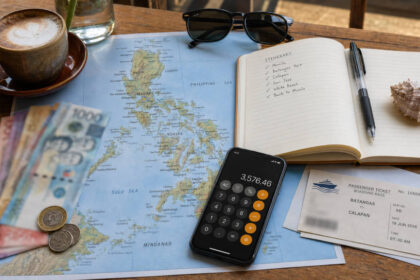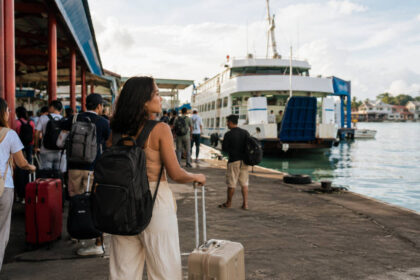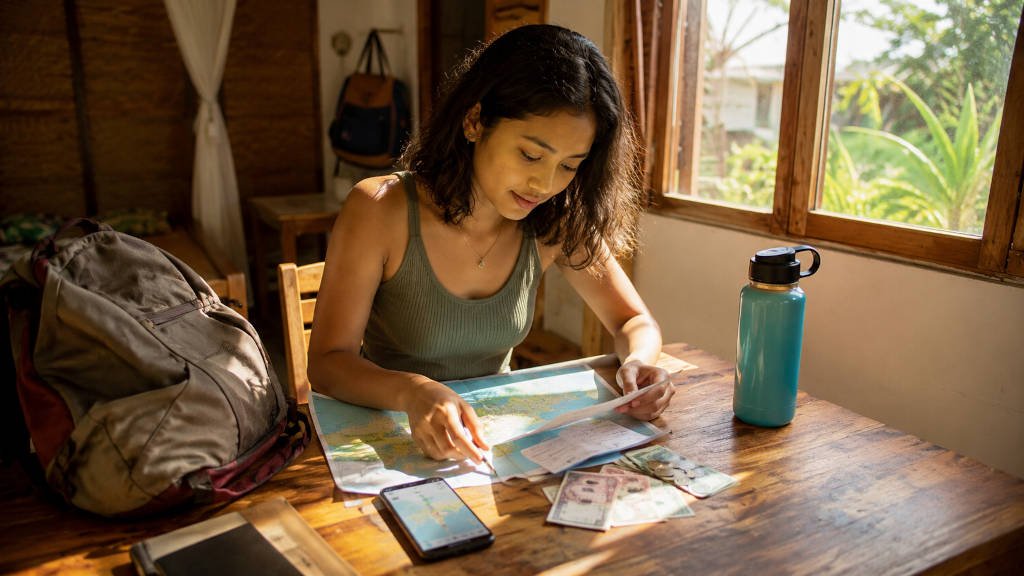
The best budget travel tips Philippines travelers can follow are not about choosing the cheapest option every time. They are about knowing where to save, where to spend, and when a “cheap” shortcut might cost more energy than it is worth. Across the Philippines, your biggest budget decisions usually come from transport, island transfers, timing, food, accommodation, and local fares.
A smarter trip means balancing buses with flights, ferries with weather, carinderia meals with one memorable splurge, and simple stays with safety and rest. Done well, budget travel tips Philippines can help you stretch every peso without turning the trip into a stressful obstacle course.
Quick Answer: For budget travel tips Philippines, plan your route by region, travel in shoulder or low season when possible, compare buses, ferries, flights, Grab, and tricycles, eat local, sleep near transport hubs, and spend more when safety, timing, or comfort clearly matters.
Budget Travel Tips Philippines at a Glance
Think of this as your national budget hub, not a destination-specific price list. Costs change from island to island, but the habits stay useful whether you are going to Baguio, Cebu, Siquijor, Iloilo, Bohol, Palawan, or a small town where the best meal is still served beside a sari-sari store with a plastic pitcher of cold water on the table.
| Travel Decision | Budget-Smart Move | Watch For |
|---|---|---|
| Best timing | Weekdays, shoulder season, early bookings | Holiday surges, school breaks, long weekends |
| Transport | Mix buses, ferries, jeepneys, Grab, and tricycles | Missed connections and too-tight transfers |
| Food | Carinderia meals, local bakeries, market fruit | Tourist-zone markups near beaches and ports |
| Accommodation | Simple stays near terminals or town centers | Cheap rooms far from food or transport |
| Backup plan | Keep a rain, heat, or delay buffer | Stormy ferry cancellations and noon heat |
Reality Check: The Philippines rewards flexibility, but it can punish overpacked itineraries. One delayed ferry, full van, or sudden downpour can turn a cheap plan into a tiring one if you leave no breathing room.
Start with the Route, Not the Room Rate
One of the most important budget travel tips Philippines visitors and locals can learn is this: the cheapest room is not always the cheapest choice. If your accommodation is far from the port, bus terminal, public market, beach, or main road, you may spend the savings on tricycle rides, Grab fares, or lost time. A ₱300 difference in nightly rates can disappear quickly if you need multiple paid rides every day.
Before booking, map the rhythm of the trip. Where will you arrive? Where will you eat? Where do tours depart?
Is the place walkable in the morning but dark or quiet at night? In smaller towns, staying near the plaza, pier, bus stop, or market often gives you more freedom. You can buy breakfast cheaply, walk to pharmacies or ATMs, and negotiate local rides from a place drivers already know.
This is where budget travel in the Philippines becomes more practical than romantic. A dreamy hillside room may look peaceful online, but if every dinner requires a paid ride, it may not fit a tight budget. On the other hand, a simple pension house near a terminal can feel less aesthetic but save money, time, and decision fatigue.
Best for travelers who want freedom, town-center stays make daily movement easier. Watch for noise from roads, karaoke, or early market deliveries. Choose this if you plan to DIY your meals, transport, and short local errands.
Reality Check: In the Philippines, distance is not just kilometers. Traffic, road conditions, island geography, and waiting time can make a short ride feel surprisingly long.
Choose Transport Based on the Whole Day, Not Just the Fare
 Transport is where many budgets quietly leak. The fare itself may look cheap, but missed meals, extra transfers, port fees, terminal fees, baggage charges, and late arrivals can change the real cost. A strong Philippines budget travel plan should always include the full movement chain: door to terminal, terminal to destination, destination to room, and the energy you still need when you arrive.
For a deeper breakdown of how buses, jeepneys, ferries, vans, and local rides work together, use the Philippines public transport guide for buses, jeepneys, and ferries as your next planning step. It helps you understand the moving parts before you commit to a route.
Buses and Vans Can Save Money, But Choose Comfort Wisely
Long-distance buses are often the backbone of budget travel. Overnight buses can save one night of accommodation, especially on routes where you can sleep reasonably well. Air-conditioned buses can also be worth the upgrade during hot months, dusty roads, or long daytime rides.
Vans may be faster on some provincial routes, but they can feel cramped, especially if you have luggage, kids, or motion sickness. When choosing between a cheaper ordinary bus and a more comfortable air-conditioned one, ask what the ride will cost your body.
Arriving exhausted can lead to spending more later on taxis, coffee, convenience food, or an unplanned rest day. Practical budget choices should protect your energy, not just your wallet.
Jeepneys Are Affordable, But They Are Best for Patient Travelers
Jeepneys remain one of the most affordable ways to move around many towns and cities. They are part of daily Filipino life: colorful, noisy, social, and often the cheapest option on common routes. They are best when you have light bags, flexible timing, and a clear idea of where to get off.
Ask the driver or a nearby passenger politely, and keep small bills ready. Still, jeepneys are not always the best choice after dark, during heavy rain, or when you are carrying luggage after a long ferry ride. Sometimes paying more for a direct tricycle, taxi, or Grab is not a luxury. It is a way to arrive safely and calmly.
Reality Check: Public transport in the Philippines can be wonderfully affordable, but schedules may be informal outside major routes. Leave earlier than your most optimistic plan.
Plan Ferries and Island Transfers with Extra Care
 Island-hopping is the magic and the complication of traveling around the Philippines. Ferries can be cheaper than flights, especially for neighboring islands, but they come with weather risk, port waiting time, baggage handling, and schedule changes. Some routes are smooth and simple.
Others require a tricycle, a bus, a ferry, another van, and a final local ride before you can finally drop your bag. Among all Philippines budget travel habits, ferry planning deserves its own spotlight.
Always check whether your route uses a fast craft, RORO, pump boat, or larger passenger vessel. Confirm which pier you need, because some destinations have more than one port. Keep cash for terminal fees, environmental fees, porter tips if you use help, and snacks while waiting.
For RORO routes, island-to-island planning, and sea travel basics, read the Philippines ferry travel guide to RORO routes before building a multi-island itinerary. It is better to understand the ferry system early than to repair an unrealistic route later.
Common Island Transfer Mistakes That Cost More
The first mistake is booking stays before confirming ferry schedules. A room may be non-refundable, but the boat you need may not run daily. The second mistake is planning same-day connections too tightly.
A morning ferry can become a midday ferry, and a midday arrival can become an expensive last-minute transfer. The third mistake is assuming every island pair has a direct boat. Sometimes the cheaper route exists, but it requires backtracking through a bigger hub.
Another mistake is ignoring arrival time. A late arrival can mean fewer jeepneys, limited tricycles, closed carinderias, and higher stress. When planning island routes on a budget, daytime arrival is often worth paying a little extra for.
Reality Check: Ferry travel is part of the adventure, but weather has the final say. During stormy periods, keep one buffer day before flights, paid tours, or important events.
Use Grab, Taxis, and Tricycles Without Losing Control of Your Budget
In major cities, Grab can be a useful budget tool because it gives you a clear fare before you ride. It may not always be the cheapest option, but it helps avoid confusion when you are tired, arriving late, or unfamiliar with the area. For solo travelers arriving at night or families with bags, the predictability can be worth it.
Taxis can also be practical, especially from airports, malls, and hotels, but always clarify the meter or agreed fare before the ride starts. In some places, a taxi may be cheaper than multiple short rides if you are traveling as a group. For families, couples, and barkadas, splitting a comfortable ride can sometimes beat the total cost of several separate transfers.
Tricycles are essential in many towns and islands, but fare confusion is common. Ask your accommodation, a sari-sari store, or a local tourism desk for the usual fare before riding. Clarify whether the price is per person or per tricycle. For a more detailed guide, save the Philippines tricycle fare guide to avoid surprise fees before your next provincial trip.
Best for short town rides, tricycles are flexible and easy to find. Watch for unclear per-head pricing, late-night markups, and tourist-zone rates. Choose this if you need a direct ride and have agreed on the fare first.
Reality Check: Bargaining is normal in some situations, but respect matters. Ask clearly, smile, and walk away politely if the price does not work for your budget.
Time Your Trip Around Low Season, Shoulder Season, and Local Demand
Good timing is one of the quietest budget travel tips Philippines travelers can use. Prices often rise during Holy Week, Christmas, New Year, school breaks, summer weekends, festival dates, and long weekends. Even a simple beach town can feel expensive when Manila, Cebu, Davao, or nearby provinces all decide to travel at the same time.
Traveling on weekdays can help with cheaper rooms, calmer beaches, easier restaurant seats, and more relaxed transport. Shoulder season can be especially rewarding: still beautiful, often less crowded, and usually friendlier to flexible budgets.
Low season can bring discounts, but it may also bring rain, rougher seas, muddy trails, or limited tours. The trick is to match your destination with the season instead of chasing the lowest rate blindly.
Heat also affects spending. When the sun is harsh, you may take more paid rides, buy more cold drinks, or retreat to air-conditioned cafes. Rain affects spending too. A wet day can turn into laundry costs, extra transport, or a paid indoor activity.
Budget travel tips Philippines should include a small weather fund, even when the forecast looks kind. For official national travel updates, it is also wise to check the Department of Tourism official travel advisories before major trips, especially during seasons when weather, local events, or access rules may affect plans.
Reality Check: Low season is not automatically better. It is cheaper for a reason, so balance lower rates with the kind of experience you actually want.
Eat Local, But Plan Your Food Rhythm
Food is where budget travel can still feel joyful. A warm bowl of batchoy in Iloilo, grilled fish near a public market, hot pandesal from a neighborhood bakery, or a simple silog breakfast can feel more memorable than a pricey tourist plate.
One of my favorite budget travel habits in the Philippines is asking tricycle drivers, hostel staff, or sari-sari store owners where they actually eat. Locals usually know the carinderia with generous sabaw, the tapsilog that sells out before lunch, or the bakery that brings out fresh bread in the late afternoon.

Breakfast included in your stay can be useful, but only if it saves real time and money. Some included breakfasts are filling enough to carry you through a morning tour. Others are just coffee, toast, and a banana, which may not be worth choosing a more expensive room.
If you are traveling with kids, access to simple breakfast can be a lifesaver. If you are solo, a nearby bakery and coffee stall may be enough.
Markets are excellent for fruit, snacks, and pasalubong that does not destroy the budget. Bring a reusable bottle when safe refill stations are available, keep crackers or nuts for long transfers, and avoid arriving hungry at ports or tourist strips where prices can be higher.
Food planning does not mean skipping pleasure. It means choosing your splurge well, like one seafood dinner by the water or a proper local specialty you came all the way to try.
Reality Check: The cheapest meal is not always the best choice for sensitive stomachs. Choose busy, clean-looking places with good turnover, especially before long rides or island transfers.
Sleep Simply, But Do Not Gamble with Safety and Rest
Accommodation can make or break a budget trip. Dorm beds, guesthouses, pension houses, homestays, and simple inns can all work beautifully when they are clean, secure, and well located. Staying just outside the most expensive tourist strip can save money, especially in beach destinations, but check the cost of getting around before booking.
The old advice still works: stay like a local, spend like a local. In places like Dumaguete, Bohol, La Union, or Iloilo, a modest stay near food and transport can give you a more grounded feel of the destination.
You can walk to a carinderia, buy laundry soap from a sari-sari store, and hear the morning sounds of tricycles, roosters, and vendors setting up for the day. That kind of simplicity is part of the charm of budget travel in the Philippines, as long as the basics are covered.
Look for recent reviews mentioning cleanliness, water pressure, Wi-Fi if you need it, security, and noise. For remote stays, ask about road access and night transport. For island trips, confirm generator hours if power cuts are common. For families, check bed layout carefully. A cheap room becomes less cheap when everyone sleeps badly.
Reality Check: A very low nightly rate can hide trade-offs. Poor sleep, unsafe access, or expensive daily transfers can cost more than a slightly better room.
Adjust the Budget for Solo, Couple, Barkada, and Family Travel
Budget advice changes depending on who is traveling. Solo travelers have the freedom to move lightly, take jeepneys, stay in dorms, and eat wherever there is an open seat. But they also carry the full cost of private transfers, single rooms, and tours that require a minimum number of guests.
For solo trips, the smartest budget travel tips Philippines often involve joining group tours, staying in social hostels, and choosing routes with strong public transport.
Couples can split rooms and some rides, which helps. A private room becomes more affordable per person, and a tricycle ride may be reasonable when divided by two. The challenge is balancing different comfort levels.
One person may be fine with a fan room and shared bathroom, while the other needs air-conditioning after a hot day. Talk about the non-negotiables early.
Barkada trips can lower costs through shared rooms, shared vans, and group meals. They can also increase costs when decision-making gets messy. More people means more waiting, more preferences, and sometimes more last-minute changes.
Assign one person to track transport, one to watch booking deadlines, and one to handle shared food or grocery runs.
Family travel has a different budget logic. Cheap public transport may not be worth it with sleepy kids, strollers, or grandparents. A direct ride, earlier ferry, or better-located hotel can be the more practical choice.
Families should budget for snacks, comfort stops, medicine, laundry, and downtime. The best budget travel tips Philippines for families are often about reducing friction.
Reality Check: A plan that works for a solo backpacker may not work for a family of five. Budget success depends on comfort, age, mobility, and patience.
Know When Cheap Options Become Stressful
There is a point where saving money starts taking too much from the trip. A super early transfer after a late-night arrival may be cheaper, but it can make the next day feel heavy. A faraway room may look like a bargain, but daily rides can become annoying.
A complicated DIY route may save a few pesos, but if it includes four transfers in the rain, it might not be the memory you want. This is the emotional side of budget travel in the Philippines that does not always fit into spreadsheets.
Saving money should make the trip feel more possible, not smaller. Spend when the upgrade protects your safety, health, sleep, or once-in-a-lifetime experience. Save when the cheaper choice is only slightly less convenient and still comfortable enough.
Good splurges might include an earlier ferry with safer timing, a Grab ride after a late flight, a licensed guide for a mountain trek, a better room before a long travel day, or a direct transfer when traveling with kids. Good savings might include eating at a carinderia, choosing a weekday departure, skipping overpriced cocktails, washing light clothes by hand, or staying longer in fewer places.

Reality Check: The cheapest itinerary often has hidden costs: exhaustion, confusion, waiting, and missed experiences. Protect the mood of the trip as carefully as the money.
Build a Budget Without Duplicating Every Sample Calculation
Because this guide is a national advice hub, it is better to keep the budgeting method here and send detailed trip-length examples to a separate page. For 1-week, 2-week, and 4-week style planning, use the Philippines travel budget examples for 1, 2, and 4 weeks instead of trying to copy every possible sample total into this article.
For your own working budget, divide costs into six simple groups: transport between destinations, local rides, accommodation, food, tours and entrance fees, and buffer money. The buffer matters.
It covers rain delays, fare changes, laundry, medicine, extra snacks, baggage storage, and the occasional “ay, sayang naman” moment when you decide that a sunset boat ride is worth it.
One practical method is to set a daily comfort number, then separate big transport expenses from daily spending. This keeps you from feeling falsely rich on quiet days and suddenly broke when a ferry, flight, or long bus ride arrives.
It also helps you compare destinations more honestly. Some towns are cheap once you are there but expensive to reach. Others cost more per night but are easy to move around on foot.
Reality Check: Budget examples are helpful, but they are not promises. Your route, travel style, season, appetite, and tolerance for discomfort will shape the real total.
Small Habits That Keep Pesos from Disappearing
Some of the most reliable budget travel tips Philippines are small and almost boring, but they work. Keep small bills for jeepneys, tricycles, markets, and sari-sari stores. Screenshot bookings and maps before ferry rides or mountain routes where signal may disappear.
Bring a power bank, because a dead phone can lead to missed directions, unplanned rides, or booking stress. Pack a light sarong, which can become a beach mat, shawl, bus blanket, hostel curtain, or emergency towel.
Track spending lightly, not obsessively. A quick note on your phone at the end of the day is enough for most travelers. Write the big categories: food, rides, stay, tours, extras.
After two or three days, you will see your pattern. Maybe coffee is costing more than expected. Maybe tricycles are adding up. Maybe you are saving so well on food that you can afford a better island tour.
Leave space in the itinerary for slow travel. Staying longer in fewer places can reduce transfer costs and deepen the experience. Instead of chasing five islands in six days, choose two places and let them breathe.
Walk early when the air is softer, find the public market, learn the local breakfast rhythm, and let one or two special experiences anchor the trip.
Reality Check: Overplanning can be expensive in its own way. When every hour is booked, one delay can trigger cancellation fees, rushed meals, and unnecessary stress.
FAQs About Budget Travel Tips Philippines
What are the most important budget travel tips Philippines first-timers should know?
Start with your route, not just your hotel. Choose destinations that connect logically, travel on weekdays when possible, keep buffer money, and compare the full cost of buses, ferries, flights, tricycles, and Grab. The smartest budget travel tips Philippines help you avoid unnecessary transfers and protect your energy.
Is it cheaper to travel around the Philippines by ferry or plane?
Ferries can be cheaper for nearby islands, especially if you are flexible with time. Planes can be better for long distances, tight schedules, or routes with difficult sea connections. Compare the total cost, including terminal transfers, baggage, meals, waiting time, and the risk of weather delays.
How can families use budget travel tips Philippines without making the trip stressful?
Families should spend more on location, direct rides, and reasonable departure times. Saving money is still possible through simple meals, shared rooms, weekday travel, and fewer destination changes. With kids or older relatives, comfort and predictability often save money in the long run.
Are tricycles expensive for tourists in the Philippines?
Tricycles are usually affordable for short local rides, but prices can vary by town, distance, time of day, and whether the fare is per person or per vehicle. Ask the usual fare before riding, confirm the price clearly, and keep small bills ready.
What is the best season for budget travel tips Philippines?
Shoulder season and weekdays often offer the best balance of lower prices and decent conditions. Low season can be cheaper, but rain and ferry disruption may affect island trips. Avoid major holidays and long weekends if your priority is saving money and avoiding crowds.
How much should I set aside as a buffer for a budget Philippines trip?
A practical buffer is enough to cover one unexpected ride, one extra meal, small fees, medicine, laundry, or a weather delay. The exact amount depends on trip length and route, but having emergency cash keeps small problems from becoming expensive ones.
Final Thoughts on Spending Less Without Shrinking the Trip
The heart of budget travel tips Philippines is not deprivation. It is intention. It is choosing the carinderia meal because the sabaw is hot and the owner smiles like a tita, not just because it is cheap.
It is taking the slower ferry when the sea is calm and the timing makes sense. It is paying for the direct ride when you are tired, arriving late, or traveling with people who need comfort. It is knowing that every peso has a job: to move you safely, feed you well, give you rest, and open the door to moments that feel beautifully Filipino.
Traveling on a budget in the Philippines can still feel generous. There will be sunrise bus windows, roadside turon, salty hair after a boat ride, and kind strangers pointing you toward the right terminal.
Spend carefully, stay flexible, and let your budget support the trip instead of controlling it. With the right habits, you can explore more of the Philippines without spending more than the journey truly needs.