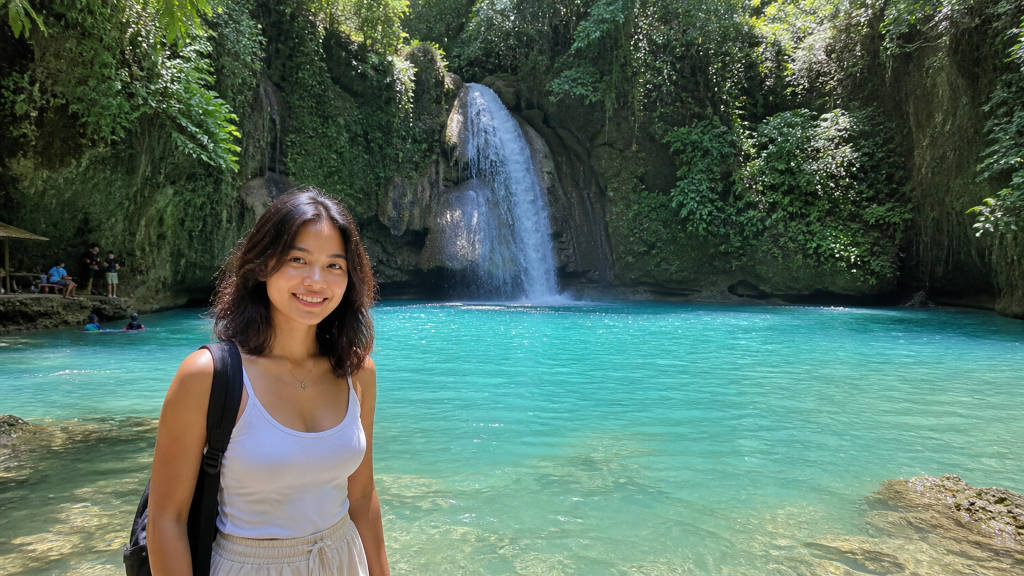
The kawasan falls entrance fee is one of the first things travelers search before going to Badian Cebu, and for good reason. A waterfall day sounds simple until small payments start stacking up: local fees, transport, lockers, food, gear, guides, and maybe a canyoneering package if you are adding the full adventure route.
This guide keeps the focus narrow and useful: how much cash to prepare, what the kawasan falls entrance fee usually means, why online prices do not always match, and how to avoid surprise charges. For a broader destination overview, you can read the Kawasan Falls Cebu travel guide, but this article is mainly for budgeting.
At-a-Glance: Kawasan Falls Entrance Fee and Budget Basics
Best time window: go early in the morning on a weekday if you want lighter crowds and more breathing room around the water.
Realistic travel time: from Moalboal, budget around 45 minutes to 1.5 hours depending on traffic and waiting time. From Cebu City, a day trip can take most of the day because South Cebu roads are long and busy.
Budget band: prepare a small-visit budget for basic access and snacks, and a higher adventure budget if canyoneering is part of the plan.
Crowd and traffic risk: weekends, holidays, and peak travel months can mean more people, longer queues, and busier payment areas.
Rain or heat backup: if the weather turns rough, check current access and safety advisories before committing money to transport or a package.
Reality Check: The kawasan falls entrance fee is only one part of the total cost. Your final spend depends heavily on transport, whether you book canyoneering, and what extras you agree to on-site.
Quick Answer: How Much to Budget for Kawasan Falls
Simple Waterfall Visit Budget
For a simple non-canyoneering visit, many travelers should prepare for a modest local access cost plus transport, food, drinks, and optional extras. The commonly discussed kawasan falls entrance fee is often much lower than a full activity package, but exact rates can change depending on local rules, access level, and visitor category.
A safe planning range for a basic DIY visit is around ₱300 to ₱1,000 per person if you are already staying nearby in Moalboal or Badian.
This range allows room for local access fees, small transport, snacks, drinks, and a few convenience costs. It does not include a full guided canyoneering tour.
Canyoneering Visit Budget
If you add canyoneering, the total changes completely. Canyoneering is not just a waterfall entrance.
It usually involves guides, safety gear, local coordination, transport between start and end points, and activity management. For this reason, canyoneering packages can cost several times more than the basic kawasan falls entrance fee.
As a practical planning range, prepare roughly ₱1,500 to ₱3,500 per person for canyoneering, depending on inclusions, season, group size, operator, meals, transfers, and whether pickup from Moalboal or Cebu City is included.
Before booking, compare what is actually inside the rate instead of choosing only the cheapest price.
Why Prices Can Change
Prices online differ because travelers may be talking about different things. One post may refer only to Level 1 access. Another may include environmental fees.
Another may be a canyoneering package with guides and gear. Some rates may also be old, quoted by a private operator, or based on a promo.
Reality Check: Treat any number you see online as a planning estimate, not a guaranteed final price. Before you go, check with your accommodation, tour provider, or official local tourism information such as the Cebu Province tourism page or the Badian tourist information page for Kawasan Falls.
Kawasan Falls Entrance Fee: What It Usually Means
Entrance Fee Versus Environmental Fee
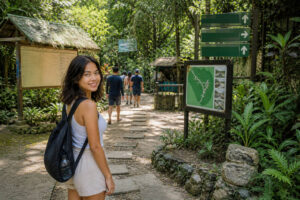 The kawasan falls entrance fee usually refers to the basic payment for visitor access to the waterfall area. In some places, this may be separate from an environmental fee, maintenance fee, barangay fee, or other local charge.
Sometimes travelers combine these terms casually, which is why budgeting can feel confusing.
If you see a small price listed online, ask what it covers. Is it only entry? Does it include environmental fees?
Is it for local residents, Filipino visitors, or international tourists? Is it for simple waterfall access or for a specific access level? These details matter because one word, “entrance,” can hide several different payment types.
What May or May Not Be Included
A basic kawasan falls entrance fee may cover access to the designated waterfall area, but it does not always include a guide, life vest, locker, table rental, parking, food, drinks, habal-habal ride, or canyoneering activity.
Some visitors expect the entrance payment to include everything they need for a comfortable day, but that is not always the case.
Ask before paying, especially if someone offers a bundled rate. A clear answer should explain what is included, what is optional, what is required, and what you might still need to pay later.
Reality Check: Local payment systems can change after weather events, maintenance work, policy updates, or safety reviews. The best budget is flexible enough to handle a few extra small fees without stress.
Entrance Fee Versus Canyoneering Package
Why Canyoneering Costs Much More
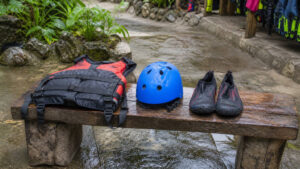 The kawasan falls entrance fee is for access. Canyoneering is an activity. That difference is important.
A canyoneering package may include trained guides, helmet, life vest, transport to the jump-off point, coordination with local rules, and sometimes lunch or snacks. It may also include activity fees that a simple visitor does not pay.
Because canyoneering involves moving through water, rocks, jumps, scrambling sections, and changing river conditions, the cost is tied to safety and logistics. For packing and preparation details, the Kawasan canyoneering preparation guide is a better companion read than a cost-only article.
Common Inclusions to Confirm Before Paying
Before paying for canyoneering, confirm if the price includes guide fee, safety helmet, life vest, shoes or shoe rental, waterproof bag, local transport, lunch, entrance-related fees, environmental fees, shower access, locker use, and pickup or drop-off.
A cheaper package may look sulit at first, then become more expensive once missing items are added.
Also ask about what happens if the weather changes. Is there a refund, reschedule option, or partial charge? Are there minimum group requirements?
Will you join another group? Is insurance included? For first-time visitors planning a bigger Philippine itinerary, the Philippines first-trip planning guide can help you think through buffers and booking decisions.
Reality Check: Do not compare a basic kawasan falls entrance fee with a full canyoneering package as if they are the same product. One is access; the other is a guided outdoor activity.
Optional Costs That Can Change Your Total
Guide, Gear, Lockers, Food, Transport, and Other Extras
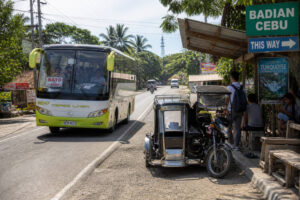 Even if the kawasan falls entrance fee is affordable, optional costs can shape your day. A guide may be required for some activities or offered for convenience.
Life vests, helmets, and water shoes may be included in canyoneering but separate for other arrangements. Lockers can help if you are carrying a phone, wallet, or dry clothes.
Parking may apply if you arrive by private car or motorbike. Habal-habal rides may be offered for certain access points or shortcuts.
Tables, cottages, or seating areas may have rental fees. Food and drinks can cost more near tourist areas, especially when you are hungry after swimming or walking under the sun.
Photo and video services can also add to your total. Some travelers are happy to pay for action shots, while others prefer to keep costs lean.
A dry bag is worth considering if you are carrying cash and electronics, but confirm whether you are buying, renting, or borrowing one as part of a package.
Transport is often the biggest hidden cost. From Moalboal, you may spend on a tricycle, motorbike rental, shared transfer, or private car.
From Cebu City, bus fares are cheaper but take more time, while private transfers cost more but reduce friction. For route planning across the country, the Philippines public transport guide is a helpful reference for buses, jeepneys, ferries, and local rides.
Reality Check: The small items feel harmless one by one, but they add up fast. Decide in advance which comforts matter to you and which ones you can skip.
Cash, ATMs, and Small-Bills Tips
Why Cash Is Safer Than Relying on Cards or Apps
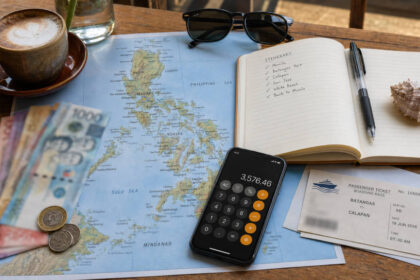
Bring cash for the kawasan falls entrance fee, local transport, food, and small payments. Cards and payment apps may work in some establishments around bigger towns, but they are not something to rely on for every fee near a waterfall area.
Signal can be patchy, devices can run out of battery, and small vendors may prefer cash.
ATMs are easier to find in larger town centers than right at the falls. If you are coming from Cebu City or staying in Moalboal, withdraw before your activity day.
Do not arrive with only a large bill and expect every booth, driver, or small store to have change.
Suggested Small-Bill Mix for Couples or Small Groups
For couples or small groups, carry a mix of ₱20, ₱50, ₱100, ₱200, and ₱500 bills. Keep some coins for small purchases.
Store your main cash separately from your quick-payment cash, especially if you will be near water. A simple pouch or dry bag can make the day feel more organized.
For a basic visit, bring more than the expected kawasan falls entrance fee. For canyoneering, bring enough for tips, snacks, extra drinks, transport gaps, and emergency changes.
A cash buffer is not about overspending; it is about not feeling trapped when plans shift.
Reality Check: ATMs can be offline, out of cash, or inconveniently far from your route. Withdraw earlier and break large bills before heading to Badian.
How to Avoid Surprise Charges
Questions to Ask Before Paying
Before paying any kawasan falls entrance fee or package rate, ask clear questions. What exactly is included? Is canyoneering included or separate?
Are environmental fees included? Is a guide required? Are life vests, helmets, lockers, or shoes included?
Is transport included from your hotel, or only from a meeting point?
Also ask if there are extra fees for parking, table rental, photos, food, showers, or transfers. If you are booking through a tour operator, ask for the inclusions in writing through message or email.
This helps avoid awkward conversations later when everyone is already tired, wet, and hungry.
Red Flags in Unclear Packages
Be careful with vague phrases like “all-in” when no inclusions are listed. Watch for packages that refuse to explain what is covered.
A very low rate can still be legitimate, but it should come with clear details. If the person collecting payment cannot tell you what the fee includes, pause before handing over cash.
Another red flag is pressure. You should have space to ask questions, compare options, and understand safety rules.
Kawasan is beautiful, but your budget and comfort still matter.
Reality Check: Most misunderstandings happen because people assume the same word means the same thing. Ask direct questions before paying, not after.
Sample Budget Ranges
Budget for a DIY Non-Canyoneering Visit
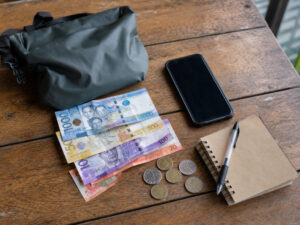 For a DIY non-canyoneering visit from nearby areas, a practical estimate is ₱300 to ₱1,000 per person. This may cover the kawasan falls entrance fee, small local transport, drinks, snacks, and a modest buffer.
Spend less if you are very minimal. Spend more if you rent a table, buy meals, or take extra rides.
Budget for a Moalboal-Based Visit
From Moalboal, many visitors plan Kawasan as a half-day or relaxed day trip. A practical range is ₱700 to ₱2,000 per person for a non-canyoneering visit, depending on transport style.
Shared or public transport keeps costs lower. Private tricycles, motorbike rental, or arranged transfers can raise the total but may feel more comfortable.
Budget for a Cebu City Day Trip With Transport
From Cebu City, budget more time and more money. Public bus travel can keep transport costs low, but the day becomes long.
A private transfer is easier for groups but can cost much more. For a non-canyoneering Cebu City day trip, a broad planning range could be ₱1,500 to ₱4,500 per person depending on vehicle choice, group size, meals, and add-ons.
Budget for a Canyoneering Package
For canyoneering, prepare around ₱1,500 to ₱3,500 per person as a working range, with higher totals possible for private transfers, premium packages, meals, photos, or pickup from Cebu City.
Always ask if the kawasan falls entrance fee and related local fees are already inside the quoted package price.
Reality Check: A “cheap” day can become expensive if transport is inefficient. A “pricey” package can be worth it if it genuinely includes safe guides, gear, meals, and transfers you would otherwise arrange separately.
Practical Reminders Before You Go
Weather, Crowds, Closures, Safety, and Current-Rate Checks
Waterfall conditions can change with rain. Heavy rainfall may affect water color, current strength, access, and safety rules.
Before you travel, check whether the area is open, whether swimming is allowed, and whether any access level has restrictions. This matters even more if you are paying for transport from far away.
Go early if you want calmer surroundings. Bring water, sun protection, and footwear that can handle wet paths.
Keep your cash in a dry bag or waterproof pouch. Respect local rules, especially around roped areas, slippery rocks, and guide instructions.
If you are visiting during a holiday or long weekend, expect more people and a busier payment flow. Confirm the current kawasan falls entrance fee close to your travel date, not months before.
Local rates, access rules, and activity availability can shift.
For more practical travel planning articles beyond this Kawasan budget topic, browse the Tips & Inspiration category and build a plan that leaves room for weather, rest, and real-life delays.
Reality Check: Nature spots are not malls with fixed conditions every day. A flexible plan will feel kinder than a packed itinerary with no room for rain, traffic, or closures.
Final Budgeting Advice
The smartest way to plan the kawasan falls entrance fee is to separate your costs into three layers: basic access, optional comforts, and major transport or activity costs.
Basic access may be affordable, but the total day depends on how you arrive, whether you join canyoneering, and what extras you choose along the way.
For a simple visit from nearby, bring enough cash for entrance-related fees, snacks, water, local transport, and a small emergency buffer. For canyoneering, do not focus only on the cheapest package.
Look for clear inclusions, safety gear, trained guides, and honest communication.
Most of all, arrive with small bills and a calm mindset. Kawasan Falls is one of Cebu’s most loved blue-water escapes, but the smoothest visits are usually the ones planned with practical details in mind.
When you understand the kawasan falls entrance fee, possible add-ons, and realistic budget range, you can spend less energy worrying about surprise costs and more time enjoying the cool rush of water, the green canyon walls, and the easy sweetness of a well-planned Bakasyon.