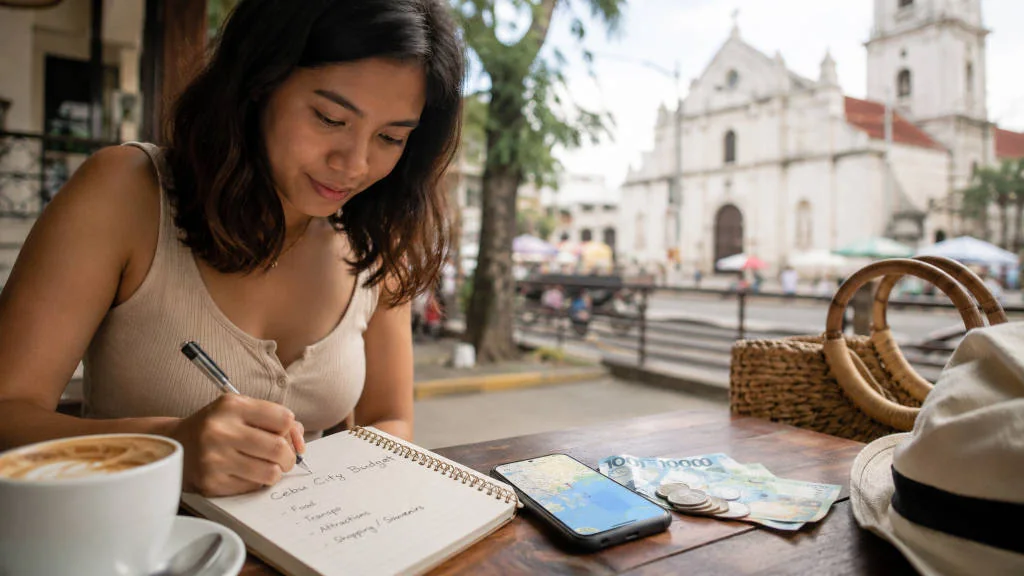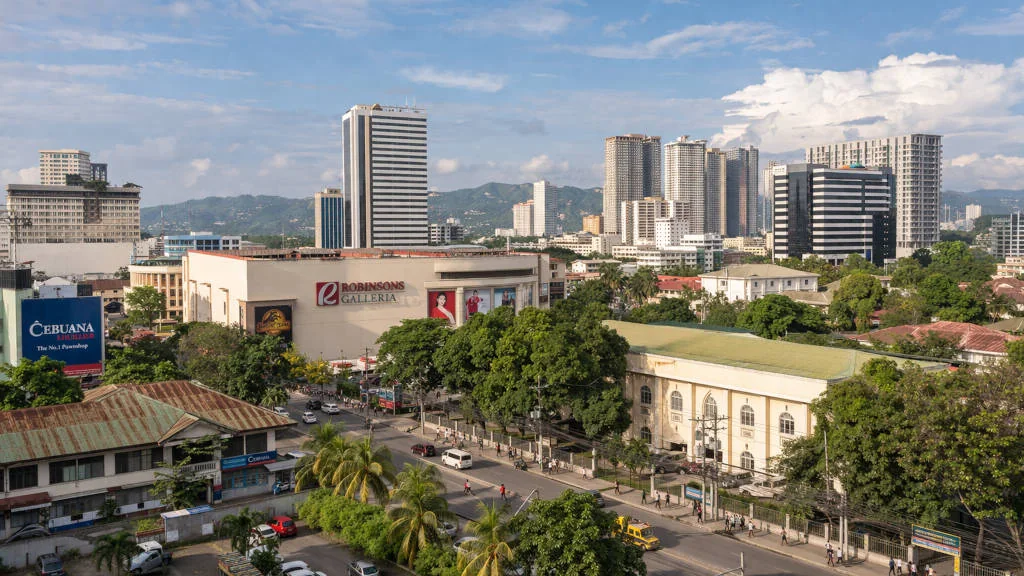
This Cebu City digital nomad guide is for travelers who are not just dreaming of island weekends, but also asking practical questions: where can deadlines happen, how reliable is the Wi-Fi, and how much friction should be expected on a normal workday?
Cebu City has a certain everyday rhythm that can work beautifully for remote workers: humid mornings, busy roads, cold mall air-conditioning, café chatter, laundry shops, food courts, ride-hailing apps, and the quiet relief of knowing the airport is not too far away.
The honest answer is that Cebu City can be a strong base for remote work in the Philippines, especially for people who want city services, decent food access, Cebu City coworking space options, and weekend trip potential. It is not a silent beach town, and it is not always smooth to cross the city between calls.
But with the right area, a backup internet plan, and realistic pacing, Cebu City can feel comfortable, productive, and full of small after-work rewards.
At a Glance: Cebu City Digital Nomad Guide Basics
The best time window for a smoother long-stay Cebu City plan is generally during the drier months, though weather can still shift quickly. Rain showers may appear in the afternoon, so build your day around flexible indoor work spots, mall access, and backup transport.
For official weather checks before travel days, the PAGASA official weather site is a useful planning habit.
Realistic travel time depends heavily on where you stay and when you move. A short map distance can still feel long during peak traffic, especially around business districts, school zones, and bridge routes toward Mactan.
Budget bands vary widely, but remote workers should plan for accommodation, coworking or café spend, mobile data, food, laundry, Grab Cebu rides, jeepney Cebu trips, and a buffer fund for delays or sick days.
Reality Check: Cebu City rewards travelers who stay near their daily needs. The less you need to cross town for calls, meals, laundry, and errands, the easier the whole month feels.
Is Cebu City a Good Digital Nomad Base?
For the right traveler, yes. Cebu City suits remote workers who want a practical city base with malls, cafés, hotels, condos, coworking spaces, restaurants, clinics, laundry services, and airport access.
It also works for people who want to add Cebu Province trips without living in a quieter coastal town full-time. This Cebu City digital nomad guide stays focused on Cebu City because the day-to-day experience is very different from planning a beach-heavy provincial itinerary.
The city is especially useful if you like having choices. Need a quiet desk for calls? Choose a coworking space or a better hotel room. Need food after a late work block? Cebu IT Park and surrounding business areas usually have more evening options.
Need an air-conditioned reset after walking under a hot afternoon sky? Mall access can become a real comfort, not just a convenience.
Cebu City may not be ideal for digital nomads who need silence, wide sidewalks, beachfront walks every morning, or low-friction transport all day. Traffic can be tiring, buildings vary, and a beautiful listing does not automatically mean a stable work setup.
This is why planning your base around work comes first, and trips come second.
Reality Check: Cebu City is a city base, not a resort bubble. It can be comfortable and exciting, but it works best when you design your routine around heat, traffic, and backup options.
Best Areas to Stay in Cebu City for Remote Work
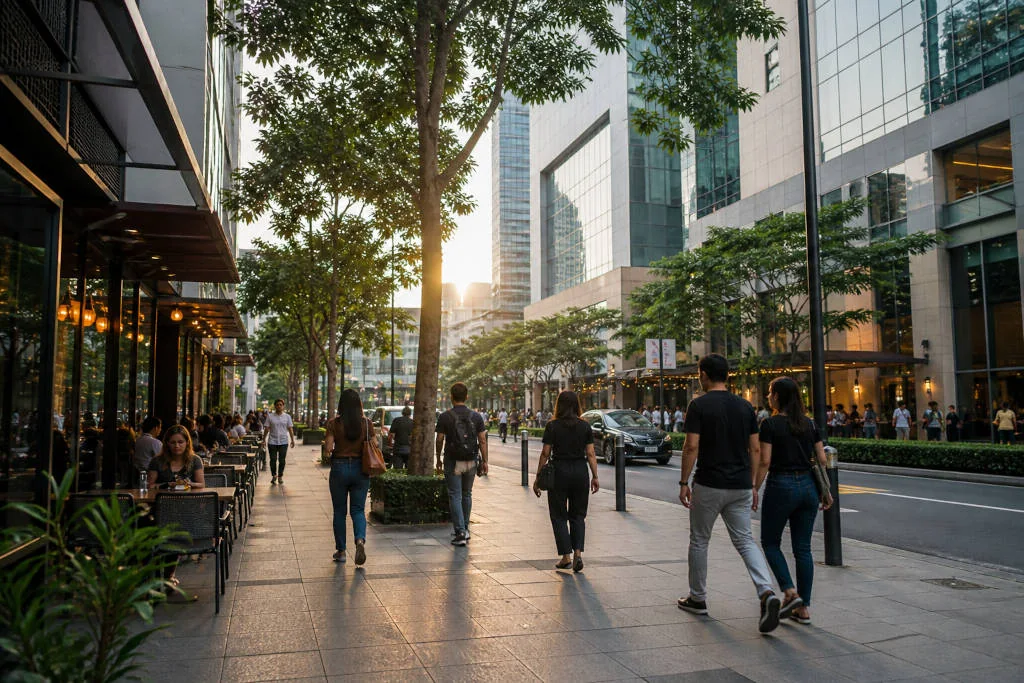 Explore Cebu travel deals → Choosing where to stay is the biggest decision in this Cebu City digital nomad guide. The best neighborhood is not always the prettiest one; it is the one that makes your workday easier.
Think about your usual call hours, how much quiet you need, whether you want coworking nearby, and how often you plan to go out after work.
Cebu IT Park for Coworking, Food, and Late-Night Convenience
Cebu IT Park is one of the most practical areas for remote workers who want food, cafés, offices, condos, and nightlife within a compact zone. It can be a good fit for digital nomads who work late, need nearby meals, and want a more urban routine.
The area has a business-district feel, so expect movement, lights, delivery riders, and people heading to and from offices.
For calls and deadlines, Cebu IT Park is attractive because it reduces the need to commute. You can base yourself near cafés with the kind of Wi-Fi Cebu City travelers often look for, then switch to coworking or your room when you need more control.
Noise can vary by building and street, so read accommodation reviews carefully.
Reality Check: Cebu IT Park is convenient, but not always peaceful. Choose a higher-floor room or a unit away from busy roads if sleep and quiet work blocks matter.
Cebu Business Park and Ayala Area for Mall Access and Easier Errands
Cebu Business Park and the Ayala area can feel polished and practical, especially for travelers who like mall access, errands, restaurants, and central movement. The cool blast of air-conditioning after a humid walk can make a long workday feel less draining.
This area is a good fit for remote workers who want a balanced city routine without feeling too far from services.
For a long-stay Cebu City setup, being near a mall can be surprisingly useful. Groceries, pharmacies, cafés, ATMs, quick meals, and transport pickup points are easier to manage.
It is also a sensible base for travelers who want to keep their first week low-stress while learning the city.
Reality Check: Mall-adjacent areas can be busy, especially on weekends and evenings. Book for convenience, but still ask about room noise, Wi-Fi details, and building backup power.
Lahug and Escario for Central Movement and Mixed Hotel Options
Lahug and Escario can work for remote workers who want access to different sides of the city. These areas can offer a mix of hotels, serviced stays, food options, and routes toward Cebu IT Park, Cebu Business Park, and uphill areas.
For travelers who plan a mix of work, city sightseeing, and short local dinners, they can feel flexible.
The tradeoff is that flexibility may still mean transport time. Before booking, map your likely coworking space, preferred mall, gym, laundry, and dinner options.
A place that looks central may still require rides for most errands, especially during hot or rainy afternoons.
Reality Check: Lahug and Escario are useful middle-ground areas, but not all streets are equally walkable. Check the exact building location instead of relying only on the neighborhood name.
Banilad and Mabolo for Longer Stays With a More Residential Feel
Banilad and Mabolo may suit travelers who prefer a more residential rhythm. They can be good for monthly stays, condo living, nearby groceries, and a slightly less touristy daily routine.
These areas can work well if your ideal week is simple: focused work, home-cooked meals, laundry, short rides, and occasional café days.
For digital nomads staying longer than two weeks, small comforts matter. A usable desk, good chair, nearby food, water refills, laundry, and quiet evenings can matter more than being close to every attraction.
When comparing listings, prioritize the room setup as much as the view.
Reality Check: Residential does not always mean quiet, and transport can still add up. Ask about nearby construction, road noise, and how easy it is to book Grab Cebu rides at your usual working hours.
Mactan for Airport Access, Resorts, and Lighter Beach-Adjacent Stays
Mactan can be tempting because of airport access, resorts, and a more beach-adjacent feel. It may suit remote workers with early flights, short stays, or a desire for resort comfort before or after a Cebu City work block.
It can also be useful when you want a softer landing after a long travel day.
For daily Cebu City work routines, however, Mactan can bring bridge traffic and transfer friction. If your meetings, coworking space, or errands are in Cebu City proper, staying in Mactan may make ordinary days feel heavier.
It is better for lighter workweeks, airport-focused stays, or intentional resort resets.
Reality Check: Mactan is not the same as staying in Cebu City. It can be lovely, but crossing between Mactan and the city before or after calls needs generous buffers.
Wi-Fi Reality Check in Cebu City
 Explore Cebu travel deals → Wi-Fi can be good in Cebu City, especially in business districts, coworking spaces, condos, and better hotels. But it should never be treated as automatic.
Speeds and reliability can vary by building, room, weather, provider, router location, and how many people are sharing the connection. A listing that says “fast Wi-Fi” is not enough for serious remote work.
Before booking, message the accommodation and ask for an actual speed test screenshot from the room or unit, not just the lobby. Ask where the router is located, whether the connection is private or shared, whether there is backup power, and if video calls are usually stable.
For a Cebu City digital nomad guide mindset, this is not being maarte; it is protecting your income and peace of mind.
Also check reviews for words like “internet,” “calls,” “work,” “noise,” “construction,” “brownout,” and “router.” A room can look beautiful but still be stressful if the desk is cramped or the Wi-Fi drops during rain.
For important deadlines, consider staying close to a backup coworking space or mall café.
Reality Check: Cebu City has workable internet, but reliability is building-specific. Confirm details before paying for a longer stay, especially if your job depends on live calls.
Backup Internet Plan for Remote Workers
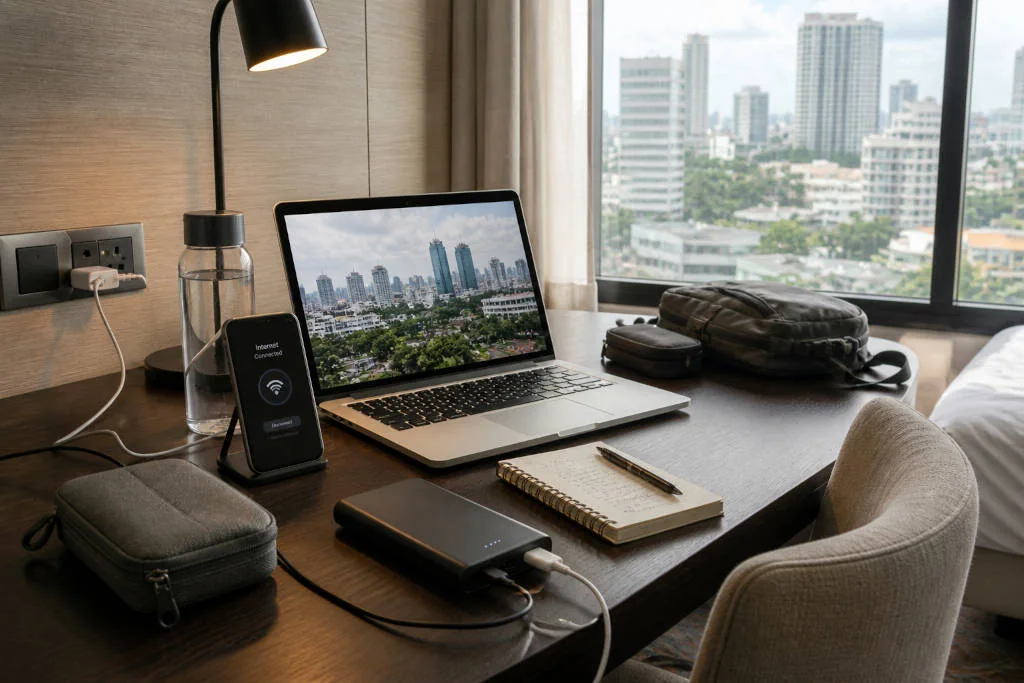 Explore Cebu travel deals → A strong backup plan is one of the most important parts of this Cebu City digital nomad guide. Prepare at least one local SIM card Philippines option or eSIM Philippines option, and consider having access to more than one network where possible.
Mobile data can be used for hotspot work, emergency emails, maps, ride bookings, and messaging when accommodation Wi-Fi becomes unstable.
Keep a power bank charged, download important files for offline work, save offline maps, and have a backup café or coworking location already chosen. Do not wait for the internet to fail before deciding where to go.
If your schedule includes an important client call, identify a stable place the day before and arrive early enough to settle in.
Avoid scheduling major calls right after arrival, during transfers, or right before long day trips. Flights, check-ins, traffic, rain, and tiredness can make even simple tasks feel messy.
For heavy meeting days, keep your geography boring: room, coworking space, food nearby, and no ambitious cross-city plans.
Reality Check: Backup internet Philippines planning is not optional for remote work. It is the small layer of preparation that turns a stressful interruption into a manageable inconvenience.
Coworking Spaces, Cafés, and Hotel Work
 Explore Cebu travel deals → Cebu City coworking spaces are best for serious workdays, especially when you need calls, deadlines, stronger seating, air-conditioning, and a professional environment. They are usually the safest choice for deep work because the expectation is clear: people are there to work.
For remote workers with frequent video calls, coworking can be worth budgeting for even a few days a week.
Cafés are better for light work, writing, admin, planning, and email. When looking for cafes with Wi-Fi Cebu City options, consider more than speed.
Look at outlet access, seating comfort, table height, bathroom access, noise level, food cost, and whether it feels appropriate to stay for several hours. Ordering fairly and avoiding peak dining times helps keep the setup respectful.
Hotel or condo rooms are best for private focus, sensitive calls, and early morning or late-night work. The downside is isolation, especially on longer stays.
A healthy rhythm might combine room-based focus, coworking for high-stakes days, and cafés for lighter tasks. For more planning inspiration around work-friendly travel bases, the broader digital nomad cities in the Philippines guide can help compare Cebu with other options.
Reality Check: No single work spot is perfect every day. Build a small rotation so noise, weak Wi-Fi, or crowded seating does not derail your week.
Transport Rhythm for Workdays
Transport can shape your mood in Cebu City. Grab Cebu rides and taxis are useful for comfort and direct routes, especially with a laptop bag or during rain.
Jeepney Cebu routes can be cheaper and more local, but they require more route confidence, patience, and flexibility. Walking is possible in limited pockets, but heat, rain, crossings, and sidewalk conditions can make it less pleasant than it looks on a map.
The best remote work strategy is to avoid stacking tight calls around cross-city transfers. If a meeting ends at 3:00 PM, do not assume you can calmly arrive across town for a 3:30 PM call.
Build buffers, especially around Cebu IT Park, Cebu Business Park, Lahug, and routes toward Mactan. Traffic can turn a simple plan into a sweaty, battery-draining rush.
For travelers still learning buses, jeepneys, ferries, and ride-hailing habits around the country, the Philippines public transport guide is a useful companion before planning wider movement.
Reality Check: In Cebu City, distance is not the only measure of travel time. Plan by time of day, weather, and how important your next call is.
Day Trip Balance From Cebu City
Cebu City can be a good base for heritage stops, food trips, mountain cafés, Mactan visits, and easier add-ons. On lighter days, you can explore city landmarks, have dinner somewhere new, or plan a short escape after work.
For wider Cebu planning, the Cebu travel guide for city, waterfalls, and whale sharks helps separate city days from bigger provincial trips.
The important thing is not to treat every famous Cebu experience as an easy after-work activity. Waterfalls, whale sharks, Moalboal, Bantayan, and Malapascua need more careful planning.
Some require very early starts, long transfers, ferries, or overnight stays. These are better for weekends, non-call days, or proper leave days.
A good Cebu City digital nomad guide approach is to protect your work first, then reward yourself with trips that match your energy. A mountain café afternoon may be realistic after a light Friday.
A far island trip before a Monday morning presentation may not be worth the stress.
Reality Check: Cebu’s best trips are tempting, but travel time is real. Keep big adventures away from deadline-heavy days.
Long-Stay Budget Guide
A monthly budget Cebu City plan should be flexible rather than fixed, because prices change by season, location, comfort level, and how early you book. Think in categories.
Accommodation will usually be the biggest cost, especially if you want a central condo, good desk, reliable Wi-Fi, and building amenities. A budget traveler may choose a simpler room farther from prime areas, while a comfort-focused traveler may pay more to reduce transport and daily friction.
Set aside money for coworking or café spend. Even if your accommodation has Wi-Fi, having paid work options helps on important days.
Add mobile data and backup internet costs, plus food, groceries, coffee, drinking water, laundry, and occasional delivery meals. Cebu City has many food choices, but costs rise quickly if every workday includes café seating and app delivery.
Transport should include Grab Cebu rides, taxis, jeepney Cebu trips, and occasional transfers to Mactan or day trip departure points. Add a day trip fund if you plan weekend travel.
Most importantly, keep a buffer for rain delays, illness, replacement chargers, extra data, medical needs, or moving accommodation if the Wi-Fi is not good enough.
Budget travelers should prioritize safe, clean accommodation and a strong SIM backup. Mid-range travelers can balance a central stay with some coworking days and simple weekend trips.
Comfort-focused travelers should pay for convenience: better location, quieter room, stronger desk setup, and easier access to food and transport.
Reality Check: The cheapest stay can become expensive if it creates daily ride costs, poor sleep, or unstable work. Value is about the whole routine, not just the nightly rate.
Simple Weekly Rhythm Template
A calm weekly rhythm can make Cebu City feel easier. Use Monday for setup: groceries, laundry check, SIM or eSIM Philippines testing, accommodation Wi-Fi testing, and a light work schedule if possible.
This is also a good day to save backup locations and check the Cebu City Government official site for local advisories or city information that may affect movement.
Tuesday to Thursday can be deep work days. Choose your most stable setup: coworking space, reliable café, or your room if the internet has passed your tests.
Keep meals nearby and avoid unnecessary transfers between calls. Friday can be lighter admin, laundry, a local dinner, and maybe a short walk in a comfortable area.
Saturday is best for a day trip, Cebu City sightseeing, mountain cafés, Mactan, or heritage stops. Sunday should be quieter: rest, weather check, budget check, file backups, calendar review, and planning for the week ahead.
This kind of rhythm is simple, but it protects both productivity and joy.
Reality Check: A flexible routine beats an overpacked itinerary. In a humid, traffic-prone city, rest is part of good travel planning.
Safety, Comfort, and Planning Notes
Keep normal city awareness in Cebu City. Watch your laptop and phone in cafés, avoid leaving bags unattended, and use late-night transport wisely.
If you are carrying work gear, direct rides may be worth the extra spend after dark or during heavy rain. Keep backup cash, a charged power bank, and a small plan for what to do if your room loses power or Wi-Fi.
Weather can change the shape of a day. A sunny lunch hour can become a rainy afternoon, so keep shoes, bags, and electronics protected.
During hot days, schedule outdoor errands early or late. During rain, choose indoor work backups such as malls, coworking spaces, or cafés that are easy to reach.
Do not overpack days with work calls, transfers, sightseeing, and nightlife. Cebu City is more enjoyable when there is space between activities.
For travelers new to the country, the Philippines travel planning guide for a first trip can help with arrival expectations, packing, and pacing. The Tips & Inspiration section is also helpful for broader planning ideas.
Reality Check: Most problems become easier with buffers: extra time, extra data, extra battery, and extra patience.
Final Verdict
Cebu City is a practical digital nomad base for remote workers who value city services, food access, transport options, coworking spaces, and weekend trip potential. It is especially useful if you choose your area carefully, confirm Wi-Fi before booking, prepare backup internet, and avoid planning your workdays like a vacation race.
This Cebu City digital nomad guide is not meant to sell Cebu City as perfect. It is meant to help you see the real rhythm: productive mornings, air-conditioned resets, traffic buffers, café noise, rain plans, and the quiet satisfaction of ending a workweek with Cebu within reach.
For travelers who want a grounded city base with enough comfort and enough adventure, Cebu City can be a smart and steady choice.