
Planning an Iloilo City to Cebu City trip sounds simple at first: choose a flight, book a ferry, or connect through nearby islands. But in real life, this route is less about the map and more about timing, luggage, weather, terminal movement, and how much energy you want to spend before you even reach Cebu.
Comparing flights? Open Bakasyon’s flight-search tools for Iloilo (ILO) → Cebu (CEB). Confirm available itineraries, any connections, operating dates and the final ticket price before booking.
A good plan saves you from rushing through airport counters, waiting too long at the port, or discovering too late that your backup option needs several transfers.
This guide keeps the Iloilo City to Cebu City route practical and calm. It focuses on how to choose between flying and sailing, what to prepare before travel day, what to screenshot, how early to arrive, and when the longer Bacolod, San Carlos, and Toledo route can make sense.
Schedules, fares, terminal assignments, baggage rules, and cancellation policies can change, so treat this as a decision guide and always confirm your exact booking details before leaving.
At-a-Glance: Iloilo City to Cebu City Travel Basics
For most travelers, the best time window for an Iloilo City to Cebu City trip is during the drier months, roughly from late November to May, when seas and skies are generally calmer. Still, weather in the Philippines can turn quickly, especially during the rainy season.
Build some flexibility if you have a wedding, exam, cruise, medical appointment, or international flight in Cebu.
Realistic door-to-door travel time can range from around four to six hours by direct flight when you include land transfers, check-in, security, boarding, baggage claim, and the ride into Cebu City. The overnight ferry can take much longer overall, but it lets you sleep through part of the journey.
Budget travelers may like the ferry, while travelers on tight schedules usually prefer flying. For more general planning around local transfers, terminals, and inter-island movement, Bakasyon’s Philippines public transport guide is a useful companion.
Budget bands vary widely. Flights can be affordable during seat sales but expensive close to departure. Ferries are often more predictable, but cabin choice changes the price.
Crowd and traffic risk are highest around holidays, long weekends, school breaks, and early morning or evening travel windows. For a heat or rain backup, keep water, snacks, a light jacket, a power bank, and screenshots of your ticket ready before you leave home.
Reality Check: The fastest route on paper is not always the calmest route in practice. Add buffer time for traffic in Iloilo, check-in queues, Cebu arrivals, and weather-related announcements.
Quick Answer: The Best Way from Iloilo City to Cebu City
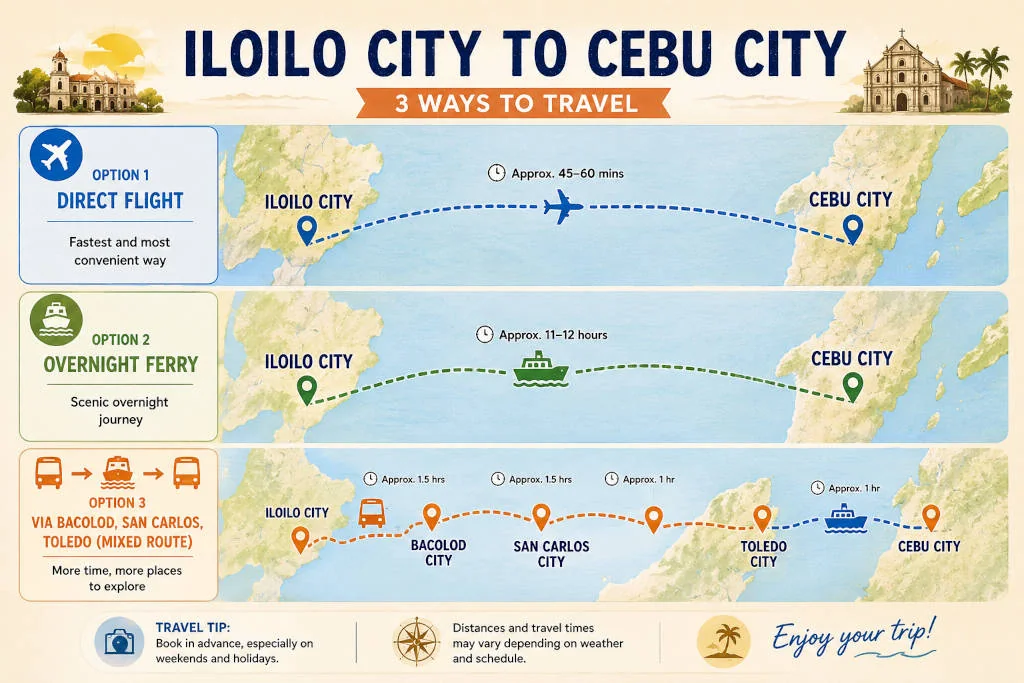 Explore Cebu travel deals → The easiest Iloilo City to Cebu City option for most people is a direct flight from Iloilo International Airport to Mactan-Cebu International Airport. It is usually the most straightforward because you deal with one airport departure, one arrival airport, and one final land transfer into Cebu City.
If your priority is time, comfort, or a tight schedule, start by checking flights first.
Best for Speed
Flying is best for speed because the actual flight is short compared with the overnight ferry or mixed route. The catch is that travelers sometimes underestimate airport friction.
You still need to travel from Iloilo City to Iloilo International Airport, arrive early for check-in, pass security, wait for boarding, land in Mactan, collect bags if needed, and travel from the airport to Cebu City. Even then, flying is usually the fastest Iloilo City to Cebu City choice.
Best for Budget
The overnight ferry is often the budget-friendly choice, especially when flight prices rise near holidays or last-minute travel dates. The ferry can also save one night of accommodation if the sailing fits your schedule and you are comfortable sleeping on board.
Check the official operator schedule, such as the Trans-Asia Shipping official schedule, then compare the total cost with flights, including taxis, meals, baggage, and any extra waiting time.
Best for Low-Stress Travel
Low stress depends on your travel style. A direct flight is low stress for people who want a clean, quick transfer. An overnight ferry is low stress for travelers who dislike airport baggage limits and do not mind slower movement.
Families with children, seniors, or bulky luggage should choose the route with the fewest transfers, even when it costs a little more.
Reality Check: The “best” route is the one that protects your schedule and energy. A cheap fare loses its charm when it forces you into rushed check-ins, uncomfortable waiting, or risky same-day connections.
Option 1: Fly from Iloilo International Airport to Mactan-Cebu International Airport
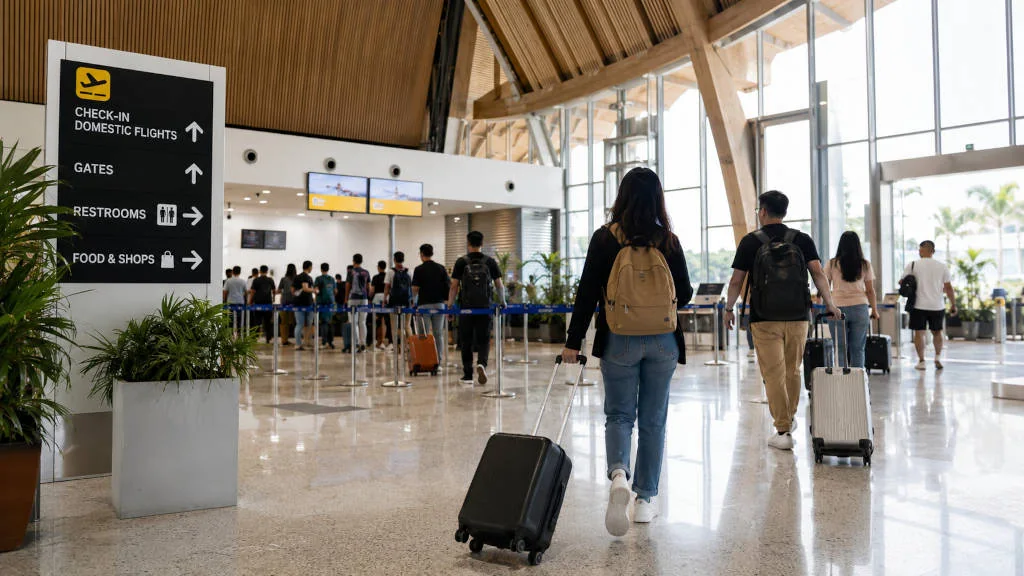 Explore Cebu travel deals → Flying from Iloilo City to Cebu City is the cleanest option for travelers who want to arrive quickly and keep the day usable. Iloilo International Airport is outside the city center, so your first decision is how early to leave.
Cebu’s airport is in Mactan, not central Cebu City, so your final transfer also matters, especially during traffic-heavy hours.
Realistic Door-to-Door Time
The flight itself may be short, but the door-to-door time is the number that matters. From a hotel or home in Iloilo City, allow time for the ride to Iloilo International Airport, airline check-in, baggage drop, security screening, boarding, flight time, arrival procedures, baggage claim, and the road trip from Mactan-Cebu International Airport into Cebu City.
A realistic estimate is around four to six hours door-to-door, with more buffer during peak traffic, rain, or holiday travel.
For an early flight, prepare the night before. Keep your ID, booking confirmation, wallet, charger, and jacket in one easy pouch. The morning feels lighter when you are not digging through your bag while the driver is already outside.
Cost Factors to Check
Flight prices can swing depending on season, seat sale timing, baggage allowance, and how close you are to departure. Do not compare only the base fare.
Add checked baggage, seat selection if needed, terminal food, airport transfers, and the possible cost of rebooking if your plans are uncertain. A cheap flight with no baggage may not be cheap anymore if you are carrying pasalubong, formal clothes, equipment, or several bags.
Travelers continuing to a hotel, North Bus Terminal, South Bus Terminal, or Cebu Port should also account for Cebu-side transport. For Cebu destination ideas after you arrive, keep the planning separate and browse the Cebu destination hub instead of overloading your route plan.
Luggage and Airport Friction
Airports are strict about baggage weight, liquids, sharp items, and check-in deadlines. Weigh your bag at home when possible, especially if you bought a light fare.
Keep power banks in hand-carry luggage, not checked baggage. Place toiletries in a sealed pouch, and avoid packing fragile pasalubong where it can be crushed.
Reality Check: Flying is faster, but airport rules are less forgiving than ferry travel. Arriving late, missing baggage cutoffs, or exceeding weight limits can quickly turn a smooth Iloilo City to Cebu City plan into an expensive one.
Option 2: Take the Overnight Ferry from Iloilo City to Cebu City
 Explore Cebu travel deals → The overnight ferry from Iloilo City to Cebu City is a classic inter-island option for travelers who prefer slower, steadier movement. There is something very Filipino about the rhythm of port travel: families guarding luggage in clusters, instant coffee from a small stall, the soft shuffle of slippers and backpacks, and everyone listening carefully when boarding announcements start.
It is not glamorous, but it can be practical and budget-aware.
Realistic Door-to-Door Time
For the ferry, calculate more than the sailing time. Add your ride to Iloilo Domestic Port, check-in, ticket verification, baggage movement, waiting time, boarding, the overnight trip, disembarkation at Cebu Port, and your final ride into the city.
Depending on the sailing and your starting point, this can take much of the evening and morning. The benefit is that part of the travel happens while you rest.
Check your exact pier, boarding instructions, and arrival details before leaving. Cebu Port can be busy, and the Cebu Port Authority official website is a helpful external reference for official port information and advisories.
Cabin, Tourist, and Economy Comfort Differences
Cabin, tourist, and economy accommodations can feel very different. Cabins give more privacy and are better for families, seniors, couples who want rest, or travelers with a full day ahead in Cebu.
Tourist class is usually a middle ground for comfort and cost. Economy is budget-friendly but can be noisier, cooler, warmer, brighter, or more crowded depending on the vessel and season.
Bring a light jacket or shawl, even if the day in Iloilo feels hot. Air-conditioned ferry areas can get chilly at night. Earphones, a small towel, wipes, drinking water, and a simple snack can make the trip feel more comfortable without overpacking.
Port Check-In, Waiting, and Luggage
Arrive early enough to handle ticket checks, terminal fees if applicable, ID verification, baggage handling, and boarding lines. Save your booking confirmation offline because mobile signal can be patchy in crowded terminals.
If you are carrying a suitcase, keep essentials in a smaller hand-carry bag so you do not need to open your main luggage while waiting.
Reality Check: Ferry travel is usually slower but more forgiving with luggage and timing than flying. The trade-off is longer waiting, weather sensitivity, and the need to be patient with port movement.
Option 3: Mixed Route via Bacolod, San Carlos, and Toledo
The mixed Bacolod, San Carlos, and Toledo route is the most layered way to travel from Iloilo City to Cebu City. It can involve a ferry from Iloilo to Bacolod, land travel across Negros Occidental toward San Carlos, another sea crossing to Toledo in Cebu, and then land travel to Cebu City.
This is not the first choice for travelers who want simplicity, but it has a place in certain situations.
Why This Route Can Work
This route can work when direct flights are too expensive, the overnight ferry is unavailable, or you are already planning to pass through Bacolod or parts of Negros. It can also make sense for more adventurous travelers who understand provincial bus and ferry connections, travel light, and have enough time to absorb delays.
The mixed route may reveal a more textured side of inter-island travel: bus terminals, coastal roads, ro-ro-style transfers, and small decisions at every stop. For travelers who enjoy the journey itself, it can be interesting.
For travelers who simply need to reach Cebu City rested and on time, it can be tiring.
Why It Is Tiring for First-Timers
First-timers may find this route tiring because every transfer creates a new point of friction. You need to manage separate tickets or fares, terminal locations, departure cutoffs, luggage movement, meal timing, and possible confusion about where to board next.
A delay in one leg can affect the rest of the day.
Large luggage makes the mixed route harder. So does traveling with young children, seniors, pets, or anyone who needs predictable rest stops.
If you choose this option, pack light and keep cash in small bills because not every small terminal or transport leg may be convenient for cashless payment.
When to Use It as a Backup
Use the Bacolod, San Carlos, and Toledo route as a backup when you have flexibility, daylight, and enough energy. It is not ideal for a same-day appointment in Cebu unless you have already checked all schedules and built a generous buffer.
It is better as a Plan B for travelers who are comfortable asking questions at terminals and adjusting along the way.
Reality Check: The mixed route can save money or rescue a disrupted plan, but it asks more from the traveler. Choose it when time is flexible, not when every hour matters.
Where to Buy Tickets and What to Save
Ticket planning is the quiet backbone of a low-stress Iloilo City to Cebu City trip. Buy from official airline channels, reputable booking platforms, official ferry offices, authorized agents, or the shipping company’s official website when available.
Always check the name spelling, date, route, baggage allowance, check-in deadline, terminal, and cancellation or rebooking rules before paying.
Flight Tickets
For flights, compare the total fare after adding baggage and fees. Make sure the airport pair is correct: Iloilo International Airport to Mactan-Cebu International Airport.
After booking, save the itinerary, booking reference, passenger names, baggage allowance, and payment confirmation. Check in online when the airline allows it, but still read the baggage drop deadline if you have checked luggage.
Ferry Tickets
For ferry tickets, confirm the vessel, sailing date, departure time, accommodation type, check-in time, port location, and ID requirements. Ferry schedules can shift due to weather, vessel operations, or port advisories, so reconfirm close to travel day.
If you are choosing a cabin or tourist class, book earlier during peak periods because comfortable spaces can sell out.
Screenshots and Offline Notes to Keep
Save screenshots of your booking confirmation, QR code or reference number, valid ID, baggage allowance, terminal address, customer service number, hotel address in Cebu, and one backup route. Keep them in a phone album labeled for the trip.
Also write down important details in a notes app because screenshots can be hard to find when you are sleepy or under pressure.
Reality Check: Do not rely only on mobile data. A crowded airport, rainy port, low battery, or weak signal can make even a confirmed booking feel stressful if nothing is saved offline.
Luggage Rules and Terminal Friction to Expect
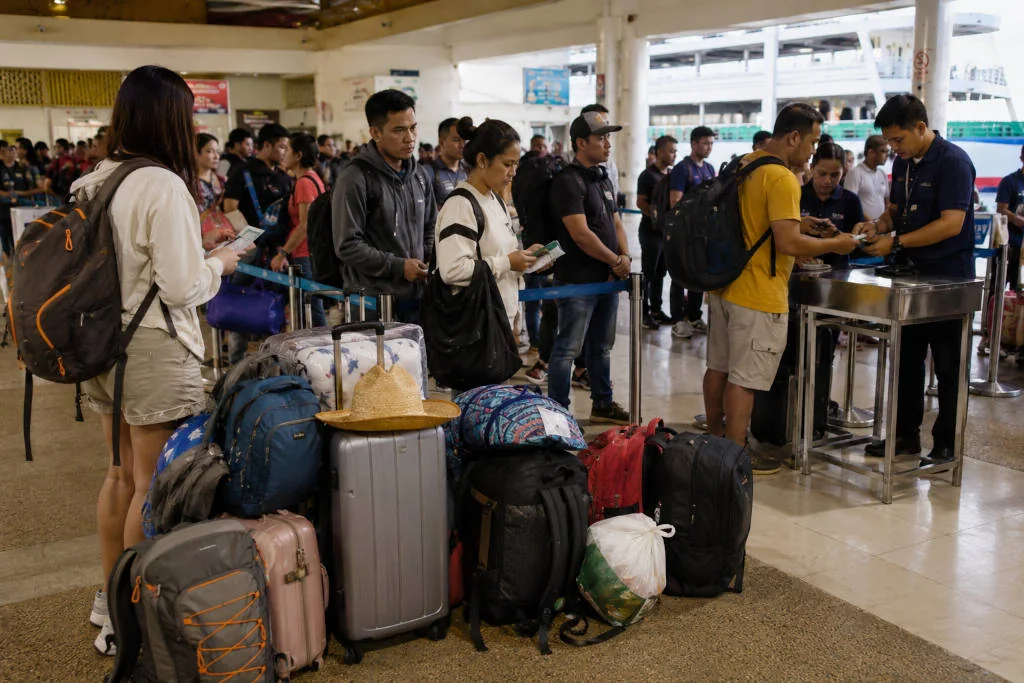 Explore Cebu travel deals → Luggage can decide which Iloilo City to Cebu City route feels easiest. A backpack and small carry-on make flying simple. A heavy suitcase, balikbayan box, sports gear, or pasalubong load may make the ferry more comfortable.
Before choosing, imagine every staircase, queue, inspection table, van transfer, and waiting area you will pass through.
Airport Baggage Checks
At the airport, check the airline’s weight limits and restricted items. Domestic flights still have rules on liquids, sharp objects, batteries, and oversized baggage.
If your bag is close to the limit, pay for extra baggage before the airport when possible. It is usually calmer than negotiating weight at the counter while the line grows behind you.
Ferry Baggage and Port Movement
Ferries may feel more flexible, but they still have rules. Some items may need to be checked, declared, or handled separately.
Keep valuables, medication, documents, gadgets, and one change of clothes with you. Use luggage tags with your name and phone number, and avoid leaving bags unattended while buying food or using the restroom.
Food, Cash, IDs, and Waiting Time
Bring a valid ID, enough cash in small bills, water, snacks, wipes, and a power bank. Terminals can be bright, crowded, warm, cold, noisy, or slow depending on the hour.
A simple baon kit helps: crackers, candy, a refillable bottle, tissue, and something light to keep you comfortable while waiting.
Reality Check: The actual ride may be easy, but terminals can drain energy. Plan for the waiting, not just the transportation.
Weather, Delays, and Cancellation Backup Plan
Weather is one of the biggest variables in any Iloilo City to Cebu City plan. Flights can be delayed by aircraft rotation, storms, air traffic, or operational issues.
Ferries can be affected by sea conditions, port advisories, and cancellations. Even land transfers can slow down in heavy rain or traffic.
What to Do Before Travel Day
Before travel day, check the weather forecast, airline or ferry advisories, and your booking status. Reconfirm schedules, especially for ferry trips.
Charge your phone, power bank, and earbuds. Download maps, save hotel details, and prepare a small emergency fund. Tell your Cebu contact or hotel your expected arrival window, but avoid making non-refundable plans too close to your arrival.
For first-time travelers building a bigger Philippines itinerary around this route, Bakasyon’s Philippines first-trip planning guide can help with pacing, buffers, and realistic travel days.
What to Do on the Day Itself
On travel day, check messages from your airline or ferry operator before leaving. Bring patience and keep plans flexible.
If there is a delay, ask about the next available option, rebooking rules, refund process, and expected update time. Keep receipts for possible claims, and avoid leaving the terminal area unless staff clearly advise it is safe to do so.
When to Stay One More Night
Stay one more night if weather is severe, the last connection is uncertain, you are traveling with vulnerable companions, or arriving in Cebu very late would create safety concerns. A clean budget room and a fresh morning transfer can be wiser than pushing through exhaustion.
This is especially true if your next Cebu plan involves a long bus ride, island trip, or early call time.
Reality Check: A backup plan is not a sign that your trip is going wrong. It is simply part of responsible inter-island travel in the Philippines.
Which Route Should You Choose?
Choosing the best Iloilo City to Cebu City route depends on your schedule, budget, luggage, comfort needs, and tolerance for uncertainty. Put those needs in order before looking at fares.
The cheapest ticket may not be best for a family with toddlers. The fastest flight may not be best for someone carrying bulky cargo. The ferry may be perfect for a budget traveler but too slow for a tight appointment.
For Families
Families should prioritize fewer transfers, clear waiting areas, and comfortable rest. A direct flight works well when children can handle airport procedures and the fare is reasonable.
A ferry cabin can work well when the family prefers to sleep overnight and avoid strict baggage limits. Keep snacks, water, jackets, medicine, and entertainment within reach.
For Budget Travelers
 Explore Cebu travel deals → Budget travelers should compare flights and ferries early. A seat-sale flight can beat ferry prices, but only if baggage and transfers stay low.
The overnight ferry may win when you want to save on lodging. Avoid cutting the schedule too close just to save a small amount, because missed connections can erase your savings.
For Travelers with Large Luggage
Travelers with large luggage should study baggage rules carefully. Ferries may be easier for heavier bags, but you still need to move them through the port.
Flights are faster but stricter. If your luggage includes fragile items, formalwear, equipment, or pasalubong, pack for inspections and movement.
For Tight Schedules
For tight schedules, flying is usually the best choice. Book a direct flight, choose a sensible departure time, and avoid arriving in Cebu minutes before an important commitment.
If the event matters, travel a day earlier. This is the simplest way to protect yourself from weather delays, traffic, and rebooking stress.
Reality Check: The right route is rarely just about fare. It is about the total cost of time, comfort, risk, and recovery after arrival.
Final Low-Stress Tips Before Leaving Iloilo City
Before starting your Iloilo City to Cebu City trip, do a final quiet check: ticket, valid ID, phone, charger, power bank, wallet, cash, medicine, water, snacks, jacket, and offline screenshots. Confirm your departure point and arrival point.
Tell someone your travel plan. Leave earlier than your most optimistic estimate, especially when rain, rush hour, holidays, or unfamiliar terminals are involved.
Keep your Cebu plans realistic on arrival day. If you are flying, you may still feel tired from early wake-up time and airport movement. If you are taking the ferry, you may want breakfast, a shower, and a slower first morning.
If Cebu is part of a longer vacation, explore more ideas through the Cebu destination hub, and keep Iloilo inspiration for another trip through the Iloilo destination hub.
The calmest Iloilo City to Cebu City journey is the one that matches your real life: your budget, bags, companions, schedule, and energy. Whether you choose a quick flight, an overnight ferry, or a mixed backup route, give yourself room to move.
A little preparation turns this inter-island transfer from a stressful guessing game into a manageable travel day, with Cebu waiting on the other side.