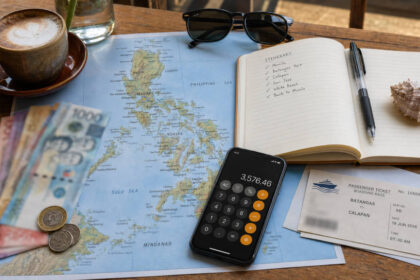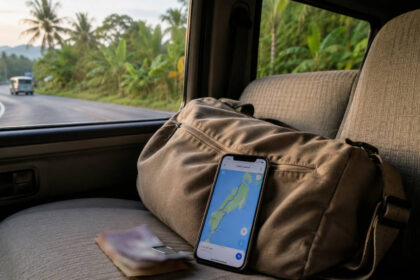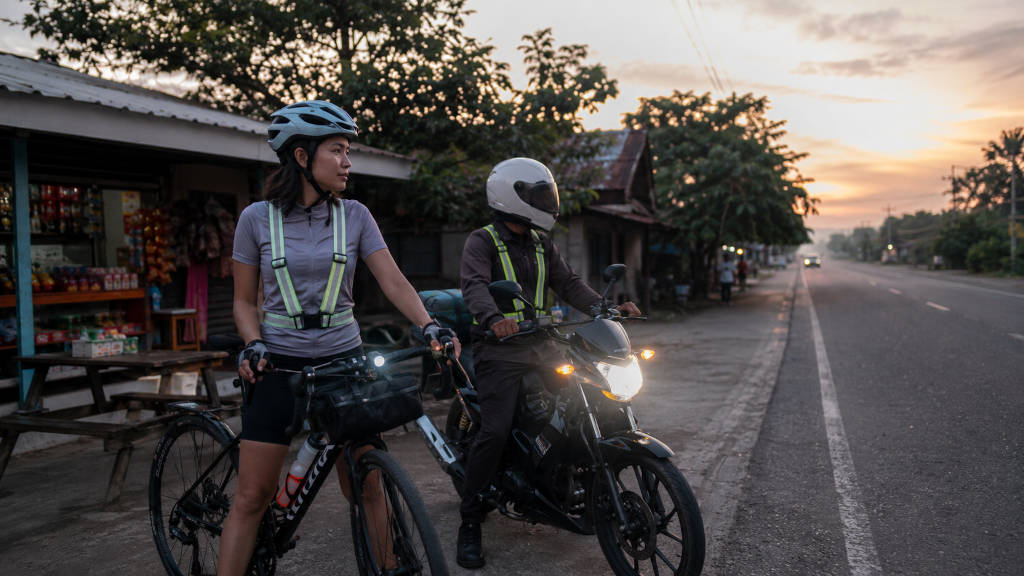
Planning a Manila to Subic no expressway route is not just about avoiding toll gates. It is about choosing roads where your pace, daylight, fuel, food, water, and body all have enough room to cooperate.
For cyclists and sub-400cc motorcycle riders, the trip asks for a calmer mindset than a car ride on the expressway: more patience at town centers, more attention around trucks, and more respect for heat rising from the pavement by late morning.
This guide focuses on one specific problem: getting from Manila to Subic without expressways. It is written for riders who need a toll-free route toward Olongapo and Subic Bay, with practical stops and realistic expectations along the way. For wider Luzon planning, the no-expressway routes in Luzon for small motorcycles can help you connect this ride with other corridors.
At-a-Glance Planning Notes
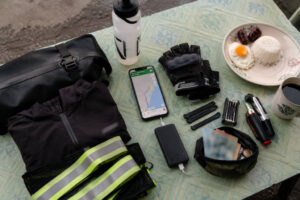 Best departure window: before sunrise to early morning, especially for cyclists who need the coolest hours and longest daylight.
Realistic travel time: cyclists should think in terms of a full-day effort or a supported two-day plan. Sub-400cc motorcycle riders should allow most of the day once traffic, breaks, navigation, and weather are included.
Budget band: modest but flexible, with cash for food, water, fuel, parking, rain gear, emergency lodging, and possible backup transport.
Crowd and traffic risk: high in Metro Manila, Bulacan, Pampanga town centers, and the Olongapo approach.
Rain or heat backup: stop early in a town center, use a covered commercial area, and do not force the final push to Subic in poor visibility.
Reality Check: A Manila to Subic no expressway route can look simple on a map, but heat, congestion, roadworks, and mixed traffic can stretch the day. Build the itinerary around comfort and safety, not just distance.
Manila to Subic No Expressway Route: Who This Guide Is For
This Manila to Subic no expressway route is for two kinds of travelers: cyclists who are comfortable with long provincial-road efforts, and sub-400cc motorcycle riders who need toll-free routing because many expressways have displacement restrictions. It is not a beginner leisure spin, and it is not a casual “bahala na” ride that should start late in the day.
Cyclists Need Endurance, Daylight, Hydration, and Conservative Pacing
Cyclists should treat this as an endurance route with urban, provincial, and industrial road conditions. Expect stretches where sari-sari stores are just opening, jeepneys are loading commuters, and trucks are already moving before the sun feels hot.
A strong cyclist may be tempted to measure the day by kilometers, but this route is better measured by safe windows: cool morning, manageable midday, and enough daylight left for the Olongapo approach.
Hydration needs to be planned before thirst becomes a problem. Carry more water than you think you need, refill often, and do not wait for an ideal café stop. The best rest stop may simply be a shaded gasoline station, a busy convenience store, or a town center with toilets, water, food, and people around.
Sub-400cc Motorcycle Riders Need Toll-Free Routing, Fuel Planning, and Legal Awareness
Sub-400cc motorcycle riders need a route that respects expressway access rules. The official text of the Limited Access Highway Act is useful background for understanding why limited-access roads have special rules, but riders should still verify current restrictions and signage before departure. Do not rely on old forum posts or hearsay from one rider’s previous trip.
Fuel is usually easier than water on this corridor, but planning still matters. Smaller motorcycles may have limited range, and traffic can make consumption unpredictable. Top up earlier than necessary, especially before leaving busy town sections for the next long push.
Reality Check: The Manila to Subic no expressway route is legal only when your chosen roads are allowed for your vehicle and current conditions. Check rules, signs, and local advisories before rolling out.
Quick Reality Check Before Planning the Ride
Without expressways, Manila to Subic becomes a layered ride through city exits, old highway corridors, town centers, truck routes, and the Olongapo approach. The day can feel satisfying, but only if you stop imagining it as a fast point-to-point transfer.
Expected Pacing for Cyclists
For cyclists, pacing depends on fitness, load, weather, group size, and comfort in traffic. Strong riders with road experience may complete the distance in one long day, but a two-day strategy is more forgiving for mixed groups. A conservative plan might include an overnight or long recovery stop somewhere around Pampanga or Bataan-side towns, depending on the exact route and support plan.
Group cyclists should ride at the pace of the most conservative member, not the fastest. Agree on regrouping points before the ride. In hot weather, the rider who says “okay pa” may already be close to overheating, so use scheduled stops instead of waiting for someone to bonk.
Expected Pacing for Sub-400cc Motorcycles
For sub-400cc motorcycles, the ride can be done in a day, but it should still start early. The time lost to city traffic, town crossings, roadworks, fuel stops, food breaks, and rain can easily add up. A small motorcycle may be nimble in traffic, but that does not remove the fatigue of heat, vibration, noise, and constant scanning.
Plan breaks even when you feel fresh. A twenty-minute pause for water, visor cleaning, stretching, and route checking can prevent small mistakes later. The goal is to arrive in Subic with enough energy to park properly, check in calmly, and secure your bike or motorcycle before relaxing.
Why This Should Not Be Planned Like an Expressway Car Trip
An expressway car trip often depends on steady speed and a few predictable exits. A Manila to Subic no expressway route depends on patience. Your speed will rise and fall with tricycles, pedestrian crossings, buses, wet patches, market areas, rough shoulders, and trucks moving slowly through town centers.
Reality Check: Average speed matters more than top speed. If the plan only works when every road is clear, the plan is too tight.
Route Corridor One: Metro Manila to Bulacan and Pampanga via MacArthur Highway
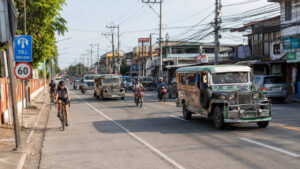 The first practical corridor is the old northbound movement from Metro Manila toward Bulacan and Pampanga, commonly using MacArthur Highway and connected local roads. For many riders, this is the spine of the early Manila to Subic no expressway route because it offers frequent services, recognizable towns, and many places to pause.
Major Towns and Roads to Know at a High Level
Depending on your exact starting point in Manila, your route may pass through northern Metro Manila and into Bulacan towns before continuing toward Pampanga. The broad idea is to keep moving north and northwest on toll-free roads, using MacArthur Highway as a familiar guide where appropriate.
Expect dense traffic near city edges, public transport stops, school zones, markets, and intersections.
Navigation apps can help, but they may suggest narrow shortcuts that are stressful for cyclists or loaded small motorcycles. Before accepting any reroute, zoom in and check whether it sends you through tiny residential streets, unlit farm roads, or confusing junctions. The most direct line is not always the safest line.
Why This Corridor Works for Frequent Stops but Can Be Slow
The advantage of this corridor is access. Food, water, vulcanizing shops, gasoline stations, convenience stores, pharmacies, and simple eateries appear often. In the morning, you may pass bakeries pulling up metal shutters, carinderias setting out pots, and sari-sari stores stacking bottled water by the doorway.
That makes it easier to manage comfort without overpacking.
The tradeoff is speed. Town centers can be slow and mentally tiring. Cyclists need space and visibility. Motorcycle riders need patience around jeepneys, buses, and sudden side-street movement. Do not treat slow sections as a problem to beat; treat them as part of the route.
Reality Check: MacArthur Highway can be useful because it is serviced and familiar, but it is not peaceful touring road all the way. Expect noise, stops, and constant attention.
Route Corridor Two: San Fernando to Dinalupihan and Olongapo via Jose Abad Santos Avenue
After Pampanga, many toll-free plans angle toward Jose Abad Santos Avenue, then toward Dinalupihan and the Olongapo-Gapan Road corridor. This is where the Manila to Subic no expressway route begins to feel more provincial and more serious. The sense of distance becomes clearer, and the choices you made earlier in the day begin to show.
Truck Traffic, Town Centers, and Shoulder Awareness
Jose Abad Santos Avenue and connected roads can carry a mix of private vehicles, provincial buses, delivery vans, motorcycles, and trucks. Cyclists should assume that shoulders may appear and disappear. Sub-400cc motorcycle riders should avoid lingering beside large vehicles, especially near intersections, rough edges, and wet patches.
Keep your line predictable. Sudden swerves around gravel, drainage covers, or parked vehicles can surprise drivers behind you. In a group, leave enough space so each rider can react to road texture. Reflective gear and daytime lights help, even when the sun is up, because shaded stretches and dusty air can reduce contrast.
Where to Think About Longer Rest Breaks
San Fernando, nearby commercial areas, and Dinalupihan are sensible places to think about longer stops, depending on timing and fatigue. Look for gasoline stations, food chains, supermarkets, or busy town centers where you can sit, refill, use toilets, and recheck the next leg.
Cyclists may need a proper meal here, not just snacks. Motorcycle riders may need to cool down, check tire pressure visually, and clean visors or mirrors.
Do not take long breaks on exposed shoulders just because the view is open. Heat bounces off concrete, and passing trucks can make the air feel heavy and gritty. A shaded table, a convenience store bench, or a proper parking area is worth the extra few minutes.
Reality Check: This corridor can be efficient, but it can also feel harsh in midday heat. If you reach this section later than planned, reassess daylight before pushing toward Olongapo.
Route Corridor Three: Bataan-Side Buffer and Olongapo Approach Planning
A Bataan-side buffer can be useful when the group needs a safer meeting point, an overnight reset, or a less pressured approach toward Olongapo. This does not mean wandering randomly through Bataan. It means planning towns and junctions ahead of time so the group has options if weather, fatigue, or mechanical issues change the day.
When This Helps as a Backup or Meeting-Point Strategy
This strategy helps when cyclists are riding with a support vehicle, when motorcycle riders are traveling in mixed experience levels, or when not everyone is sure they can finish in one day. A pre-agreed meeting point in a town center is much better than trying to find each other on a random shoulder with low battery and patchy signal.
For cyclists, a Bataan-side stop can turn an intimidating one-day ride into a more comfortable two-day plan. For sub-400cc motorcycle riders, it can provide a calmer place to wait out rain or regroup before the final Olongapo approach.
Why This Should Be Handled Only With Daylight and Updated Navigation
Any alternate routing should be checked close to departure. Roadworks, closures, bridge conditions, and temporary traffic schemes can change the quality of a route. This is especially important if you are not familiar with the area.
Use updated navigation, but balance it with common sense: a road that looks shorter may be poorly lit, rough, or confusing after dark.
Reality Check: Backup routing is helpful only when it reduces risk. If the alternate road adds uncertainty, poor lighting, or isolation, it may be safer to stop overnight.
Best Departure Windows for Heat, Traffic, and Daylight
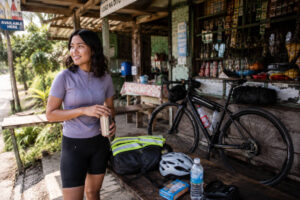 The best departure time depends on whether you are cycling or riding a small motorcycle, but both groups benefit from starting early. In the Philippines, morning can feel gentle for only a short while. By late morning, pavement heat, traffic fumes, and glare can make even familiar roads feel heavier.
Cyclist-Friendly Departure Timing
Cyclists should strongly consider leaving before sunrise, with lights already on and reflective gear visible. The goal is to clear the most stressful urban sections before the day becomes too hot. A pre-dawn start also gives more daylight for unexpected delays, long meals, punctures, cramps, rain stops, and navigation checks.
However, leaving early only helps if the group is prepared for low-light conditions. Front and rear lights, reflective details, and disciplined spacing are non-negotiable. Do not begin sleepy, underfed, or still adjusting bags on the roadside.
Sub-400cc Motorcycle Departure Timing
Sub-400cc motorcycle riders can also benefit from an early start, ideally after enough rest and before Metro Manila traffic becomes thick. The early hours can make the exit feel smoother, but remember that provincial roads will still have trucks, commuters, and pedestrians. Keep a relaxed pace until the body is fully awake.
For riders coming from different parts of Metro Manila, choose a meetup point that does not require anyone to cross half the city in the wrong direction. A simple gasoline station or recognizable commercial area near the northbound path is better than a scenic but inconvenient assembly point.
When to Postpone Instead of Forcing the Ride
Postpone when heavy rain is already affecting visibility, when a rider is sick or under-rested, when the group cannot leave early enough, or when the motorcycle or bicycle has unresolved mechanical issues. A Manila to Subic no expressway route rewards patience. It does not reward pride.
Reality Check: Starting late is not automatically unsafe, but it removes your margin. Once daylight, heat, and fatigue turn against you together, small problems become bigger.
Safe Rest Stops, Food, Water, and Comfort Breaks
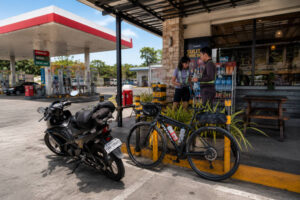 Good rest stops are part of the route, not interruptions to it. On this ride, a smart stop can prevent dehydration, poor decisions, and dangerous rushing near the end. Think of the route as a chain of safe pauses from Manila to Bulacan, Pampanga, Dinalupihan, Olongapo, and finally Subic.
What Makes a Good Rest Stop
A good rest stop has space away from moving traffic, visible parking, shade, drinking water, toilets, and enough people around to feel secure. For cyclists, it should have a place to lean or lock bikes without blocking customers. For motorcycle riders, it should allow you to park where you can see the motorcycle while eating or buying supplies.
Food should be simple and familiar. Rice meals, bananas, bread, electrolyte drinks, soup, and cold water can be more useful than heavy meals that make you sleepy. Cyclists need steady calories; motorcycle riders also need to avoid dehydration, especially when wearing jackets, gloves, and helmets under a hot sun.
Why Town Centers, Gasoline Stations, and Known Commercial Areas Are Safer Than Random Shoulders
Random shoulders may seem convenient, but they often expose riders to fast-moving traffic, loose gravel, poor lighting, dogs, and limited help if something goes wrong. Town centers and gasoline stations offer services, witnesses, and easier pickup points if the plan changes. This is also where a support vehicle can find you without confusion.
Carry small cash. Not every stop will make digital payment easy, and some small stores may not have change for large bills early in the morning. A few smaller bills can make water, snacks, ice, and quick meals easier.
Reality Check: A clean restroom and shaded parking can matter as much as a good route line. Comfort keeps riders alert.
Safety Notes for Mixed Traffic, Trucks, Rain, and Night Riding
The hardest part of a Manila to Subic no expressway route is not one dramatic danger. It is the steady work of reading mixed traffic for many hours. You may deal with buses pulling over, tricycles turning, pedestrians crossing, dogs near shoulders, trucks moving wide, and cars trying to squeeze past.
Visibility, Lights, Reflective Gear, and Group Spacing
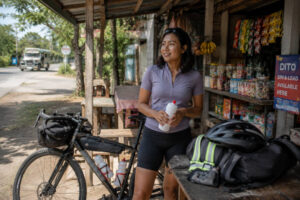 Visibility should be planned in layers. Use bright clothing, reflective vests or bands, working lights, clean lenses, and predictable road position. Cyclists should avoid bunching too tightly in traffic because one pothole or sudden stop can ripple through the group. Motorcycle riders should stagger safely when appropriate and avoid riding side by side on narrow roads.
Use hand signals or agreed group signals, but keep them simple. Overcomplicated communication becomes useless when traffic is loud. The best signal is still predictable riding.
How to Handle Rain, Slick Pavement, Loose Gravel, and Poor Shoulder Conditions
Rain changes everything. Painted lines, metal covers, puddled edges, and dusty pavement can become slick. Cyclists should slow before turns and avoid sudden braking. Motorcycle riders should soften throttle and brake inputs, increase following distance, and avoid leaning aggressively on uncertain surfaces.
Covered bags, rain jackets, waterproof phone storage, and dry socks can protect morale as much as gear. When visibility drops, stop in a proper commercial area and wait. For broader trip safety habits, review the Philippines travel safety guide before departure, especially if you are riding with first-timers.
Why Late-Night Riding Should Be Avoided If Possible
Late-night riding reduces visibility and services. Some roads become harder to read, and fatigue can make riders misjudge speed, distance, and shoulder quality. Cyclists are especially vulnerable after dark, even with lights. Sub-400cc motorcycle riders also face glare, wet patches, animals, and unexpected roadside activity.
Reality Check: A late arrival is not just inconvenient; it can make the final kilometers feel tense. Reaching Subic before dark is a safety goal, not a luxury.
Arrival Planning in Subic
Arriving in Zambales through Olongapo and Subic Bay should feel like relief: wider travel options, sea air, and the reward of finally slowing down. But the last part still needs planning. For official destination context, the Subic Bay getting-there guide is a useful reference before you finalize arrival details.
Choosing Accommodation With Secure Motorcycle Parking or Bike Storage
Before booking, ask the accommodation directly about secure parking or bike storage. For motorcycles, look for guarded parking, a visible parking area, or a place where staff can explain the overnight setup clearly. For bicycles, ask if bikes can be brought into the room, stored indoors, or locked in a protected area away from public foot traffic.
Do not assume “parking available” means it is ideal for a loaded motorcycle or expensive bicycle. Ask about gates, lighting, overnight guards, CCTV, and whether the parking area gets crowded during weekends or holidays.
Avoiding Late Check-In Friction
Tell your accommodation your expected arrival window, especially if riding on a weekday night, rainy day, or holiday period. Save the property contact number offline. Keep one rider’s phone battery protected for check-in communication. If you are delayed, update the property before your signal becomes unreliable.
What to Do Before Unloading Bags or Locking Bikes
Before unloading, pause and scan the area. Check where the guard or front desk is, where lights are, how other vehicles are parked, and whether your bike or motorcycle blocks any driveway.
Lock first, then relax. For cyclists, remove lights, GPS units, bottles, and small bags. For motorcycle riders, secure helmets, documents, rain gear, and valuables.
Reality Check: The ride is not finished when you see Subic signs. It is finished when your vehicle is parked safely, your body is cooling down, and your essentials are secured.
Backup Plan If You Cannot Finish the Ride
A backup plan is not a sign of weakness. It is what allows a group to make calm decisions when conditions change. For a Manila to Subic no expressway route, the best backup plan is prepared before the ride, shared with everyone, and written down somewhere other than one person’s phone.
Sensible Meeting Points by Province or Town
Choose broad meeting points in advance: a recognizable commercial area in Bulacan, a gasoline station or mall area in Pampanga, a town center around Dinalupihan, or a known stop before the Olongapo approach. The point should be easy to search, easy to describe, and safe enough for waiting.
Avoid vague instructions like “see you after the bridge” or “wait near the fork.” Those instructions become stressful when someone is tired, wet, or low on battery. Use clear place names and agree on what happens if the group gets separated.
Bus, Van, Pickup, and Support-Vehicle Options to Verify Before Departure
Cyclists should verify in advance whether bikes can be loaded into a support vehicle, pickup, van, or bus option if needed. This may require removing wheels, packing straps, or calling operators beforehand. Sub-400cc motorcycle riders should know where they can safely wait for roadside help, a friend with a pickup, or a mechanic if the motorcycle cannot continue.
Do not assume public transport will accept a bicycle or bulky gear at any hour. Do not assume a motorcycle can be left safely at a random repair shop without documentation and agreement. Prepare names, numbers, and possible pickup towns before leaving Manila.
How to Decide Between Resting, Stopping Overnight, or Aborting the Ride
Rest if the issue is temporary: hunger, mild fatigue, manageable heat, or a passing rain shower. Stop overnight if daylight is disappearing, the group is still far from Olongapo, or the weather remains poor. Abort the ride if there is illness, injury, unsafe visibility, mechanical trouble, or a rider who no longer feels confident.
Reality Check: The bravest decision is sometimes to stop early. Subic will still be there tomorrow, and a safe rider gets another chance to enjoy the road.
Final Planning Checklist Before Leaving Manila
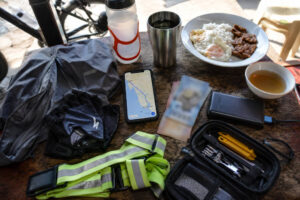 Before starting the Manila to Subic no expressway route, confirm your route corridor, departure time, weather outlook, rest-stop targets, and backup points.
Cyclists should check tires, brakes, lights, reflective gear, hydration, nutrition, tools, spare tubes, pump, chain condition, and phone mounting.
Sub-400cc motorcycle riders should check fuel, oil, tires, brakes, lights, horn, mirrors, documents, rain gear, tire repair options, and whether the chosen roads are allowed for their motorcycle.
Pack for the uncomfortable version of the day, not the perfect one. Bring sun protection, water, electrolytes, small cash, power bank, offline maps, basic first aid, and a waterproof layer. Share your itinerary with someone not joining the ride.
Agree on group rules before leaving: no racing through town centers, no pushing through dangerous rain, no leaving tired riders behind, and no forcing a night finish just to protect the original schedule.
Most of all, keep the spirit of the trip steady. This route has early-morning bustle, long warm stretches, busy provincial roads, and that sweet feeling when the day finally softens near Subic.
Plan generously, ride visibly, stop before you are desperate, and let the Manila to Subic no expressway route become not just a workaround, but a thoughtful Luzon travel day done with care.