Iloilo City rainy season travel changes the rhythm of a trip. It can turn old streets glossy, make café windows fog a little, and make a warm bowl of batchoy feel like the main event instead of a backup plan. But for travelers with boat trips, viewpoints, long drives, or paid tours on the schedule, rain also brings real questions: What cancels first? What can still push through? What is worth saving for another day?
This guide is not meant to replace a full city itinerary. Think of it as the calm companion to a broader Iloilo City itinerary with buffers, focused specifically on weather decisions, fallback plans, refund questions, and a realistic two-day rainy-weather plan. The goal is simple: save your energy, avoid wasted bookings, and still enjoy Iloilo City at a pace that feels kind to your body and budget.
At-a-Glance: Iloilo City Rainy Season Travel Basics
For Iloilo City rainy season travel, the most useful mindset is flexibility. Keep one anchor activity per day, choose a hotel location that makes short rides easy, and avoid stacking too many outdoor stops in one morning. A realistic travel day may include one museum or heritage stop, one comforting meal, and one sheltered rest block instead of a packed checklist.
The best window is usually the part of the day with lighter rain, which can shift quickly. Before breakfast, check the PAGASA weather updates, message your tour operator, and decide whether the day is a boat day, town day, food day, or recovery day. Budget-wise, a rainy day can be gentler if you swap long drives for cafés, museums, malls, and nearby food stops, but ride-hailing costs can rise when rain gets heavy.
Reality Check: Rainy-season plans are not only about rain. They are also about traffic, wet shoes, slower rides, possible ferry cancellation, and whether everyone in the group still has energy for the next day.
Is Iloilo City Still Worth Visiting During Rainy Season?
 Yes, Iloilo City can still be worth visiting during rainy season, especially if your expectations are adjusted before you arrive. The city has enough sheltered and low-pressure options to make a trip feel meaningful even when the sky stays gray. Rain can soften the pace: heritage streets become quieter, museum halls feel more inviting, and a food trip becomes more than a filler activity.
The key is not to treat every rainy hour as a problem to beat. For Iloilo City rainy season travel, the better approach is to protect the parts of the day that are easiest to control. Keep mornings flexible. Avoid paying in full too early for weather-sensitive tours. Place indoor or nearby activities around the first half of the day so you are not forced into long transfers if rain strengthens.
This is especially helpful for first-timers, families, and seniors. A rainy day in Iloilo City can still include a slow breakfast, a museum visit, a short heritage look, batchoy, coffee, and a restful dinner near the hotel. That may sound simple, but simple is often what keeps the trip pleasant when weather is uncertain.
Reality Check: Rainy season in Iloilo City does not automatically ruin the trip, but it does make rigid itineraries harder. The more outdoor, far, or sea-dependent your plan is, the more travel buffers you need.
What Usually Cancels First When the Weather Turns Bad
When Iloilo weather turns rough, not all plans carry the same risk. Some activities can continue with an umbrella and patience, while others depend on sea conditions, road safety, visibility, or operator calls. Knowing what usually cancels first helps you avoid emotional decision-making when everyone is already dressed and ready to go.
Boat Trips and Island Plans
Boat trips, island-hopping plans, and Guimaras-style side trips are usually more exposed to weather and sea conditions. Even if rain in the city looks manageable, wind and waves may tell a different story. A ferry cancellation can also affect your return timing, not just your departure, so it is important to think about the full day.
For Iloilo City rainy season travel, treat boat days as conditional until confirmed. Ask the operator or ferry contact early, watch for official advisories, and avoid placing a flight, important dinner, or non-refundable hotel transfer immediately after a sea-based plan.
Viewpoints, Sunsets, and Photo Stops
Viewpoints, sunsets, and photo stops can lose their value quickly during heavy rain. Visibility may be poor, paths may be muddy, and wind can make umbrellas useless. Even if the place remains open, the experience may feel more tiring than rewarding.
A good rainy-day swap is to move the photo mood indoors or closer to shelter. Try a heritage interior, a café table by the window, or a covered street scene instead of forcing a far viewpoint with low visibility.
Long Drives Outside the City
Long drives outside Iloilo City can become slower and more draining in heavy rain. The destination may still be open, but if the main payoff is an outdoor stop, the ride may not feel worth the time, cost, and fatigue. This matters even more when traveling with kids, seniors, or companions who get tired easily.
Reality Check: A cancelled tour is frustrating, but forcing an exposed plan can cost more than money. It can turn the next day into a recovery day, especially when wet clothes, traffic, and long transfers pile up.
How to Decide Whether to Push Through or Switch Plans
The easiest decision rule is to pause before paying, leaving, or committing the whole group. First, check official weather updates. Second, ask the operator for the latest on safety and feasibility. Third, look at the travel time. Fourth, ask whether the destination is mostly outdoor. Fifth, protect the next day’s energy.
For example, a nearby museum or food stop may still be fine in steady rain. A long drive to an outdoor destination may not be. A boat trip should depend on official guidance and operator judgment, not on hope. During rainy season, a flexible itinerary is not a sign of poor planning. It is the plan.
One helpful question is: “If this activity is only half-enjoyable because of weather, will it still be worth the commute?” If the answer is no, switch early. Missing one outdoor stop is better than turning the whole trip into a stressful recovery day.
Reality Check: Weather decisions can feel emotional because people want to maximize vacation days. But in rainy season, the smartest choice is often the one that leaves everyone dry, fed, rested, and ready for tomorrow.
Low-Stress Swaps Inside Iloilo City
Rainy day activities in Iloilo City work best when they are close, sheltered, and easy to adjust. Instead of trying to copy your original itinerary indoors, build a softer day around comfort and short transfers. Choose one main stop, one meal, and one rest-friendly option.
Museum or Heritage Stop
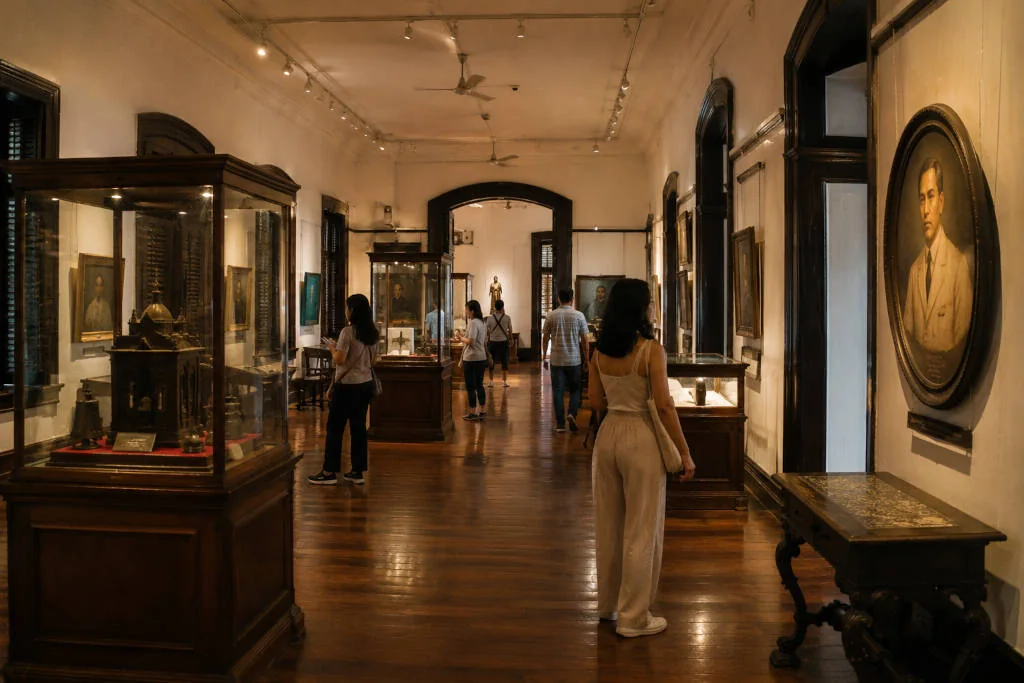 A museum or heritage stop is one of the most practical swaps when outdoor tours become uncomfortable. The National Museum of the Philippines Western Visayas is a useful example to check for a culture-focused indoor plan, especially if you want something meaningful without committing to a long rainy commute.
Heritage areas can also work if the rain is light and you keep the walk short. Choose covered areas, bring a small towel, and avoid turning the visit into a strict checklist. The beauty of Iloilo City rainy season travel is often in slower details: wet pavement, old façades, and the hush of a city moving carefully through rain.
Café or Batchoy Break
 A café or batchoy break is not “wasted time” in Iloilo City. Warm soup, soft bread, coffee, and a dry seat can reset the day. For many travelers, this is the moment when frustration from cancelled tours finally settles.
Keep food stops low-pressure. Do not schedule three far-apart restaurants in one rainy afternoon. Pick one area, eat well, and leave room for a quiet café or dessert nearby. This is especially useful when traveling with family because everyone gets to warm up, use the restroom, charge phones, and rethink the next move.
Town Day Around Jaro, Molo, or City Proper
A town day around Jaro, Molo, or city proper can be a good middle ground between sightseeing and resting. Frame it as a sheltered, flexible city day, not a race. You might do a church or heritage stop, a nearby food break, and a short ride back before the rain gets stronger.
For transport decisions, it helps to review a practical guide on how to get around Iloilo City before you start moving around in wet weather. Rain can affect waiting time, ride availability, and how far you are willing to walk.
Massage, Mall, or Rest Block
A massage, mall stop, or hotel rest block can be the most sensible choice during strong rain. This is not a failure of the itinerary. It is a comfort strategy, especially for seniors, children, travelers with early flights, or anyone already tired from previous travel days.
Reality Check: The best rainy-day swap is not always the most exciting one on paper. It is the one that keeps the group comfortable, avoids unnecessary transfers, and still gives the day a clear little highlight.
How to Keep Mornings Flexible
 Mornings are the decision window for Iloilo City rainy season travel. Before breakfast, check the weather, read local advisories, and message the operator if you have a tour. Keep the first activity close to the hotel when possible, so you are not locked into a far transfer before conditions are clear.
Avoid booking the riskiest plan too tightly. If a boat trip, viewpoint, or long drive is important, give it a buffer day instead of placing it on your only free morning. Delay payments where possible, or choose operators with clear reschedule terms. If your first stop is flexible, you can turn the day into a boat day, town day, food day, or recovery day without feeling like the whole plan collapsed.
This is also where a simple hotel-area backup helps. Keep one nearby café, one indoor stop, and one easy meal in mind. When rain is heavy, you will not want to research from zero while everyone waits in the lobby.
Reality Check: A slow morning may look inefficient, but it can save money and stress. During rainy season, committing one hour later can be better than leaving too early for a plan that gets cancelled halfway.
Refund and Reschedule Questions to Ask Before Booking
Refund questions are not awkward. They are part of responsible rainy-season planning. Before paying for weather-sensitive tours, ask what happens if the Coast Guard, operator, or weather conditions cancel the trip. Ask whether the booking can be moved to the next day and whether the deposit is refundable.
Also ask about the cutoff time for cancellation. Who decides if weather is unsafe? Are transfers included if the itinerary changes? Will you receive written confirmation through chat or email? What happens if only part of the tour pushes through? These questions matter because a “cancelled tour” can mean different things depending on the operator, the destination, and the payment terms.
For Iloilo City rainy season travel, keep screenshots of booking conditions and payment confirmations. Written details are easier to refer to than a rushed verbal agreement during a rainy morning. If you are booking for a group, make sure everyone understands the possible outcome before paying.
Reality Check: The cheapest booking is not always the best rainy-season booking. Clear terms, responsive communication, and fair rescheduling can save more than a small discount.
What to Check Before Leaving the Hotel
Before leaving the hotel, check PAGASA, local advisories, operator updates, road or ferry status, and the actual view outside your window. Pack an umbrella or light rain jacket, a waterproof pouch, an extra shirt, small cash, and footwear that can handle wet pavement. Make sure your phone has enough battery for ride-hailing, maps, and messages.
Ask one practical question before every stop: “Is there shelter when we arrive?” This matters for museums, cafés, terminals, churches, malls, and food stops. A destination can be nearby but still uncomfortable if the drop-off point leaves you walking through heavy rain with bags or kids.
Also check whether ride-hailing is available and whether traffic is already building. If rain is strong, it may be better to choose a closer stop and save a farther plan for clearer weather. This is one of the simplest ways to make an Iloilo City rainy day itinerary feel calm instead of improvised.
Reality Check: Rain prep does not need to feel alarmist. It is just the travel version of bringing pamaypay in summer: small effort now, better comfort later.
Two-Day Rainy-Weather Mini-Itinerary for Iloilo City
This two-day plan is for travelers whose tours, ferries, or long drives may be cancelled or delayed. It keeps the day useful without pretending the weather is not a factor. Adjust the order depending on your hotel location, rain strength, and group energy.
Day 1: Flexible City Day
Start with a weather check, a slow breakfast, and a nearby heritage or museum stop. If the rain is light, choose a short city route around Jaro, Molo, or city proper. If the rain is stronger, keep the morning indoors and let the city wait.
For midday, plan a batchoy or local food stop. This gives the day a warm center and keeps everyone from getting tired too early. In the afternoon, choose a café, mall, museum, or massage depending on rain strength. Keep the evening simple with dinner near the hotel, especially if roads are wet and rides are slower.
Day 2: Decision Day
On the second morning, check whether the weather has improved. If conditions are better, choose the safer outdoor or city walk option rather than the most ambitious one. If rain continues, keep the day inside Iloilo City with a food trip, café break, museum stop, souvenir shopping, or rest block.
For the final evening, pack early and avoid last-minute wet transfers. Keep laundry, wet shoes, and pasalubong organized before dinner. A calm final night can make the whole trip feel smoother, even if the original outdoor plan did not happen.
Reality Check: A rainy-weather mini-itinerary should not be too heroic. Two good stops and one restful meal can be more satisfying than five rushed activities under gray skies.
Safety and Comfort Notes for Heavy Rain
Do not force boats, flooded roads, slippery viewpoints, or far outdoor stops during strong rain, wind, thunderstorm warnings, or official advisories. Follow official updates and local operator guidance. If a professional says conditions are unsafe, treat that as the decision, not as the beginning of a debate.
For families and seniors, reduce walking distance and choose places with toilets, seating, easy drop-off points, and nearby food. For first-timers, avoid planning a complicated transfer chain on a heavy-rain day. It is easier to enjoy Iloilo City when your route is simple and your backup is nearby.
Comfort also includes pacing. Change wet clothes when you can. Drink water even when the weather feels cool. Keep medicines, power banks, and important documents dry. Small habits like these can make Iloilo City rainy season travel feel manageable instead of messy.
Reality Check: Safety decisions are easier when made early. Once you are already on the road, tired, hungry, and wet, it becomes harder to choose calmly.
Final Planning Advice
Iloilo City rainy season travel works best when you stop chasing a perfect itinerary and start planning for choices. Build each day around one anchor activity, keep backup options nearby, and protect comfort over checklist completion. If the sky clears, you can always add a walk, a heritage stop, or one more café. If it does not, you still have a day that feels intentional.
For more Iloilo planning, the Iloilo destination hub can help you connect this rainy-season guide with broader trip ideas. And if you enjoy this kind of practical, energy-saving travel planning, the Tips & Inspiration section is a good place to keep browsing before your next bakasyon.
Rain may cancel a ferry, blur a sunset, or slow down a long drive, but it does not have to cancel the trip. With buffers, warm meals, honest refund questions, and a softer city plan, Iloilo City can still feel generous, grounded, and beautifully worth your time.