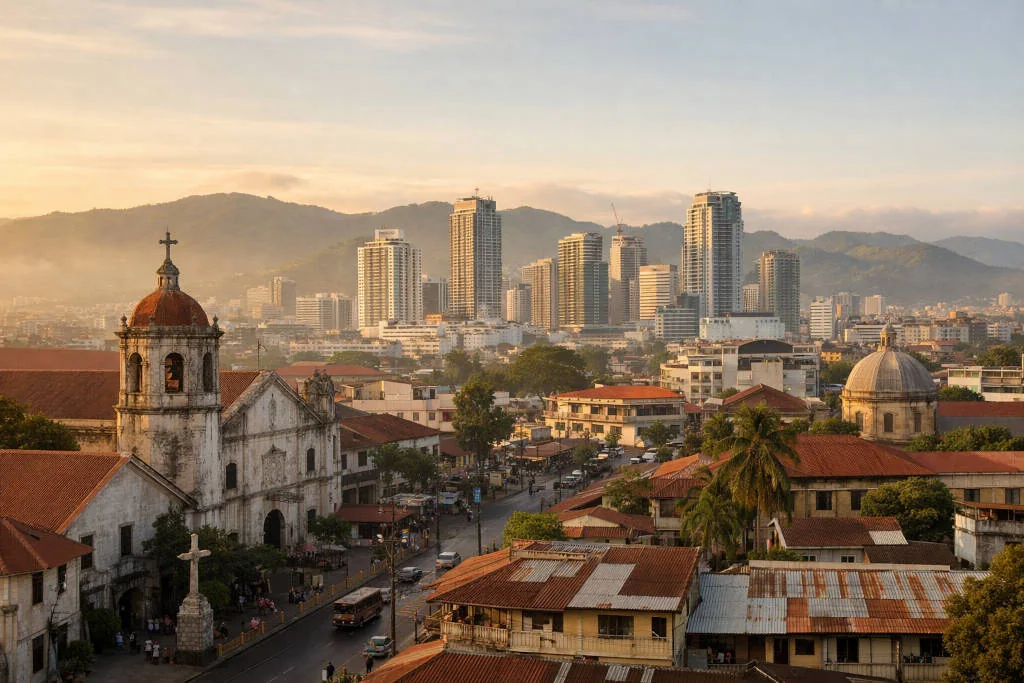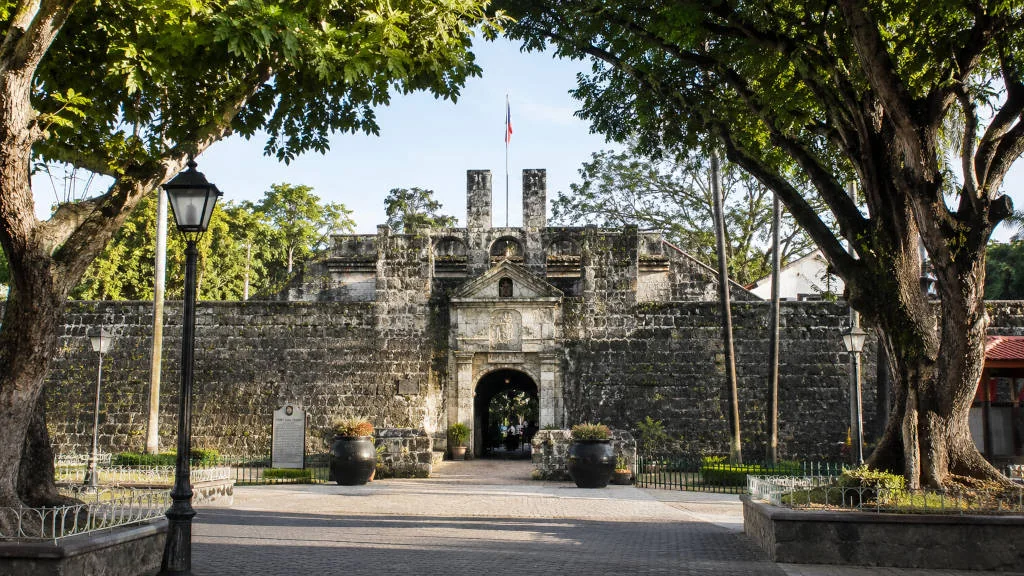
Fort San Pedro is one of those Cebu City stops that feels small at first, then slowly makes sense once you place it within the rhythm of the city. It is not a sprawling ruins complex or an all-day museum.
It is a compact Spanish-era fort beside Plaza Independencia, close to some of the most familiar Cebu City heritage sites, and best enjoyed as a calm pause between heavier sightseeing stops.
For first-time visitors, Fort San Pedro works best when expectations are clear. You come for the old stone walls, the quiet courtyard, a quick walk along the ramparts, a few historical displays, and a sense of how colonial Cebu once faced the sea.
You do not need to block off a whole afternoon. In many itineraries, Fort San Pedro is most useful as a short, grounding stop that adds texture to a Cebu City day without making the schedule feel overloaded.
This guide focuses less on memorizing dates and more on the practical questions travelers actually ask: what to expect, how long to spend, when to visit, how to get there, and whether Fort San Pedro is worth it when your Cebu City itinerary is already full.
What Fort San Pedro Is And Why It’s Still Worth A Short Stop
Fort San Pedro is a triangular stone fort in Cebu City, often introduced as one of the oldest Spanish-era forts in the Philippines. It sits near Plaza Independencia and the waterfront area, making it easy to pair with nearby landmarks like Basilica Minore del Santo Niño and Magellan’s Cross.
For readers planning a wider Cebu route, the Cebu destination guides on Bakasyon.ph are a helpful next step after mapping this heritage corner.
A Quick Historical Context Without Overexplaining
The fort began as a defensive structure during the Spanish colonial period and later took on different roles through the years. Today, it functions more as a heritage landmark than a dramatic fortress experience.
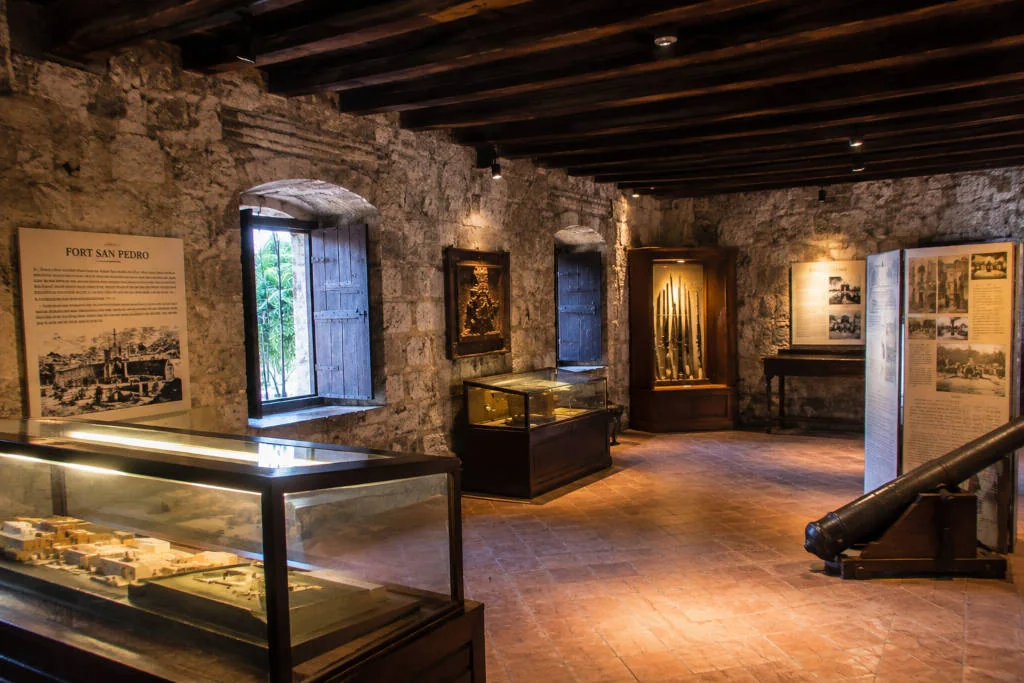
You will see thick stone walls, cannons, inner walkways, and modest displays that hint at Cebu’s layered past. For a basic historical overview before your visit, the Fort San Pedro background on Wikipedia gives a simple starting point.
Reality Check: Fort San Pedro is meaningful, but it is not a huge museum. The visit feels more like a heritage walk than a deep historical immersion, so it is best approached with curiosity rather than a packed checklist.
Why It’s Smaller Than Most People Expect
The biggest surprise for many visitors is the scale. Fort San Pedro is compact. From the entrance, you can already sense the courtyard, walls, and walking paths without needing a map.
This is part of its charm, especially in a city day that can feel hot, busy, and traffic-heavy. Instead of rushing through yet another big attraction, you can slow down, take photos, and let the old stone textures, leafy edges, and open courtyard breathe a little.
Because it is small, Fort San Pedro is also easy to include even on short itineraries. You can enjoy it before lunch, after visiting the Basilica area, or as a quick stop before moving toward the port, museum stops, or a café break.
What To Expect When You Visit Fort San Pedro
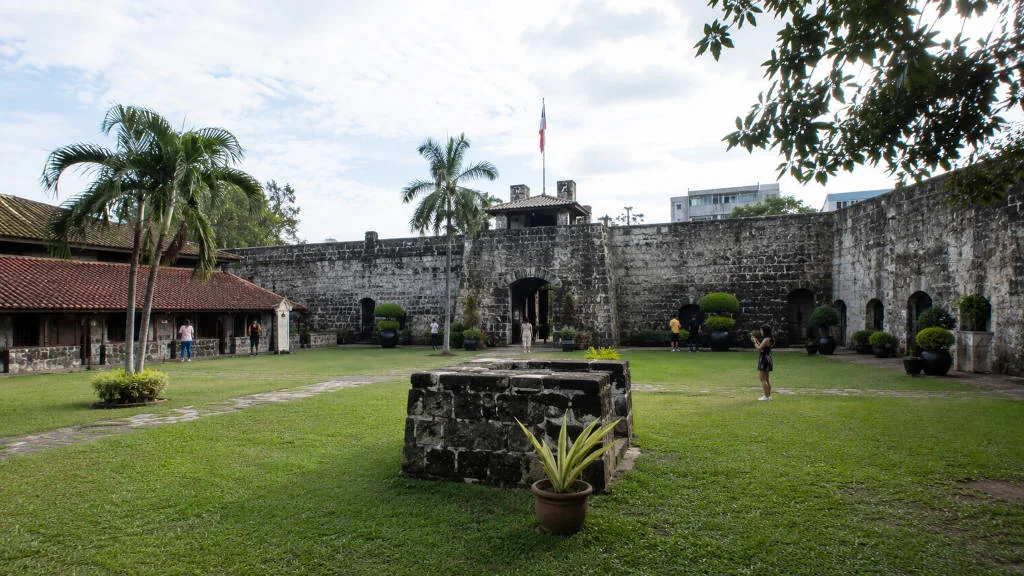 Visiting Fort San Pedro is straightforward. You enter through the main gate, step into the courtyard, and follow the natural flow around the inner space and walls.
The mood is quiet compared with busier religious and market areas nearby, especially on a good weekday morning.
Layout Of The Fort
The fort has a central courtyard surrounded by stone walls and walkable sections. You can expect grassy areas, old cannons, thick coral-stone textures, archways, and small rooms or exhibit areas depending on what is open during your visit.
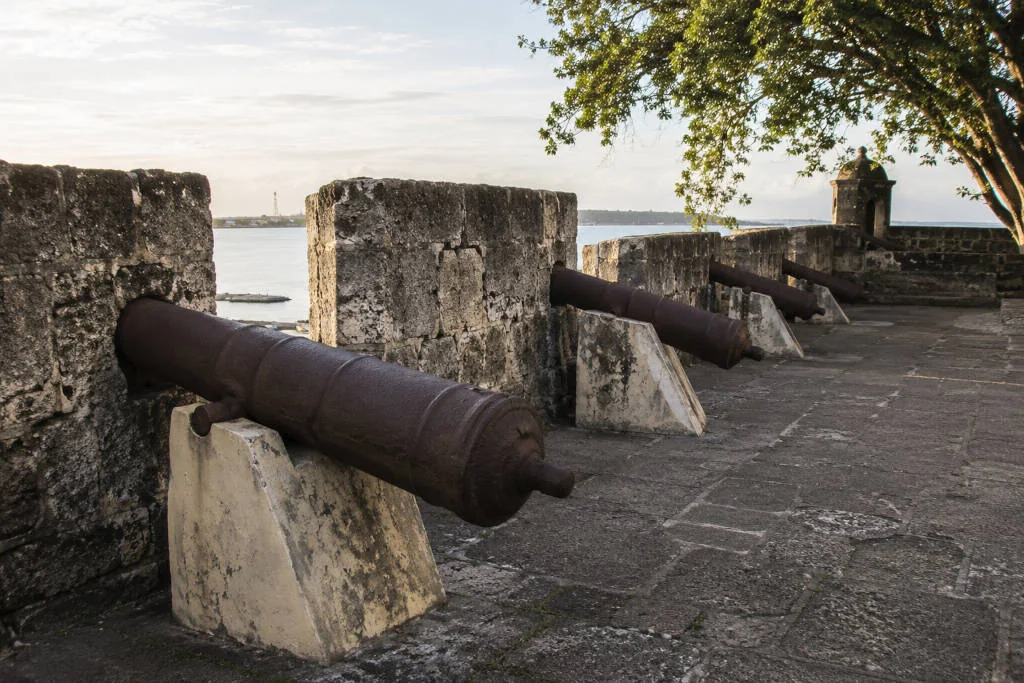 It is the kind of place where you notice details slowly: shadows on the wall, carved openings, worn steps, and the contrast between old stone and modern Cebu City just outside.
For travelers interested in Cebu City heritage sites, Fort San Pedro adds a different tone from the Basilica. The Basilica is devotional and alive with prayer, candles, and movement, while the fort is quieter and more architectural.
Together, they give a fuller sense of the city’s history.
Walking Conditions, Shade, And Seating
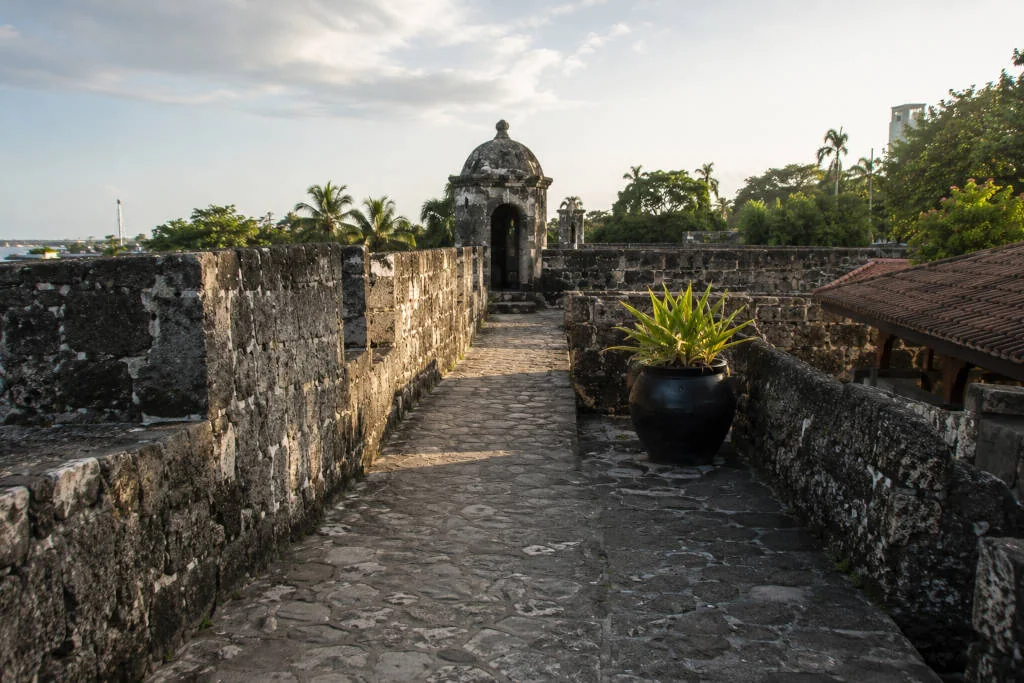 The walking is light, but the heat can make it feel heavier than expected. Wear comfortable sandals or sneakers because some surfaces may be uneven.
The courtyard can be bright, while shaded areas appear around walls, trees, and interior sections. Seating is limited, so do not treat Fort San Pedro as a long rest stop unless you are comfortable standing or slowly moving around.
Reality Check: Midday sun in Cebu City can feel intense, even for a short visit. Bring water, use a fan or umbrella, and avoid rushing the wall walk if the stone surfaces feel warm under direct sun.
Photo Expectations Vs Reality
Fort San Pedro photographs best when you lean into its quiet, old-world details rather than expecting grand castle drama. The entrance gate, courtyard, cannons, walkway, and stone walls are the strongest photo spots.
Early or late light helps soften the scene, while midday can create harsh shadows.
For portraits, keep them natural: walking along the wall, pausing near a cannon, or standing under a leafy corner near Plaza Independencia. The best photos here feel relaxed, not overly posed.
How Long You Actually Need
The sweet spot for Fort San Pedro is usually between 30 and 60 minutes, depending on your pace and interest in photos. It is not a place where most travelers need half a day, but it also deserves more than a rushed five-minute look if you are already nearby.
Fast Visit: 20–30 Minutes
A fast Fort San Pedro visit works if you are on a tight Cebu City itinerary. In 20 to 30 minutes, you can enter, walk through the courtyard, see the walls and cannons, take a few photos, and get a quick sense of the place.
This is enough if you are mainly pairing it with Magellan’s Cross and Basilica Minore del Santo Niño.
Slower Visit: 45–60 Minutes
A slower visit is better if you enjoy photography, architecture, or quiet heritage spaces. With 45 to 60 minutes, you can explore the walkways at a gentler pace, read displays, compare angles, and spend a few moments outside near Plaza Independencia.
This also gives you breathing room if the weather is hot or if you are visiting with family.
When It Starts To Feel Repetitive
Fort San Pedro can start to feel repetitive after an hour if you are not deeply into history or photography. The layout is simple, and the main features repeat visually: walls, courtyard, cannons, and stone paths.
That is not a flaw; it simply means this landmark is best used as a meaningful short stop, not the centerpiece of your entire day.
Reality Check: Visitors who expect a large museum may leave underwhelmed. Visitors who expect a compact Spanish-era fort with atmosphere usually appreciate it more.
Best Time To Visit Fort San Pedro
The best time to visit Fort San Pedro is usually morning or late afternoon. Cebu City can be humid, and even a short heritage walk feels better when the light is gentler and the air is less punishing.
Morning Vs Midday Vs Late Afternoon
Morning is ideal if you want cooler air, lighter crowds, and a cleaner start to your Cebu City day. It pairs naturally with Basilica Minore del Santo Niño and Magellan’s Cross because all three are close enough to combine without complicated transfers.
For a deeper nearby stop, use this Basilica Minore del Santo Niño Cebu City guide to plan the order properly.
Midday is the least comfortable time because the heat can flatten your energy. Late afternoon is prettier for photos, especially around the exterior walls and Plaza Independencia, but you should avoid arriving too close to closing time.
Heat And Shade Considerations
Bring water even for a short Fort San Pedro visit. A cap, small umbrella, or handheld fan can make the walk more pleasant.
If rain clouds roll in, the visit may still be manageable because it is short, but outdoor photos and wall walks become less appealing. For seasonal planning around heat and rain, the Philippines weather travel guide can help you choose the best travel window.
Crowd Patterns And Weekends
Weekdays are usually calmer. Weekends, holidays, and school activity days can bring more people, especially around nearby landmarks.
Fort San Pedro rarely feels as crowded as major religious sites, but the small layout means even moderate groups can make the courtyard feel busy.
Reality Check: If you want clean photos, arrive earlier and be patient. The fort is compact, so waiting a minute for a group to move can make a big difference.
How To Fit Fort San Pedro Into Your Cebu City Day
The easiest way to enjoy Fort San Pedro is to treat it as one piece of a heritage cluster. It sits close to Plaza Independencia, the Basilica, and Magellan’s Cross, so you can build a half-day route that feels full without becoming exhausting.
Pairing With Basilica Del Santo Niño And Magellan’s Cross
A classic flow is Basilica Minore del Santo Niño, Magellan’s Cross, then Fort San Pedro. Start with the Basilica while energy is high, continue to Magellan’s Cross for the symbolic photo stop, then use Fort San Pedro as a quieter ending.
This order moves from devotion to icon to heritage space, which feels natural for first-time visitors.
You can also reverse it by starting at Fort San Pedro in the morning, then walking or taking a short ride toward the Basilica area. This works if you want the fort photos before the sun gets harsh.
Using It As A Short Buffer Stop Between Bigger Activities
Fort San Pedro is excellent as a buffer stop. It can sit between a hotel checkout and lunch, between the Basilica area and a museum, or before heading to the port.
Because the visit is short, it adds value without creating the pressure of a major attraction.
For a larger first-time route, the Cebu City 3-day itinerary for first-timers can help you decide where Fort San Pedro fits without squeezing too much into one day.
Sample Half-Day Flow Without Overpacking
Start with breakfast near your hotel, then head to Basilica Minore del Santo Niño in the morning. Visit Magellan’s Cross next, keeping the stop short and mindful of crowds.
From there, continue to Fort San Pedro for 30 to 45 minutes, then step outside toward Plaza Independencia for shade, photos, or a quiet reset before lunch.
Reality Check: Cebu City traffic can stretch short distances, especially around downtown roads. Keep the plan loose and avoid stacking too many far-apart stops after this heritage cluster.
Entrance Fee, Opening Hours, And Practical Info
 Fort San Pedro is usually a budget-friendly stop, but fees and hours can change. Treat any amount you see online as a planning estimate, then check the posted rate when you arrive.
Updated Fee Expectations
Expect a modest entrance fee rather than a major attraction price. Bring small bills because smaller heritage sites are often easier when you can pay exact or near-exact amounts.
Students, seniors, children, or local residents may sometimes have different rates depending on current rules, so bring a valid ID when applicable.
Typical Opening Hours
Typical public visiting hours are usually daytime into early evening, but opening hours can shift for maintenance, local events, holidays, or government activities. Before building your day around Fort San Pedro, it is sensible to check official local updates through the Cebu Provincial Government website or verify with your hotel on the morning of your visit.
Nearby Facilities And Comfort Notes
Plaza Independencia is right outside, giving the area a more open feel. Nearby streets can be busy, so plan comfort breaks before arriving if you are traveling with kids or older family members.
Bring water, sun protection, and enough cash for small purchases or transport.
Reality Check: Do not expect polished mall-level facilities. Fort San Pedro is a heritage stop, so comfort is simple and practical rather than resort-like.
How To Get There: Simple And Low-Stress Options
Getting to Fort San Pedro is not complicated, especially if you are already in central Cebu City. The best transport option depends on your comfort level, budget, and how much heat you want to deal with between stops.
Jeepney And Short Rides
Jeepneys are the budget option, but routes can feel confusing if it is your first time in Cebu City. Ask your hotel, a guard, or a local staff member which route passes near Plaza Independencia or the Basilica area.
For travelers still learning local transport, this Philippines public transport guide covering buses, jeepneys, and ferries gives useful context before you ride.
Taxi And Grab Expectations
Taxi or Grab is the easiest low-stress choice, especially in hot weather or when traveling with family. Just pin Fort San Pedro or Plaza Independencia and expect some traffic near downtown roads.
For short city hops, the fare may be worth it if it saves energy for the rest of your day.
Walking From Nearby Landmarks
Walking from nearby landmarks is possible, especially from the Basilica and Magellan’s Cross area, but consider the heat, traffic crossings, and your group’s pace. A short walk can feel pleasant in the morning and tiring at noon.
Use shaded sides of the street when available and avoid carrying too much.
Reality Check: Distances may look close on a map, but Cebu City heat changes the experience. Choose comfort over forcing every transfer on foot.
Is Fort San Pedro Worth It For Your Trip?
Fort San Pedro is worth visiting if you are already exploring downtown Cebu City, especially if you enjoy heritage stops that are short, atmospheric, and easy to understand. It gives your itinerary a sense of place without demanding too much time or energy.
When It’s A Good Fit
Fort San Pedro is a good fit for first-time Cebu visitors, history-curious travelers, families, photographers, and anyone building a half-day around Cebu City heritage sites. It is also ideal if you want something calmer after the movement and devotion around Basilica Minore del Santo Niño.
It works especially well when you want a stop that is meaningful but not overwhelming. You can see the Spanish-era fort, walk the courtyard, take photos, and continue with your day feeling like you added a thoughtful Cebu layer.
When You Can Skip It
You can skip Fort San Pedro if your Cebu schedule is extremely tight and you are prioritizing beaches, canyoneering, whale shark tours, mountain viewpoints, or food crawls outside the downtown area. You can also skip it if you dislike small heritage sites or expect a large, interactive museum.
Still, for most travelers already near Plaza Independencia, Fort San Pedro is easy to justify. Keep the visit short, go at the right time of day, and pair it with nearby landmarks instead of treating it as a standalone highlight.
In that role, Fort San Pedro becomes exactly what a good city stop should be: simple, textured, memorable, and light enough to leave space for the rest of Cebu.