There’s a particular stillness that greets you inside Intramuros Manila — a kind of hush that feels out of place in the chaos of the modern city outside its walls. The first time I walked through its stone gates in the soft morning light, I felt like I was stepping through centuries. Every cobblestone, every rusted lantern, every echo of a church bell seemed to whisper fragments of the past. Intramuros Manila is more than a district; it’s the city’s soul, preserved within walls that have witnessed conquest, faith, and rebirth.
Morning in Intramuros: Where Time Stands Still
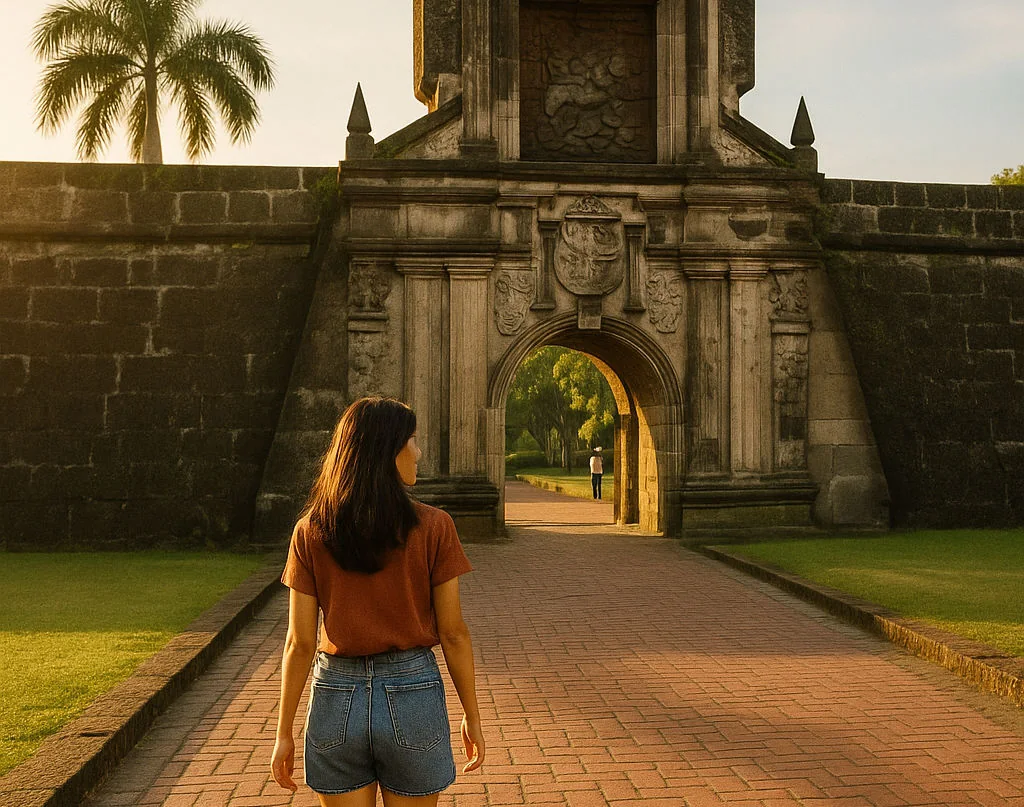
 I entered through the gate of Fort Santiago, where history greets you with a mix of grandeur and gravity. The air smelled faintly of damp stone and frangipani, and the sunlight filtered through mango trees that have likely seen centuries come and go. Standing at the arched entrance, I felt a quiet reverence. This fortress, built by the Spanish in the late 1500s, once guarded the city and its people — and later, imprisoned national hero José Rizal before his execution in 1896.
Inside the fort, I followed the path toward Rizal Shrine, where his final steps are immortalized in bronze footprints that lead to the site of his cell. The museum inside his old quarters displays letters, sketches, and personal belongings — all silent witnesses to a mind that shaped a nation. As I stood by the small window overlooking the Pasig River, I imagined Rizal gazing out at the same view more than a century ago, his thoughts already turning toward freedom.
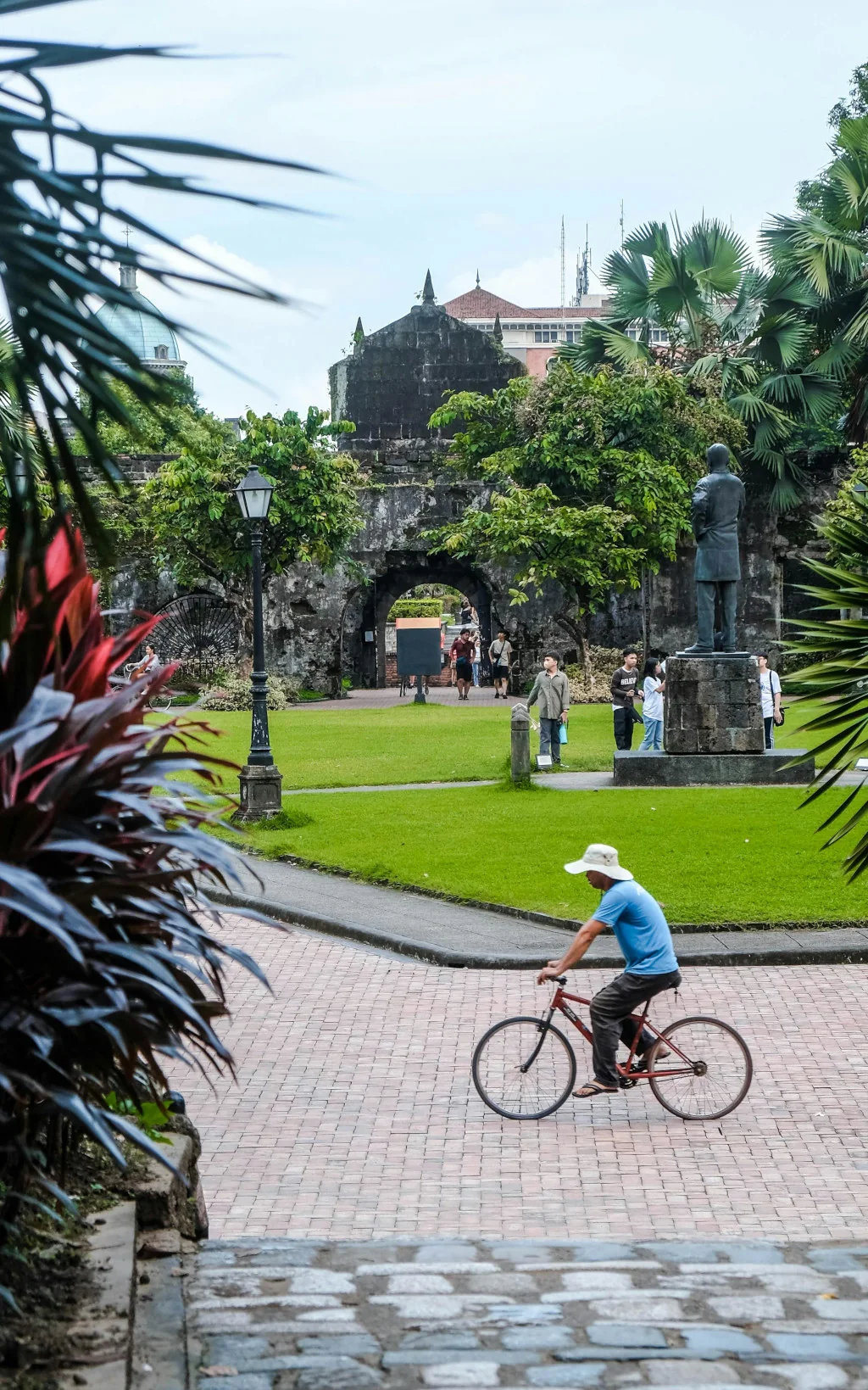
Leaving the fort, I walked along cobblestone streets lined with horse-drawn kalesas and colonial-style houses. The rhythmic clop of hooves on stone blended with the laughter of students and the distant hum of church bells. This is what I love most about Intramuros Manila — the way it carries the past and present in perfect harmony.
Echoes of Faith: The Heart of Old Manila
Faith is at the very center of Intramuros. It’s impossible to walk its streets without feeling the pull of its churches — silent sentinels that have stood through earthquakes, wars, and reconstruction. My next stop was the San Agustin Church, the oldest stone church in the Philippines and a UNESCO World Heritage Site. Its massive wooden doors opened to reveal an interior gilded in gold and marble, its ceiling painted with trompe l’oeil frescoes that seem to lift the heavens themselves.
I sat quietly in one of the pews as the morning light streamed through stained glass, illuminating centuries of devotion. This church has survived fires, shelling, and even the Battle of Manila — a symbol of resilience and faith that mirrors the Filipino spirit. In the adjoining museum, I wandered through galleries of religious art and old manuscripts, each piece telling stories of belief, craftsmanship, and endurance.
Just a short walk away, Manila Cathedral rises proudly with its Romanesque façade and gleaming towers. Rebuilt seven times since its founding, the current structure stands as a monument to perseverance. When I entered, the organ was playing softly, and tourists moved with quiet awe under its soaring arches. I lit a candle near the altar — a small gesture of gratitude for a city that has survived so much and still finds ways to shine.
Art and Everyday Life: Living Museums of Intramuros
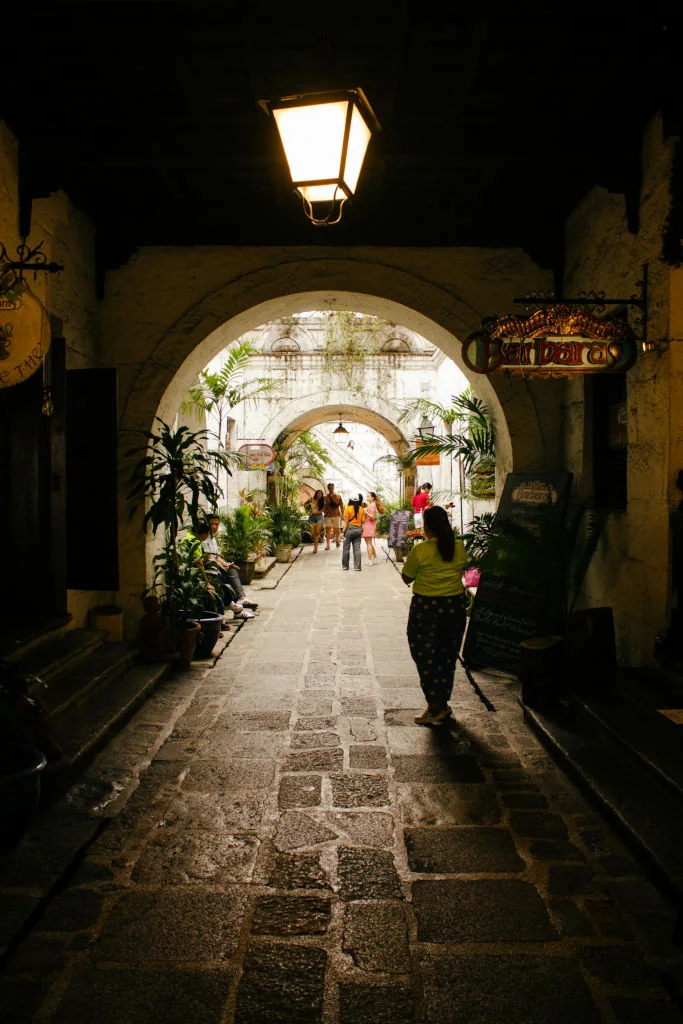 After leaving the cathedral, I crossed the street to Casa Manila, a reconstructed Spanish colonial home that offers a glimpse into 19th-century life. The creak of wooden floors, the scent of polished narra furniture, and the play of sunlight through capiz shell windows made it easy to imagine what life might have been like for Manila’s upper class during the colonial era. I lingered in the courtyard, where a trickling fountain and bougainvillea vines added a touch of serenity to the stone surroundings.
Nearby, the Museo de Intramuros offered a more expansive look at the art and artifacts that shaped Filipino faith and identity. Sacred sculptures, retablos, and antique santos lined its galleries, but what struck me most were the details — the worn paint on a wooden statue’s robe, the fine stitching on a vestment sewn centuries ago. Each piece carried the weight of devotion, artistry, and time.
Outside the museum, small art spaces and souvenir shops have begun to flourish. I found one tucked behind an old stone wall, run by young artists selling handmade prints and crafts inspired by Intramuros Manila itself. It’s heartening to see creativity blooming amidst the ruins — a living continuation of the city’s artistic legacy.
Walking Through Time: Bamboo Bikes and Stories from the Street
By early afternoon, I joined a Bambike Ecotour, one of the most unique ways to explore Intramuros Manila. The bikes, made from locally grown bamboo, are handcrafted by a social enterprise that employs artisans from Gawad Kalinga communities. As our small group pedaled through sun-dappled streets, our guide shared stories that bridged history and modern life — from the city’s Spanish beginnings to its wartime scars and its ongoing revival.
We stopped at the Baluarte de San Diego, a centuries-old bastion turned into a lush garden. Standing on the ramparts, I looked out over the city’s skyline — church spires and glass towers rising together — and felt a powerful sense of continuity. Despite everything it’s endured, Intramuros Manila remains a heartbeat of heritage amid a modern metropolis.
As we continued toward Plaza Roma, the rhythmic click of our bicycles echoed across stone walls. Children waved from doorways, couples posed for photos in traditional attire, and the scent of roasted coffee drifted from a café nearby. History here isn’t just preserved; it’s lived, breathed, and constantly retold.
Café Hopping and Sunset Reflections
No day in Intramuros Manila is complete without merienda. I made my way to Barbara’s Heritage Restaurant, where traditional Filipino dishes are served under antique chandeliers. I ordered a cup of tsokolate batirol — thick, bittersweet, and served with pan de sal — the kind of comfort that pairs perfectly with nostalgia. Across the street, Batang 9 De Pebrero Café offered a more modern vibe, with art-lined walls and barako lattes infused with muscovado sugar.
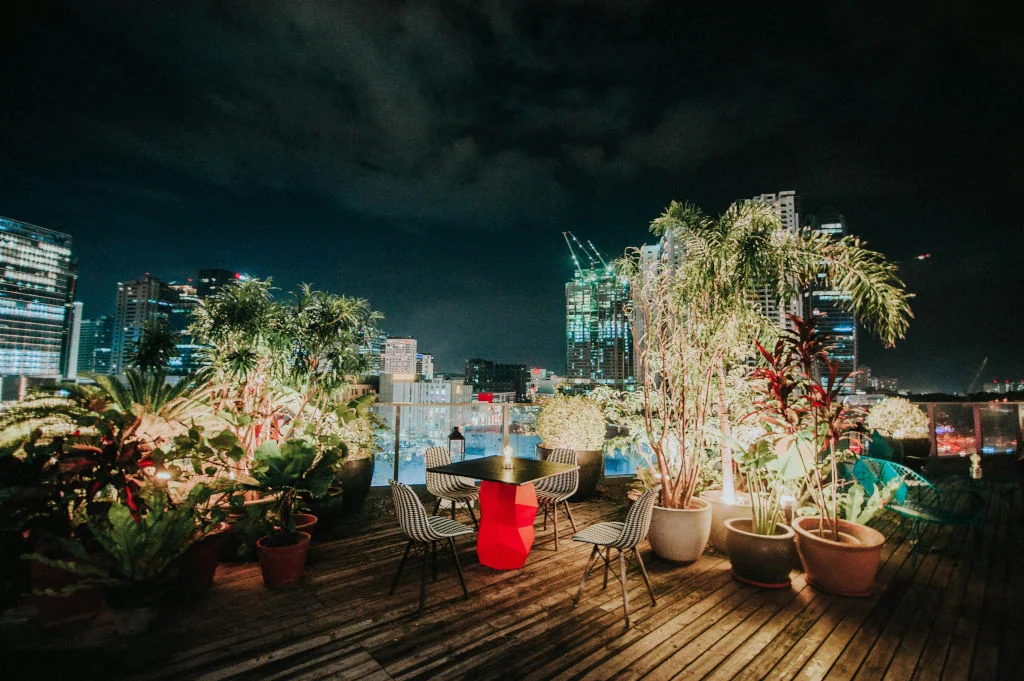
As the afternoon faded, I climbed up to La Cathedral Café, perched on a rooftop overlooking Manila Cathedral. The view was breathtaking — the domes bathed in gold, the sky deepening into violet, and the hum of evening mass rising below. I stayed until the city lights flickered on and the air grew cool, reflecting on the day that had unfolded like a history book brought to life.
Before leaving, I walked one last time through the cobbled streets. The sound of distant singing floated from a nearby chapel, mingling with the soft rattle of carriages. In that quiet twilight, Intramuros Manila felt both ancient and alive — its stones holding stories yet to be told.
Why Intramuros Endures
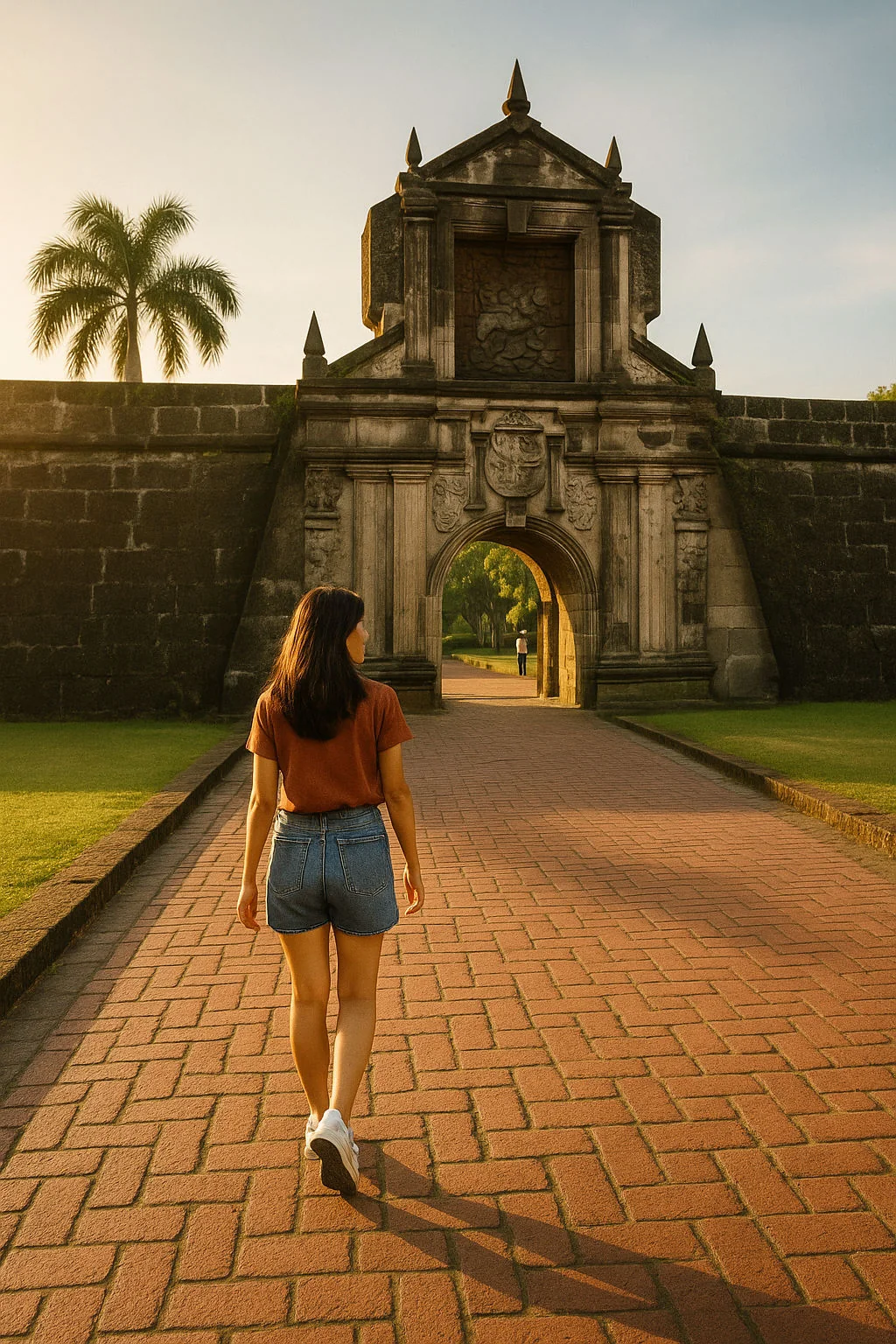 Walking through Intramuros Manila is to walk through layers of identity — Spanish, Filipino, colonial, revolutionary, modern. It’s where faith meets art, where architecture carries memory, and where culture continues to evolve. What moves me most is how the walled city, once a symbol of control and division, now stands as a place of connection — between past and present, between history and hope.
For anyone visiting Manila, Intramuros isn’t just a stop on an itinerary. It’s an experience of rediscovery — of what it means to be Filipino, and how our stories, though scarred, remain beautiful. The walls may be old, but the spirit inside them feels timeless.
To explore more Manila destinations, check out 33 Best Things to Do in Manila – Unforgettable Experiences in the Heart of the Philippines, or plan your own walking or biking tour through the Intramuros Administration for the latest schedules and cultural events.
Intramuros Manila endures because it mirrors us — resilient, creative, and faithful. In every stone and shadow, it reminds us that history is not just something we study, but something we live. And as I walked away under the fading Manila sky, I knew I’d carry a piece of it with me — the heart of a city that never forgets.