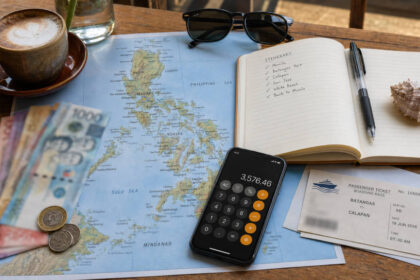
Planning Manila to Cebu City can look easy on paper. One option is fast and familiar. The other can feel slower, roomier, and sometimes gentler on heavy luggage. But the choice becomes clearer once you look beyond the headline travel time and think about the small details that shape the day: getting to the terminal, lining up, paying for bags, waiting through announcements, and reaching your hotel after arrival.
This guide stays focused on what travelers actually need to decide. For most people, the direct flight is the practical winner. Still, the direct ferry can make sense for travelers who are flexible with time, want a slower pace, or feel more comfortable with larger baggage allowances. The key is to compare the full trip, not just the aircraft time or sailing time listed on a booking page.
Manila to Cebu City: Best Option for Most Travelers
Best time window: Early morning departures usually feel less stressful because you have more room for delays later in the day.
Realistic travel time: A flight often becomes a 5 to 8 hour door-to-door trip, while a direct ferry is usually a full-day-plus commitment.
Budget band: Flights can be great value if booked early, but the final total climbs once bags and transfers are added. Ferries can look reasonable for travelers who need more luggage or a berth.
Crowd and traffic risk: NAIA traffic and queues are real, while ferry travel brings longer waiting and more schedule uncertainty.
Rain or heat backup: Keep at least one flexible buffer on either end of the trip, especially during heavy rain months and holiday peaks.
Reality Check: On Manila to Cebu City, the lowest-stress option is not always the cheapest headline fare. Tiny add-ons and terminal friction can change the experience fast.
Best for speed
Flying wins, easily. The actual flight is short, and even after check-in, security, boarding, and city transfers, it is still the only realistic option for people who want to leave in the morning and settle into Cebu City the same day with energy left.
Best for lowest friction
For most travelers, the flight is still lower friction. Airports can be tiring, but the routine is familiar and the route is frequent. If your schedule matters, if you are traveling with children, or if you do not want your trip to stretch into more than a day, the flight is the clearer choice.
Best for bigger baggage or slower travel
The ferry becomes worth considering if you are not in a rush, want to bring more things, or simply prefer a slower transit rhythm. A berth can feel easier than guarding cabin bags through a busy airport day. For some travelers, the ferry feels less rushed even if it takes much longer.
What “Travel Time” Really Means on This Route
When travelers compare Manila to Cebu City, they often compare only the shortest number on the screen. That number is useful, but it is not the full story. What matters is the time from your actual starting point in Metro Manila to your actual hotel in Cebu City.
Reality Check: A short route can still feel long when you add traffic, queues, waiting time, and the mental load of not wanting to miss a departure.
Door-to-door vs headline flight time
The headline flight time is only part of the day. Add travel to the airport, airline check-in cutoffs, security, boarding, waiting at the gate, disembarking, baggage claim, and the trip from Mactan-Cebu International Airport into Cebu City. For many travelers, a direct flight that looks like roughly an hour and a half in the air becomes more like 5 to 8 hours door to door, depending on where in Metro Manila you start and where in Cebu City you stay.
Door-to-door vs headline sailing time
The ferry demands a different mindset. The sailing itself can take around a day or more depending on the vessel and schedule, and the full trip stretches further once you add port check-in, waiting, boarding, possible schedule adjustments, disembarkation, and onward transport. In practical terms, many travelers should think of it as a 26 to 36 hour journey, sometimes longer if weather or operational changes get in the way.
Option 1: Flying from Manila to Cebu City
 For most readers planning Manila to Cebu City, the direct flight is the best all-around answer. It preserves vacation time, makes hotel check-in easier, and gives you more flexibility if something goes wrong because there are usually more replacement options than on a ferry route.
Reality Check: The flight only feels easy if you plan for baggage, airport timing, and transfer costs before travel day. A cheap fare can turn stressful when every small decision is left for the last minute.
Realistic door-to-door time
A comfortable planning estimate for a flight is half a day, not a quick hop. From central Metro Manila, getting to the airport can take anywhere from manageable to draining depending on traffic and departure time. Add early arrival for check-in, then the usual airport flow, then the transfer from the airport to Cebu City hotels. If everything runs smoothly, it can feel efficient. If traffic or airport queues stack up, it still usually beats the ferry by a wide margin.
Cost components to budget for
Because airfares move constantly, it helps to think in planning bands instead of exact live prices. A tempting base fare can grow once you add a checked bag, seat selection, airport food, and transport on both ends. A realistic one-way total for many travelers often lands in a mid-range band rather than the super-low number shown in a promo ad. Families and travelers with large bags should price the trip using the total cost, not the starting fare.
A simple formula works well: base fare + baggage + seat if needed + payment fee if any + airport transfer in Manila + airport transfer in Cebu. Once you total those, flying often still wins on value because it saves an extra night, extra meals, and a full day of travel time.
Where to buy tickets and what to save
The safest habit is to buy from the airline’s official website or official app, then save everything right away. If you use a large booking platform, read the fare rules carefully before paying, especially the rebooking and baggage sections. Save the booking confirmation, reference number, exact passenger name, baggage allowance, and any add-ons you already paid for. Screenshot them and also keep them in one email folder so you are not hunting through your phone at the check-in counter.
Baggage rules and airport friction
This is where many cheap fares stop feeling cheap. Check your cabin bag size and weight, not just the number of bags allowed. Weigh checked luggage at home if you can. Save proof of prepaid baggage. Wear something comfortable for queueing, and keep your ID and booking details easy to reach. If you are carrying gifts, gadgets, or food, pack in a way that keeps screening simple rather than dramatic at the tray table.
Option 2: Taking the Ferry from Manila to Cebu City
 The direct ferry is the more unusual choice on this route, but that does not mean it is the wrong one. It suits travelers who are flexible, do not mind the longer transit, and want a trip that feels slower and less compressed than an airport day. It can also appeal to people who care more about luggage room and sleeping space than speed.
Reality Check: Ferry travel asks for patience. Even when the mood is calmer, the schedule is less forgiving if disruptions happen because replacement options may be fewer.
Who this suits best
The ferry works best for travelers with more time than urgency. It can suit students on flexible schedules, long-stay travelers, people transporting more belongings, and anyone who simply dislikes the pace of airports. It is also worth a look if an overnight berth feels more comfortable to you than a rush of traffic, check-in cutoffs, and airport waiting.
Realistic total time
Do not think of the ferry as a budget shortcut. Think of it as a different kind of trip. The ferry usually means at least a full day of travel, often more once you count check-in time, boarding, the sailing itself, and arrival processing. If weather turns or operational changes happen, the long trip becomes longer. That does not make it bad. It simply means your schedule needs breathing room.
Where to buy tickets and what to save
Buy from the ferry operator’s official sales channels or an authorized ticketing partner with clear passenger support. Confirm that you are booking the correct date, berth type, and passenger details. Screenshot the booking reference, sailing date and time, vessel name if listed, terminal or pier details, baggage terms, and any messages about check-in windows. Ferry travel feels much calmer when those details are already saved offline.
Baggage rules and port friction
The ferry can be friendlier to bulkier luggage, but it brings its own friction. You may carry bags farther than expected, wait in a crowded holding area, and deal with changing instructions. Label your bags clearly and keep valuables, IDs, medicines, chargers, and one change of clothes in a smaller bag that stays with you. The port experience is less about strict speed and more about being organized enough that a long wait does not become chaotic.
Flight vs Ferry: Time, Cost, Comfort, and Risk of Disruption
Once you compare both versions of Manila to Cebu City side by side, the decision becomes simpler. The flight usually wins for speed and overall convenience. The ferry can still be the better fit for a smaller group of travelers who value luggage room, a slower rhythm, or the experience of overland-and-sea movement more than fast arrival.
Reality Check: There is no perfect option. The best choice is the one that matches your time budget, baggage load, and tolerance for uncertainty.
Cheapest
The cheapest headline fare can come from either side depending on season, promo timing, and berth type, but the all-in total matters more. A budget flight can stop looking cheap after luggage and transfers. A ferry berth can stop looking cheap after meals, port transfers, and the value of the extra time spent in transit. For many travelers, early-booked flights still offer the strongest value once total cost and saved time are combined.
Fastest
The direct flight is the fastest by a huge margin. Unless you specifically want the ferry experience, speed is not really a contest on this route.
Least stressful
For most people, the least stressful option is still the direct flight because it reduces the total number of hours in transit. The ferry can feel gentler in the moment, especially if you have a berth and more baggage room, but it asks for more patience and more flexibility if plans change.
Best for travelers with more luggage
The ferry often deserves a serious look if luggage is the deciding factor. But before choosing it, total the true value of the extra time you will spend traveling. If you are building a longer Philippines itinerary, it may also help to read Bakasyon’s Manila travel guide with culture, chaos, and hidden charms, consider a 24-hour low-stress Manila buffer plan, explore the food connection in these Filipino street food diaries from Manila, Cebu, and Davao, and browse more planning reads in the Tips and Inspiration hub.
What to Screenshot or Save Before Travel Day
One well-organized phone album can remove a surprising amount of stress before you leave home. Save every document in advance, then make sure you can still access it with weak signal or no data.
Reality Check: The moment you need a reference number is often the moment your signal is weakest or your email app decides to refresh slowly.
Booking confirmation and reference number
Screenshot the full confirmation, not only the pretty first page. Keep the booking reference, passenger name, date, time, route, and any paid add-ons visible in one image sequence. For airport details, it also helps to check the NAIA official airport information before you leave and review the Mactan-Cebu International Airport official guide for arrival orientation.
ID match, baggage proof, payment proof, terminal details
 Make sure the passenger name on your booking matches your ID closely enough to avoid awkward counter conversations. Save baggage purchase proof, payment proof, and terminal or pier details. These are the screenshots that solve the most common check-in problems quickly.
Offline copies for weak signal moments
Keep screenshots in your photo gallery, save PDFs offline, and send yourself a simple text note with your booking code, departure time, and terminal. If you are traveling with someone, share the same files with them too. Redundancy is not overthinking. It is peace of mind.
Backup Plan for Delays, Cancellations, and Reschedules
Even a well-planned Manila to Cebu City trip can wobble at the last minute. The calmest travelers are usually not the lucky ones. They are the ones who already know what they will do next.
Reality Check: The backup plan matters most when you are tired, hungry, and tempted to make expensive decisions too quickly.
If your flight is delayed or cancelled
First, save every notification and look for official rebooking options before buying a new ticket in a panic. Check whether your baggage, seat, or paid add-ons carry over. If the next available flight pushes you late into the evening, compare the cost of waiting at the airport with staying overnight and flying early the next day. An overnight reset can be less stressful than forcing a messy same-day fix.
If your ferry is delayed, cancelled, or rescheduled
Ferry changes can stretch longer, so protect your first night in Cebu as much as possible. Message your hotel, ask what happens to your booking if you arrive late, and keep your arrival day light. Avoid scheduling anything non-refundable immediately after a ferry arrival unless you are comfortable with risk.
When to rebook, when to stay overnight, and what to keep flexible
Rebook quickly when the replacement gets you into Cebu City at a sensible hour and does not create bigger transfer problems. Stay overnight when the remaining same-day options are expensive, confusing, or likely to leave you exhausted on arrival. Keep your first-night accommodation, airport or port transfer, and first major activity flexible whenever possible. That one decision can make the trip feel much kinder.
Arriving in Cebu City Without Extra Stress
The final stretch is short, but it still shapes your first impression. After a flight or ferry, the easiest arrival is the one with the fewest decisions.
Reality Check: Cebu traffic can be slow at busy hours, so a short distance on the map does not always mean a quick hotel check-in.
From the airport to Cebu City hotels
 From Mactan-Cebu International Airport, the simplest options are usually a metered or airport taxi, a prearranged hotel pickup, or a ride-hailing app if conditions are smooth. If you are carrying multiple bags, choose the least complicated option rather than the absolute cheapest one. Arrival is usually smoother when you already know your hotel address, pin location, and backup contact number.
From the port to Cebu City hotels
 From the port, the same principle applies: reduce decisions. Confirm your hotel pin, have small cash ready if needed, and avoid wandering while comparing too many choices with heavy bags. If you arrive by ferry, you may feel more tired than expected, so choose convenience over tiny savings.
A simple first-hour checklist after arrival
Open your phone, confirm signal or Wi-Fi, message one person that you arrived, check your hotel route, and buy water before starting the last transfer. If you have an early activity the next day, set out clothes, chargers, and IDs as soon as you reach your room. The best Manila to Cebu City plan is the one that still feels manageable after delays, traffic, and a long travel day. For most travelers, that means taking the direct flight, saving every key document, and keeping just enough flexibility to stay calm when the route gets real.