 Compare airport transfer options → A reliable Philippine ferry travel advisory helps distinguish rough forecasts from actual sailing restrictions, carrier changes and ticket consequences. Conditions can shift quickly, so plan using current official warnings and the specific operator’s latest instructions rather than personal assumptions about the sea.
Ferry changes: what to save for the next booking
If a crossing changes, collect the details needed for the next transport decision before leaving the terminal.
- Ask the operator for the exact cancellation, rebooking or alternative-sailing instruction, including the applicable ticket terms.
- Check whether your onward flight, van or accommodation booking can be changed; a replacement ferry on the following day may not protect those reservations.
- Keep the ticket, receipts, operator notifications and relevant times in one place so the facts are available if you request a change.
For the complete journey sequence, see the ferry/RoRo explainer and the booking-check checklist. Only the operator and competent authorities can establish current departure or cancellation status.
Check ferry risk in this order before leaving for the port
A useful ferry advisory is a source sequence, not a single screenshot. Weather can be acceptable in one sea area and unsafe in another, while an operator can still cancel or move a departure for operational reasons.
| Check | What it tells you | Traveler action |
|---|---|---|
| PAGASA Gale Warning / severe-weather bulletin | Sea-state and wind risk for affected seaboards | Do not infer safety from sunshine at the terminal; check the actual route area |
| Philippine Coast Guard / port restrictions | Whether sailing is restricted or suspended under safety rules | Expect departures to stop when safety thresholds apply |
| Operator notice | Your exact sailing, vessel, terminal, or rebooking status | Confirm before committing to a long transfer to the port |
| Same-day terminal check | Late operational changes | Keep onward hotel/flight plans flexible until boarding is real |
PAGASA warns that sea travel can become risky for small craft during gale conditions, while larger-vessel operations still depend on vessel capability and official restrictions. Build a buffer around any ferry that connects to a fixed flight or international departure.
Why This Philippine Ferry Travel Advisory Matters
Ferries remain essential for exploring our archipelago, especially across Visayas and Mindanao. But shifting tides, unpredictable monsoons, and occasional cancellations remind us that planning ahead is non-negotiable. This Philippine ferry travel advisory helps travelers understand how weather systems shape schedules and why even seasoned commuters keep a close eye on conditions.
How Weather Shapes Every Philippine Ferry Travel Advisory
Ocean travel changes quickly with the season. Amihan brings cooler winds and calmer seas, while Habagat can stir swells that make operators cautious. A careful Philippine ferry travel advisory highlights that even short-distance routes may adjust timings when the water becomes choppy. Rain alone may not cause delays, but wind strength and wave height can prompt temporary suspensions.
Signs That Conditions May Change
Watch for changing forecasts, official marine warnings and terminal or operator announcements; clouds alone cannot establish whether the route is safe. When these appear, a Philippine ferry travel advisory typically urges travelers to expect possible schedule tweaks. Even if you’ve boarded, crew members may briefly halt departure to reassess the weather.
Before Boarding: A Philippine Ferry Travel Advisory Checklist
Relying on instinct alone isn’t enough—pre-departure checks make all the difference. Any thorough Philippine ferry travel advisory encourages reviewing your vessel’s operator, ticket guidelines, and current alerts. Many companies publish advisories early in the morning, especially during typhoon months.
Tickets, Documentation, and Practical Extras
Bring a valid ID, digital and printed copies of your ticket, and arrive at least an hour before boarding. A Philippine ferry travel advisory also reminds travelers to secure essentials: motion sickness tablets, a light jacket, and a waterproof pouch for electronics. Ports can get crowded during holidays, so early arrival avoids unnecessary stress.
During Boarding: A Philippine Ferry Travel Advisory on First Impressions
Once you step onto the vessel, pay attention to layout and safety features. Experienced travelers read the onboard signage as if following a friendly ferry travel advisory—checking exits, life vest stations, and crew instructions. These few minutes of awareness help you respond calmly if seas turn unpredictable later on.
Safety at Sea: A Philippine Ferry Travel Advisory for Rough Waters
Rough seas aren’t always dangerous, but they do require presence of mind. This ferry travel advisory recommends choosing a seat near the center of the vessel, where movement feels gentler. Keep your bag light enough to hold securely, and avoid standing up unnecessarily.
When the Waves Get Stronger
On a crossing from Surigao to Dinagat, I once felt the boat sway with noticeable rhythm. Passengers tightened their grip on their armrests, but the crew reassured us with steady voices. Moments like these underline why a ferry travel advisory emphasizes listening closely to crew announcements—they’re trained to navigate these conditions safely.
What to learn from disrupted Visayas and Mindanao crossings
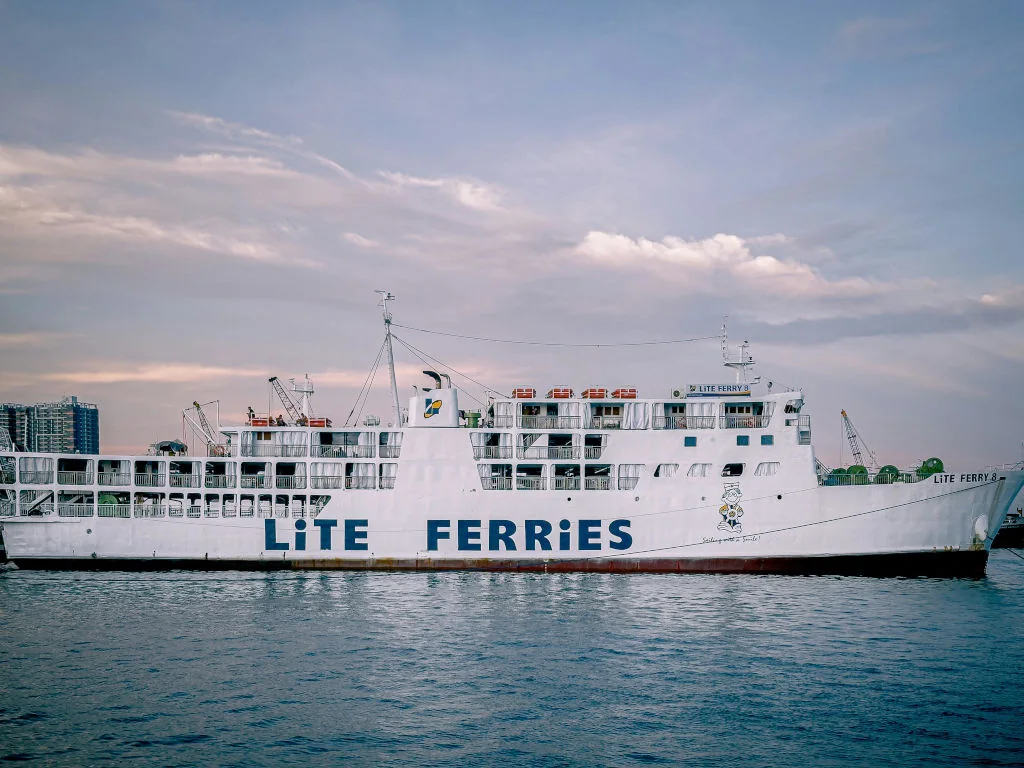 Compare airport transfer options → The key lesson for routes across Visayas and Mindanao is to verify the exact sailing, not a general statement that ferries run daily. A disrupted crossing can affect ground transport and hotel plans even if an alternative sailing is later available. Keep a flexible connection and confirm rebooking directly with the operator.
Essential Reminders from This Philippine Ferry Travel Advisory
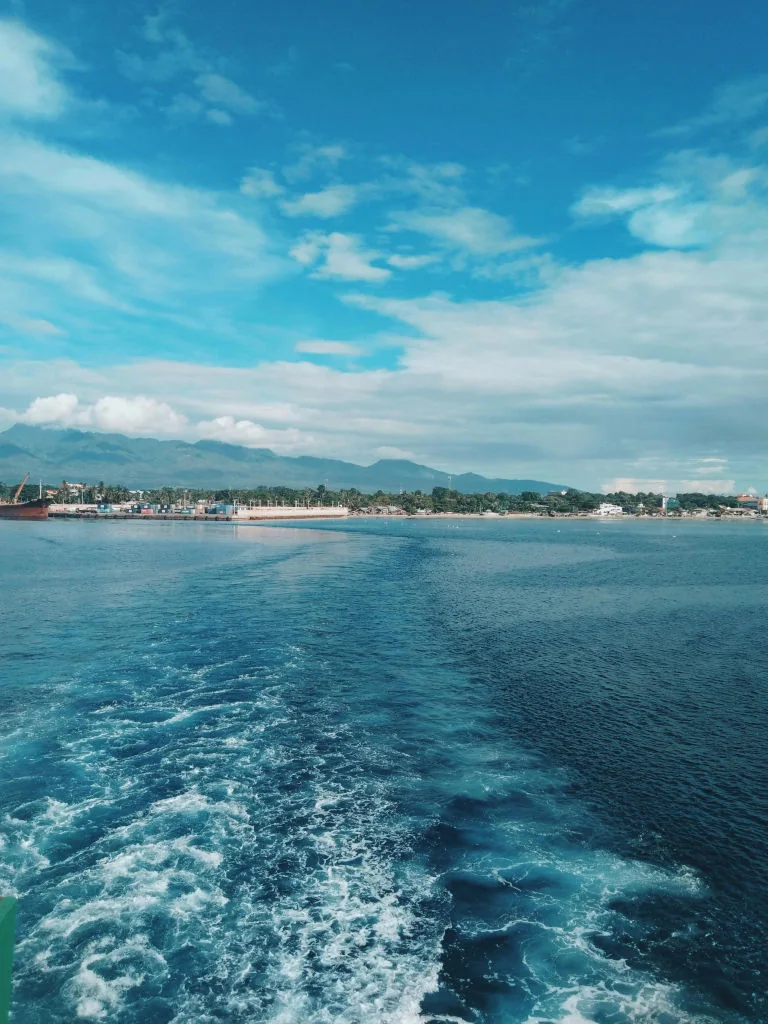 Compare airport transfer options → Even with perfect plans, nature holds the final say. This ferry travel advisory suggests building buffer time into your itinerary, especially if you have flights or long land transfers waiting. Stay patient, stay alert, and stay adaptable—it’s part of the islander rhythm we learn over time.
Before every sea journey, check local bulletins, ask port staff for updates, and keep your phone charged. A ferry travel advisory gains its power not from fear, but from preparedness that turns unpredictable moments into manageable ones.
And as always, let this ferry travel advisory close with the same reminder every seasoned traveler swears by: monitor the Philippine Coast Guard’s latest updates—they’re your most reliable guide before stepping onto any ferry.
Quick Answer: What to Check Before a Philippine Ferry Trip
Check the operator's latest sailing notice, the weather for both your departure and destination areas, and your port's reporting time before leaving your accommodation. Save your booking details offline and keep enough schedule flexibility to absorb a cancellation or late departure.
Official Sources Worth Checking
For weather, use PAGASA's current weather information and, when relevant, its marine forecast. For maritime regulation and passenger-safety information, consult the Maritime Industry Authority (MARINA) and the Philippine Coast Guard. Your shipping line remains the best source for the final status of a specific sailing.
Build a Cancellation Plan Before You Need It
Know which hotel night, connecting bus, flight, or tour would be affected if the ferry moves by several hours or a full day. Keep essential medication, a charger, water, and one change of clothes accessible rather than buried in checked luggage. If the trip is tied to a flight or another fixed departure, avoid using the tightest possible connection.
At the Port
Arrive with your ID and booking reference easy to reach, follow terminal and crew instructions, and ask staff when information is unclear. Passenger manifests and safety procedures are not just paperwork; they are part of how operators and regulators account for everyone onboard.