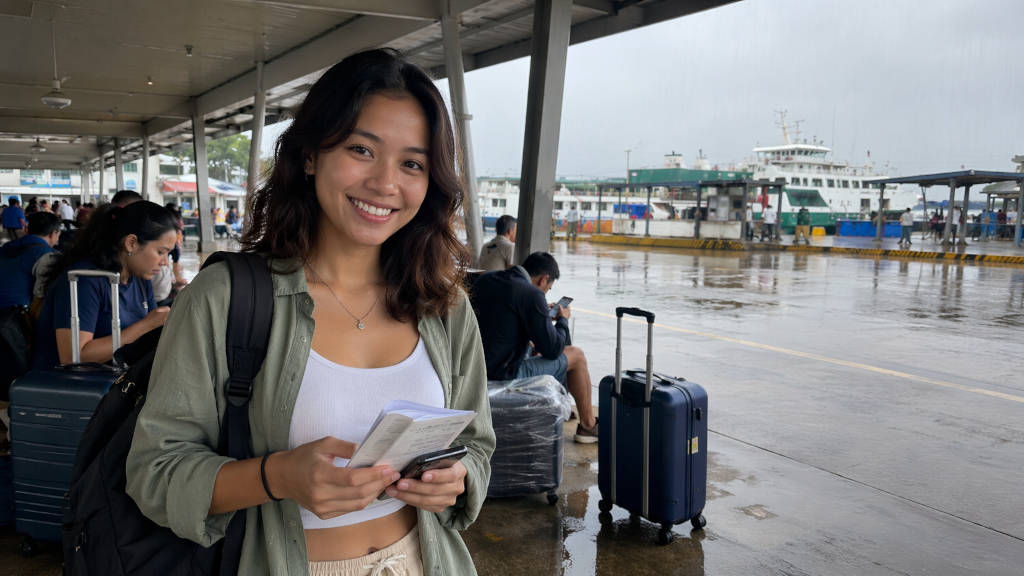
Typhoon season Philippines travel can feel overwhelming not because every storm becomes a worst-case situation, but because small delays can quickly turn into expensive, tiring chain reactions. One wet afternoon can mean a cancelled ferry, a missed van, a crowded terminal, and a hotel extension you did not budget for.
The goal is not to panic and cancel everything at once. The goal is to make clear, early decisions in the right order so your trip stays as safe, comfortable, and salvageable as possible.
In the Philippines, weather disruption is often less about one dramatic storm image and more about logistics: wind along exposed coasts, flood-prone roads, airport backlogs, and transport links that stop working smoothly together.
This guide is built for those moments. It focuses on how to read forecasts without spiraling, what to cancel first, how to protect refund and rebooking windows, and how to rebuild the next workable days with less stress. For a wider foundation, the Philippines travel safety guide is a useful companion when planning weather-aware trips.
At a Glance for Typhoon Season Philippines Travel
The most watchful stretch for typhoon season Philippines travel is usually July to November, though rain and local weather disruptions can still happen outside that window and conditions vary by region.
A realistic buffer is at least half a day before any ferry, island-hopping plan, or international departure, and a full extra day is even better when your route includes multiple transfers. Budget-wise, it helps to set aside an emergency cushion for a hotel extension, rebooking fee, extra meals, laundry, and local rides between terminals and safer indoor stops.
Traffic and crowd risk climb fast when a service pause affects many travelers at once, especially in ports, bus terminals, and domestic airports. A smart backup is not another exposed beach plan but an indoor or city-based option such as a museum stop, café day, mall-connected errand run, or a comfortable hotel reset.
Reality Check: Bad weather rarely ruins every part of a trip at the same time. More often, it trims your options and rewards travelers who protect time buffers early. For the wider seasonal picture beyond this disruption guide, see this Philippines weather travel guide on the best months to visit.
Typhoon Season in the Philippines Is a Planning Problem Before It Becomes a Travel Problem
What Typhoon Season Really Means for Travelers
For travelers, typhoon season does not automatically mean a storm is about to hit your destination directly. It often means conditions are less stable, transport decisions become more conservative, and timing matters more than usual.
Coastal water can turn rough even when skies over town still look merely gray. Roads can stay passable in one province but flood in another. Flights may continue while boats stop, or vice versa. The practical question is not “Is it raining?” but “Which part of this route becomes unreliable first?”
This matters most in itineraries that stack multiple moving parts into one day. A flight that lands a little late can still be fine on a normal week, but during storm season, the same delay may cause you to miss the last workable ferry, lose a tour slot, and scramble for an extra night. That is why typhoon season Philippines travel rewards simpler, roomier plans more than ambitious island chains.
Rainy Day Versus Active Disruption Versus Serious Storm Threat
A rainy day is unpleasant, but it is not the same as active disruption. Active disruption is when operators start delaying or suspending services, roads become unreliable, or coastal conditions make exposed activities unsafe.
A serious storm threat is when official advisories, stronger winds, or clear forecast trends suggest that transport, utilities, or local movement may worsen over the next several hours. Knowing the difference helps you avoid two common mistakes: cancelling too early for ordinary rain, or waiting too long once transport networks begin to tighten.
Reality Check: Travelers often lose more money and comfort from delayed decisions than from the first weather change itself. It helps to know the line between normal rainy-day inconvenience and conditions that are no longer routine.
How to Read Forecasts Without Panic
What to Check First on PAGASA Before Changing Plans
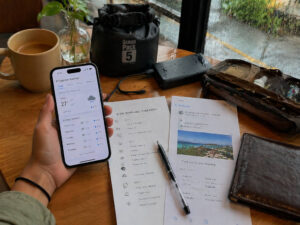 Start with the PAGASA weather page, not a generic app icon alone. The first things to check are the forecast track, the timing of expected weather changes, and whether your exact route is coastal, mountainous, or flood-prone.
If a system is affecting your area, read the advisory language slowly. Look for where the system is expected to move, when conditions are expected to worsen, and whether there are warnings that matter for transport or local safety. The Tropical Cyclone Wind Signal is important for expected wind impact, but even before a stronger signal appears, boats and outdoor water activities may already be affected by rough coastal conditions.
How to Read Trend, Timing, Wind, and Coastal Conditions in the Right Order
Read forecasts in this order: trend, timing, wind, then coastal exposure. Trend tells you whether the situation is improving, holding, or worsening. Timing tells you if the riskiest period overlaps with your transfer window. Wind matters because strong gusts and rough seas can disrupt ferries, small craft, and island tours before inland travelers notice anything dramatic. Coastal conditions matter because a hotel in town may seem fine while the dock, open shoreline, or island route is already unsafe.
If your plan involves a boat, island hopping, cliffside viewpoints, or a long road segment after dark, focus less on the photo of the cloud and more on the hour-by-hour pattern. In typhoon season Philippines travel, a four-hour shift in timing can be the difference between moving calmly in the morning and getting stuck by afternoon.
When a Rain Icon Is Not Enough Reason to Cancel and When It Is
A rain icon by itself is usually not enough reason to cancel a city stay, a museum day, a food crawl, or a short indoor-heavy itinerary with flexible transport. Many destinations in the Philippines continue normally through ordinary wet weather, especially if you are staying put and not depending on exposed connections.
But a rain icon becomes more meaningful when it sits beside strengthening winds, warnings for your route, rough-sea conditions, or a same-day chain of plane to ferry to van. That is when a “wait and see” mood can become expensive.
Reality Check: Forecasts are decision tools, not emotional weather theater. You are looking for signals that affect movement, not trying to guess the exact mood of the sky.
What to Cancel First When Conditions Worsen
Boats, Island Hopping, and Exposed Coastal Plans
 The first things to cancel or reschedule are usually boats, island-hopping trips, and highly exposed coastal activities. Ferries may be suspended for safety even if town streets are still busy and hotel lobbies look calm.
Small-boat tours are especially vulnerable because sea state, wind, and visibility can change quickly. If one part of your itinerary absolutely should not be defended emotionally during typhoon season Philippines travel, it is an exposed water plan.
Dropping these first is not giving up too early. It is protecting the parts of your trip that are easier to save. A cancelled island day may free up budget and time for a safer inland activity, a hotel extension, or a smoother rebooking window later.
Long Drives, Mountain Roads, and Flood-Prone Routes
Next, look hard at long road transfers, especially those that depend on mountain roads, night travel, rural stretches with weak lighting, or known flood-prone routes. A six-hour drive in good weather can feel very different in heavy rain, with slower speeds, poor visibility, roadside pooling, and driver fatigue. Buses and vans may still run, but that does not always mean the trip is wise for your schedule or comfort.
If your route depends on several overland hours to reach a flight, port, or event, consider cancelling that road segment before it traps the rest of your itinerary. This is also where a good guide to buses, jeepneys, and ferries in the Philippines becomes useful, because storm-season choices often come down to which mode is merely delayed and which mode becomes unreliable.
Tight Same-Day Flight to Ferry to Van Chains
The most fragile itinerary of all is a tight same-day chain. Even if each leg looks possible on paper, weather disruption tends to widen gaps between “scheduled” and “real.” One late arrival can erase the whole chain. If worsening conditions are already visible, cancel the chain before it collapses on you piece by piece. Rebooking one clean overnight stop is usually less stressful than missing three separate connections and negotiating each from a terminal bench.
What Can Usually Stay if Conditions Are Unpleasant but Still Manageable
What can often stay on the itinerary are flexible city days, inland attractions with short transport times, café and food neighborhoods, museums, mall-connected errands, and hotel-based rest days. These are not second-best plans. In the Philippines, they are often the plans that keep a trip feeling human when weather turns moody. A slower day with dry clothes, stable Wi-Fi, and decent coffee can be a very smart travel decision.
Reality Check: The weather does not need to look dramatic for transport friction to be real. Cancel what is most exposed first, not what you are least excited about.
How to Protect Your Booking Windows Before You Lose Options
Flights, Ferries, Hotels, and Tours: What to Check Immediately
The moment your route starts looking risky, open every booking in one sitting. Check airline rules, ferry operator advisories, hotel extension availability, and tour rescheduling terms.
For flights within the Philippines, look at airline notices and the CAAP newsroom for broader airport-related updates, then compare those with your departure airport and route. For ferries and tours, do not assume silence means normal service. Operators may be waiting on local conditions, port clearance, or morning reassessment.
Hotels matter more than many travelers expect. If transport is shaky, the most valuable reservation may be the room you are already in. Before you chase a new destination, ask whether you can extend your current stay, lock in one more night, or hold a room until weather improves. That simple step can protect both safety and sanity.
Why Early Contact Matters for Rebooking, Credits, and Extensions
Early contact matters because once a wider wave of cancellations begins, the safest seats, rooms, and departure times disappear first. Even when refunds are limited, credits, date changes, and partial adjustments may still be available if you act before the operator enters full disruption mode. Calm, specific messages work better than vague ones. State your booking number, current location, affected date, and your preferred alternative clearly.
This is where budget awareness really counts. A small fare difference or one-night extension booked early can cost less than a last-minute scramble after everyone else makes the same move. In typhoon season Philippines travel, time is often the most expensive thing to lose.
How to Keep Screenshots, Receipts, and Timeline Notes Organized
Create one simple folder on your phone for screenshots of advisories, booking confirmations, payment receipts, and chat threads. Keep a short note with times: when you saw the forecast shift, when you contacted the airline, when the ferry was suspended, and what alternatives were offered.
This is not overkill. It helps when mobile data gets patchy, battery runs low, or a front desk asks for proof of the original plan.
Reality Check: Rebooking gets harder when you are tired, wet, and trying to remember details from memory. A tidy paper trail protects both money and energy.
Safety-First Behavior During Heavy Rain and Wind
Where Not to Wait, Walk, Swim, Ride, or Drive
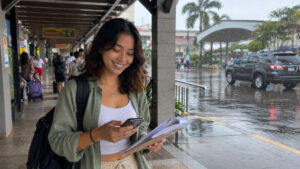 Do not wait in low-lying roadside areas where water can rise fast. Do not walk through moving floodwater even if it looks shallow, because manhole gaps, uneven pavement, and contaminated runoff are real hazards.
Do not swim, wade, or take a boat ride near rough coasts, river mouths, or open beaches once conditions turn. Do not force scooter rides, long motorcycle transfers, or nonessential drives if visibility drops and gusts start pushing vehicles around.
How to Move Between Hotel, Terminal, and Indoor Backup Stops More Safely
When you do need to move, make the route smaller and more controlled. Choose daytime transfers when possible. Use covered waiting areas, proper footwear with grip, waterproof protection for documents and electronics, and a fully charged phone with a power bank.
Ask your hotel or host about the safest pickup point instead of assuming the map pin is best in bad weather. Short, purposeful moves between hotel, terminal, and indoor backup stops are far better than wandering around trying to salvage the original vibe of the day.
What to Do if You Are Already Stranded Between Legs
If you are already between legs, secure the basics first: shelter, battery, drinking water, cash or card access, and a place to sit down long enough to think. Then work the chain in order of urgency: the room for tonight, the longest or hardest leg to replace, then the smaller local transport around it.
Contact the next property before you miss the check-in window. If a terminal is becoming crowded or uncomfortable, moving to a nearby hotel, café, or mall-connected space can be the difference between a stressful night and a manageable one.
Reality Check: Safety is often about reducing exposure, not proving resilience. The smart move during heavy rain and wind is usually the less cinematic one.
Rebuilding the Trip With the Least Stress
How to Choose the Next Best Travel Day
When rebooking, avoid choosing the very first day that looks barely possible. Instead, look for the next day that offers a cleaner margin: calmer coastal water, better road daylight, more transport frequency, and enough time to absorb another delay if needed. One extra night can sometimes rescue the rest of the itinerary far better than a rushed morning departure into lingering disruption.
When to Swap Islands for City-Based or Inland Backups
If coastal movement stays uncertain, swap islands for a city-based or inland plan that still gives you a good trip without the transport gamble. That could mean adding time in Cebu City instead of forcing a rough boat connection, choosing a food-heavy stay in Iloilo over an exposed island hop, or shifting to a heritage walk, museum day, market visit, or spa and café reset.
If you are still shaping a route from scratch, this Philippines travel planning guide for a first trip is helpful for building buffer-friendly itineraries from the start.
How to Protect Comfort, Budget, and Energy After a Cancellation
Once one leg is lost, do not spend the next 24 hours trying to win everything back. Protect comfort first: dry clothes, real meals, enough sleep, and a stable room. Protect budget next by avoiding desperate last-minute transport hops that create more risk than value.
Protect energy by choosing one workable plan, not five maybe-plans. Typhoon season Philippines travel becomes much easier when you stop asking how to preserve the original itinerary and start asking what version of this trip still feels safe and worthwhile.
Reality Check: A trip that becomes smaller can still become better. Many storm-affected itineraries improve the moment they become simpler.
A Calm Rebooking Checklist for the Next Few Days
The First Hour
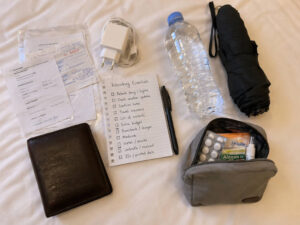 In the first hour, confirm the weather trend, contact the transport leg most likely to fail, and secure tonight’s room. Screenshot everything. Charge devices. Check whether your next destination is still practical or whether it only works if three other things go right. If the answer is the second one, pause that plan immediately.
The Same Day
Later the same day, rebuild from the middle outward. Lock the hardest replacement first, whether that is a domestic flight, a ferry seat on a safer day, or a room in a high-demand area. Then fill in the smaller pieces around it. Send brief updates to hotels and tour providers, and keep your itinerary honest. Leave buffer space instead of refilling every empty hour just because you can.
The Next Morning
The next morning, review the newest forecast before you move. Recheck roads, coastal conditions, and operator messages. Eat, hydrate, and leave with enough daylight for delays. If the route still looks messy, choose the safer indoor or inland backup and revisit the original plan once conditions truly settle.
Reality Check: A calm checklist works because it narrows decisions. You do not need perfect certainty. You need the next safe, workable move.
Final Reality Check for Typhoon Season Philippines Travel
Flexibility Is Not Optional
During typhoon season Philippines travel, flexibility is not a bonus feature for cautious travelers. It is the thing that keeps a normal disruption from becoming a draining one. Buffer time, flexible bookings, and the willingness to drop exposed plans early are what make a trip resilient.
The Safest Plan Is Often the Less Ambitious One
The Philippines can still be warm, beautiful, and worth visiting in storm season, but it asks for a gentler kind of planning. The smartest travelers are not the ones who force every booking to survive. They are the ones who notice when weather, closures, safety, time, cost, and crowds have changed the equation, then adjust with a clear head.
Typhoon season Philippines travel is easiest on travelers who stay calm, protect the next few days instead of the whole fantasy, and let the safest version of the trip lead the way.