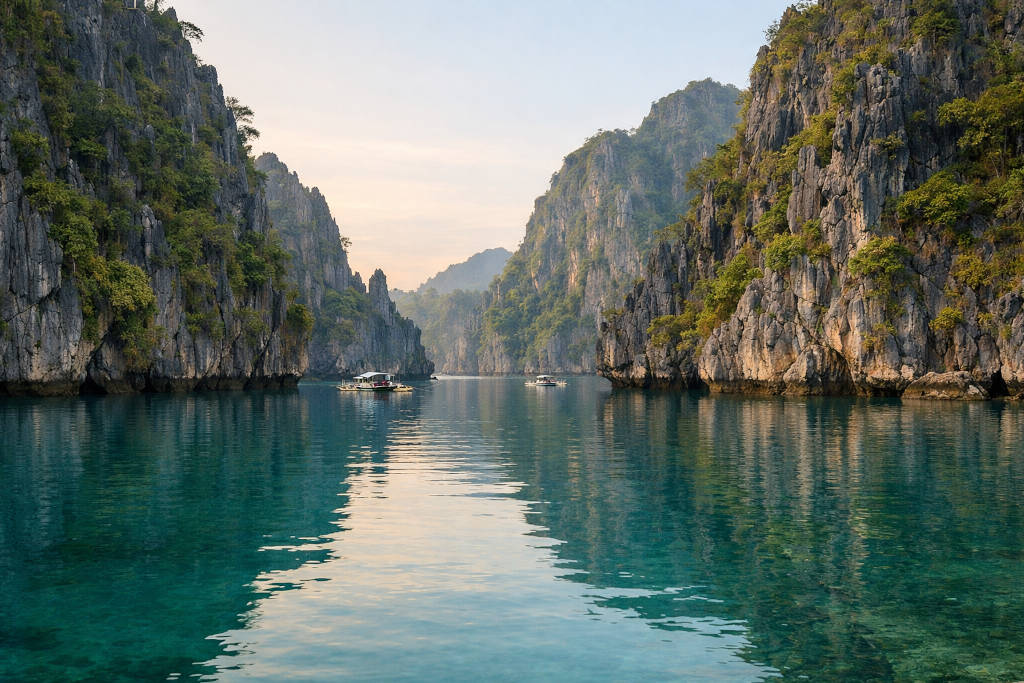
Figuring out the best time to visit Twin Lagoon can make the difference between a smooth, dreamy stop and one that feels hotter, busier, and more rushed than expected. In Coron, timing is not only about the hour on the clock.
It is also about weather patterns, route order on island-hopping tours, and how long you realistically get to enjoy the water once boats begin arriving. For most travelers, the sweet spot is the dry stretch from January to early April, with earlier stops often feeling more comfortable and less crowded than late, high-sun visits.
This guide stays focused on the planning side of the experience: when to go, how light and heat shape the stop, how shared tours change your options, how long to stay, and what to pack for a lower-stress day. For broader logistics, you can read Bakasyon’s Twin Lagoon practical guide before finalizing your route.
Best Time to Visit Twin Lagoon at a Glance
If you are searching for the best time to visit Twin Lagoon for the best overall balance, aim for January to early April. Then try to reach the site earlier in your route rather than later.
January to February usually feels more forgiving on the body, especially if you are sensitive to glare and heat. March to early April often still brings drier conditions, but the sun can feel stronger and the stop can become more draining by midday.
At a glance, the most practical window is dry season, a realistic stay is around 45 to 90 minutes, and the budget-friendly option is still a shared tour. Crowd pressure rises as more boats stack through the day, so your best backup for rain or strong heat is a flexible mindset and a less photo-driven expectation.
Reality Check: even during the best time to visit Twin Lagoon, you are still visiting one of Coron’s most popular stops, so “quiet” usually means less crowded, not empty.
Best overall window for most travelers
For most people, the best time to visit Twin Lagoon is January to early April because this period often gives you the strongest mix of brighter conditions, fewer rain disruptions, and easier planning for island-hopping days.
If you are trying to avoid weather stress on a short Palawan trip, this is the safest planning window. It is also the easiest season for pairing Twin Lagoon with other Coron highlights without feeling like every stop depends on luck.
Best choice if comfort matters more than perfect sun
If comfort matters more than postcard-blue midday brightness, lean toward January and February. These months are often easier for travelers who do not enjoy punishing heat reflecting off water and limestone.
You may not get the fiercest sun, but you often gain a more pleasant boat day, less draining swims, and a better chance of actually enjoying your stop instead of counting the minutes until shade.
Best Time of Day for Light, Crowds, and Heat
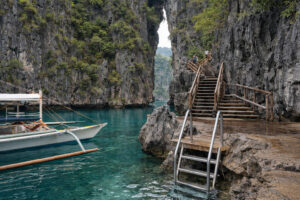 The best window during the day usually comes earlier, especially if your goal is a gentler pace. Softer morning light can make the cliffs look textured and calm rather than harsh, and the heat has not yet fully built up.
The water can still look beautiful later on, but the trade-off is that stronger sun often arrives with more boats, more waiting, and a more hurried atmosphere around entry and docking zones.
Reality Check: there is no magic hour that guarantees privacy because Twin Lagoon depends heavily on tour flow. A slightly earlier arrival can help a lot, but shared-tour timing can still shift based on the day’s route, sea conditions, and group pace.
Earlier stop for fewer boats and softer light
If you can influence your route, an earlier stop is usually your best bet for fewer crowds and a calmer feel. This matters not just for photos but for your energy.
Getting in and out of the water feels easier when the sun is still manageable and the docking area is not yet packed with arriving groups. Earlier visits also make it easier to linger for a quiet float or short kayak moment without feeling rushed by heavy traffic behind you.
Midday trade-offs: brighter water but more heat and crowd pressure
Midday can bring brighter water and stronger sparkle on clear days, which is why some travelers assume it is automatically the ideal window. But the stronger visual pop comes with a cost.
The sun can feel intense on the boat, on exposed skin, and during any waiting time near entry points. More groups also tend to bunch together by then, which adds noise, pressure, and less room to move at your own pace.
Why route order matters as much as the clock
In Coron, route order often matters as much as the hour itself. On shared tours, your “morning” stop may still feel busy if several boats follow the same sequence.
That is why the ideal visit window is really about two things working together: visiting in a favorable season and getting a good place in the day’s route. Private boats usually give you more control, while shared tours ask you to be more strategic and more realistic about what “early” actually means.
For bigger-picture timing around seasons and regional weather, Bakasyon’s Philippines weather guide is a useful companion read before locking your dates.
Best Months for Weather
 When travelers ask about the best time to visit Twin Lagoon, they usually mean weather first. That makes sense.
In a place shaped by boat access, exposed sun, and changing skies, weather affects almost every part of the experience. Dry months are generally easier for planning, while wetter months can still be beautiful but demand more flexibility, lower expectations on light, and a stronger backup mindset.
Reality Check: even in the driest stretch, weather is never a switch you can fully control in island destinations. A bright forecast can still turn cloudy for part of the day, and a rainier month can still give you a lovely window.
January to February for easier heat
January to February is often the most comfortable answer. These months usually sit in the sweet spot where conditions are relatively dry but the heat is still more manageable than later in the season.
If you want to swim, float, and enjoy the views without feeling roasted by late-morning sun, this is a very friendly window.
March to April for drier days with warmer conditions
March to early April can still be an excellent choice, especially if your priority is a lower chance of rain interruption. The catch is the warmth.
This is when the day can feel sharper, brighter, and more tiring, especially on long island-hopping routes. Travelers who handle heat well may love the clearer-looking conditions, but those who overheat easily should plan shade, hydration, and pacing more seriously.
Rainy-season trade-offs and when to keep backup expectations
Outside the strongest dry-season window, the answer becomes more conditional. You might still get a lovely stop, but cloud cover, showers, or a moodier sea can change how the place feels.
This does not mean you should cancel your hopes entirely. It simply means planning for a good experience rather than a perfect one. For official destination updates, check Official Coron tourism, and for climate reference, see the PAGASA Coron climatological normals.
How Long to Stay at Twin Lagoon
A realistic answer for how long to stay is usually 45 to 90 minutes. That range covers entry queues, time spent swimming or kayaking, the pace of your group, and small delays that naturally happen on boat days.
The stop is easier to enjoy when you do not expect a long, lazy half-day there. Most travelers are passing through as part of a wider route, so realistic timing keeps the stop satisfying instead of rushed.
Reality Check: the shorter end of the range is common on shared tours, especially when several stops are packed into one day. A longer stay can happen, but it is usually because your boat timing, queue conditions, and group rhythm all line up well.
Realistic stop length for shared tours
On a shared tour, 45 to 60 minutes is often enough for a quick swim, a few photos, and a brief float in the lagoon. That may sound short, but on a hot day with multiple stops, it can actually feel just right.
On a shared setup, the timing works best when you arrive with good energy, get in the water smoothly, and leave before the stop starts to feel congested.
When a longer stop makes sense
A longer 75- to 90-minute stay makes more sense if you are on a private boat, care about taking your time, or want to kayak and linger in the water. It also helps if comfort matters more than ticking off as many stops as possible.
That slightly slower pace can make the visit feel even better because you are working with the place instead of racing through it.
What to Bring for a Smoother Visit
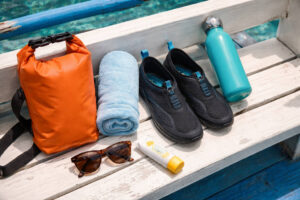 Even the right season feels better when your bag is packed well. This is one of those Coron stops where simple gear choices can protect your energy more than people expect.
A small setup that keeps you cool, dry, and comfortable will usually do more for your day than overpacking.
Reality Check: boat-day comfort in Palawan is often about managing little annoyances before they pile up. Wet feet, stinging sun, and nowhere-safe-for-your-phone problems can make a beautiful stop feel less dreamy very quickly.
Heat and sun essentials
Bring drinking water, sun protection, and something light you can throw on when the sun starts to feel aggressive. A rash guard or airy cover-up can be a smart move if you burn easily.
Sunglasses help on the boat, and a towel becomes more useful than it sounds once wind and spray kick in. For a broader packing refresher, Bakasyon’s packing list guide is a practical place to start.
Wet-access and boat-day essentials
Water shoes can make entry feel easier, especially if you prefer more confidence on wet surfaces. A dry bag is one of the best small upgrades for the day, and a waterproof phone pouch can be worth it if you plan to bring your phone into splash zones.
It also helps to review Bakasyon’s travel safety guide and Philippines public transport guide if Coron is one stop in a bigger, multi-leg trip.
A Simple Visit Plan You Can Follow
 If you want this stop to actually feel calm in real life, keep the plan simple. Pick a dry-season date if you can, and choose a route that places Twin Lagoon earlier rather than later.
Eat lightly before departure, keep your essentials within easy reach, and accept that island-hopping days work best when you leave a little room for delays and weather shifts.
Reality Check: the lowest-stress travelers in Coron are rarely the ones with the most packed itinerary. They are usually the ones who understand that island timing is part planning and part patience.
Low-stress version for first-timers
For first-timers, the easiest plan is simple: target January to early April, favor January to February if you are heat-sensitive, and choose a tour operator or route where Twin Lagoon is not pushed too late into the day. Keep your stop expectations realistic.
Then use the rest of your time enjoying the rhythm of Coron rather than chasing perfection. If you are still shaping the whole trip, Bakasyon’s Philippines travel planning guide and the Tips & Inspiration hub can help you connect this stop to a smoother itinerary.
Slightly slower version if you care more about comfort than squeezing in stops
If comfort is your priority, consider spending a little more for flexibility, choosing fewer stops, or booking a setup that gives you a better chance at an earlier lagoon visit. This kind of day works best when it still feels spacious.
That means less rushing, more hydration, and enough room to enjoy the water without constantly checking what comes next.
Final Decision Guide
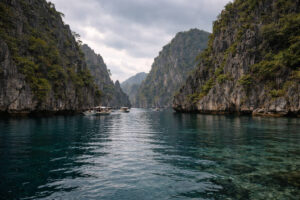 So, what is the best time to visit Twin Lagoon in the simplest terms? For most travelers, it is January to early April, with January to February standing out for the most comfortable mix of dry conditions and easier heat.
Within the day, an earlier stop usually beats a later one if you want gentler light, fewer boats, and a smoother overall feel.
Choose this timing if you want calmer conditions
Choose January or February and aim for an earlier stop if you care most about comfort, softer light, and a more relaxed pace. This is the best time to visit Twin Lagoon for travelers who want to swim, look around, and still have energy left for the rest of the day.
Choose another timing if you care more about stronger sun than comfort
Choose March or early April if you are comfortable with stronger heat and want a better chance at drier-looking conditions, but be ready for a more intense boat day.
Either way, the best time to visit Twin Lagoon is the one that matches your energy, not just your photo goals. Plan around weather, route order, and your own comfort level, and this Coron stop is much more likely to feel easy, beautiful, and worth the effort.