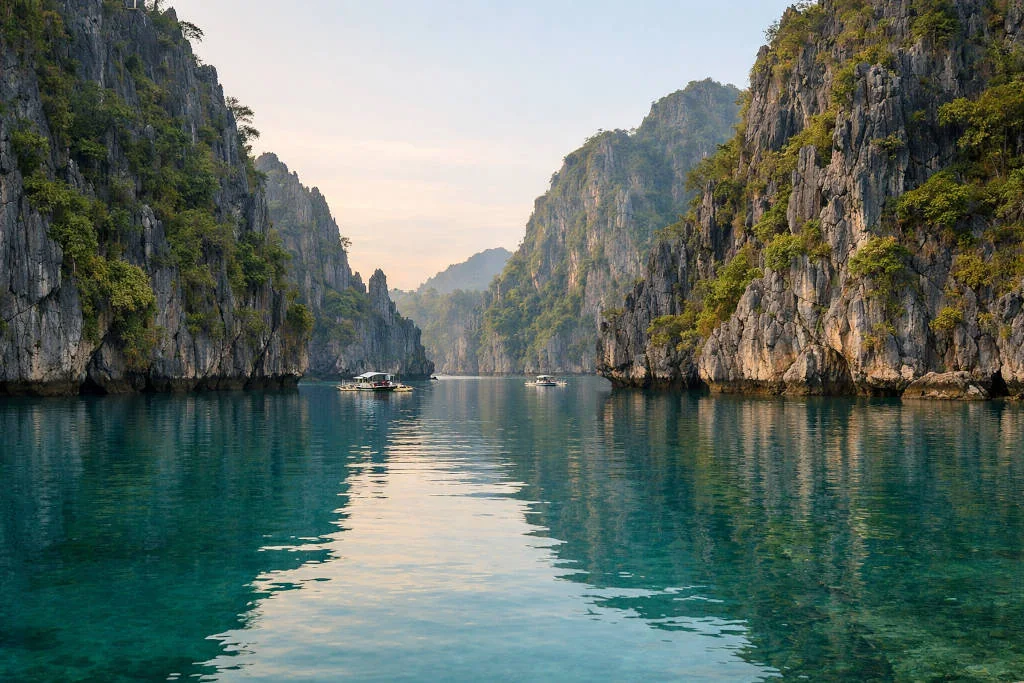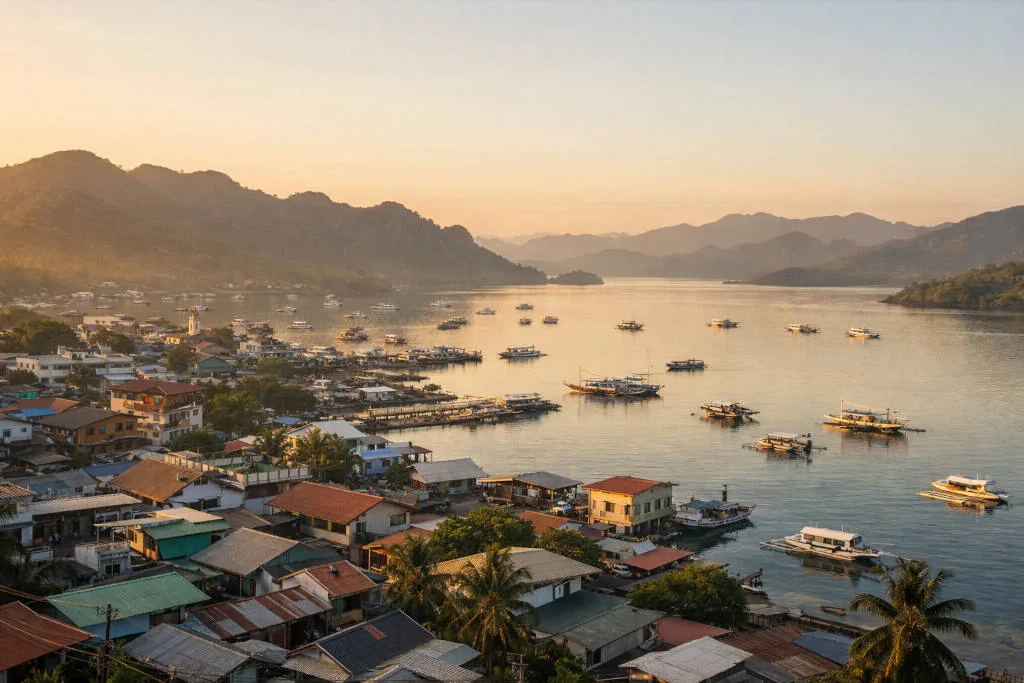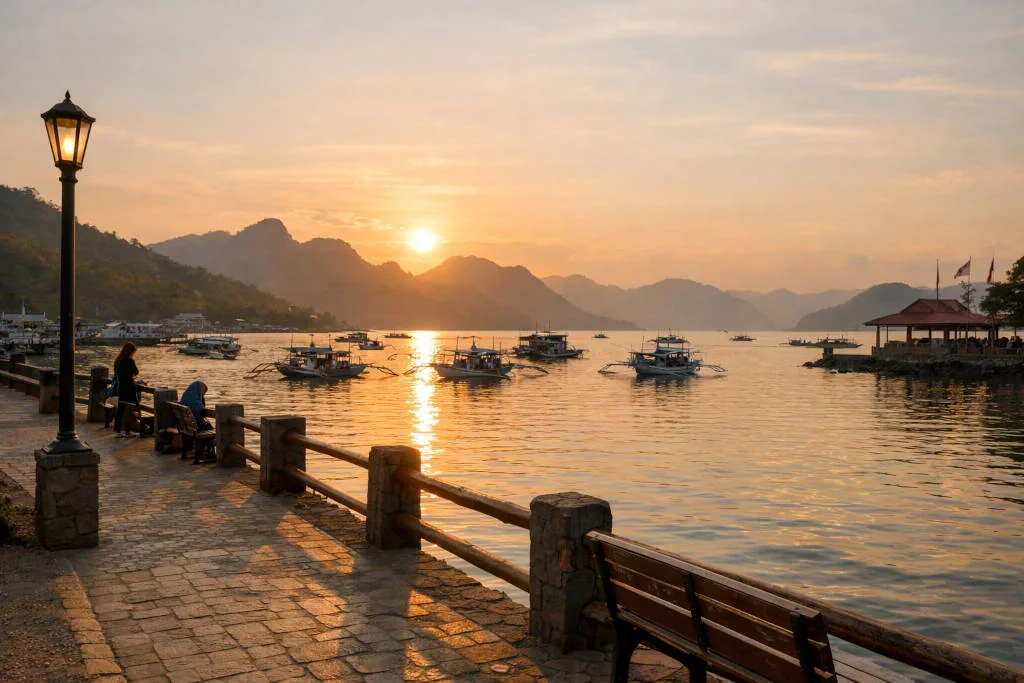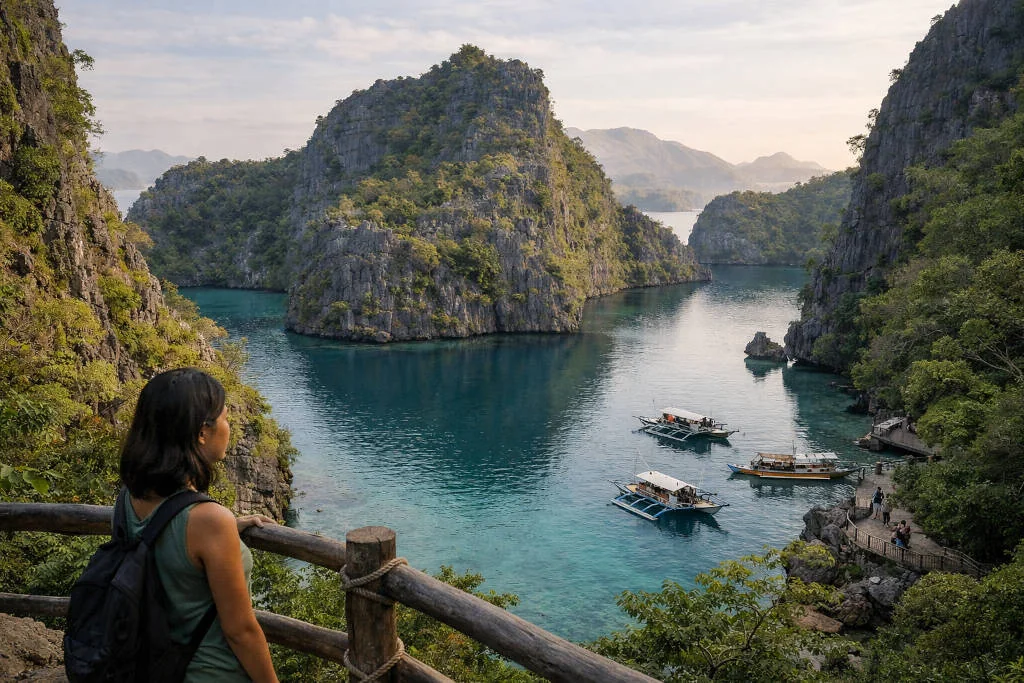
For most travelers, the best time to visit Kayangan Lake is during the drier months from around January to March, with an early morning arrival as the easiest default. That combination usually gives you softer light, less punishing heat, and a better chance of enjoying the viewpoint and swim area before the stop feels crowded.
If an early slot is not possible, late afternoon can be a gentler second choice when boat schedules allow. Midday is the one most people tolerate rather than truly enjoy: brighter glare, hotter stairs, and less breathing room.
This guide stays tightly focused on timing. Instead of turning into a broad Coron itinerary, it will help you decide when to go, how long to expect the stop to feel worthwhile, what to bring, and how to make the visit smoother on a standard tour or a more flexible schedule.
For more planning reads in the same lane, you can also browse Bakasyon’s Tips & Inspiration guides.
At a Glance: Best Time to Visit Kayangan Lake
 Best overall window: January to March for the easiest mix of clearer weather, calmer boat conditions, and more comfortable sightseeing.
Best time of day: Early morning, especially if you want softer light and a lower chance of arriving with a large wave of other boats.
Realistic stay length: Around 45 to 90 minutes on-site for most visitors, depending on queueing, swimming time, and tour pace.
Budget band: Usually a mid-range Coron island-hopping stop once your boat tour, environmental fees, and food are bundled together; for a cost-focused breakdown, check this Kayangan Lake entrance fee and budget guide.
 Crowd risk: Highest in the middle of the day and on standard routes that move many boats through the same order of stops.
Rain or heat backup: Choose an earlier departure, pack quick-dry basics, and keep expectations flexible if clouds build.
Reality Check: Even on a good-weather day, Kayangan Lake rarely feels secret. It is famous for a reason, so the goal is not total solitude but a timing choice that makes the experience feel lighter, cooler, and less rushed.
Best Months Overall
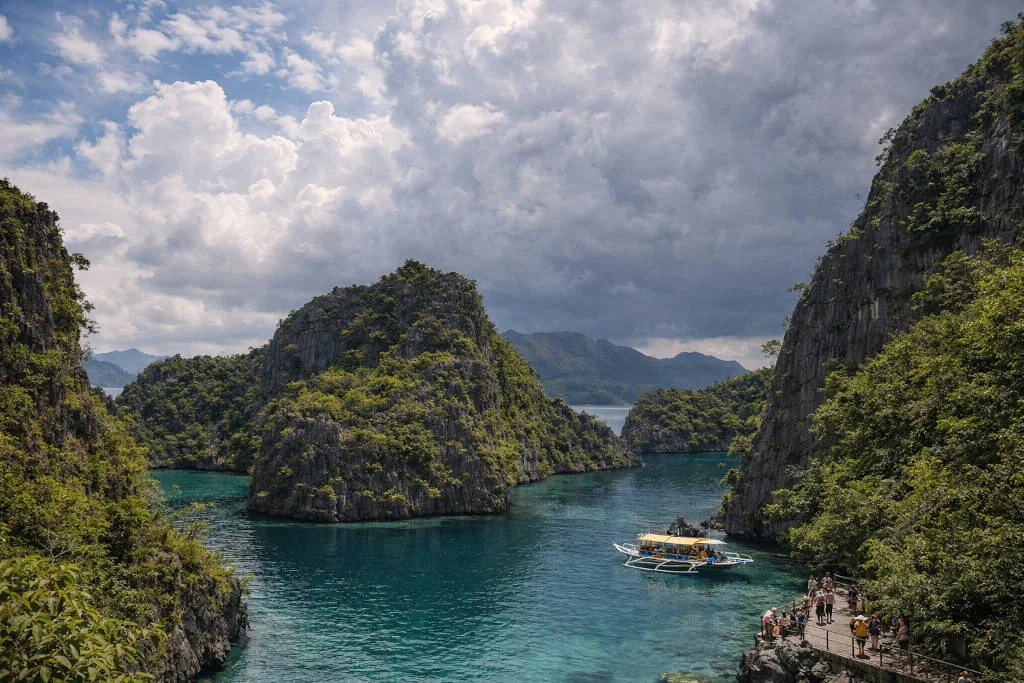 If you are choosing dates first and everything else second, the best time to visit Kayangan Lake is usually in the drier part of the year. In plain travel terms, that means months when sudden rain is less likely to reshape a boat day and when the sea tends to feel more cooperative for island-hopping.
In Coron, this often translates into the first quarter of the year as the easiest default for travelers who want a smoother visit rather than a gamble.
The Easiest Months: January to March
January to March is the sweet spot for many first-timers. The air can still be warm, but these months often offer the best balance of bright conditions, manageable humidity, and calmer boat transfers.
The famous viewpoint usually photographs beautifully in the softer part of the morning, with limestone cliffs looking crisp instead of hazy. This is the timing window that makes the stop feel most forgiving if you are not used to tropical heat.
These months also make planning simpler. When skies are more cooperative, there is less mental load around whether your boat day will feel choppy, whether the dock area will turn slippery, or whether the whole stop will feel rushed by weather.
If you want a wider country-level read before locking dates, this Philippines weather travel guide is a useful companion.
The Hotter but Still Workable Months: April to May
April and May can still work very well, especially if your priority is clear-looking water and bright scenery. The tradeoff is simple: you often get strong visual payoff, but you also feel the heat more intensely.
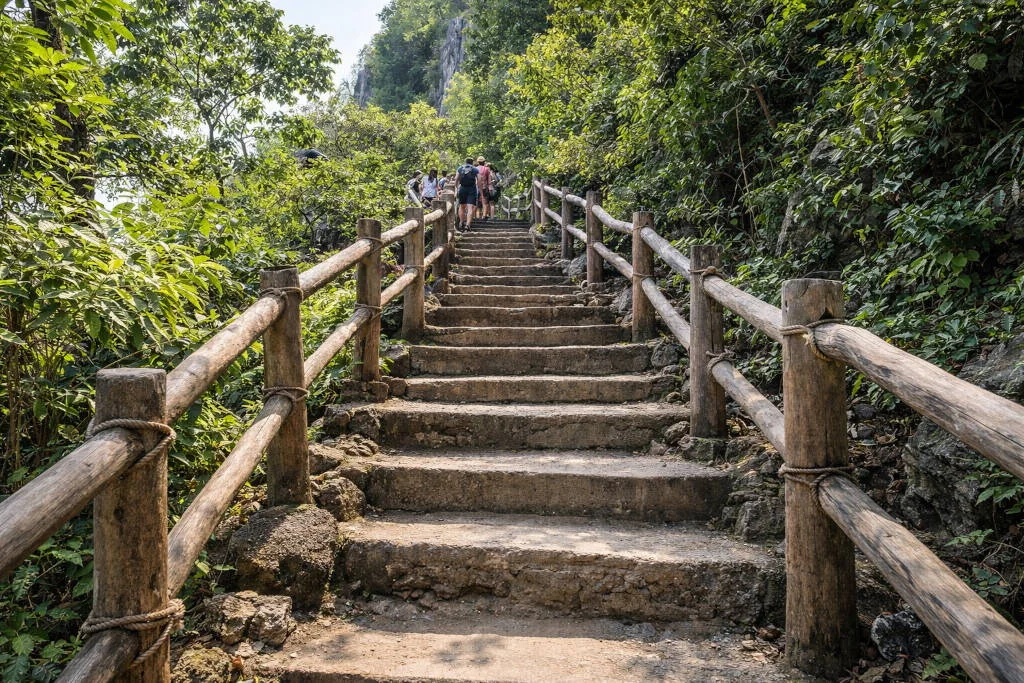
The short climb can feel much longer under a hard sun, and the return to the boat can feel sticky and draining if you arrived late in the morning. For travelers who do not mind warm weather and are disciplined about hydration, these months are still practical.
Think of April and May as a “good if you go early” period. You are not avoiding the heat; you are beating the worst of it by choosing the first sensible slot and keeping your stop efficient. That is where timing matters more than the calendar alone.
The Wetter Backup-Plan Months: June to October
June to October is the more flexible-expectations window. That does not mean every day is washed out, and some travelers still get beautiful conditions.
It does mean weather can become a bigger character in your day: cloudier skies, rain interruptions, and boat conditions that may feel less relaxed. This is when the best time to visit Kayangan Lake becomes less about chasing a perfect month and more about building in a backup mindset.
If you are traveling in these months, the best move is to stay calm and practical. Take the clearest-looking day available, go as early as possible, and treat the lake as one excellent stop in a weather-shaped Coron day rather than a postcard promise.
For reference planning, many travelers like checking the PAGASA Coron climatological normals before their trip.
Reality Check: “Dry season” does not guarantee a flawless blue-sky visit, and “rainy season” does not automatically ruin one. What changes most is your odds of an easy boat day and the amount of flexibility you should bring into your plans.
Early Morning, Late Afternoon, or Midday?
Once your travel month is set, the next decision is even more important: what time of day you actually reach the lake. For most readers, early morning remains the best time to visit Kayangan Lake because it solves three problems at once.
It softens the light, reduces the heat on the stair approach, and lowers the chance that you arrive alongside the busiest cluster of boats. It is the closest thing to a simple, high-reward timing rule.
Why Early Morning Works Best
Morning light tends to be kinder on the viewpoint, especially when you want your photos to feel soft instead of harsh. The climb also feels far more manageable before the day turns heavy and humid.
Just as important, your energy is better. Instead of reaching the swim area already overheated, you arrive with more patience for the queue, the boardwalk, and the water itself.
Early morning is also the easiest choice for travelers who want less decision fatigue. You do the iconic stop first or near first, enjoy it while your body still feels fresh, then let the rest of the island-hopping day unfold. In Filipino travel terms, it is the difference between a presko start and a tirik-na-araw scramble.
Late Afternoon as a Quieter Second Choice
If you have a flexible private boat or a custom route, late afternoon can be a lovely second-best option. The light can mellow again, the heat starts to ease, and the stop may feel less frantic than the lunch-hour rush.
This is not always available on rigid group routes, but when it is, it can give Kayangan Lake a calmer mood.
The catch is that late afternoon is schedule-sensitive. Boat operators still have return timings, weather can shift, and you do not want to cut things too close just for a quieter frame. It works best for travelers who value atmosphere and have enough control over the day to avoid feeling rushed.
Why Midday Usually Feels the Hardest
Midday is when several small discomforts stack on top of each other. The sun is stronger, the viewpoint glare can be harsher, and the walk feels warmer on the way up and down.
If your tour reaches Kayangan Lake in the middle of the day, the stop can still be enjoyable, but it often becomes more functional than magical. You take the photo, cool off, and move on.
This is also where standard group tours change the experience. Group routes are convenient and good value, but they often move many people through similar stop orders.
If you want a sense of how nearby lake choices fit into a Coron boat day, this Barracuda Lake guide for Coron planning helps explain the rhythm.
Reality Check: You cannot always control your exact arrival hour, especially on joiner tours. The smarter mindset is to know what each time slot feels like, then pick the version of “good” that matches your comfort level and budget.
How Long to Stay and What the Stop Really Feels Like
Many first-timers imagine Kayangan Lake as a long, dreamy swim stop. In reality, the experience is more compact.
From the dock, you will deal with arrival flow, the short climb to the famous viewpoint, the descent toward the lake, and the shared space around the boardwalk and swimming area. That is why the best time to visit Kayangan Lake is not only about weather. It is also about matching your expectations to the stop’s actual rhythm.
For most travelers, 45 to 90 minutes on-site feels realistic. On the shorter end, you move briskly, take viewpoint photos, enjoy a quick swim, and head back without dragging the day.
On the longer end, you pause more, wait out small bottlenecks, spend proper time in the water, and absorb the scenery instead of treating it like a checklist. A dry, photo-forward visit can feel complete in under an hour; a relaxed swim stop usually wants a little more breathing room.
What does the stop feel like? Beautiful, yes, but also structured. There is a clear flow to how people move through it.
You are not arriving at a hidden lagoon with endless private corners. You are arriving at one of Coron’s signature places, and your enjoyment rises when you stop fighting that reality and plan around it.
If you are building a wider itinerary around your first trip, this Philippines travel planning guide for first-timers can help you connect island-hopping days with the rest of your route.
Reality Check: The climb is short, but in tropical heat it can still feel tiring, especially after a poor breakfast, too little water, or a late arrival. “Short” does not always mean effortless.
What to Bring So the Stop Feels Smoother
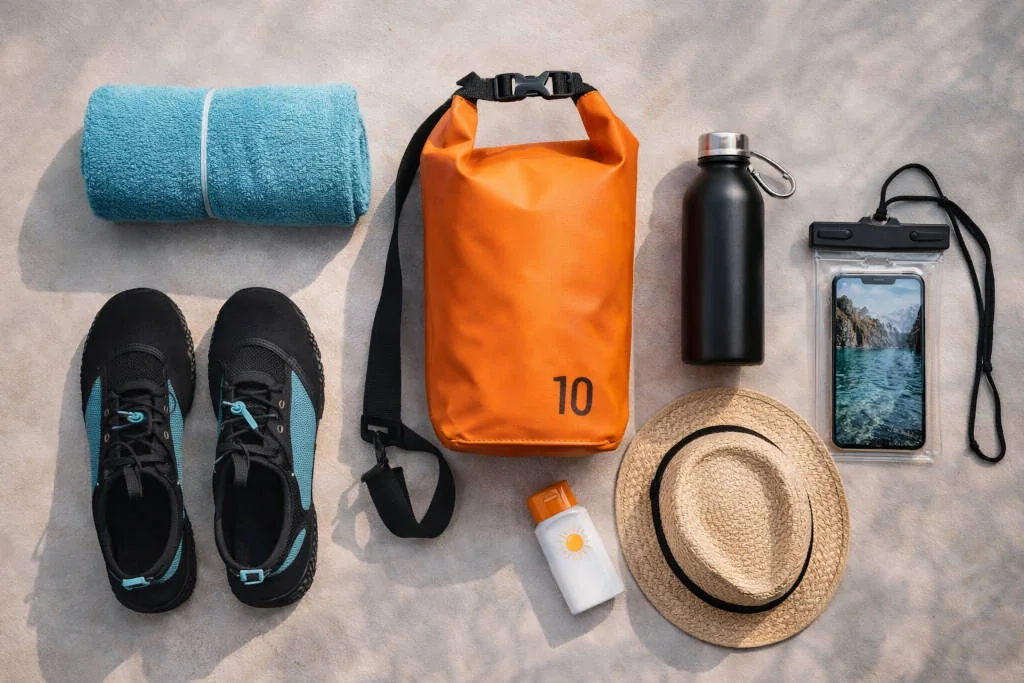 You do not need a long packing list for Kayangan Lake, but a few small choices make a noticeable difference. Bring water first. Even a beautiful stop becomes draining when the heat catches you early.
A dry bag or waterproof pouch is next, especially if your phone is doubling as your camera. Sandals with grip or aqua shoes help if you dislike slick, wet surfaces, and a compact towel keeps the post-swim transition easier once you are back on the boat.
A hat helps more than people expect on bright days, and quick-dry clothing usually feels better than heavy cotton once you start moving between boat, steps, and water. If you are sensitive to glare, sunglasses are worth it for the exposed portions of the stop.
Keep the setup simple: the goal is comfort and less fuss, not overpacking. For bigger-picture transport planning before you even get to Coron, this Philippines public transport guide is handy.
It is also smart to keep a small safety mindset in the background. Wet surfaces, boat transfers, and hot weather are ordinary parts of the day, not dramatic dangers, but they do reward basic care. Bakasyon’s general Philippines travel safety guide covers the sensible basics well.
For a quick destination snapshot before you go, the Wikipedia overview of Kayangan Lake is a fine lightweight reference, but your comfort on the day will come down more to timing and packing than background reading.
Reality Check: The wrong shoes and too little water can shape your mood more than the weather itself. A small practical kit is often the difference between “beautiful but exhausting” and “beautiful and easy enough.”
A Simple Low-Stress Visit Plan for First-Timers
 If you want the easiest default, keep it simple. Choose January to March if your dates are flexible.
Book a route that gets you to Kayangan Lake early in the day whenever possible. Eat a light breakfast, bring water, wear quick-dry clothes, and treat the viewpoint and swim as one smooth stop rather than two separate missions. This is the version that suits the broadest range of travelers, from cautious first-timers to people who simply do not enjoy overheating.
If you are traveling in April or May, keep the same plan but lean even harder into an early slot. The scenery can still be gorgeous, but comfort drops faster once the sun is high. Start early, move steadily, and do not save Kayangan Lake for the most intense part of the day unless your route leaves you no choice.
If your trip falls in wetter months, the low-stress version changes slightly. Watch for the clearest day in your itinerary, stay flexible, and think in backups rather than perfection. Go early, expect weather to shape the atmosphere, and let the stop be memorable without demanding that it look like a postcard every minute.
On a standard group tour, your main win is mindset. You may not control the order, but you can still control preparation, hydration, and expectations.
On a flexible private schedule, your extra win is timing. That is where early morning or a calm late-afternoon slot can make Kayangan Lake feel more spacious and less hurried.
Reality Check: A low-stress plan is not about squeezing every last minute out of the stop. It is about arriving at the right hour, with the right energy, and leaving before the place starts feeling heavier than it needs to.
So, when is the best time to visit Kayangan Lake? For most travelers, the answer is clear: aim for the drier months, put early morning first, consider late afternoon only when you have schedule flexibility, and treat midday as the compromise option. That simple timing choice does more than improve photos. It gives you a cooler climb, a calmer swim, and a much better chance that one of Coron’s most famous stops feels easy enough to enjoy.