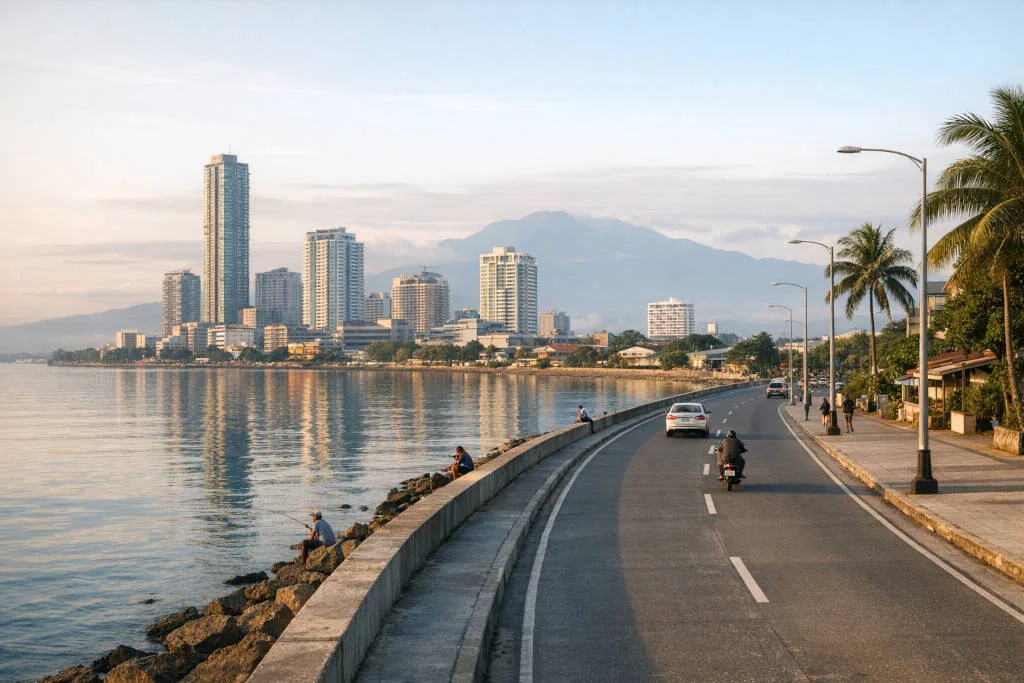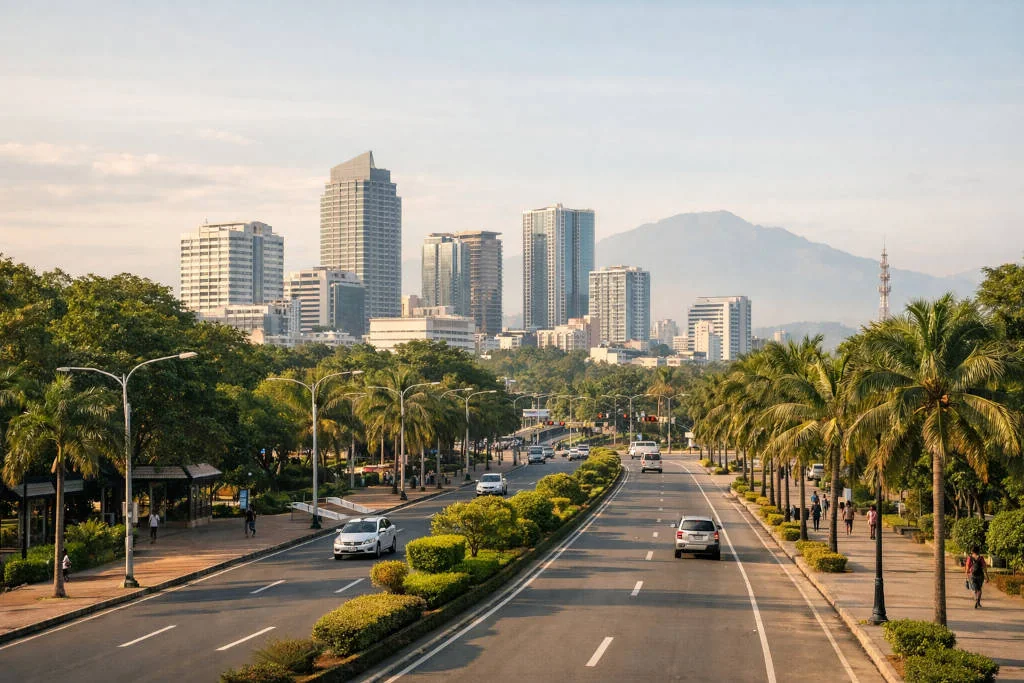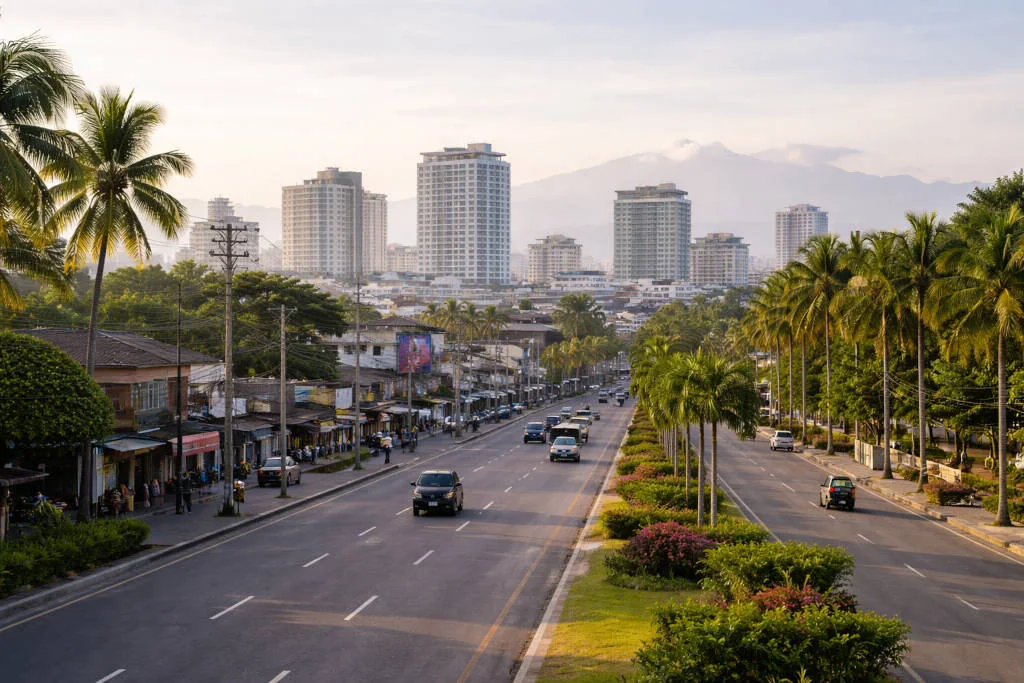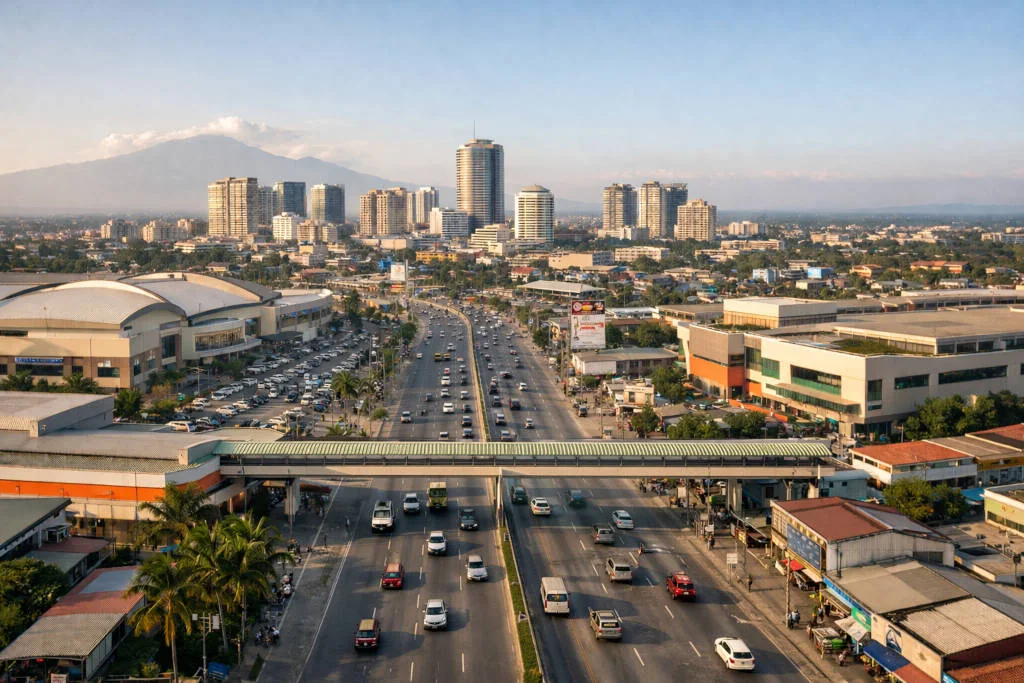
Figuring out where to stay in Davao City is less about finding the fanciest room and more about choosing a base that makes your days feel easy. For a first trip, the right neighborhood can save you from long rides, reduce late-night stress, and keep you closer to the errands, meals, and transport options that make travel feel smooth.
Davao City is wide, practical, and spread out in a way that rewards smart location choices. A polished hotel can still feel inconvenient if it leaves you far from the places you actually need.
That is why this guide stays focused on where to stay in Davao City by area, not by individual hotel. Think of it as a map-based decision tool for first-timers who want a calm, realistic plan.
Whether you are traveling as a couple, with kids, solo, or with a laptop in your bag, the best area often depends on how much you value walkability, airport access, quiet nights, mall convenience, or easy day trips. For broader low-stress planning habits before you book, this first-trip planning guide is a helpful companion.
Where to Stay in Davao City at a Glance
If you only need the quick answer to where to stay in Davao City, start with Bajada and the Abreeza Corridor. It is the safest default for many first-timers because it balances comfort, transport access, food options, and a generally polished everyday feel. It is not the only good choice, but it is the easiest one to recommend when you want fewer tradeoffs.
For easier city days, it helps to stay somewhere with indoor backup options nearby during rainy or very hot stretches. Realistic travel time inside Davao City can still feel longer than the map suggests because the city is broad and traffic builds at peak hours.
Budget bands range from value stays in Matina and Ecoland to more comfort-first choices in Lanang and parts of Bajada. Crowd and traffic pressure are usually highest around mall corridors, school zones, and weekday rush hours, so a base near a major mall, café cluster, or reliable transport corridor can make the trip feel much easier.
Best overall area for first-timers
Bajada and the Abreeza Corridor is the best overall answer to where to stay in Davao City for most first-timers. It feels convenient without being as hectic as the most central pockets, and it offers a practical mix of dining, mall access, taxis, Grab availability, and familiar urban comfort. Reality Check: this area is not silent, and some stretches are more roadside than strollable, but it usually makes first-time logistics easier.
Best area for families
Lanang often works well for families who want a calmer hotel environment, smoother airport access, and more breathing room. It can feel more comfort-led than city-core stays, which matters when traveling with children, luggage, or a tighter energy budget. Reality Check: Lanang is not the best pick if your priority is walking everywhere on foot.
Best area for couples
Lanang and selected parts of Bajada suit couples best. Lanang leans relaxed and polished, while Bajada gives easier access to errands, cafés, and mall-based date-night options. Couples deciding where to stay in Davao City usually do well by choosing between quiet comfort and more central convenience.
Best area for solo travelers
Poblacion and the San Pedro Core can be a strong choice for solo travelers who want central access, familiar landmarks, and an easier sense of being in the middle of things. It suits travelers who value movement and convenience over resort-like quiet. Reality Check: the tradeoff is more city noise, denser traffic, and a less relaxed mood after dark than comfort-oriented zones.
Best area for digital nomads
Bajada, Abreeza, and some parts of Lanang are the most practical for digital nomads comparing where to stay in Davao City. They tend to make daily routines easier with coffee shops, mall access, backup food options, and stronger odds of finding properties with stable Wi-Fi and generator support. Reality Check: never assume a listing is work-friendly just because it looks stylish in photos.
How to Think About Davao City as a Base
City stay versus beach stay
A common first-timer question behind where to stay in Davao City is whether staying in the city also means easy beach access. The practical answer is no, not in the way many travelers imagine.
Davao City is a city base first. Samal is the separate beach decision. You can absolutely plan a Samal day trip or even a split stay, but booking a room in Davao City does not magically place you on a beach corridor. Think of the city as your transport, dining, and errand-friendly hub, while Samal is the island add-on.
For a broader feel of what the region offers beyond accommodation choice, the Davao destination hub and this broader Davao guide help put the city in context. If you are set on beach mood over city convenience, the Island Garden City of Samal overview is useful for understanding why it works better as a separate stay decision.
Reality Check: even a short Samal plan adds transfer time, so it is best treated intentionally rather than as a casual bonus.
Why the right area matters more than the prettiest room
When travelers ask where to stay in Davao City, the best answer often starts with the street outside the property, not the bed inside it. A beautiful room is less helpful if you need multiple rides every day, if the area empties out too early for your comfort, or if simple errands take more effort than expected.
Staying near a mall corridor, transport route, or food cluster often creates a calmer trip than staying in an isolated property that only looks impressive in listing photos.
This matters even more for short stays. If you only have two or three nights, shaving off transport stress can shape the whole mood of the trip. Easy access to taxis and Grab, nearby convenience stores, and reliable evening dining options are not glamorous details, but they are exactly what make a first trip feel manageable.
What changes during rain, late arrivals, or short stays
Rain changes the city. So do late arrivals and quick weekend visits. In these situations, where to stay in Davao City becomes a question of friction reduction.
Areas with major roads, larger hotels, stronger backup systems, and nearby malls become even more useful when weather turns or flights land after dark. The weather and timing guide can help frame seasonal expectations, but on the ground, the smartest move is simple: choose an area with practical fallback options nearby.
Reality Check: Davao City is often described as comfortable and manageable, but it is still a large urban base with real traffic, sudden rain, and the occasional utility concern. Planning for resilience is part of planning well.
Poblacion and the San Pedro Core
Best for
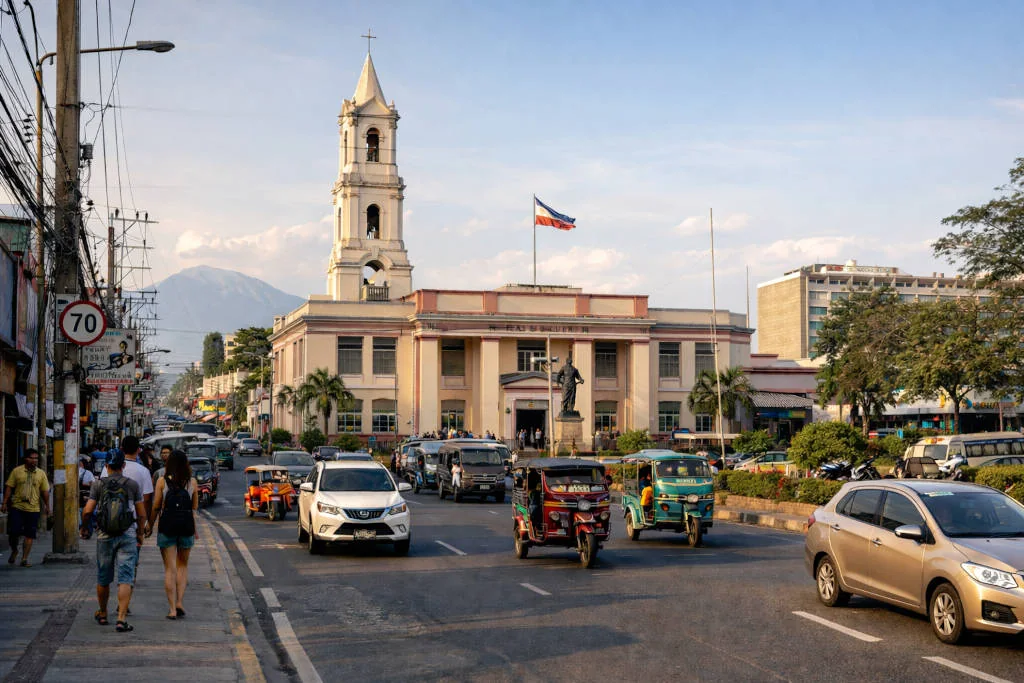 Poblacion and the San Pedro Core suit travelers who want a more central city feel. This area can work well for solo travelers, return visitors who already know how they like to move, and first-timers who value being close to civic landmarks, older commercial areas, and practical transport links. If your version of where to stay in Davao City means being in the middle of the urban rhythm, this is one of the clearest answers.
Pros and cons
The biggest strength here is centrality. You get a grounded sense of everyday Davao City, with easier access to city institutions, long-running food spots, and transport movement. It can also feel more connected to the practical side of the city rather than the polished hotel side. This is useful for travelers who want a direct, no-frills base.
The tradeoff is atmosphere. Poblacion is less about softness and more about utility. Streets can feel busier, older, and noisier than Lanang or parts of Bajada.
Some properties may also vary widely in upkeep, soundproofing, and water consistency, so reading reviews closely matters. For food-minded travelers, this part of the city connects nicely with the flavors and everyday dining culture explored in this Davao food context guide.
Noise, walkability, transport, and beach-access notes
Walkability here is mixed. In practical terms, you may find useful places nearby, but the walking experience depends heavily on the exact block, traffic flow, shade, and sidewalk quality. Transport is generally workable, which helps if central access matters most.
For first-timers deciding where to stay in Davao City, this area is better for being close to the action than for feeling calm and polished.
Beach access is still not direct from here. A Samal day trip is possible, but Poblacion does not remove the need to plan transfers. Reality Check: choose this area because you want city access, not because you expect quiet nights or an easy resort feeling.
Bajada and the Abreeza Corridor
Best for
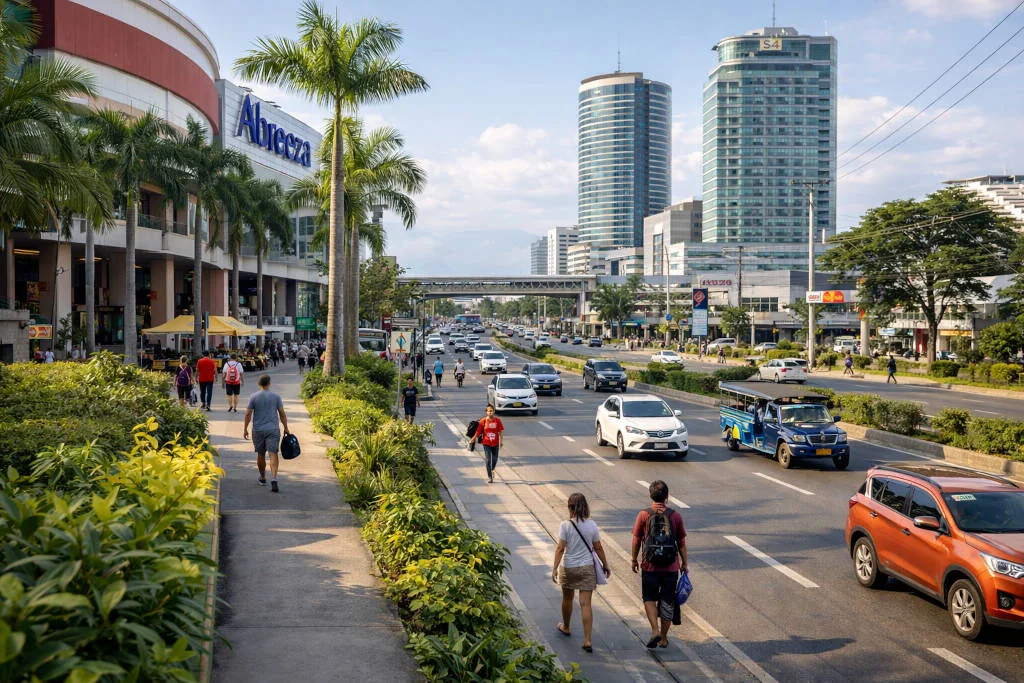 Bajada and the Abreeza Corridor is the most balanced answer to where to stay in Davao City for first-timers, digital nomads, and travelers who like having familiar conveniences close by. It also works well for couples and small families who want a modern-feeling base without committing fully to the airport-side hotel zone.
Pros and cons
This area’s biggest advantage is ease. You are close to mall infrastructure, dining options, cafés, and everyday errands that make travel feel lighter. It is one of the few areas where comfort, city access, and planning simplicity come together in a way that suits many travel styles.
If you value backup choices, this corridor is reassuring. Need dinner after a delayed arrival? Need a quick pharmacy run? Need a café to work from if the Wi-Fi drops? Bajada usually makes those pivots easier.
The downside is that parts of it can feel traffic-heavy and commercial rather than charming. You may not get a postcard-pretty neighborhood, but you do get functionality. For many first-timers asking where to stay in Davao City, that is exactly the right compromise. Reality Check: polished does not always mean peaceful, especially on main-road stretches.
Noise, walkability, transport, and beach-access notes
Walkability is better here in the practical sense than in the romantic sense. You can often reach useful places more easily, but road conditions, heat, and intersections still matter.
Transport is one of the stronger points, and this is where reading up on public transport basics in the Philippines becomes helpful for setting expectations around taxis, Grab, and city movement.
Beach access is still a separate decision. Bajada is a city convenience base, not a shoreline shortcut. If your priority is where to stay in Davao City with the least stress and the best all-around utility, this remains the leading pick.
Lanang and the Airport-Side Comfort Zone
Best for
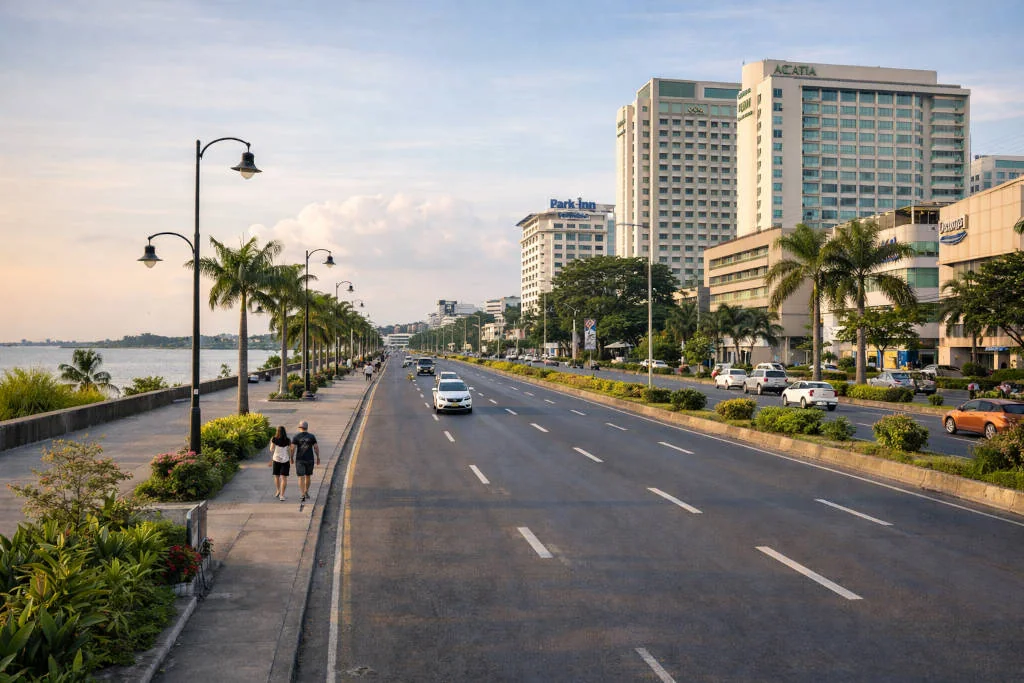 Lanang is best for families, couples, business travelers, and anyone arriving late or leaving early who wants a more comfortable landing zone. It is one of the easiest areas to recommend when airport access and a calmer hotel environment matter more than being near the oldest city core.
Pros and cons
The appeal of Lanang is emotional as much as practical. It often feels more spacious, more easeful, and more comfort-forward. That can be a real gift after a flight, especially if your trip includes children, older family members, or heavy luggage.
For travelers asking where to stay in Davao City when comfort is the top priority, Lanang is the clear contender.
The drawback is that it can feel more self-contained. Depending on your exact property, you may rely more on rides than on spontaneous walks. It is excellent for deliberate comfort, but less ideal if your ideal day involves stepping straight into a dense, central city atmosphere. Reality Check: this is one of the best areas for low-stress arrivals, but not necessarily for a foot-powered city break.
Noise, walkability, transport, and beach-access notes
Noise levels are often more manageable than in central zones, though major roads and airport-side activity can still affect specific properties. Walkability is moderate at best and can vary a lot by block. Transport is generally fine, especially for airport transfers and planned rides. The big point is that Lanang helps smooth the edges of the trip.
As for beach access, Lanang does not replace a Samal decision either. It may feel closer in spirit to a comfort-oriented stay, but it is still part of the city. If you are comparing where to stay in Davao City for a first trip with family comfort in mind, Lanang deserves serious attention.
Matina and Ecoland for Value and South-Side Convenience
Best for
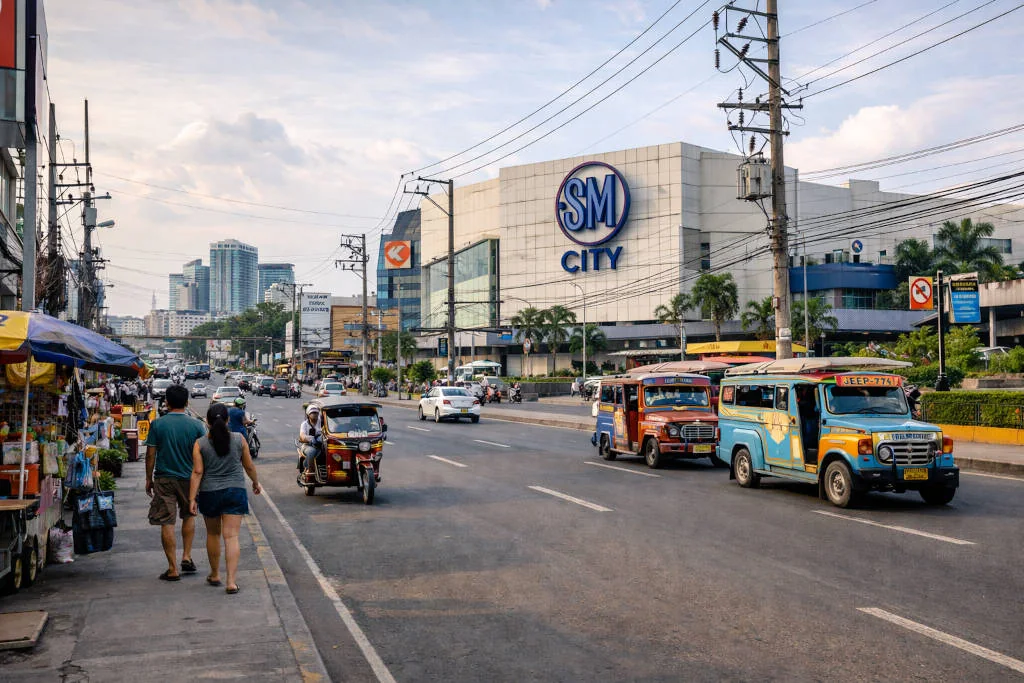 Matina and Ecoland are strong for budget-aware travelers, practical return visitors, and first-timers who prioritize value and south-side convenience over polish. These areas can also make sense if your plans naturally lean toward the southern part of the city or onward transport connections.
Pros and cons
The main advantage here is affordability mixed with useful city function. You can often find stays that feel more cost-efficient while still keeping daily essentials within reach. Mall access and transport-oriented infrastructure can make this part of the city more practical than it first appears.
For travelers carefully weighing where to stay in Davao City without overspending, Matina and Ecoland deserve a fair look.
The tradeoff is consistency. These areas can feel more mixed in terms of street atmosphere, noise, and the polish of surrounding blocks. Some stretches feel highly useful, while others feel more transit-driven than traveler-friendly. Reality Check: this is value territory, so the smartest bookings here come from careful review reading rather than impulse deals.
Noise, walkability, transport, and beach-access notes
Transport convenience can be a plus, especially if you are comfortable navigating a more functional urban environment. Walkability is again practical rather than scenic, and heat plus roadside conditions can make short rides more appealing than walking. Noise can vary sharply based on whether you are close to major roads, terminals, or mall zones.
Beach access remains indirect, just like elsewhere in the city. These neighborhoods are better for efficiency than for leisure atmosphere. For travelers asking where to stay in Davao City on a sensible budget, they can work very well as long as expectations stay realistic.
What to Ask Before Booking Any Davao City Stay
Power, water, and backup generator questions
 Before booking where to stay in Davao City, message the property and ask plain, specific questions. Does the building have a backup generator, and does it cover air-conditioning, elevators, or only hallway lights? Have there been recent water pressure issues or scheduled interruptions? Are hot showers reliable at all hours? These details matter more than decorative room shots.
Properties with clear, confident answers are often safer bets than listings with vague replies. Especially in a city stay, resilience counts. A good first trip is often built on boring but important systems working properly.
Wi-Fi, desk setup, and signal reality
If you are working remotely, ask for actual Wi-Fi speed ranges, not just “fast internet” language. Confirm whether the connection is private or shared, whether there is a proper desk or table, and which network performs best for mobile backup. This is especially important in Bajada, Abreeza, and Lanang, where many travelers assume all modern-looking stays are work-ready. They are not always.
Reality Check: strong Wi-Fi in reviews from six months ago does not guarantee the same experience now. Look for recent mentions of stability, not just speed.
Location pin, mall proximity, and late-night arrival questions
Ask for the exact map pin and compare it with the listing description. “Near” a mall can still mean an inconvenient walk beside busy roads. Ask how long it realistically takes to reach the nearest mall, convenience store, or main road by foot and by taxi or Grab. If you arrive late, ask about check-in flexibility, lobby staffing, and the easiest drop-off point.
For first-timers exploring where to stay in Davao City, these questions often reveal more than a glossy photo gallery ever will.
Safe Booking Tips for First-Timers
How to read map pins and review patterns
Zoom out before you zoom in. A property may look fine on its own pin, but the surrounding roads tell the real story. Check whether it sits on a noisy main road, behind a mall corridor, or in a pocket that may feel quiet but isolated. Review patterns matter more than star ratings. Repeated comments about weak water pressure, slow elevators, confusing access, or unreliable Wi-Fi are more useful than a single glowing review.
For general planning beyond this article, the Travel Guides hub is a good next stop, and the Philippines safety guide is helpful for after-dark transport habits and common-sense arrival planning.
The Davao City Tourism overview can also help you understand which parts of the city lean more active in the evening. Reality Check: “safe” on paper still works best when paired with simple caution, especially on your first night in a new city.
When to choose a refundable rate
Choose a refundable rate when your flight timing is awkward, your plans include weather-sensitive activities, or you are unsure whether you want a city-only stay or a Davao City and Samal split. The small extra cost can buy a lot of breathing room. This is especially useful for first-timers who are still learning where to stay in Davao City based on their own comfort level.
When a Samal split stay makes more sense
A Samal split stay makes sense when beach time is a true priority, not just a nice idea. If your main goal is urban convenience, food access, and low-friction transport, stay in Davao City the whole time. If your main goal is soft sea air, resort downtime, and waking up closer to island leisure, give Samal its own overnight stay instead of forcing it into a city-based plan.
In the end, where to stay in Davao City comes down to the kind of ease you want. Bajada and the Abreeza Corridor is the safest default for most first-timers. Lanang is the comfort pick. Poblacion works for central access and a more direct city feel. Matina and Ecoland can stretch your budget without losing practicality. Choose the area that matches your pace, ask smart questions before you book, and Davao City will feel much easier to settle into from the moment you arrive.