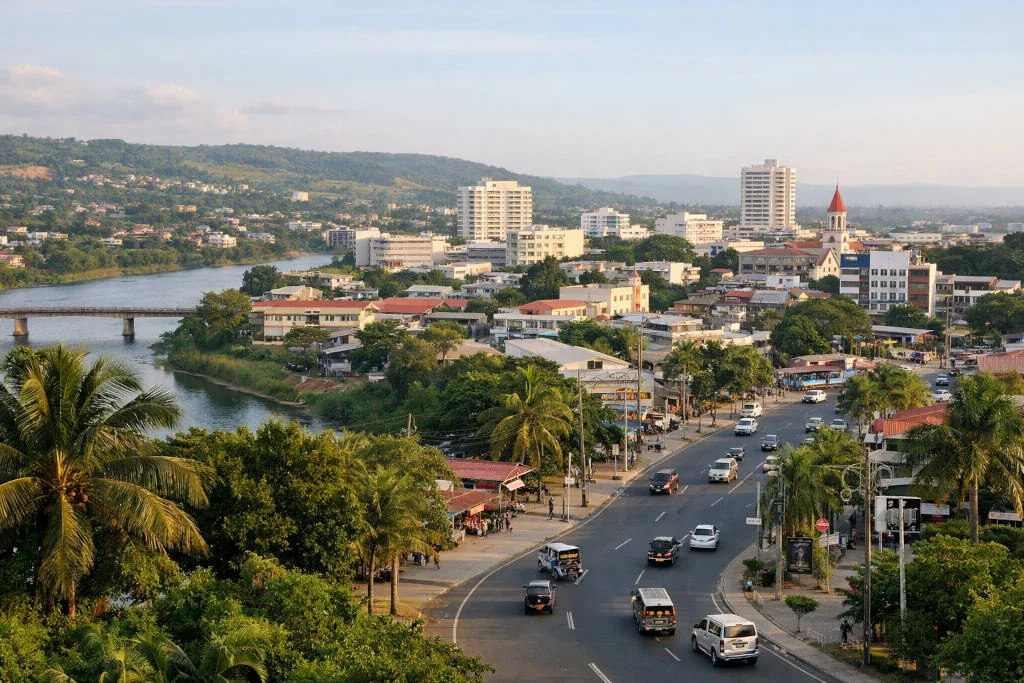
This cagayan de oro travel guide is for travelers who want to decide well before they book. Cagayan de Oro works best as an adventure-friendly city base with useful malls, dining, and transport, plus easy add-on trips around Northern Mindanao. It is not the strongest pick for a beach-first holiday where you wake up a few steps from powdery sand. Think of it instead as a practical urban base with a bit of river energy, some heritage stops, and enough comfort options to keep the trip manageable even for first-timers in Mindanao.
Quick Decision Summary
 At a glance: Best for travelers who want a city base with adventure, especially whitewater rafting, easy food access, and flexible day trips. A realistic low-stress trip is 3D2N for a sampler or 5D4N if you want more breathing room. Dry season usually feels easier for transfers and city pacing, while the rainy season can make river-based plans more dynamic. Budget travelers can manage with simple stays and public transport, but paying more for a central hotel and easier airport transfers often reduces friction fast.
Who Cagayan de Oro suits best
This part of the guide matters most because fit decides everything else. Cagayan de Oro suits travelers who like a trip with structure: one main activity, easy mall access, straightforward dining, and room for side trips without changing hotels every night. It also suits travelers arriving from elsewhere in the Philippines who want Mindanao to feel approachable rather than overwhelming.
If your ideal trip includes a half-day city stop, a river adventure, a proper café break, and a practical base near Centrio, Limketkai, or Uptown, the city makes sense. Families, first-time Mindanao visitors, and mixed-interest groups often do well here because not everyone has to love the same thing. One person can go rafting while another prefers a slower museum, cathedral, or shopping day.
Reality Check: Cagayan de Oro is easier than many travelers expect, but it is still a working city. Traffic, weather, and transfer time shape the mood more than postcard beauty does.
Who may want a different destination or a longer side-trip-based route
If your priority is beaches first, you may want a different destination or a route that uses Cagayan de Oro only as a gateway. The city can support beach add-ons, but those are secondary, not the main reason most people come. Travelers who want long lazy shore days may be happier building a wider island or coastal plan rather than expecting the city itself to deliver that vibe.
This guide also recommends caution for travelers who dislike urban movement, changing weather, or road transfers. If every transfer feels stressful, a single-resort destination may be more restful. For travelers connecting onward, this low-stress Cagayan de Oro to Malapascua guide is a better next read than trying to improvise the route later.
Reality Check: Some nearby nature stops and heritage sites can look simple on a map but feel less simple in real time because of road conditions, weather, or shifting access rules.
Best trip lengths at a glance
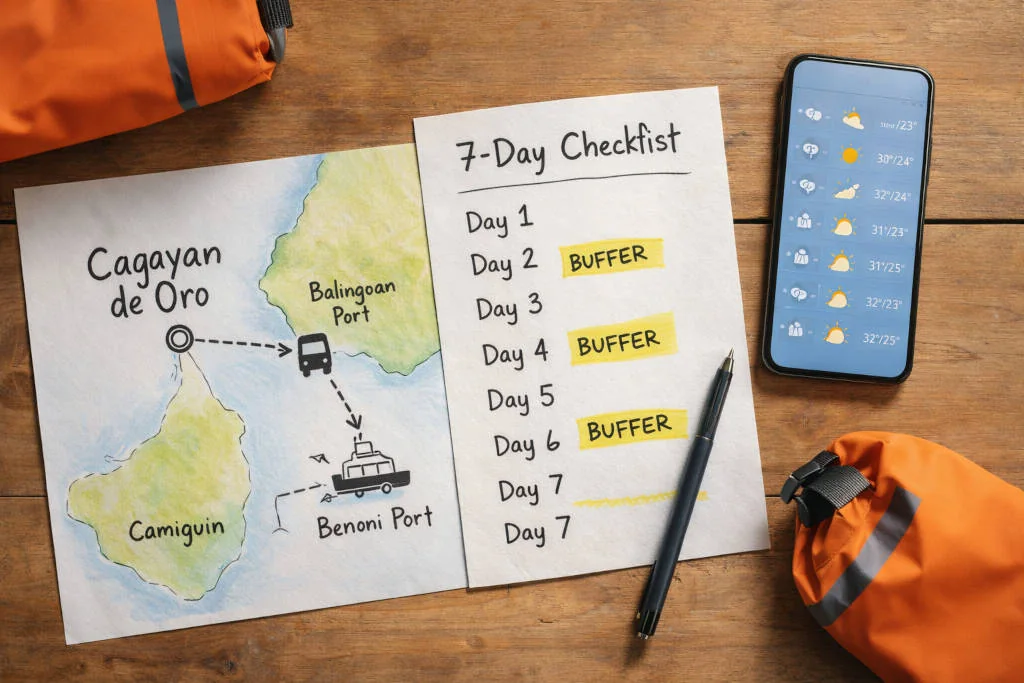
For most first-timers, 3D2N is enough to decide whether they like the city and to enjoy one headline activity without rushing every hour. A 5D4N plan is better if you want recovery time, one side trip, or a weather buffer. Anything shorter than 3D2N can work only if you are already nearby and do not mind keeping expectations modest.
If you already know you prefer slower pacing, this guide leans toward 5D4N. More days here are not about cramming in more attractions. They are about making airport transfers, rainy weather, and energy levels less punishing.
Cagayan de Oro Travel Guide: Best Time To Visit
Easiest months for sightseeing and transfers
In general, the drier part of the year is easier for first-timers because roads, city walking, and day-trip timing feel more predictable. That usually means simpler airport-to-city transfers from Laguindingan Airport, less stress around short outdoor stops, and more confidence when planning a light schedule. For broad seasonal planning, this Philippines weather travel guide helps place Cagayan de Oro in the wider national pattern.
The city itself is workable year-round, but dry conditions usually make this guide easier to follow as planned. For a live forecast outlook before departure, the most useful habit is checking PAGASA weather outlooks close to your travel dates instead of relying on old blog assumptions.
Reality Check: Even in easier months, a hot afternoon can make walking between stops feel heavier than expected, especially if you stack outdoor stops with mall transfers and meals.
When rafting gets stronger
Whitewater rafting is one of the clearest reasons people choose Cagayan de Oro, and stronger river conditions often line up with wetter periods. That can make the adventure more exciting for travelers who want the city’s signature activity at fuller force. But stronger is not automatically easier, especially for nervous first-timers or mixed-age groups.
This guide suggests matching the season to your comfort level, not only your sense of adventure. If rafting is your top goal, ask operators about current river conditions, trip intensity, and cancellation or delay policies close to your date. That is more useful than assuming every wet-season run will be ideal.
Reality Check: River activities depend on weather and safety calls. Build emotional room for timing changes so the whole trip does not collapse around one booking.
Crowd timing, festival timing, and weather tradeoffs
Holiday weekends and festival periods can add energy, but they also add traffic, longer waits, and tighter hotel choices. Some travelers love that rhythm. Others just want an easier version of the city. If your goal is calm planning, travel outside major peak dates when possible and book a central stay early if you are coming during busier periods.
Weather tradeoffs matter too. Rain can cool the day but complicate movement. Heat can keep skies clearer but make mid-afternoon city stops less pleasant. That is why a planning-first trip works better than a checklist trip.
Where To Stay In Cagayan de Oro
Central and easiest base for first-timers
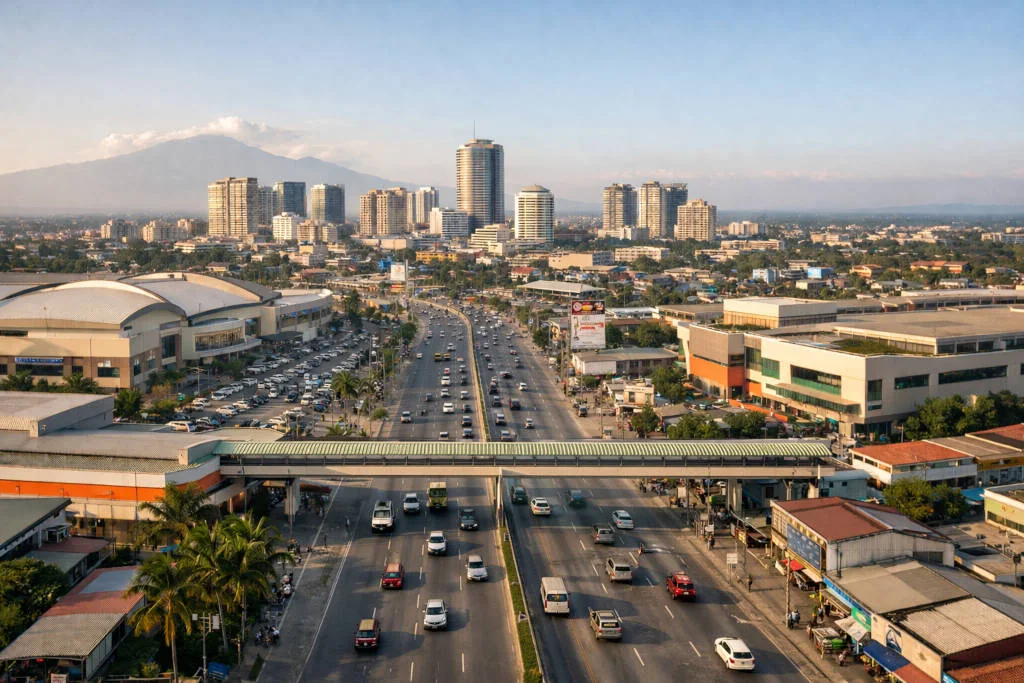
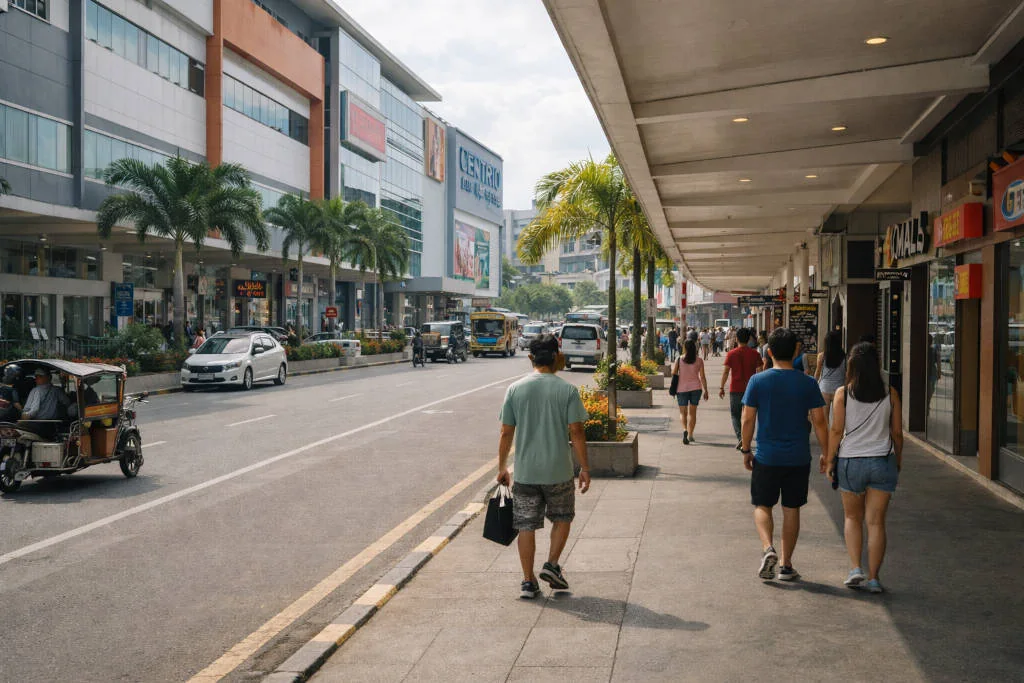 For many travelers, the simplest answer in this guide is to stay in a central commercial area with easy access to Centrio, Limketkai, and major roads. This works well if you want restaurants nearby, a convenient pickup point for tours, and the comfort of having malls, pharmacies, and transport options close at hand. It is especially useful if you are arriving without a car and do not want your first Mindanao trip to feel too open-ended.
Central areas also make it easier to recover from delays. If a flight shifts or rain slows you down, it is far easier to reset when dinner, coffee, and practical errands are all nearby. For broader destination context, the Cagayan de Oro destination hub is a helpful companion read.
Reality Check: Central convenience can come with more traffic, noise, and a less restful nighttime feel depending on the exact block.
Quieter base for families or travelers who want less noise
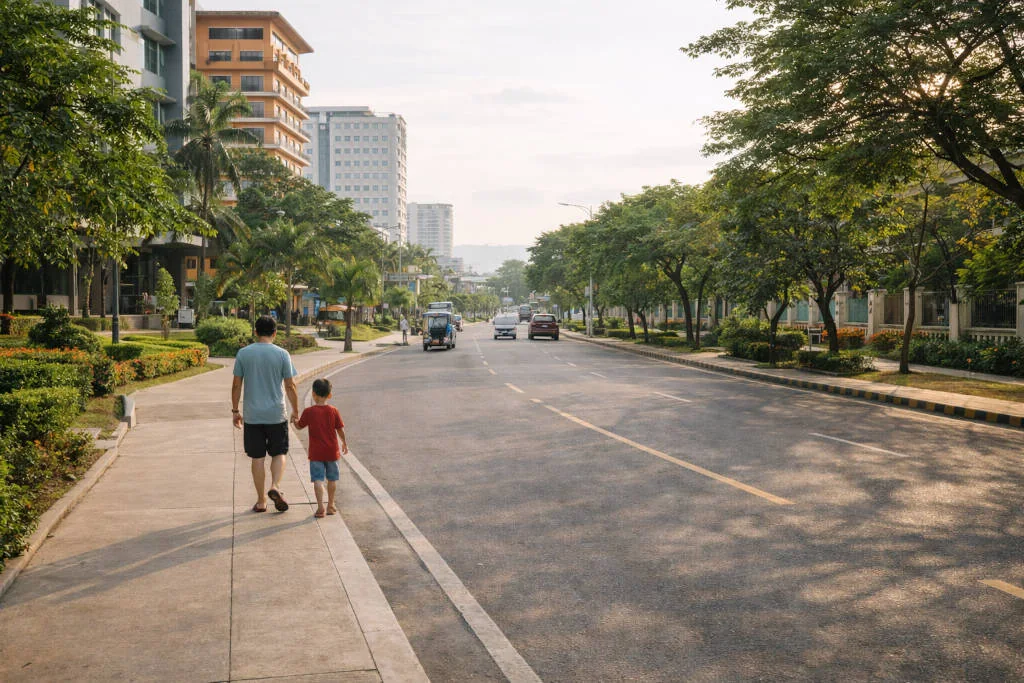 If you sleep lightly, travel with older relatives, or simply want evenings that feel less busy, a quieter base slightly outside the most active core can be worth the tradeoff. Some travelers prefer Uptown or a calmer hotel setting with more space, easier parking, and a softer pace at night. This is often the comfort-forward choice rather than the cheapest one.
A quieter base works well for 5D4N stays, especially if your trip includes one major activity and longer relaxed mornings. It also helps if you expect to rely on GrabCar rather than frequent short walks. The tradeoff is that some quick food or errand runs may require more planning.
Reality Check: “Quiet” is relative in a growing city. Check road access, dining options, and transport availability before assuming a property will feel secluded and simple.
Budget stays with honest tradeoffs on noise, convenience, and comfort
Budget stays are workable in Cagayan de Oro, especially for travelers who care more about location and functionality than hotel polish. You can save meaningfully by choosing simpler rooms, smaller inns, or less polished buildings near transport corridors. That said, the cheapest option is not always the most strategic option.
In this section, the key budget question is not just room rate. It is whether the savings will be erased by extra rides, poor sleep, or a stressful arrival. Paying a bit more for cleaner rooms, stronger air-conditioning, and a more convenient pickup point often improves the trip more than a fancy breakfast does.
Best Things To Do By Travel Style
Nature and adventure
 Whitewater rafting is still the headline experience for many travelers, and it earns that spot because it gives the city a distinct identity. For travelers who want a greener day beyond the urban core, Mapawa Nature Park can fit into the conversation too, depending on current operating conditions and your energy level. The point is not to turn this page into a giant activity list. It is to help you choose one or two experiences that suit the trip you actually want.
If you are a first-timer, choose one signature adventure and keep the rest of the day gentle. That could mean rafting in the morning and a quiet dinner after, or a nature stop followed by a slow mall evening. Travelers already planning a longer route can compare pacing ideas with this realistic 7-day Cagayan de Oro itinerary.
Reality Check: Adventure days can take more out of you than they look on paper. Wet clothes, transfers, early call times, and the tropical heat all add up.
Culture and city stops
City stops work best as supporting pieces, not as a marathon. Divisoria, cathedral areas, plazas, and selected museum or heritage stops can give shape to your understanding of the city without forcing a heavy schedule. Macahambus Cave and related heritage interest often come up in planning, but access conditions and current visitor setup can change, so this guide recommends checking locally before promising that a specific stop will be smooth and fully open.
For local orientation and official tourism contact points, the Cagayan de Oro City Tourism office page is more reliable than old social posts. That is especially useful if you are building a trip around a specific heritage stop.
Reality Check: Heritage sites and viewpoints sometimes appear closer and easier online than they feel during an actual trip day.
Food and casual local evenings
One of the easiest pleasures in Cagayan de Oro is not dramatic at all: it is the comfort of a manageable evening. A meal in a central district, dessert in a mall café, a light walk, and an early return to the hotel can feel better than forcing one more stop. This matters in a planning-first trip because good evenings help the next day run better.
Food exploration here works nicely in layers: local dishes, familiar chains for convenience, and flexible dining in Centrio or Limketkai when weather turns. For readers shaping a wider domestic trip, this Philippines travel planning guide for first-timers is useful for deciding how much structure your evenings really need.
Reality Check: A “quick dinner nearby” can still take time once traffic, rain, or weekend crowds enter the picture.
Beach add-ons with honest expectations
Beach add-ons belong in this guide, but with realistic framing. They can be worthwhile as side trips if you already have extra days and understand the transfer effort. They are less convincing if you are trying to squeeze beach time into a tight 3D2N city-based plan. In most cases, beach time here should be treated as an extension, not the core identity of the trip.
That honest expectation-setting protects your schedule. Cagayan de Oro shines more as an easy urban base with adventure access than as a direct replacement for classic beach destinations.
Sample 3D2N Itinerary With Buffer Time
Day 1 arrival and easy city pacing
Arrive via Laguindingan Airport, keep the airport transfer simple, check in, and let the first day stay light. A late lunch, a short walk near your hotel, and an easy dinner around Centrio, Limketkai, or your base are enough. If your flight lands early and energy is good, add one small city stop, but do not turn arrival day into a full sightseeing push.
Reality Check: Airport arrival days often look empty on paper, but baggage, road travel, and check-in delays can quietly eat half the afternoon.
Day 2 main activity day
Make Day 2 your main activity day. For most travelers, that means whitewater rafting or one outdoor priority. Keep the evening open for recovery, a proper meal, and early rest. This is the heart of the cagayan de oro travel guide: pick one clear headline activity and support it with enough breathing room that it still feels enjoyable.
Day 3 lighter half-day and departure
Use the final day for a lighter half-day only if your departure timing allows it. A short café stop, a mall errand, or one compact culture stop is enough before heading out. Avoid long-distance side trips on departure day unless your transport is extremely forgiving. The goal is to leave without the dragged, overpacked feeling that often follows ambitious 3D2N plans.
Sample 5D4N Itinerary With Buffer Time
How to spread out activities instead of stacking them
Day 1 should still be mostly arrival and settling in. Day 2 can carry the main activity. Day 3 is better for city stops and a long lunch. Day 4 can hold a side trip, extra nature time, or a slower version of whatever part of the city you liked best. Day 5 stays light for departure. This guide strongly favors spacing activities rather than stacking them because that is how the trip stays pleasant in real Philippine conditions.
Where to place a side trip or recovery half-day
The best place for a side trip is usually after you have already adjusted to the city, not immediately after landing. Put it on Day 4 or later if possible. If you know you tire easily, convert one half-day into deliberate recovery time instead. That could mean sleeping in, having brunch, browsing a mall, or taking only one simple stop. There is real value in a trip that does not need rescue by the second evening.
Rainy-day fallback options
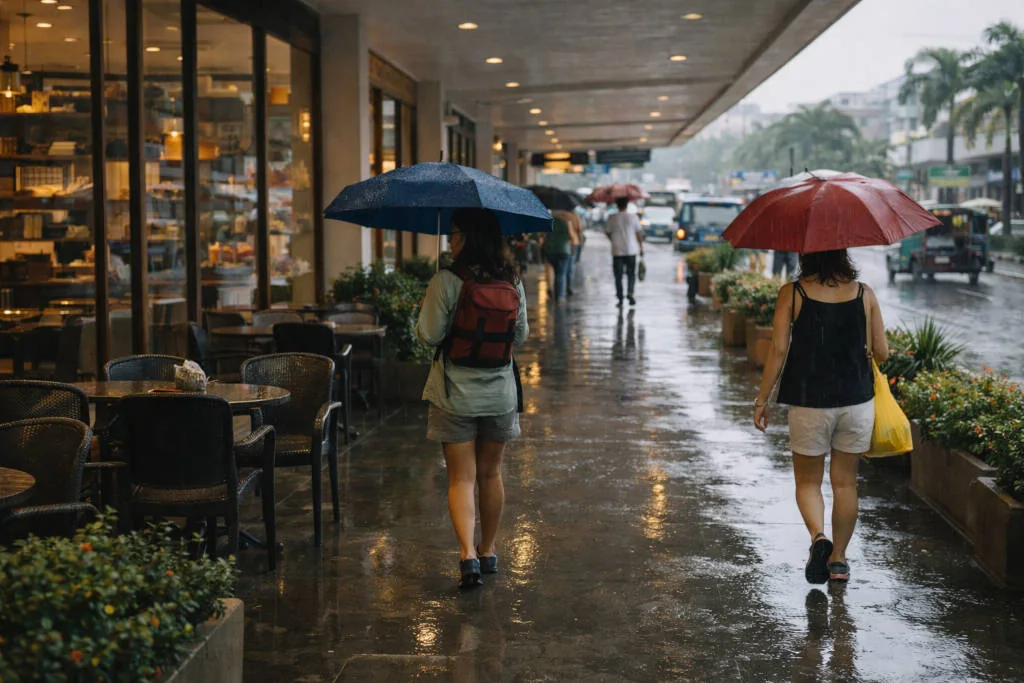 Rainy weather changes the tone of the trip more than the destination itself. Good fallback options include mall-based meals, cafés, practical errands, and any indoor activity that does not require a long road transfer. Travelers using public transport can also review this Philippines public transport guide to set expectations for how movement feels when weather and timing are less ideal.
Reality Check: The best rainy-day backup is not always a formal attraction. Sometimes it is simply a convenient, comfortable, low-effort day that protects the rest of the itinerary.
Getting There And Getting Around
Laguindingan Airport and airport-to-city transfer logic
 Laguindingan Airport is the main air gateway for most travelers, and the first planning win is deciding your transfer before you land. If convenience matters most, arrange a hotel pickup or use a straightforward airport transfer option into the city. If you are more budget-sensitive, shared or simpler ground transport can work, but build extra time and patience into arrival day.
This part of the guide matters because the airport is not right in the city center. The transfer is normal and manageable, but it should be treated as a real part of the journey rather than an afterthought.
Optional port or ferry mention without overemphasizing it
Some travelers arrive through wider Mindanao or Visayas routes that involve ferry or port connections, but this is secondary for most first-time visitors. It is enough to know that overland and sea-linked routes exist without making them the backbone of a short city break. Unless your route already depends on them, flights usually keep the trip cleaner and easier.
Taxis, jeepneys, motorelas, and ride-hailing in practical terms
For short urban movement, you will likely compare taxis, jeepney routes, motorelas, and ride-hailing such as GrabCar. For first-timers, GrabCar or standard taxis often reduce stress the most, especially in rain, at night, or when carrying bags. Jeepneys and motorelas can be useful for travelers comfortable with local transport rhythms, but they ask for more flexibility and route confidence.
For a calm first trip, the best strategy is mixed transport: easy paid rides for airport day, heavier weather, or evening returns, then lighter local options only when you have the energy and clarity for them. For wider practical safety habits, this Philippines travel safety guide is a sensible companion.
Budget Versus Comfort Tradeoffs
Where paying more reduces stress
The smartest splurges in this guide are not glamorous. They are usually a better-located hotel, a cleaner room, easier airport transfer arrangements, and transport that gets you home without confusion. These small upgrades matter because they reduce the friction points that travelers remember most.
Where budget choices are still fine
Budget choices are still fine when they do not create a chain reaction of inconvenience. A simpler room can work. A less flashy meal can work. Public transport can work for selected segments. The trick is choosing where savings stay invisible and where savings start shaping the whole mood of the trip.
Sample Daily Spend Ranges
Budget travelers can keep daily costs moderate with simple lodging, local meals, and selective transport spending. Mid-range travelers usually gain the most in comfort because central hotels, mall-adjacent dining, and smoother transfers are easy to access. The biggest cost swings come from room standard, airport transfer choices, and whether your main activity day includes organized adventure pricing. This cagayan de oro travel guide avoids fake exact numbers because actual spend shifts fast with weather, season, and how convenience-focused you want to be.
Common Pitfalls And Low-Stress Fixes
Overpacking the itinerary
The biggest mistake is trying to prove the trip was “worth it” by filling every slot. Cagayan de Oro works better when the plan feels edited. Choose one major activity, one or two supporting city stops, and evenings that stay manageable. That is enough.
Underestimating transfer time
Another frequent mistake is treating transfer time as invisible. Between Laguindingan Airport, city traffic, weather, and pickup windows, a day can narrow quickly. Put buffer time around anything important, especially on arrival and departure days.
Assuming every attraction is current and fully open
Access status can change, especially for sites where maintenance, weather, or local operating conditions matter. Macahambus is a good example of why this guide stays careful. Verify current access close to your travel date instead of building the whole trip around one assumption.
In the end, the best version of a first trip here is not the busiest one. It is the one that matches your energy, your weather window, and your tolerance for movement. Cagayan de Oro is strongest when you use it as a practical base for adventure, city convenience, and flexible add-ons. Plan it that way, and this cagayan de oro travel guide becomes less about chasing every stop and more about building a trip that feels calm, realistic, and genuinely enjoyable.