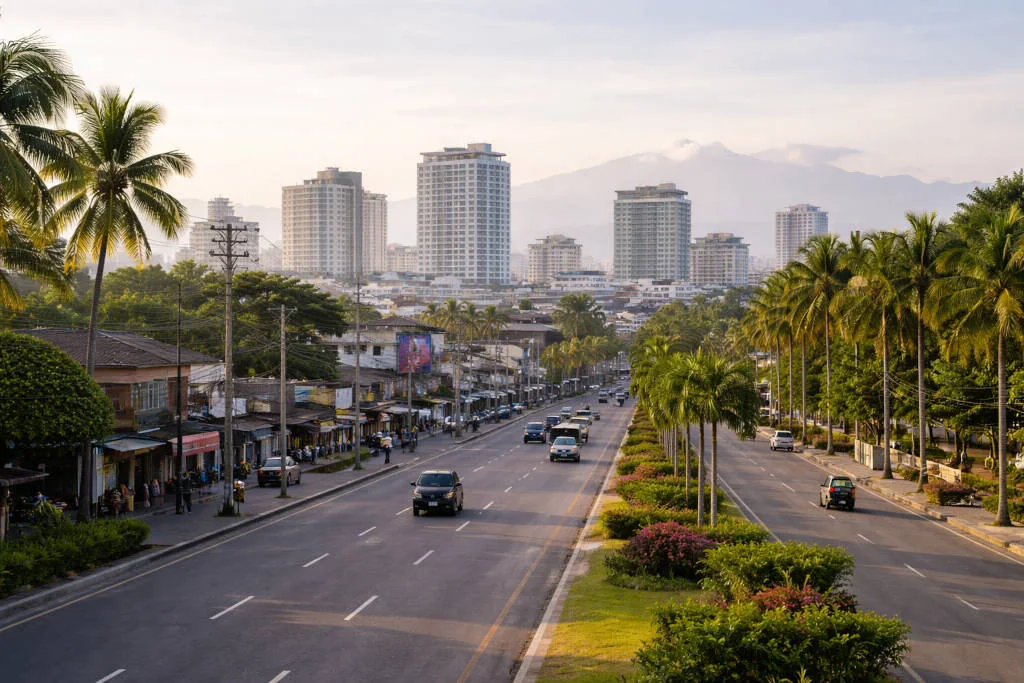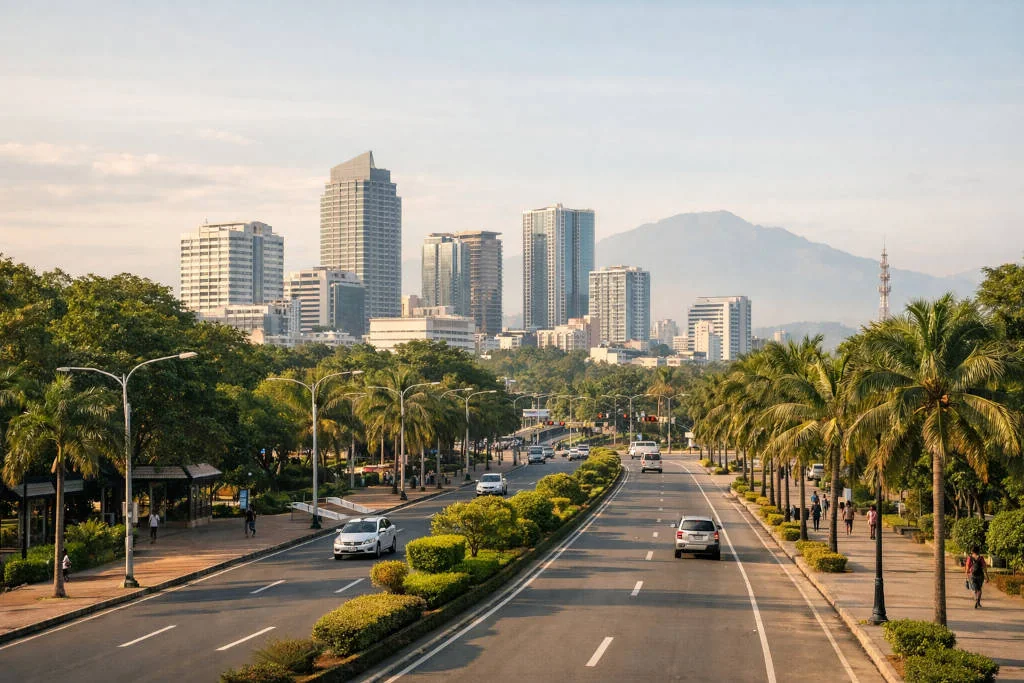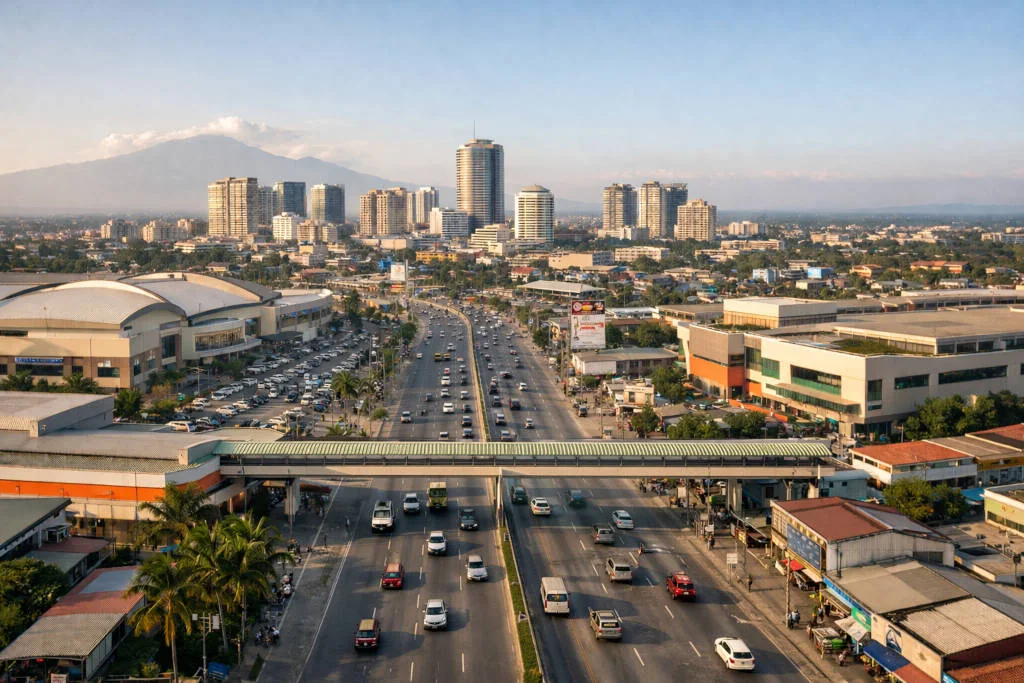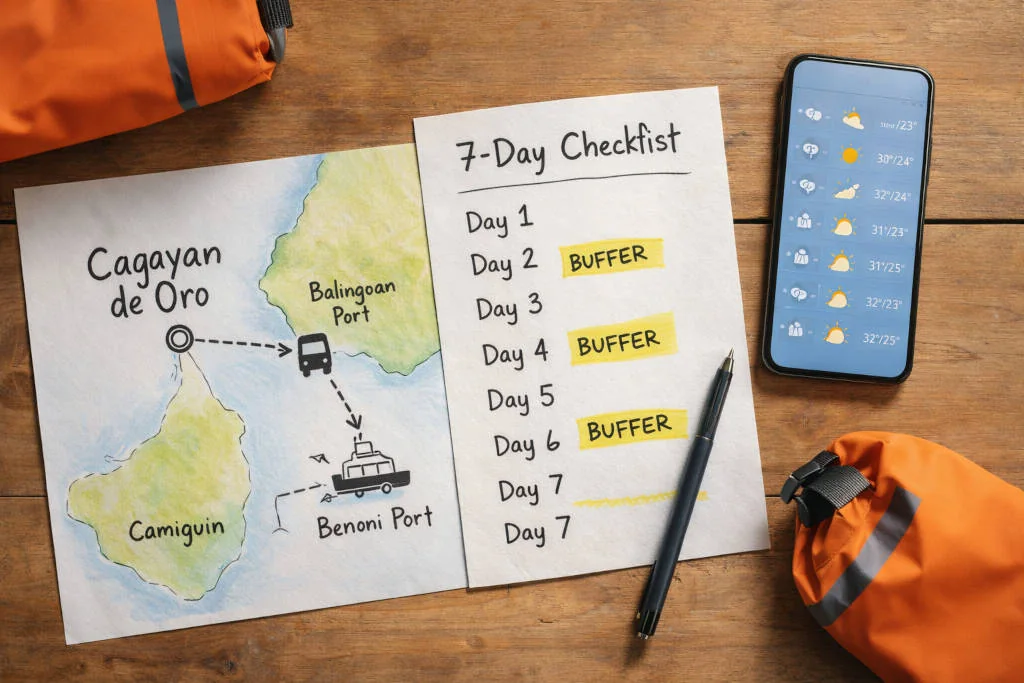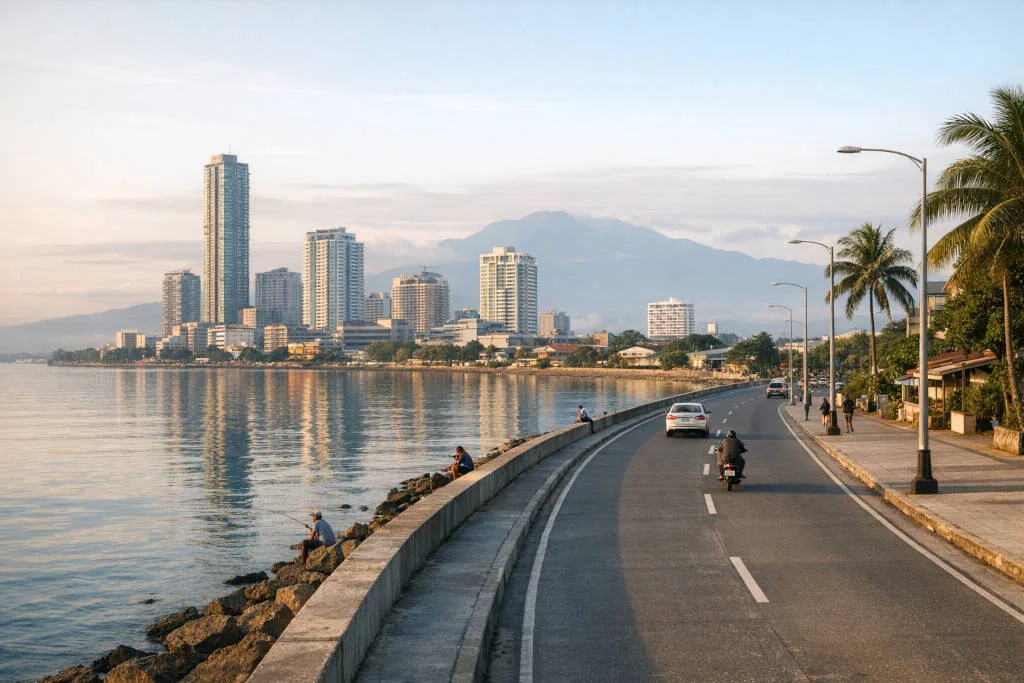
A good Davao City itinerary 3 days plan should feel calm from the start.
Three days is enough for a satisfying first trip, but only if the route respects arrival fatigue, traffic pockets, weather swings, and the transfer friction that shows up at the airport and the wharf. This version is not about squeezing in every famous stop. It is about making three days in Davao City feel smooth, realistic, and worth the airfare.
The best way to think about this trip is simple: keep Day 1 intentionally light, let Day 2 carry the trip with one strong upland anchor, and treat Day 3 as a decision point rather than an obligation.
That is what makes a tight Davao itinerary 3 days route feel enjoyable instead of rushed. For broader city context before you lock your plans, our Davao travel guide is a helpful companion read.
At a Glance: Davao City Itinerary 3 Days
Best time window: aim for a dry or relatively stable stretch if you want Samal on Day 3.
Realistic travel time: airport to hotel can be quick on paper but still stretch with curbside confusion, luggage, or peak-hour traffic, so leave buffer on arrival day.
Budget band: this trip works on a modest city-hotel budget, but comfort rises fast if you prebook private transfers or a car for the upland day.
Crowd or traffic risk: the airport pickup area, rush-hour city roads, and Samal transfer points create the biggest slowdowns. Rain or heat backup: if skies look uncertain or energy drops, swap Samal for a softer city day with a museum, café, shaded stop, and an earlier pack-up.
How this 3-day Davao itinerary works
Who this route fits best
This route fits first-time visitors, couples, small families, and solo travelers who want a clear base plan without changing hotels.
It also works well for people arriving from Manila, Cebu, or another Philippine city and wanting one clean sample of Davao without turning the trip into a checklist. In practical terms, this Davao City itinerary 3 days setup suits travelers who care more about flow than bragging rights.
If your style is slower, the city rewards that. Davao can feel broad rather than dense, so moving between zones often takes more energy than it looks on a map. One easy hotel base, one reliable anchor day, and one flexible final day usually create a better first impression than trying to do city sights, uplands, and Samal all at once.
Reality Check: three days is enough for a good first trip, but not for a deep one. Travelers who want long café mornings, a full Samal beach day, and several upland stops without watching the clock will feel the limits by the second afternoon.
The trip logic in one quick glance
Day 1 is an arrival block, not a full sightseeing day. Even with a morning flight, it is smarter to do one easy city area, settle into your hotel, and save your real energy for Day 2.
Day 2 becomes the anchor with the Philippine Eagle Center and one nearby add-on only if weather, appetite, and energy still feel good. Day 3 is the fork: choose Samal if conditions are friendly and you genuinely want the transfer steps, or stay in the city if you want a softer finish.
That logic is what keeps this Davao City 3 day itinerary useful. It protects the best part of the trip from avoidable delays and leaves room for weather decisions without breaking the whole plan. If you like comparing routes before you commit, our wider Travel Guides hub can help you line this trip up against other short Philippine escapes.
Before Day 1: what to prebook and what to keep flexible
What to lock in before the trip
 Prebook the pieces that remove the most stress, not everything. Start with your first hotel night and choose a base that matches your style: central areas are easier for budget travelers who want food and short rides, while comfort-first travelers may prefer a polished hotel with more predictable pickup and dining options.
If you are arriving late, carrying bulky luggage, traveling with children, or landing during a peak period, an airport transfer is worth arranging ahead instead of gambling on arrival.
For Day 2, comfort-first travelers should strongly consider prebooking a car, driver, or organized day plan because the upland day works best when you can leave early and avoid piecing rides together. If Samal is a must-do, only prebook day-use access or a resort transfer when the forecast looks reasonably stable and the final-day timing of your trip supports it.
Before finalizing details, check the Davao City Tourism official guide for current visitor information and pair it with this Philippines first-trip planning guide if you are still deciding how much structure you need.
Reality Check: prebooking can reduce stress, but overbooking can trap you in bad weather or low-energy choices. The point is to secure the high-friction parts, not to remove every bit of flexibility.
What to decide on the day itself
 Keep your Day 3 choice flexible until the day itself. Samal is worth doing when skies are cooperative, your start is early, and you do not mind a wharf transfer or resort pickup routine. A city buffer is smarter when rain is looming, sleep was short, or you want a gentler final day with easier meals, shopping, and shorter rides. This is where the route becomes traveler-friendly: it accepts that not every trip has the same weather or energy curve.
Also keep your Day 2 add-on flexible. The Philippine Eagle Center is enough to make the day feel meaningful. Anything extra should depend on how the roads feel, how quickly you move through the main stop, and whether the weather still makes an upland extension pleasant. For planning around seasons and shower patterns, our Philippines weather guide is more useful than guessing from a single sunny morning.
Day 1: Arrival and easy city start
Morning arrival version
If your flight lands in the morning, think of Day 1 as a soft landing with one modest city layer, not a full itinerary. Go from the airport to your hotel, drop your bags, and eat a proper lunch.
Then give yourself a slow first look at the city. A park, a museum, or a comfortable café block works better than a long cross-city circuit. By late afternoon, you can rest, freshen up, and decide whether you still want a simple evening stop such as Roxas Night Market.
This version works because it keeps your first few hours low-risk. You still get the texture of Davao City, but without letting arrival friction steal energy from the rest of the trip. Travelers who land early often think they can do too much on Day 1, then feel flat by the time the upland day arrives.
Reality Check: even a morning arrival rarely feels like a full fresh day. Check-in timing, heat, airport pickup confusion, and the very human need to sit down with coffee or merienda can quietly trim your sightseeing window.
Afternoon arrival version
An afternoon arrival should be even simpler. Make hotel check-in the main win, then add only one easy movement: dinner nearby, a short seafront or neighborhood walk, or a low-effort stop if your hotel location makes it convenient. This is the right version for travelers who do not want to spend the evening watching the time or hunting down transport after a travel day.
If you still have some energy, keep the night casual rather than ambitious. A meal, a short stroll, and an early sleep will serve your Davao City itinerary 3 days plan better than trying to chase multiple food spots or late rides. If you want more ideas for nearby neighborhoods and side options, our Davao hub is a practical next read.
Day 2: Upland Davao anchor day
Philippine Eagle Center as the main anchor
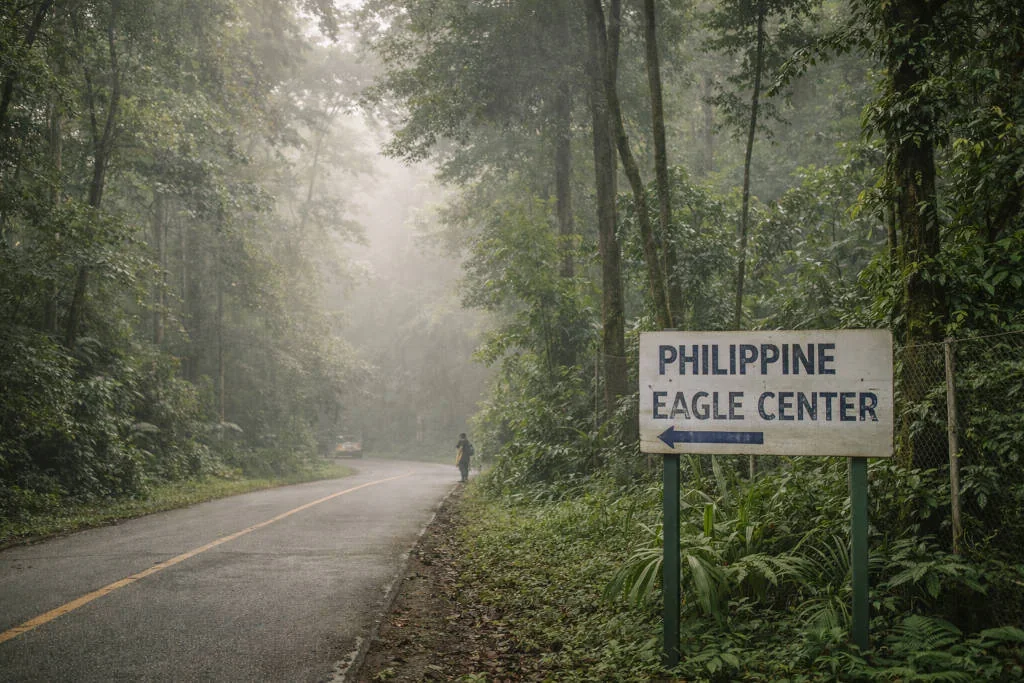 Day 2 should do the heavy lifting, and the Philippine Eagle Center is the best main anchor for that job.
It gives the trip a stronger sense of place than another easy city stop, and it makes the second day feel distinct from arrival and departure logistics. Leave early, bring water, and plan the day around this stop first rather than treating it as one item in a long chain.
The upland shift also changes the mood of the trip. Air can feel greener and calmer, and the day starts to feel like a real excursion instead of urban errands between meals. That said, the smartest version of this Davao itinerary 3 days plan is still conservative. Let the main anchor breathe, take your time with lunch, and avoid turning the route into an all-afternoon scramble.
Reality Check: the upland day is rewarding, but road time matters. Rain, weekend traffic, and slow meal stops can shorten what looked generous when you first sketched the day on your phone.
One nearby add-on only if energy and weather are still good
If you want to extend Day 2, add only one nearby stop. A garden visit, a relaxed Malagos-side lunch, a café with a view, or another low-friction upland stop is enough. One add-on keeps the day feeling full but still recoverable. Two or three add-ons can turn a good anchor day into a tired evening with no appetite left for dinner.
This is also where budget and comfort start to separate. Budget travelers may be happier ending after the main anchor and heading back to the city before the roads grow heavier. Comfort-first travelers with a private car can absorb a gentle extra stop more easily because they are not negotiating each next ride in real time.
Day 3: Samal day trip or buffer day
Better-weather version for travelers who want Samal
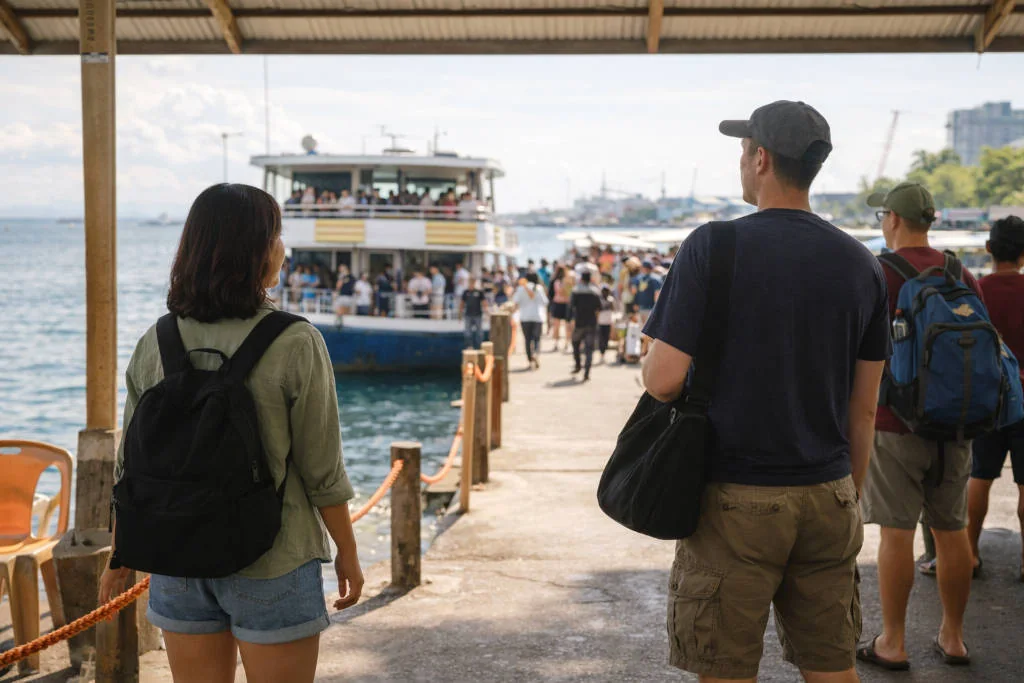 Samal is worth doing when the weather looks stable and you actually want a beach-leaning final day.
The best version starts early, keeps expectations practical, and respects the transfer chain: ride to the wharf, waiting time, loading, crossing, local transfer on the other side, then the same sequence in reverse. That can still make for a lovely day, but the beauty of the island does not erase the fact that it takes coordination.
For that reason, Samal works best on Day 3 when you are not also trying to squeeze in major city stops before or after. Pick one beach or resort-focused plan, enjoy the lighter pace, and begin your return with more buffer than you think you need. The Samal Turismo official guide is the right place to check current visitor information before committing.
Reality Check: Samal is not the automatic answer for every three-day trip. If your flight timing is awkward, skies are mixed, or you dislike queue-heavy transfer mornings, a city buffer can honestly be the better use of your last day.
Rainy or low-energy version inside the city
 A softer city finish can be the smartest choice in this Davao City itinerary 3 days route. Think museum, shaded park, café time, a simple local meal, souvenir shopping, or a gentle neighborhood wander close to your hotel. This version is especially good for travelers who already had a full Day 2 and want the last day to feel breathable rather than performative.
It is also the best rainy-day backup. You can stay flexible with short taxi or ride-hailing hops, keep your bags organized, and protect your departure day from the kind of wharf or weather surprise that creates stress. In many cases, the city buffer leaves travelers feeling more rested and more affectionate toward Davao than a forced beach run would.
Transport notes that actually change the plan
Airport pickup points and arrival friction
The airport is where a short trip can lose its smoothness early. Pickup points are not always as intuitive as tired travelers hope, especially when everyone is looking for their ride, waiting for companions, or adjusting luggage.
Ride-hailing can still be convenient, but your first few minutes may involve finding the correct pickup area, confirming the plate, or walking farther than expected in the heat.
For budget travelers, this mostly means staying patient and keeping your first hotel choice simple to reach. For comfort-first travelers, it means prearranging late arrivals, larger groups, or bulky luggage. A clean arrival is worth more on a three-day trip than on a longer one because every small delay feels larger when your schedule is compact.
Reality Check: the flight itself is only part of arrival. Baggage belts, curbside crowding, and a short but tiring ride into the city can easily make Day 1 feel half-spent.
Wharf access, waiting time, loading, and return timing
The Samal transfer looks easy in summary form, but the details matter. Wharf access, pedestrian flow, queues, loading order, and the timing of your return can all influence whether the day feels relaxed or chopped into pieces. Even when each leg is straightforward, the stop-start nature of the journey adds friction that should be respected in any Davao City 3 day itinerary.
This is why a same-day Samal decision often makes sense. If the morning is bright and you are ready early, go. If not, choose the city. Travelers who want a wider look at how local transfers, ferries, and land connections work across the country can also skim this Philippines public transport guide before the trip.
Budget and comfort versions of the same itinerary
Budget-friendly version
The budget version keeps one central hotel base, uses taxis or ride-hailing for the highest-friction legs, and avoids overcommitting to expensive prebooked extras.
Day 1 stays light and close to your hotel. Day 2 focuses on the Philippine Eagle Center as the main paid anchor, with an add-on only if fares, weather, and energy still make sense. Day 3 leans toward the city buffer unless Samal is both affordable and logistically smooth that morning.
Meals can stay casual and satisfying without becoming part of the stress. A simple breakfast, a solid lunch, merienda, and one easy dinner often suit three days in Davao City better than restaurant-hopping. Budget travelers usually get the best value by paying for convenience only where it protects the flow of the trip.
Reality Check: the cheapest option is not always the best value on a short break. One well-timed taxi can save enough energy to keep the rest of the day enjoyable.
Comfort-first version
The comfort-first version buys down uncertainty. Choose a hotel with reliable pickup access and easy dining nearby. Prebook the airport transfer if arrival timing is awkward, use a car or driver for the upland day, and only attempt Samal if you are happy to pay for a smoother chain of movement. This does not have to mean luxury. It simply means choosing fewer decision points on the ground.
Comfort-first travelers also benefit from leaving more white space in the plan. That can look like returning to the hotel before dinner on Day 1, taking a slower lunch on Day 2, or replacing Samal with a polished city day if the weather is mixed. For practical peace of mind before departure, this Philippines safety guide is worth reading once, then keeping the rest of your planning simple.
Final planning notes before departure
What to leave for the last half day
Keep your last half day light and close to your hotel or airport route. This is the right time for coffee, pasalubong shopping, a final easy meal, or a short stop that will not punish you if traffic thickens. Avoid long upland rides, complicated transfers, or any plan that depends on perfect timing. A short trip feels better when the ending is calm.
That calmer finish is one of the quiet strengths of this Davao City itinerary 3 days guide. You leave with room to breathe instead of racing the clock, and the city has a better chance to feel welcoming rather than demanding.
When travelers should choose the 4-day guide instead
Choose the 4-day version when you know you want both an upland day and a proper Samal day without turning one of them into a rushed add-on.
It is also the better choice for families with young children, travelers who want longer meals and slower mornings, or anyone arriving on a late flight and leaving on an early one. Four days gives the route more breathing room and reduces the need to make hard weather decisions.
But for many first-timers, this Davao City itinerary 3 days plan is enough. It gives you a real feel for the city, one memorable anchor beyond the urban core, and the freedom to decide whether your final day should be seaside or simply soft. That balance is what makes a short Davao trip feel well planned, honest, and still warm.