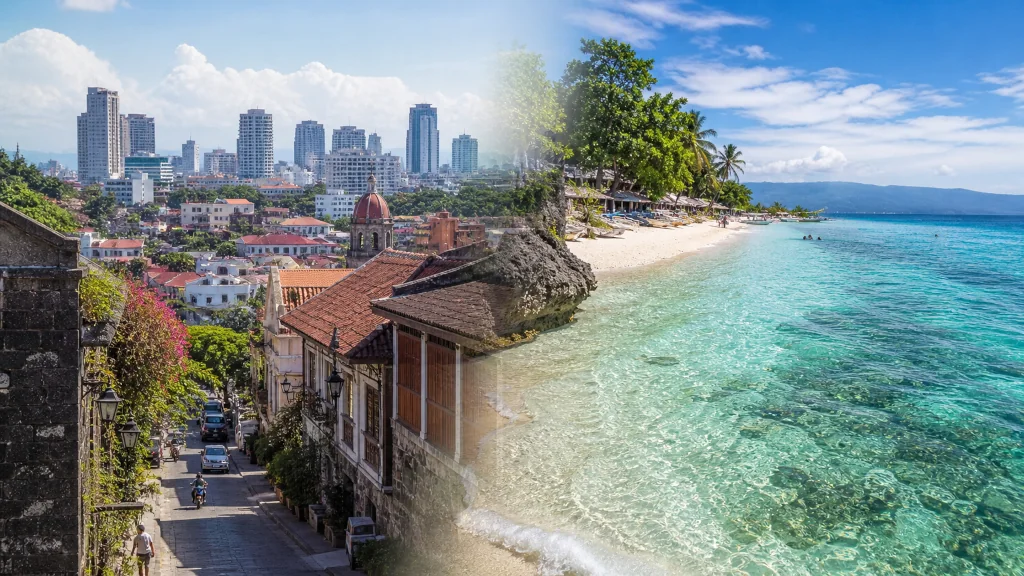
The Best Time to Visit Moalboal usually comes down to one simple question: do you want the easiest mix of calmer seas, manageable heat, and fewer planning headaches? Moalboal is beautiful across the year, but the experience can feel very different depending on when you go. A bright, glassy morning can make shoreline snorkeling feel effortless. A windy or wetter stretch can make boat plans shakier, raise transport friction, and turn a supposedly easy beach day into a more stop-start one.
This guide focuses on the real tradeoffs behind Moalboal trip timing: weather comfort, crowd pressure, sea reliability, prices, and what still works when conditions are not ideal. For travelers building a bigger trip, this also helps connect your dates with first-time Philippines planning so your itinerary feels realistic from the start.
Best Time to Visit Moalboal at a Glance
 For most travelers, the Best Time to Visit Moalboal is from late January to early April. This window often gives the easiest balance of sunnier days, calmer mornings, lower rain risk, and better odds for boat-dependent plans. February and March are especially appealing for first-timers because the weather is usually more cooperative without the intense holiday pressure of late December and early January.
April to early June can still be a good time to go, especially for travelers who prioritize sunshine and can handle stronger heat. It often feels brighter and photogenic, but midday conditions can be sticky, draining, and less forgiving if you plan long walks or transfers. June to November is generally wetter and more changeable. That does not mean Moalboal stops working, but it does mean sea texture, afternoon rain, and cancellation risk become bigger parts of the conversation. December can be lovely, but it also brings festive travel demand, higher room pressure, and less breathing room in your plans.
If you want one easy rule, choose a midweek stay in late January, February, or March, and lean toward mornings for sea activities. If you are comparing two nearby dates, the better choice is usually the one farther from a major holiday and closer to a calmer local forecast.
Reality Check: No month guarantees flat seas all day or zero rain. Even in a strong-weather week, wind and wave conditions can change quickly enough to affect comfort, especially for small boats and first-time snorkelers.
How Weather, Heat, Wind, and Sea Conditions Affect a Moalboal Trip
Choosing when to go is not only about whether it rains. It is also about how heat builds during the day, how wind changes the feel of the shoreline, and whether sea conditions stay friendly enough for your plans. Many travelers imagine weather as a yes-or-no question, but in Moalboal, comfort often lives in the details. A day can be mostly sunny yet still feel tiring because of strong midday heat. A day with some cloud cover can still be excellent for a shorter swim, a coastal walk, or a relaxed café stop if the sea stays manageable.
Dryer months usually make moving around feel easier. Roads are simpler, outdoor waiting areas are less stressful, and beach gear dries faster. Hotter months can still be pleasant if you build around early starts, shade breaks, and light pacing. Wetter months tend to matter most when your trip depends on boat schedules, open water comfort, or tightly timed transport connections.
Wind is often the overlooked factor. When the sea is textured and choppy, plans that looked easy on paper can suddenly feel less reliable. That matters most for island-hopping, Pescador-side trips, and boat rides that depend on a steady morning window. If you want a broader seasonal frame before locking dates, this guide to broader Philippines weather timing helps place Moalboal in a national travel-planning context.
Reality Check: The most comfortable Moalboal window for postcard conditions is not always the best fit for your body, budget, or schedule. Travelers who dislike heat may prefer a slightly less perfect weather window over a hotter but sunnier one.
Month-by-Month Overview from January to December
Picking the right dates becomes easier when you compare the year as a full pattern instead of chasing one magic month. Here is a compact view of how conditions usually feel.
Compact Month Grid
| Month | Usual Feel | Crowds and Prices | Sea and Tour Reliability | Best For |
|---|---|---|---|---|
| January | Fresh start to the year, generally pleasant after the holiday rush eases | Still elevated early in the month, then moderates | Often decent, especially on calmer mornings | Travelers wanting a cleaner reset after peak dates |
| February | Often one of the easiest months for comfort | Steady but not usually frantic | Good odds for smoother boat mornings | First-timers and couples |
| March | Warm, bright, and often very trip-friendly | Starts rising toward summer demand | Usually reliable for sea plans | Balanced weather-and-comfort seekers |
| April | Hotter and brighter, with stronger summer feel | Can spike around Holy Week and school breaks | Often workable, but heat changes daytime comfort | Sun chasers who can handle heat |
| May | Very warm and humid, still beach-friendly for many | Weekends can feel busier | Still possible, but watch wind and heat fatigue | Flexible travelers and shoulder-season value seekers |
| June | Transition month with more mixed skies | Can ease outside busy weekends | Boat plans become less predictable | Budget-conscious travelers with backup plans |
| July | Wetter rhythm starts to matter more | Often softer on pricing outside holidays | Rougher spells may interrupt boat-dependent trips | Travelers comfortable with flexibility |
| August | Rainier pattern and more variable seas | Usually lighter than summer peaks | More chance of cancellations or shorter windows | Slow travel and low-pressure itineraries |
| September | Humid, softer light, more weather uncertainty | Often relatively relaxed | Sea comfort can swing quickly | Budget travelers who do not need perfect conditions |
| October | Still changeable, though some weeks can improve | Moderate | Mixed reliability, forecast-checking matters | Flexible planners |
| November | Still mixed, sometimes more forgiving late in the month | Can stay manageable before festive demand | Depends heavily on short-term conditions | Value seekers with movable plans |
| December | Pleasant at times, festive, and busier | Prices and room pressure often rise sharply | Can be good, but demand is the bigger issue | Holiday travelers booking early |
For many travelers, February to March remains the clearest answer. April and May can also be rewarding, but only if you accept hotter afternoons. From June onward, success depends more on flexibility than certainty. In the wetter stretch, travelers who win are usually the ones who build slack into the itinerary instead of forcing a boat day on the wrong forecast.
Reality Check: A month guide is only a starting point. Two different weeks inside the same month can feel surprisingly different in heat, sea texture, and travel ease.
When Crowds and Prices Usually Peak
 The easiest week for Moalboal is not always the prettiest-weather week. Sometimes it is the week when you can still book a good room, walk around without heavy crowding, and get on with your trip without paying peak-season rates for every small convenience.
Christmas and New Year Travel Pressure
Late December into the first days of January usually brings some of the strongest crowd pressure. Rooms can tighten, transport gets more tiring, and the mood shifts from breezy beach town to festive bottleneck. This period can still be enjoyable, but it is rarely the easiest answer if your goals are calm pacing and value.
Holy Week and Summer Weekends
Holy Week can raise demand sharply, and summer weekends often feel busier than weekday stays. That matters not only for accommodation prices, but also for the practical texture of the destination: busier shore access points, more waiting, and less quiet around the times of day that usually feel most beautiful. Travelers comparing April dates should check holiday timing first, then weather second.
Why Midweek Stays Can Feel Easier
If your dates are even slightly movable, a Tuesday-to-Thursday core stay can make Moalboal feel lighter. Midweek often means gentler room pressure, calmer common areas, and a more relaxed sense of space along Panagsama. It also pairs well with a realistic Moalboal trip pacing plan that leaves room for rest, weather shifts, and last-minute adjustments.
Transport also feels simpler when you avoid peak movement windows. This is especially useful if your trip includes buses, jeepneys, ferries, and getting around as part of a larger Cebu or Philippines route.
Reality Check: A “good” weather month can still feel stressful when it lands on a heavy travel week. Dates matter almost as much as season in a place like Moalboal.
Sea Condition Basics and When Tours Often Cancel
 Sea reliability is one of the biggest reasons people ask about the Best Time to Visit Moalboal. Many headline experiences here depend on the water feeling manageable, not just scenic. Early mornings often offer the smoothest shot at a comfortable outing, while later conditions can become windier or rougher.
Shore Snorkeling Versus Boat-Dependent Trips
Shore snorkeling and a simple sea entry can still work on many days when bigger boat plans look uncertain, provided local conditions are considered safe. Boat-dependent trips are more sensitive to wind, wave texture, and visibility. That is why travelers who care deeply about island-hopping or open-water comfort often land on late January to March.
What Rough Seas Usually Change
Rougher water can mean slower boarding, more cautious operators, shorter outings, or full cancellations. Even when a trip pushes through, the experience may feel less enjoyable if the ride is bouncy, the water is murkier, or less confident swimmers feel tense. This is where a practical approach matters more than optimism. Before boat-heavy days, check PAGASA climate and weather advisories and use practical travel safety guidance as part of your decision-making, not as an afterthought.
What a Rainy Forecast Does Not Always Mean
A rainy icon does not automatically ruin a Moalboal trip. It may mean brief showers, cloudy spells, or a more mixed day rather than full washout conditions. In wetter months, the trick is to keep one version of the day shore-based and low-pressure. That could mean a shorter snorkel window, a relaxed café breakfast, or one of these low-key or backup activities if sea plans stop making sense. For local updates and destination context, the Moalboal tourism office is also useful.
Reality Check: The best boat window is often narrower than the best time to simply enjoy the town. You can still have a worthwhile stay in a mixed-weather period if your trip is not built around one fragile activity.
What to Pack for Dry Months, Hot Months, and Wetter Months
Good timing still rewards practical packing. The place looks relaxed, but comfort changes quickly when you are under hard sun, sitting through a damp transfer, or protecting your things near the water.
Lightweight Sun and Heat Kit
 For drier and hotter months, pack a breathable sun cover, hat, refillable water bottle, reef-friendly sun protection, quick-dry swimwear, sandals with grip, and a rash guard for longer water time. A compact neck towel or light scarf also helps more than many travelers expect. In April and May especially, the difference between a good day and an overcooked one is often shade discipline, hydration, and pacing rather than the forecast itself.
Rain and Boat-Day Backup Kit
 For wetter months or uncertain sea windows, add a dry bag, waterproof phone pouch, light rain layer, extra sandals, quick-dry clothes, and a simple zip pouch for cash and small electronics. An extra shirt in your day bag can save the mood after a damp ride or sudden shower. Travelers browsing more planning articles can also dip into more planning articles for gear, timing, and comfort ideas across the Philippines.
Reality Check: Packing for Moalboal is less about bringing more and more about bringing the right backup layers. A tiny kit adjustment can protect a whole day from heat stress or rain frustration.
A Simple Planning Rule If Your Dates Are Flexible
Here is the simplest rule for choosing the Best Time to Visit Moalboal: move your trip away from major holidays, aim for a midweek stay, and favor the date block with calmer short-term sea forecasts over the one that merely looks sunnier on a monthly chart. In real life, a slightly cloudier but calmer window often delivers a better experience than a hotter, busier, holiday-heavy one.
If you can shift by only a few days, shift away from Friday check-ins and holiday weekends first. If you can shift by one or two weeks, choose the week with softer accommodation demand and cleaner morning conditions. This matters most for first-timers, older travelers, and anyone who gets motion-sensitive on boats.
Final Recommendation by Travel Style
For first-timers, the Best Time to Visit Moalboal is usually late January to March. This is the easiest answer if you want a strong chance of pleasant weather, calmer water, and less trip friction. It gives the destination its cleanest, most straightforward version.
For budget travelers, late May, June, October, and November can be worth a look, especially if you can stay flexible and do not need every sea plan to work perfectly. The value comes from accepting tradeoffs, not ignoring them.
For flexible travelers who enjoy reading the week in front of them rather than forcing a script, shoulder and wetter months can still be rewarding. Moalboal can be soft, moody, green, and restful when you let the day breathe. The right window, in that case, is the one that matches your tolerance for heat, weather shifts, and uncertainty.
In the end, the Best Time to Visit Moalboal is not one fixed month for everyone. It is the date range that fits your comfort, your budget, and how much you care about calm seas. For most readers, that means February to March. For others, it means picking a quieter midweek shoulder-season stay and staying loose enough to enjoy what the day gives. That kind of planning may be less glamorous than chasing a perfect forecast, but it is usually what turns a good Moalboal trip into an easy one.