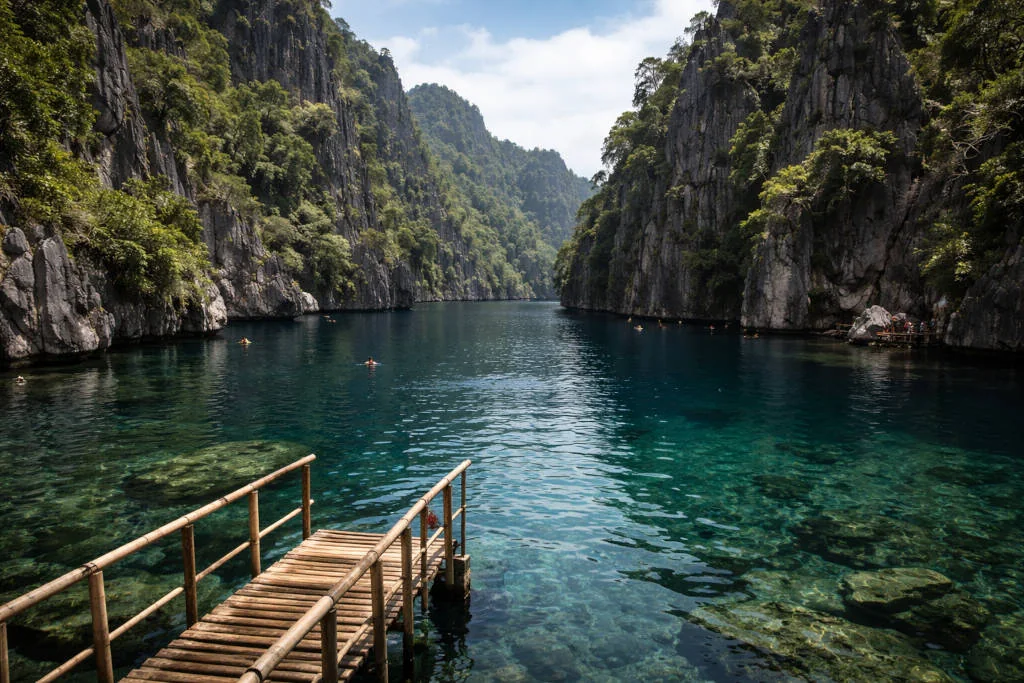
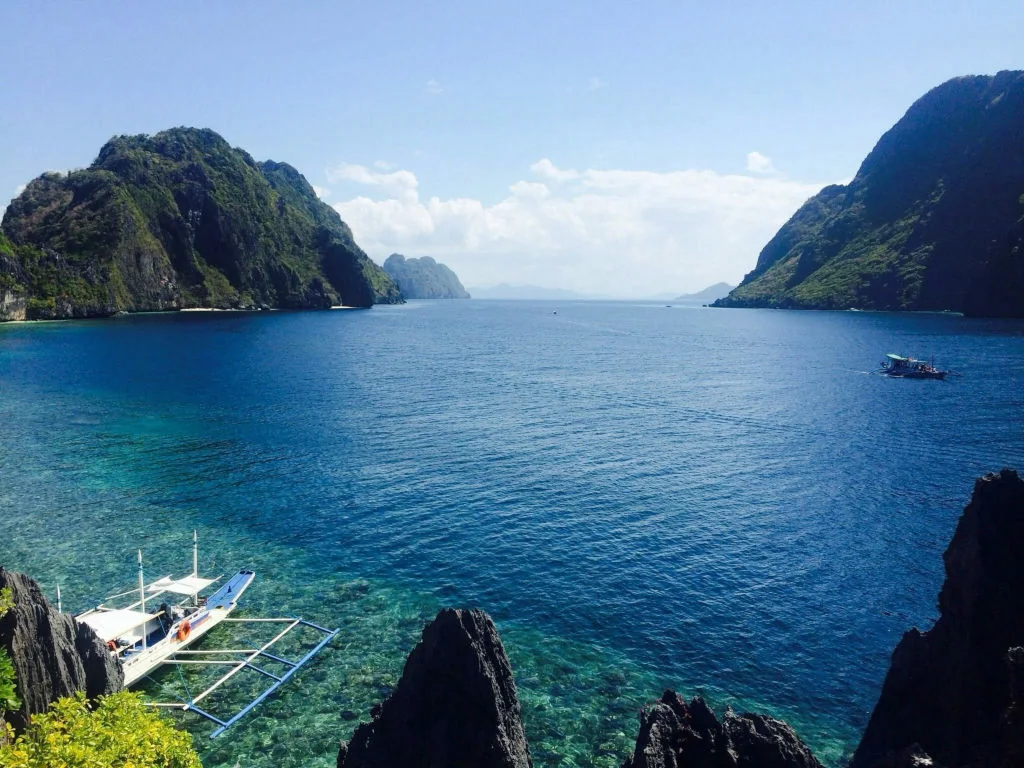
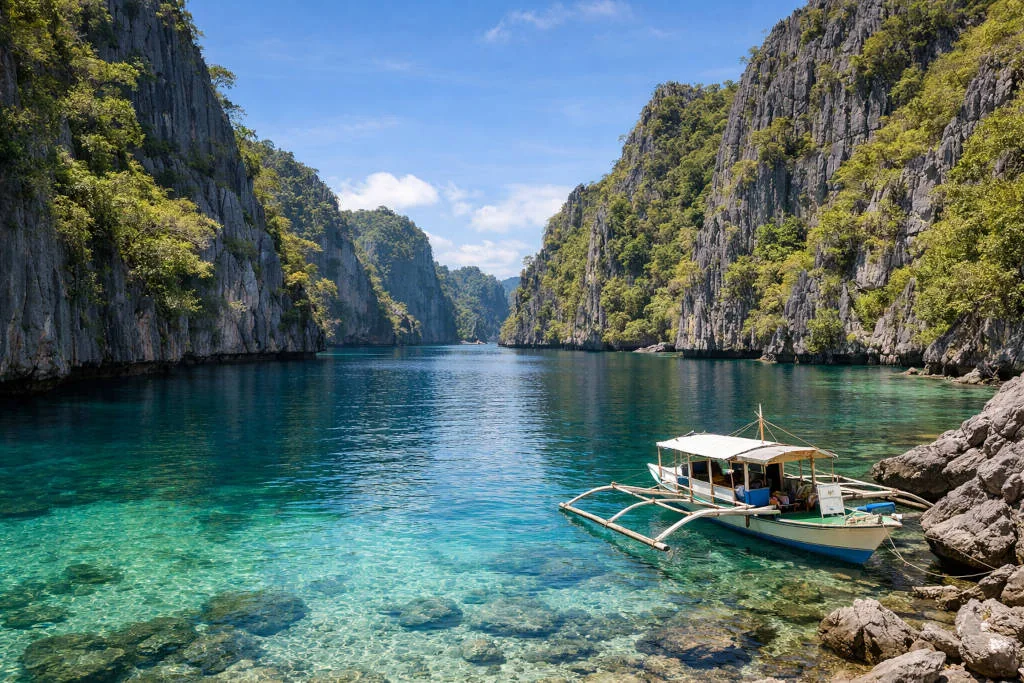
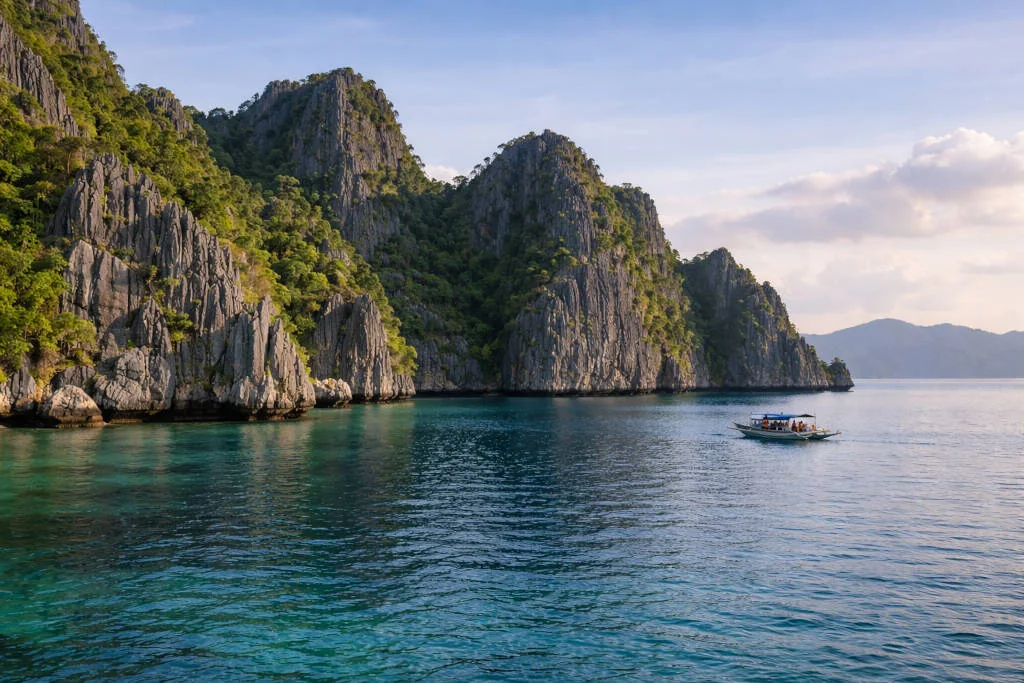
There’s something magnetic about Coron—the way limestone cliffs rise like ancient sentinels over glassy blue waters, and how morning light softens the lakes and coves as the island warms up for the day. This travel guide is a practical, planning-first way to experience the best of Palawan without turning your trip into a rushed checklist. Expect lagoons and viewpoint moments, yes—but also real-world tips that reduce friction: timing, transport, tour choices, and how to stay comfortable in heat and saltwater days.
Every traveler experiences Coron differently—some prioritize World War II wreck dives, others want calm lakes, snorkeling, and quiet beach time. This Coron travel guide is built for both: it keeps the “wow” stops, but adds the practical details that prevent stress (boat timing, crowd windows, fees, and pacing). If you are still deciding how many days in Coron makes sense, start with your energy level first, then build the tours around it. The goal is simple: help you enjoy Coron at your own speed, with fewer surprises and fewer regrets.
Coron in one sentence (so you can plan properly)
Coron is best when you treat it like a rhythm: early water activities → midday rest → sunset viewpoint or town dinner. The island rewards people who plan around heat and boat schedules, not people who try to “do everything” in one day.
Quick Answers for This Coron Travel Guide
Best for: travelers who want dramatic island-hopping, lake swims, wreck diving, snorkeling, and a slower Palawan base with strong water-day energy.
Minimum time: two nights can work if you choose one main tour and keep expectations realistic, but three to five days feels better for most first-timers.
Best travel style: Coron suits travelers who are comfortable with early starts, boat transfers, wet bags, sun exposure, and flexible plans when weather changes.
What to book first: secure your stay, airport transfer, and first major boat or dive day before filling the rest of the itinerary. Coron is easier when your first full day has a clear plan.
Biggest planning mistake: stacking tours, dives, climbs, and transfers back-to-back without recovery time. Coron looks relaxing in photos, but the best days are still physically active.
How to Get There: Your Essential Coron Travel Guide for Transport
Most visitors enter Coron via Busuanga Airport (Francisco B. Reyes Airport). From the airport, shared vans and hotel shuttles typically handle transfers to Coron town. Travel time is often around 30–45 minutes depending on stops and traffic, and this is where a simple Coron airport to town transfer plan helps your arrival feel calmer.
Arrival timing that keeps your first day enjoyable
If possible, plan your arrival so you still have energy for a gentle “settling-in” evening:
- Best: arrive before late afternoon so you can check in, shower, and do an easy sunset view or dinner.
- Still workable: arrive evening, eat in town, then save tours for the next morning.
- Most tiring: late-night arrival + early tour next day (doable, but you will feel it).
If you’re coming from El Nido, the Montenegro fast craft is a scenic option—expect coastal views and salt-air energy. If you’re prone to motion sickness, sit mid-boat when possible and keep the day after arrival flexible.
First-day arrival checklist
- Confirm your airport or port pickup before leaving your previous destination.
- Keep small cash available for snacks, tricycles, tips, and small arrival expenses.
- Do not schedule a paid sunset activity too tightly after arrival unless your flight or ferry time is reliable.
- Use your first evening to check tour pickup points, breakfast timing, and what to bring the next morning.
A calm first day makes the rest of Coron easier. Even if you arrive early, resist the urge to immediately fill every hour. Check in, drink water, organize your dry bag, and give yourself a realistic start for the next day’s boat or dive plan.
Getting Around Town
Coron town is compact and easy to move around. Tricycles are the default for short hops to restaurants, dive shops, and tour meet-up points. For more independence, some travelers rent a scooter to explore outskirts like Cabo Beach or Concepcion Falls, but comfort and safety come first: roads can be narrow, winding, and slick after rain.
For prices, tour deposits, tricycles, and booking conversations, it also helps to know what is normal in Coron before you pay. Most friction is avoidable when you confirm inclusions, pickup time, and return details clearly.
Comfort rule: plan transport like a “heat management tool”
Even short distances feel longer when it’s humid. When your plan includes boat tours + swimming, it’s usually smarter to spend a little on tricycle rides and save your energy for the water.
This matters most after a full island-hopping day. Walking across town for dinner may sound easy in the morning, but after hours of sun, saltwater, and boat movement, a short ride can be the difference between enjoying the evening and feeling drained.
Best Time to Visit Coron (and What “Best” Actually Means)
Coron is a year-round destination, but your experience changes a lot depending on sea conditions and weather mood.
- Dry season comfort: calmer seas, clearer snorkeling days, easier island-hopping schedules.
- Rainy season reality: still enjoyable, but boat trips may shift or cancel on short notice.
Time-of-day matters more than month
For most people, the biggest difference in Coron isn’t the date on the calendar—it’s when you start the day. Early tours usually mean calmer water, fewer crowds, and less heat stress.
If your schedule allows it, avoid treating late mornings as “good enough” for major water days. Coron’s lake viewpoints, beaches, and snorkeling stops are more comfortable when you are ahead of the strongest heat and the busiest tour wave.
What changes when the weather is uncertain?
When the forecast looks unstable, keep your most important water activity early in the trip. That gives you more room to move plans if tours are delayed, seas are rough, or a dive operator recommends a safer adjustment.
Rain does not automatically ruin Coron, but it does change the mood. A cloudy day can still be beautiful on the water, while a windy day can make boat schedules less predictable. Build your itinerary with one flexible day whenever possible, especially if Kayangan Lake, wreck diving, or a specific island-hopping route is the reason you are visiting.
Kayangan Lake: A Highlight of Any Coron Travel Guide
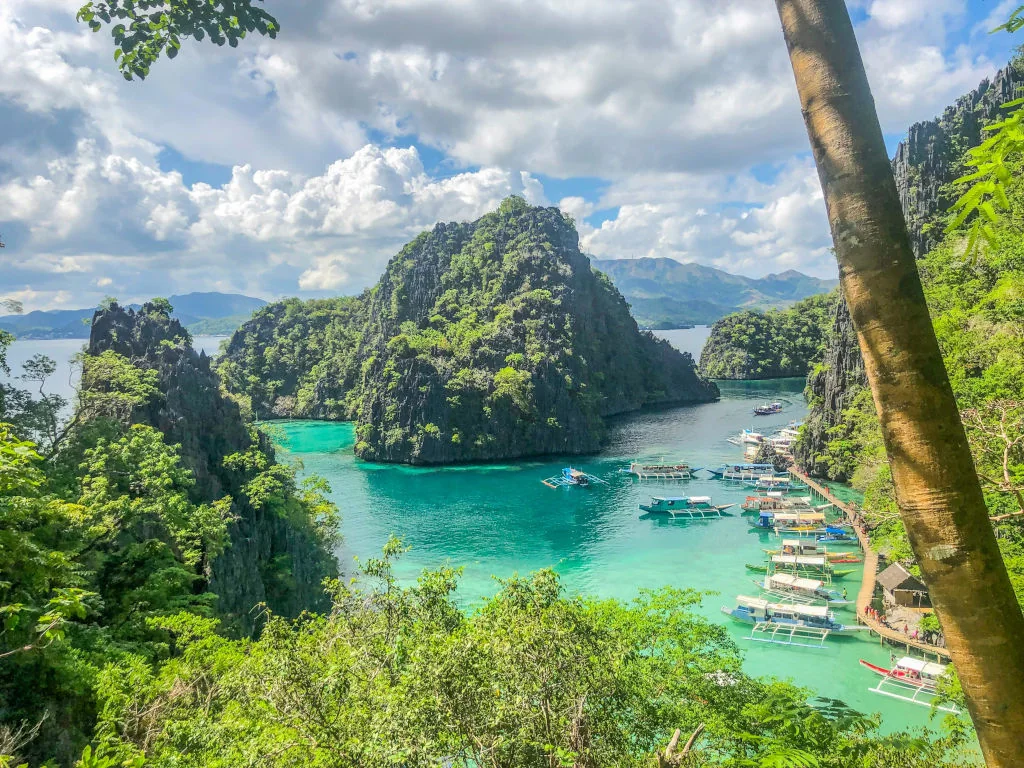
 Often called one of the cleanest lakes in the Philippines, Kayangan Lake is known for emerald water, limestone walls, and a short viewpoint climb that delivers Coron’s most iconic postcard scene. Most visitors remember two parts: the viewpoint photo and the cool, still swim after the walk.
What to expect (so it feels calm, not chaotic)
- The climb: short but warm in midday sun, especially if it’s humid.
- The crowd pattern: busiest mid-morning to early afternoon.
- The swim: refreshing and quiet once you’re away from the entry cluster.
Tips for a Peaceful Visit
Kayangan can get busy. For a lower-stress experience, join an early tour, hydrate before the climb, and keep essentials simple: reef-safe sunscreen, a dry bag, and water. Kayangan feels best when you treat it as a slow stop, not a fast “in-and-out” task.
Wear footwear you can manage confidently on wet steps, and keep both hands free where the path feels slippery. The viewpoint is beautiful, but it is not worth rushing past people or carrying too much gear during the climb.
Is Kayangan Lake worth it if you dislike crowds?
Yes, but expectations matter. Kayangan is popular because it is genuinely memorable, not because it is hidden. If you dislike crowds, the best strategy is not to skip it automatically—it is to choose a tour that starts early, move patiently through the viewpoint area, and spend more of your attention on the swim rather than the photo line.
For many first-timers, Kayangan becomes the visual anchor of the whole trip. Just remember that the best version of the stop is slow, hydrated, and unhurried.
Wreck Diving: A Coron Travel Guide to Underwater Time Travel
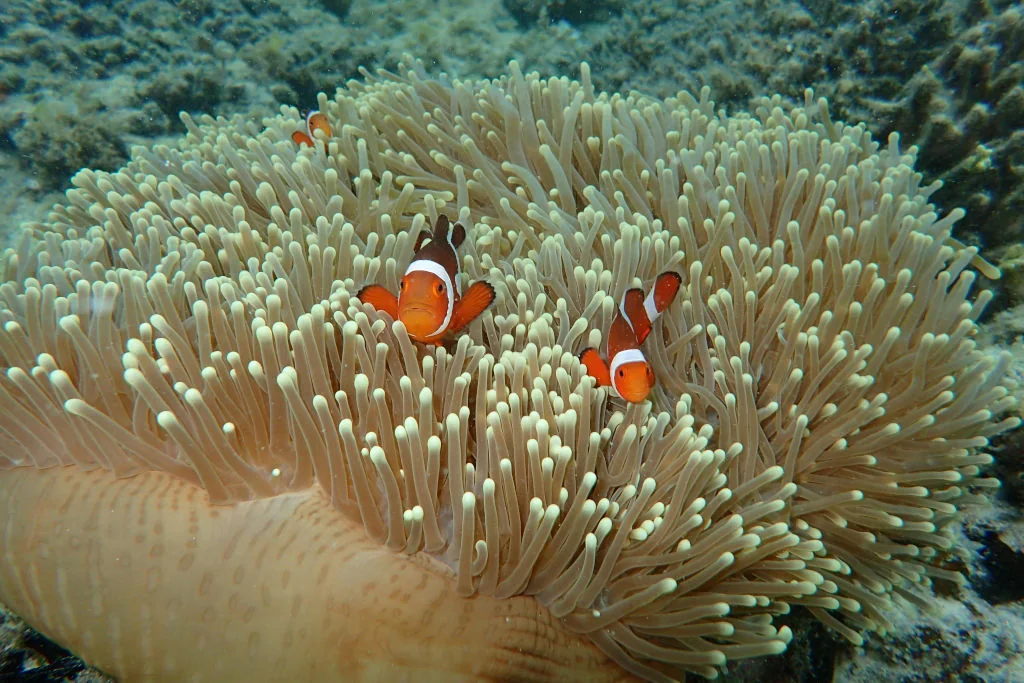 Coron is famous among divers for its World War II shipwrecks scattered across the bay. The appeal is simple: the dives feel cinematic—rusted hulls, coral growth, and light filtering through broken structures. Even non-divers often love the “history + sea” atmosphere that Coron carries.
A good Coron travel guide approach is to choose dive operators that prioritize safety, briefing quality, and sustainable practices. For general background context, global references like Wikipedia’s scuba diving resources can help readers understand basic terms and equipment.
Best Wrecks for Different Skill Levels
- Beginner-friendly: Skeleton Wreck, Lusong Gunboat (gentler conditions, great visuals)
- More advanced: Irako, Kogyo Maru (deeper, moodier, more demanding)
Decision rule: if you only do one dive day
If your trip is short, it’s often better to do one high-quality dive day (with rest built in) than squeeze diving into a packed island-hopping schedule and end up exhausted. For very limited time, a realistic Coron weekend trip needs careful flight timing and fewer must-do stops.
What non-divers should know
You do not need to be a diver to enjoy Coron, but it helps to understand how dive days affect the group. Divers may need earlier starts, longer briefings, surface intervals, and more recovery time afterward. If one person in your group dives and another does not, plan the day so the non-diver has an easy town rhythm, a massage, a café break, or a light tour instead of waiting around without a plan.
Do not pressure yourself into advanced wreck dives just because Coron is famous for them. Match the dive to your certification, confidence, recent experience, and the operator’s advice. The safest dive is usually the one you can enjoy without feeling rushed, underprepared, or embarrassed to ask questions.
Island-Hopping Bliss
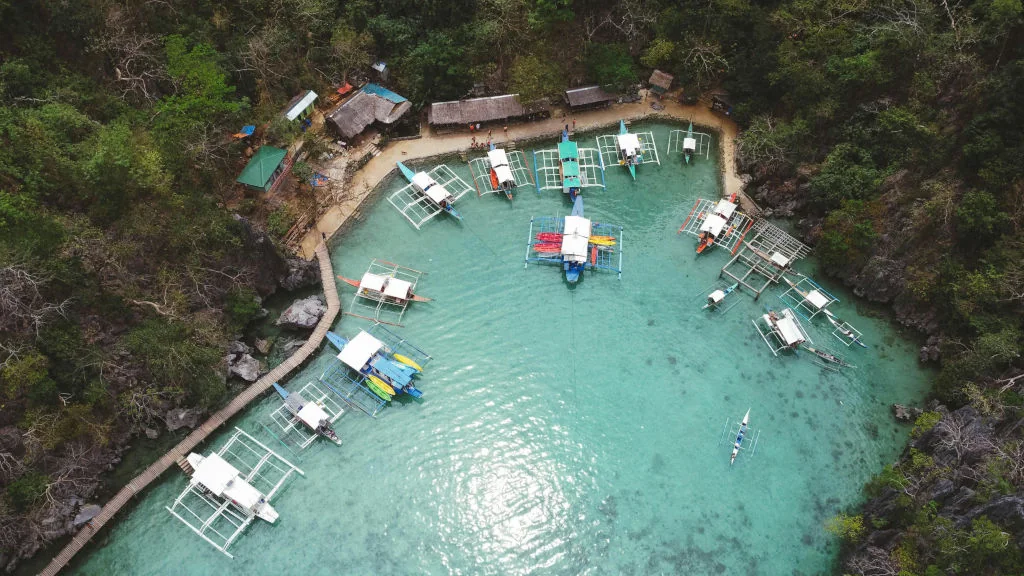 Island-hopping is where Coron becomes pure “water day” joy: snorkeling stops, bright coves, small beaches, and the feeling of your brain quieting down as soon as you’re offshore. For comfort, many travelers prefer smaller group tours or private boats so the day feels paced instead of rushed.
Where to Go
Banol Beach offers picnic-friendly corners, CYC Beach works well for relaxed swimming days, and Bulog Dos delivers wide views that feel made for slow photos. Twin Lagoon, Barracuda Lake, and Siete Pecados are also popular stops, depending on the tour route you choose.
The best route is not always the one with the most stops. Choose based on your swimming comfort, heat tolerance, and whether you want a photo-heavy day, a snorkeling-heavy day, or a slower beach rhythm.
Group Tour or Private Boat?
- Group tour: easier to book, usually more budget-friendly, and good for solo travelers or first-timers.
- Private boat: better for families, couples, slow travelers, and anyone who wants more control over timing.
If you are choosing between several boat days, leave one lighter day between them when possible. Saltwater, sun, stairs, and early call times add up faster than many first-timers expect.
How to choose your first island-hopping route
For a first visit, choose the route that gives you the clearest version of Coron: lake, lagoon, snorkeling, limestone views, and a beach lunch if available. That kind of day usually feels more satisfying than chasing remote stops before you understand the local rhythm.
If you have more time, save the farther or more specialized routes for later in the trip. Once you know how your body handles Coron boat days, it becomes easier to decide whether you want another full tour, a dive day, or a quieter town-based day.
What to bring on a Coron boat day
- Dry bag: useful for phones, power banks, wallets, and a change of clothes.
- Water: bring more than you think you need, especially if you drink coffee in the morning.
- Sun protection: hat, rash guard, sunglasses, and reef-safe sunscreen when available.
- Simple footwear: choose something that works for wet boat floors and rocky entry points.
- Small cash: helpful for small fees, rentals, snacks, or tips if appropriate.
Keep your boat bag simple. The more you bring, the more you need to protect from water, sand, and boat movement. A lighter bag makes every transfer easier.
How to Pace a Coron Trip Without Burning Out
Coron looks simple on a map, but the days can be physically full. Boat tours start early, lake stops can involve climbs or slippery steps, and snorkeling under the sun can drain your energy even when the day feels relaxing.
A practical rhythm is to alternate high-energy days with easier ones. Do a major island-hopping route, then plan a slower town day, sunset, massage, laundry, café time, or early dinner. For a no-pressure recovery day, use free things to do in Coron as a way to enjoy the town without adding another paid tour.
Simple pacing ideas
- 2 days: one flagship island-hopping day + one arrival/departure buffer.
- 3 days: one island-hopping day + one dive or beach day + one softer town rhythm.
- 4 to 5 days: add a second boat route, a proper rest day, or more diving.
- 6 to 7 days: better for slow travelers, divers, and people who want weather flexibility.
Who should add an extra day?
Add an extra day if you are traveling with kids, visiting during uncertain weather, diving more than once, arriving late, leaving early, or coming from a long transfer. Coron is one of those places where an extra night often improves the whole trip, not because you need more attractions, but because you need more breathing room.
An extra day also helps if your travel style is photo-heavy. Viewpoints, boat departures, underwater moments, and sunset plans all depend on light and timing. When every activity is squeezed into a short window, you may get the checklist but miss the feeling.
Common First-Time Planning Mistakes
First-timers often underestimate how much small logistics shape a Coron trip. The destination itself is beautiful, but comfort depends on ordinary decisions: when you arrive, how early you start, what you pack, how many tours you book, and how much downtime you protect. A practical list of Coron travel tips can help you avoid the usual overpacking, overbooking, and transfer mistakes before they affect the trip.
Mistake 1: Booking too many water days in a row
Island-hopping looks relaxing, but it still means sun, swimming, boat movement, wet clothes, and early call times. Two full water days back-to-back can be wonderful for energetic travelers, but tiring for families, casual swimmers, and people who want slow evenings.
Mistake 2: Treating airport days like full tour days
Arrival and departure days are less flexible than they look. Flights, van transfers, check-in times, luggage, and meal gaps can quietly consume the day. Keep airport days simple unless your timing is very comfortable.
Mistake 3: Ignoring cash and small payments
Coron town has traveler services, but you should still carry enough cash for tricycles, small shops, tips, environmental fees, rentals, and backup meals. Do not rely on one payment method for every small transaction.
Mistake 4: Forgetting recovery after diving or intense snorkeling
Even confident swimmers can feel tired after long hours in the water. If you dive, snorkel, climb to viewpoints, and then plan a big night out, the next morning may feel heavier than expected. Recovery time is part of the itinerary, not a sign that you wasted the trip.
Food, Town Life, and Sunset Evenings
Coron town is not the dramatic limestone scene you see on postcards, but it is where the trip becomes easy: restaurants, dive shops, tour offices, laundry, pharmacies, ATMs, and tricycle rides are all part of the practical travel rhythm.
After a full boat day, a simple dinner often feels better than a complicated night out. Choose somewhere close to your stay, drink more water than you think you need, and avoid overplanning the evening after a long day at sea.
Easy sunset options
For a classic view, Mt. Tapyas is the usual sunset choice, but the climb can feel intense after a water day. If you are tired, choose a gentler harbor view or a simple dinner instead. Coron rewards people who know when to stop.
How to use Coron town well
Think of Coron town as your reset point. It is where you recover between boat days, compare tour options, buy small supplies, and decide whether tomorrow should be active or gentle. The town may not be the main reason you came, but it can make the trip feel smooth.
A good town evening is simple: shower, dry your gear, eat a proper meal, confirm tomorrow’s pickup, and sleep early enough to enjoy the morning. That rhythm sounds basic, but it is one of the easiest ways to make Coron feel calm instead of exhausting.
Responsible Travel in Coron
Coron’s beauty depends on fragile lakes, reefs, beaches, and local rules. Travel gently: avoid stepping on coral, follow life vest and guide instructions, bring trash back with you, and use reef-safe products when possible.
Some sites are managed with specific local guidelines, especially around Coron Island and ancestral domain areas. Treat those rules as part of the experience, not as an inconvenience. The more respectful the visit, the better the place stays for everyone.
Small habits that help
- Bring a refillable water bottle when practical.
- Keep sunscreen, snacks, and small trash inside your bag.
- Listen to boat crews when they explain timing and safety rules.
- Do not chase wildlife, stand on coral, or rush other swimmers at narrow entry points.
Safety habits that make water days better
Wear a life vest when guides require it, even if you can swim. Coron’s water can look calm while entry points, ladders, rocks, and boat edges still require attention. Move slowly when boarding or leaving boats, and avoid jumping into water unless your guide clearly says it is safe.
For snorkeling, keep distance from coral and other swimmers. If you are tired, float, rest, or return to the boat instead of pushing through. The best Coron memories usually come from calm confidence, not from trying to prove you can keep up with everyone.
Sample Coron Itinerary Ideas
Use these as flexible shapes, not rigid schedules. Weather, flight times, boat availability, and your own energy can change the best plan.
Short Coron trip
- Day 1: arrive, transfer to town, check in, sunset or easy dinner.
- Day 2: main Coron island-hopping route with Kayangan Lake or similar highlights.
- Day 3: slow breakfast, optional town errand, airport transfer.
This short version works best when your flights or ferry times are friendly. Do not try to force two major tours into this shape unless you are comfortable with a fast pace and minimal rest.
Balanced Coron trip
- Day 1: arrival and easy town evening.
- Day 2: island-hopping highlights.
- Day 3: wreck diving, snorkeling, or a lighter beach route.
- Day 4: rest day, viewpoint, town errands, or flexible weather buffer.
- Day 5: departure or one final easy activity if your flight allows.
This is the safer shape for most first-timers. It gives you one big water day, one second activity day, and one softer buffer so the trip does not become a blur of alarms, pickups, and wet clothes.
Slow Coron trip
- Day 1: arrive, transfer, organize tours, and rest.
- Day 2: classic Coron island-hopping highlights.
- Day 3: rest day, Mt. Tapyas, town food, laundry, or sunset.
- Day 4: wreck diving or snorkeling-focused route.
- Day 5: beach route, private boat, or flexible weather backup.
- Day 6: low-key town day, massage, café, or slow packing.
- Day 7: departure with enough buffer for the airport transfer.
This slower version is best for divers, remote workers taking light work breaks, families, couples who dislike rushing, and travelers who want a more forgiving schedule. It also gives you more chances to move water activities if the weather changes.
Coron Travel Guide FAQ
Is Coron better for diving or island-hopping?
Coron is strong for both, but the better choice depends on your travel style. Divers come for the wrecks, while non-divers often come for Kayangan Lake, lagoons, snorkeling, beaches, and boat days. First-timers who do not dive can still have a complete trip with island-hopping and town-based recovery time.
Can you enjoy Coron without joining many tours?
Yes, but at least one boat tour is usually worth doing because many of Coron’s most memorable places are reached from the water. After that, you can slow down with town walks, viewpoints, simple meals, sunsets, and rest days instead of booking a tour every morning.
How tiring is Coron for casual travelers?
Coron can be moderately tiring because many highlights involve boats, swimming, stairs, heat, and early starts. It becomes much easier when you alternate full activity days with lighter days and avoid scheduling major tours immediately after late arrivals.
Is Coron good for a short trip?
Coron can work for a short trip if you choose only the strongest highlights and accept that you will not see everything. A short itinerary should focus on smooth transfers, one excellent island-hopping day, and enough rest to avoid feeling rushed.
Where should first-timers stay?
Most first-timers stay in or near Coron town because it keeps restaurants, tour offices, dive shops, tricycles, and transfers simple. More remote stays can be beautiful, but they may require extra planning for meals, pickup times, and evening movement.
Final Thoughts: Coron Is Best When You Leave Room to Breathe
Coron is not a place you need to conquer. It is better when you leave space for slow water, quiet views, early nights, and plans that can bend with the weather.
Come for the wreck dives, Kayangan Lake, limestone cliffs, and island-hopping bliss—but plan for the real parts too: transfers, heat, rest, fees, boat timing, and your own energy. That balance is what turns a beautiful Coron trip into a genuinely memorable one.
The simplest Coron travel guide advice is this: choose fewer highlights, start earlier, rest more than you think you need, and let the water days breathe. Coron is already dramatic. Your itinerary does not have to be.