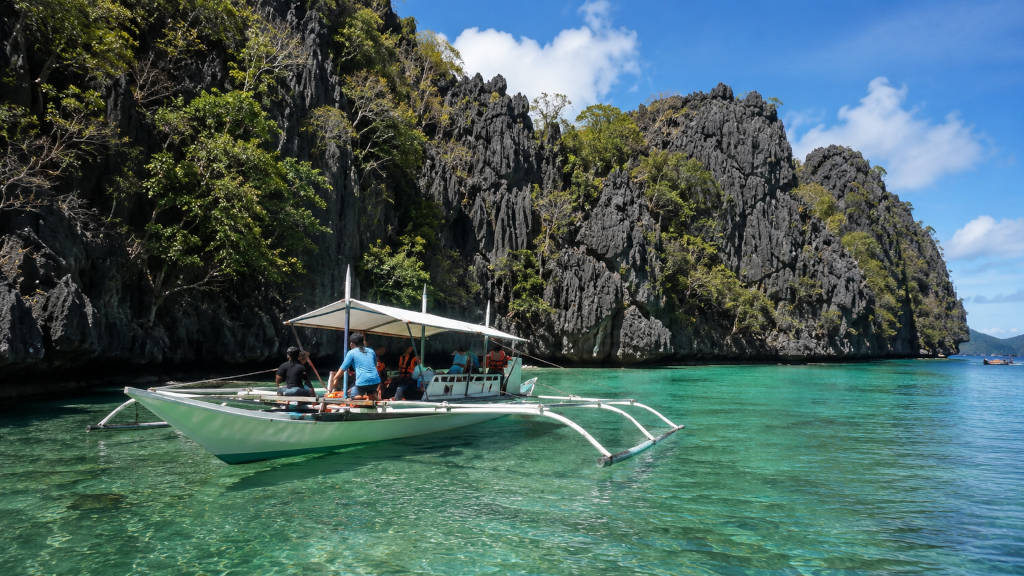
Planning a Coron island-hopping day feels more relaxed when the money side is clear before you leave the hotel. The twin lagoon entrance fee is only one part of the total budget, but it is the part many travelers ask about first because it can be collected separately, bundled into a tour, or described differently depending on the operator.
This guide focuses only on costs: entrance or site fees, boat-related expenses, environmental or local fees, rentals, tips, cash planning, and how to avoid surprise charges. For the full visit experience, route expectations, swimming notes, and what the lagoon feels like once you are there, read the Twin Lagoon practical guide. For official destination context, the Philippines travel site for Coron is also useful before building a wider Palawan itinerary.
Quick Answer: Twin Lagoon Entrance Fee Budget
 The safest way to plan the twin lagoon entrance fee is to treat it as a variable local charge instead of a fixed forever price. In many Coron island-hopping arrangements, travelers may see a site or entrance fee quoted per person, while some joiner tours already include it in the package price. Because local rates, collection systems, and tour inclusions can change, always verify the latest Twin Lagoon Coron entrance fee with your tour operator or at the local collection point before the tour date.
For practical budgeting, set aside extra cash beyond your quoted tour price. A solo joiner traveler should prepare money for the tour, possible entrance or environmental fee, drinking water, rentals, tips, and emergency cash. Couples should double the personal items and add a little cushion. A small group considering a private boat should look closely at what is included, because the private boat rate may not include every site fee, lunch item, gear rental, or transfer.
Reality check: The number that looks cheapest online is not always the amount you spend by the end of the day. The real Twin Lagoon cost depends on inclusions, weather, route changes, rental choices, and how clearly the operator explains fees before departure.
Typical Twin Lagoon Entrance Fee And Why Prices Change
The twin lagoon entrance fee can change because it is tied to local tourism management, island or site collection rules, package updates, and operator agreements. One operator may quote the fee separately, another may fold it into a Coron island-hopping package, and an online listing may use older wording that does not reflect the current collection setup.
This is why it helps to ask for the fee in plain language: “Is the Twin Lagoon site fee included in this price?” Not just “Is everything included?” The second question can be answered casually, while the first one pushes the operator to confirm the specific cost travelers usually worry about.
What The Fee Usually Covers
The twin lagoon entrance fee usually refers to access to the Twin Lagoon area itself. It does not automatically mean you have paid for your boat, lunch, mask rental, kayak rental, hotel transfer, environmental fee, or tips. Think of it as one layer of the budget rather than the whole budget.
Some packages use the phrase “tour inclusions” to make things sound simple, but the details matter. Ask whether the listed price covers entrance or site fees for all stops, whether the Twin Lagoon Coron entrance fee is part of the total, and whether any fee will be collected in cash on the boat or at the port.
Is The Twin Lagoon Entrance Fee Included In Your Tour?
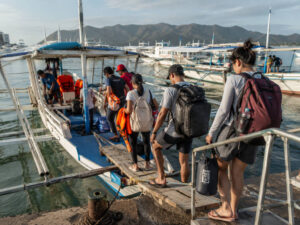 The answer depends on how you booked. A joiner tour, private boat, and online package can all bring you to the same turquoise water and limestone cliffs, but the payment structure may feel very different. This is where most surprise charges begin.
Reality check: Coron tour days often start early, when everyone is sleepy, carrying wet bags, and trying to board on time. Confirming inclusions the night before is much easier than sorting out cash questions at the port.
Joiner Tours
Joiner tours are usually the simplest option for solo travelers and couples because the price is quoted per person. Many joiner tours include boat service, lunch, guide assistance, life vest use, and selected entrance fees, but this is not guaranteed. Before booking, check whether the twin lagoon entrance fee is included in the joiner tour price or collected separately.
A joiner setup can feel convenient because the operator handles the route and timing. The trade-off is less flexibility. If Twin Lagoon is crowded or the weather affects the route, you may have limited control over how long the boat stays there.
Private Boat Tours
A private boat gives more control over pace, route priorities, and comfort, especially for families or barkada groups. The quoted private boat rate, however, may only cover the boat and crew. Entrance fees, environmental fee payments, lunch ingredients, market purchases, cooking service, mask rental, kayak rental, and hotel-to-port transport may be separate.
When comparing a private boat to a joiner tour, do not compare only the first number you see. Add every expected cost and divide by the number of people. For a group of four or more, a private boat may become reasonable, but only if you are clear about inclusions before saying yes.
Online Bookings And All-In Tour Wording
Online listings often use words like “all-in,” “inclusive,” or “hassle-free,” but the fine print decides what that means. Look for a specific list of included stops, entrance fees, environmental or local fees, gear, lunch, drinking water, and transfers. If Twin Lagoon is listed as a stop, still confirm whether the twin lagoon entrance fee is included.
Take screenshots of the inclusions page, booking confirmation, and any chat where the operator confirms fees. This is not about being difficult; it is simply a calm way to protect your budget when several people, boats, and collection points are involved.
Main Costs To Expect Before And During The Visit
A Twin Lagoon budget is best built in layers. Start with the entrance or site fee, add the boat or tour package, check environmental or local fees, then review guide, lunch, and gear inclusions. This keeps the plan organized and helps you spot missing items before they become surprise charges.
Reality check: The sea can make even simple money tasks awkward. Bills get damp, phones are in waterproof pouches, and everyone is moving between boat steps, ladders, and shallow water, so plan your payments before you are already wet.
Entrance Or Site Fee
The entrance or site fee is the cost most travelers associate with Twin Lagoon. Because the twin lagoon entrance fee may be included, excluded, or updated depending on the operator, ask for the current amount before your travel date. If you are booking through a hotel desk, agency, or online platform, ask them to write the answer clearly in your confirmation.
It is also worth asking whether the fee is paid per person or covered under a bundled route fee. This matters for groups because a private boat quote may look affordable until per-person fees are added for every stop.
Boat Or Tour Package
The boat or tour package is usually the largest part of the Twin Lagoon cost. For joiner tours, this is often a per-person rate. For private boats, it may be a boat rate based on size, route, and season. A private boat can be more comfortable, but it also requires more careful budgeting because separate costs are easier to miss.
Ask whether your Coron island-hopping route includes Twin Lagoon by default or if it is an add-on. Some routes prioritize different lagoons, lakes, beaches, or snorkeling stops, so never assume every Coron boat package automatically includes Twin Lagoon.
Environmental Or Local Fees
Coron trips may involve environmental or local fees connected to protected area management, tourism collection systems, or specific island stops. Ask your operator whether there is an environmental fee, whether it is already included, how much it is, and whether proof of payment is needed during the trip.
For background on why Coron Island is treated with care, the UNESCO tentative listing for Coron Island gives helpful natural and cultural context. As a traveler, this is also a reminder that fees are not just random add-ons; they can be part of managing fragile places that many people want to see.
Guide, Lunch, And Gear Inclusions
Many tours include a guide, simple lunch, and life vest use, but inclusions vary. Confirm whether lunch includes drinking water, whether masks and snorkels are free or rented, and whether towels are provided. A quoted tour price can look complete until you realize that gear, drinks, or hotel transfer is separate.
If you have dietary restrictions, ask early. Special food requests may cost more or may require you to bring your own packed items. For travelers who like a little merienda after swimming, keep a small cash cushion for snacks after the tour.
Optional Add-Ons That Can Change Your Budget
 Optional items are not always necessary, but they can make the day more comfortable. The key is to decide which ones matter to you before the boat leaves, especially if your budget is tight or you are traveling as a group.
Reality check: Optional costs feel small one by one, but they add up quickly. A rental here, a tip there, a tricycle ride back to the hotel, and suddenly your Twin Lagoon cost is higher than expected.
Kayak Rental
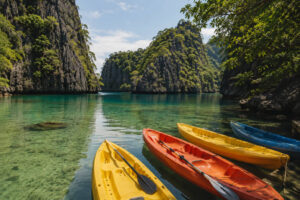
Kayak rental may be available depending on the operator, route, and conditions. It can be lovely for calm water moments near limestone walls, but it is not always necessary for enjoying Twin Lagoon. Ask whether kayak rental is available, how much it costs, whether it is per person or per kayak, and how long you can use it.
If you are already on a tight budget, prioritize the required costs first: tour, twin lagoon entrance fee, environmental fee, food, water, and transport. A kayak is a nice add-on, not the heart of the experience.
Snorkel Or Mask Rental
Some tours include masks; others rent them out separately. If you are sensitive about fit and hygiene, bringing your own mask can be worth it. For casual travelers, renting may be fine, but confirm the price before departure.
Ask also about fins, aqua shoes, and life vests. Life vests are commonly part of boat safety, but other gear may not be. Clear gear questions help prevent awkward boat-side payments later.
Tips For The Boat Crew Or Guide
Tips are usually optional, but many travelers prepare small bills for the boat crew or guide, especially when service is attentive, lunch is well handled, or the crew helps guests safely enter and exit the water. There is no single required amount, so give what feels fair for your budget and experience.
For groups, it may be easier to agree on a shared tip amount before the day ends. This avoids the classic post-tour moment when everyone is tired, sun-warmed, and quietly asking who has change.
Hotel-To-Port Transport
Some packages include hotel pickup; others require you to get to the port or meeting point yourself. This matters during early call times, when tricycles may be limited in some areas or prices may vary depending on distance.
Confirm pickup time, pickup location, and whether transfer is included both ways. A cheap tour can become less cheap if you pay separate transport before and after the boat day.
Cash Planning For A Coron Island-Hopping Day
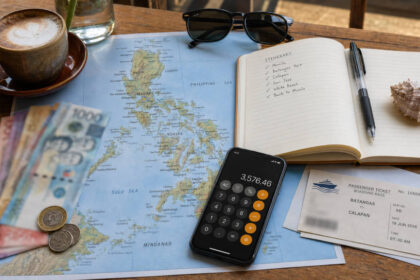
 Cash planning is one of the easiest ways to make a Twin Lagoon day smoother. Coron has ATMs, but it is still wise to withdraw before the tour day, prepare small bills, and separate your money into dry, accessible portions.
Reality check: Do not rely on a last-minute ATM stop before call time. Machines can be offline, out of cash, or far from your pickup point, and island-hopping mornings do not leave much room for errands.
ATM Timing
Withdraw cash at least the day before your Coron island-hopping tour. This gives you time to solve ATM issues, break larger bills, and organize your budget. If you arrive in Coron late, make cash your first practical task after check-in, especially if your Twin Lagoon tour starts the next morning.
Bring more than the exact twin lagoon entrance fee because exact amounts can change and other small expenses may appear. A sensible cushion prevents stress without encouraging overspending.
Small Bills To Prepare
Prepare small Philippine peso bills such as 20s, 50s, 100s, and 200s, plus some coins if you have them. These are useful for local transport, snacks, rental balances, tips, and any fee collected in person. Large bills can be hard to break on a boat or at a busy port.
Couples can split cash between two dry pouches. Groups can assign one person to hold the shared boat or fee fund, while each traveler keeps personal money for snacks, tips, or rentals.
Keeping Cash Dry And Accessible
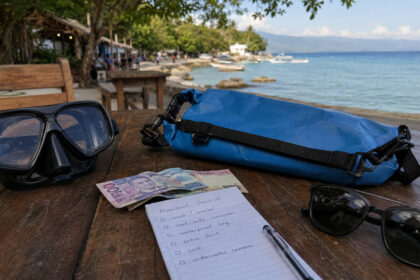
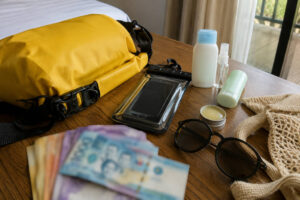
Use a small waterproof pouch or zip bag inside a dry bag. Keep the day’s spending money separate from your larger emergency cash, so you are not opening your full wallet every time you need a small bill.
Put your phone, booking screenshots, receipts, and cash somewhere you can reach without unpacking the whole bag. The goal is simple: when someone asks for a fee or confirmation, you can answer calmly while the boat is still moving through the blue-green water.
How To Avoid Surprise Charges
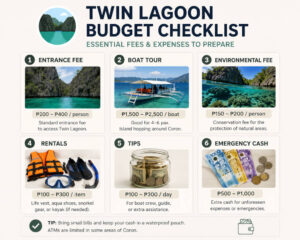 The best way to avoid surprise charges is to ask specific questions before booking, save proof of inclusions, and confirm the details again on the morning of the tour. This takes only a few minutes but can save you from confusion later.
Reality check: Most operators are not trying to confuse travelers, but vague wording causes problems. Be polite, direct, and specific, especially when asking about the Twin Lagoon Coron entrance fee and other local charges.
Questions To Ask Before Booking
Ask these questions in clear, simple language: Is the twin lagoon entrance fee included? Are all site fees included? Is there a separate environmental fee? Is lunch included? Is drinking water included? Are masks, snorkels, kayaks, towels, and hotel transfers included? What costs should be paid in cash on the tour day?
For more planning beyond fees, the best time to visit Twin Lagoon can help you think about weather, crowds, and comfort. For a wider route plan around town and nearby islands, the Coron travel guide is a helpful next read.
Screenshots, Receipts, And Inclusion Checks
Save screenshots of the tour page, chat confirmation, payment receipt, and inclusion list. If the operator confirms that the twin lagoon entrance fee is included, keep that message. This is especially useful when your booking passes through a hotel desk, agent, online platform, and boat crew.
Before paying a deposit, check cancellation rules and weather policies. If the coast guard, operator, or local conditions affect the route, ask whether the tour is rescheduled, refunded, rerouted, or shortened.
What To Confirm On The Morning Of The Tour
On the morning of the tour, confirm the route, included stops, and any cash payments expected during the day. Ask who collects fees and when. If you are on a private boat, confirm whether the crew already has the necessary permits or whether you will pay site fees as you go.
This is also the time to ask about stop duration. If Twin Lagoon is the main reason you booked, say so early. It helps the crew understand your priority, although weather, sea conditions, and local crowd flow can still affect timing.
Simple Twin Lagoon Budget Ranges
Because rates can change, it is better to think in budget ranges instead of one permanent number. Your final Twin Lagoon cost depends on season, booking channel, group size, operator, route, inclusions, and optional add-ons.
Reality check: A budget range is not a price promise. Use it as a planning framework, then confirm the latest tour rate and twin lagoon entrance fee before you pay.
Solo Joiner Traveler
A solo joiner traveler should budget for the per-person joiner tour, possible entrance or site fee, possible environmental fee, transport to the meeting point if pickup is not included, rental gear if needed, and a small tip or snack fund. Joiner tours are often the easiest choice because the main cost is packaged upfront.
Bring enough cash to cover any fee that turns out to be separate, even if your operator says most inclusions are covered. This keeps the day comfortable and avoids borrowing small bills from strangers on the boat.
Couple On A Joiner Tour
A couple should multiply the per-person tour rate by two, then add a shared cushion for transport, tips, drinks, snacks, and rentals. If the twin lagoon entrance fee is not included, remember that it is usually charged per person, not per couple.
Couples can save stress by splitting responsibilities: one person keeps screenshots and receipts, while the other keeps small bills in a dry pouch. It sounds simple, but it makes early mornings and wet transfers feel easier.
Small Group Considering A Private Boat
A small group should list the boat rate, fuel or route charges if any, guide or crew costs, lunch costs, market purchases, entrance fees per person, environmental fee payments, rentals, transfers, and tips. Then divide the total by the number of travelers.
A private boat may be worth it if your group wants flexibility, a slower pace, or more control over timing. It may not be worth it if the final per-person amount becomes much higher than a joiner tour and your group does not need the extra comfort.
When The Cost May Not Feel Worth It
Twin Lagoon is beautiful, but even a beautiful place can feel less rewarding when timing, weather, and expectations do not line up. Budgeting is not only about pesos; it is also about value, comfort, and how much of the experience you actually get.
Reality check: Paying the twin lagoon entrance fee does not guarantee perfect light, empty water, or long swimming time. Nature, crowds, and route decisions are part of the day.
Bad Weather
Rain, wind, and rougher water can change the mood of a Coron boat day. Light rain may still be manageable, but stronger conditions can affect comfort, visibility, route timing, and whether certain stops push through. Ask about weather policies before booking, especially during rainy months.
If you are deciding between a cheaper non-refundable option and a slightly more flexible booking, consider how much peace of mind matters to you. Flexibility can have value when the weather is uncertain.
Crowded Midday Stops
Twin Lagoon can feel different when several boats arrive at once. Crowds may affect swimming comfort, photo timing, and the calm feeling travelers imagine. This does not make the fee wasted, but it can change the perceived value.
If avoiding crowds is important, ask your operator whether the route can visit earlier or later in the day. Private boats may offer more timing flexibility, while joiner tours usually follow a set flow.
Route Changes Or Short Stop Times
Sometimes the route changes because of weather, crowd control, operational timing, or local advisories. Stop times may also be shorter than expected when a tour includes many places in one day. This is why it helps to know what your fee and package cover if a stop is skipped or shortened.
Ask before booking: What happens if Twin Lagoon is not accessible? Is there a substitute stop? Is any fee refunded? Clear answers help you decide whether the package still feels fair.
Final Budgeting Checklist
Before your tour, confirm the current twin lagoon entrance fee, ask whether it is included in your package, check for environmental or local fees, review boat or tour inclusions, and prepare cash in small bills. Save screenshots, keep receipts, and ask what costs might be collected during the day.
For a smoother Coron island-hopping morning, pack your cash in a waterproof pouch, keep your phone accessible, and bring a little more than the exact amount you expect to spend. A dry bag with organized pesos, a charged phone, and clear tour details can make the day feel calmer before the boat even leaves the port.
The twin lagoon entrance fee is not something to stress over, but it is something to plan for. When you understand the difference between entrance fees, tour rates, environmental charges, rentals, and tips, you can step onto the boat with fewer worries and more space to enjoy the limestone cliffs, shifting blue water, and soft island light that make Coron so memorable.
For more practical planning stories and budget-friendly travel ideas, browse Tips & Inspiration before finalizing your Palawan itinerary.