The best time to visit Cebu City depends on what kind of trip you want, but for many travelers, January to early April is the easiest overall window. These months usually bring more manageable weather, less frequent rain disruption, and better odds for smooth city sightseeing. That said, January can feel crowded and expensive because of Sinulog and post-holiday demand, while March to May often means intense heat, sharper sunlight, and tiring midday walks. For travelers using Cebu City as a base for food trips, urban sightseeing, and side excursions, the right timing is usually a balance between comfort on land and flexibility for sea-based plans.
Cebu City is lively year-round, but timing matters more here than many people expect. A day can look bright in the city, then small-boat tours shift or cancel because of wind and sea conditions farther out. Hotel prices and flight prices can also jump around holiday clusters, and traffic mood changes fast during festivals, school breaks, and long weekends. That is why choosing your dates is really about choosing your trade-offs: easier weather, lower costs, lighter crowds, or better chances for boat-dependent add-ons.
Best Time to Visit Cebu City at a Glance
 If you want one plain answer, the best time to visit Cebu City for most people is late February to early April, with some flexibility around exact dates. This period often avoids the heaviest January crowd pressure while still staying within the drier part of the year. Reality Check: even in this easier window, Cebu City can feel humid, busy, and warm by late morning, so “good weather” still means tropical weather, not cool-weather comfort.
Best for easier weather
Late January through early April is often the easiest stretch for general comfort. December to February tends to feel a bit gentler because of amihan, with slightly cooler mornings and less oppressive air compared with peak summer heat. By late February and early March, many travelers get a sweet spot: relatively dry days without the full furnace-like feel of April and May. When asking about the best time to visit Cebu City for walking, café hopping, and day tours from the city, this is usually the safest answer.
Best for fewer crowds
Parts of late February, early March, and parts of November may feel lighter than January and peak summer holiday dates. These periods can give you a more relaxed pace in malls, heritage areas, and transport hubs. Reality Check: “fewer crowds” in Cebu City rarely means empty streets. Traffic, rush-hour congestion, and local weekend movement still shape the experience.
Best for lower prices
Lower prices often show up outside major holiday surges, especially during wetter months from June to October and in quieter pockets of November. Hotel prices and flight prices can be softer when weather risk is higher and fewer leisure travelers are locking in dates. The trade-off is that rain can disrupt schedules, and sea-based side trips may feel less dependable.
Best for sea-based side trips
For island-hopping add-ons and small-boat excursions, the best time to visit Cebu City usually leans toward the drier months from January to early May, when rough seas are less common overall. Sea conditions are never guaranteed, but side trips tend to be easier to plan when wind patterns are calmer. A useful planning step is checking PAGASA gale warning and marine risk updates close to your trip, especially if your itinerary depends on small boats.
Cebu City Weather Patterns in Simple Terms
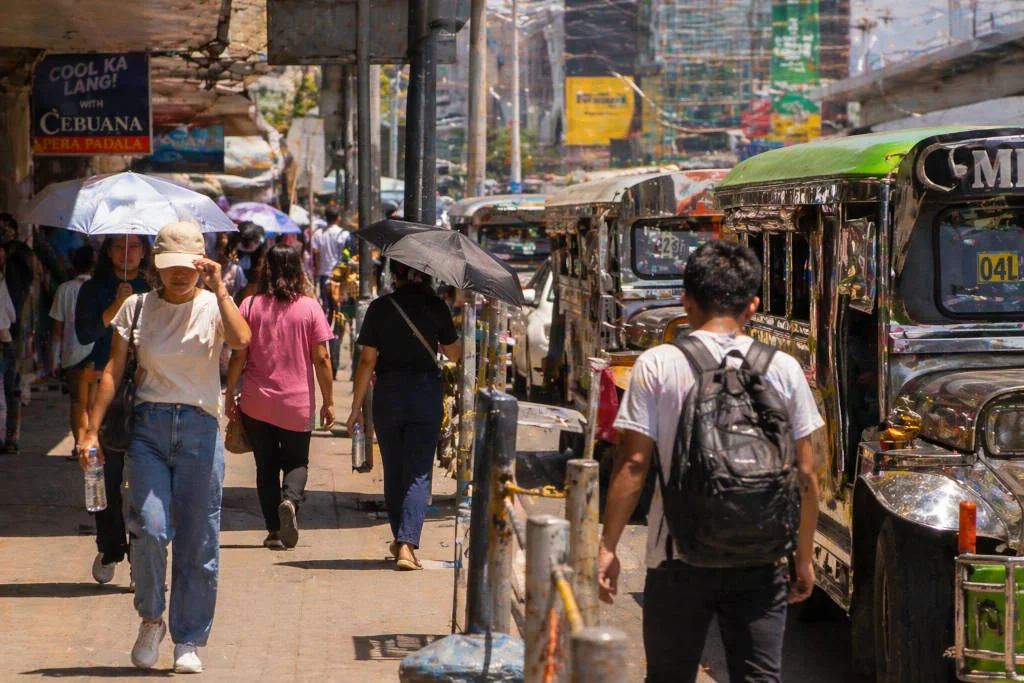 Cebu City weather is less about dramatic seasonal change and more about shifts in heat, humidity, rainfall, and wind. The city stays tropical all year, but your comfort level can change a lot depending on whether you arrive during cooler dry months, hotter dry months, or wetter months shaped more by habagat. For choosing the best time to visit Cebu City, it helps to think in those three practical buckets instead of expecting four neat temperate-style seasons.
Cooler dry months from December to February
These are often the most comfortable months for many travelers. Amihan can bring breezier mornings and evenings, and the air can feel slightly less sticky than later in the year. Rain is still possible, but long wet spells are usually less common than during the rainy season. This is a strong period for city sightseeing, food trips, and flexible day tours.
Reality Check: December can bring holiday demand, and January is shaped by Sinulog energy, crowd pressure, road changes, and higher accommodation rates in busy periods. So while this season supports one of the easiest windows from a weather standpoint, it is not always the calmest or cheapest option.
Hotter dry months from March to May
This is still part of the dry season, but the feel changes. By March, the heat starts building. April and May can be the hottest and most draining months for daytime walking, especially if you are out on paved streets, riding in traffic, or visiting places with limited shade. Sun exposure feels harsher, and hydration becomes a bigger part of your daily plan.
That said, if your priority is fewer rain interruptions, this period can still be appealing. Many travelers still consider it a good window for predictable sightseeing hours, as long as they pace themselves and avoid overloading midday plans.
Wetter months from June to November
June to November is generally the wetter stretch, with more scattered rain, cloudier afternoons, and a higher chance of weather-related changes. Habagat can make the air feel heavy and damp, and sudden downpours can throw off road travel, sightseeing, and side-trip timing. For official background on Philippine climate seasons, PAGASA’s climate seasons guide gives helpful context.
Reality Check: wetter months do not mean nonstop rain all day, every day. Cebu City can still have bright mornings and usable travel windows. But if your plans depend heavily on smooth seas, perfect skyline views, or tightly stacked excursions, this is not usually the easiest window for the city.
Month-by-Month Guide to Cebu City
January to March
January often offers some of the easiest weather, but it is also one of the busiest times because of Sinulog and related travel demand. Expect stronger crowd pressure, traffic rerouting, and higher hotel prices around festival dates. February usually feels more balanced, which is why many planners see it as one of the strongest windows for Cebu City. March stays attractive for dry conditions, though daytime heat starts becoming more noticeable.
April to June
April and May are often the hottest months. Conditions can feel sticky, bright, and tiring, especially from late morning to mid-afternoon. June starts to shift toward wetter patterns, so this is a transition month where heat may still linger but rain risk begins to rise. This period works best for travelers who can handle heat and who build in air-conditioned breaks, slower lunch hours, and flexible transport timing.
July to September
This is a more weather-sensitive stretch. Rain interruptions become more common, and sea conditions can turn less friendly for small-boat plans. Flight deals or hotel value may improve, but the trade-off is uncertainty. If your trip is mostly urban and food-focused, Cebu City can still work well. If you want a packed schedule of island-hopping and coastal add-ons, this is rarely the easiest time to plan.
October to December
October can still feel unsettled, but November may offer a useful middle ground for flexible travelers who want softer prices without the peak-summer heat. December starts feeling more festive and often more comfortable again, though holiday demand can push prices upward. Parts of November are sometimes overlooked, which is why this month deserves attention when weighing timing for value and manageable comfort.
Crowd Peaks and Price Patterns
Sinulog and January crowd pressure
Sinulog gives Cebu City a distinct energy, and for some travelers that is exactly the point. Streets feel more animated, hotels fill faster, and transport friction becomes more noticeable. If you want festival atmosphere, January may still be the best time to visit Cebu City for culture and excitement. But if your priority is ease, quiet, and predictable logistics, January can feel demanding.
Reality Check: crowd pressure affects more than attractions. It can shape airport transfers, dinner waits, road closures, and your overall energy budget for the day.
Holy Week, long weekends, and summer demand
March to May is not just hot. It can also become more expensive around Holy Week, school breaks, and domestic travel peaks. Flight prices often rise when many people are trying to travel on the same dates, and popular hotels may lose their best-value rooms first. This is one reason the best time to visit Cebu City is often about specific date selection, not just picking a month.
Months that may feel lighter on crowds
Late February, early March, and selected weeks in November often feel more breathable than major festival or holiday periods. Travelers who care about lower-stress logistics may also find value in staying connected to broader planning resources like the Tips and Inspiration hub, the Cebu destination hub, and this wider Cebu travel guide for timing side trips beyond the city.
Sea Conditions and Tour Reliability
Why sea trips can still change even if Cebu City itself looks fine
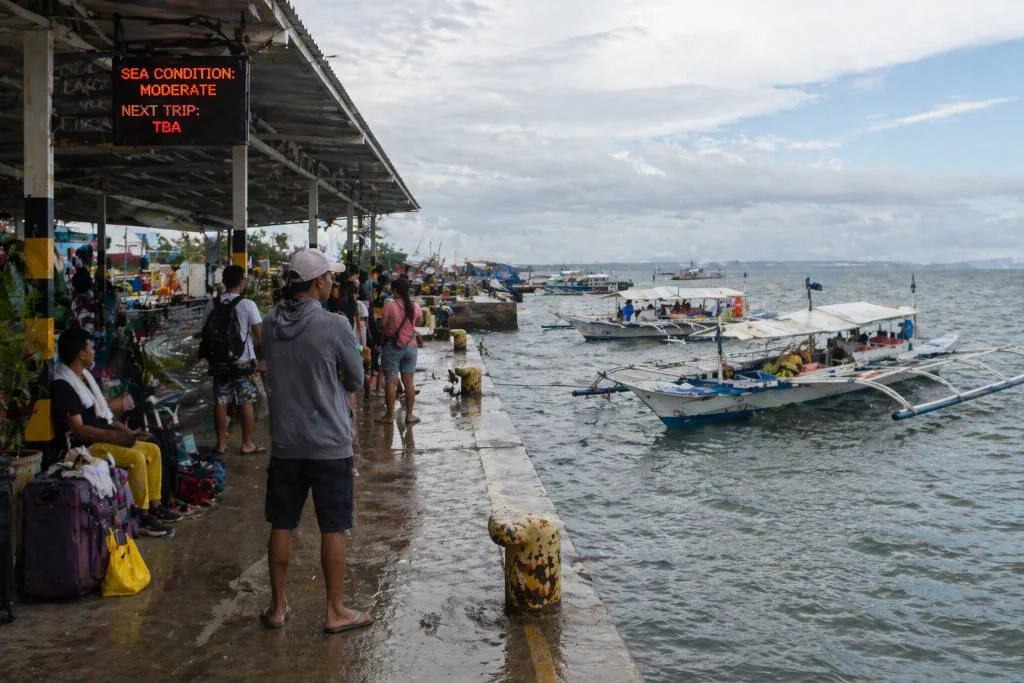 This is one of the most important planning points. A sunny morning in Cebu City does not automatically mean smooth conditions for island-hopping or small-boat departures. Wind, swells, and marine advisories can affect coastal routes even when the city looks calm from your hotel window. That is why the best time to visit Cebu City for boat-based add-ons is not only about city weather but also about broader sea conditions.
When rough seas and wind affect small-boat plans more often
Rough seas and wind tend to affect small-boat plans more often from around June through November, though exact timing varies. Habagat months can bring choppier conditions, and late-year weather systems can also shift plans. Travelers relying on island-hopping should be more cautious in this period and avoid assuming every sea day will push through as scheduled.
Reality Check: cancellations are not always a sign of bad planning. Sometimes they are the right call for safety, even when the rain in the city seems minor.
Why a buffer day matters for island-hopping add-ons
If sea-based trips matter to you, add one buffer day instead of stacking everything back-to-back. This simple move gives you room to rebook, swap activities, or just rest without feeling that one weather shift ruins the whole trip. It also helps to keep your city plans modular. A separate guide on how to get around Cebu City can help you design backup days that still feel productive.
What to Pack by Season
December to February packing notes
Pack light, breathable clothing, but include one thin outer layer for air-conditioned spaces and breezier evenings. Comfortable walking shoes, sunscreen, and a refillable water bottle still matter. These months may support the best time to visit Cebu City, but indoor spaces can feel very cool compared with the weather outside.
March to May packing notes
Prioritize sun protection. Think lightweight tops, airy fabrics, a cap or hat, sunglasses, and reliable sunscreen. A handheld fan or neck fan can make a real difference. Choose footwear that can handle heat and long hours on foot. Hydration tablets or electrolyte drinks are also practical during the hottest weeks.
June to November packing notes
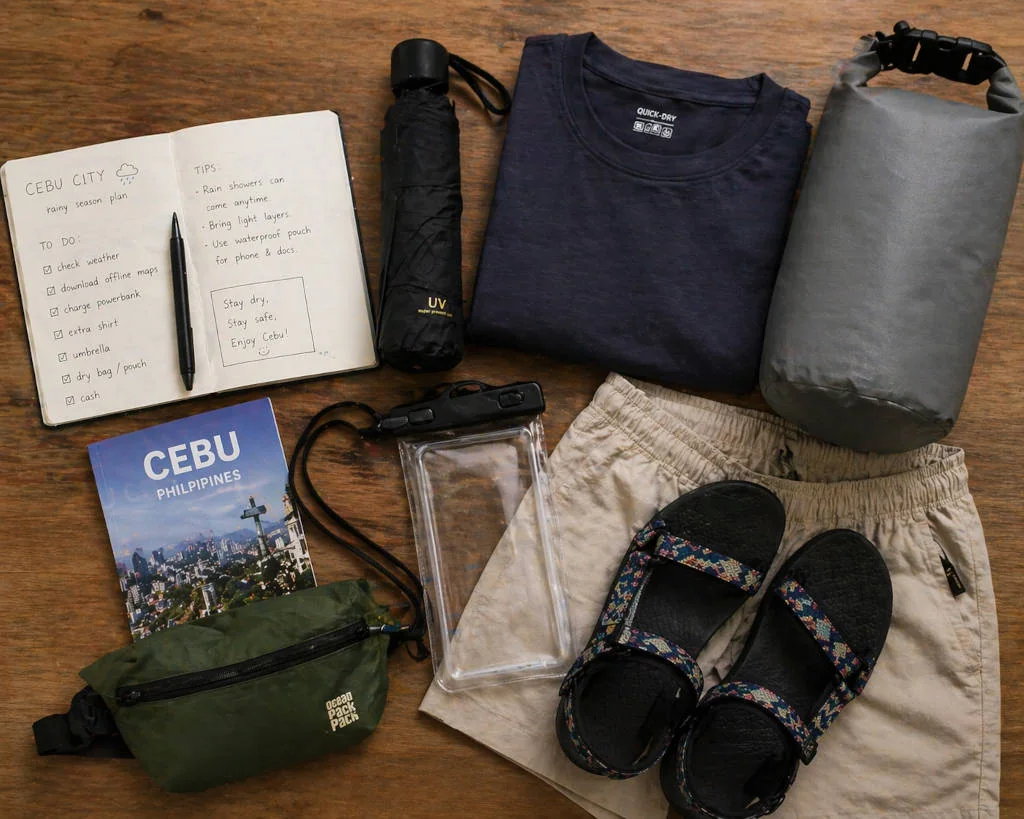 Bring a compact umbrella, quick-dry clothing, sandals or shoes that handle wet streets well, and a dry bag or waterproof pouch for your phone and documents. During the rainy season, packing for Cebu City is really about staying mobile and not getting rattled by brief weather shifts. This may not be the first-choice season for everyone, but smart packing makes it much easier to manage.
A Simple Rule If You Are Flexible
The safest all-around booking window
If you have room to choose, aim for late February, early March, or selected parts of November. This is the simplest rule for finding the best time to visit Cebu City without leaning too hard into peak festival congestion, peak summer heat, or the wetter heart of the rainy season.
When to accept wetter weather for lower prices
Choose June to October only if you are comfortable with changing skies, occasional downpours, and some schedule uncertainty. This works best for travelers who care more about lower prices, slower city days, food stops, and indoor plans than about postcard-perfect weather.
When to avoid stacking too many sea-based plans
If your dates fall in wetter or windier months, do not build an itinerary where every highlight depends on a small boat. Keep one or two land-based options ready, pace your bookings, and leave room to pivot. In the end, the best time to visit Cebu City is the one that matches your tolerance for heat, crowds, and weather risk. For most travelers, that means targeting a dry-season window outside the busiest festival and holiday peaks, then staying just flexible enough to let Cebu City feel easy instead of overplanned.