For travelers looking for photography spots in Cebu City, the city has a way of looking different depending on the light. In the morning, old walls and church details feel softer. By late afternoon, the hills above the city glow warm and the skyline begins to blur into gold.
This guide keeps things practical: easy access, good timing, weather buffers, and respectful behavior in places that are sacred, historic, or part of everyday local life.
These photography spots in Cebu City are not meant to become a packed sightseeing checklist. Think of them as flexible photo stops you can shape around your energy, traffic, rain clouds, and the kind of images you want to bring home. For more Cebu planning beyond photography, the Cebu destination category is a helpful place to continue browsing.
At a Glance: Photography Spots in Cebu City for First-Timers
The best time to shoot most photography spots in Cebu City is early morning from around 7:00 AM to 9:00 AM or late afternoon from around 4:00 PM to sunset.
A realistic photo day usually needs three to six hours, depending on traffic and how long you like to linger. Budget can stay modest for downtown heritage stops, while hilltop areas such as Busay, Sirao Garden, and Temple of Leah may need more for transport, entrance fees, snacks, and waiting time.
Crowd and traffic risk is highest around religious sites, downtown streets, school dismissal hours, weekend afternoons, and sunset viewpoints. For rain or heat backup, choose indoor-friendly spaces, cafes, hotel windows, malls, or museum stops.
Reality Check: Cebu City can feel hot and busy even on a “simple” photo day, so keep your route light and leave room for delays.
Quick Planning Notes Before Choosing Your Cebu City Photo Spots
Best Time of Day for Softer Light
The best time to take photos in Cebu City depends on your subject. Heritage facades, stone walls, and old street details usually look better in the morning, when shadows are gentler and the streets are not yet too harsh.
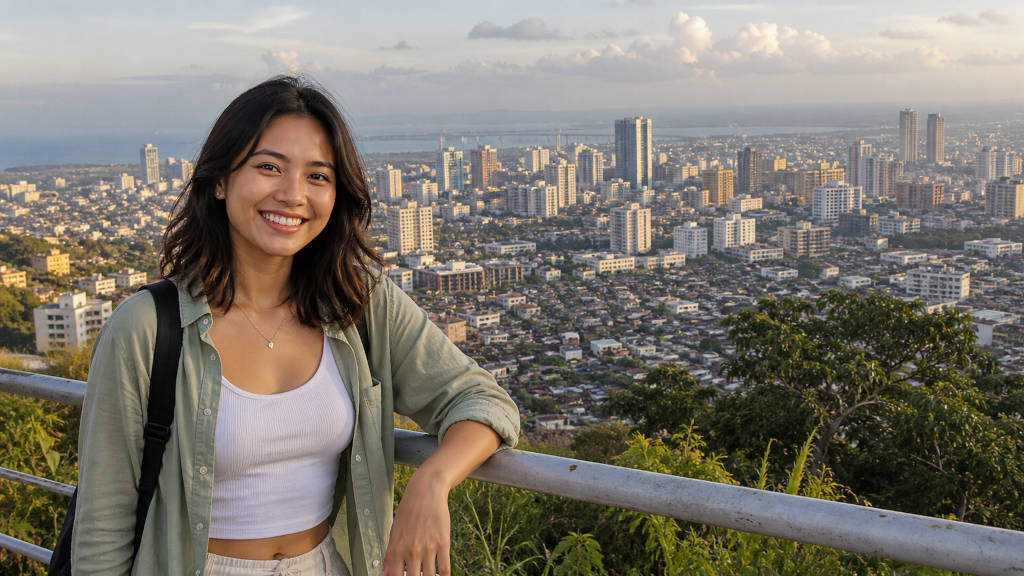
Hilltop views, on the other hand, are more dramatic in late afternoon, especially when the sky turns honey-colored over the Cebu City skyline.
Midday is still usable, but it needs a different approach. Look for shade, frame doorways, focus on textures, or shoot tight details instead of wide scenes with blown-out skies.
Reality Check: Golden hour in Cebu City can be beautiful, but clouds, haze, and traffic can change the plan quickly, so avoid building your whole day around one perfect sunset.
Traffic, Heat, Rain, and Crowd Buffers
Leave generous buffers between Cebu City photography spots, especially if you are crossing from downtown to Busay or Lahug. What looks close on a map can feel slow in real traffic.
Bring water, a small towel, sun protection, and a light layer if you plan to wait at a breezy viewpoint.
Rain can arrive suddenly, especially during wetter months, so check the PAGASA weather and forecast reference before heading out.
Reality Check: A cloudy sky is not always bad for photos; it can make portraits softer, reduce squinting, and help colors look less harsh.
Safety and Comfort Notes for City Shooting
For easy Cebu City photo spots without hiking, choose locations with clear roads, regular visitors, and simple transport access. Keep your phone strap or camera strap secure, avoid standing in traffic for a shot, and do not block sidewalks just to frame a photo.
If you need a smoother transport plan, the Cebu City local transport guide can help you understand common options before you go.
Reality Check: The best photo is never worth unsafe positioning, rushed street crossing, or making locals uncomfortable. Calm movement usually leads to better images anyway.
Easy Heritage Photography Spots in Downtown Cebu City
Fort San Pedro
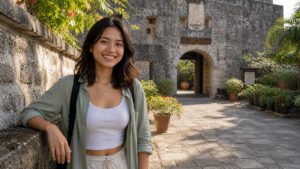 Fort San Pedro is one of the most approachable heritage photo spots Cebu travelers can include in a low-stress morning route. Its stone walls, arched details, courtyard areas, and warm old textures work well for both phone and camera photography.
For Fort San Pedro photos, try shooting along the walls from a slight angle instead of standing flat in front of them. This adds depth and makes the frame feel more layered.
Morning light is usually kinder here, especially for portraits and architectural details. Use the stone as a natural backdrop, but avoid leaning on fragile or restricted areas.
Reality Check: Some corners may be busy with tour groups, so patience is part of the shot; wait for a cleaner frame rather than forcing your way through.
Magellan’s Cross and the Basilica Minore del Santo Niño Area
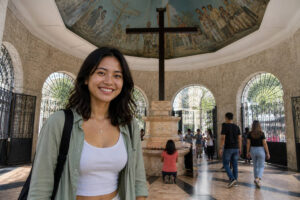 The area around Magellan’s Cross and Basilica Minore del Santo Niño is meaningful, active, and visually rich. For Magellan’s Cross photography, think respectfully: step aside for worshippers, avoid flash during solemn moments, and keep your framing quiet rather than intrusive.
Nearby, Basilica Minore del Santo Niño photos can focus on exterior lines, old details, doors, textures, and the gentle movement of visitors.
This is one of the most important photography spots in Cebu City for travelers who enjoy heritage, but it is not a studio. Dress modestly, lower your voice, and watch where photography is allowed.
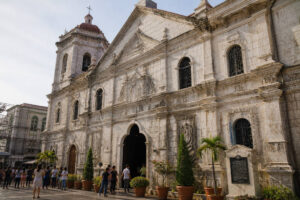 Reality Check: Religious spaces may have rules, crowds, Mass schedules, or restricted areas, so let reverence guide the pace of your camera.
Heritage of Cebu Monument and Nearby Old Streets
The Heritage of Cebu Monument gives first-timers a compact visual introduction to the city’s layered story. Around it, old streets, signs, walls, and everyday movement can create quieter frames that feel more local than postcard-like.
If you want Cebu City photo spots for first timers, this area is useful because you can practice wide shots, close-up details, and street compositions within a small radius.
For context before your heritage walk, the Cebu City Government heritage overview can support your understanding of the city’s historic background.
Reality Check: Streets here are shared by residents, workers, vehicles, and vendors, so stay aware and do not treat the neighborhood like a private set.
Casa Gorordo Museum and Nearby Heritage Details
Casa Gorordo Museum and its surrounding heritage details are ideal for slower, more thoughtful images. Look for capiz-inspired textures, wood, windows, shadows, and small architectural patterns.
Indoors or semi-indoors, raise exposure carefully if your phone makes the scene too dark, but avoid flash when it is not allowed.
This stop works well after Fort San Pedro and the Basilica area if you are building a downtown heritage morning route.
Reality Check: Museums often have rules on photography, bags, and certain rooms, so always ask staff before taking photos inside.
Hilltop and Garden Spots for Golden Hour Views
Temple of Leah
 Temple of Leah is one of the most recognizable photography spots in Cebu City because of its columns, grand stairs, and elevated views. For Temple of Leah photos, late afternoon is usually more flattering than midday.
The warm light can soften the stone-like surfaces and add glow to portraits without making people squint as much.
Use the columns as leading lines, shoot from lower angles for drama, or frame a person walking naturally instead of posing stiffly. For a deeper planning guide, read the Temple of Leah guide before setting your route.
Reality Check: This spot can get crowded, and transport back down may take patience, especially after sunset.
Cebu Taoist Temple
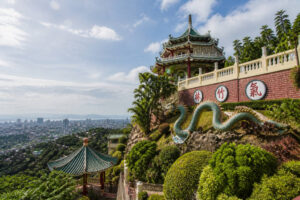 Cebu Taoist Temple views offer a calmer kind of city photography when site rules are followed. The colors, rooflines, steps, and city-facing angles can make strong frames, but this is also a place of worship and reflection.
Check signs, avoid restricted prayer areas, and keep your movement quiet.
For Cebu Taoist Temple views, try balanced compositions with roof edges, sky, and distant city layers.
Reality Check: Some areas may limit photography, so respectful travel photography matters more than getting every possible angle.
Sirao Garden
Sirao Garden is a colorful option for travelers who want flowers, playful details, and softer lifestyle-style portraits. It is often grouped with Busay viewpoints, so it works best as part of a hilltop afternoon rather than a quick downtown add-on.
For Sirao Garden photo tips, avoid only shooting the most crowded displays. Look for side angles, single blooms, textured paths, and frames with breathing space.
Cloudy weather can actually help here because flower colors may appear richer without harsh shadows.
Reality Check: Expect entrance fees, other visitors, and possible mud or damp paths after rain, so wear shoes that can handle a little mess.
Tops or Busay Viewpoint Areas
Busay viewpoint areas are among the best photo spots in Cebu City for sunset views Cebu City travelers often imagine: layered hills, city lights, and a sky that slowly changes from gold to blue. Arrive before golden hour so you are not rushing uphill during traffic.
For skyline photos, lock focus on the brightest part of the sky or tap the city lights and lower exposure slightly for mood.
These photography spots in Cebu City are better when you treat them as slow stops. Order a drink, settle in, and wait for the light to change.
Reality Check: Weather can hide the view, and going home after sunset may take longer than expected.
Street, Market, and City-Detail Photo Ideas
Colon Street Details
Colon Street is more about details than polished scenery. Look for signs, old building lines, jeepney movement, storefront textures, and the rhythm of people going about their day.
This is where Cebu City photography spots become more documentary, showing the city as lived-in rather than staged.
Use a wider phone lens only when you have enough space; otherwise, shoot closer details and keep moving.
Reality Check: Stay alert with your belongings, avoid blocking foot traffic, and do not photograph people in vulnerable moments.
Carbon Market with Extra Awareness and Respect
Carbon Market can be visually rich with produce colors, baskets, textures, and movement, but it requires extra sensitivity. Ask permission before photographing vendors closely, buy something small when appropriate, and never treat people as props.
A friendly smile and a simple “Pwede po mag-picture?” can go a long way.
For market photos, focus on hands arranging produce, color patterns, signage, and wider environmental frames.
Reality Check: Markets are working spaces, so your comfort and the vendors’ dignity should come before any shot.
Fuente Osmeña and Nearby City Scenes
Fuente Osmeña and nearby streets can give you roundabout scenes, city movement, night lights, and everyday Cebu rhythm. It is a practical stop if you are already nearby and want simple urban frames without going far.
Try reflections after rain, silhouettes near crosswalks, or building details against the evening sky.
Reality Check: Traffic is part of the scene here, but do not step into dangerous spots for symmetry or motion blur.
Rainy Day and Indoor-Friendly Photo Backups
National Museum of the Philippines Cebu
For rainy day photography spots in Cebu City, museum time can be a gentle reset. The National Museum of the Philippines Cebu gives travelers a quieter indoor-friendly option, especially when clouds turn heavy or the afternoon gets too hot.
Focus on allowed architectural details, windows, corridors, and thoughtful compositions rather than flash-heavy snaps.
Reality Check: Indoor photography rules may vary by exhibit or area, so ask staff and respect signs before shooting.
Cafes, Hotel Windows, Covered Walkways, and Mall-Adjacent City Details
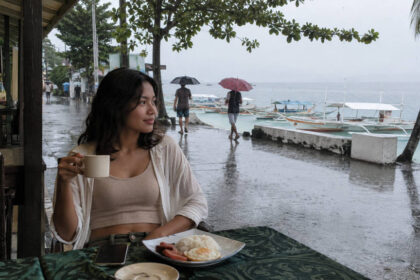
Rain does not have to end your photo day. Cafes with window light, hotel views, covered walkways, and mall-adjacent street details can all become low-pressure photo subjects.
A wet road can reflect signs beautifully, and a small umbrella can add atmosphere to portraits without needing a dramatic location.
This is also a good moment to browse more planning stories in the Tips and Inspiration category for calmer ways to travel around changing weather.
Reality Check: Keep gear dry first, then think about the shot.
Golden Hour Tips for Cebu City Photos
Morning Light for Quiet Heritage Streets
Morning light is best for travelers who want softer heritage photos, fewer crowds, and cooler walking conditions. Start downtown, keep your route compact, and shoot facades before the sun climbs too high.
For photography spots in Cebu City with old stone, church details, and street textures, morning helps colors feel gentler.
Reality Check: Some sites may not open as early as you hope, so check schedules and prepare a nearby backup cafe or street-detail stop.
Late Afternoon Light for Hilltop Views
Late afternoon light suits hilltop and garden stops because it adds warmth to portraits and depth to the Cebu City skyline. Arrive early enough to scout the area before the sky changes.
Take a few test shots, then wait for the glow instead of exhausting yourself with too many poses right away.
Reality Check: Sunset views Cebu City travelers hope for can disappear behind cloud cover, but soft overcast light can still be lovely for portraits.
Blue Hour and City Lights without Staying Out Too Late
Blue hour happens after sunset, when the sky turns deep blue and city lights begin to stand out. Use night mode on your phone, hold it steady, and lean against a railing or table if you do not have a tripod.
For cameras, a higher ISO and wide aperture can help, but avoid pushing settings so far that the image becomes too noisy.
Reality Check: Plan your ride before it gets too late, especially in hilltop areas where transport may be less convenient.
Respectful Photography Etiquette in Cebu City
Churches and Religious Spaces
At churches, shrines, and prayer areas, keep your camera low when people are worshipping. Avoid flash, loud posing, blocking entrances, or turning sacred objects into casual props.
Photography spots in Cebu City can be beautiful, but many of them are also living places of faith.
Reality Check: A respectful distance often creates a more honest image than a close shot that interrupts someone’s private moment.
Markets, Vendors, Children, and Local Residents
In markets and neighborhoods, ask permission for close portraits. Avoid photographing children without a guardian’s consent. Do not pressure vendors, tease locals into posing, or take photos of people in distress.
If someone says no, smile, thank them, and move on.
Reality Check: Good travel photography is not only about light and framing; it is also about consent, kindness, and knowing when not to shoot.
Heritage Structures and Private Property
Heritage walls, old houses, gates, and private buildings deserve care. Do not climb, scratch, lean heavily, move objects, or enter private spaces for a better angle.
Use public viewpoints and permitted areas, and let the story of the place remain intact for the next traveler.
Reality Check: Some of the best heritage photo spots Cebu visitors notice are small details, but small details still belong to real communities.
Simple Phone and Camera Tips
Phone Settings for Bright Sun and Shadows
In harsh sun, tap on your subject and lower exposure slightly so highlights do not turn white. Use HDR when there is a big difference between bright sky and dark foreground.
For portraits, move your subject into open shade instead of making them face direct sunlight.
Reality Check: Phone photography tips do not need to be complicated; clean your lens, steady your hands, and check the edges of your frame before shooting.
Portraits, Architecture, and Street Details
For portraits, place your subject slightly off-center and let Cebu textures support the frame. For architecture, straighten vertical lines when possible so churches, columns, and walls do not look accidentally tilted.
For street details, get closer and remove clutter from the frame by changing your angle.
Reality Check: A simple, clean composition often feels stronger than a busy frame with too many subjects competing for attention.
Rain Protection and Backup Habits
Pack a microfiber cloth, small umbrella, water-resistant pouch, power bank, and a zip bag for emergency gear protection. Wipe your lens often, especially when moving between air-conditioned spaces and humid streets.
Save photos to cloud storage or a backup drive when you can.
Reality Check: Rain protection sounds boring until the sky suddenly opens over your route, so make it part of your normal photo-day kit.
Sample Low-Stress Cebu City Photo Routes
Downtown Heritage Morning Route
For a calm first route, start with Fort San Pedro, continue to Magellan’s Cross and Basilica Minore del Santo Niño, then move toward nearby heritage streets, the Heritage of Cebu Monument, and Casa Gorordo Museum if time allows.
This route keeps photography spots in Cebu City close together and works best for travelers who want culture, texture, and easier walking breaks.
Reality Check: Even a compact downtown route can feel hot, so pause often, hydrate, and do not rush every stop.
Busay and Hilltop Golden Hour Route
For a softer afternoon route, choose two or three hilltop stops rather than trying to do everything. Temple of Leah, Cebu Taoist Temple, Sirao Garden, and Busay viewpoint areas can be mixed depending on your budget, transport, and sunset plan.
This route is best for portraits, city views, flowers, and golden hour in Cebu City.
For broader trip planning around the province, the main Cebu travel guide can help you connect city time with beaches, waterfalls, and other Cebu experiences.
Reality Check: Hilltop routes need more transport patience, so book wisely, bring water, and avoid packing the schedule too tightly.
Final Tips for Choosing the Right Cebu City Photo Spots
The right photography spots in Cebu City depend on your mood, not just your camera. Choose downtown heritage if you love history, texture, and meaningful details. Choose Busay and the hills if you want warm portraits, skyline views, and a slower sunset.
Choose markets and street details if you enjoy everyday city rhythm and are ready to photograph with care.
Keep the day kind to your body and respectful to the places you enter. Cebu City rewards travelers who slow down, watch the light, ask permission, and leave space for real life to continue around the frame.
With a simple route, a rain-ready kit, and gentle timing, photography spots in Cebu City can become more than just pictures; they can become a softer way of noticing the city.