The best time to visit Zambales is usually during the dry season, especially from December to April, when rain is less frequent and beach plans are easier to protect. But the real answer depends on your travel style. A family with kids, a barkada chasing island hopping, a budget traveler avoiding crowds, and a camper planning a cove trip will not always choose the same weekend.
Zambales is close enough to Metro Manila for a quick escape, but timing still matters. A sunny forecast can make the coast feel wide open and golden. A windy day can make the sea look restless, even if it barely rains. A long weekend can turn a simple drive, parking stop, tricycle ride, or boat queue into a longer day than expected.
This guide keeps the focus on planning choices: Zambales weather, heat, rain, wind, crowd peaks, price pressure, sea conditions, and when to keep a rainy-season backup plan.
For a broader destination overview, you can explore the Zambales destination category. For this article, we will stay practical and timing-focused, with beaches and coves mentioned only when they affect comfort, safety, and trip planning.
Best Time to Visit Zambales: Quick Answer
The safest general answer is that the best time to visit Zambales is during the dry season, especially December to April. Within that window, February and early March often feel like the most balanced choices because the weather is generally more comfortable, the sea is more likely to cooperate, and crowds are usually easier than Holy Week or peak summer weekends.
December to February is better for travelers who want cooler mornings, gentler light, and less punishing heat. March and April are sunny and beach-friendly, but they can also bring stronger heat, more demand, and higher rates, especially around Holy Week and long weekends. May can still work for beach trips, but expect hotter, stickier days and watch for early signs of the rainy season.
June to October is more complicated. This is when the Zambales rainy season becomes a bigger planning factor, with habagat, tropical cyclones, rougher water, and a higher chance of boat cancellation. It is not automatically a bad time, especially for flexible travelers who want quieter weekdays or resort stays, but it is less ideal for fixed island hopping plans.
Reality Check: Even in the dry season, local sea conditions can change. A good plan is not just choosing a month; it is also checking the forecast, asking local operators, and avoiding schedules that leave no room for delays.
Zambales Weather by Season
December to February: Cooler Dry-Season Travel
December to February is one of the easiest windows for Zambales travel. The air can feel lighter, mornings are more comfortable, and outdoor plans are generally easier to pace. This is a good season for families, first-timers, and travelers who want a beach trip without feeling drained by midday heat.
The Zambales dry season does not mean every day is perfect, but it usually gives you better chances for clearer skies and more predictable outdoor movement. If your itinerary includes walking to viewpoints, waiting by a boat area in Pundaquit, or spending time in open campsites, the cooler months are kinder to your energy.
Reality Check: Christmas and New Year can bring holiday crowds and higher prices. Early January may still have some spillover demand, so book earlier if you are traveling around family vacation dates.
March to May: Hot, Sunny, and Busy
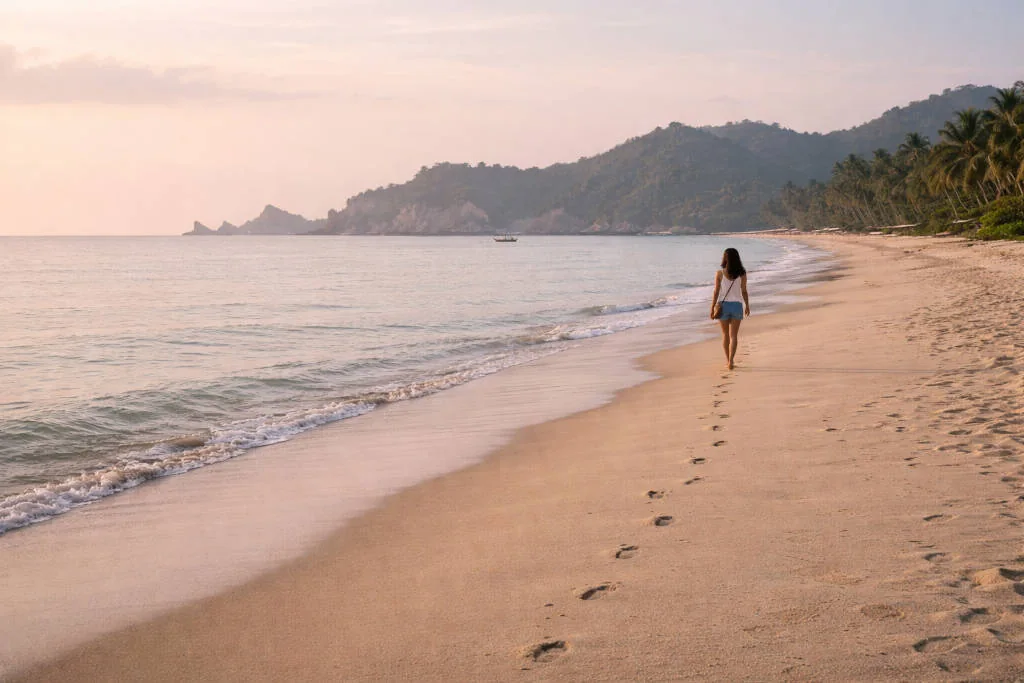
March to May is the classic beach window: bright skies, hot sand, and the kind of weather that makes cold drinks, shade, and swims feel extra satisfying. For many travelers, this still feels like the best time to visit Zambales because the coast looks lively and beach plans feel natural.
The trade-off is heat. March starts warming up, April can be intense, and May can feel humid. During these months, early starts matter. Leave earlier, schedule boat rides in the morning when possible, bring water, and avoid doing everything at noon.
If you are planning Anawangin, Nagsasa Cove, Capones Island, or Camara Island, use the Zambales hidden beaches guide for beach choices, then match those plans with realistic timing.
Reality Check: Holy Week, summer weekends, and school-break periods can push up prices and crowd levels. Expect more competition for rooms, parking, boats, food orders, and shaded spots.
June to October: Rainy Season and Higher Boat-Risk Months
June to October is the more weather-dependent period. Rain can come in short bursts or longer spells, and habagat can make the coastline feel rough and windy. Tropical cyclones can also affect travel plans, even when the center of the storm is not directly over Zambales.
This is when fixed island hopping plans become riskier. The issue is not only rain; sea conditions matter just as much. If wind and waves are unsafe, boat operators may delay, shorten, reroute, or cancel tours.
During these months, the best time to visit Zambales may only be when you have flexible booking terms, a backup mainland plan, and a relaxed attitude toward changes.
Reality Check: Rainy-season trips can still be peaceful and affordable, but they are not ideal for travelers who will feel disappointed if a boat tour does not push through.
November: Transition Month With Improving Conditions
November can be a useful shoulder month. The weather often begins to improve, and the mood shifts slowly toward the drier travel season. It can be a smart option for travelers who want better odds than the deep rainy months but do not want the bigger holiday crowds of late December.
Still, November is a transition month, not a guarantee. Check forecasts before booking boat-heavy plans, especially if your itinerary depends on Capones Island, Camara Island, Anawangin, or Nagsasa Cove.
Reality Check: November can reward flexible travelers, but it is still worth confirming conditions locally before committing to a tight one-day island hopping schedule.
Month-by-Month Zambales Planning Guide
January
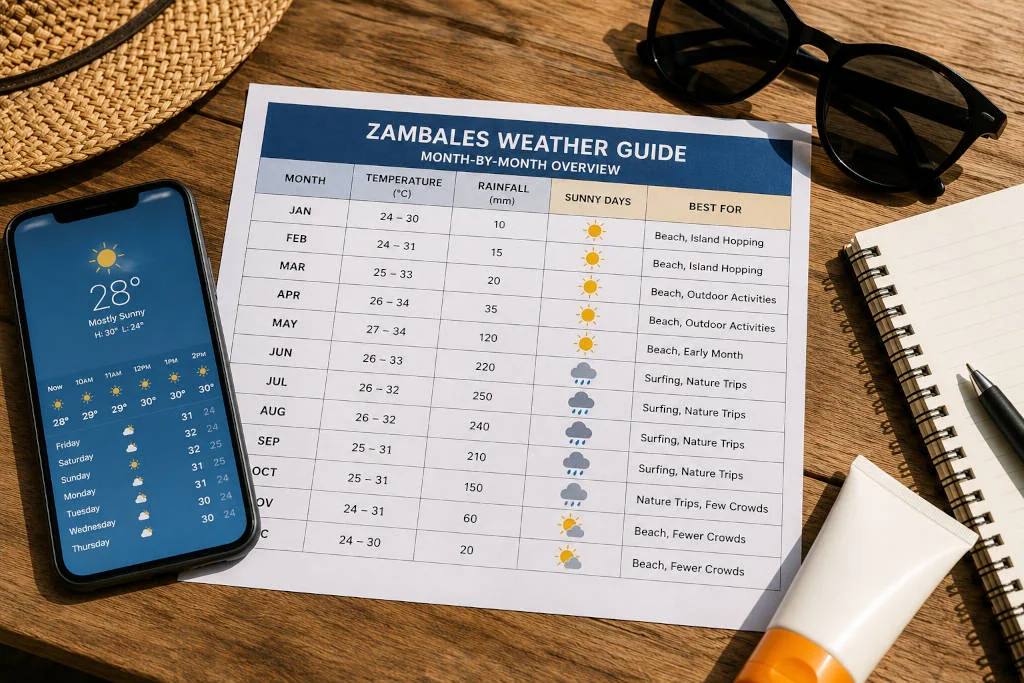 January has a cooler dry-season feel, making it a good month for families and first-timers. Beach walks, simple resort stays, and slow coastal meals can feel more comfortable compared with the peak summer months. Early January may still carry holiday spillover, so expect some crowd and price pressure near New Year.
Best fit: Families, first-timers, and travelers who want easier weather with manageable heat. Sea-condition risk: generally lower than rainy months, but always confirm locally.
February
February is one of the most balanced months for weather, comfort, and crowds. For many flexible travelers, this may be the best time to visit Zambales. The heat is usually not yet at its strongest, dry-season conditions are more favorable, and non-holiday weekdays can feel calmer.
Best fit: Couples, families, campers, and travelers who want a practical balance. Crowd level: lighter on weekdays, moderate on weekends.
March
March is sunny and increasingly hot. It is a good month for beach trips, especially if you start early and protect your midday hours. Morning boat schedules, shaded lunches, and slower afternoons make the experience more comfortable.
Best fit: Beach-focused travelers and barkadas who can manage heat. Sea-condition risk: usually better than rainy season, but wind can still affect boat plans.
April
April brings peak heat and peak demand. It can offer strong beach weather, but Holy Week and long weekends can make Zambales busier and more expensive. Book rooms early, expect traffic, and prepare for crowded food stops, parking areas, and boat queues.
Best fit: Travelers who want high-summer energy and can handle heat. Reality Check: April can be beautiful, but it is not the easiest month for budget or quiet travel.
May
May is still beach-friendly, but it can feel hotter and more humid. Early May may still behave like summer, while later May may show signs of changing weather. It is a workable month if you are flexible and prepared for strong sun.
Best fit: Travelers who want summer vibes after the Holy Week rush. Planning note: watch for early rainy-season patterns and avoid overpacked schedules.
June
By June, start treating plans as weather-dependent. Crowds may be lower, which is good for budget travelers, but the weather becomes less predictable. Resort stays can still work well if you are comfortable changing outdoor plans.
Best fit: Flexible travelers and those looking for quieter weekdays. Sea-condition risk: rising, especially for boat-heavy itineraries.
July
July is a month when rain and rough-sea risk matter more. A relaxed mainland stay can still be pleasant, especially if your accommodation has a pool, restaurant, or comfortable indoor spaces. Fixed island hopping plans are less ideal.
Best fit: Slow travelers who do not mind rain pauses. Reality Check: Do not make a boat tour the only reason for a one-day trip in July.
August
August deserves extra caution because of rain, wind, and typhoon-related disruption. This does not mean every day is stormy, but cancellation risk is higher. Flexible booking terms matter more during this month.
Best fit: Travelers with refundable plans and a backup itinerary. Sea-condition risk: higher, especially around weather disturbances.
September
September still needs flexible planning. Rain and wind can affect comfort, road timing, and boat decisions. If you choose September, think of the trip as a quiet reset rather than a packed island hopping weekend.
Best fit: Budget travelers, remote workers, and resort staycation guests. Planning note: prepare a rainy-season backup plan before leaving home.
October
October can begin to feel like a transition month, but storms can still affect plans. Some days may be clearer, while others can still be wet or windy. It is better for travelers who can decide closer to the date.
Best fit: Flexible travelers watching forecasts. Sea-condition risk: improving compared with peak rainy months, but still uncertain.
November
November usually brings improving odds for clearer weather, though you should still check forecasts before booking boat-heavy plans. It can be a useful month for travelers who want to avoid the thickest holiday crowds.
Best fit: Shoulder-season travelers, couples, and small groups. Crowd level: often manageable outside holidays and weekends.
December
December generally brings better weather back, along with higher prices and crowds around Christmas and New Year. Early December can be appealing, while late December needs earlier booking and more patience.
Best fit: Families and holiday travelers. Reality Check: December is convenient, but it is not always cheap or quiet.
Crowds and Price Patterns in Zambales
Crowds in Zambales follow familiar Philippine travel rhythms. Holy Week, summer weekends, long weekends, Christmas to New Year, and school-break windows are usually the busiest periods. During these times, prices can rise, rooms can sell out faster, and simple logistics can take longer than expected.
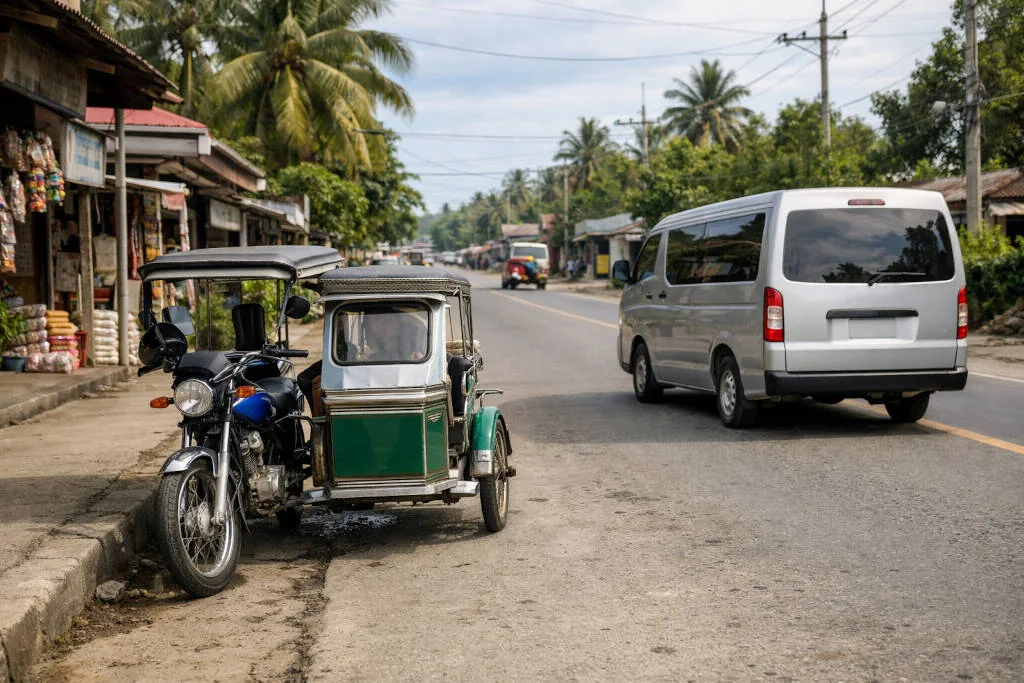
Crowding affects more than beach space. It can mean slower parking, longer food waits, busier tricycle and van transfers, and more competition for boats. If your trip involves several local transfers, the Zambales transport guide can help you understand why timing affects movement, especially when many travelers arrive at the same time.
Quieter windows are usually weekdays, non-holiday February, early March, parts of November, and rainy-season weekdays. These periods may offer better rates and a calmer mood. For travelers who can choose their schedule, the best time to visit Zambales is often not just a month, but a non-holiday weekday within a good-weather window.
Reality Check: A “less crowded” date does not always mean empty beaches. It simply gives you better odds of easier movement, more room choices, and less pressure on your budget.
Sea Conditions and Island Hopping Cancellations
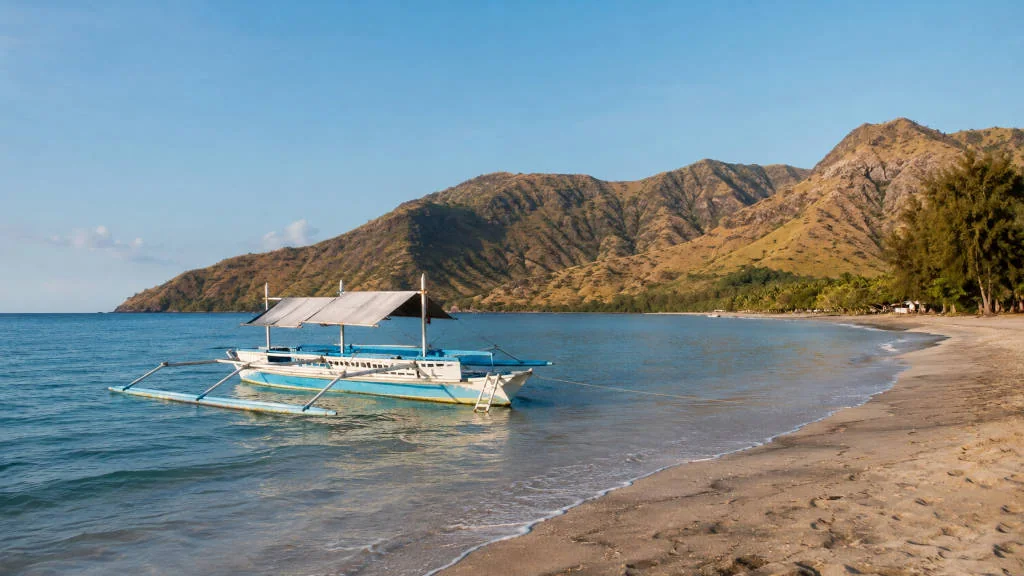
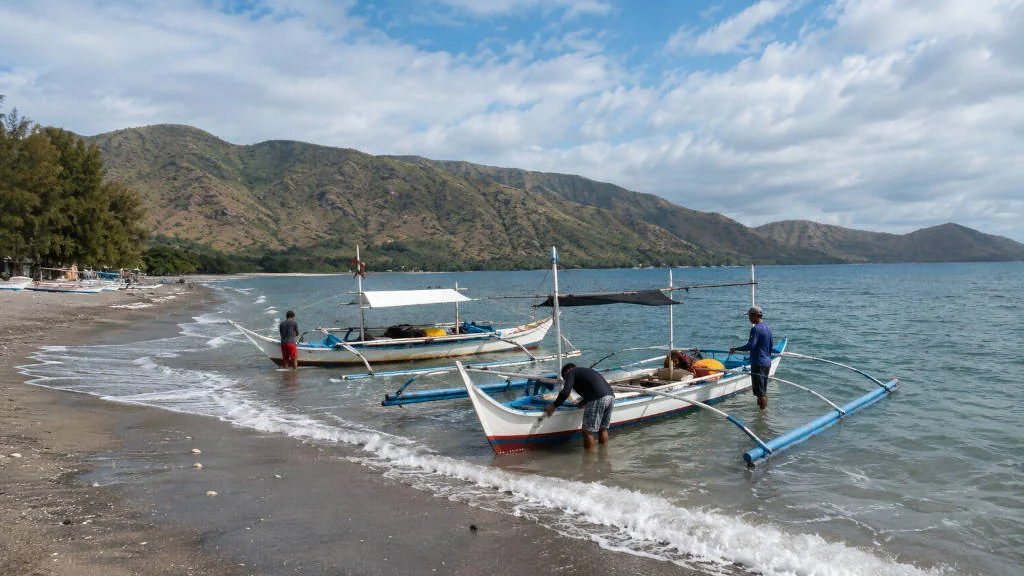 Island hopping around Pundaquit, Anawangin, Nagsasa, Capones Island, and Camara Island depends on actual sea and wind conditions, not only on whether it is raining. A dry-looking day can still be too windy. A cloudy morning can still be safe enough if the water is calm and local operators are comfortable with the route.
Boat tours may be delayed, shortened, rerouted, or cancelled when waves, wind, local advisories, or boat operator judgment make the route unsafe. This is normal and should be taken seriously. The sea is part of the experience, but it is also the biggest variable in boat-based Zambales plans.
If you are traveling from Manila for only one day during unstable months, avoid making the boat tour the only reason for the trip. Have a mainland beach, café, resort pool, or food stop as a backup. Ask your accommodation or boat operator about conditions the day before and again on the morning of your trip.
For weather context, check PAGASA climate information for the Philippines and monitor PAGASA tropical cyclone information when traveling during rainy months.
Reality Check: The safest operator is not the one who promises to push through no matter what. Choose people who are willing to say no when conditions are not right.
What to Pack by Season
Dry Season Packing
For the Zambales dry season, pack light clothes, a hat, sunglasses, reef-safe sunscreen, a refillable water bottle, sandals, swimwear, a light cover-up, a power bank, and enough cash. Some beach areas and small stops may not be card-friendly, so cash keeps the day smoother.
A light scarf or cover-up is useful for sun protection during boat rides and tricycle transfers. Bring a reusable water bottle because heat and salt air can make you thirsty faster than expected.
Reality Check: Dry season does not mean you can ignore sun exposure. The easier weather can still burn skin quickly, especially on boats and open sand.
Hot Months Packing
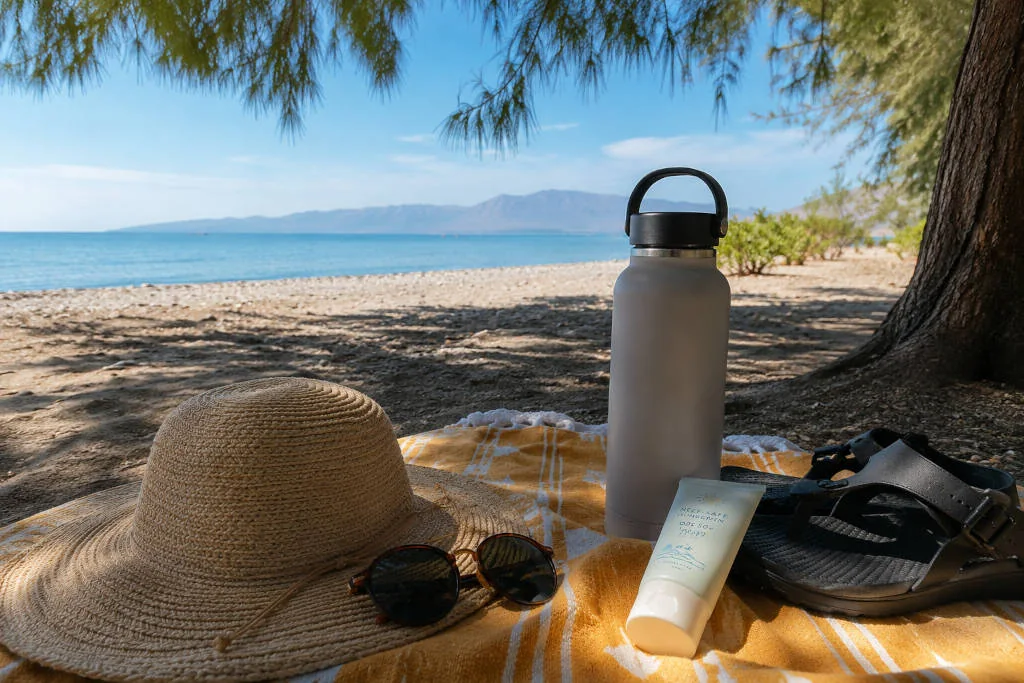 For March to May, add extra water, electrolyte drinks or oral rehydration salts, breathable clothes, stronger sun protection, a small towel, and a cooling scarf. This is also when patience becomes part of packing. Midday rests are not wasted time; they are how you keep the trip enjoyable.
If you are camping or spending long hours outdoors, prepare for hot tents, warm sand, and limited shade. Start activities early, then slow down when the sun is strongest.
Reality Check: April and May can feel more tiring than they look in photos. Build in shade, hydration, and rest instead of trying to copy a packed itinerary.
Rainy Season Packing
For rainy-season travel, pack a dry bag, waterproof phone pouch, rain jacket or poncho, extra plastic or laundry bag for wet clothes, quick-dry clothes, insect repellent, backup footwear, and a flexible booking mindset. The goal is to stay comfortable even if plans change.
Rainy-season packing is less about looking perfect and more about protecting essentials. Keep chargers, IDs, money, and dry clothes separated. If you are bringing a camera, use extra waterproof protection.
Reality Check: The most useful rainy-season item is flexibility. A good backup plan can save the mood of the whole trip.
Best Time by Travel Style
Families and First-Timers
Families and first-timers will usually feel most comfortable from December to February or during non-holiday March. These months offer a better mix of weather, comfort, and simpler planning. Kids, older relatives, and first-time beach campers often do better when heat and rain risk are lower.
Reality Check: Avoid overloading the schedule. One good beach day with enough rest is better than a rushed plan with tired travelers.
Budget Travelers
Budget travelers should look at weekdays, shoulder months, and non-holiday periods. February weekdays, early March weekdays, parts of November, and selected rainy-season weekdays can be easier on the wallet. Avoid Holy Week, major holidays, and peak summer weekends if price is your main concern.
Reality Check: Lower rates sometimes come with more weather uncertainty. Read cancellation terms before booking.
Campers and Island Hoppers
Campers and island hoppers should prioritize dry-season dates, early boat schedules, and flexible backup plans. For trips to Anawangin, Nagsasa Cove, Capones Island, or Camara Island, sea conditions matter as much as sunshine. February, early March, and selected December or January dates can work well.
Reality Check: Camping comfort changes quickly with heat, rain, and wind. Pack for the actual season, not just the beach photos you have in mind.
Flexible Travelers
Flexible travelers have the biggest advantage. You can watch the forecast, avoid fixed boat plans during stormy periods, choose weekdays when possible, and move your trip away from peak weekends. For this group, the best time to visit Zambales may be the moment when good weather, lighter crowds, and fair prices line up.
Reality Check: Flexibility only helps if you use it. Check forecasts close to departure and be willing to adjust.
Simple Planning Rule If You Are Flexible
 Here is the simplest rule: choose a weekday between February and early March if you want the easiest balance of weather, comfort, sea conditions, and crowds. Choose April only if you can handle heat, stronger demand, and higher prices. Choose rainy-season dates only if you are comfortable changing plans.
This rule is not fancy, but it works for many travelers. It avoids the thickest holiday pressure, gives you better dry-season odds, and keeps the trip from feeling too hot or too crowded. It is especially helpful if you are planning a first Zambales trip and do not want to overthink every month.
Reality Check: No rule can control the weather. Use this as a starting point, then check real-time forecasts and local advice before you go.
Final Tips Before Booking
Before booking, check PAGASA updates, confirm boat conditions locally, and avoid tight same-day schedules. Bring cash, allow buffer time, and keep a backup mainland plan. If you are traveling during a long weekend, leave earlier than you think you need to.
If you are traveling during rainy season, choose accommodations and transport options that give you room to adjust. For calm, practical trip preparation, you can also browse more guides in the Tips and Inspiration category.
Planning does not remove every travel surprise, but it helps you handle them with less stress.
In the end, the best time to visit Zambales is the date that matches your comfort level. For easier weather and smoother boat plans, aim for the dry season, especially February to early March. For summer energy, prepare for heat and crowds. For rainy-season savings, bring flexibility.
Zambales rewards travelers who respect the season, listen to local advice, and leave enough space in the day for the coast to unfold at its own pace.