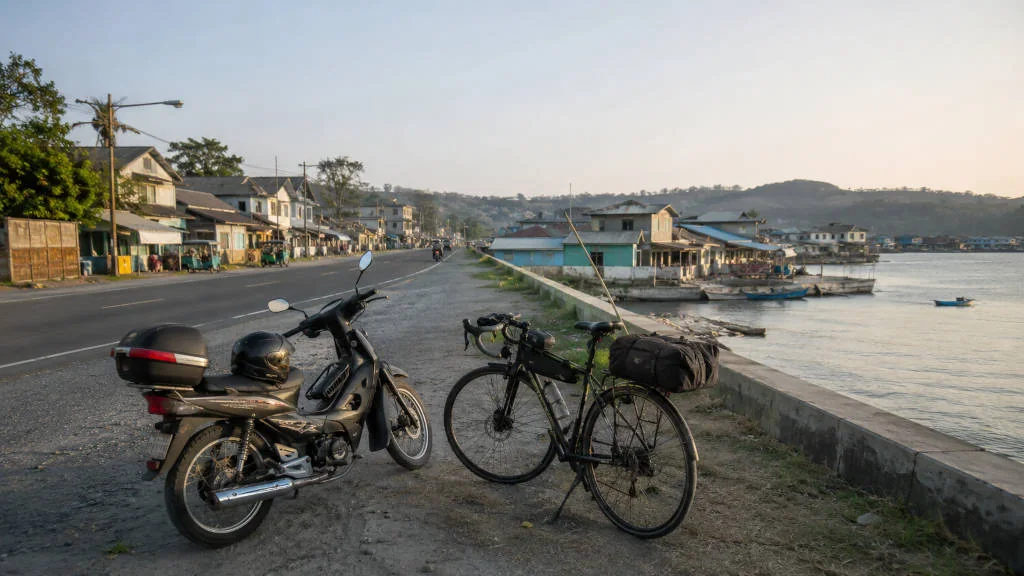
The Manila to Hundred Islands motorcycle route sounds simple on a map: leave Metro Manila, aim north, reach Alaminos Pangasinan, then roll into Lucap for the boats. In real life, the safer plan depends on your bike, your energy, the weather, and whether you are riding a bicycle or a sub-400cc motorcycle. This guide keeps the focus narrow: route corridors, stop planning, weekend traffic, weather no-go rules, and Lucap arrival decisions. For broader trip ideas, you can pair this with the Hundred Islands destination context, but treat this article as your road-day planner, not an island-hopping itinerary.
At-a-Glance Planning Notes
For most riders, the best window for the Manila to Hundred Islands motorcycle route is the cooler dry-season morning, especially when roads are bright but not yet punishingly hot. A realistic travel day can stretch long because small motorcycles and bicycles must avoid expressways, while town traffic, heat, and rain can slow everything down. Budget for meals, water, fuel, secure parking, and possibly one overnight in Alaminos Pangasinan instead of forcing a same-day boat plan.
Weekend traffic is a real risk, especially on Saturday exits from Manila and Sunday returns. For rain or heat backup, make Alaminos your stopping point and move the island-hopping day to the next morning.
Reality Check: A smooth-looking route can still feel tiring after hours of stoplights, trucks, heat shimmer, and town crossings. The safer plan gives your body more time than your map app suggests.
Is This Manila to Hundred Islands Motorcycle Route Right For You?
Best For Careful Riders, Not Rushed Weekend Squeezers
The Manila to Hundred Islands motorcycle route works best for riders who are willing to start early, stop often, and accept that the road day may be the main activity. It is a better fit for careful planners than for groups trying to leave late, race north, park in Lucap, and still chase a full island-hopping schedule.
Sub-400cc riders need to think like provincial-road travelers. The pace is not just about speed. It is about tricycles, buses, roadwork, school zones, wet pavement, and the mental work of reading traffic for hours. Cyclists need an even stricter plan because exposure to heat, dust, crosswinds, and shoulder conditions adds up quickly.
Why Cyclists Need A Stricter Fatigue Plan Than Motorcycle Riders
For cyclists, the Manila to Hundred Islands motorcycle route should be treated as a multi-stage endurance plan, even if you are using the same broad corridor. Shade, hydration, daylight, and safe shoulder space matter as much as distance. A town that feels “near” by motorcycle can still be a serious push by bicycle, especially under Central Luzon heat.
Reality Check: Fatigue usually arrives quietly. Once your judgment slows, your braking, lane position, and patience all suffer.
Quick Answer: The Safest Way To Plan The Ride
Best Route For Most Sub-400cc Riders
For most small-displacement motorcycles, the more direct Manila to Alaminos motorcycle route is the Central Luzon and Camiling corridor. Think Manila, Valenzuela, Bulacan, Pampanga, Tarlac City, Camiling, Mangatarem, Aguilar, Bugallon, Labrador, Sual, Alaminos, then Lucap Wharf. This corridor is practical because it moves generally north and west without making the coastal detour through Zambales.
Best Route For Slower Scenic Pacing
The slower but more scenic option is the Subic and Zambales coastal route. This is better when you have extra time, want gentler pacing, or plan to sleep somewhere along the coast. It can feel more like a road trip, with coastal-town pauses and sea air in sections, but it is not the fastest way to Lucap.
Why Overnighting In Alaminos Often Makes Sense
Overnighting in Alaminos Pangasinan is often the safest choice when the ride is long, rainy, hot, or delayed by weekend traffic. It lets you separate the road day from the boat day. That one decision can turn the Manila to Hundred Islands motorcycle route from a tiring squeeze into a calmer two-part trip.
Reality Check: Arriving tired and still trying to arrange parking, lodging, food, and island registration can make simple tasks feel stressful.
Important Rule For Sub-400cc Motorcycles And Bicycles
Avoid Expressways And Limited-Access Roads
Sub-400cc motorcycles should not plan around expressways for this route. Riders should use ordinary national and local roads instead, and check official rules before making assumptions. For legal context, read the motorcycle expressway rule reference before finalizing any Manila to Hundred Islands no expressway route.
Bicycles also need to avoid limited-access roads and any route segment that puts them in unsafe or prohibited conditions. When in doubt, choose slower public roads with more towns, more stopping options, and more chances to get help.
Use Motorcycle Or Bicycle-Safe Navigation Settings, But Verify Manually
Navigation apps are helpful, but do not surrender the whole plan to them. Use motorcycle or bicycle-safe settings, then manually check whether the route tries to send you onto expressways, flyovers, isolated bypasses, or roads that look fast but feel hostile to small vehicles.
Reality Check: The app may optimize for distance or time, not comfort, visibility, shoulder space, or safe rest stops.
Corridor Option 1: Manila To Alaminos Via Central Luzon And Camiling
Major Towns And Highways Only
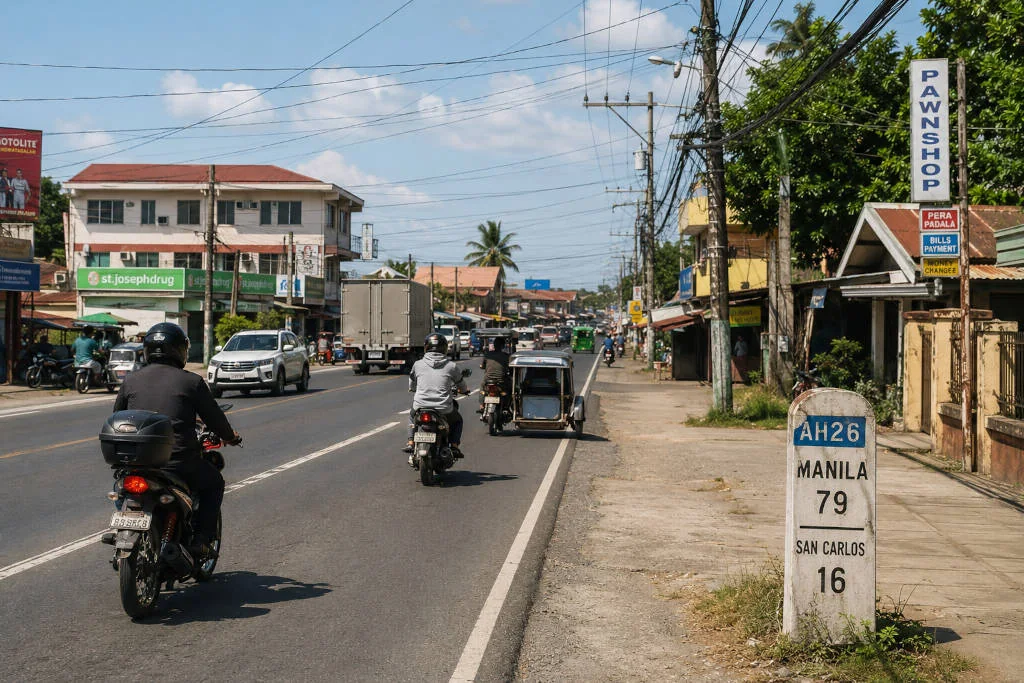 The practical Central Luzon corridor goes through Manila, Valenzuela, Bulacan, Pampanga, Tarlac City, Camiling, Mangatarem, Aguilar, Bugallon, Labrador, Sual, Alaminos, and Lucap. Riders often think of this as the MacArthur Highway and Camiling route, though exact turns should still be checked before departure.
Why This Is Usually The More Direct Practical Corridor
This is usually the more direct Manila to Hundred Islands motorcycle route because it avoids the longer swing through Subic and the Zambales coast. It is also easier to break into town-based stops. Bulacan, Pampanga, Tarlac, and Pangasinan have many places where riders can pause for water, fuel, food, restrooms, or quick checks of tires, lights, chains, straps, and luggage.
For sub-400cc motorcycle travel in the Philippines, this corridor makes sense when your priority is reaching Alaminos Pangasinan with fewer scenic detours. It is not necessarily relaxing, especially near busier towns, but it gives you a clearer northbound rhythm.
Where Fatigue Usually Starts To Matter
Fatigue can start before you expect it, especially after the heat builds and traffic becomes repetitive. Long stretches of town-road riding require constant attention: jeepneys loading, dogs near shoulders, uneven pavement, sudden rain, and trucks entering from side roads. Cyclists should schedule longer breaks and avoid treating motorcycle time estimates as realistic cycling time.
Reality Check: The more direct route is still not a shortcut to comfort. It simply reduces detour distance and keeps services within reach.
Corridor Option 2: Manila To Alaminos Via Subic And The Zambales Coast
Major Towns And Highways Only
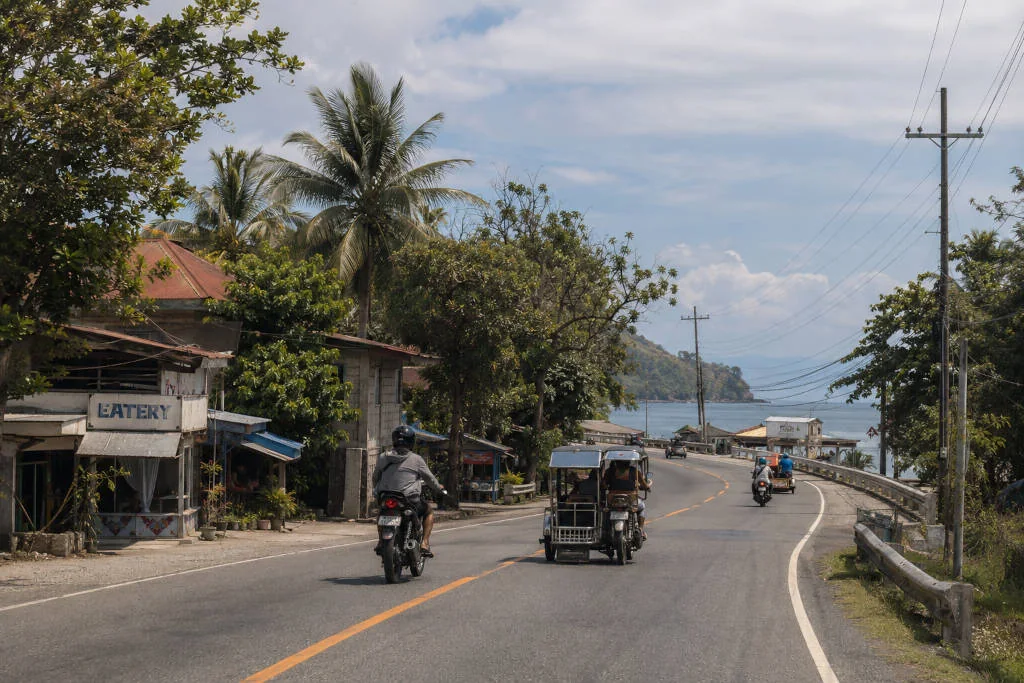 The coastal corridor generally passes through Manila, Bulacan, Pampanga, Dinalupihan, Olongapo or Subic, Castillejos, San Antonio, San Narciso, Iba, Masinloc, Santa Cruz, Infanta, Burgos, Alaminos, and Lucap. This Manila to Hundred Islands motorcycle route is slower but can be more visually rewarding, especially when the road opens toward coastal towns.
Why This Works Better As A Slower Or Overnight Ride
The Zambales coastal route makes more sense when you are not rushing to a boat schedule. It is a better fit for riders who want a softer pace, more scenery, and maybe one overnight before Alaminos. The sea-breeze sections and coastal-town atmosphere can make the journey feel less like a straight transfer and more like a Luzon road trip.
When Not To Choose This Route
Do not choose this route if you are leaving late, trying to do island hopping the same day, or watching bad weather develop. Coastal roads can feel exposed in strong rain, crosswinds, and poor visibility. If your goal is simply to reach Lucap Wharf safely and efficiently, the Central Luzon and Camiling corridor is usually the more practical choice.
Reality Check: Scenic does not always mean easier. Longer road time means more decisions, more weather exposure, and more chances for fatigue to build.
Weekend Congestion And Safest Departure Windows
Leave Before Dawn If Riding Out On Saturday
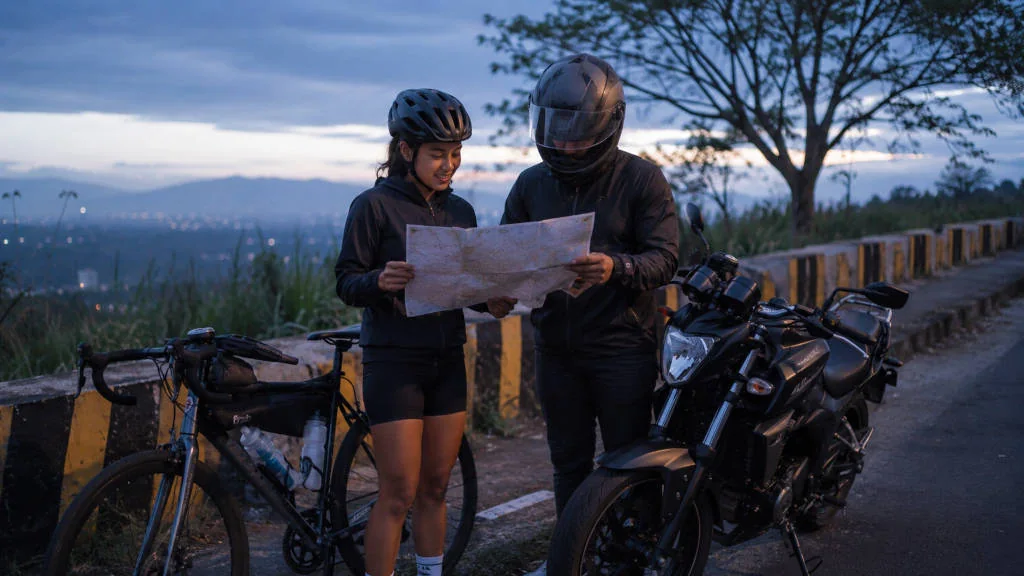
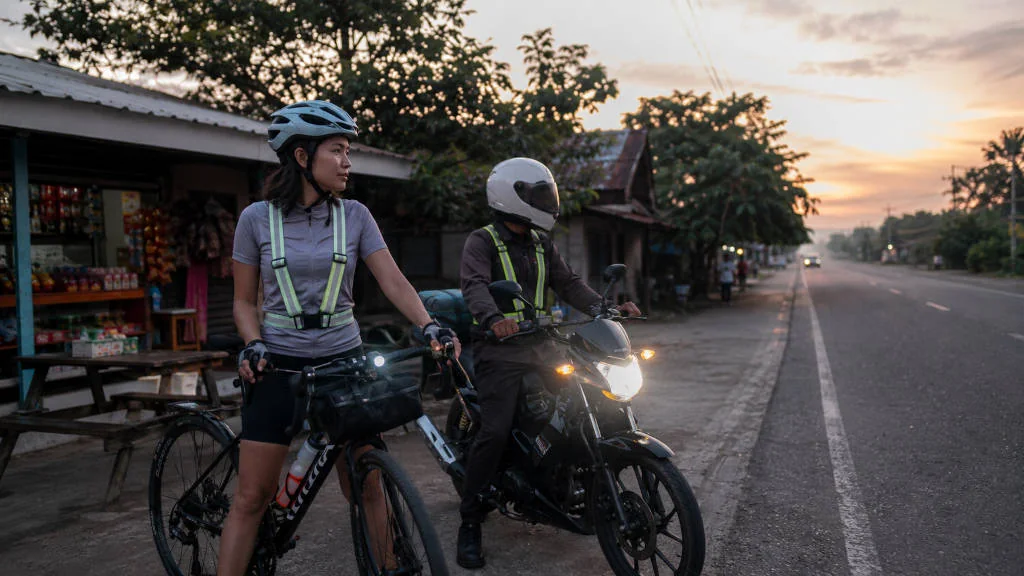
If you are riding out on a Saturday, leave Manila before dawn. This gives you cooler air, lighter early traffic, and a better buffer for delays. It also reduces the temptation to ride aggressively later just to “catch up.” For no-expressway Luzon small motorcycle planning, the main advice is simple: protect your morning and do not waste your safest hours.
Riders coming from different parts of Metro Manila can also check the Manila destination hub for broader city context before planning where to meet and exit.
Avoid Late Afternoon Arrival In Alaminos If You Still Need To Find Parking Or Lodging
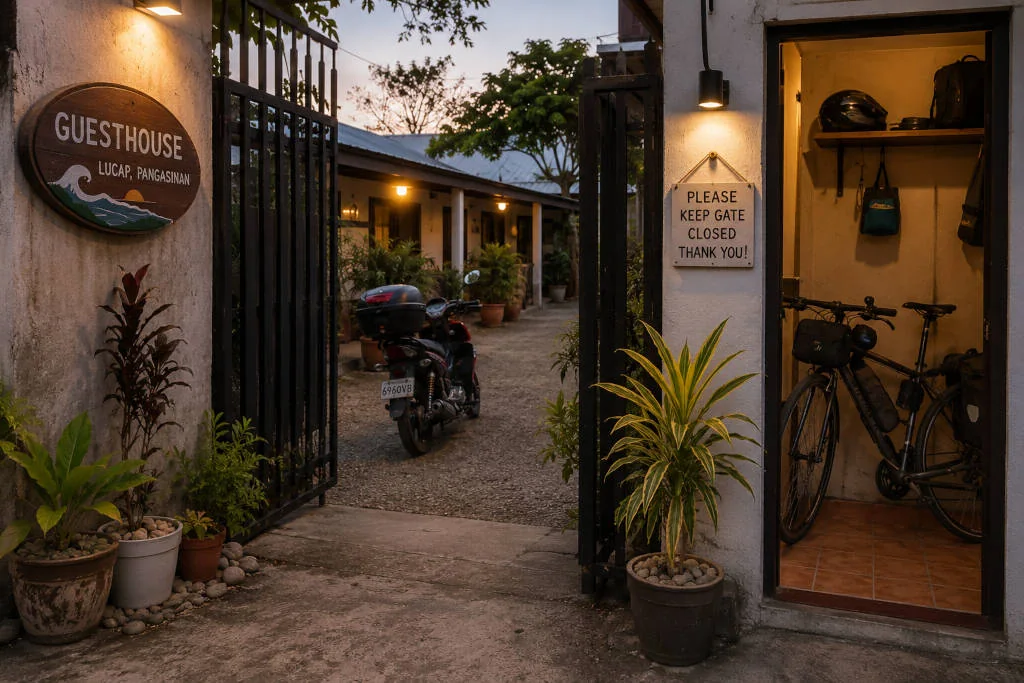 Try not to arrive in Alaminos Pangasinan late in the afternoon if you still need to find lodging, secure parking, or bike storage. Lucap can feel busier around boat activity, arrivals, and end-of-day movement. Arriving with daylight gives you time to inspect parking, remove valuables, ask questions, and settle in without rushing.
Be Extra Careful On Sunday Return Traffic
Sunday return traffic can be tiring because many travelers are also heading back toward Metro Manila. Riders may be sunburned, sleepy, and mentally drained after the weekend. Keep the route home flexible, and leave space for a meal stop or an unplanned rest.
Reality Check: The return ride is where overconfidence often appears. Getting home safely matters more than preserving an optimistic schedule.
Stop Planning And Fatigue Rules
Stop Before You Feel Tired, Not After
For motorcycle riders, a short stop every 60 to 90 minutes is a sensible baseline, with more frequent breaks in heat, rain, traffic, or darkness. Cyclists may need shorter riding blocks, especially when the sun is high. On the Manila to Hundred Islands motorcycle route, your body is part of the navigation plan.
Use Town Stops For Water, Shade, Restroom Breaks, And Quick Bike Checks
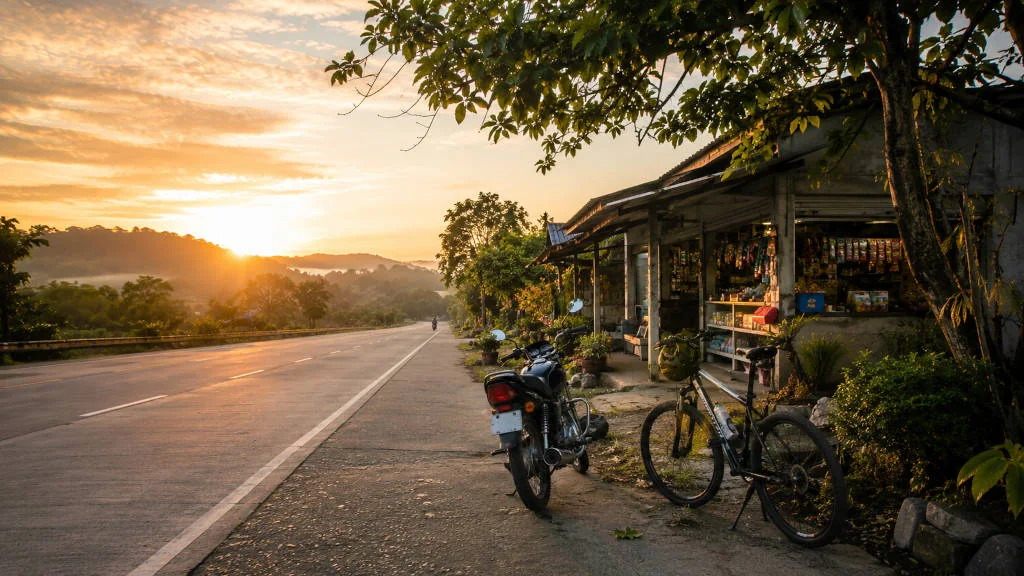
Town stops are not wasted time. They are where you drink water, stretch your hands, cool your neck, check your phone battery, tighten straps, and look at the sky. A sari-sari store with shade, cold drinks, and a safe place to stand can be just as important as a formal rest area.
Do Not Chase A Dawn Boat If The Road Day Is Already Too Long
Do not push hard through the road day just to catch a dawn boat the next morning without rest. If the ride has already been punishing, move the boat plan later or sleep another night. Hundred Islands is better enjoyed when you are alert enough to manage bags, steps, wet surfaces, boat movement, and sun exposure.
Reality Check: A tired rider can still look okay from the outside. Watch for small signs: missed turns, irritability, sloppy braking, and forgetting basic checks.
Do Not Ride Weather Checklist
Cancel Or Delay For Serious Weather Warnings
Cancel or delay the Manila to Hundred Islands motorcycle route during tropical cyclone wind signals, heavy rainfall warnings, strong thunderstorm advisories, flooded road reports, low visibility, strong crosswinds, lightning, or rough sea conditions. These are not “tiis lang” situations. They are signs that the safer trip is the delayed trip.
Treat Heat As A Safety Issue For Cyclists And Small-Displacement Riders
Heat can be dangerous even without rain. Cyclists are especially exposed, but motorcycle riders also deal with hot pavement, engine heat, dehydration, and slow traffic. Plan electrolytes, sun protection, and shaded breaks. If the day becomes too hot, stop longer instead of forcing the next town.
Separate Road Safety From Boat Safety Because Lucap Conditions Can Change The Island-Hopping Plan
A safe road arrival does not automatically mean a safe boat day. Lucap Wharf conditions, wind, sea state, and local advisories can change the plan. Check the official Hundred Islands and Alaminos reference for destination context, and follow local instructions when you arrive.
Reality Check: Weather has two parts on this trip: the ride to Alaminos and the boat activity from Lucap. Either one can be reason enough to pause.
Arrival Planning In Alaminos And Lucap
Ask Lodging First About Gated Motorcycle Parking Or Indoor Bicycle Storage
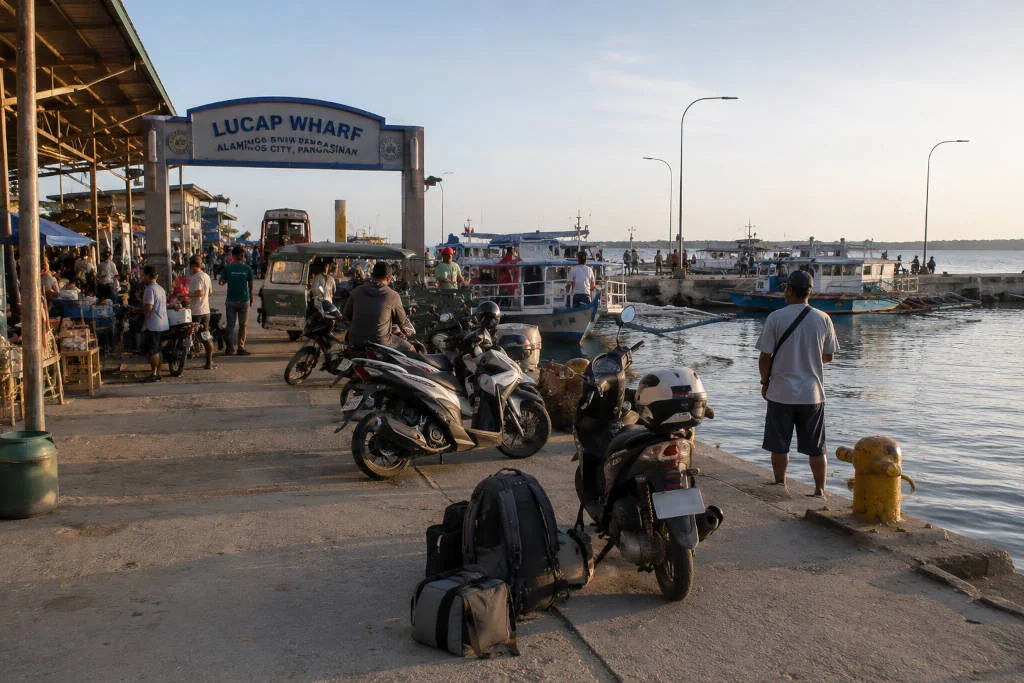 Before you book, ask lodging staff about gated motorcycle parking, covered parking, or indoor bicycle storage. For cyclists, ask whether bikes can be brought inside a room, storage area, or locked indoor space. For motorcycle riders, ask whether the parking area is lit, gated, watched, or shared with other guests.
Confirm Parking Before Leaving Bags Or Helmets
Do not leave helmets, panniers, tools, wet bags, or electronics until you have confirmed the arrangement. A quick conversation at check-in can prevent stress later. In Lucap, also ask where riders usually park when going island hopping and whether the lodging can help coordinate safer storage.
Avoid Arriving Exhausted After Dark
Arriving after dark makes everything harder: checking roads, spotting signs, negotiating parking, and unloading bags. If delays push you late, slow down and consider stopping earlier. The Manila to Hundred Islands motorcycle route rewards conservative decisions more than heroic ones.
For broader safety habits around transport, weather, documents, and local movement, keep the Philippines travel safety guide in your planning stack.
Reality Check: Secure parking is not just about theft. It is also about sleeping better because your bike, helmet, and bags are properly settled.
Dawn Boat Timing And When To Overnight
Why Early Registration And Early Boat Departure Are Usually Calmer
Early registration and early boat departure are usually calmer because the day is cooler and crowds may still be building. Morning light also makes it easier to organize dry bags, drinking water, sun protection, and footwear. This is why arriving the night before can be such a good decision.
Overnight If The Ride From Manila Will Be Long, Rainy, Hot, Or Congested
Overnight in Alaminos if the ride from Manila will be long, rainy, hot, or congested. Also overnight if your group includes newer riders, cyclists, or anyone who has work the day before and cannot rest properly. A simple guesthouse night can be cheaper than the cost of a risky, exhausted ride.
Do The Boat Day After Rest, Not After A Punishing Road Push
Island hopping requires attention too. You may be carrying bags, stepping on wet surfaces, boarding small boats, and spending hours under sun and salt air. Do the boat day after sleep, breakfast, and a calm morning, not after a punishing road push from Metro Manila.
Reality Check: The goal is not just to reach Hundred Islands. The goal is to arrive with enough energy to make safe choices after you get there.
Return Ride Safety
Do Not Ride Back Tired After Island Hopping
After island hopping, many travelers feel relaxed but physically drained. Sun, swimming, boat motion, and dehydration can make the return ride more dangerous than expected. Do not start the long ride back to Manila if you are sleepy, sunburned, or mentally foggy.
Consider A Second Night If Weather Or Fatigue Is Poor
A second night in Alaminos Pangasinan can be the smarter choice when rain is coming, traffic is heavy, or the group is tired. It also gives cyclists time to recover before another long road day. The extra rest can make the difference between a safe return and a stressful one.
Keep The Route Home Flexible
Your return route does not have to perfectly mirror your outbound route. If the Central Luzon corridor was tiring, break the ride into shorter stages. If the Zambales coastal route has poor weather, reconsider. Keep checking your energy, not just your map.
Reality Check: A flexible plan is not a failed plan. It is how responsible riders handle real roads, changing skies, and human limits.
Final Planning Checklist
 Before committing to the Manila to Hundred Islands motorcycle route, confirm that your route avoids expressways and limited-access roads, especially if you are on a sub-400cc motorcycle or bicycle. Choose the Central Luzon and Camiling route if you want the more direct practical corridor. Choose the Zambales coastal route only if you have enough time for slower scenic pacing or an overnight stop.
Leave Manila before dawn on Saturday, stop before fatigue arrives, and use town breaks for water, shade, restrooms, and quick bike checks. Cancel or delay for cyclone signals, heavy rain warnings, thunderstorms, flooded-road reports, lightning, low visibility, strong crosswinds, or rough sea conditions. Treat heat seriously, especially for cyclists.
In Alaminos and Lucap, ask lodging first about secure parking, gated motorcycle space, or indoor bicycle storage. Confirm where helmets, bags, and bikes will be kept before going to Lucap Wharf. When in doubt, sleep in Alaminos and do the boat day after rest. The safest Manila to Hundred Islands motorcycle route is not the one that looks fastest online. It is the one that gives you daylight, patience, clear weather, and enough energy to enjoy the islands when you finally arrive.