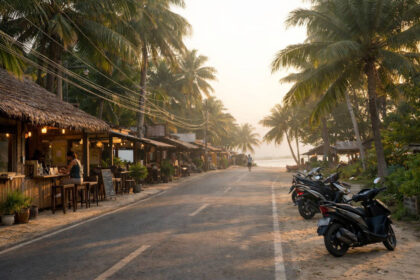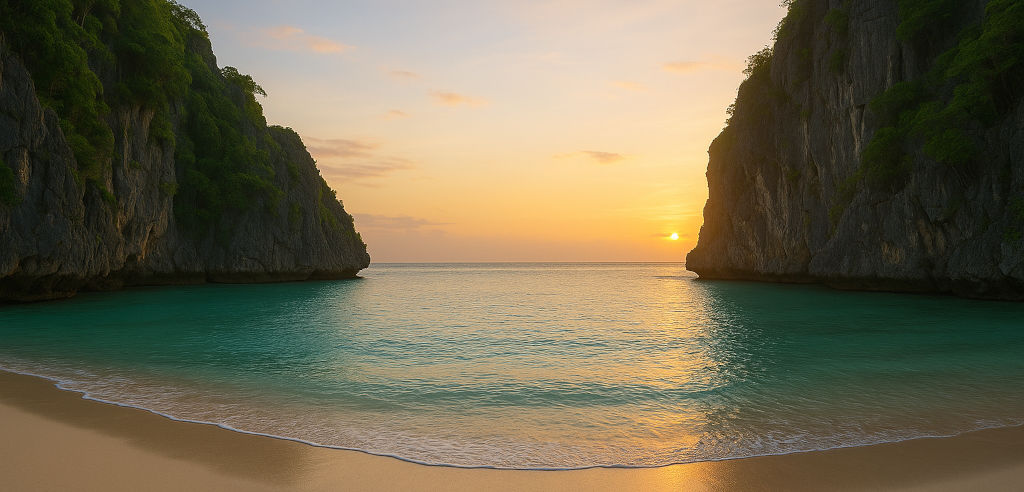
The most unforgettable journeys often begin in silence — the kind that greets you just past the road’s last curve, when the world suddenly stretches wide and open. My introduction to off the beaten path Philippines travel began on one such quiet morning, standing beside a barely marked trail where the only directions came from a fisherman’s smile and the soft hum of the sea. These hidden corners of the country are never loud or hurried; they reveal themselves softly, asking only that you slow down enough to notice.
 For many travelers planning to visit the Philippines, the first images that come to mind are busy islands, famous viewpoints, and well–documented city skylines. Yet the off the beaten path Philippines experience is where the country often feels most honest: in unmarked coves, quiet mountain trails, and towns that rarely appear on postcards. Before heading out, I often read broad overviews like Tourism in the Philippines and then dig into more specific guides on Bakasyon.ph — from travel safety tips to budget travel strategies — so I can roam far without feeling unprepared.
Coastlines Where Time Moves Gently
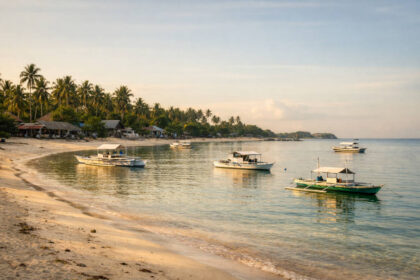
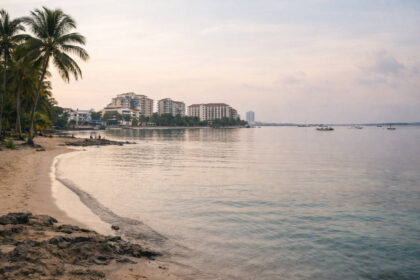
Some of the most soulful corners of the off the beaten path Philippines are found along its little-known beaches — stretches of white, gold, or even volcanic gray sand mostly untouched by crowds. In northern Mindanao, I once arrived at a small cove reachable only by a 30-minute walk through coconut groves. The waves rolled in with a deep, slow rhythm, and the shore was lined with driftwood polished smooth by years of wandering. The quiet made every detail louder: the whisper of wind through leaves, the crunch of sand beneath my feet, the distant call of fishermen heading home.
Far from packed resort strips, these places feel like living reminders that the off the beaten path Philippines is still out there, just beyond the main roads. I often cross-check ferry and weather details with practical pieces like the Philippine ferry travel advisory before committing to remote coastal trips. Pairing that with official notices from sites such as tourism.gov.ph helps me plan routes that are adventurous but still grounded in reality.
Beaches That Feel Like Private Worlds
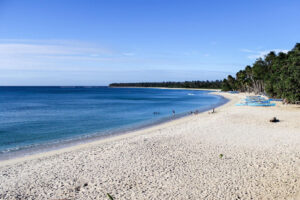 Down in lesser-known Quezon coves, fishermen sometimes guide travelers to hidden sandbars that appear only at low tide. Standing there, surrounded by water glowing pale blue in the sun, I felt like the world had paused. These escapes show what the off the beaten path Philippines can offer: not just isolation, but a stillness that steadies the mind. It’s the kind of quiet where your breathing becomes the day’s soundtrack, where the rhythm of the tide replaces notifications and noise.
On Palawan’s remote western coast — far from the more famous island-hopping routes featured in guides like Palawan island-hopping lagoons and hidden coves — I found beaches framed by towering limestone walls. Instead of souvenir shops, there were fishing villages and children skipping stones across the shallows. A local mother handed me a slice of freshly cooked cassava cake, and we talked about tides, schooling, and the cost of fuel while the afternoon unfolded in unhurried waves. These encounters are why the off the beaten path Philippines is not just about scenery — it is also about connection and shared everyday life.
On another trip, I followed a tip from a friend who loved exploring the lesser-known Luzon beach resorts. A side road led to a nearly empty shoreline where a single karinderya served arroz caldo to fishermen coming in from dawn trips. There was no Wi-Fi, no curated playlist, only radios playing soft ballads and the steady hiss of the sea. It was there that the phrase philippines off the beaten track finally made sense to me: not glamorous, not polished, but deeply, quietly real.
Mountains That Teach You to Listen
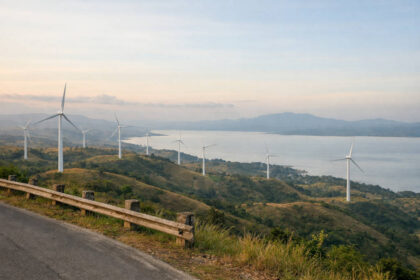
 There’s a specific kind of hush found only in remote mountain communities, and the off the beaten path Philippines is full of them. In the foothills of the Cordillera range, I once hiked a trail barely known outside the nearest barangay. The pine-scented air sharpened with every step, and clouds drifted low enough to touch. When I reached a grassy viewpoint, the landscape rolled outward in folds of blue and green — ridges shaped by time, terrace walls carved by hand, and valleys that carried the quiet of centuries.
Before journeys like this, I often skim references on the Cordillera Central and match them with personal narratives from Bakasyon.ph pieces such as Sagada and Banaue travel or Batanes travel stories. They remind me that heading into the off the beaten path Philippines also means honoring indigenous histories and the communities that keep these landscapes alive.
Trails That Ask for Patience
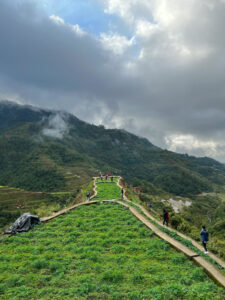 The mountain paths that define the off the beaten path Philippines aren’t always clearly marked. Sometimes they’re little more than foot-worn lines that farmers and elders use daily. On one trail, a local guide walked ahead of me with the calm confidence of someone who knows the land like a relative. We paused to drink water from a bamboo spout, the coldness startling and refreshing. This simplicity, this closeness to the land, is the heart of mountain journeys far from the usual tourist circuits.
Up in the northern highlands, I once reached a small village where wooden houses stood on stilts and smoke from hearth fires trailed gently into the morning sky. The community welcomed me with warm smiles and bowls of tinawon rice, not unlike the scenes described in long-form pieces such as Ilocos explorer guides. That breakfast — simple, earthy, and shared — remains one of my most grounding memories from the off the beaten path Philippines, a reminder that good conversations and slow meals are as important as any viewpoint.
Travelers often ask what the “least touristy” part of the country is. The honest answer is that the off the beaten path Philippines shifts constantly: new roads open, small towns gain attention, and some destinations purposefully limit visitor numbers to protect their culture and environment. I look for mountain barangays with homestays rather than large hotels, places similar in spirit to those seen in sustainable travel guides, where the goal is not to rush through, but to stay long enough to truly listen.
Quiet Towns Full of Subtle Magic
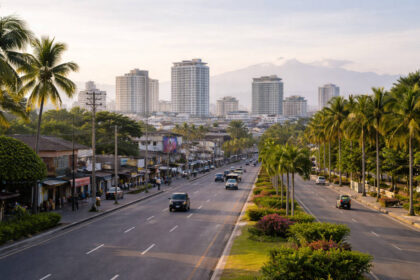
 Sometimes the hidden treasures of the off the beaten path Philippines are not dramatic landscapes but peaceful towns where life hums at a slower pace. In a sleepy Visayan coastal town, I woke to the sound of church bells mingling with roosters — a rhythm older than tourism. The streets were lined with capiz-windowed homes catching the early light, and the local bakery opened its doors with the scent of warm pan de sal spilling into the street.
These towns rarely appear in glossy brochures, yet they are where many of my favorite memories live. Before visiting, I usually check practical notes in pieces like smart packing tips or unplanned travel stories, then let the day unfold without an intense itinerary. The off the beaten path Philippines rewards this flexibility: a random side street might lead to a family-run café, a riverside path, or a plaza where kids practice dance routines late into the afternoon.
Communities Where Hospitality Runs Deep
In these quiet towns, you’ll find sari-sari stores where elders gather each afternoon, sharing stories about storms, harvests, and the quiet joy of watching travelers discover their home. During one trip, a tricycle driver insisted on showing me an old lighthouse that wasn’t on any map. The view from the top — waves curling into the shore, fishermen hauling nets, the sun setting in soft tangerine streaks — felt like a gift shared only with those who take the time to wander beyond the obvious.
In Mindoro, a riverside community invited me to watch their early-morning routine. Women washed vegetables gathered from nearby gardens, children played barefoot along the riverbank, and neighbors exchanged small jokes with the ease of lifelong friendship. Scenes like these echo the warmth you read about in features such as cooking with locals and solo travel reflections. They show how the off the beaten path Philippines invites you not just to observe, but to belong — even if only for a day.
When conversations turn to money, visitors often ask if 500 US dollars is a lot for time spent in the off the beaten path Philippines. The answer depends on pace and style. In many small towns, a modest guesthouse, simple meals, and local transport can stretch a budget surprisingly far, especially when you’re not chasing big-ticket tours. Checking reference rates on resources like Philippine peso overviews and reading real-world examples in articles such as budget travel Philippines helps keep expectations realistic.
Traveling Gently Through Hidden Places
 To venture into the off the beaten path Philippines is to travel with intention. These destinations thrive on quiet respect: packing out your trash, choosing local guides, supporting small eateries, and walking lightly across fragile ecosystems. Before heading to new provinces like Zambales or Batanes, I often read about them on sources such as Zambales province profiles or Batanes overviews, then pair that knowledge with firsthand accounts from Bakasyon.ph pieces like Zambales hidden gems or silent island journeys.
Responsible choices matter even more in lesser-visited areas. I look for small homestays rather than sprawling resorts, similar to recommendations in sustainable travel practice guides. I ask permission before taking photos, decline activities that disturb wildlife, and follow local rules around dress, noise, and sacred spaces. The off the beaten path Philippines feels most rewarding when you’re not just passing through, but supporting the communities that care for these landscapes.
Mika’s Slow-Travel Reflections
Over time, I’ve learned that the secret to exploring the off the beaten path Philippines is to move slower than you think you need to. Let your mornings stretch out. Say yes when locals invite you to taste something homemade. Pause at viewpoints you didn’t expect to find. Carry a spirit of gratitude for every trail, every shoreline, every person who shares a piece of their home with you.
Many travelers worry about safety in remote places. I usually start by reviewing common sense guidance like the travel safety Philippines guide and then checking current advisories from official portals such as the DFA Statements and Advisories page. These sources highlight which areas are functioning normally and which might require extra caution. Some of the safest-feeling spots I’ve visited have been small, tight-knit communities where everyone knows each other and visitors stand out in a good way — watched over, not watched suspiciously.
When people ask “What is the top 1 safest place in the Philippines?” I usually explain that there is no single perfect answer. However, areas with long-established tourism infrastructure and strong community involvement — think of destinations covered in articles like Manila city experience guides, Baguio art and café walks, or curated Luzon beach escapes — tend to have visible security, responsive accommodation staff, and clear local rules. Many off-grid spots share those traits on a smaller scale; you just have to ask locals and listen closely.
 Just as important as where you go is when you go. Typhoon season, for example, can complicate even the most careful plans across the off the beaten path Philippines. I avoid scheduling remote island trips during peak storm months and always monitor updates from agencies like PAGASA. When advisories suggest postponing sea travel, I pivot to inland destinations — mountain towns, heritage cities, or food-focused itineraries inspired by features such as Filipino street food diaries and Baguio food culture stories.
In the end, the off the beaten path Philippines is best approached as an ongoing conversation between you, the places you visit, and the people who call those places home. Guides, jeepney drivers, boat captains, market vendors, and homestay hosts all carry quiet expertise about their surroundings. When you ask respectful questions — about weather, customs, or simple “Is it okay to go there today?” concerns — you draw on a living network of local wisdom that keeps your journey grounded.
Off the Beaten Path Philippines FAQ
 What is the least touristy part of the Philippines?
Many regions of the off the beaten path Philippines still see fewer visitors, especially inland provinces without major airports. Instead of chasing a single “least touristy” label, look for smaller towns outside famous hubs, check community-based tourism initiatives, and read niche guides such as Zambales hidden gems or highland journeys in Sagada and Banaue. The quieter your surroundings, the more important it is to respect local norms and spend money in businesses that truly benefit residents.
Is $500 a lot of money in the Philippines?
In many parts of the off the beaten path Philippines, 500 US dollars can cover more than a week of careful travel — especially if you stay in modest guesthouses, eat where locals eat, and use public transport when safe and practical. That budget stretches even further outside major cities. However, costs vary by region, exchange rates, and your own comfort level, so it helps to compare sample itineraries from resources like budget travel case studies and cross-check them with official statistics from agencies such as the Philippine Statistics Authority.
When should I avoid visiting the Philippines?
There’s no single “do not go” month, but understanding seasonality is key when planning off the beaten path Philippines trips. Typhoon activity typically peaks from around July to October, bringing heavy rains and potential ferry cancellations, especially in eastern and northern regions. For remote islands, check local advisories and the PAGASA forecast regularly. If you must travel during rainy months, consider focusing on destinations with good road access and flexible indoor activities.
What is the top 1 safest place in the Philippines?
Rather than naming one place as “number one,” it’s more helpful to think in terms of habits and context. Many travelers feel safe in well-established hubs with reliable infrastructure, like those highlighted across Bakasyon.ph — from central Manila districts to curated island escapes in Palawan. When you carry the same awareness into the off the beaten path Philippines — sharing your itinerary, listening to local advice, and choosing homestays with good reputations — you give yourself a strong foundation for safe, meaningful travel.
Ultimately, the heart of the off the beaten path Philippines lies in how you move: curious but considerate, prepared but open to surprise. You read advice for the Philippines from official sources and long-form guides not to scare yourself, but to travel confidently. You listen to the sea, the mountains, and the quiet towns that welcome you in. And as you follow side roads and unmarked trails, you become part of a gentler way of exploring — one that honors every hidden cove, hillside village, and slow, sunlit morning you’re lucky enough to experience.