 The first time I stepped into Baguio’s public market at sunrise, the air carried a crispness that felt almost sweet — a mingling of pine, fresh vegetables, and warm greetings exchanged between vendors. That moment was my introduction to Baguio food culture, a world shaped by early mornings, family farms, and flavors lifted straight from the highland soil. Over time, returning to the “Summer Capital” of the Philippines felt like returning to a familiar table, especially after reading more about the city’s story in resources such as Baguio’s history and pairing that context with on-the-ground food experiences.
If you’re planning a trip, you can easily weave this market morning into a bigger highland loop. Many travelers combine Baguio with nearby escapes in Northern Luzon, from strawberry stops in Benguet to road trips featured in guides like Bakasyon.ph’s Baguio travel guide, as well as long-weekend itineraries and Luzon getaways you’ll find in the Luzon destinations section. All of these pieces help you see how Baguio food culture fits into a wider map of mountain flavors, road trips, and cool-climate traditions.
The Morning Pulse of Baguio Food Culture
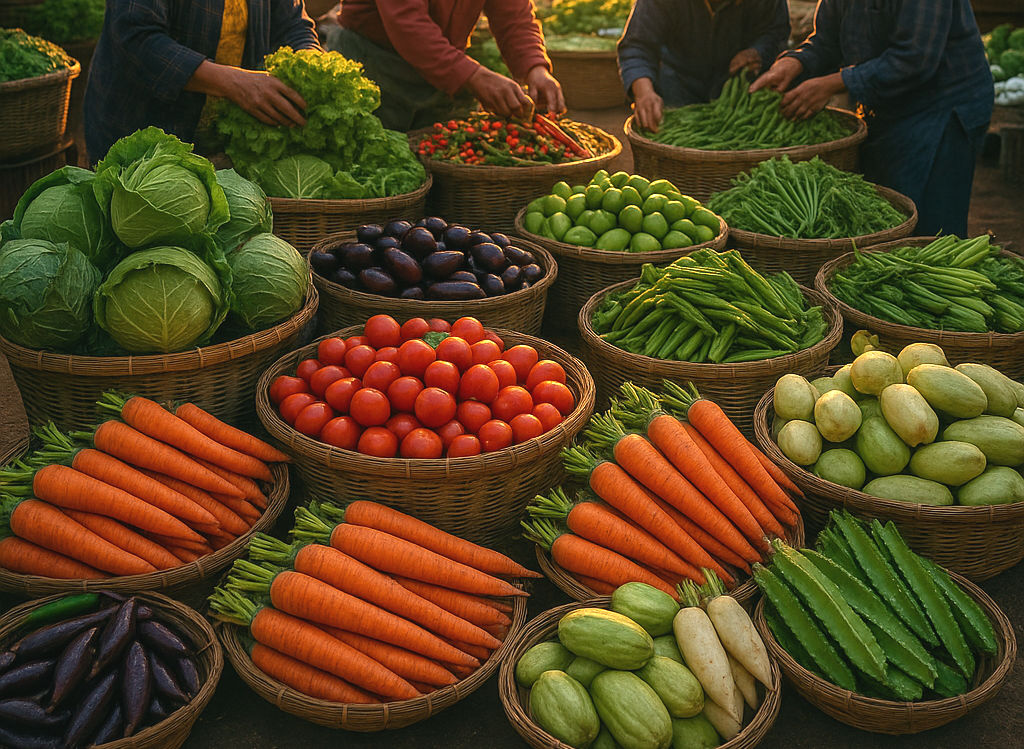
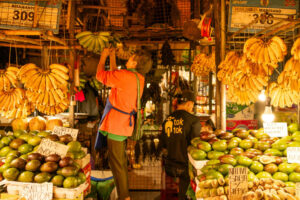
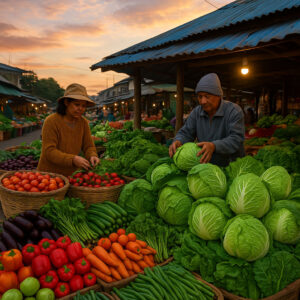 Before the city fully wakes, the market is already alive. Farmers from Benguet — a province deeply tied to highland agriculture and mountain farming — arrive with baskets full of newly harvested greens, their hands still cold from the altitude. This daily rhythm is the heartbeat of Baguio food culture, where freshness isn’t just a preference; it’s a way of life. I often linger in the vegetable aisles just to watch how vendors sort bundles of pechay, wombok, and sayote with a mix of pride and patience.
Walking Through Dawn-Lit Stalls
Under yellow bulbs, the colors seem richer: ruby tomatoes, deep purple eggplants, lettuces so crisp they look dew-kissed. A grandmother once handed me a piece of freshly cut carrot, laughing softly as she said it tasted better than candy. Moments like these anchor my understanding of Baguio food culture — generous, grounded, and always connected to the hands that grow the produce.
If you want to deepen this context, stories like Bakasyon.ph’s Philippine festivals food traditions and the art of eating local show how regional ingredients travel from markets to fiestas across the country. Reading them before you head to the market makes every basket of greens feel like part of a bigger national story.
Street Snacks and Market Sips
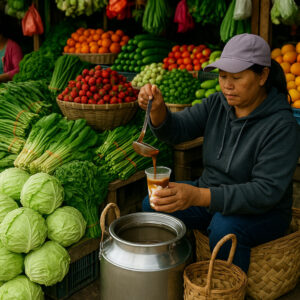 Near the entrances, you’ll often find vendors selling hot taho — silken tofu in sweet syrup — which tastes even better in the cool mountain air. A cup of this comfort, especially after skimming the background of taho as a Filipino staple, feels like the gentlest welcome to the city. A few steps away, another stall brews Benguet coffee, its aroma swirling through the aisles and linking you back to pieces like Bakasyon.ph’s Philippine coffee culture feature.
The market is also where many first-timers imagine building their own street food baguio guide — a mental list of favorite stalls for ukoy, kwek-kwek, and lumpiang gulay. If you love this casual eating style, it’s fun to compare it with Manila-based adventures like Filipino street food diaries, Binondo food trips, or even Manila nightlife street eats — all of which highlight how different cities express their own flavor of Filipino street culture.
Baguio’s Famous Fruits and Greens
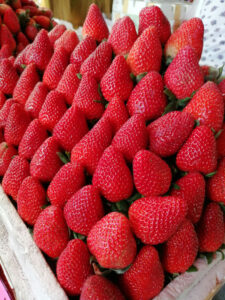
Ask locals what food Baguio is famous for, and you’ll often hear about juicy strawberries, crunchy lettuce, and bright, sweet carrots. Much of this produce comes from nearby La Trinidad, home to the strawberry fields that many travelers pair with Baguio city tours. It’s also where you’ll understand why the region is so loved for cool-weather crops that rarely thrive in lowland heat.
Strawberries themselves carry a special place in Baguio food culture. They show up in jams, shortcakes, and ice cream, and learning a bit about the fruit’s background through resources like the strawberry overview adds another layer of appreciation when you’re standing in front of stall after stall of bright red pints. If you want to see how these highland harvests compare to coastal escapes, you can always dream up a wider Luzon food loop that moves from Baguio’s markets toward beach trips in places like the Zambales hidden gems or the Pampanga food capital.
The Farmers Behind Baguio Food Culture
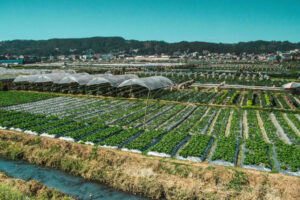
Long before the first jeepney arrives, farmers are already harvesting. In the highland slopes surrounding the city, rows of vegetables glow in morning light, tended by families who treat the land with reverence. Their work is the foundation of Baguio food culture, and every bundle they bring to the market carries stories of misty mornings and careful cultivation.
Farm-to-Table, Long Before It Was a Trend
 One farmer once shared how he wakes at three in the morning just to catch the ideal harvest window. “Mas masarap pag bagong pitas,” he told me with quiet pride. Freshness is a promise Baguio food culture never breaks. Many eateries in the city — from carinderias to artisan cafés — rely on these early-morning deliveries, crafting meals that celebrate the region’s natural bounty.
If you’re curious how other regions celebrate their own specialties, pieces like Pampanga food trips, Binondo food tours, or cooking with locals show parallel stories of farmers, home cooks, and neighborhood eateries building their own micro food ecosystems.
Seasons, Harvests, and When to Visit
If you’re wondering, “What is the best month to visit Baguio?” many travelers favor the cooler, drier months from November to February. Vegetables feel especially crisp then, and mornings are perfect for market walks without the weight of noon sun. Rainy months, on the other hand, can bring fog and showers, but they also wrap the market in a quiet calm that some visitors love.
These seasonal shifts echo the kind of tips you’ll see in broader trip-planning pieces like smart packing tips, where timing, layering, and realistic expectations matter just as much as destination lists.
Stories Carried by Highland Communities
Beyond produce, conversations with farmers and vendors often lead to stories about family, land, and migration — how grandparents started planting on small plots, how children left for Manila and still return during holidays to help with harvests. Listening to these narratives feels similar to reading reflective pieces like the joy of getting lost or solo travel in the Philippines, where travel becomes a way to listen more closely to people’s lived realities.
If you’re interested in mountain provinces beyond Baguio, pairing your visit with highland journeys in articles like Sagada and Banaue travel can help you see how these communities are linked by terraces, pine forests, and shared traditions of careful stewardship.
Where Baguio Food Culture Meets Daily Life
As the sun climbs higher, the market fills with students, mothers, café owners, and travelers. Each person carries their own rituals — selecting the sweetest strawberries, finding the perfect bunch of spinach, or chatting with long-familiar vendors. This daily mingling gives Baguio its sense of place. Baguio food culture thrives in ordinary moments: a warm taho cup enjoyed near Session Road, or a quick snack of freshly fried ukoy after errands.
Flavors Rooted in the Highlands
Everywhere you walk, scents call you in — roasted peanuts, freshly brewed mountain coffee, warm pancit from a stall tucked between produce aisles. A cup of Benguet-grown brew is more than a drink; it’s a conversation between land and community, between farmers and drinkers.
Street Food, Cafés, and Night Markets
Later in the day, stalls selling balut, fish balls, and barbecue skewers glow under string lights. Some travelers sketch out their own “baguio food tour secret” list of favorite corners, comparing them against Manila-based routes in Binondo food trips or nightlife street eats. Others prefer quieter cafés tucked along Leonard Wood or near university neighborhoods, where menus feature highland greens, homemade soups, and locally baked bread.
If you enjoy structured experiences in other cities — like joining tour secret food tours in international hubs or themed walks in old districts such as Intramuros Manila — Baguio offers the same pleasure in a more relaxed, pine-scented setting.
Planning Your Own Baguio Food Walk
Planning a day around Baguio food culture can be as simple or as detailed as you like. Some travelers start with a morning market visit, move to a café for Benguet coffee, then explore art spots and viewpoints featured in the Baguio travel guide. Others fold in day trips inspired by articles like Zambales hidden gems, 33 best things to do in Manila, or Palawan island-hopping guides as part of longer Luzon and island circuits.
If you’ve ever browsed global platforms promoting food tour secret tours in other destinations, you’ll find that Baguio lets you create your own version without much effort — a personally curated route shaped by appetite, mood, and the time you have in the city.
From Baskets to Kitchens: How Baguio Food Culture Nourishes
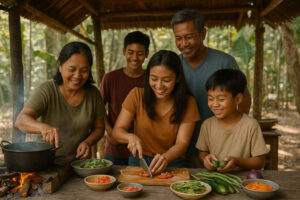 What I love most about Baguio food culture is how seamlessly food travels from field to table. There’s a comforting honesty in knowing that what you’re eating didn’t journey far. In small homes across the city, families prepare meals built around the day’s purchases: stir-fried greens, steaming tinola, or vegetable stews brightened by ginger and onions from the market.
A Culture of Warm, Simple, Shared Meals
In my own stays, I’ve joined hosts who prepared pinakbet with vegetables they bought just an hour earlier. The sweetness, the crunch, the earthiness — all of it tasted like the highlands. These shared meals reveal how Baguio food culture isn’t merely about ingredients; it’s about intimacy, generosity, and local pride.
For travelers hoping to explore deeper pockets of Filipino cuisine, the Food & Culture section of Bakasyon.ph offers stories that complement what you experience in Baguio markets, from cooking with locals to Sagada and Banaue travel and unplanned travel stories. They show how meals often carry memory, craft, and quiet lessons.
Sweet Traditions and Pasalubong Favorites
 When people ask, “What fruit is Baguio known for?” strawberries usually come first, followed by crisp apples and oranges that thrive in the cooler air. From these, you’ll find jams, strawberry taho, and candies that make perfect pasalubong. If you’re curious about sweets, “What are Baguio’s must-try treats?” often leads to lists featuring strawberry shortcake, ube jams from nearby towns, peanut brittle, and chocolate flakes.
Comparing these with food memories from other regions — like Chinatown snacks in Binondo or heritage desserts mentioned in slow-travel pieces such as The Art of Slow Travel — helps you see how Baguio food culture holds its own, blending Cordillera ingredients with Filipino comfort flavors.
FAQ: Baguio Food Culture Essentials
Quick Answers to Common Questions
What food is Baguio famous for?
Baguio is best known for highland vegetables, fresh strawberries, locally grown coffee, and cool-weather comfort food like hot soups, grilled meats, and taho enjoyed in chilly mornings. Many itineraries blend these staples with café-hopping ideas similar to those in Bakasyon.ph’s Baguio guide or wider regional explorations like the Ilocos travel guide.
What is the famous tradition in Baguio?
Beyond seasonal events like Panagbenga, one of the most enduring traditions is the early-morning market visit — families and business owners buying vegetables, fruits, and meat to cook the day’s meals. It mirrors the spirit you’ll see in broader cultural features such as festivals and feasts, where community, food, and celebration are deeply intertwined.
What fruit is Baguio known for?
Strawberries are the star, especially from farms around strawberry-growing areas in nearby Benguet. You’ll also see plenty of citrus and temperate fruits in the market. Travelers often pair these with trips to other scenic regions or coastal escapes such as Luzon beach resorts, building itineraries that balance mountain cool and island warmth.
What are Baguio’s must-try sweets?
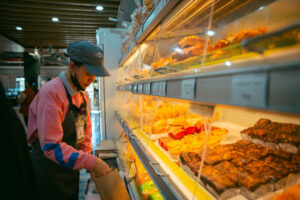 Popular picks include strawberry shortcake, ube jam, lengua de gato, peanut brittle, and choco flakes — often bought as pasalubong before heading back to Manila or onward to island destinations like Palawan. For many, creating a little list of favorite dessert stops feels like crafting a personal map of secret food tours, discovered one bite at a time.
As I leave the market each time, bags full and heart full, I’m reminded that Baguio food culture is built not on grand gestures but on sincere, everyday connections. It’s a culture of early mornings, shared smiles, and flavors shaped by mountain air. And in those moments — when sunlight hits a pile of crisp greens or a vendor’s laughter rises through the aisles — the simplicity becomes its own kind of beauty, quietly guiding you toward your own version of a highland food tour story in the highlands.