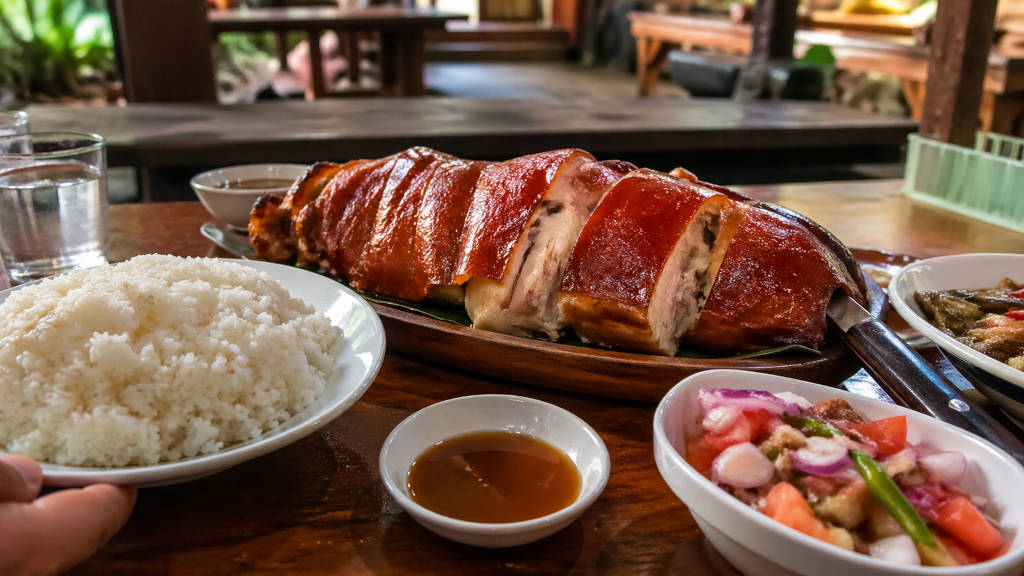
For many travelers, the question of what to eat in Cebu City begins with one famous answer: lechon. But the city’s food story is bigger than crispy pork skin.
Cebu City is full of smoky barbecue stalls, humble carinderia counters, hanging puso rice, salty-sweet breakfast plates, cooling halo-halo, and everyday Filipino flavors that feel generous without being complicated. This guide is made for first-timers who want to understand not only what to order, but also what each dish tastes like, where to eat on different budgets, and how to ask for food without feeling shy.
Food in Cebu City is practical, social, and rice-forward. Meals are often built for sharing, especially if you are eating lechon, grilled pork, soup, or several viands from a carinderia.
You will find choices in malls, markets, roadside stalls, casual restaurants, and neighborhood eateries. For a wider trip plan, you can pair this food guide with the Bakasyon Cebu destination hub, especially if you are connecting meals with sightseeing, shopping, or day trips.
At a Glance
The best time for a relaxed food trip is usually outside peak lunch and dinner rush, around 10:30 AM to 11:30 AM or 2:00 PM to 5:00 PM. Travel time between food stops depends heavily on traffic, so it is better to group meals by area instead of crossing the city too often.
Budget travelers can eat simply for around ₱80 to ₱180 per meal, while casual restaurant meals usually sit around ₱250 to ₱600 per person. Crowds are common at popular lechon places and mall food courts, while rain or heat can make outdoor stalls less comfortable.
A good backup is a nearby food court, casual restaurant, or carinderia with covered seating.
Reality Check: Cebu City food trips are fun, but traffic and heat can slow you down. Plan fewer stops per day and give yourself time to enjoy the meal instead of rushing from one famous place to another.
What to Expect From Food in Cebu City
Before deciding what to eat in Cebu City, it helps to understand the basic flavor style. Cebu food is usually savory, salty, slightly sweet, smoky, and not very spicy unless you add chili or dipping sauce.
Many dishes are grilled, fried, braised, or served with vinegar, soy sauce, calamansi, onions, and chili on the side. The food feels familiar if you already enjoy Filipino cuisine, but it has its own local confidence, especially in lechon and grilled meats.
Flavor Profile
Cebuano food often leans toward bold but simple flavors. Cebu lechon is known for being flavorful even without sauce because herbs, salt, aromatics, and slow roasting do much of the work.
Street food Cebu favorites like ngohiong, barbecue, and fried snacks are usually crispy, smoky, salty, or lightly sweet. Soups can be comforting and rich, while dried fish brings a strong salty taste that pairs beautifully with rice, egg, and tomatoes.
For first-timers asking what Cebu food tastes like, imagine warm rice with smoky meat, crunchy pork skin, garlicky fried snacks, sour vinegar dips, and refreshing shaved ice desserts after a hot walk. The flavors are not trying to be fancy. They are direct, satisfying, and built around appetite.
Rice as the Base of Most Meals
Rice is the quiet center of most meals in Cebu City. Whether you order lechon, barbecue, dried fish, soup, or a carinderia plate, rice is usually expected.
Puso rice, also called hanging rice, is especially common with grilled food. It is rice cooked inside woven coconut leaves, shaped into small compact bundles that are easy to hold and eat with barbecue.
Reality Check: If you are used to bread, salad, or pasta as a meal base, Cebu food can feel heavy at first. Order one rice serving to start, then add more only if you are still hungry.
What to Eat in Cebu City
The easiest way to decide what to eat in Cebu City is to start with the dishes locals and visitors naturally build meals around. You do not need to try everything in one day.
Choose one main dish, one rice pairing, one snack, and one dessert, then leave room for another food trip later.
Lechon Cebu
Lechon Cebu is the city’s most famous dish for a reason. It is whole roasted pig with crisp, blistered skin and juicy meat underneath. The flavor is savory, aromatic, and salty enough that many people eat it without thick gravy.
A good piece has skin that cracks lightly when you bite it, then gives way to tender pork and a rich roasted flavor.
It is usually served chopped, with rice and sometimes a simple dipping sauce. Some diners like the ribs and belly because these parts are fatty and flavorful. Others prefer leaner cuts.
If it is your first time, ask for a mix of skin and meat so you get the full experience. Lechon is also a good dish to share, especially if you are traveling with friends or family.
Puso Rice
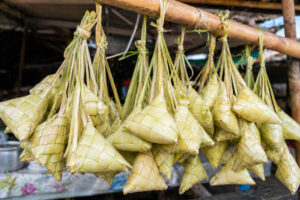 Puso rice is not a dish with strong seasoning, but it is part of the Cebu eating experience. The rice is wrapped and boiled inside woven coconut leaves, giving it a compact shape.
You open the leaves, pull out the rice, and eat it with barbecue, lechon, or other viands. It feels casual, portable, and very local.
The taste is mostly plain rice, sometimes with a faint leafy aroma. The fun is in the texture and convenience. Because each bundle is small, it is easy to count how much rice you are eating.
One or two pieces can be enough for a light meal, while bigger appetites may want more.
Ngohiong and Street Fried Snacks
Ngohiong is a fried spring roll with a spiced filling, often made with vegetables and flavored with five-spice notes. The outside is crisp, while the inside is soft, savory, and aromatic.
It is usually eaten with a dipping sauce that can be sweet, spicy, or garlicky depending on the stall.
Other fried snacks may include lumpia, fried chicken skin, tempura-style street food, fish balls, and kikiam. These are easy to find around markets, schools, transport areas, and busy streets.
They are best eaten hot and fresh, when the crispness is still alive and the oil does not feel heavy.
BBQ Pork and Chicken
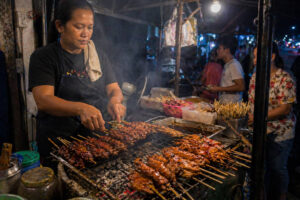 Street barbecue is one of the most approachable answers to what to eat in Cebu City. Pork and chicken skewers are grilled over charcoal, brushed with a sweet-savory marinade, and served with puso rice.
The taste is smoky, slightly sweet, and salty, with charred edges that make it extra satisfying.
You may also see chicken intestines, liver, hotdog, and other grilled items. Start with pork barbecue or chicken barbecue if you want something familiar.
Add vinegar with onions and chili if you like brightness. The vinegar cuts through the richness and makes each bite feel lighter.
Batchoy and Local Soups
Batchoy and other local soups are comforting choices when you want something warm and filling. A typical bowl may have noodles, pork, broth, garlic, and toppings, depending on the place.
The taste is savory and rich, with a cozy quality that works well during rainy weather or after a long day of walking.
You may also find soups with beef, pork, or fish in casual eateries. These are usually served with rice, not always as a standalone noodle meal.
If you are not sure what is inside, ask before ordering, especially if you avoid pork or organ meats.
Dried Fish and Breakfast Meals
Dried fish is a classic Filipino breakfast item, and Cebu has strong market culture around it. The taste is salty, intense, and sometimes fishy in a good way, especially when paired with garlic rice, egg, tomatoes, and vinegar.
Small dried fish can be crisp and snack-like, while larger kinds are meatier and stronger in flavor.
For first-timers, dried fish may be surprising because the smell is bold. Try a small portion first. It is best with hot rice and something fresh or sour on the side.
Many local breakfast plates balance saltiness with egg, cucumber, tomato, or vinegar dip.
Halo-Halo and Local Desserts
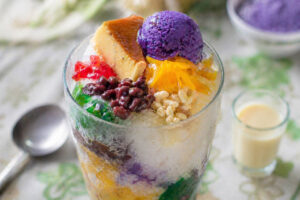 After salty and smoky meals, halo-halo is a happy reset. This Filipino dessert combines shaved ice, milk, sweet beans, jellies, fruits, leche flan, ube, and sometimes ice cream.
The taste is creamy, sweet, cold, and playful. Every spoonful can feel different because the toppings mix slowly as the ice melts.
Other desserts may include mango-based sweets, rice cakes, and simple bakery treats. Cebu is also associated with dried mangoes, which make easy pasalubong.
For a hot afternoon, halo-halo is one of the simplest pleasures in the city.
Reality Check: Must-try lists can make travelers feel pressured to eat nonstop. Choose dishes based on your comfort level, appetite, and schedule; the best Cebu meal is the one you can actually enjoy slowly.
Where to Eat Based on Budget
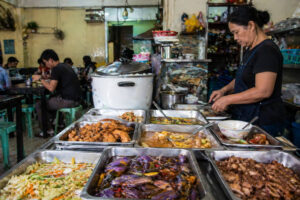 Budget matters when choosing what to eat in Cebu City because the same craving can have very different price points. You can eat a simple carinderia meal, sit in a mall food court, or choose a known lechon restaurant.
Each option has its own rhythm, comfort level, and cost.
Carinderia
A carinderia is a small local eatery where cooked dishes are displayed in trays or pots. You point at what you want, add rice, and pay a modest amount.
This is one of the best places to eat cheap in Cebu City because meals are filling, quick, and local. Expect dishes like adobo, fried fish, vegetables, soups, pork stews, chicken, and sometimes grilled items.
The experience is simple. Seating may be basic, electric fans may replace air-conditioning, and menus may not always be written in English.
But the food is usually straightforward and easy to understand visually. A good carinderia is busy during meal hours, with dishes that move quickly rather than sitting too long.
Casual Restaurants and Food Courts
Casual restaurants and food courts are good for travelers who want comfort, clearer menus, and more predictable ordering. Malls in Cebu City often have Filipino restaurants, grilled food counters, noodle shops, dessert stalls, and coffee places.
Prices are higher than carinderia meals but still manageable for many travelers.
Food courts are also helpful when your group cannot agree on one cuisine. One person can order Cebu lechon, another can get soup, and someone else can choose dessert.
This is a practical choice during heavy rain, midday heat, or when you want clean restrooms and air-conditioning.
Mid-Range Dining and Lechon Spots
Mid-range dining is where many visitors try well-known lechon spots, seafood restaurants, and Filipino family-style meals. These places are better if you want to sit longer, share several dishes, and enjoy a more comfortable setting.
Expect higher prices, especially for lechon by weight, seafood, and specialty dishes.
For a fuller city plan, it helps to match meal stops with transport routes. The guide on how to get around Cebu City using local transport can help you avoid zigzagging across town just for one meal.
Reality Check: The most famous place is not always the most convenient place. If traffic is heavy, a nearby busy eatery can be a better choice than spending an hour getting to a restaurant while hungry.
Typical Food Prices in Cebu City
Prices vary by neighborhood, restaurant type, and portion size, but first-timers can use general ranges to plan. When thinking about what to eat in Cebu City on a budget, remember that rice, drinks, extra sauces, and service charges can change your final bill.
Budget Meal Ranges
At a carinderia, a simple rice meal may cost around ₱80 to ₱180 depending on the dish. One vegetable viand with rice may be on the lower end, while meat, fish, or two viands can cost more.
Street barbecue can also be affordable, especially if you order a few skewers and puso rice instead of a full restaurant plate.
Snacks like fried street food, small desserts, or simple bakery items may cost less per piece, but it is easy to overspend if you keep adding.
Bring small bills when eating at stalls because not every vendor can break large notes quickly.
Restaurant Meal Ranges
In casual restaurants, expect around ₱250 to ₱600 per person for a basic meal with rice and a drink. In mid-range Filipino restaurants or popular lechon places, meals can go higher, especially when ordering for sharing.
Lechon may be priced by portion or weight, so check before saying yes to a large order.
Food courts can sit between carinderia and restaurant pricing. They are convenient, especially for travelers staying near malls or business districts, but the same dish may cost more than it would in a neighborhood eatery.
Extra Costs
Extra rice is common and can add to your bill. Drinks, bottled water, dessert, and service charge in restaurants can also increase the total.
Some places may include service charge automatically, while smaller eateries usually do not.
If you are planning a longer trip around the province, food costs can shift once you leave the city. You can use the Cebu travel guide for the city, waterfalls, and whale sharks to see how meals might fit with your broader route.
Reality Check: Cebu City can be affordable, but tourist-famous meals are not always cheap. Decide which meals are worth splurging on, then balance them with carinderia breakfasts or simple snacks.
Food Safety Basics
Food safety is part of knowing what to eat in Cebu City with confidence. Most travelers eat well without problems, but it pays to observe how food is cooked, stored, and served.
Your eyes and nose are helpful tools.
What Is Normal
Normal, reassuring signs include hot food, busy stalls, fast turnover, clean serving utensils, and staff who handle money separately from food when possible. At barbecue stalls, look for skewers cooked thoroughly over active heat.
At carinderias, choose dishes that are still steaming or have been recently refilled.
It is normal for small eateries to look simple. A place does not need to be fancy to be good.
Focus on freshness, movement, and cleanliness rather than decoration.
What to Avoid
Avoid food that has been sitting lukewarm for a long time, especially meat, seafood, and creamy items. Be careful with dishes exposed to flies, dust, or direct heat without cover.
If something smells sour, stale, or unusually strong in a way that does not match the dish, skip it.
For fried street snacks, choose items cooked or refried in front of you when possible. Hot and freshly cooked is safer and usually tastier.
For raw garnishes or sauces, use your judgment, especially if your stomach is sensitive.
Water and Ice Considerations
Many restaurants and malls serve safe drinking water and commercially made ice, but sensitive travelers may prefer sealed bottled water. For street stalls, bottled drinks are the simpler option.
Ice in busy, established places is usually less of a concern than ice from unclear sources.
To understand Filipino ingredients and meal patterns more broadly, the overview of Filipino cuisine can give useful background before your trip.
Reality Check: Being careful does not mean being afraid of local food. A few simple checks can help you enjoy street food Cebu favorites while avoiding the most common stomach mistakes.
How to Order Food in Cebu City
Learning how to order makes a big difference in what to eat in Cebu City, especially in local eateries. Many people in Cebu City understand English, and Filipino hospitality goes a long way.
Still, simple phrases and a clear process can make ordering smoother.
Step-by-Step Ordering in a Carinderia
First, look at the trays and choose your viand. If you do not recognize something, ask, “What is this?” or “Is this pork, chicken, or fish?” Then say how many servings you want.
Add rice by saying “one rice” or “two rice.” If you are eating there, say “dine in.” If you want takeaway, say “take out.” Pay when asked; some places collect before eating, while others collect after.
Do not worry if the setup feels fast. Locals often know what they want and order quickly, but first-timers can take a moment.
A smile and a polite tone help. Pointing is normal when dishes are displayed.
Portion Sizes and Sharing
Carinderia portions are usually individual, while restaurant dishes may be for sharing. If the menu says “good for two to three,” it means the dish is meant to be paired with rice and possibly other dishes.
For lechon, ask how many grams or what portion is enough for your group.
Sharing is common in Filipino dining. A table might order one meat dish, one vegetable dish, one soup, and rice for everyone.
This is a nice way to try more flavors without over-ordering.
Customizing Orders
You can ask for small changes, but keep expectations realistic. In carinderias, dishes are already cooked, so you cannot usually request “less oil” after the fact.
In restaurants, you can ask for less spicy, no chili, sauce on the side, or no pork if the dish allows it. For allergies, be direct and repeat the concern clearly.
Useful phrases include “No pork, please,” “I am allergic to shrimp,” “Sauce on the side, please,” and “Less oil if possible.” If you have serious allergies, choose restaurants with clearer menus and staff who can answer ingredient questions confidently.
Reality Check: Local eateries may not always have detailed ingredient lists. When allergies or dietary restrictions are important, choose simpler dishes and ask twice before ordering.
Simple Phrases to Use When Ordering
Simple phrases can make what to eat in Cebu City feel less intimidating. English works in many places, but a few local words can make the exchange warmer.
Cebuano is widely spoken in Cebu, while Tagalog is also understood by many Filipinos.
Basic English-Friendly Phrases
Use “What is your bestseller?” when you are unsure what to order. Say “Is this spicy?” if you are sensitive to heat.
Ask “How much is one serving?” before ordering lechon, seafood, or anything priced by weight. Say “Can I have one rice?” or “Can we have extra rice?” when you need more.
For takeout, “For takeout, please” is clear and widely understood.
When ordering from a display, you can say, “One serving of this, please,” while pointing. If you want to eat there, say, “Dine in, please.”
For the bill, say, “May I have the bill?” in restaurants or “How much?” in small eateries.
Simple Tagalog or Cebuano Phrases
Try “Salamat” for thank you. In Cebuano, “Pila ni?” means “How much is this?” and is useful at stalls.
“Lami” means delicious, and saying it after a meal is a sweet little compliment. “Usa ka rice” means one rice, while “tubig” means water.
If you are not confident, say the phrase gently and smile; no one expects a visitor to sound perfect.
For learning more about the place behind the food, a general backgrounder on Cebu can help connect the city’s food culture with its history and geography.
Reality Check: You do not need fluent Cebuano to eat well in Cebu City. Clear English, pointing, patience, and a few friendly local words are usually enough.
Final Tips for First-Time Food Trips in Cebu City
The best approach to what to eat in Cebu City is to mix famous dishes with everyday meals. Try Cebu lechon, but also make space for puso rice, barbecue, ngohiong, soup, dried fish, and halo-halo.
Eat one special meal, then balance it with something simple. Follow the crowd, but also follow freshness.
Ask questions, check prices, and do not be shy about starting with small portions.
For a first trip to the Philippines, food is part of the adjustment. Meals may be saltier, rice may appear more often than expected, and some flavors may be new.
The Philippines travel planning guide for a first trip is a helpful companion if you are still figuring out money, transport, and daily rhythm.
Most of all, let Cebu City feed you at a human pace. Sit where the grill smoke drifts into the evening air, crack into lechon skin while it is still crisp, open a warm bundle of puso rice, and cool down with halo-halo when the afternoon turns bright and heavy.
Once you understand the flavors, prices, safety basics, and ordering flow, deciding what to eat in Cebu City becomes less like a checklist and more like a delicious little conversation with the city.