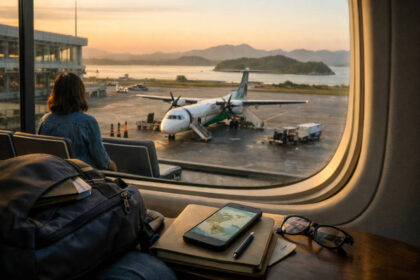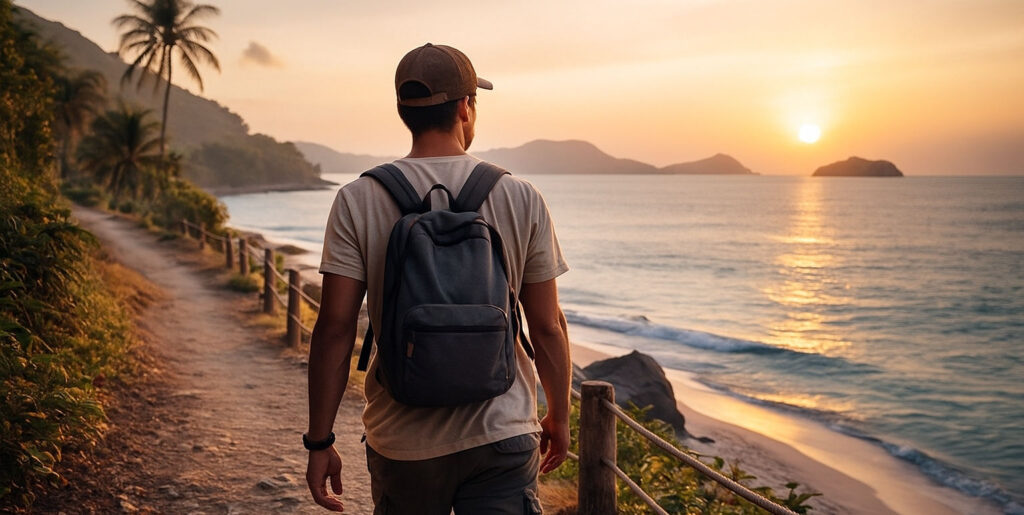
In all my years exploring the archipelago – from the roar of Manila streets to the hushed edges of remote islands – I have learned that feeling secure begins with calm awareness. This is why travel safety Philippines is less about fear and more about wisdom, mindfulness, and confidence. With the right habits, you can move through every destination knowing you are prepared, grounded, and still open to the joy of discovery. When you treat travel safety Philippines as a companion rather than a burden, the whole country feels more welcoming and manageable.
Understanding the Rhythm of Travel Safety in the Philippines
Every place in the country has its own pace and personality. Urban hubs buzz with life, while coastal towns feel unhurried and slow. Recognizing these shifts is the first step in embracing travel safety Philippines as a flexible mindset rather than a rigid checklist. When I am weaving through crowded transport terminals or lively markets, I keep my essentials close, avoid displaying valuables, and pay attention to my surroundings – not anxiously, but like a traveler tuned into the moment. This kind of calm alertness is where travel safety Philippines truly starts.
If you want a broader picture of how tourism grew here, reading about the country through resources like Tourism in the Philippines can be helpful. It adds context to the scenes you will walk through: busy malls, provincial bus stations, island piers, and hilltop viewpoints. Pairing that knowledge with practical reminders from Bakasyon.ph’s Travel Advisories section helps you balance inspiration with realistic planning around local conditions, weather, and community guidelines, all through the lens of travel safety Philippines applied in real life.
Government and embassy notices are written to protect both visitors and residents by highlighting issues of safety and security. They may sound strict at times, but on the ground they often translate into simple habits – choosing better-lit streets at night, avoiding known trouble spots, or staying updated when there are large events or typhoons. When you read official advice for the philippines, treat it as a tool to sharpen your travel safety Philippines instincts, not as a reason to stay home.
Planning Documents, Routes, and Arrivals
Good planning makes the rest of your trip feel lighter. Before you even book flights, check official guidance for philippines international travel so you know exactly what documents are required. The Philippine Bureau of Immigration keeps policies updated on its official site at immigration.gov.ph, while practical checklists for tourists are often summarized in guides like Bakasyon.ph’s Philippines entry requirements update. Both are worth reviewing a few days before your flight so your travel safety Philippines checklist is complete before you even leave home.
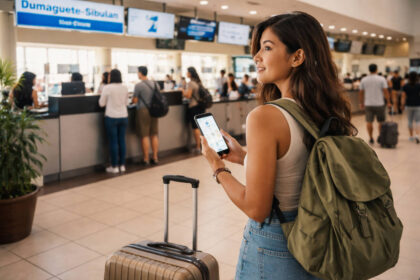
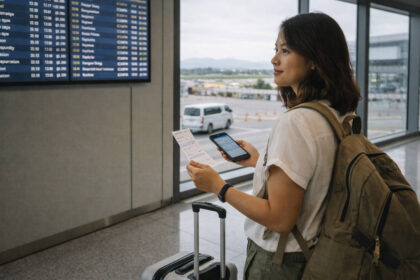
One of the most useful recent changes is the move to digital arrival forms. The official eTravel entry guidelines page explains how to register, update your details, and generate the QR code you will present on arrival. Filling this out ahead of time is a simple way to practice travel safety Philippines at the airport: you spend less time in lines, avoid last minute scrambling on your phone, and reduce errors that might delay your entry. When your paperwork is smooth, travel safety Philippines starts the moment you land instead of the moment you fix a problem.
If you are arriving during peak seasons or holidays, it also helps to skim focused pieces like Bakasyon.ph’s holiday flights travel advisory. These articles highlight common issues such as congested terminals, longer check in times, or stricter baggage checks, so you can arrive earlier and keep your expectations realistic. Treat these as part of your travel safety Philippines prep: a small time investment that saves you stress in crowded terminals.
For travel by sea, especially in a country with many islands, always check weather and vessel information. The article on Philippine ferry travel advisory pairs well with official notices so you know what to expect during monsoon months or when there are storm signals. A few minutes of planning can save you hours of rebooking and uncertainty, and this kind of foresight is exactly how travel safety Philippines translates into smoother island hopping.
Moving Smoothly Around Cities and Islands
Once you are in the country, the real test of travel safety Philippines happens in everyday movement – calling a ride share, boarding a jeepney, crossing streets downtown, or catching a tricycle to a small barangay. In major cities like Manila or Cebu, prefer registered taxis or app based rides, especially at night. Share your live location or plate number with a trusted contact when possible, and sit where you can easily exit if needed. Every small decision like this strengthens your travel safety Philippines habits without making you feel paranoid.
Long distance bus and van routes are common between provinces. Choose reputable companies, keep your small bag on your lap, and avoid placing valuables in overhead racks. For flights and airport transfers, articles like 33 best things to do in Manila can give you a feel for which neighborhoods are lively yet generally comfortable for visitors, while guides such as Luzon beach resorts help you map out which coastal stops have well developed tourist infrastructure. When you connect these planning tools with travel safety Philippines awareness, you build itineraries that feel both exciting and manageable.
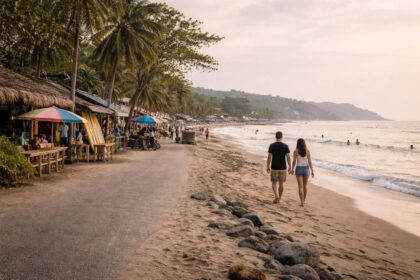
On islands and coastal towns, stay updated on local rules. Many destinations publish reminders about life jackets, swimming zones, and boat capacity. Practicing travel safety Philippines here can be as simple as listening carefully to boat briefings, asking about weather on the next day’s tour, or respecting red flag warnings on beaches. I often think of travel safety Philippines as the quiet voice that convinces you to wear the life vest properly, choose the earlier boat, or call it a day when conditions do not feel right.
Health, Comfort, and Respectful Connections
Health is a quiet but essential pillar of safe travel. The Philippines can be hot and humid, so hydrate regularly, wear sun protection, and rest whenever your body asks you to slow down. For general health guidance, the Department of Health maintains public information at doh.gov.ph, while global basics on vaccination and hygiene can be checked against World Health Organization resources before you fly. Taking time to understand these basics is another way travel safety Philippines protects your energy and enjoyment.
Food is one of the best parts of any trip, and practicing travel safety Philippines does not mean avoiding local dishes. Eat at busy stalls where ingredients turn over quickly, watch how food is handled, and pay attention to how your stomach responds. In many cities you will see a mix of fresh markets, malls, and neighborhood eateries – a combination that lets you adjust your choices based on your comfort level that day. Thinking of food decisions as part of travel safety Philippines keeps you adventurous but not reckless.
Respect for communities also plays a big role. In beach areas and resort zones, such as those featured in guides like Best Beach Resorts on Luzon Island, follow local instructions on trash segregation, noise levels, and protected zones. On islands like Palawan, covered in articles such as Palawan island hopping guides, paying attention to reef safe practices and boat rules protects not only you but also fragile ecosystems and livelihoods. When you align your behavior with local norms, travel safety Philippines becomes a shared effort between you and the communities hosting you.
When you are planning overland routes or side trips, it can also help to look at how other travelers narrate their experiences. Reflective stories about unplanned journeys or highland bus rides show you how people stay flexible, listen to locals, and adjust plans when weather or transport changes unexpectedly. Seeing these examples through a travel safety Philippines lens reminds you that changing plans is not a failure – it is often the smartest possible move.
Using Official Guidance Without Losing Your Calm
 Modern travel involves a lot of information – news, social media posts, embassy notices, and conversation in traveler groups. The key is to treat official sources as anchors rather than alarms. For example, Canada’s page for visitors at travel.gc.ca/destinations/philippines and other government portals summarize current conditions, but they also explain where problems are localized and what precautions are recommended. When you read these with a travel safety Philippines mindset, you can separate real risk from noise.
These government pages often group information under sections like travel advice and advisories, health information, and local laws. Reading them calmly, alongside local voices and long form guides, helps you build a fuller picture. You can also cross reference foreign advisories with the perspective of the Philippine Department of Tourism at tourism.gov.ph, which highlights destinations that have strong support for visitors and updated facilities. Together, they give you structured context for travel safety Philippines without overwhelming you.
For entry, exit, and visa policies, the Bureau of Immigration remains the final authority. For forms and arrival procedures, the official eTravel portal at etravel.gov.ph is the site to bookmark. Combining these with experience based pieces and on the ground reports gives you both the official baseline and the nuance that real travelers care about. If you treat each update as another layer of travel safety Philippines rather than another thing to fear, planning starts to feel empowering.
Under all of this, the aim of travel safety Philippines is not to scare you away from new places, but to give you enough information and structure so that you can relax once you are out exploring. When you know how to read advisories, how to respond to changing conditions, and how to stay reachable, you free your mind to enjoy the trip instead of worrying through it.
Travel Safety Philippines FAQ
Key Questions Answered
Is it safe to travel to the Philippines right now?
The answer is usually yes for most popular tourist routes, as long as you stay informed and follow local guidance. Destinations highlighted in well reviewed city guides and coastal escapes are generally well traveled and used to hosting visitors. As with any country, situations can change due to weather, local incidents, or national events, so checking recent updates before and during your trip is part of practical travel safety Philippines. Think of it as checking the weather forecast: a simple habit that keeps you one step ahead.
Is the Philippines considered a high risk country?
Most international advisories describe the Philippines with mixed levels of caution rather than as uniformly “high risk”. They often flag specific regions or activities where extra care is needed, while noting that major tourist destinations continue to operate normally. Reading the detail in advisories – instead of reacting only to headlines – helps you see which areas are affected and which remain routine for travel. On the ground, careful planning, local guidance, and basic precautions usually go a long way in keeping trips uneventful, especially when you apply travel safety Philippines principles to your day to day decisions.
What is the safest part of the Philippines for tourists?
No place can be guaranteed as perfectly safe, but many travelers feel comfortable in well established visitor hubs with strong tourism infrastructure. Examples include parts of Metro Manila’s business districts, Baguio, many areas in Cebu, popular islands in Palawan, and organized resort zones across Luzon and Visayas. Look for destinations with reliable transport, visible security, responsive accommodation staff, and clear local rules. Your own behavior matters too: stay in reputable lodging, avoid isolated areas at night, and listen if locals advise you to skip a certain street or activity. When you match your choices with travel safety Philippines habits, even busy cities feel more manageable.
What countries are under Level 4 travel advisory?
Level 4 advisories – usually worded as “Do Not Travel” – are issued by governments such as the United States when they assess extremely high risk in a destination due to war, widespread crime, or severe instability. The list of Level 4 countries changes over time, so the safest approach is to check an up to date map, like the one at the U.S. State Department’s Travel Advisories page, before deciding on complex multi country itineraries. Use these tools as guides rather than as the only voice in your planning, and always cross check with your own government’s latest notices so that your overall travel safety Philippines strategy lines up with current information.
As you move through your own journeys, remember that the heart of travel safety Philippines is not fear but clarity. You prepare documents so you can breeze through airports. You read advisories so you can choose routes with confidence. You stay aware, not to be anxious, but so your mind is free to enjoy sunrise boat rides, evening market strolls, and quiet bus rides through the countryside. With calm planning, respectful curiosity, and a willingness to listen, you can explore this archipelago smart, calm, and confident – carrying travel safety Philippines with you like a trusted travel companion.