December 18, 2025
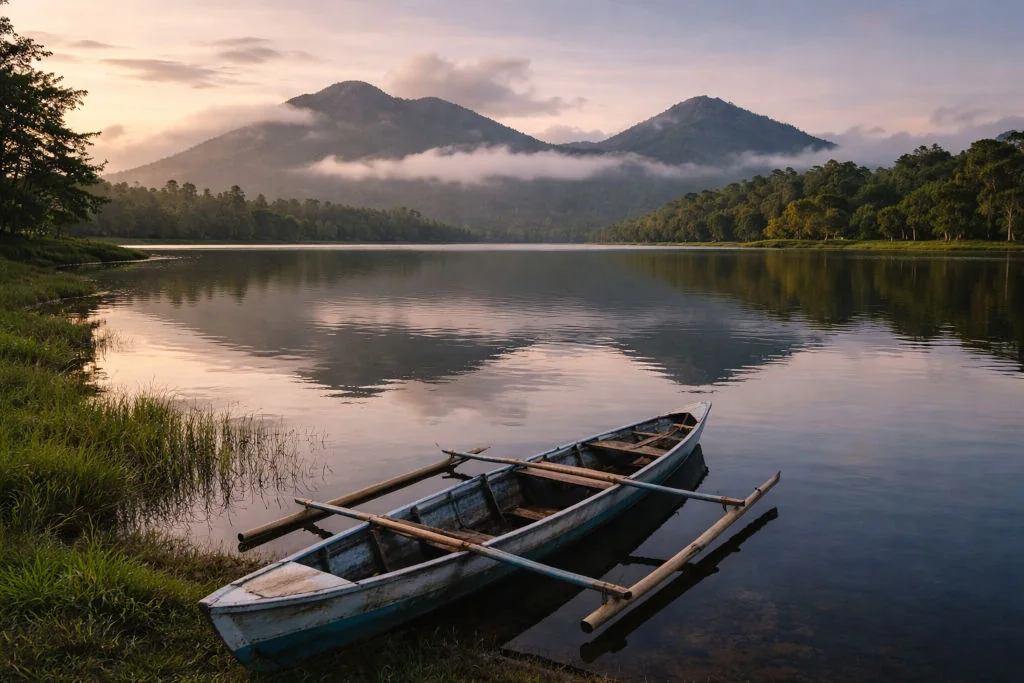
Not every Bicol trip has to be about island hopping or wakeboarding. In Camarines Sur, you can wake up to a still lake, walk under Mount Isarog’s trees to a cold waterfall or hot spring, then end the day with hot tinola in a countryside carinderia while tricycles pass outside. This Camarines Sur travel guide is for travelers who want lakes, trails, and quiet barangay roads more than adrenaline—complete with sensory details and practical tips for a 2–4 day trip.
December 18, 2025
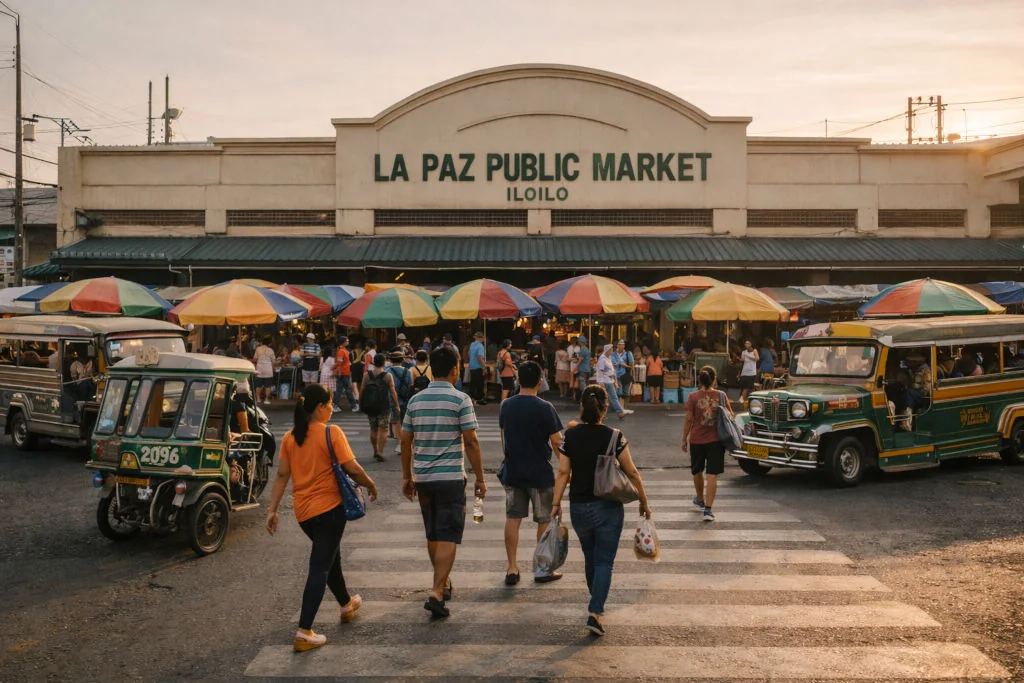
Dawn in Iloilo smells like fish, rain on concrete, and coffee in chipped mugs. By evening, it’s garlic sizzling in pans, talaba on ice, and batchoy broth still simmering somewhere in La Paz. This market-to-plate Iloilo day follows Mika through public markets, carinderia kitchens, and the Iloilo River Esplanade—showing how Iloilo fresh flavors move from basket and kilo to steaming bowls and grilled platters you can actually order yourself.
December 17, 2025
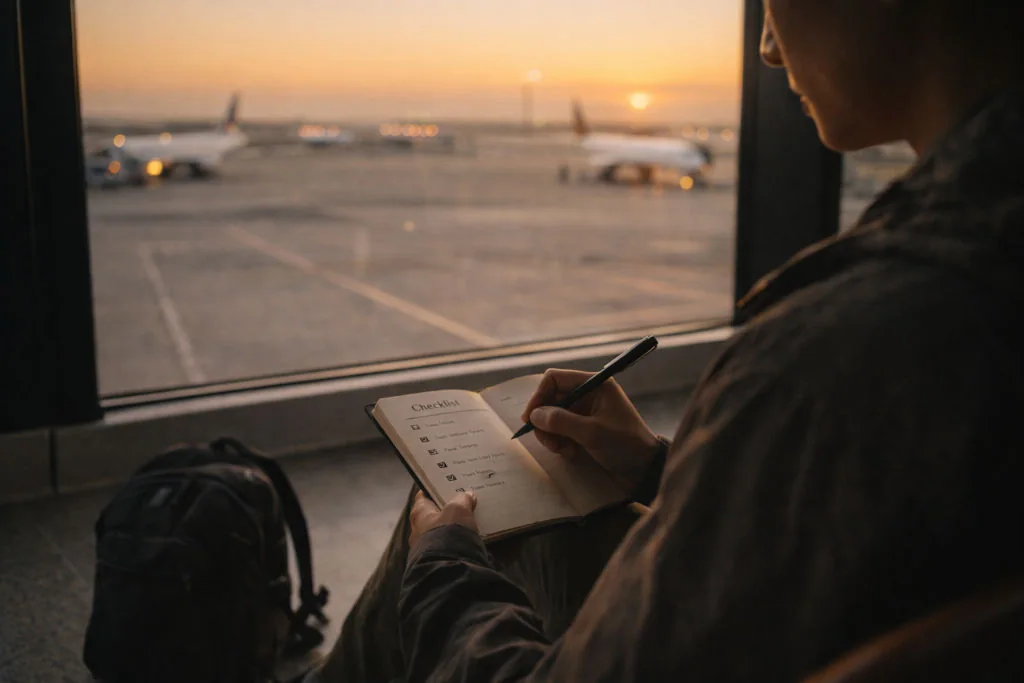
Some trips feel like a race: last-minute packing, panicked airport dashes, and realizing your charger is still on the bedside table. Others somehow feel calm—even when plans change—because of small rituals you follow without thinking. This guide shares simple, travel-friendly habits you can reuse on every trip: before you leave, on travel days, on the ground, and when you get home, so adventures feel smoother whether you’re flying budget, catching a provincial bus, or joining a family road trip.
December 17, 2025
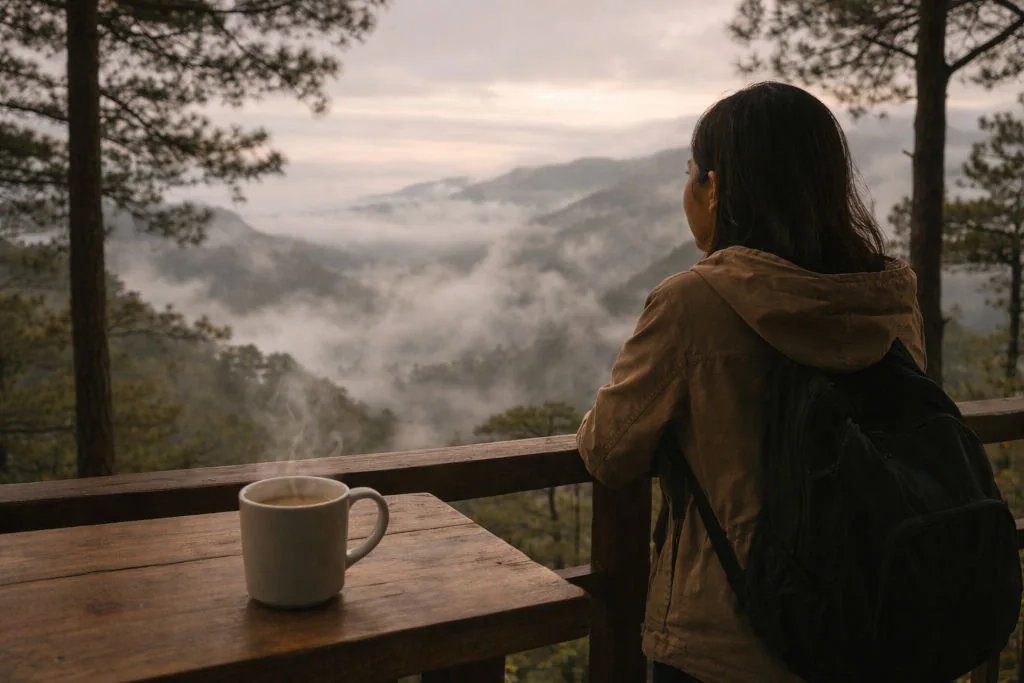
In Baguio, coffee isn’t just a drink; it’s how people warm their hands on foggy mornings and stretch conversations on cool, drizzly nights. This Baguio coffee guide walks you from market-side barako stalls to pine-framed decks near Camp John Hay, with realistic walking routes, typical prices, tips for finding Benguet and Cordillera beans, and a look at how students, artists, and travelers share space in the city’s cafés.
December 17, 2025
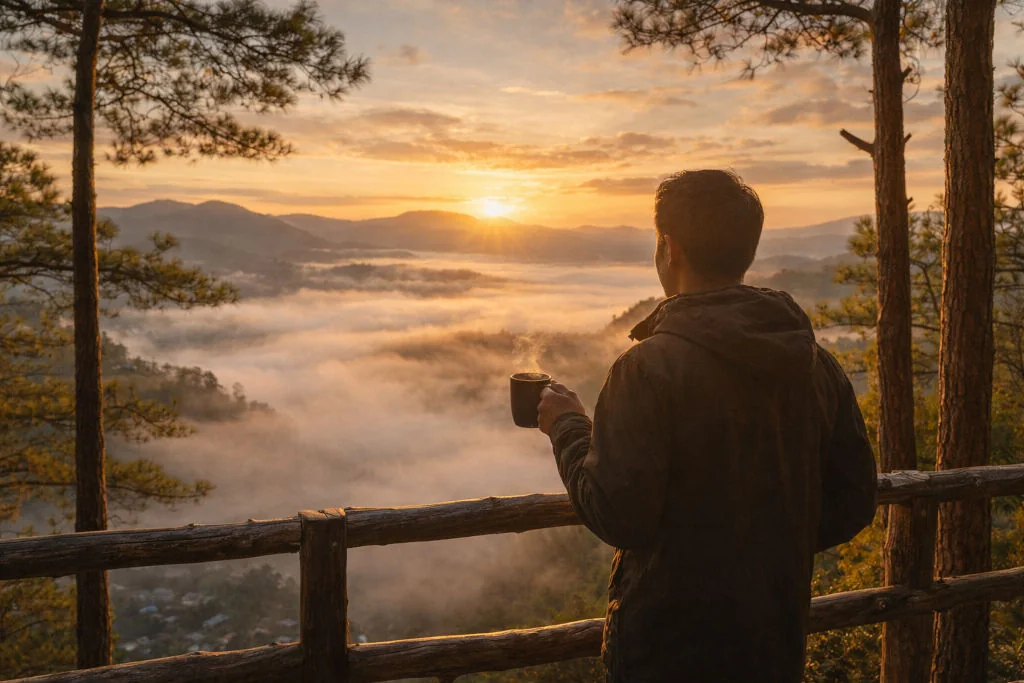
Somewhere in Baguio, a traveler is standing on a balcony in a borrowed “Baguio jacket,” watching their breath fog in the air while their cousin in Manila complains about the heat. This guide to cool weather escapes in the Philippines gathers highland favorites like Baguio, Sagada, Bontoc, Bukidnon, and Tagaytay, with honest notes on how cool it really gets, when to go, how to get there, and what kinds of cafes, cabins, and foggy-morning walks make the chill feel magical instead of just cold.
December 16, 2025
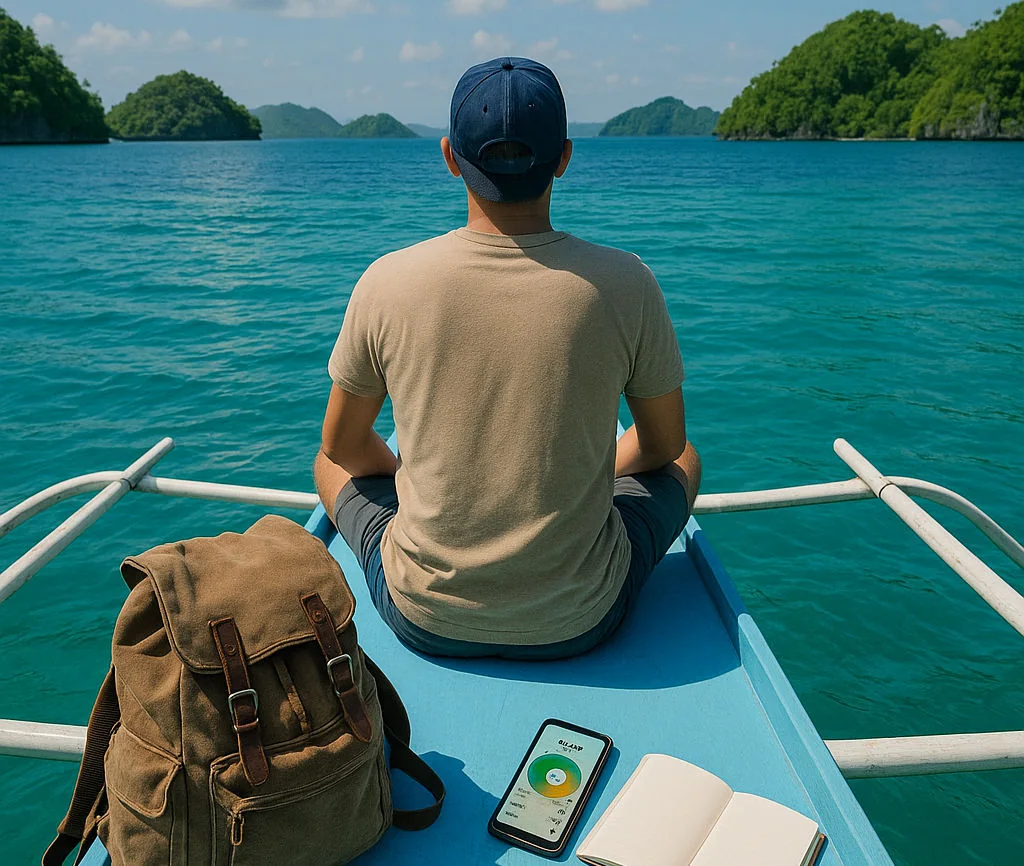
You’re sitting at your laptop with a map of the Philippines open, wondering: “Magkano kaya talaga?” This guide gives you clear, realistic Philippines travel budget examples in pesos for 1, 2, and 4-week trips, across three styles: shoestring backpacker, easy midrange, and more comfortable travel. Think of it as your Filipino cousin walking you through what a day costs when you’re living on carinderia rice and sabaw versus when you’re saying yes to island-hopping, internal flights, and sunset cocktails by the sea.
December 16, 2025
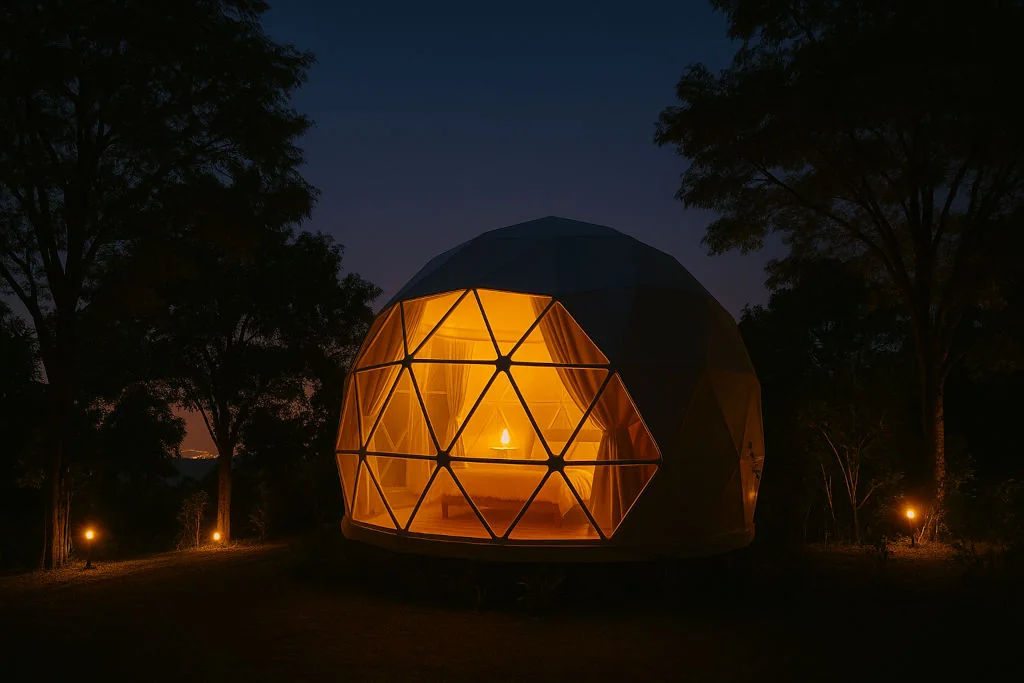
You leave Manila after work and drive into the dark, past gas stations and sari-sari stores, until the air turns cooler and the city glow fades behind you. A few hours later, you’re zipping open a tent or dome, hearing crickets instead of traffic, and falling asleep to wind in the trees. This guide to glamping near Manila walks you through Tagaytay and Cavite highlands, Rizal mountains, Batangas domes, and lakeside Laguna camps—with honest notes on travel time, comfort, weather, and which stays fit couples, families, or your whole barkada.
December 15, 2025
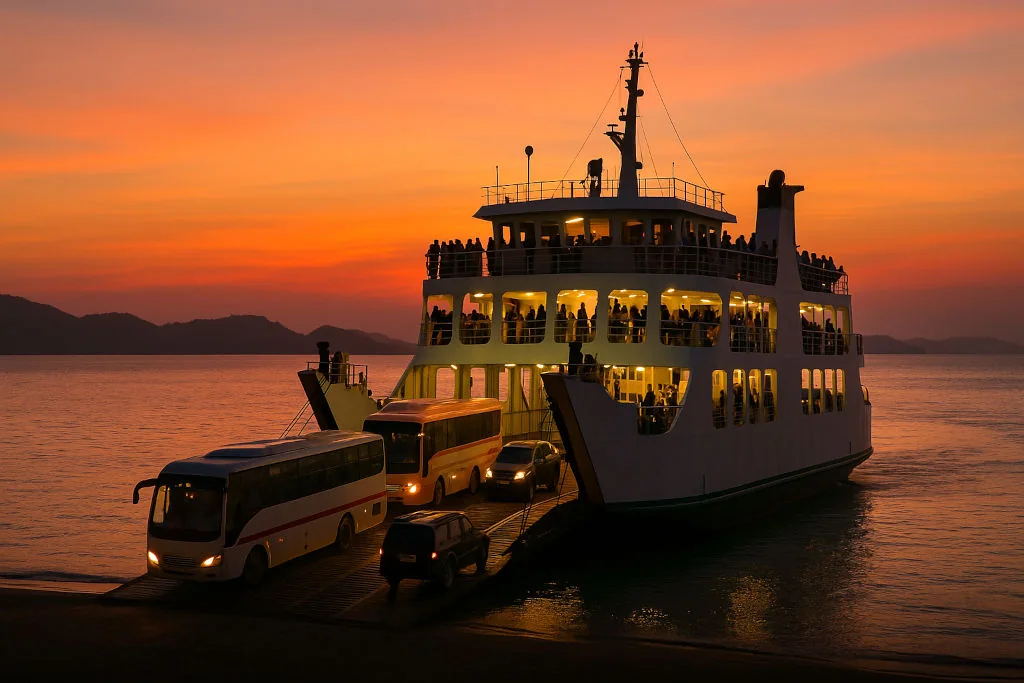
On a Philippine ferry at midnight, the engine hums like white noise, kids are asleep on plastic benches, and someone is slurping cup noodles under a fluorescent light. This Philippines ferry travel guide walks you through RoRo routes, the Nautical Highway, overnight crossings, ticket booking, and how to combine buses and boats for long overland-and-sea journeys that connect Luzon, Visayas, Mindanao, and Palawan.
December 15, 2025
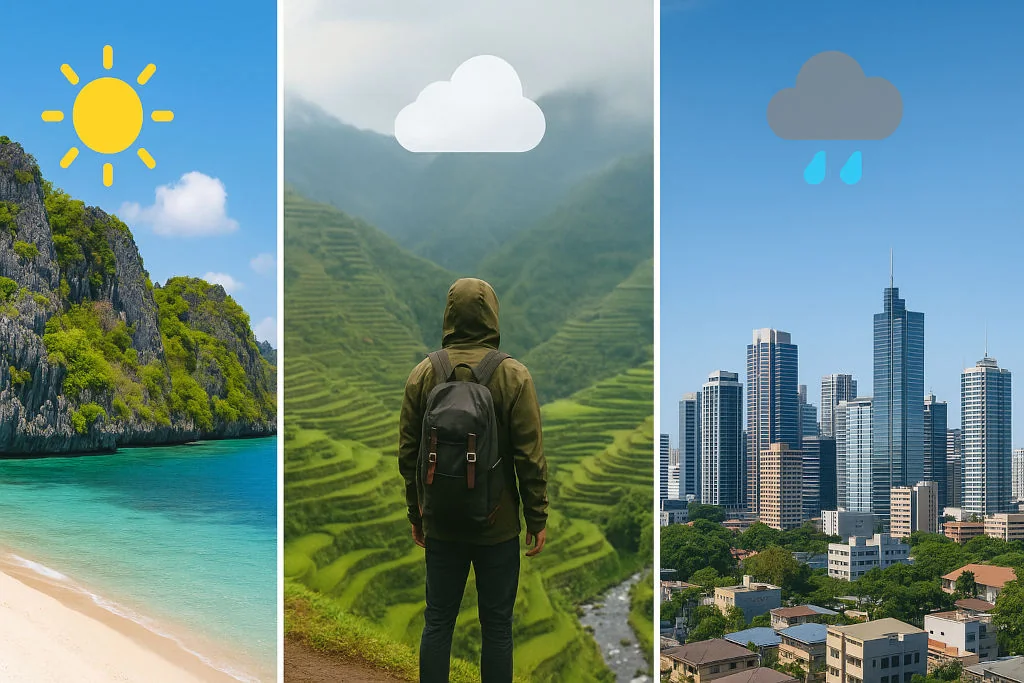
You step out of NAIA in March and the Manila heat feels like a warm blanket you didn’t ask for. A few months later, that same arrival might mean wading through ankle-deep puddles during a tag-ulan downpour. This Philippines weather travel guide breaks down dry and rainy seasons, Habagat and Amihan, and typhoon patterns across Luzon, Visayas, Mindanao, and Palawan. Think of it as a friendly, practical map that helps you match your travel dates to the right islands and mountains, pack smartly, and stay flexible when the weather does its own thing.
December 14, 2025
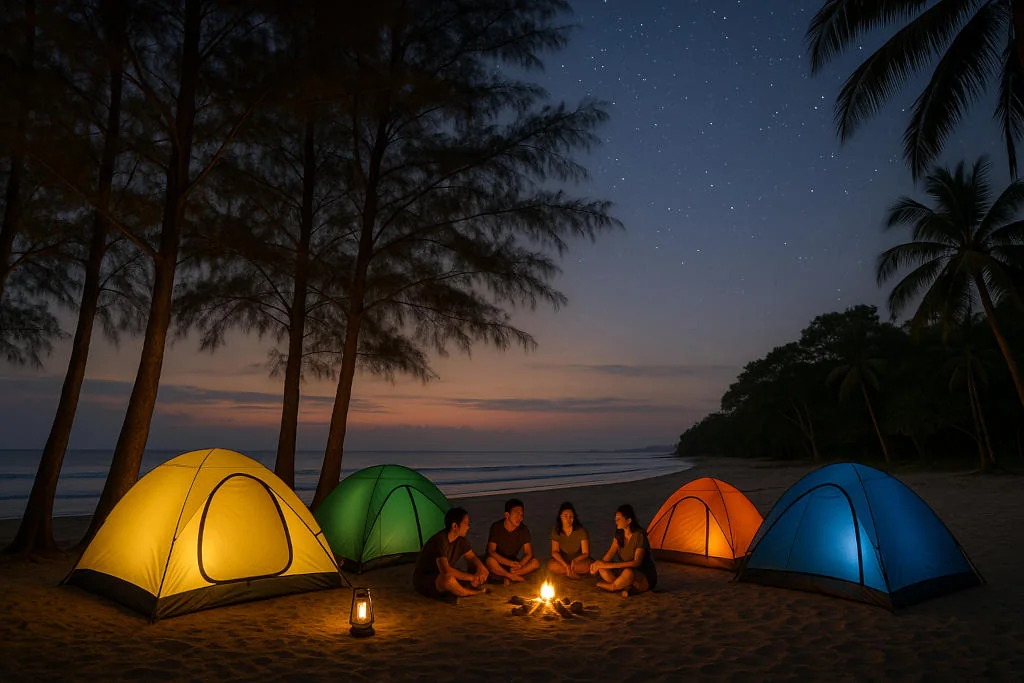
You leave Manila in the dark, coffee in one hand and your tent in the trunk, and by midnight you’re walking across cool sand toward a line of agoho trees, waves thumping a few meters away. By morning, the tent is warm, your hair smells like bonfire smoke, and someone is boiling water for 3-in-1 coffee on a camp stove. This guide to Luzon beach camping gathers Zambales coves and Batangas beach camps you can actually reach on a weekend, with honest travel times, real costs, and what it really feels like to sleep in a tent by the sea in the Philippines.
