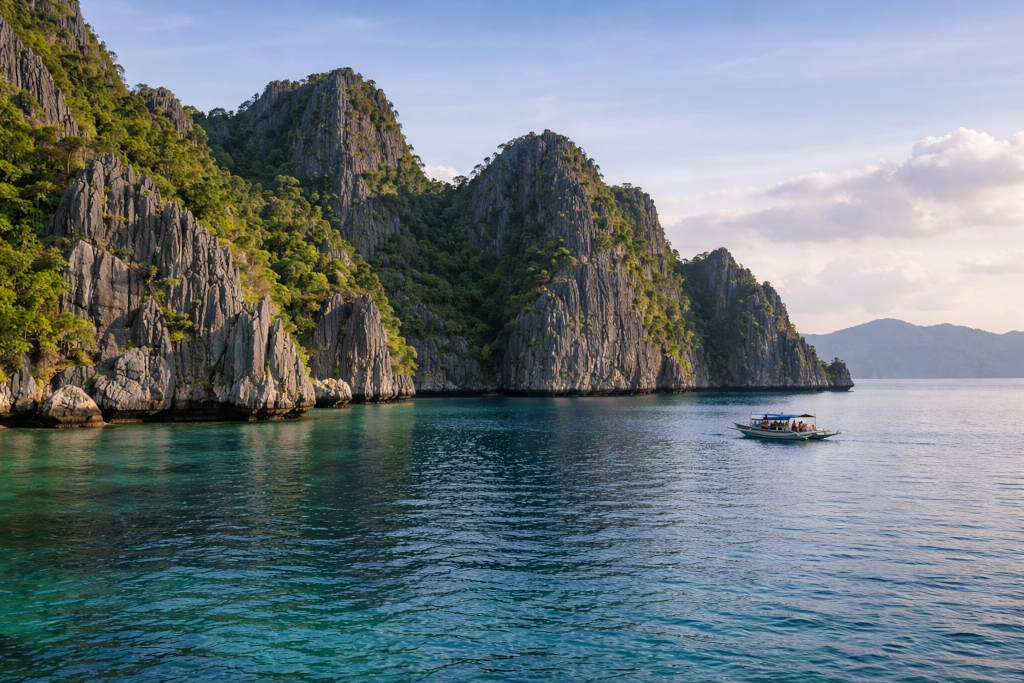
Coron can feel simple or chaotic depending on two choices: your tour timing and your tolerance for waiting. Most travelers come for clear water, limestone landscapes, and snorkeling or diving, but the experience changes fast when weather cancels boats, ladders turn into long queues, or pickup times slide later than expected. This guide to things to do in Coron is built for calm planning: activities grouped by vibe, honest crowd and weather risks, and “easy way” tips that protect your time and energy.
For quick context on Coron’s geography and why tours often depend on sea conditions, you can skim Coron, Palawan before you choose your tour days.
Quick Picks: If You Only Choose 3 Things To Do in Coron
 If you want a shortlist that fits most first-timers, start here. Each pick includes who it’s for and what can go wrong (so you can plan around it).
1) One Classic Lakes and Lagoons Day (Kayangan Lake, Twin Lagoon Style)
Who it’s for: First-timers who want the signature limestone-and-blue-water feeling.
What can go wrong: Crowd queues (especially ladders and viewpoints), and weather that delays or cancels boat departures.
Easy way: Ask your operator about route order so the most crowded stop happens earlier, and choose fewer stops done well instead of a rushed “everything” route.
2) One Beach Day (Malcapuya Island or Similar)
Who it’s for: Travelers who want a slower swim day with more sand time and fewer ladders.
What can go wrong: Sun fatigue (it feels easy until it isn’t), plus early departure requirements to make the day worth it.
Easy way: Bring shade basics and commit to a long, simple beach block rather than hopping between too many islands.
3) One Town Recovery Evening (Mt. Tapyas Then Maquinit Hot Spring)
Who it’s for: Anyone who wants an “earned rest” evening after a water day.
What can go wrong: Fatigue from daytime tours, plus leaving after dark if you stay too long.
Easy way: Start earlier than you think for Mt. Tapyas, then treat Maquinit Hot Spring as a short soak with a clear ride plan home.
Before You Choose: The Calm Planning Rules for Coron
 These rules keep a trip from turning into a checklist race. If you apply them, the things to do in Coron you pick will feel more enjoyable, even if weather forces changes.
For broader planning habits that work anywhere in the Philippines (buffers, booking logic, and decision fatigue), keep Philippines Travel Planning Guide for First Trips as your baseline.
Pick your vibe first, not the “complete checklist”
Coron rewards focus. Decide whether your priority vibe is: classic lagoons, beach calm, diving, or town recovery. Then pick 1–2 high-impact activities in that vibe instead of chasing every famous name.
Reality Check: You can do “more” on paper by stacking stops, but you often enjoy “less” because you spend the day waiting, climbing, and loading gear.
One big water day per day, then a light town evening
Island hopping, lakes, and snorkeling are more tiring than they look. Plan one primary water tour per day, then keep evenings simple: early dinner, short walk, or a quick soak.
Reality Check: Sun and salt drain energy. If you schedule an ambitious night plan after a long boat day, it often becomes stressful or skipped.
Build one buffer for weather or low energy
Wind and rain can cancel tours, and seas can shift quickly. Treat one half-day or one full day as movable so you can slide tours without losing your calm.
Reality Check: In Coron, flexibility is not “being spontaneous.” It’s an intentional design choice that protects your budget and mood.
Cash and signal reality reminders, keep it simple
Carry enough cash for small purchases, tips, and short rides, but keep it split and simple. Signal can be inconsistent in some spots, so confirm pickup points and tour instructions before you leave town.
Reality Check: The fastest way to feel stressed is needing mobile signal at the exact moment everyone else does. Make key decisions while you still have stable connection.
If you want a fuller trip framework (tour types, pacing, and what first-timers commonly underestimate), keep Coron Travel Guide for First-Timers open while you plan.
things to do in Coron by Vibe
This is the main list, grouped by the feeling you want. Each item includes time commitment, crowd risk, weather risk, and the easy way to do it.
Vibe 1: Nature and Water (Classic Coron)
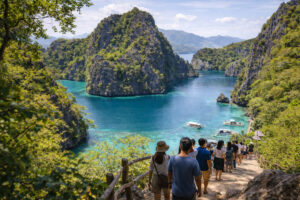 Kayangan Lake and Viewpoint Style Stop
What it feels like: A short climb to a famous viewpoint, then a calm swim in clear water.
Time commitment: Half-day as part of a tour; the “waiting” time can be the bigger factor than the swim time.
Crowd risk: High at peak times. Expect ladders, photo queues, and narrow pathways.
Weather risk: Medium to high. Tour departures depend on sea conditions; sudden rain can reduce visibility and comfort.
How to do it the easy way: Ask your operator if they can schedule Kayangan Lake earlier in the route. Wear aqua shoes for ladders and wet surfaces, and keep your gear minimal so you move smoothly in queues.
Reality Check: If your group hates waiting, this is one of the strongest reasons to consider a private boat: not for “more stops,” but for timing control.
Twin Lagoon Swim Style Stop
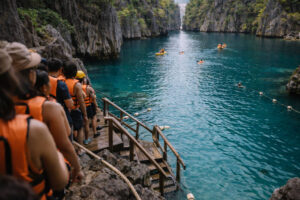 What it feels like: A playful swim experience with dramatic limestone walls and a memorable entry area.
Time commitment: Usually a set block on a tour; allow extra time for entry and exit bottlenecks.
Crowd risk: Medium to high, especially midday when boats arrive in waves.
Weather risk: Medium. Wind and rain can make water conditions less comfortable.
How to do it the easy way: Go earlier if possible, and bring a light dry bag so your phone and essentials stay protected while you wait your turn.
Reality Check: Twin Lagoon often looks “quick,” but queues can stretch the experience. Build patience buffers.
Barracuda Lake Swim or Freedive Style Stop
 What it feels like: Calm water with a more “quiet depth” vibe. Often chosen by travelers who like floating, freediving, or a slower swim.
Time commitment: Half-day as part of a lakes route; it can be smoother than the busiest stops depending on tour order.
Crowd risk: Medium. Can still get busy, but the feel may be less “photo-queue heavy” than top viewpoints.
Weather risk: Medium. Rain can cool the experience and affect comfort while gearing up.
How to do it the easy way: Keep your plan simple: swim, float, and enjoy. Do not overpack gear. If you are freediving, stay within your comfort zone and follow operator safety rules.
Reality Check: Even confident swimmers can get tired when you combine heat, climbing, and multiple water stops in one day.
Siete Pecados Snorkeling Style Stop
What it feels like: A classic coral-and-fish snorkel session that can be a highlight when visibility is good.
Time commitment: Usually a shorter stop within a broader route.
Crowd risk: Medium. Boats can cluster, especially in peak season.
Weather risk: High. Visibility and comfort depend heavily on wind, rain, and sea conditions.
How to do it the easy way: Bring anti-fog basics for your mask if you use one, listen to briefings, and do not chase fish into crowded areas. If seas look rough, treat skipping it as a calm decision, not a failure.
Reality Check: Snorkeling quality can vary day to day. Plan for “good enough,” and you’ll enjoy it more.
Vibe 2: Beaches and Slow Swimming (Chill Day)
Malcapuya Island Style Beach Day
What it feels like: A slower, sand-and-shade day where the main activity is swimming, resting, and eating.
Time commitment: Full day with early departure and a longer ride time than town-based activities.
Crowd risk: Medium. Can feel busy on weekends and peak dates, but the space can still feel relaxed if you set up early.
Weather risk: High. Wind and rain can make the crossing uncomfortable, and tours may cancel for safety.
How to do it the easy way: Treat this as your “sun day.” Bring sun protection, water, and a simple rest plan. Beach days feel easy, but they still require early starts and careful hydration.
Reality Check: A beach day is not a late-start day. If you start too late, the trip can feel like mostly transit.
Bulog Dos Island Style Stop
What it feels like: Short, photogenic beach energy with clear shallow water that works well for quick swims.
Time commitment: Often a shorter beach stop within a broader beach route.
Crowd risk: Medium to high at peak hours; it can be a popular quick stop.
Weather risk: High for crossings and comfort.
How to do it the easy way: Use it as a short swim block, not a long “camp here” plan. Go earlier if your operator can, and keep your expectations flexible if timing shifts.
Reality Check: The “quick stops” are where crowd timing matters most. Earlier often feels calmer.
Banana Island Style Beach Stop
What it feels like: A relaxed beach break with simple swimming and shade if you claim a good spot early.
Time commitment: Usually part of a full-day beach route.
Crowd risk: Medium, higher on weekends and holidays.
Weather risk: High for wind and rain.
How to do it the easy way: Pack a small towel, dry bag, and a “no-stress” snack. Keep your valuables minimal so you can actually relax.
Reality Check: If you are traveling during peak dates, beach stops can feel more crowded than expected. Consider paying for calm (private boat) rather than paying for more stops.
Vibe 3: Diving and Wrecks (For Certified and Curious)
World War II Shipwreck Diving Overview (Certified Divers)
What it feels like: Structured dives with historical wreck sites and a more technical, safety-first pace.
Time commitment: Half-day to full-day depending on the number of dives and travel time.
Crowd risk: Medium. Demand rises in peak season, especially for reputable operators and preferred schedules.
Weather risk: High. Sea conditions affect safety and visibility; schedules can change quickly.
How to do it the easy way: Prebook with a reputable operator, avoid squeezing too many dives into a short trip, and plan a lighter day after diving. Keep hydration and rest simple.
Reality Check: Even if you feel excited, fatigue and dehydration can build. A calmer dive plan is often the safer plan.
Shallow Wreck Snorkeling Options (Non-Divers)
What it feels like: A “see-from-the-surface” wreck experience that can be interesting when water is clear and calm.
Time commitment: Often a short stop on a snorkel route.
Crowd risk: Medium. Boats can cluster when conditions are good.
Weather risk: High. Visibility drops with rain and wind, and currents can change comfort levels.
How to do it the easy way: Use a life vest if offered, stay close to your guide, and do not force it if you feel uncomfortable with depth or current. Snorkeling should feel calm, not scary.
Reality Check: The safest decision is sometimes skipping a stop when seas are rough. Your trip is not ruined by choosing safety.
Vibe 4: Town and Low-Effort Activities (Recovery Day)
Mt. Tapyas Sunset Walk Style Plan
What it feels like: A simple climb with a wide view that pairs well with an early evening plan.
Time commitment: 60–120 minutes depending on pace, rest stops, and how long you stay at the top.
Crowd risk: Medium, higher near sunset and on weekends.
Weather risk: Medium. Rain makes steps slippery and reduces visibility.
How to do it the easy way: Start earlier than sunset so you are not rushing. Bring water, keep your bag light, and decide your ride plan before it gets dark.
Reality Check: If you did a long boat day, your legs may be more tired than expected. Treat this as optional, not mandatory.
Maquinit Hot Spring Soak (Evening Recovery)
What it feels like: A warm soak that can feel soothing after saltwater and sun.
Time commitment: 60–90 minutes is often enough for a relaxed visit.
Crowd risk: Medium, higher in the evening and on weekends.
Weather risk: Low to medium. Light rain may be manageable, but heavy rain can make transfers less comfortable.
How to do it the easy way: Go earlier in the evening, keep it short, and arrange your ride back before you get too relaxed and sleepy.
Reality Check: The stress point is usually transport after the soak. A clear pickup plan is the calm upgrade.
Short Town Food Crawl Style Plan
What it feels like: A low-effort way to enjoy Coron Town Proper without turning the night into a long commute.
Time commitment: 2–3 hours with plenty of sitting breaks.
Crowd risk: Medium, higher at dinner peak hours.
Weather risk: Low to medium (rain affects walking comfort more than feasibility).
How to do it the easy way: Keep stops close together, eat earlier than the peak dinner wave, and choose one “main meal” plus one dessert or snack instead of hopping endlessly.
Reality Check: The calm goal is a good meal and an easy ride home, not checking every popular spot.
Market Stroll Style Stop (Morning)
What it feels like: A quick look at daily life and local produce without committing to a big tour.
Time commitment: 30–60 minutes.
Crowd risk: Medium; markets are busiest in the morning.
Weather risk: Low to medium.
How to do it the easy way: Go early, bring small bills, keep valuables secure, and treat it as a short loop close to your base.
Reality Check: If you dislike heat, do this early and keep it short. Comfort matters more than “seeing everything.”
For a gentle, no-pressure recovery plan you can use anytime (especially if weather cancels boats), keep Free Things To Do in Coron for a Rest Day as your fallback list.
Vibe 5: Culture and Easy Day Trips (Optional)
This vibe is optional on a short trip. It’s best if you have extra time, stable weather, and energy for additional transit.
Culion Island Heritage Side Trip (Optional Add-On)
What it feels like: A quieter, history-leaning day that contrasts with water-heavy tours.
Time commitment: Full day, with transit and schedule dependency.
Crowd risk: Low to medium (often calmer than the busiest lagoons), but schedules and waiting time can add friction.
Weather risk: High. Boat and sea conditions shape feasibility.
How to do it the easy way: Only add this if your group wants a break from swimming. Confirm schedules early, keep expectations flexible, and avoid stacking it right after your most tiring water day.
Reality Check: If your core goal is lagoons and beaches, adding a long side trip can feel like “more moving, less enjoying.” It is okay to skip.
For an official overview of Coron attractions and naming references, you can cross-check with Palawan Tourism Coron while building your shortlist of things to do in Coron.
What Needs Prebooking vs Walk-In in Coron
Prebooking is mostly about controlling friction: boat departure time, route order, and operator reliability. Walk-in works when you are flexible and okay with standard schedules.
Prebook when
- Your travel dates are peak or weekend-heavy: demand rises and the best schedules fill first.
- Your group wants a private boat or a specific start time: private tours buy timing control and fewer queues, not necessarily “more stops.”
- You want diving slots with a preferred operator: especially for certified dives and specific dive days.
- You are sensitive to waiting: prebooking can help you confirm pickup points and route order (early entry at the busiest stops).
Reality Check: The “cheapest” plan can become expensive if you lose half a day to waiting and then feel pressured to upgrade last minute.
Walk-in is usually fine when
- You are flexible with your tour day: you can shop around the day before and choose based on weather.
- You are okay with joiner tours and standard schedules: expect more waiting and less control over stop order.
- Town activities and food plans: these are usually easy to decide on the day.
How To Avoid the Worst Crowds Without Overthinking
Crowd avoidance in Coron is mostly timing, not secret places. These tips keep the plan calm without turning your trip into a strict schedule.
- Choose weekdays when possible: even one weekday water day can feel smoother.
- Leave earlier than the standard joiner wave if offered: earlier entry often means shorter ladder and photo queues.
- Ask about route order: request a route that hits the most crowded stop earlier, then keeps later stops more relaxed.
- Bring patience buffers: ladder queues, boat loading time, and gear adjustments are normal and should be expected.
- Choose a private boat if your group is paying for calm: it’s about pacing control and less waiting, not squeezing in extra stops.
Weather timing also affects crowds and cancellations. For seasonal expectations and why some months feel more unpredictable, use Philippines Weather Travel Guide and Best Months to Visit when choosing which days you want as your “must-do” water days.
Reality Check: In peak season, “avoiding crowds” often means “arriving earlier and leaving earlier,” not finding an empty version of a famous place.
Budget vs Comfort Options (What You’re Really Paying For)
When comparing things to do in Coron, the biggest cost driver is usually tour style and timing control. Comfort upgrades often reduce friction more than they add luxury.
Budget
- Joiner tours: shared boat, more waiting, standard route order, less control.
- Getting around: tricycle rides around Coron Town Proper, with occasional negotiation and waiting time.
- Stays: value-focused rooms can be fine if you confirm water pressure, air-conditioning reliability, and quiet hours.
Midrange
- Mix joiner tours with one comfort upgrade: do one day as a private boat or a more relaxed beach day, then keep the rest budget-friendly.
- Getting around: short rides plus occasional arranged transfers for early mornings.
- Stays: prioritize reliable basics and location that reduces late-night transport friction.
Comfort
- Private boat or small group: more control over pace and stop order, less waiting in the biggest queues.
- Arranged transfers: clearer pickup points and less confusion during early departures.
- Stays: comfort is often quieter rooms, better recovery sleep, and smoother service rather than “fancier” features.
If you want a refresher on the basics of moving around in the Philippines (and how to keep transport decisions simple), use Philippines Public Transport Guide for Bus Jeepney and Ferry Basics as a general reference.
Reality Check: Paying for comfort in Coron usually means paying to remove stress: fewer transfers, fewer queues, and fewer last-minute decisions.
A Simple 1-Day Outline in Coron (With a Buffer)
This is for travelers who want a copyable plan that still leaves room for delays and weather changes.
Morning: Choose one classic island hopping set that focuses on fewer, higher-impact stops (Kayangan Lake and Twin Lagoon style). Start earlier if possible to reduce queues.
Afternoon: Add one snorkel stop (like Siete Pecados style) or one calmer swim stop, then build an early return buffer so you are not rushing back at the end of the day.
Evening: Keep it light: early dinner in Coron Town Proper and a short walk.
Buffer option: If weather shifts or seas look rough, switch to a Coron Town Proper recovery plan (short walk, market loop, early dinner) and move the water day to your next available morning.
Reality Check: The calm 1-day plan is not the one with the most stops. It’s the one you can finish without feeling drained.
A Simple 2-Day Outline in Coron (Balanced and Calm)
This outline keeps one day for classic lagoons and one day for a different vibe, with a built-in swap option.
Day 1: Classic Lakes and Lagoons Vibe
Morning to afternoon: Do your classic route (Kayangan Lake, Twin Lagoon, plus one calmer swim stop). Aim for earlier entry at the busiest stop.
Evening recovery: Mt. Tapyas earlier than sunset, then a short Maquinit Hot Spring soak, then back to town with a clear ride plan.
Day 2: Beach Chill Vibe or Reef and Wreck Vibe
Option A (Beach): Choose a Malcapuya Island style beach day with long swim and rest blocks. Protect your hydration and shade time.
Option B (Reef and Wreck): If you are certified, do a controlled dive day. If not, choose a snorkel route with a shallow wreck style stop, only if conditions are calm.
Buffer option: If seas are rough or you feel sun-tired, swap Day 2 into a town rest day and keep your activity local and low-effort.
Reality Check: A balanced two-day plan often feels better than two consecutive “big water days.” Recovery time is part of the itinerary.
Rainy-Season Fallback Idea That Still Feels Like a Good Day
When rain or wind cancels boats, the calm move is staying close and turning the day into comfort: food, short walks, and planning tomorrow’s water window. Use Free Things To Do in Coron for a Rest Day to build a no-pressure day that still feels like you are in Coron, not just “waiting around.”
One simple fallback plan: Do a morning market stroll, a long lunch, a short viewpoint walk only if conditions are safe, then an early night. If the sky clears, add a short sunset walk, but keep your transport plan simple.
Reality Check: Some of the calmest memories come from a rest day done well. You are not “wasting” Coron by choosing comfort and safety.
Safety and After-Dark Basics (Keep It Simple)
Most safety stress in Coron comes from two moments: water decisions and late-night returns. Choose reputable operators, follow briefings, and do not push beyond comfort in currents or depth. For town evenings, keep routes short and well-lit, and decide your ride plan before it gets fully dark.
For a broader safety checklist you can reuse across the Philippines (short rides, terminals, and night habits), keep Travel Safety Guide for the Philippines as your reference.
Reality Check: The best safety habit is ending early when you feel tired. A calm exit is part of a good day.
FAQs
What are the best things to do in Coron if you only have one full day?
Choose one classic lakes and lagoons day (Kayangan Lake and Twin Lagoon style), then keep the evening simple with an early dinner in Coron Town Proper. Build a buffer for weather and queues so you do not rush.
What are the most realistic things to do in Coron during rainy season?
Plan one movable day, keep town recovery activities ready, and treat boat tours as weather-dependent. If tours cancel, shift into a rest day plan (market stroll, long lunch, early night) and aim for your water day on the clearest next window.
Is it worth getting a private boat for things to do in Coron?
It can be worth it if your group values calm more than savings. A private boat usually buys timing control (earlier entry, flexible pacing, fewer queues), which can feel like the biggest upgrade in Coron.
How early should you start island hopping in Coron to avoid crowds?
Earlier is usually calmer. Ask your operator if they can depart ahead of the standard joiner wave and place the most crowded stop early in the route. Expect some waiting no matter what, but earlier often reduces the longest queues.
What should you book ahead for Coron activities?
Prebook if you want a private boat, a specific start time, or diving slots with a preferred operator. Walk-in is often fine for joiner tours if you are flexible with days and okay with standard schedules.
What is the easiest way to plan evenings after long tours in Coron?
Keep it local and short: early dinner, a simple walk, and optional Maquinit Hot Spring if you have energy and a clear ride plan back. Avoid stacking long transfers after a full water day.
For next reads, browse More Coron Guides on Bakasyon.ph or explore More Travel Guides on Bakasyon.ph for planning-first itineraries and calm trip templates.