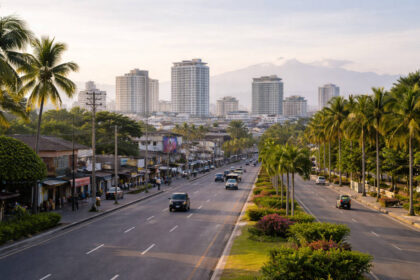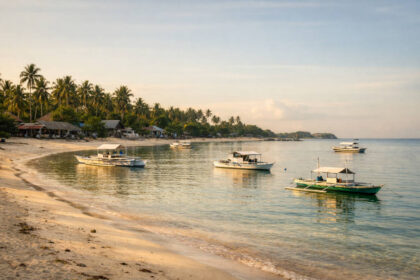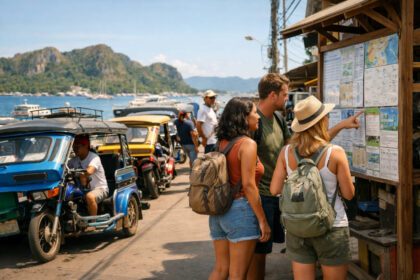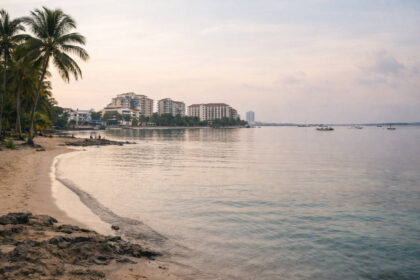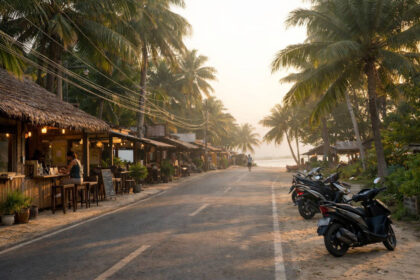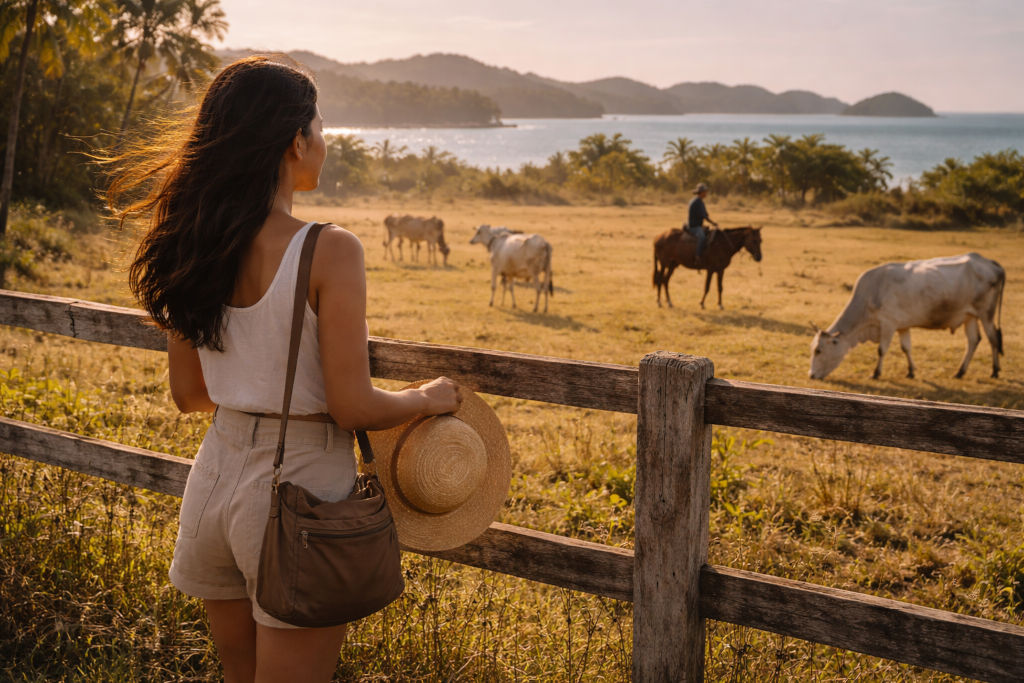
Masbate surprised me in the best way. The first thing you notice isn’t a postcard beach—it’s the feeling of being somewhere with a strong identity. At the port, there’s wind that smells faintly of salt and diesel. In town, the midday heat sits heavy on your shoulders until you find halo-halo and shade. And outside the city, the landscape opens into wide, ranch-like spaces where cattle country isn’t a theme—it’s daily life.
If you’ve been looking for a Masbate travel guide that feels honest about pacing, transfers, and what’s actually worth your energy, you’re in the right place. This is a place of contrasts that somehow fit: dust-and-cheer rodeo days, quiet beaches where your footprints last longer than your feed, and island stretches that feel underrated on purpose. If you want a trip that’s both grounded and refreshing—comfort + budget truth included—this Masbate travel guide will walk you through a real traveler rhythm: where to base, how far things actually are, what to prioritize, and how to experience ranch culture and the Rodeo Masbateño with respect.
Why Masbate: Cowboy Heart Plus Island Calm
It’s not trying to be trendy—and that’s the charm
Masbate doesn’t shout. It doesn’t feel built for viral itineraries. It feels lived-in, proud, and steady. The “cowboy” vibe is real: Masbate is known for cattle ranching, and that ranch culture shows up in everything from local stories to the energy of Rodeo Masbateño. Then, almost in the same breath, you’re looking at calm shorelines and islands that feel like they’ve been quietly waiting for you.
If you only remember one thing from this Masbate travel guide, remember this: Masbate rewards travelers who plan for calm instead of chasing a checklist.
Three pillars that make the trip satisfying
To enjoy Masbate without rushing, plan around three pillars: (1) ranch culture (cattle ranch landscapes, community identity), (2) beaches and islands (soft mornings, low-crowd energy), and (3) local rodeo (a cultural celebration, not just a spectacle). When your trip balances these, you don’t need to chase every Masbate tourist spot—you just need a good rhythm.
Masbate at a Glance: Mainland vs Ticao vs Burias
Mainland Masbate: the practical base and cultural heartbeat
The mainland (around Masbate City and nearby towns) is your logistics anchor: transport hubs, markets, more accommodation choices, and easier access to day trips. If it’s your first time, a Masbate City travel guide approach—base in the city, then branch out—keeps planning manageable.
Ticao Island: marine life, beaches, and a “next chapter” vibe
Ticao is often chosen for a beach-and-water focus. If your dream is island hopping, snorkeling, and a more “island day” pace, a Ticao Island travel guide plan makes sense—especially if you can spare extra days for transfers and weather buffers.
Burias Island: remote, raw, and best with more time
Burias leans more adventurous. It can feel farther not just in distance but in the patience required—boat schedules, sea conditions, and the reality of basic comforts. A Burias Island travel guide plan works best if you’ve built in extra time and you’re okay with fewer conveniences in exchange for quieter shores.
How to choose without overthinking
If you have 3 days: stay mainland. If you have 5 days: mainland + either Ticao or Burias. If you have a full week: you can combine more, but only if you’re not allergic to long transfers. My simplest rule (and I’ll repeat it later): don’t overpack islands in one trip—prioritize a satisfying rhythm over bragging rights.
This Masbate travel guide is built around that rule: fewer moves, more real enjoyment.
Best Time to Visit Masbate: Weather, Crowds, and Rodeo Season
Dry season comfort vs rainy season surprises
 Masbate can feel gloriously breezy or suddenly stormy. In drier months, island hopping is smoother, roads are less stressful, and beach mornings feel like exhale. During rainy periods, plans can flip fast—boats may delay, and long road trips feel longer. Build a Plan B (market food day, museum/heritage stops if available, café afternoons, or simply a rest reset).
In this Masbate travel guide, assume weather is a real character in your story: plan buffers like you mean it.
Rodeo season: when the city energy changes
Rodeo Masbateño season is when Masbate feels most electric—more visitors, more organized events, more community pride on display. If you’re specifically planning a Rodeo Masbateño festival travel guide trip, expect busier accommodations and a louder town vibe. If you’re visiting outside the festival, Masbate feels more sleepy and spacious—and ranch culture becomes something you notice in the background rather than on a stage.
Must-answer: When is Rodeo Masbateño Festival and what events should I watch?
The festival timing and official event lineup can shift year to year, so treat official sources as your final check. The Tourism Promotions Board event page is a helpful reference point: TPB Rodeo Festival listing. In general, the events that feel most “signature” are the rodeo competitions themselves—high-skill, high-adrenaline displays of horsemanship and cattle handling—plus cultural presentations that frame the rodeo as community heritage, not just entertainment.
How to Get to Masbate: Flight vs Ferry (and What’s More Practical)
Flight to Masbate: fastest when schedules align
If your goal is to maximize beach time and minimize transit fatigue, a flight to Masbate is usually the most practical—when available and within budget. It saves you from the long, layered journey of land + sea, and it’s kinder if you’re traveling with kids, elders, or limited leave days.
Ferry to Masbate: slower but flexible for some routes
A ferry to Masbate can be more budget-friendly, and for some travelers it’s part of the adventure. The trade-off is time and unpredictability: departures can be early, seas can be choppy, and delays happen. If you’re ferrying, plan like a realist: buffer time, snacks, water, and motion sickness prep.
Realistic travel time expectations
Even if a map makes Masbate look “near,” the Philippines is an archipelago and travel is layered. Between transfers, waiting time, and weather, a “half-day” transit can become a full day. Build your Masbate itinerary so your first day is gentle: arrival, check-in, a sunset stroll, an easy dinner. Don’t schedule your biggest activity on Day 1 unless you love stress.
If you’re using this Masbate travel guide for planning, treat Day 1 as your “soft landing” and you’ll enjoy everything more.
If you’re doing sea travel, these Bakasyon.ph guides can help you plan smarter: Philippines ferry travel guide and RORO routes and Philippine ferry travel advisory guide.
Must-answer: How do I get to Masbate from Manila and what’s more practical?
From Manila, flying is generally more practical if you value time and comfort, while ferry-and-land combos can work if you’re optimizing for budget and don’t mind long transit. Choose based on your leave days, sea tolerance, and whether you’re traveling during a season with more weather disruptions.
Getting Around Masbate: Roads, Boats, Transfers, Signal, Comfort Notes
Road reality: expect bumpy stretches and longer-than-expected drives
Some routes can be smooth, others bumpy. Travel time often expands because of road conditions, slow vehicles, and stops. Plan fewer far-apart activities per day. In this Masbate travel guide, I’ll keep reminding you: the island rewards patience more than speed.
Boats and island hopping: timing is everything
For islands and beach coves, your day can hinge on boat timing and sea conditions. Ask locally about the best departure times (mornings are often calmer) and be ready to pivot if the water gets rough. If you get motion sick, prep early—not when the boat is already bouncing.
Signal and cash: assume it’s not always convenient
Signal can be patchy once you leave main areas, and cash is still king in many small stops. Download maps offline, screenshot bookings, and keep small bills for tricycles, snacks, and boat fees. Comfort tip: bring a dry bag or zip pouches—spray and sudden rain are real.
Ranch Life and Rodeo Spirit: What It Is, Why It Matters, How to Experience It Respectfully
 Masbate’s cattle ranch identity (beyond the aesthetic)
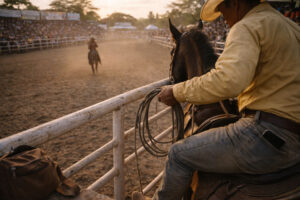
It’s easy to romanticize “cowboy” imagery, but in Masbate it’s rooted in work and community. Ranch culture here is tied to livelihood, skills passed down, and local pride. When you frame it that way, the rodeo makes more sense: it’s not borrowed costume—it’s celebration of expertise.
What Rodeo Masbateño feels like on the ground
Imagine dust lifting in the afternoon light, a crowd that alternates between cheering and holding its breath, and the kind of energy you feel in your chest before an event starts. There’s spectacle, yes, but there’s also discipline. The horses are powerful. The riders are focused. You can feel how much practice sits behind a few intense minutes.
Etiquette: respect first, always
- Ask before filming close-ups of participants, especially when they’re preparing or with their animals.
- Don’t treat people as props. Ranch culture isn’t a costume theme for content.
- Follow venue rules and stay in designated areas—safety lines exist for a reason.
- Be mindful with jokes. What feels like “fun cowboy vibes” to a visitor can be someone’s work and identity.
This Masbate travel guide is pro-respect, pro-safety, and anti-“content first” behavior.
What to wear, what to bring, and safety basics
Wear breathable clothes that can handle heat and dust. Closed shoes are safer than slippers in crowded, dusty venues. Bring water, sun protection, and cash for snacks. If you’re sensitive to heat, schedule recovery time—rodeo day can be physically draining even if you’re “just watching.”
Budget expectations for rodeo days
Costs can include tickets/fees (depending on event), transport, food, and small purchases. The bigger expense might be your accommodation if you’re visiting during peak festival days. Book earlier than you normally would.
Must-answer: Where can I experience ranch culture if I’m not there during the festival?
Outside festival season, your best bet is to experience ranch culture through the landscape and local conversations: time drives through countryside areas, local markets where ranch life is part of daily economy, and community recommendations for low-key viewpoints and ranch-adjacent areas. Ask respectfully, follow local guidance, and don’t trespass on private land. Often, the most memorable moments come from simply being present—watching cattle in the distance, feeling the quiet of wide open space, and understanding that this identity exists year-round.
Beaches and Islands: What’s Easy From Masbate City vs What Needs More Time
Easy day trips: the “don’t overthink it” shore days
From Masbate City, you can plan beach time that feels restorative without complicated logistics. These are the days you want when your body is still adjusting from travel: a manageable drive, a simple swim, a long merienda, then back to town before it gets too late.
For official destination references you can cross-check while planning, the provincial site is useful: Masbate tourist destinations.
Needs more time: island hopping and far beaches
For bigger island adventures, treat transfers as part of the itinerary—not an afterthought. Sea conditions, boat schedules, and waiting time can eat hours. This is where many Masbate itinerary plans go wrong: travelers cram too many islands, then spend more time moving than enjoying.
This Masbate travel guide keeps island add-ons realistic on purpose.
Setting expectations: quiet and underrated means fewer “conveniences”
Underrated shoreline energy often comes with trade-offs: fewer dining options, fewer ATMs, and sometimes basic facilities. Plan snacks, water, cash, and sun protection. The reward is space—beach mornings where you hear waves louder than people.
Masbate tourist spots mindset: choose by vibe
If you love calm: pick one beach and stay longer. If you love variety: do one island hopping day, then a recovery day. If you love photos: go early for soft light and fewer crowds, then put your phone down and actually swim.
Suggested Masbate Itineraries: Choose Your Own Pace
Here’s the rule that keeps a Masbate trip satisfying: don’t overpack islands in one trip. Prioritize a rhythm you can sustain—especially if you’re dealing with heat, long rides, and boat timing. Consider these templates as a flexible Masbate itinerary you can personalize.
If you’re following this Masbate travel guide closely, these itinerary templates are your safest starting point.
3D2N: “Masbate City + Nearby Beach”
Day 1: Arrive, check in, late afternoon city stroll, market merienda, early dinner. Sleep early—travel fatigue is real.
Day 2: Easy beach day trip (leave early, swim, shade break, late lunch), return to Masbate City before dusk. Optional: simple café night or waterfront walk.
Day 3: Slow breakfast, souvenir/market pass, then travel out. Keep this day light—don’t gamble with tight connections.
4D3N: “Rodeo + Recovery Beach Day”
Day 1: Arrival + rest. Hydrate, stock snacks, and do a calm dinner.
Day 2: Rodeo day. Go early, wear closed shoes, bring water. Plan a quiet dinner after—your nervous system will feel the crowd energy.
Day 3: Recovery beach day: choose somewhere easy, stay longer, do less. This is where the trip becomes enjoyable instead of exhausting.
Day 4: Breakfast, last-minute pasalubong, depart.
5D4N: “Mainland + Ticao or Burias”
Day 1: Arrive + settle in Masbate City.
Day 2: Mainland beach/countryside day—light ranch culture sights, easy shore time.
Day 3: Transfer to either Ticao or Burias. Expect a long day. Don’t schedule anything major except sunset and dinner.
Day 4: Full island day: beach or island hopping depending on conditions. Build an afternoon rest block.
Day 5: Transfer back and depart, or depart directly depending on your route.
Decision tip: If you want smoother comfort and more “vacation ease,” lean Ticao. If you want remote quiet and can tolerate more uncertainty, consider Burias. Either way, one island add-on is plenty for 5 days.
Where to Stay: Best Base Areas and Who Each Suits
Masbate City: best for first-timers and festival timing
If you want a reliable base with easier transport, food choices, and access to key logistics, stay around Masbate City. It’s also the practical pick if your trip is centered on Rodeo Masbateño events.
Beach-adjacent stays: for slower mornings and quieter nights
If your goal is to wake up closer to the sea, consider staying nearer to a beach area (where available) for at least part of the trip. Just remember: the quieter the area, the more you should plan food and cash.
Budget to midrange guidance without hype
For budget stays, prioritize location and basic comfort: clean bed, decent ventilation or aircon, and safe access at night. For midrange, pay for what truly upgrades your trip: reliable power, a comfortable bathroom (underrated), and staff who can help coordinate tricycles/boats.
This Masbate travel guide approach is simple: pay for what reduces stress, skip what’s just “nice on paper.”
If you want to explore other destinations after Masbate, you can browse more guides here: Bakasyon.ph Travel Guides.
What to Eat and Buy: Market Vibes, Merienda Stops, and Practical Ordering Tips
Eat like a traveler, not a critic
Some of the best meals in Masbate won’t be “famous.” They’ll be the ones that hit exactly right after a hot morning: warm rice meals, grilled finds, simple broths, and merienda that feels like comfort. When in doubt, ask what’s fresh and what’s popular with locals that day.
Market mornings: where the trip feels most alive
Go to the market early when it’s cooler and the displays are fullest. This is where you’ll feel the everyday rhythm: vendors calling out prices, plastic bags rustling, the smell of ripe fruit and fried snacks, and the small joy of eating something while standing—because it’s just that kind of morning.
Pasalubong mindset: buy small, buy meaningful
Instead of hauling a suitcase of random items, pick a few things that remind you of the trip: local snacks, dried goods, or simple crafts if available. Keep it practical—your future self will thank you when you’re not juggling fragile souvenirs on a long ride.
Budget Guide: Daily Ranges and the Costs That Surprise People
Budget traveler range (rough daily)
If you’re traveling simply—basic accommodations, local meals, tricycle rides, and one or two paid activities—your daily cost can stay relatively low. The key is to avoid pricey last-minute transport decisions and to plan boat days thoughtfully.
Midrange range (rough daily)
Midrange usually means aircon comfort, better-located stays, occasional private transfers, and a more relaxed food budget. This is often the sweet spot for travelers who want to enjoy the trip without constantly calculating every purchase.
What surprises people most
- Transfers add up: tricycles + boats + waiting time can quietly inflate costs.
- Festival timing: Rodeo season can raise accommodation demand.
- “Convenience” spending: last-minute private rides, extra baggage fees, or rushed itinerary fixes can cost more than planned.
Plan one “buffer amount” specifically for transport surprises. It’s not overbudgeting—it’s reality-proofing your Masbate itinerary.
If you want a Masbate travel guide that protects your budget, this is the line to underline: transport buffers are not optional in island provinces.
Travel Tips and Mistakes to Avoid: Boats, Cash, Motion Sickness, Rain Plan
Mistake: cramming too many islands
This is the most common Masbate planning trap. Travel time is real, and a rushed island-hopping schedule can turn magical beaches into stressful check-ins. Choose one island add-on and do it well.
Mistake: ignoring boat timing and sea conditions
Ask locals about the best time to go out and when seas get rough. Keep mornings for boats when possible, and don’t book tight connections on the same day as major boat transfers.
Mistake: assuming card payments and strong signal everywhere
Carry cash, keep small bills, and save offline copies of reservations and IDs. Signal can drop right when you need it most. Also, bring a power bank—charging opportunities may be limited during long days out.
Motion sickness prep that actually helps
Eat something light before boarding, use your preferred motion-sickness support early if you need it, sit where movement feels less intense, and keep your eyes on the horizon. Pack ginger candies or tea if that works for you.
Rain Plan B ideas (so you don’t spiral)
When weather flips, pivot to the pleasures that still work: a long market food crawl, a café afternoon, a slow waterfront walk between showers, or simply an early night. If you’re traveling during a festival window, rainy moments are also a chance to explore cultural exhibits or community events that aren’t weather-dependent.
This Masbate travel guide philosophy is simple: Plan B is not “failure,” it’s how you stay relaxed.
Quick FAQ: Choosing Areas, Days Needed, Common Hassles
Should I choose mainland, Ticao, Burias, or combine them?
If it’s your first visit and you have limited days, choose mainland. If you have 5 days, combine mainland with either Ticao or Burias. Combine more only if you’re okay with long transfers and you’re building buffers for weather and schedules.
How many days do I need for a satisfying Masbate trip?
Three days is enough for a Masbate City travel guide style intro: city base + a nearby beach day. Four days feels more comfortable if you’re doing Rodeo Masbateño or you want a true recovery day. Five days is ideal if you want to add a Ticao Island travel guide or Burias Island travel guide side without rushing.
What are the common hassles and how do I prepare?
Common hassles include long travel times, unpredictable boat schedules, patchy signal, and the way heat can slow you down. Prepare by bringing cash, downloading offline maps, building buffer time, packing sun/rain protection, and planning fewer major activities per day.
If you want context on festivals as cultural experiences (not just photo ops), this guide is a good companion read: Philippine festivals and food traditions. And if you’re pairing Masbate with other shore trips later, you might also browse best beach resorts on Luzon island for contrast planning.
Masbate isn’t a place you “conquer” with a checklist. It’s a place you settle into. Let your trip have dust and salt. Let it have slow mornings and unexpectedly long rides. Let it have one day that’s pure joy—watching a rodeo crowd erupt, or floating in calm water with nobody rushing you. If you plan with respect, buffer time, and a little humility, Masbate gives back in a way that feels honest and unforgettable.
That’s the heart of this Masbate travel guide: calm pacing, real buffers, and a trip that fits your energy instead of fighting it.