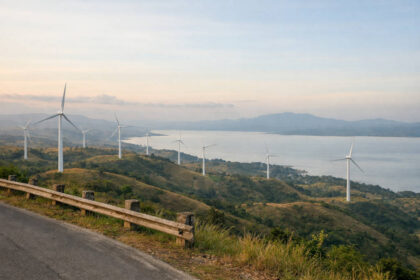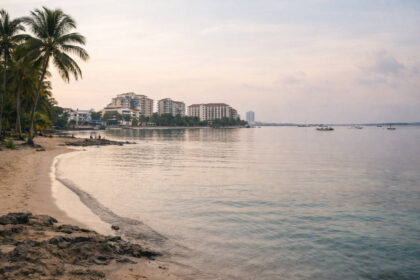
If you’re planning a Manila itinerary 24 hours for the first time, the biggest “secret” is accepting how Metro Manila moves. On a map, neighborhoods can look close; in real life, travel time can stretch—especially during rush hours or after rain. This guide keeps things low-stress by following three defaults: cluster by area, protect midday with indoor stops or a real rest, and build buffers so queues and traffic don’t break the day.
How to use this itinerary: pick Version A (heritage + food) if you want classic sights and a Binondo bite-focused afternoon. Pick Version B (modern + bayside) if you want a walkable district, aircon breaks, and a calm route to Manila Bay sunset. Either way, treat the times as a friendly structure, not a strict schedule.
Choose Your Version
Version A: Heritage + Food — Intramuros + National Museum/Rizal Park + Binondo + Manila Bay sunset. Best if you want history and a food crawl in one day and don’t mind a few transfers (with buffers).
Version B: Modern + Bayside — Choose ONE district (Makati) + comfort breaks + Manila Bay sunset. Best if you want predictable walking, indoor options, and fewer moving parts.
Before You Start: Smart Defaults
Start time recommendation
Aim for an early start—around 8:00 AM (or earlier if you’re an early riser). Intramuros is most comfortable before the heat index climbs, and museums feel calmer before midday crowds.
What to bring
- Water (refill when you can)
- Hat or umbrella for shade (also handy for sudden rain)
- Light layer for strong aircon in museums and malls
- Small cash for quick purchases and small eateries
- Comfortable shoes—Manila days are often more walking than you expect
Transport cheat sheet
- Grab (simplest): best for point-to-point moves, especially in heat, rain, or when you’re tired.
- Walking (best inside clusters): Intramuros, museum zone paths, and modern districts are easiest when you stay within the area.
- MRT/LRT (optional alternative): can help avoid road traffic on certain corridors, but stations and crowds can add friction. Use it if you’re comfortable with urban rail; otherwise Grab keeps the day calmer.
If you want a practical “choose-this-not-that” guide for moving around, see Manila without a car for area-by-area transport choices and safety basics.
Queues and staying calm
Queues can happen—at museums, popular food spots, and even ride pickups during rush hours. The low-stress strategy is to do “one building well” instead of trying to cover everything, and to treat meals as flexible: choose what looks manageable, not what you feel pressured to “complete.”
VERSION A: Heritage + Food (Intramuros + Museum/Park + Binondo + Sunset)
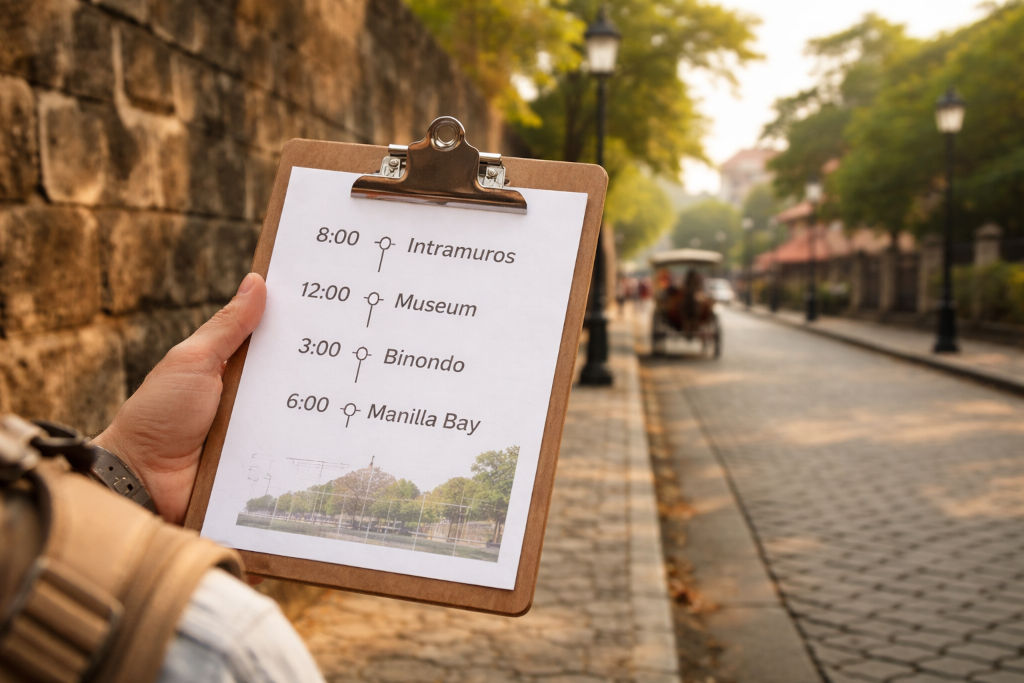
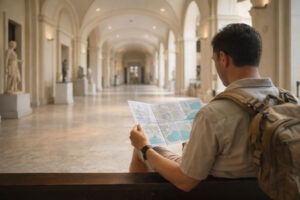 This version is a classic Manila one day itinerary layout that stays mostly in a heritage-and-food corridor. It has buffers built into every block so you can absorb traffic, heat, and slowdowns.
Morning Block: Intramuros Cluster (2.5–3.5 hours, including buffer)
8:00 AM – 11:30 AM (flexible)
Goal: See a few iconic heritage stops without overpacking. Most of this block is walking inside Intramuros.
- 8:00–8:20 — Arrival buffer + orient yourself (bathroom, water, quick check of the day)
- 8:20–9:30 — Choose ONE main anchor: Fort Santiago area or a heritage church focus (this keeps the pace gentle)
- 9:30–10:00 — Short walk/photo loop (choose one scenic stretch rather than roaming everywhere)
- 10:00–10:30 — Optional quick museum stop (only if you’re enjoying the pace; skip if you feel rushed)
- 10:30–11:30 — Heat buffer: shaded break or cafe stop + slow walk back toward your exit point
Stops to choose from (do not overpack): Fort Santiago area, San Agustin Church area, a short wall/heritage street photostop, optional quick museum/gallery stop.
Transport guidance: Walk inside Intramuros. To go to the next area, Grab is typically the simplest—especially if it’s already hot. LRT is an alternative if you’re comfortable with rail and want to avoid road traffic, but it can add station-navigation steps.
If you want extra context before you go, this Intramuros guide helps you choose which corners matter most so your Manila itinerary 1 day doesn’t turn into a long list of “maybe” stops.
Midday Block: National Museum and/or Rizal Park (2–3 hours, including buffer)
11:30 AM – 2:30 PM (flexible)
Goal: Protect the hottest part of the day with indoor time or a calmer park reset.
Simple choice (pick one):
- Option 1 (best for first-timers): ONE main museum building + short Rizal Park walk
- Option 2 (if museum lines feel heavy): Longer Rizal Park reset + a shorter indoor stop (or skip museum today)
- 11:30–12:10 — Travel + entry buffer (bathroom, water, tickets/entry procedures)
- 12:10–1:40 — Museum time (choose one building; enjoy it slowly)
- 1:40–2:10 — Rizal Park short walk (shade, photos, breathe)
- 2:10–2:30 — Buffer for regrouping (snack, water refill, decide if you’re ready for Binondo)
Queue strategy: Arrive before peak if you can (another reason the early Intramuros start helps). If lines are long, do “one building well,” then move on. For official advisories and hours, check the National Museum website before you lock in the midday block.
Where to eat (no overpromising): If you want a calm reset, eat near the museum/Ermita area using simple criteria: aircon, quick service, clean seating, easy payment. If you’d rather save appetite for Binondo, keep lunch light (snack or early merienda) and treat Binondo as your main meal window.
Afternoon Block: Binondo Food Crawl (2–3 hours, including buffer)
2:30 PM – 5:30 PM (flexible)
Goal: A satisfying Binondo walk without chasing a long checklist. Binondo is crowded—plan for slower movement and short queues.
- 2:30–3:10 — Travel buffer to Binondo + entry/orientation (where you’ll start, where you’ll end)
- 3:10–4:40 — 2–3 food stops maximum (slow pace; sit when you can)
- 4:40–5:10 — Dessert or coffee break (deliberate rest, not an afterthought)
- 5:10–5:30 — Buffer to regroup + book your sunset ride
Transport: Grab is the simplest way to enter the Binondo core without complicated transfers. Once you’re inside the core streets, do it on foot.
How to choose where to eat (without overpromising): Pick 2–3 stops that feel manageable: one noodle/soup bowl, one dumpling/bun-style bite, and one dessert. Let the crowd guide you—if the queue looks long and you’re tired, choose the next good-looking option rather than forcing a “must-try.”
For a neighborhood-based approach (what to eat by area and how to pace it), use Manila food neighborhoods as your quick reference.
Comfort note: In crowds, keep your phone and wallet secure, and keep your bag in front—basic city awareness, calmly done.
If you prefer a guided route structure, this Binondo food tour guide can help you plan a tight walking loop so you’re not doubling back.
Late Afternoon to Evening: Manila Bay Sunset (1.5–2.5 hours, including travel + buffer)
5:30 PM – 8:00 PM (flexible)
Goal: A simple, restorative finish. Protect your energy—this is where the day can feel most rewarding if you don’t cram extras.
- 5:30–6:30 — Travel buffer to Manila Bay area (traffic can spike late afternoon)
- 6:30–7:15 — Short baywalk + sit-down rest (even 15 quiet minutes helps)
- 7:15–8:00 — Simple dinner nearby based on comfort level (aircon option if you’re overheated; breezier option if weather is good)
Transport: Grab is the most straightforward. If you can, start moving toward the bay before peak rush fully builds—small timing shifts can make your 24 hours in Manila itinerary feel much calmer.
Optional add-on: If energy is low, skip extra stops and protect sunset + rest. A low-stress day ends better when you stop “optimizing” the last hour.
If You’re Behind Schedule (Mini Guide)
- Behind by 60–90 minutes: Choose Intramuros or Binondo as your “main event,” not both. A calmer day beats a rushed checklist.
- If it’s very hot: Reduce outdoor wandering. Do a shorter Intramuros loop, then prioritize museum/aircon breaks and a seated meal.
- If queues are heavy: Do one museum building only, or switch to a longer Rizal Park reset and save museums for another trip.
VERSION B: Modern + Bayside (Makati + Manila Bay Sunset)
For first-timers who want fewer moving parts, I’m choosing Makati for Version B. The calm reason: it’s easy to structure a day around walkable pockets (Ayala area + nearby villages), it’s comfortable to take deliberate aircon breaks, and it’s straightforward to end the day with a ride to Manila Bay. BGC is also a good modern option, but Makati tends to give you more “one-day” variety (malls, cafes, museum option, and evening dining) without hopping around.
Morning to Early Afternoon: Makati Comfort Day (4–5.5 hours, including buffers)
9:00 AM – 2:30 PM (flexible)
Goal: A modern, low-stress day that uses malls and cafes as comfort tools (aircon, bathrooms, water, regroup).
- 9:00–9:30 — Arrive + coffee start (set a calm pace early)
- 9:30–10:30 — Walkable core loop (Ayala area + shaded streets where possible)
- 10:30–11:30 — Indoor option: museum/indoor cultural stop if it fits your interests (or swap to a second cafe if you’re not in a museum mood)
- 11:30–12:30 — Deliberate mall/rest break (bathroom, water, cool down, small shopping if you like)
- 12:30–1:30 — Sit-down lunch (aircon + comfortable seating)
- 1:30–2:30 — Buffer hour (slow browsing, a short walk, or an early dessert)
Transport: Walk within Makati pockets; Grab is simplest for any short repositioning. MRT is an optional alternative for experienced commuters, but it’s not required for this itinerary.
Late Afternoon: Travel Buffer to Manila Bay (1–1.5 hours)
 2:30 PM – 4:00 PM (flexible)
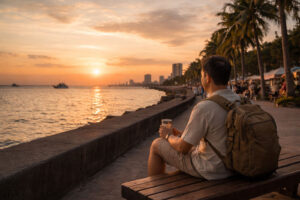
Start shifting toward Manila Bay earlier than you think you need to. Late afternoon traffic can spike, and arriving early is the calm move. If you get there with extra time, that’s a win—you can sit, hydrate, and enjoy the light changing.
Evening: Sunset + Simple Dinner (2–3 hours, flexible)
4:00 PM – 7:00 PM+
- Sunset: A short bayside walk, then a seated rest. Keep it gentle—your feet will thank you.
- Dinner: Choose based on comfort: aircon dining if you’re overheated, or a breezier option if the weather is pleasant.
- Optional: If you want a light night-out vibe without overdoing it, choose one easy spot and call it a day.
If It Rains: Simple Indoor Swap Plans
If you want a ready-made wet-weather structure with indoor routes, see this Manila rainy-day itinerary and swap it in without trying to “push through” the weather.
Rain swaps for Version A (heritage + food)
- Prioritize the National Museum: Choose one building and do it slowly; shorten Rizal Park.
- Intramuros adjustment: Keep to the most sheltered/indoor stops (church area, quick museum) and reduce long street wandering.
- Binondo adjustment: Reduce to 1–2 food stops close together; pick places with seating if possible.
- Sunset decision: If the rain is heavy and visibility is poor, treat dinner as the “main finish” instead of forcing the baywalk.
Rain swaps for Version B (Makati + bayside)
- Stay district-indoor: Use malls, cafes, and indoor cultural stops to keep the day comfortable.
- Manila Bay decision: Go only if weather improves near late afternoon. If not, choose an indoor dinner area and end the day warm and dry.
Safety Tips (Calm and Specific)
- In crowded areas (Binondo, busy streets), keep your phone secure and your bag in front.
- Avoid unmetered taxi hassles by using Grab when possible.
- Be cautious with overly insistent “guides” offering unsolicited help—polite decline, keep moving.
- Cross roads carefully; traffic flow can be fast and unpredictable at some intersections.
- Hydrate and take shade breaks—fatigue makes everything feel harder.
If you’re traveling as a family and want more low-stress planning (nap timing, indoor backups, and easy pacing), use Manila with kids as an add-on reference.
What to Book Ahead (Only What’s Truly Helpful)
Most stops in this Manila itinerary 24 hours are doable as walk-ins. Booking ahead is mainly helpful if you want structure and fewer decisions on the day:
- A guided Intramuros tour (if you enjoy context and a fixed route)
- A museum guided experience (when available) if you want deeper storytelling
- A reserved dinner slot in busy areas, especially if you’re ending the day in a popular dining district
Rough Budget Ranges (PHP, Day Totals)
These are intentionally rough ranges, not exact quotes. What drives the difference most is transport (Grab vs rail/walking) and meals (quick eats vs sit-down comfort).
- Budget (PHP 1,200–2,200): mostly walking/public transit, quick eats, minimal paid attractions.
- Mid (PHP 2,500–4,500): mix of Grab rides, one sit-down meal, one paid add-on if you choose (or extra coffee breaks).
- Comfort (PHP 5,000–8,500): mostly Grab, more aircon rests, nicer meals, optional guided tour.
Want to Swap Stops Based on Interests?
If you want to customize your day beyond the default route, use this list of things to do in Manila as your swap menu. The key: keep swaps inside the same corridor so you don’t lose the day to traffic.
- More heritage: Spend longer in Intramuros and drop Binondo, or shorten the museum block.
- More museums: Do a deeper National Museum block (still “one building well,” then optional second only if energy is good) and keep Binondo shorter.
- More shopping/aircon comfort: Shift time into mall/rest breaks in Makati and reduce outdoor walking segments.
- More sunset/relax: Arrive earlier at Manila Bay, keep the afternoon lighter, and choose a comfortable seated dinner.
If you’re still deciding what style of day fits you, this Manila culture-and-planning guide can help set expectations so your one-day plan feels kinder to your energy.
Manila Itinerary 24 hours FAQ
Is 24 hours enough in Manila?
It’s enough for a satisfying “first layer”: one heritage cluster, one indoor midday block, and one strong finish (food or sunset). The trick is choosing fewer stops and building buffers.
Grab vs MRT/LRT: which is better for a one-day plan?
Grab is simpler for first-timers and keeps directions easy. MRT/LRT can help avoid road traffic on certain routes, but stations and crowds can add friction—use it if you’re comfortable with rail commuting.
What’s the best start time?
Start around 8:00 AM for Version A (heritage + museums) to avoid heat and reduce queues. For Version B (Makati), 9:00 AM is still comfortable.
How do I avoid queues at museums and popular spots?
Arrive earlier, avoid peak midday when possible, and commit to “one building well.” If a line feels too long, swap to a park reset or a cafe break instead of forcing it.
What should I do if it rains?
Go indoor-first: museum, malls, cafes. Shorten park time and reduce street wandering. Decide on Manila Bay late afternoon based on visibility and comfort.
Is Manila safe for tourists?
Generally yes with standard big-city habits: keep valuables secured in crowds, use Grab to avoid transport hassles, and be cautious with overly insistent offers of help.
What do I skip if I’m running late?
If you’re behind by 60–90 minutes, choose Intramuros or Binondo as the main event (not both), keep the museum to one building, and protect sunset/dinner as your calm finish.