If you’re planning your first boat day, this guide is here to make island hopping feel simple, not stressful. These island hopping Philippines routes are designed as easy loops: you return to the same base, you don’t overpack your schedule, and you keep safety and comfort at the center.
How to use this guide: treat every route as “typical,” not guaranteed. Island hopping is weather-dependent, and sea conditions decide the final order (or whether you go at all). Build flexibility into your trip, prioritize reputable operators, and understand the key choice that changes everything: joiner tour vs private charter.
A beginner’s approach to island hopping in the Philippines
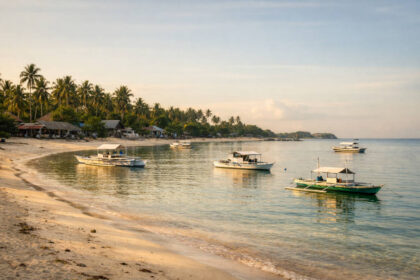
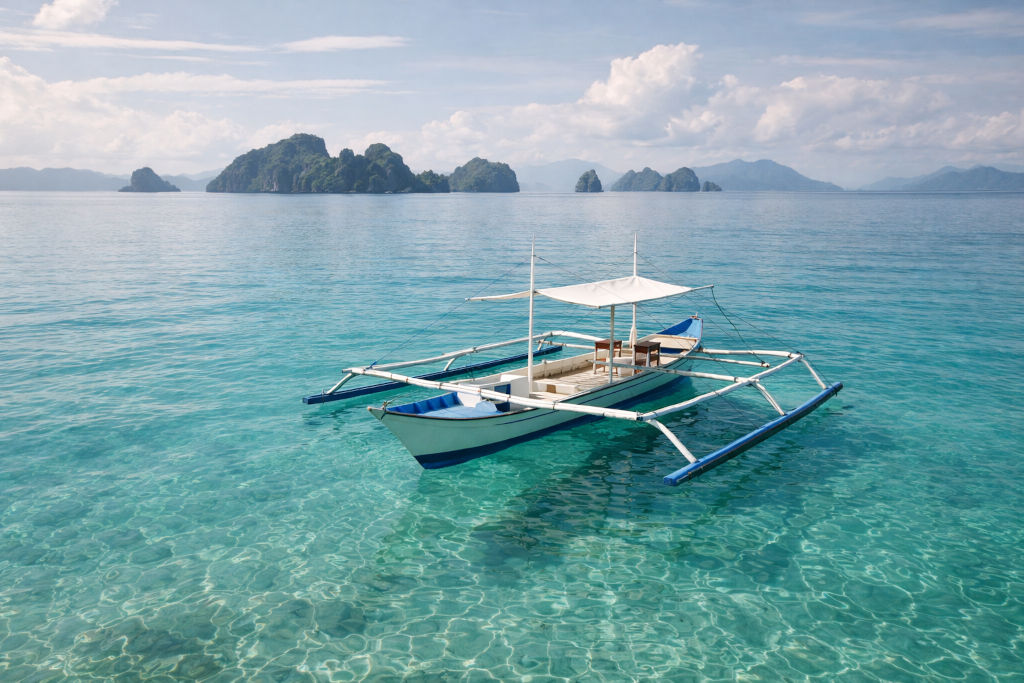
 Island hopping here usually means a traditional bangka boat, a handful of stops (lagoons, sandbars, snorkel sites), and a simple lunch setup. The magic is real, but your experience depends on pacing, weather, and the operator’s safety culture. If you pick calmer, base-and-return island hopping Philippines routes, you get the scenery without turning your day into a logistics marathon.
Joiner vs private boat (what changes: cost, pace, crowds)
Joiner tour: you share the boat with other travelers. It’s budget-friendlier and social, but you follow a group pace and may visit popular stops at busy times.
Private charter: you pay for the boat (usually split among your group). It costs more, but you can leave earlier, linger longer, and choose stops that suit kids, seniors, or seasick-prone travelers.
Weather reality and flexibility (why plans change)
Even in “good season,” wind and waves can shift fast. A responsible operator will adjust the order, swap stops, or cancel if conditions aren’t safe. That’s not a failure, that’s good decision-making.
Reality check: the calmest island-hopping day is the one where you accept changes early and keep a low-stress Plan B ready.
Island hopping Philippines routes: Palawan easy loops (El Nido and Coron)
 Palawan is the classic first-timer dream: limestone cliffs, glassy lagoons, and snorkel spots that feel like postcards. For a deeper planning base, keep this open: Palawan island-hopping guide.
El Nido day loop (tour groupings: lagoons vs beaches vs snorkel)
Typical sequence: early boat departure, a lagoon or cove first (before it gets crowded), then a snorkel stop, then a beach break for lunch, then a final swim stop on the way back. The exact stops depend on the tour grouping and sea conditions.
Best for: first-timers who want iconic scenery without overthinking. Choose a loop based on your priority: lagoons (kayak-friendly), beaches (chill day), or snorkel emphasis (bring confidence in the water).
Ballpark budget: for island hopping Philippines routes in El Nido, joiner tours are typically around ₱1,200–₱2,500 per person; private charters often start around ₱6,000–₱14,000+ per boat (split among your group). Add-ons like lagoon/kayak rental, environmental fees, and snorkel gear rental may apply and vary by site and operator.
Reality check: lagoons can feel crowded midday. If you’re noise-sensitive, ask about earlier departures and quieter stop order.
Coron day loop (lagoons plus snorkel highlights, not rushed)
Typical sequence: a calm lagoon-style stop early, then a couple of snorkel sites with clear briefing and buddy checks, then a beach or sheltered cove for lunch, then one more swim stop before returning. Operators may rearrange depending on waves and visibility.
Best for: travelers who want a mix of scenic water and snorkeling, plus first-timers who prefer a “steady pace” day rather than hopping nonstop.
Ballpark budget: for island hopping Philippines routes around Coron, joiner tours often land around ₱1,500–₱3,000 per person; private charters commonly range around ₱7,000–₱18,000+ per boat depending on inclusions and group size. Marine sanctuary/environmental fees and gear rental may apply and vary.
For route ideas and land-based add-ons you can use as a backup day, see: Coron travel guide.
Reality check: Coron can involve more time on the water between stops. If you get seasick, choose calmer seasons, sit near the center of the boat, and avoid an empty stomach.
Bohol easy loop (Panglao-based)
 Bohol is beginner-friendly when you base in Panglao and keep expectations simple: one good sandbar moment (if conditions allow), one solid snorkel site, then back before the day feels long. For coastal planning ideas you can pair with an island-hopping day, use the Bohol coastal escapes guide. For travelers collecting island hopping Philippines routes that do not feel rushed, this is one of the easiest to pace gently.
Typical sequence (early boat, sandbar if conditions allow, snorkel, back midday/afternoon)
Typical sequence: early departure to catch calmer seas, a sandbar stop if tide and crowd conditions allow, then a snorkel or marine sanctuary area with a guide, then a relaxed return for lunch or an afternoon nap.
Best for: families, first-timers who want a shorter boat day, and travelers who prefer calm shallow-water moments over long open-sea rides.
First-timer notes (marine sanctuary etiquette, fees may apply)
 Ballpark budget: for island hopping Philippines routes in Bohol/Panglao, joiner trips often range around ₱1,000–₱2,500 per person; private boats commonly fall around ₱5,000–₱12,000+ per boat depending on inclusions and group size. Marine sanctuary/environmental fees, snorkeling guide fees, and gear rental may apply and vary locally.
Reality check: marine sanctuary rules are strict for a reason. Listen to briefings, don’t step on coral, and keep a respectful distance from wildlife.
Siargao easy loops
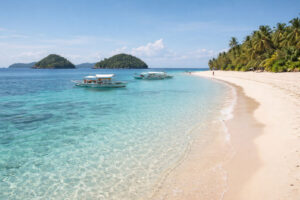 Siargao isn’t only for surfers. It’s also great for gentle, easy-to-understand island days, especially if you like a slower, barefoot rhythm. For a broader base plan beyond the boat day, open the Siargao travel guide. If you want island hopping Philippines routes that feel light and friendly for mixed groups, Siargao is a strong pick.
Tri-island day (typical order: Naked, Daku, Guyam—depending on conditions)
Typical sequence: a quick sandbar-style stop first (when tides and wind cooperate), then a longer beach stop for swimming and lunch, then a smaller islet stop to end the day. The order can flip based on weather, crowd flow, and tides.
Best for: chill beach lovers, beginner snorkelers who want an easy day, and groups with mixed energy levels (some want to swim, others want to sit and snack).
Ballpark budget: for island hopping Philippines routes in Siargao, joiner options often land around ₱1,000–₱2,500 per person; private boats frequently range around ₱4,500–₱12,000+ per boat. Fees for environmental access, island visits, and gear rental may apply and vary.
Reality check: sandbars are tide-dependent. If your “must-have” is a sandbar photo, build emotional flexibility, it might not show up the way you imagined.
Alternate day option (Sohoton-style nature day as a plan B)
If you want caves, lagoons, or a nature-heavy day, a Sohoton-style trip is a common alternate. Seasonality and conditions matter (for example, jellyfish experiences are not year-round and rules can change), so always confirm current access, safety requirements, and environmental rules with official local advisories and your operator.
Reality check: nature days often mean longer travel time and more variables. Choose it when your schedule has breathing room.
Caramoan easy loop (Camarines Sur)
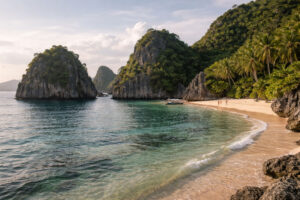 Caramoan is gorgeous and wilder-feeling, more rock islets, more “raw” shoreline energy. It can also be rougher on windy days, so the operator’s weather calls matter a lot. For nearby planning context you can use to build a softer itinerary, see the Camarines Sur travel guide. Among island hopping Philippines routes, this one is best treated as “weather-permitting” first.
Typical island-hopping day (Matukad/Lahos-style stops; weather calls matter)
Typical sequence: an early start, one scenic cove or beach stop first, then a couple of neighboring islets with swim breaks, then a lunch stop in a sheltered area, then a final quick swim before heading back. Stops and order vary with waves.
Best for: travelers who want dramatic scenery and don’t mind a bit of adventure; not ideal for very seasick-prone travelers on choppy days.
Ballpark budget: joiner options are less standardized and may be seasonal; a common planning range is ₱1,500–₱3,500 per person when available. Private charters often range around ₱6,000–₱16,000+ per boat depending on route length, inclusions, and group size. Environmental fees and gear rental may apply and vary.
Reality check: if the sea feels rough early, speak up. A good operator will adjust, shorten, or cancel rather than push through.
Comfort tips (start early, pack light, confirm boat safety gear)
Start earlier for calmer waters, pack lighter than you think (your arms will thank you), and confirm life jackets are available in correct sizes before you board. If you’re traveling with kids, ask specifically about child-sized life vests.
How to choose reputable boat operators (the checklist)
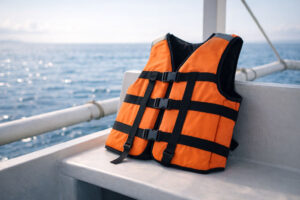 This is the part that protects your trip. A properly fitting life jacket for every passenger when the boat is moving is a non-negotiable, no “later,” no “we have a few.” Even the best island hopping Philippines routes will feel stressful if the operator cuts corners.
Green flags (what you want to see)
- Clear inclusions and exclusions (written, not just verbal).
- Written cancellation/weather policy that prioritizes safety.
- Proper life jackets for every passenger in correct sizes.
- They do a passenger manifest and limit capacity (no overcrowding).
- Safety briefing (including reef rules) before departure.
- They respect marine sanctuaries and enforce no-touch wildlife behavior.
DOT accreditation is also a strong plus for tourism enterprises. You can start your verification here: DOT accreditation reference.
Red flags (walk away calmly)
- No life jackets in sight, or only adult sizes for a mixed group.
- Overcrowding or pressure to “fit one more.”
- Pressure to go out in bad weather or dismissing your concerns.
- Vague fees that appear later (“additional” with no explanation).
- “Cash only, no receipt,” plus no clear business identity or contact trail.
If you want a deeper look at safety expectations for passenger boats, this reference is helpful context (still confirm your local operator’s compliance): MARINA safety requirements reference.
Ballpark budgets (simple tiers and what affects price)
Use these as planning ranges, not promises. Prices vary by season, group size, route length, inclusions (lunch/gear), and local fees. If you are comparing island hopping Philippines routes, the biggest cost lever is usually joiner vs private, followed by how far the boat has to travel and how many fees stack up.
Lean: joiner tours, basic inclusions, bring your own mask/snorkel if you have one.
Comfortable: joiner plus a few add-ons (kayak/gear), or a small-group private split among friends.
Premium: private charter for a flexible pace, earlier departure, and a route chosen around your comfort (kids, seniors, seasickness).
What to do if the tour is canceled (low-stress backup plan)
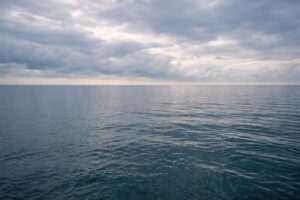 When weather cancels, don’t fight it. Swap to an inland or on-foot day: a relaxed food trip, a café hop with a book, a small museum visit, a viewpoint at golden hour, or a true rest day where you just reset your body.
Use your canceled-day window to prepare for the next safe opening: charge devices, repack your dry bag, confirm the next day’s forecast with your operator, and ask what changes in the route if seas stay choppy.
Reality check: a canceled boat day can still be a good travel day. The Philippines rewards flexibility, and the best island hopping Philippines routes are the ones you take on a safe, calm sea.