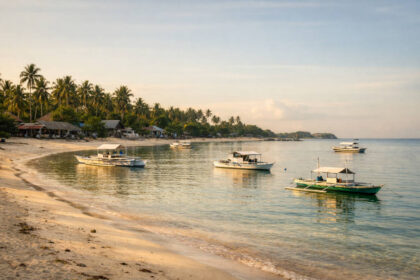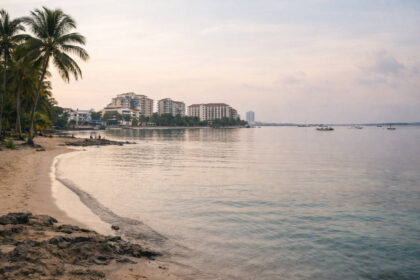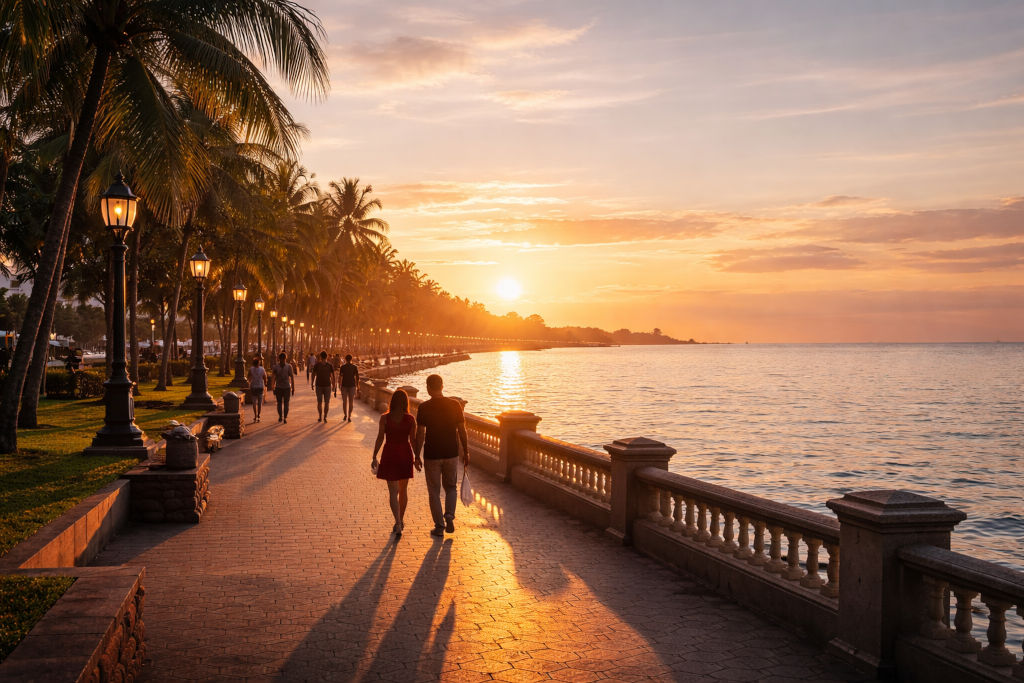
The sea breeze arrives first—cool and slightly salty—before the sun fully lifts over the water. On Rizal Boulevard, the morning light is soft enough to make everything look kinder: the bay, the palms, the slow footsteps of joggers, the tricycle passing with a quiet hum. I’m holding warm coffee in both hands, letting it thaw my fingers just a little. Dumaguete has this calm personality that doesn’t need a spotlight. It offers small, steady moments: a seaside pause, a short walk to a heritage corner, a dessert run you can turn into an afternoon ritual. This Dumaguete travel guide is built around that promise—gentle streets, seaside breaths, and history you can actually reach on foot.
Before we sink into the slow pace, a quick reality check (because gentle trips still need smart planning): some museum visits may require arrangements and weekday hours; Apo Island day trips depend on sea conditions and local schedules; and even in a walkable city, you’ll still use tricycles when the sun gets too strong or when you’re hopping to the next neighborhood. If you want to keep building a Philippines itinerary in the same calm, practical style, bookmark more detailed travel guides around the Philippines for later.
Dumaguete travel guide: Why the City Feels Gentle on Your First Walk
Dumaguete is often called the “City of Gentle People,” and visitors usually understand why within a day. It’s not that everything is perfectly quiet—there are busy corners and honking hours—but the city’s rhythm feels human-scaled. The boulevard invites strolling instead of rushing. Downtown blocks are close enough to walk without turning it into a workout. Even when you take a tricycle, it’s typically a short hop, not a whole commute.
The “gentle” feeling also comes from how the city lets you do simple things well: drink coffee without needing a reservation, browse a bookstore-like corner near campus, sit by the sea with takeaway snacks, and end the day with dessert that locals have loved for years. Dumaguete isn’t asking you to conquer it. It’s asking you to pay attention.
If you want a quick background snapshot of the city’s location and basic context, you can check https://en.wikipedia.org/wiki/Dumaguete—but the real Dumaguete travel guide experience is best understood with your shoes on and your pace turned down.
Getting Oriented: Walkability, Tricycles, and Timing Your Day
The easiest way to enjoy Dumaguete is to treat it like a series of short walks connected by small breaks. The boulevard-downtown-heritage loop is very doable on foot if you’re comfortable walking in warm weather and taking shade pauses. Tricycles (the local “trike”) are everywhere for when you want to save energy, skip the midday heat, or head to areas outside the immediate center.
When to walk vs when to ride
Walk early morning and late afternoon when the light is gentle and the breeze helps. Ride around noon if the sun turns sharp, especially if you’re museum-hopping or carrying pasalubong. Tricycle fares can vary by distance and time; a polite “Magkano po hanggang…” before you get in keeps things smooth.
Best season and how to plan around rain and rough seas
Dumaguete is generally a year-round destination, but your Apo Island plan will feel easier during calmer-weather months when seas are more predictable. During rainier stretches (and the months when winds can roughen the water), build flexibility. If your main reason for coming is snorkeling, give yourself a backup day or a Plan B itinerary so you’re not stressed if boats don’t go out.
Quick prep that saves your mood
For a gentle city, Dumaguete is still outdoorsy in the best ways—walks, sun, sea breeze, sudden showers. Pack light but smart: a reusable water bottle, sun protection, a small towel, and sandals you can actually walk in. If you want a quick refresher before you fly or ferry, review smart packing tips for travelers and save yourself from the “why didn’t I bring that?” moment.
Rizal Boulevard Day: Sunrise Walks, Shade Breaks, Sunset Snacks
Rizal Boulevard isn’t just a place you “visit.” It’s something you return to—morning and evening—because it quietly holds the city together. Here’s how to let a full boulevard day unfold as a series of small moments, not a checklist.
Sunrise: coffee, soft light, quiet footsteps
Wake up early once, even if you’re not a morning person. Sunrise at the boulevard feels like Dumaguete’s true personality—unhurried, breezy, and lightly social. Joggers move in pairs. Students drift by with backpacks. A few locals sit facing the water like it’s their daily meditation. Bring coffee (or buy something warm nearby) and walk without destination. This is where Dumaguete travel guide memories start to feel personal.
Late morning: the gentle art of pausing
As the sun climbs, the boulevard shifts. It becomes brighter, busier, and more “daytime.” This is your cue to do what locals do well: take shade breaks. Sit under trees, watch the water change color, and let your plans stay loose. If you’re traveling with family or older companions, this rhythm is a gift—there’s always a bench, always a place to pause.
Midday: escape the heat without leaving the mood
Midday is perfect for indoor pockets—cafés, quiet museum corners (when open), or a slow lunch where you can cool down. If you still want to be near the water, pick a shaded spot and keep it simple: hydrate, snack, and let the heat pass. Dumaguete doesn’t reward rushing at noon; it rewards timing.
Sunset: the best light for the boulevard’s “gentle” promise
What’s the best time of day to experience Rizal Boulevard—sunrise or sunset? If sunrise is tender, sunset is communal. The sky warms up, silhouettes lengthen, and people gather like it’s instinct. Couples walk close. Friends take photos. Kids chase each other in that happy, noisy way that still feels harmless. If you only have one boulevard window, sunset is the easy recommendation—especially if you want to roll straight into dinner.
Night: food carts, warm snacks, and one last seaside lap
When night falls, the boulevard turns into a casual feast zone. Food carts and small stalls create that familiar Filipino feeling: a bit of smoke, a bit of laughter, paper plates, and sweet drinks. Go for what looks freshly cooked and popular. Eat slowly, take another short walk, then call it a night without guilt. Dumaguete travel guide days are better when you don’t force the last hour.
Café and Dessert Crawl: Calm Stops Near the Boulevard and Downtown
Dumaguete’s café culture suits its personality: relaxed, walkable, and friendly to solo travelers who just want a table and time. The best café crawl here isn’t about chasing the trendiest drink—it’s about pairing coffee with a stroll, and dessert with a sea breeze.
Start near the boulevard: coffee that fits the pace
Choose a café within easy walking distance of Rizal Boulevard so you can make it part of your loop. Order something classic—hot brewed coffee, a simple latte, or a local-style favorite—and treat it like a warm-up for the day. If you’re working while traveling, this is also a good window to do an hour of quiet planning before the heat kicks in.
The iconic sweet stop: silvanas and Sans Rival, the Dumaguete way
No Dumaguete travel guide is complete without the city’s most famous dessert duo: silvanas and Sans Rival. The experience is best when you keep it simple. Order one or two pieces, not a whole box “just because,” then take a short walk after. These desserts are rich—layers of buttercream and crunch that feel both nostalgic and indulgent.
Best time to go: late morning after your boulevard walk, or mid-afternoon when you want an air-conditioned reset. How to pair it: coffee first, dessert second, then a slow walk back toward the sea so the sweetness doesn’t feel heavy.
Keep it honest: pacing, budget, and sweetness fatigue
If you do a full café and dessert crawl, plan for sweetness fatigue—especially if you’re trying multiple pastries. A good rhythm is one drink, one dessert, then a savory snack later at the boulevard. Budget-wise, cafés are typically mid-range for city pricing, while street snacks are gentler on the wallet. The goal is calm enjoyment, not sugar overload.
A Walkable Heritage Loop: Silliman, Museums, and the Cathedral-Belfry Core
 If you love cities where history feels close enough to touch, Dumaguete will make you happy. There’s a heritage feel you can access without booking a tour bus—just comfortable shoes and a willingness to wander.
Silliman University: leafy shade and campus calm
Silliman University brings a distinctive atmosphere to Dumaguete—tree-lined paths, old-building silhouettes, and a “learning town” feeling that softens the city’s edges. Even if you’re just walking near campus, you’ll feel the shift: quieter streets, more students, more shade. It’s one of the easiest places to experience the city’s gentle personality without trying.
Museum options: beautiful, but check access and hours
Can you visit Silliman University museums, and do you need arrangements? Often, yes—some campus museums may have weekday schedules, limited hours, or policies that require coordination (especially if you’re arriving on a weekend or during school activities). My best advice in any Dumaguete travel guide: treat museum visits as a bonus, not a guarantee. Check ahead if you can, and keep a flexible Plan B (like a longer boulevard walk or café time) if doors are closed.
Downtown heritage core: Cathedral, Belfry, Quezon Park flow
For a simple heritage loop you can walk, head toward the classic downtown landmarks: the Cathedral area, the Belfry, and the Quezon Park zone. The experience isn’t about rushing through photos—it’s about noticing textures: old stone, shaded corners, the way locals use the park as a meeting point rather than a “tourist site.” Go early or late for cooler air, and dress respectfully for church areas.
Make it feel gentle: one “slow stop” per hour
A trick I use: for every hour of walking, schedule a slow stop—coffee, a shaded bench, a quick snack. Dumaguete travel guide days work best when your legs and your mood stay relaxed. Overplanning turns a gentle city into a tiring one.
Apo Island Day Trip: Dumaguete’s Blue Escape, Done Reef-Respectfully
 Dumaguete is a popular gateway for Apo Island day trips—especially for travelers who want snorkeling, clear water, and the chance to see sea turtles. But Apo days are not “plug-and-play.” They’re early starts, boat schedules, and a lot of listening to sea conditions.
How you get to Apo Island from Dumaguete (realistic flow)
A typical Apo Island day begins before sunrise. You’ll travel from Dumaguete to the departure side that’s often associated with the Malatapay area (commonly reached via the Dauin/Zamboanguita direction), then transfer to a boat going to Apo. Depending on your arrangements, you may be joining a group, coordinating with a local operator, or traveling with guides who handle logistics. Expect a layered commute: road first, then sea.
Sea conditions can change everything—build flexibility
Weather and waves can cancel or delay boats. Even if your forecast looks decent, the sea can still shift. The most important planning tip in this Dumaguete travel guide is psychological: don’t schedule Apo on your last possible day. Give yourself at least one backup day or a backup activity that still feels satisfying.
What to expect on an Apo day: snorkeling, turtles, and local rules
You’ll typically snorkel in designated areas with guidance on where to enter, where to float, and what to avoid. Seeing a sea turtle can feel like magic—but it comes with responsibility. Reef respect is not optional:
No touching corals. Don’t stand on the reef. Don’t chase turtles. Keep your distance, stay calm in the water, and follow local guides. Be prepared for fees (environmental/registration) and bring reef-safe habits: rash guard instead of relying only on sunscreen, and careful fin movement so you don’t kick coral.
A gentle reminder about protected areas
If you want a formal reference point for protected area information and reminders, you can look up the relevant DENR listing here (helpful for understanding why fees and rules exist): https://pais.bmb.gov.ph/home/info/DENRR700024. In practice, your best guide is still the local briefing on the day—listen closely.
Safety and comfort: boats, motion sickness, and timing
Boat rides can be bumpy depending on wind. If you get motion sickness, take meds early and keep snacks light. Pack dry clothes, a towel, drinking water, and a waterproof pouch for essentials. If you want a broader mindset for sea travel planning in the Philippines, read ferry and boat travel advisories—the same “respect the sea” logic applies even on smaller boats.
Where to Stay: Dumaguete Proper vs Dauin
Where you sleep shapes the whole trip. The decision is simple when you name what you want your mornings to feel like.
Stay in Dumaguete proper for walkability and café life
If your dream is a boulevard sunrise, a calm coffee crawl, and a heritage loop you can do on foot, stay in Dumaguete proper. You’ll be closer to Rizal Boulevard, downtown landmarks, and the gentle “walk then pause” rhythm that makes the city special.
Consider Dauin if diving and snorkeling are the priority
If your main plan is water time—snorkeling and diving-focused days—Dauin can make logistics easier. It’s often the practical base for travelers who want more sea time and quicker access to coastal jump-off points. Just remember: staying outside Dumaguete proper may mean more tricycle or transfer planning if you still want nightly boulevard walks.
Sample Itineraries: Gentle Pace, No Rush Energy
How many days do you need for Dumaguete if you want a calm pace plus Apo Island? If you only want the city’s gentle loop, a day can work. If you want Apo with breathing room, plan 2–3 days so you’re not stressed by sea conditions.
A) 1-day Dumaguete gentle-walk day
Early morning: Sunrise walk on Rizal Boulevard with coffee in hand. Sit for ten minutes facing the water before you do anything else.
Late morning: Walk toward the Silliman University area for shade and that heritage-campus feel. If you’re hoping for museums, treat it as a “try” and check access.
Lunch: Choose something simple downtown, then rest during peak heat.
Afternoon: Dessert stop for silvanas/Sans Rival, then an easy walk back toward the boulevard.
Sunset to night: Boulevard sunset lap, then food carts and light snacking. End with a final short walk—Dumaguete feels best when you close the day by the sea.
B) 2–3 day plan with Apo Island (plus breathing room)
Day 1: Do the Rizal Boulevard day rhythm (sunrise, café pause, heritage loop, sunset snacks). Sleep early so your Apo day won’t feel brutal.
Day 2: Apo Island day trip with an early start. Keep your afternoon gentle afterward—shower, merienda, a quiet dinner, and a slow boulevard stroll if you still have energy.
Day 3 (optional): Use this as your flexibility day: repeat your favorite boulevard moment, do a second café crawl, or try another heritage corner you missed.
Plan B if Apo is canceled (still a good day)
If sea conditions cancel Apo, don’t panic-book something exhausting. Keep it Dumaguete-gentle: extend your heritage walk, do a longer café and dessert crawl, and claim the boulevard twice—sunrise and sunset. This is also a good day to buy pasalubong calmly instead of rushing between errands.
Pairing Dumaguete With Nearby Routes
If Dumaguete is one stop in a bigger Visayas trip, it pairs nicely with other islands when you keep the pace reasonable. Many travelers link it with Cebu or Bohol depending on their route and interests. If you’re mapping a wider loop, you can use these as planning companions: Cebu travel guide for city stops and nature days and Bohol travel guide for a slower countryside circuit.
The key is not stacking too many “big days” back-to-back. Dumaguete travel guide days are restorative—protect that softness, especially if you’re hopping islands.
Dumaguete travel guide FAQs
What makes Dumaguete feel like the “City of Gentle People” for visitors? It’s the walkability, the seaside rhythm, and how easy it is to enjoy a full day without aggressive scheduling. The city invites pauses—benches, shade, cafés, and short distances that don’t exhaust you.
What’s the best time of day to experience Rizal Boulevard? Sunrise for quiet and soft light; sunset for atmosphere, silhouettes, and the natural transition into night food carts. If you can, do both on separate days.
What are the must-visit heritage spots you can do on foot? The boulevard, the Silliman University heritage feel (even a simple campus-adjacent stroll), and the Cathedral-Belfry-Quezon Park area form an easy walking flow.
Can you visit Silliman University museums, and do you need arrangements? Sometimes yes, and some may require weekday timing or prior coordination. Check ahead when possible and keep a Plan B so your day stays gentle if access is limited.
Which cafés and dessert stops are iconic in Dumaguete, and what should you order? Start with coffee near the boulevard or downtown, then try silvanas and Sans Rival as your iconic dessert stop. Go mid-morning or mid-afternoon, and pair it with a walk so it feels like a ritual, not a sugar crash.
How do you get to Apo Island from Dumaguete, and where do boats usually depart? Most day trips involve an early road transfer toward the Malatapay side (often via Dauin/Zamboanguita direction), then a boat to Apo Island. Exact departure points and schedules vary, and sea conditions can change plans.
What should you expect on an Apo Island day trip? Snorkeling in clear water, the possibility of seeing turtles, and strict reef-respect rules: no touching coral, no standing on reef, no chasing wildlife, and follow local guides. Be ready for fees and an early start.
What’s a good backup itinerary if sea conditions cancel Apo Island? Double down on Dumaguete’s strengths: a longer heritage loop, a calm café crawl, and a sunrise-and-sunset boulevard day capped with night food carts.
Dumaguete doesn’t demand that you fall in love with it loudly. It wins in soft ways—through morning light on Rizal Boulevard, through the small happiness of dessert after a walk, through heritage corners that feel reachable and real. If you let your days stay unhurried, this Dumaguete travel guide won’t feel like a plan you followed. It will feel like a mood you lived.