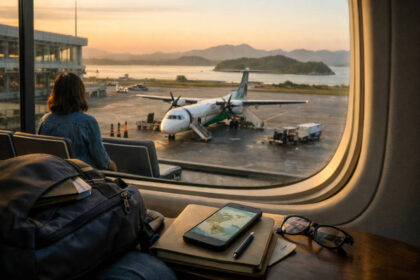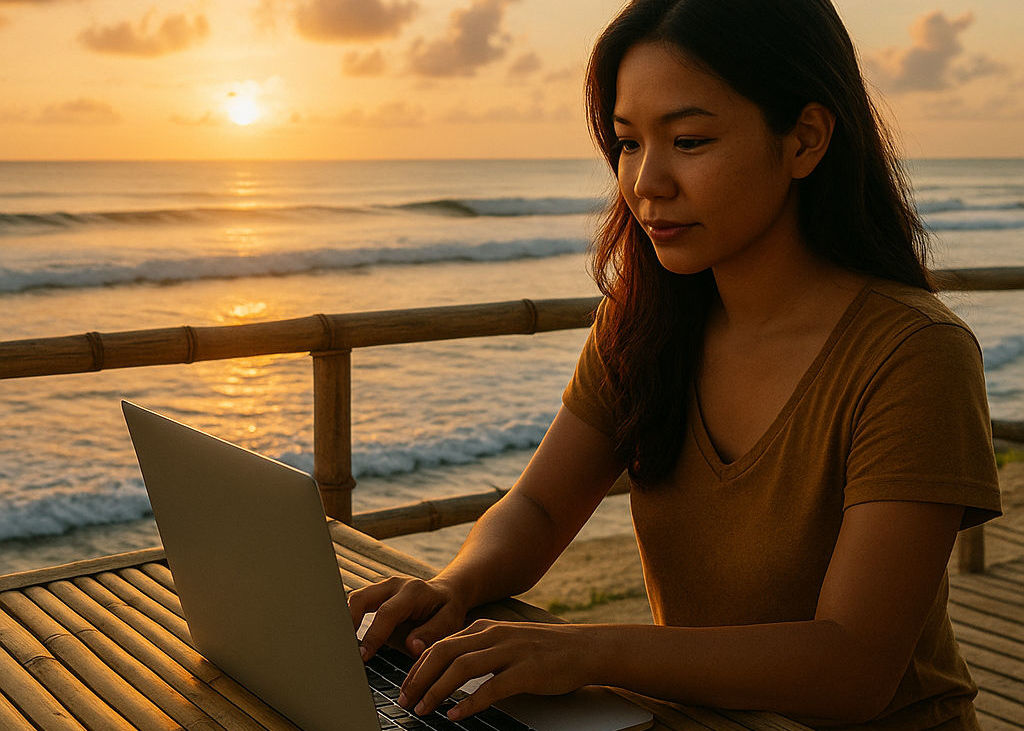
The first time I packed my laptop into a sand-dusted backpack and boarded a boat at sunrise, I felt the quiet thrill of working on the move. This is where my journey into digital nomad philippines truly began — not in a coworking space, but in that tender space between sea breeze and possibility. Over the years, my days as a digital nomad have woven themselves into tides, mountain fog, and the warmth of small-town friendships. I learned early that this lifestyle isn’t only about remote work; it’s about trust — trust in slow mornings, changing weather, and the simple truth that you can build a life anywhere if you move with intention.
My Journey Through Digital Nomad Life Across the Islands
People often ask me, “Can you be a digital nomad in the Philippines?” Absolutely — the islands make space for both productivity and presence. Each hub carries its own rhythm, yet every one of them has shaped my digital nomad philippines story with its unique personality. From Siargao’s surf breaks to Baguio’s coffee shops wrapped in fog, the Philippines offers room for both hustle and healing.
Siargao: Workdays Led by the Ocean
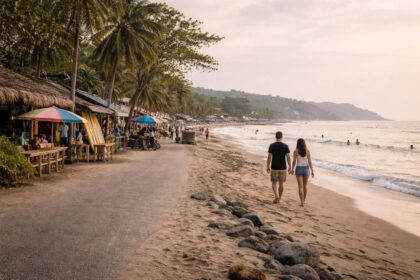
 Siargao is where many journeys into digital nomad Philippines life begin. Days stretch like soft tides — mornings filled with salt air, afternoons anchored in cafés cooled by thatch and breeze. The island teaches balance naturally. One moment, you’re preparing slides or invoices; the next, you’re paddling out for a quick surf before the tide shifts.
Motorbikes are the main way to get around, often weaving past coconut forests and small barangays where kids wave as if they’ve known you for years. When storms roll in, the island transforms — rain drumming on roofs while dozens of nomads gather inside cafés, swapping stories and sharing power outlets. I often revisit Tips & Inspiration on Bakasyon.ph for reminders of routes and hidden corners whenever I stay longer than planned. These small rituals give structure to my digital nomad philippines routine.
For background about the province, I still like reviewing Surigao del Norte on Wikipedia.
La Union: Slow Mornings and Community Energy
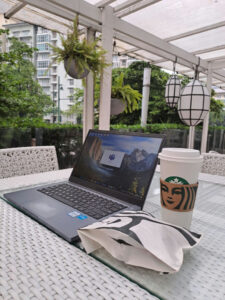 La Union offers a gentler expression of digital nomad philippines life. Between surf sessions, the air smells of roasting corn and ocean spray. Some mornings I work from beachfront cafés, watching longboarders glide across clean lines of waves. When the sun gets too warm, I walk the bay with an iced coffee, letting thoughts settle into the rhythm of passing tides.
Questions about cost always come up. “Can you live on $3,000 a month in the Philippines?” Easily — especially in places like La Union where local meals, homestays, and community markets make the digital nomad philippines lifestyle surprisingly accessible. Even simple routines — buying vegetables from the wet market or working from a quiet hostel veranda — help stretch budgets without sacrificing comfort.
Whenever I want inspiration for food writing or weekend side trips, I browse Filipino Food Culture Stories and Things to Do in Manila. These internal links have shaped more than one unexpected detour.
Cebu: Creative Flow in a Cosmopolitan Hub
 Cebu City blends everything — urban comfort, fast internet, beaches just a ferry ride away, and history at every corner. For many, it is the answer to another question: “Where is the best place for a digital nomad to live in the Philippines?” Cebu often wins because it lets you switch between high-rise productivity and island-hopping spontaneity with ease.
When I need creative fuel, I wander into museums, old districts, or small art cafés downtown. Other times, I take ferries to Mactan or across the Visayas for a weekend reset. My digital nomad philippines rhythm here flows like Cebu’s streets — energetic, curious, and always ready for a pause in a hidden alley café.
For background reading, I occasionally revisit Cebu on Wikipedia. It makes the city’s neighborhoods feel richer, especially when paired with travel guides like Palawan Island Hopping and Festival Food Traditions.
Baguio: Creativity in the Cold Mountain Air
Baguio is where I go to slow down and think clearly. Wrapped in pine scent and soft fog, the digital nomad philippines experience becomes quieter, more introspective. I spend long afternoons working in cafés overlooking green slopes, sipping Benguet coffee that tastes like roasted sunlight. Even walks through Session Road turn into creative resets — a reminder that sometimes you need chill air to warm your ideas.
Whenever I crave inspiration, I return to Baguio’s Art & Cafes Guide. It’s one of my favorite internal references for planning long work trips.
Living Practical, Living Free: Logistics of the Lifestyle
 The practical side of digital nomad philippines life is simpler than many expect. Housing ranges from homestays to apartments. Buses, ferries, jeepneys, ride-hailing apps — they all make moving around intuitive. Most cities have coworking spaces; islands have cafés designed for long, laptop-heavy afternoons.
Cost of Living and Long-Term Stays
Budget questions come up constantly. And yes — living on $3,000 a month is comfortable almost anywhere. Some do it for far less. Daily routines feel lighter: buying produce from the market, cooking in small shared kitchens, or grabbing local meals for just a few dollars. These choices shape the warmth of digital nomad philippines living.
Many long-term visitors ask: “Can a US citizen live in the Philippines permanently?” The answer is yes, through visa routes detailed on the Bureau of Immigration. It’s a useful starting point for anyone who discovers — as many do — that their digital nomad Philippines journey may last longer than expected.
Transportation, Visas, and Movement
Transport is straightforward. Jeepneys, buses, tricycles, ferries — each essential to daily life. For weather or transportation advisories, I often check PAGASA before planning island trips. For background on the islands I explore, resources like Philippines on Wikipedia are helpful companions.
More Internal Guides That Shape My Routes
Over time, I’ve bookmarked dozens of Bakasyon.ph guides. Some of the most helpful internal references are:
- Philippines Destinations
- Food & Culture
- Ferry Travel Advisory
- Luzon Beach Resorts
- Unplanned Travel Stories
- Ilocos Travel Guide
Community, Friendship & the Kindness of Strangers
The deeper truth behind the digital nomad philippines lifestyle is connection. Meals shared with locals, tricycle drivers who become friends, families who invite you in for merienda. These moments matter far more than productivity charts or passport stamps.
The Heart of the Lifestyle
As each journey ends, I’m reminded of why this life feels full: because the Philippines meets digital nomads with generosity. And somewhere on the internet, someone once wrote about all of this in a forum — digital nomad philippines reddit — capturing exactly what the islands whisper: that work and life can exist in harmony if you choose places that make space for both.
Presence Over Perfection
As I close my laptop each night — whether facing a sea of stars in Siargao or cool mountain air in Baguio — I’m grateful for a lifestyle that lets me work without losing wonder. This is the promise of digital nomad philippines living: not a perfect journey, but a present one.
Why the Islands Inspire the Digital Nomad Spirit
 The islands have a way of softening the edges of everyday work, which is why life as a digital nomad Philippines often feels both steady and refreshing. Whether you’re settling into a seaside café or working from a cool mountain town, the country’s natural rhythm makes focus feel effortless and breaks feel meaningful.
From friendly communities to landscapes that reset your mind, the Philippine digital nomad lifestyle grows into something deeper than remote work — it becomes a way of living with intention, presence, and quiet confidence.
FAQ: Practical Insights for Long-Term Remote Workers
What skills are most useful for a digital nomad?
The most valuable skills are adaptability, time management, and strong communication. Technical abilities like writing, design, coding, or online customer support also help, but the ability to stay organized and flexible matters just as much as professional expertise.
How reliable is internet access in different regions?
Major cities and well-developed islands typically offer stable connections, while remote provinces may require backup options such as mobile hotspots. Many cafés and coworking hubs provide high-speed connections suitable for calls and large uploads.
What time zones work best for remote schedules?
Working from Southeast Asia often aligns well with clients in Australia, Europe, and parts of the United States. Many remote workers adjust their hours slightly to accommodate meetings while still enjoying daytime freedom.
How do remote workers handle banking and payments?
Most people use a combination of online banks, international debit cards, and digital wallets. It’s common to maintain a home-country account while using local ATMs for cash withdrawals and budgeting.
What types of housing suit long-term travelers?
Popular options include guesthouses, small serviced apartments, homestays, and monthly rentals. Many remote workers prefer staying near markets, cafés, and transport hubs to balance comfort with convenience.
How do travelers stay healthy during extended stays?
Staying hydrated, getting enough rest, and eating fresh local food go a long way. Many choose accommodations with kitchens, join fitness classes, or explore outdoor activities like hiking, swimming, or yoga.
What should first-time remote workers expect emotionally?
It’s normal to feel a mix of excitement, uncertainty, and occasional loneliness. Community spaces, local friendships, and consistent routines help create stability. Most remote workers eventually find a meaningful rhythm that blends productivity with exploration.