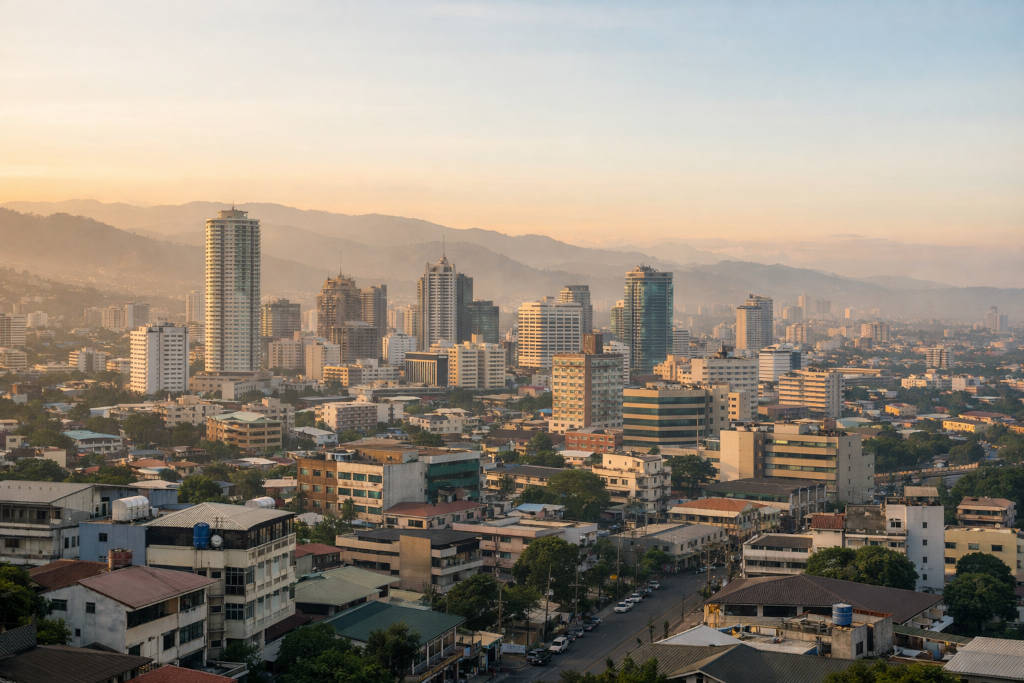
Cebu City can work very well for a first trip, but only if you expect the right kind of trip. This Cebu City travel guide is for travelers who want a practical urban base with easy food access, heritage stops, malls, cafés, and day-trip options nearby.
It is not a promise of beachfront mornings in the city center. In Cebu City, the reward is convenience, variety, and a fuller sense of everyday Cebuano life. The tradeoff is traffic, heat, and the need to plan your transfers with more care than your map might suggest.
 For many first-timers, Cebu City is worth it because it helps keep decisions simple. You can land, settle into one hotel, do culture and food without long transfers, then choose whether a separate beach or nature day is worth the time.
That makes this guide especially useful for short stays, mixed-interest trips, and travelers balancing budget versus comfort. For a wider island view, start with the Cebu-wide guide, then come back here to decide whether the city should be your actual base.
Quick Decision Summary: Who Cebu City Suits
At a glance, Cebu City usually works best from December to May if you want easier sightseeing windows, though heat can be tiring by late morning. It suits short stays of two to four nights, with travel times that look short on paper but often stretch because of traffic.
Budget bands range from simple, practical stays to polished business-district hotels. Crowd risk rises around weekends, holidays, mall zones, and major religious sites. For rain or heat backup, keep indoor food stops, museums, cafés, and mall-linked areas in your plan.
Best For Heritage, Food, City Convenience, and Short Stays
This guide fits travelers who care more about easy logistics than resort scenery. Cebu City is a strong base for heritage sites, local dining, café hopping, shopping, and short urban breaks where every half day matters.
It also suits first-timers who want an easier arrival flow from the airport, a wide hotel range, and quick access to essentials like pharmacies, ATMs, ride-hailing, and late-night food. If your trip is partly about understanding the city’s historical side, Cebu City is the place where that story feels most immediate.
Reality Check: Even on a short trip, one or two activities per half day is often enough. The city rewards a steady pace more than a packed checklist.
Less Ideal If the Trip Is Mostly Beach-First or Resort-First
If your dream version of Cebu is mainly sand, snorkeling, or resort downtime, Cebu City may not be the best main base. Mactan often makes more sense for travelers prioritizing easy beach access, airport proximity, or a resort stay with less city friction.
South Cebu or another island base may suit you better if your must-do list is built around waterfalls, sardine runs, long scenic transfers, and early-start nature days. This Cebu City travel guide stays city-specific on purpose: beaches and major nature outings are usually separate day plans, not city-center experiences.
Cebu City Travel Guide: Why Use Cebu City as a Base
What Cebu City Does Well
The biggest strength of Cebu City is that it gives first-timers options without forcing a resort schedule. You can visit heritage landmarks in the morning, eat well at lunch, rest during the hottest hours, then head out again for dinner or a skyline view.
It is also a sensible base for travelers arriving by air or sea, since you can combine the airport or port transfer with a comfortable first night instead of rushing into a longer regional journey. If you are also planning a broader Philippines trip, the first-trip Philippines planning guide can help you decide how Cebu City fits into a larger route.
Another advantage is flexibility. Couples, solo travelers, families, and friends can all shape Cebu City differently. Some use it as a heritage-and-food stop, while others use it as a reset city between beach legs.
For travelers who value choice, the approach here is simple: sleep where transport, dining, and backup plans are easy, then decide how adventurous each day should be.
Reality Check: Cebu City is useful, not frictionless. The city works best when you treat time and energy like part of your budget.
What It Does Not Do Well Compared With Mactan or South Cebu
Cebu City is not the place to stay if you want to wake up and walk straight onto a beach. It also does not compete with South Cebu for nature density.
Waterfalls, whale shark routes, long coastal drives, and deeper outdoor days belong to different parts of the island and usually need earlier starts and longer transfers. Mactan can feel easier for an airport-night stay or a resort-first trip, while South Cebu can feel more rewarding if nearly every day is built around outdoor activity.
This is where expectations matter. Cebu City is worth it for a first trip when you want a base that keeps meals, errands, ride-hailing, and mixed-interest days simple. It is less ideal when your trip only feels successful if every day looks tropical from the hotel window.
Best Areas to Stay in Cebu City
Quiet and More Polished: Cebu Business Park and Nearby Ayala Area
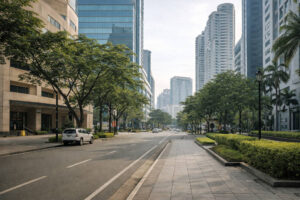 If you want the calmest version of a central urban stay, Cebu Business Park and the Ayala area are often the easiest answer. The streets generally feel more organized, the hotel stock leans polished, and dining or shopping is easy without feeling as hectic as older corridors.
This area works well for first-timers who want a quieter base, business-leisure travelers, or anyone willing to pay a bit more for a smoother daily rhythm.
Reality Check: “Quiet” in Cebu City is still city quiet. Expect road noise, mall activity, and rush-hour slowdowns, just usually with a more orderly feel.
Central and Convenient: IT Park and Nearby Mixed-Use Zones
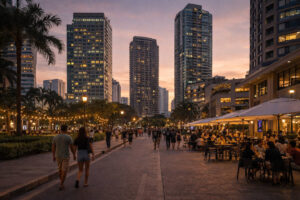 IT Park is a good fit if convenience matters most. It is useful for travelers who like having cafés, casual dining, convenience stores, and transport options close together.
It can feel more active than restful, but for many first-timers the tradeoff is worth it because it reduces decision fatigue. If your schedule includes remote work, evening meals, or varied food options, IT Park is often the most practical central area.
Reality Check: Central convenience can also mean more activity late into the evening. Light sleepers may prefer a hotel set slightly back from the busiest edges.
More Budget-Conscious and Practical: Fuente, Capitol, Mabolo, and SM-Side Options
Travelers watching costs often end up around Fuente, Capitol, Mabolo, or the SM-side area. These zones can be more practical than pretty, but they often give you a wider range of budget hotels, apartments, and transport access.
They may also make sense for travelers whose main goal is simply to have a clean room, decent food nearby, and enough flexibility to reach different parts of the city without paying premium rates.
Reality Check: Budget-friendly areas can mean older buildings, noisier streets, and more uneven walking conditions. Read recent reviews carefully and pay attention to arrival logistics, not just room photos.
Quick Rule of Thumb for Choosing Your Base
Choose Ayala-side if you want a quieter, more polished stay. Choose IT Park if you want the easiest all-day convenience. Choose Fuente, Capitol, Mabolo, or SM-side options if keeping costs down matters more than atmosphere.
That is the short version of the hotel decision. For a fuller neighborhood breakdown, room style notes, and overlap control beyond this summary, use the dedicated Cebu City stay-areas guide. You can also browse the broader Cebu destination hub and the Travel Guides category if you are comparing Cebu City with other bases.
Best Things to Do in and Near Cebu City by Travel Style
Culture and Heritage
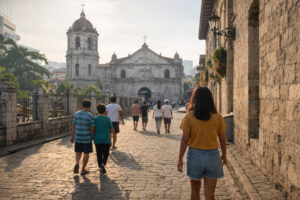
Cebu City makes the strongest case for itself through culture. The heritage core around Basilica Minore del Santo Niño, Magellan’s Cross, Fort San Pedro, and nearby historical streets gives first-timers a meaningful introduction to the city.
These stops do not need a full-day sprint. In fact, they are better when approached calmly, with time for breaks, snacks, and a little wandering. The official Cebu City Tourism Commission page can help you double-check local visitor information and city highlights before you go.
Reality Check: Heat, walking, and crowds can make heritage sightseeing more tiring than it looks. Start earlier and keep your midday expectations modest.
Food and Local Flavor
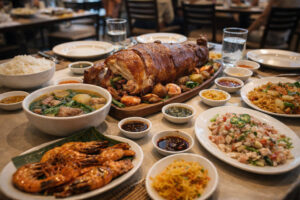 Food is one of the strongest reasons to use Cebu City as a base. You get everything from lechon-focused meals and classic Filipino comfort dishes to modern cafés and dessert stops.
This matters more than it sounds. A city with reliable, easy meals reduces travel stress, especially after long arrivals or on humid afternoons when you do not want to chase a remote activity. If you care about everyday eating as much as sightseeing, the choice becomes easier: stay where dining is varied and nearby.
Reality Check: The best meal plan is not always the most famous place at peak hour. Sometimes the smarter move is a very good restaurant near your hotel after a long day in traffic.
Nature and Viewpoints
 Cebu City does have nature-adjacent options, especially upland viewpoints and greener spots toward Busay and the hills. These work best as half-day add-ons, not as proof that the city itself is an outdoor destination.
If you want a cooler-feeling break, a scenic lunch, or a city-overlook stop, upland areas can balance your itinerary nicely. They are especially useful in a 5D4N plan, when you have time to separate city core activities from a slower half day with a view.
Reality Check: “Near” can still mean longer transfers in bad traffic or on wet-weather days. Keep these plans flexible and avoid overstacking them with same-day heritage stops.
Beach and Water Time As a Separate Day Plan
This is the part many first-timers need stated clearly: beach and water time are usually separate plans from the city. If you want a swim day, island-hopping, or resort-style downtime, treat it as a dedicated excursion or consider sleeping elsewhere for that portion of the trip.
Cebu City can still be your base, but the beach payoff depends on how much travel time you are willing to absorb. That is why this Cebu City travel guide stays honest about boundaries. The city is strong for food, history, and practical convenience; it is not a beach district pretending to be one.
Getting There and Getting Around With Less Stress
Airport and Port Arrival Game Plan
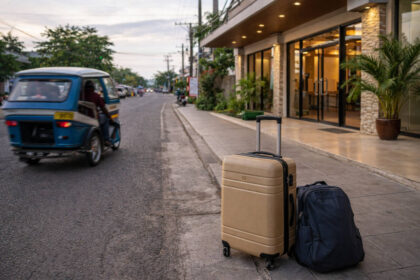
 The least-stress arrival is usually the one with the fewest decisions. From Mactan-Cebu International Airport, many travelers do best with Grab or a reputable taxi straight to the hotel, especially if arriving with bags, during rain, or after dark.
If you are arriving by ferry or another port connection, the same logic applies: get to the hotel smoothly first, then do your exploring once you have rested. This guide favors simplicity on arrival because one messy transfer can make the whole first day feel harder than it needs to be.
Reality Check: Even “short” airport-to-hotel transfers can stretch, especially at peak hours or during bad weather. Schedule your first day lightly.
Grab, Taxi, MyBus, Jeepney, and When Each Makes Sense
Grab is often the easiest choice for first-timers because it reduces language friction, route uncertainty, and fare stress. Taxis can work well too, especially for straightforward city rides, but it helps to stay alert and choose clearly marked units.
MyBus can make sense for some airport-linked or mall-linked movements when timing lines up. Jeepneys remain a low-cost local option and are useful if you already understand your route and do not mind a more hands-on experience. For a fuller breakdown of city mobility, route logic, and local transport etiquette, use the dedicated Cebu City transport guide and the broader Philippines public transport guide.
Reality Check: The cheapest option is not always the smartest option when you are tired, carrying luggage, or trying to keep a tight departure schedule.
Traffic Reality, Heat, and Why Buffer Time Matters
Traffic is one of the biggest reasons a Cebu City travel guide should be planning-first. A route that looks fast on your phone can slow down sharply at rush hour, before holidays, or during heavy rain.
Heat adds another layer. Midday walking can drain energy fast, especially if you also have museum stops, church visits, or a viewpoint in the same day. Build buffer time into every transfer, every meal, and especially every departure day. One extra hour of slack often protects the mood of the entire trip.
Budget vs Comfort Tradeoffs
Where Budget Travelers Can Save Without Creating Extra Hassle
You can save money in Cebu City without making the trip feel rough. Practical mid-range or budget hotels in well-connected areas often deliver more value than the absolute cheapest room in an inconvenient location.
Savings usually make sense on room size, flashy amenities, and nonstop car use. Eating local, using ride-hailing selectively, and keeping attractions clustered by area can also cut costs without reducing enjoyment.
Reality Check: Budget savings work best when they reduce extras, not when they create extra transfers, poor sleep, or constant decision fatigue.
Where Paying More Often Improves the Trip
Comfort upgrades matter most in three places: hotel location, airport transfer ease, and room quality good enough for genuine rest. Paying more for a more polished area, a dependable arrival ride, or a quieter room often buys back time and energy.
That matters in Cebu City because the city’s main challenge is not a lack of things to do. It is managing friction well. In that sense, the mindset is simple: pay more where it removes repeated stress, not where it only looks impressive in photos.
Common Hidden Costs and Common Planning Mistakes
Hidden costs often come from the plan itself: extra ride fares because areas are too spread out, expensive last-minute airport transfers, weather-driven changes, and meals chosen out of exhaustion rather than intention.
Common mistakes include treating beaches as casual city add-ons, underestimating traffic, booking a very cheap room in a noisy location, and packing too much into arrival and departure days. Another mistake is choosing a base without asking whether you really want quiet, central convenience, or the lowest possible rate. You usually cannot optimize all three.
Sample 3D2N Cebu City Itinerary With Buffers
Day 1 Arrival, Easy Heritage Core, and Low-Effort Dinner
Land, transfer to your hotel, and keep expectations soft. If arrival is early and energy is still decent, spend the afternoon in the heritage core with one or two key stops rather than trying to complete it.
A church visit, a short historical stop, and a relaxed merienda are enough for a satisfying first day. Finish with a low-effort dinner near your hotel in Ayala, IT Park, or another easy dining district. This approach protects your energy on the day when delays are most likely.
Day 2 Culture, Food, or Upland Viewpoints With Built-In Slack
Use the morning for the part of the city that matters most to you. That could mean a longer heritage morning, a food-focused route, or an upland half day if the weather is clear.
After lunch, return to the hotel or a café for a rest, then head out again for dinner. The built-in slack is not wasted time. In Cebu City, it is what keeps a short trip from feeling rushed and overheated.
Day 3 Slow Morning, Market, Café, or One Last Short Stop Before Departure
On the final morning, do something light and close to your hotel: a market browse, a café breakfast, a final pasalubong stop, or one short cultural visit if your departure window is generous. Leave for the airport or port earlier than you think you need to. A calm ending usually feels better than squeezing in one more sight.
Sample 5D4N Cebu City Itinerary With Buffers
Days 1 to 2 City Core and Food
Day 1 should still be your easy arrival day, with only nearby food and perhaps an evening walk in a comfortable district. Day 2 is your stronger city day: heritage in the morning, lunch in a known food area, rest in the afternoon, and dinner somewhere with a different atmosphere from the night before.
This is where Cebu City shines as a base. You can do plenty without feeling like every move is a transfer challenge.
Day 3 Nearby Upland or Culture-Heavy Day
Use Day 3 for the type of experience you skipped on Day 2. If Day 2 leaned heritage, make Day 3 more scenic with an upland viewpoint, a longer lunch, and a relaxed return.
If Day 2 leaned food and city neighborhoods, make Day 3 more culture-heavy. Keeping themes separate helps this itinerary stay realistic.
Day 4 Beach or Nature Add-On With Realistic Transfer Time
Day 4 is the right place for a beach or nature add-on if you truly want one. Because it sits away from your arrival and departure days, there is more room for transfer time, weather changes, and recovery afterward.
Just stay honest about the day: if the outing requires a long round-trip, treat it as the main event and do not stack extra city plans on top.
Day 5 Flexible Recovery, Shopping, or Departure Day
Keep the last day loose. Use it for recovery, shopping, coffee, pasalubong, or simply a smoother departure. This is the difference between a trip that feels controlled and a trip that feels squeezed. Buffer time is not empty space. It is part of the design.
Low-Stress Planning Tips Before You Book
Weather and Crowd Timing
Try to match your expectations to the season. Drier months often make city sightseeing easier, but heat can be intense, especially around noon.
Wet days can slow traffic, reduce walking comfort, and reshape your mood more than your route map suggests. Before locking in your dates, compare the Philippines weather guide with the PAGASA weather outlook for selected Philippine cities so your plan has a realistic weather frame, not just a hopeful one.
Reality Check: Good weather does not remove traffic, and bad weather makes it worse. Build your schedule with both in mind.
Sinulog and Other High-Congestion Periods
Sinulog season can be exciting, but it is not low-stress travel. Expect heavier crowds, higher rates, road closures, and slower movement across the city.
Holiday weekends and major religious dates can also shift availability and transport time. If your goal is a calm first trip, these periods are not ideal unless the festival itself is your reason for coming. A Cebu City travel guide for first-timers should say this plainly: crowd-heavy timing changes the whole trip, not just one afternoon.
Safety Basics and Transport Red Flags
Cebu City is manageable for most travelers who use normal city awareness. Keep valuables secure, avoid flashing cash, stay alert in crowded transport areas, and choose well-lit pickup points at night.
Be cautious with unofficial rides, unclear fares, or anyone pushing transport in a way that feels rushed. Check the Philippines safety guide before your trip and keep screenshots of hotel details, booking records, and offline map points ready in case signal or battery becomes the real problem.
In the end, the best Cebu City travel guide advice is simple: choose Cebu City for the reasons it actually does well. Come here for heritage, food, convenience, and flexible planning. Use it as a practical base, not a beach fantasy. If that matches your travel style, Cebu City can be a calm, useful, and very worthwhile first step into Cebu.