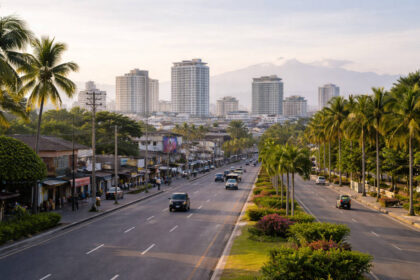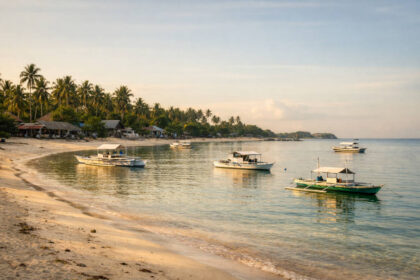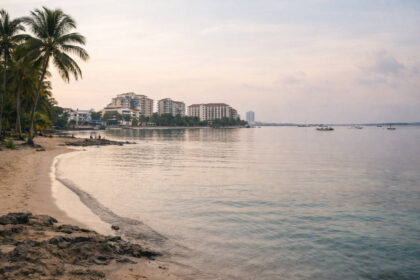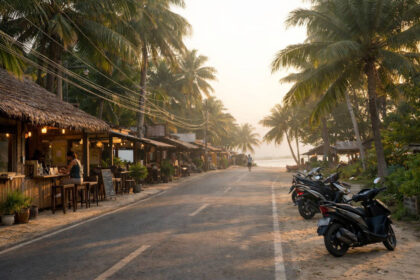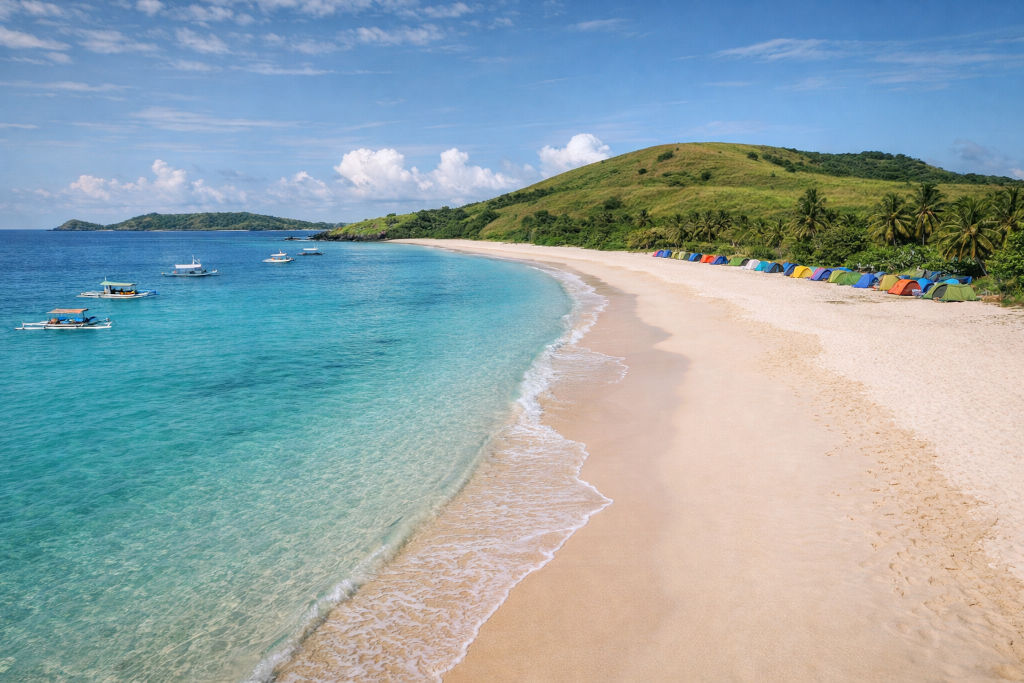
The bangka noses in close, wood creaking, rope scraping softly against a post. I step down—careful, because the last wave always has a little joke—and my foot sinks into sand so white it almost squeaks. Ahead, tents are already lined up like a sleepy neighborhood: muted blues and oranges, clotheslines with damp rash guards, a few tarps stretched for shade. The sun is bright, but the air still has that early-hour softness.
Somewhere down the beach, someone is boiling tubig for coffee; somewhere else, a speaker is testing bass at a volume that feels like a distant heartbeat. This is Calaguas island travel: not just the postcard of turquoise water, but the long commute, the salt on your skin, the banlaw (rinse) from a tabo, and the way the island teaches you to slow down whether you like it or not.
Calaguas has been called “Boracay before commercialization,” and yes, the sand can be that powdery and the water can glow that clean. But I won’t sell it as perfect. Calaguas island travel is magical in bright, uncomplicated ways—wide horizons, gentle mornings, stars that look extra close—yet rough around the edges too. Comfort is basic. Trash discipline is on you. Noise depends on who else arrived on the same boat.
This guide leans into the calmer, more realistic version: what it feels like to arrive, how camping culture works on Mahabang Buhangin, what you’ll spend, and how to be a considerate guest in a fragile place. If you like collecting island know-how beyond this trip, I also link to more detailed travel guides around the Philippines so you can keep building your own map.
Why Calaguas island travel Feels Like a Quiet Horizon
There’s a particular quiet that happens here—not constant silence, but a quiet you can find if you choose your corner and your timing. On Mahabang Buhangin (literally “long beach”), the shore arcs in a long, pale curve, and the sea seems to breathe in slow counts. Calaguas island travel often begins with a crowd—ports, queues, bundles of coolers and tents—then suddenly opens into space. You feel it when the bangka engine cuts, when your slippers finally come off, when you realize your phone signal is weak and your day will be shaped more by sunlight than notifications.
And then there’s the nightly ritual: generators switching on at dusk, the faint smell of fumes mixing with grilled fish and instant noodles, then the eventual hush when power schedules end. In that window—when the loudest groups settle or tire out—you can hear the waves properly. Calaguas island travel rewards the traveler who can be patient with shared spaces and small inconveniences, because the payoff is a horizon that feels endless and strangely personal.
Where Exactly Is Calaguas, and What Are These Islands?
Calaguas is a small group of islands off the province of Camarines Norte in the Philippines. The classic postcard view—where most campers land—is Tinaga Island, home to Mahabang Buhangin long beach. Around it are other islands in the Calaguas group, including Guintinua Island and Maculabo Island, which sometimes appear in side trips depending on the sea and the boat arrangement. You can’t drive here; Calaguas island travel always ends with a boat ride from the mainland.
If you want a quick factual reference for the island group and naming, you can check Calaguass on Wikipedia. For a broader sense of the province’s highlights and context, there’s also Camsnorte official page. But the heart of Calaguas island travel is not in lists—it’s in the rhythm: land commute, port bustle, bangka sway, sand underfoot, and simple days shaped by sun and tide.
Best Time for Calaguas island travel
For most travelers, the sweet spot for Calaguas island travel falls roughly between February and June, when seas are often calmer and days are more reliably dry. March to May can be the busiest—summer crowds, long weekends, barkada energy, and fuller boats. If you’re after a quieter horizon, shoulder days (weekday trips, non-holiday weeks) can feel like a different island entirely: fewer tents, more empty sand, and less competition for shade.
Wind matters here in a practical, real-world way. When amihan (northeast monsoon) is friendly, the boat ride can be brisk but manageable. When habagat (southwest monsoon) or rainy-season patterns bring rougher seas, schedules can change fast—boats can be delayed, canceled, or asked to wait for safer conditions. Plan Calaguas island travel with flexibility: avoid tight same-day flights, expect weather calls to override your itinerary, and trust the boatmen when they say the sea is not for playing.
How to Get to Calaguas – Buses, Vans, and Boats
Manila to Camarines Norte (Daet, Vinzons, or Paracale)
Most Calaguas island travel begins in Manila with an overnight bus—departing from Cubao, Pasay, or PITX—heading to Daet, Camarines Norte (the provincial capital) or sometimes closer drop-offs depending on your operator. The ride is long enough to feel like a small life: you’ll nap, wake up sticky, buy snacks at a stopover, and watch city lights soften into darker highways. Travel time is often in the 7–10+ hour range depending on traffic and stops, and it’s wise to treat it as “overnight plus margin,” not a precise clock.
From Daet, you typically move onward by van, jeep, or tricycle—sometimes a sabit ride (hanging on the side/step) if you’re in a packed situation—to either Vinzons port or Paracale port, depending on where your boat arrangement is. This last stretch is where Calaguas island travel starts smelling like the province: damp air, roadside carinderia breakfasts, and the early-morning feeling of everyone moving with purpose.
Ports and Boat Rides to Tinaga Island
At Vinzons port (often used for trips to Tinaga) or Paracale port (also used by some operators), you’ll coordinate with your boatman or tour lead, settle fees, and load gear—tents, coolers, water jugs—into a bangka. Some routes may pass or stop by Maculabo Island depending on weather, group plans, or local arrangements, but the key point is this: the sea decides. Boat travel times vary, commonly around 1.5 to 2.5 hours, sometimes longer if conditions are choppy or if your boat slows for safety.
Calaguas island travel on a small craft is not a theme-park ride. Wear a life vest (no debate), keep your bag protected in dry sacks, and pack motion-sickness meds if you’re prone. Listen closely when the boatmen talk about departure times; they read wind and waves like a second language. For a deeper safety mindset before your trip, it helps to review ferry and boat travel advisories—even if you’re not on a big ferry, the logic of weather, visibility, and basic preparedness still applies.
Joiner Tours vs DIY Travel
There are two common ways to do Calaguas island travel: joiner tours and DIY. Joiners usually bundle van transfers, boat transfers, tents, and meals. You show up with a bag and a willingness to share space. The upside is convenience (especially for first-timers), a fixed group to coordinate with, and fewer moving parts when the sea gets moody. The downside can be vibe: some joiner groups bring loud speakers, tight schedules, and a “party-camp” atmosphere that may not match your idea of quiet horizons.
DIY Calaguas island travel gives you control—your food, your timetable, your choice of campsite corner—but requires more coordination. You’ll need to arrange boats, track fees, and be prepared for last-minute changes. DIY can be cheaper if you split costs smartly with friends, but it can also get expensive if you’re only a few people chartering a boat. If your priority is comfort and predictability, joiners can be kinder to your brain. If your priority is calm and control, DIY often wins—especially on weekdays.
Staying Overnight – Tents, Cottages, and Simple Resorts
Bring-Your-Own Tent vs Rent-a-Tent
Camping is the default culture on Mahabang Buhangin. Calaguas island travel, for many, means waking up in a tent with sand in your hair and salt on your lips. Bring-your-own gives you the best quality control: you know your tent’s waterproofing, stakes, and ventilation. Rent-a-tent is easier—especially if you came by joiner tour or didn’t want to lug gear on a long bus ride—but “basic” can mean thin mats, limited pegs, and tents pitched close together during peak season.
Fees vary and change, so think in ranges rather than promises. Camping fees and environmental fees are commonly collected per person, sometimes with additional charges for tent space, cottages, or special areas. Expect shared toilets, water stored in drums, and no hot showers. You’ll do banlaw with tabo, and you’ll learn to treasure small luho (little luxuries) like wet wipes and a clean towel. If you want more island-camping inspiration beyond Calaguas island travel, you can browse more stories and guides on camping in the Philippines for different comfort levels and destinations.
Open Cottages, Huts, and Basic Rooms
Beyond tents, some areas have open cottages or kubo-style huts where you can stash bags, eat in the shade, or nap away the sharp noon heat. A few basic rooms and small resort-style setups exist too, but don’t imagine full-service resort living—Calaguas island travel remains simple. Electricity, if available, is often generator-powered on schedules (commonly a few hours in the evening). Charging phones may come with a fee, and outlets can be limited. Treat power as a shared resource, not an entitlement; the island’s infrastructure is not built for everyone charging everything all the time.
Choosing Your Camp Vibe
The vibe of your stay can shape your entire Calaguas island travel memory. Some stretches are quieter: fewer big tents, more space between groups, softer voices after dark. Other areas can be lively: barkada reunions, videoke energy, speakers that push bass through the sand. If quiet is your priority, arrive earlier to scout, choose a spot a bit away from the densest clusters, and consider weekday trips. Long weekends and summer peaks can feel like a beach barangay fiesta—fun if you want it, frustrating if you came for hush.
White Sands, Clear Water – A Day on Mahabang Buhangin
Slow Mornings on the Beach
 Mornings are where Calaguas island travel feels most gentle. Light spills over Tinaga’s low hills, and the beach looks freshly drawn—footprints minimal, sea glassy, the horizon clean. I love walking the curve of Mahabang Buhangin long beach barefoot, letting the sand cool my soles. When you pass sleeping tents, voices are softer, and you hear practical sounds: zippers, kettles, a spoon clinking against a mug.
Swim early if you can. The water is often clearest before winds pick up, and the beach feels like it belongs to you and a few other early risers. Brew coffee near your tent, eat pandesal you carried from the mainland, and let Calaguas island travel be slow enough to notice tiny things—how the tide redraws the shoreline, how bangkas bob patiently offshore like they’re resting too.
Midday Routines – Shade, Siesta, and the Sea
Midday is bright, honest heat. Calaguas island travel at noon is not about conquering activities; it’s about finding shade and listening to your body. Retreat under talisay or coconut trees, string a hammock if you brought one, read a paperback that doesn’t mind sandy fingers. Some people snorkel or wade along the calmer edges; others walk down the beach to peek at different camps, small kiosks, or simple resort pockets.
Food becomes a project. If you’re on a package tour, meals may appear on schedule—rice, ulam, fruit—simple and filling. If you’re DIY, you’ll either cook (with care and cleanup) or do paluto-style arrangements (you provide ingredients, someone cooks it), depending on what’s available and who’s operating that day. Part of Calaguas island travel is learning to be okay with “good enough”: canned tuna made better with calamansi, instant noodles upgraded with a boiled egg, and fruit that tastes sweeter because you carried it all the way here.
Golden Hour and Night Sky
Late afternoon is when the island turns cinematic. Golden light slides across the sand, kids play by the shoreline, and tired swimmers become silhouettes. If you have energy, take a short walk toward nearby hills for a viewpoint—nothing extreme, just enough elevation to see the curve of Mahabang Buhangin and the scattered islands beyond. Then you come down, salty and happy, ready for the evening’s soft chaos: dinner smoke, laughter, the occasional muffled bass from a speaker down the beach.
Night brings the generator phase—lights flicker on, charging stations get busy, and the air can carry faint fuel fumes. Later, when power schedules end, Calaguas island travel becomes star-forward. In quieter pockets, you can hear the waves like steady breathing, and the sky looks deeper than you remembered. If noise is still present, earplugs are a small luho that can save your sleep.
Things to Do Beyond Beach-Bumming
Easy Hill Treks and Viewpoints
You don’t need to be a serious hiker to add a viewpoint to your Calaguas island travel days. Short hill walks near the beach can give you that “wide horizon” payoff—especially early morning or late afternoon when heat is kinder. Wear sandals with grip or light shoes, bring water, and avoid stepping on fragile plants. The goal isn’t to “conquer” a trail; it’s to look back at the beach and see how long and bright it really is.
Island-Hopping Side Trips
 If your group has time and the sea is cooperative, island-hopping can add texture to Calaguas island travel. Some trips include stops at nearby islands like Maculabo Island (more rugged, sometimes used as a waypoint) or other small islets such as Balagbag, depending on local offerings and conditions.
Expect variety: grainier sand on some shores, rockier entries on others, viewpoints that feel wilder than Mahabang Buhangin, and small communities where you should move respectfully—ask before photographing, keep voices low, and don’t treat people’s home as a backdrop.
Simple Coastal Routines
My favorite activities cost nothing and leave no mark. Walk and notice shells without collecting live ones. Sit near the water after dinner and watch moonlight ripple. Journal while your hair dries in the breeze. Have quiet conversations with your barkada about the kind of rest you forget to practice at home. Calaguas island travel becomes most meaningful when you let “doing less” be the point.
Budget, Fees, and Practical Numbers
Prices change, seasons shift, and group size affects almost everything—so consider these ranges as planning anchors, not guarantees. Calaguas island travel budgeting is mostly about four buckets: land transport, boat costs, fees, and food.
Land transport (Manila to Camarines Norte): Bus fares often fall roughly in the ₱700–₱1,200 range one-way depending on operator, class, and promos. Add local transfers (Daet to Vinzons or Paracale) via van/tricycle/jeep—budget an extra ₱100–₱400+ depending on how you ride and how many of you split the trip.
Boat costs: For joiner setups, per-head rates can vary widely depending on inclusions (boat, meals, tent, permits). For DIY, chartering a bangka can be a major chunk—often several thousand pesos total—so it becomes more affordable per person when split among a bigger group. This is why Calaguas island travel can feel “cheap” for a full joiner van and boat package, yet “pricey” for a small DIY duo trying to charter alone.
Fees: Environmental fees and camping fees are commonly collected per person. There may be cottage rental fees, tent rental fees, and small add-ons like charging fees for gadgets. Bring small bills for easier transactions.
Food: Joiners usually include meals, which simplifies planning. DIY travelers can bring baon (packed food), canned goods, rice, and easy ulam ingredients. If you plan to buy fresh seafood on the mainland (like Paracale) and cook on the island, remember you’ll also carry ice, seasonings, and cleanup responsibility.
If you want a mindset for stretching your money—without turning the trip into deprivation—bookmark budget travel in the Philippines. The best savings in Calaguas island travel usually come from smart group splitting (boats and shared meals) and choosing dates that avoid surge crowds.
Sample budget sketches
Lean 2D1N weekend joiner trip: Typically includes van transfers, boat transfers, basic tent, and meals. You’ll still budget extra for snacks, environmental/camping fees if not included, and small comforts (extra water, charging, ice). A practical range many travelers plan around is roughly ₱2,500–₱4,500 all-in, depending on inclusions and season.
More comfortable 3D2N slower stay (DIY or flexible joiner): Add a second night, more food, possible island-hopping, and extra fees. Many plan around roughly ₱4,000–₱7,500+, depending on group size (boat splitting is everything), your lodging choice (tent vs room), and how much you buy versus bring.
Whatever your budget, Calaguas island travel rewards preparation: bring enough drinking water planning (or a safe way to refill), pack snacks that survive heat, and don’t assume the island can supply what you forgot.
Responsible Calaguas island travel
Calaguas is beautiful, but it’s also delicate. Infrastructure is limited, waste systems are strained, and the beach feels pristine partly because the island cannot absorb careless behavior. Responsible Calaguas island travel isn’t about perfection—it’s about effort and respect.
Pack out your trash. Bring a trash bag, sort what you can, and minimize single-use plastics before you even leave Manila. Refill a tumbler, bring larger water containers, and avoid sachet habits when possible.
Respect power realities. Generator schedules exist for a reason. Charge what you need, don’t hog outlets, and avoid unnecessary power use. Treat electricity as shared, not guaranteed.
Be kind with noise. Sound travels far over sand and water. If your barkada brought speakers, keep volumes reasonable—especially after quiet hours. Remember: your neighbors also traveled far for their own version of Calaguas island travel, and many came for the horizon, not the playlist.
Listen to locals. Boatmen, guides, and caretakers know the sea and the shore. Follow rules on where to camp, where to swim, and where not to go. If the weather turns, don’t argue with safety calls—Calaguas island travel should never become a stubborn contest with the ocean.
Sample Calaguas island travel Itineraries
2D1N Quick Escape
Night 0 (Manila): Depart late evening by bus from Cubao, Pasay, or PITX. Bring a jacket for cold bus AC, and keep a small kit handy (toothbrush, wipes, meds) so you don’t have to dig through a giant bag at 2 a.m.
Day 1 (Camarines Norte to Tinaga): Arrive early morning, transfer to Vinzons or Paracale, then take the bangka to Tinaga Island. Set up camp, eat a simple lunch, swim and nap through midday. Late afternoon viewpoint walk if you have energy. Dinner, generator hours, then stargazing when lights dim. This is peak “one-day” Calaguas island travel: short, sweet, and a little exhausting—in a good way.
Day 2 (Return): Early swim and sunrise walk, pack up, keep the campsite clean, then boat back to the mainland and bus back to Manila. Expect to arrive late evening or night depending on traffic. The quick itinerary is worth it if you can handle long transit for one full beach day—and if you’re okay with basic sleep.
3D2N Slower Calaguas Stay
Day 1: Same arrival pattern, but don’t rush. Settle in, claim a calmer corner if you can, and let your body recover from the commute. Swim, nap, eat, and sleep early.
Day 2: Make this your “slow island day.” Morning walk, longer swim, unhurried breakfast. Midday shade time—read, journal, or do nothing without guilt. Late afternoon hill trek or a gentle island-hopping side trip if seas allow. Because you have two nights, Calaguas island travel starts feeling less like a sprint and more like a reset.
Day 3: Pack in daylight, double-check your trash, do a final shoreline walk, then boat and bus back. The 3D2N option is worth it if you crave rest more than you crave ticking boxes—and if you want your body to actually settle into the island rhythm.
Calaguas island travel Guide FAQs
How long is the total travel time door to door?
Calaguas island travel commonly feels like an “overnight plus boat” journey: around 7–10+ hours by bus (depending on traffic and stops), then additional time for transfers and a 1.5–2.5+ hour boat ride. Add waiting time at ports, loading gear, and weather delays. In practice, it’s best to treat travel time as a full-life-day rather than a neat number.
Is it okay for first-time campers?
Yes—if you set expectations. First-timers can enjoy Calaguas island travel, but comfort is basic: shared toilets, tabo banlaw, heat, sand everywhere, and limited electricity. If you want a calmer learning curve, read beginner camping tips for Philippine trips and pack like you’re caring for your future self (dry bags, headlamp, extra water, and a real sleeping mat).
What’s the best month for calmer seas?
Many travelers aim for February to June, when conditions are often friendlier. That said, the sea has moods. Even in “good months,” Calaguas island travel can be delayed by strong winds or sudden weather shifts. Always leave room for plan changes.
What should I absolutely not forget to pack?
A headlamp (hands-free light changes everything), dry bags, sun protection (hat, reef-safe sunscreen if possible), motion-sickness meds if needed, reusable water containers, wet wipes, and a small first-aid kit. Earplugs are a tiny luho that can protect your sleep if a nearby group gets loud. And always: a trash bag for packing out waste—responsible Calaguas island travel depends on it.
Can families or less adventurous travelers still enjoy Calaguas, and what should they consider?
They can—if the group truly accepts basic conditions. For kids or elders, consider heat tolerance, toilet access, and how they handle long travel and boat rides. Some may prefer cottage or basic room options (when available) rather than tents. Calaguas island travel can be gentle and restorative, but it’s not effortless; choose it if your family is okay with simplicity and shared spaces.
Is Calaguas “quiet” all the time?
Not always. It can be peaceful in the early morning and on weekdays, but weekends and holidays can bring barkada energy, speakers, and tighter camping lines. The quiet horizon is real—especially if you pick your timing and your spot—but Calaguas island travel is still a community beach experience, not a private resort.
In the end, Calaguas island travel is a trade: you give time, patience, and a bit of comfort, and the island gives you wide sand, clear water, and nights where the sky feels unfiltered. If that trade sounds fair to you, pack thoughtfully, move gently, and let the horizon do what it does best—make your world feel larger and quieter at the same time.