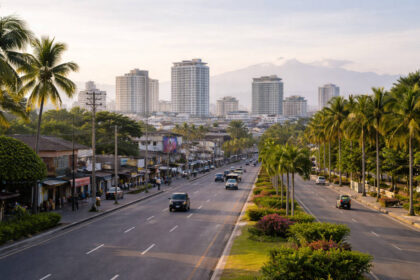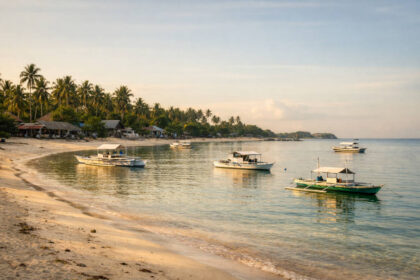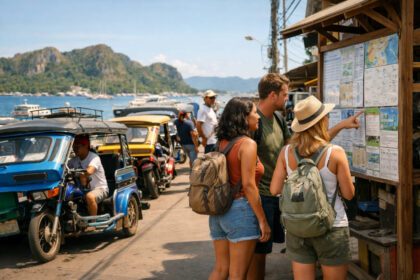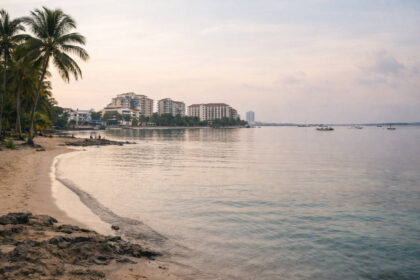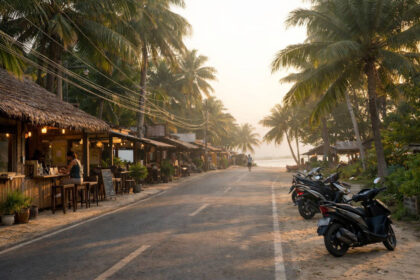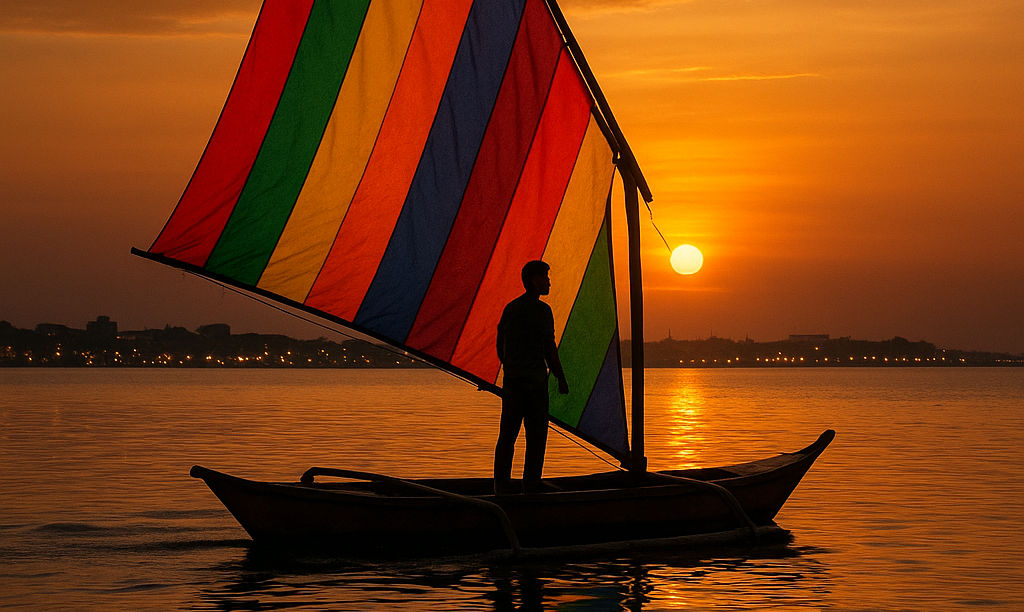
Step out of the airport and the air hits you warm and salty, with a hint of grilled fish and diesel from passing jeepneys. “Buenas dias,” the guard greets you, and suddenly, you’re not just in another Philippine city—you’re in Asia’s Latin City. You start to understand Zamboanga city colors when you hear Chavacano floating through the air, see vinta sails painted like fiesta flags, and watch sunset light spill gold over canals, esteros, and the open sea.
This isn’t a place you rush through. Zamboanga City slowly reveals itself in layers: Spanish-era forts and plazas, Muslim and indigenous traditions, Yakan and Tausug weavers, fishermen unloading the morning catch, and families joining the evening paseo by the water. The real Zamboanga city colors live in the small, everyday scenes—kids playing by the estero, a vendor joking in Chavacano, knickerbocker fruit dessert melting in the heat as the breeze from the bay finally cools your skin.
In this guide, we’ll walk through the historic heart, follow the waterfronts and canals, sail with vinta boats to pink and emerald islands, eat our way through coastal markets, and meet the people behind weaving and crafts. We’ll end with a realistic 2–3 day itinerary so you can trace your own path through Zamboanga city colors, safely and respectfully.
Asia’s Latin City in Full Color
The first thing that makes Zamboanga City stand out is its language. Chavacano, a Spanish-based creole, colors daily life with phrases that sound familiar yet different—like an abuela and a lola having a conversation in one voice. This is what anchors Zamboanga city colors: not just bright paint on walls, but the rhythm of speech, Catholic church bells, the call to prayer, and the laughter of vendors in the market.
You’ll hear “Buenas dias” (good morning) in sari-sari stores, “Muchas gracias” (thank you very much) in carinderias, and “Pasa ketu” (come here) from a tricycle driver beckoning you to hop in. For travelers, trying simple phrases becomes part of the adventure. Say “Cuanto este?” (How much is this?) in a market and watch faces soften into smiles. The warmth of locals is one of the brightest Zamboanga city colors you’ll experience.
Historically, the city has been shaped by Spanish colonial rule, Moro sultanates, and indigenous groups who’ve lived here long before. To understand the mix, it helps to read a bit of background from the Zamboanga City overview before your trip, then see how that history shows up in today’s streets, plazas, and waterfront promenades.
Chavacano Colors in the Historic Heart
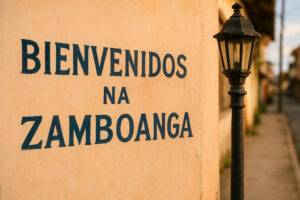 The historic districts around City Hall, Fort Pilar, and nearby plazas are where Zamboanga city colors feel most concentrated—like all the city’s layers are stacked on top of each other, bathed in midday sun.
City Hall, Plaza Pershing, and Everyday Chavacano
Start near Zamboanga City Hall, a cream-and-red building with a quietly dignified presence. Around it, old structures, shopfronts, and office buildings are splashed with paint—soft pastels, sun-faded reds, and new bold murals. Plaza Pershing, with its trees and benches, makes a good spot to just sit and listen. Chavacano, Tagalog, Cebuano, Tausug, and English swirl together in one public soundtrack that defines Zamboanga city colors.
This is a good area to practice phrases: “Puede ba yo mira el menu?” (Can I see the menu?) or simply “Buenas tardes” (good afternoon) when entering a café. Locals are usually delighted when visitors try, and will happily switch to Tagalog or English if you get stuck.
Fort Pilar and the Open-Air Shrine
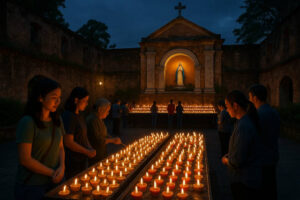 Walk or take a short tricycle ride to Fort Pilar, the 17th-century fort that has watched centuries of trade, conflict, and devotion. The outer walls are massive and weathered, with patches of moss and lichen creating natural art. Inside, a courtyard and museum add context, but it’s the open-air shrine facing the sea that really glows as part of Zamboanga city colors.
Here, you’ll find candles in red, white, blue, and yellow lined up as devotees pray quietly. The scent of melted wax mixes with sea breeze and the low murmur of prayer. Modest clothing is important—covered shoulders and knees if possible—and taking photos should be done respectfully, prioritizing the sacredness of the space over the perfect shot.
Churches, Mosques, and Layered Faith
Zamboanga City’s skyline includes both domes and bell towers. Around the historic center, you might visit Catholic churches with stained glass catching the tropical sun, then pass by mosques painted green and white with golden details. These everyday places of worship are essential threads in Zamboanga city colors, and you can feel that mix simply by walking, listening, and observing respectfully outside prayer times.
Waterfronts, Canals, and Coastal Breeze
Zamboanga City hugs the sea, and much of its life happens near the water. As afternoon heat softens, people naturally gravitate to promenades, canals, esteros, and piers where Zamboanga city colors shift into softer pastels and shimmering reflections.
Paseo del Mar: Evening Paseo and Vinta Views
Paseo del Mar is where locals go for their evening paseo—strolling, snacking, talking, and feeling the breeze. As the sun drops, the sky behind Basilan’s silhouette turns orange and pink, and the sea mirrors those Zamboanga city colors in streaks.
Food stalls light up, kids beg for ice cream, couples share barbecued squid, and somewhere a busker sings a love song. On some evenings, you’ll see colorful vinta boats nearby, their sails like moving stained glass in the twilight. This is one of the best places to simply feel Zamboanga city colors without an itinerary—just walk, eat, and watch the day end by the sea.
Canals, Esteros, and Working Waterfronts
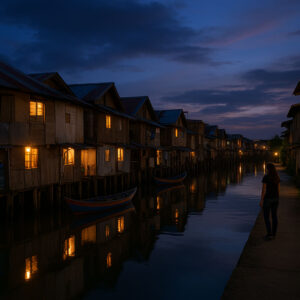 Away from the main promenade, you’ll find canals and esteros lined with homes on stilts, small boats tied up like sleeping animals, laundry fluttering in the air. The reflections here are more muted but just as striking: blue sky, rusted tin roofs, children’s shirts in neon green or bright red.
These are real neighborhoods, not theme parks, so observe from main walkways or bridges and avoid barging into communities uninvited. A friendly “Buenas” and a smile go a long way. In these corners, Zamboanga city colors are intimate—less Instagram-perfect, more honest.
Sunset and Night Lights by the Sea
As night falls, lights from cafés and street stalls dance on the water. Simple plastic chairs become front-row seats to the bay. If you’re traveling solo and still feeling things out, nighttime waterfronts can be enjoyed carefully—stick to well-lit areas with families and groups, and you can also prepare by reading the solo travel guide to the Philippines for extra confidence.
From day to night, these shifting reflections are a major part of Zamboanga city colors, painting your memories in shades of gold, indigo, and neon.
Vinta Boats and Island Hues
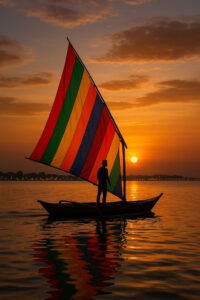
Nothing says Zamboanga City like the multicolored vinta, sails patterned in stripes of red, blue, green, yellow, and white. Seeing one up close turns Zamboanga city colors from metaphor into something you can actually ride across water.
Vinta Sailing Near Paseo del Mar
On certain days and during festivals or special events, vinta rides can be arranged around the Paseo del Mar area or nearby points. Always look for licensed operators or ask your accommodation to recommend reputable contacts. Life vests are a must, and it’s okay to insist on them even if you feel shy.
A short ride lets you glide parallel to the bayfront, with the city on one side and the open water on the other. As the sail snaps in the wind and the boat rocks gently, you’re literally surrounded by Zamboanga city colors—vinta fabric above you, city lights ahead, and sunset behind.
Sta. Cruz Island Pink Beach
Sta. Cruz Island, famous for its pink-tinged sand, is one of the most iconic side-trips. Trips are usually organized through the local tourism office, often departing from the port area in the morning. For updated requirements, boat schedules, and fees, check the Destino Zamboanga official tourism site before you go.
The sand’s delicate blush comes from crushed red organ-pipe coral mixing with the white sand. Against the turquoise water and simple huts, the shoreline feels like a natural extension of Zamboanga city colors. Respect rules about swimming zones and marine protected areas, avoid picking up shells and corals, and pack your trash out—this is a fragile ecosystem.
Once Islas: Emerald Coves and Quiet Moments
Once Islas, a cluster of islands and islets, offers calmer, more contemplative scenes. Think green headlands, rocky outcrops, and water shaded from turquoise to deep blue. Local guides can bring you to view points and hidden coves that look like painter’s palettes.
Bring reef-safe sunscreen, a hat, and a dry bag for your phone and camera. Between Sta. Cruz’s pink sand and Once Islas’ greens and blues, island-hopping gives you a whole new palette of Zamboanga city colors beyond the urban waterfront.
Markets, Seafood, and Street Food Color
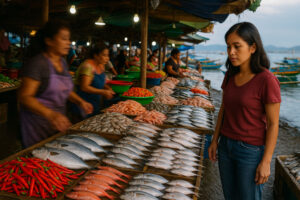 If you want to taste Zamboanga city colors, head straight to the markets and food streets. This is where fish shimmer silver on ice, chilies glow red and green, and smoke from grills wraps around you like a second shirt.
Coastal Markets and Morning Palengke
Visit a wet market early—around 6:00 or 7:00 a.m.—to see fishermen delivering their catch: tuna, lapu-lapu, squid, and shellfish piled high. Vendors call out prices in Chavacano, hands moving quickly as they clean and portion fish. Expect to hear “Amigo, barato lang!” (Friend, it’s cheap!) as you wander.
Street snacks and coffee stalls nearby offer quick breakfasts for under ₱100–₱150. The atmosphere is busy but friendly; keep your bag in front of you, like in any crowded palengke. This side of Zamboanga city colors is gritty and energetic, full of movement and noise.
Curacha in Alavar Sauce
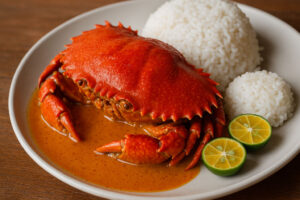 Curacha, the spiny deep-sea crab, is one of the city’s most famous dishes, often served with an orange, creamy Alavar sauce made with coconut milk and spices. It’s the kind of dish that leaves your fingers sticky and your heart happy. A shared serving for two to three people can range around mid-hundreds to low thousands in pesos, depending on the restaurant and size, so it’s a good dish to enjoy with friends or family.
Pair curacha with garlic rice and maybe some grilled vegetables, and you’re tasting one of the richest expressions of Zamboanga city colors on a plate—orange sauce, red shells, white rice, and the green of calamansi wedges ready to be squeezed.
Satti for Breakfast
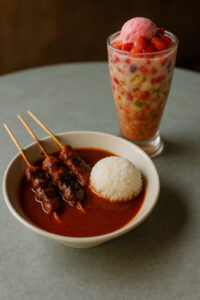 Satti is a beloved local breakfast: small skewers of grilled meat or chicken served in a shallow bowl of spicy, slightly sweet orange-red sauce, usually with rice or puso (hanging rice). It’s cheap, filling, and very local—expect around ₱60–₱120 for a decent meal in a simple eatery.
Early mornings in a satti place are noisy and comforting. Steam rises, conversations flow in Chavacano, and staff move quickly with bowls and skewers. This is another flavor of Zamboanga city colors: community, spice, and comfort food at sunrise.
Knickerbocker and Tausug or Yakan Snacks
For merienda, try knickerbocker—a dessert made of layered fresh fruits, gelatin, shaved ice or ice cream, and milk, sometimes topped with syrup. It’s an explosion of pinks, oranges, and yellows in a glass, a sweet pause in the middle of your Zamboanga city colors journey.
Look also for Tausug and Yakan snacks like pastries, rice cakes, or native delicacies. The colors and shapes of these sweets carry stories and traditions, and buying them from small vendors supports families who keep these recipes alive.
Weaving, Textiles, and Craft Stories
One of the most beautiful Zamboanga city colors experiences is meeting the weavers and artisans whose work you often see only as souvenirs. Here, textiles are more than designs—they’re memory, identity, and everyday pride.
Yakan Weaving: Geometric Rainbows
Yakan textiles are famous for their bold, geometric patterns and strong color combinations: neon greens against deep purples, bright reds crossing blues and yellows. Visiting a weaving center or village where Yakan weavers work lets you see how Zamboanga city colors can be translated into cloth line by line.
When you enter, greet respectfully, observe first, then ask before taking photos—especially of people. Buying directly from weavers, whether it’s a table runner, bag strap, or full malong, ensures your pesos go to the ones who thread these colors into being.
Tausug Crafts and Everyday Design
Tausug artisans also bring their own patterns and symbols into textiles, beadwork, and other crafts. Look for shawls, scarves, or ornamental pieces with repeating motifs that often have meanings tied to nature, faith, or status.
These items can become wearable reminders of Zamboanga city colors, but they’re also part of living cultures. When buying, be curious and respectful; ask, “Que significa este design?” (What does this design mean?) and listen to the stories.
Buying Textiles Ethically
To buy souvenirs ethically, avoid aggressive haggling. You can ask, “Puede ba menos un poco el precio?” (Can the price be a little less?) but accept a no gracefully. Pay fair value for handmade work—it often takes days or weeks to finish one piece.
This mindset turns shopping from a quick transaction into a meaningful exchange, and it’s one of the most satisfying ways to bring Zamboanga city colors home in your suitcase.
Practical Travel Guide to Zamboanga City
Behind the scenes of all these experiences are the practical details: flights, local transport, safety, dress, and timing your visit. Being prepared lets you enjoy Zamboanga city colors with fewer worries.
How to Get There
Most travelers arrive by plane, with direct flights from major hubs like Manila or Cebu offered by several airlines. Flight times are usually around 1.5–2 hours from Metro Manila. Some travelers connect Zamboanga with other Mindanao routes—like adding a leg to Cagayan de Oro or Davao—so you can research options and later pair this guide with our features on Cagayan de Oro in Mindanao or the Davao travel category if you’re planning a longer loop.
From the airport, taxis and tricycles are available; confirm fares before boarding. Some hotels can arrange transfers, which can be worth the extra convenience if you arrive late in the day and want to dive into Zamboanga city colors stress-free.
Getting Around the City
Jeepneys, tricycles, and multicabs are the main modes of transport. For visitors, tricycles are often the easiest; they’re flexible and can drop you near exact locations like Fort Pilar, Paseo del Mar, or markets. Always ask, “Cuanto el pase?” (How much is the fare?) before the ride and clarify if the price is per person or per ride.
Walking is also rewarding in dense areas of the city center, but the heat can be intense. Bring water, a hat, and a small towel. Many of the best Zamboanga city colors scenes—plazas, churches, waterfronts—are walkable from each other once you’re in the core.
Safety, Etiquette, and Moving with Respect
Zamboanga City is a working port and regional hub, so it’s normal to see police or military presence, checkpoints, and security guards. For most tourists, this simply becomes background—part of moving through a city that has strong security protocols. Carry a valid ID, answer questions politely if stopped, and keep your itinerary clear and straightforward.
Like in any busy city, keep valuables secure, avoid flashing large amounts of cash, and stick to well-lit, populated areas at night. Dress modestly, especially when visiting religious sites or more traditional neighborhoods—covered shoulders and knees are a sign of respect. If you’re unsure about solo exploring, especially after dark, prepare by reading the solo travel guide to the Philippines for general tips you can adapt to Zamboanga city colors and streets.
Best Times to Visit and Hermosa Festival
Weather-wise, aim for months with fewer heavy rains, and always keep an eye on forecasts in case of storms that may affect island trips. October is a special time because of the Zamboanga Hermosa Festival, honoring Nuestra Señora La Virgen del Pilar. Expect parades, cultural shows, more vinta displays, and a full-on explosion of Zamboanga city colors in streets, plazas, and the bayfront.
During festival season, book flights and accommodation early and prepare for crowds. The payoff: you’ll see the city at its most animated, with Chavacano songs, street performances, and decorated boats and floats.
Zamboanga City Colors Itinerary: 2–3 Days
Here’s a realistic way to experience Zamboanga city colors without rushing, balancing culture, canals, islands, and markets.
Day 1: Historic Heart and Waterfront Sunset
Morning: Arrive and settle into your accommodation. Have satti for breakfast or brunch near the city center, then walk around City Hall and Plaza Pershing. Listen to Chavacano, practice phrases like “Buenas tardes” and “Muchas gracias,” and snap photos of heritage buildings and murals.
Afternoon: Visit Fort Pilar—explore the museum if it’s open, then spend time in the shrine area. Light a candle if you wish, and sit quietly facing the sea. Afterward, walk or take a tricycle to another church or mosque nearby for a sense of the city’s layered faith traditions.
Evening: Head to Paseo del Mar for your first waterfront sunset. Try grilled seafood or casual snacks from stalls, watch for vinta boats if they’re visible, and soak in this first encounter with Zamboanga city colors reflected on the water.
Day 2: Islands and Pink Sand
Morning: Join an organized trip to Sta. Cruz Island Pink Beach. Enjoy the colored sand, swim within permitted areas, and respect all guidelines for marine protection. Lunch can be a simple packed meal or arranged with your boat operator—just avoid leaving any trash behind.
Afternoon: Return to the city, rest during the hottest hours, then in the late afternoon explore another waterfront or canal-side area. Look for spots where you can see estero scenes: boats, houses, and laundry creating everyday Zamboanga city colors in motion.
Evening: Eat curacha in Alavar sauce at a recommended restaurant. Share with friends or family, then cap the night with knickerbocker or coffee in a café where Chavacano and Tagalog conversations hum around you.
Day 3 (Optional): Once Islas, Weaving, and Markets
Morning: If you have a third day, spend it on a Once Islas trip—swimming, hiking to viewpoints, and relaxing on quieter shores. Let the greens and blues expand your mental map of Zamboanga city colors beyond the main bayfront.
Afternoon: Visit a weaving center to meet Yakan or Tausug artisans, learn about their patterns, and buy textiles or small souvenirs. Later, swing by a market for last-minute snacks and pasalubong.
Evening: One last paseo by the water or through a familiar plaza. Sit on a bench, watch families and street vendors, and let the city’s palette—language, light, food, textiles—settle into your memory. This is what a Zamboanga city colors trip feels like when it’s allowed to breathe.
If you’re crafting a bigger Mindanao route, you can connect this itinerary to river rafting and canyon adventures in Northern Mindanao—use our CDO river adventures guide as a starting point—before or after your Zamboanga city colors journey.
FAQs on Zamboanga City Colors
What Makes Zamboanga Asia’s Latin City?
Primarily, it’s Chavacano—the Spanish-based creole spoken at home, in markets, on jeepneys, and in government offices. Add Spanish-era forts and plazas, Catholic traditions, and a historical link to Hispanic influences, all layered with Muslim and indigenous cultures, and you get a unique blend that paints Zamboanga city colors unlike anywhere else in the Philippines.
Where Can I Hear and Use Chavacano?
You’ll hear it almost everywhere: in palengkes, on jeepneys, in tricycles, and among staff in cafés and restaurants. Try simple phrases in real situations—greeting a vendor, asking for prices, thanking your driver—and let these interactions shape your Zamboanga city colors experience.
Is Zamboanga City Safe for Travelers?
Most visitors experience Zamboanga City as a busy, welcoming place with visible security presence. Follow local advice, stay in established accommodations, keep to well-used routes and busy public areas, especially at night, and follow standard city-safety habits. When in doubt, ask locals or your hotel, and travel with others for island and vinta trips as you explore Zamboanga city colors.
Visual Ideas for Zamboanga City Colors
 To bring your story or travel memories to life, shoot visuals that mirror the variety of Zamboanga city colors:
For a featured image, capture a vinta with its multicolored sail gliding at sunset near Paseo del Mar, city lights starting to glow behind it and soft waves in the foreground. Supporting photos could include: a close-up of a Chavacano street sign or hand-painted phrase on a wall; a busy coastal market scene with fish, chili, and fruit in bold colors; mouthwatering close-ups of curacha in Alavar sauce, steaming satti bowls, and knickerbocker in tall glasses; the walls and courtyard of Fort Pilar with devotees lighting candles; and canal or estero views at dusk with boats, houses on stilts, and reflections turning the water into a soft mosaic.
When you piece these images together—along with your own notes, sounds, and smells—you’ll have your personal album of Zamboanga city colors. And when you’re ready to plan your next trip, check out more Philippines travel guides to keep the inspiration flowing.