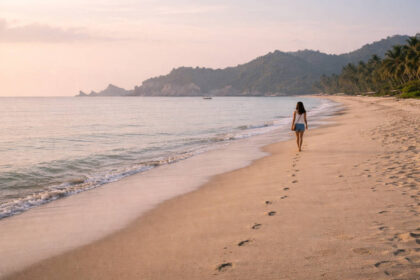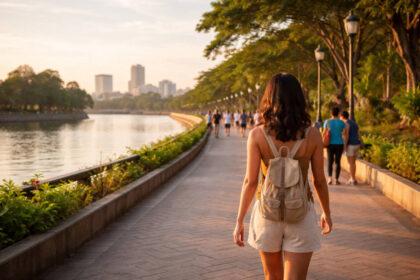
A calm Zambales itinerary 3 days plan works best when you choose one base and build buffers for traffic, weather, and energy. Zambales looks straightforward on a map, but weekends can bring heavy road delays and busy beach towns, and boat trips to coves depend on sea conditions. This guide keeps the pace realistic with morning and afternoon blocks, simple pickup and transport notes, and a backup plan that still feels like a trip even when it rains.
If you want more area-specific reads after you pick your base, browse Zambales Travel Guides and Spots on Bakasyon.ph to match your itinerary to your travel style.
Quick Overview: Pick Your Zambales Base for 3 Days (Subic vs San Antonio vs San Felipe)
 For a realistic 3-day plan, choose one main base and keep day trips short. Here is the simplest way to decide:
Who Each Base Is Best For (First-Timers, Families, Couples, Groups, Low-Stress Travelers)
Subic (Subic Bay / Olongapo side): best for first-timers who want easy logistics, more dining choices, and family-friendly stops. Roads are generally easier to navigate, and you have more fallback options if weather turns.
San Antonio (Pundaquit side): best for travelers who want the coves (like Anawangin Cove or Nagsasa Cove) and are okay with an early start and a more “process-heavy” boat day. It is ideal if the coves are your main priority.
San Felipe (Liwa / beach and slow days): best for couples, friend groups, and low-stress travelers who want a slower beach pace with fewer moving parts. It is also a good choice if you want more rest time than sightseeing time.
Reality Check: Trying to “base-hop” between Subic, San Antonio, and San Felipe in only three days usually turns into packing, checkouts, and road time. One base is calmer.
Before You Go: What to Prebook vs What to Decide on the Day
A smooth Zambales itinerary 3 days plan is mostly decided before you leave Metro Manila. Prebook the things that can sell out or cause last-minute stress, and leave flexible the parts that depend on weather and energy.
Prebook List (Accommodation, Any Boat Day if You Want It Guaranteed, Key Contacts)
Accommodation: Book at least 2 nights in one base. Weekends and long holidays fill up quickly, especially near Liwa and Pundaquit.
Boat day (if coves are a must): If you want Anawangin Cove or Nagsasa Cove as your “main experience,” it helps to coordinate in advance so you understand meeting time, minimum group size (if applicable), and what is included.
Key contacts: Save your accommodation contact, planned pickup details (if using private transport), and a tricycle or local transport contact if your area is far from main roads.
Reality Check: Many frustrations come from arriving late and then discovering limited availability for boats, rooms, or even dinner spots during peak weekends.
Decide-on-the-Day List (Food Stops, Exact Beach, Short Side Trips) With Weather Checks
Food stops: Keep meals flexible. Decide based on your arrival time and how tired you feel after the drive.
Exact beach time: If it is hot and sunny, you can prioritize beach hours. If it is humid or cloudy, you might prefer a café break or an earlier rest block.
Weather checks: Make it a habit to check official forecasts on PAGASA Weather the night before your main beach or boat day.
Reality Check: “Decide on the day” still needs structure. The goal is flexibility with guardrails, not a fully improvised schedule.
Transport Notes: Getting to Zambales From Metro Manila With Friction Points
Transport planning is the make-or-break part of a Zambales itinerary 3 days plan. Most delays happen before you even reach the beach: Metro Manila traffic, late departures, and long stopovers.
Common Pickup Points and What Time Friction Feels Like (Early Lines, Traffic, Stopovers)
Common pickup areas: Cubao, Pasay, and sometimes Avenida-style corridors are typical starting points for provincial buses. For private vans, pickups may be arranged in major malls or central meeting points.
Time friction reality: Early morning departures reduce traffic risk, but terminals can have early lines. Mid-morning departures can feel easier physically but often cost you beach time because road traffic stacks quickly.
Stopovers: Expect at least one stop for restroom and food on longer runs, and plan small bills for quick purchases.
Reality Check: A “4-hour drive” can turn into 6 hours on a weekend. If Day 1 is your only beach day, you will feel that loss.
For a quick refresher on what to expect from buses, terminals, and transfers in the Philippines, keep Philippines Public Transport Guide open while planning.
Local Transport Reality (Limited Options in Some Towns, Last-Trip Timing, Cash Needs)
Limited options: Outside Subic, transport can be more limited and more “timing-based.” Tricycles and local rides may be fewer at night, and some areas rely on informal coordination.
Last-trip timing: Avoid scheduling dinners or returns that assume late-night transport will be easy, especially in quieter beach areas.
Cash needs: Bring cash in small denominations. Some beach areas have limited ATMs or intermittent availability, and mobile data can be unreliable.
Reality Check: The last few kilometers to your stay can feel like the hardest part if you arrive late, tired, and without cash.
Zambales Itinerary 3 Days at a Realistic Pace (Morning and Afternoon Blocks)
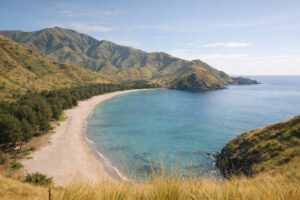 This “main route” assumes a San Felipe (Liwa) base because it is one of the easiest ways to keep the pace calm and reduce boat-day dependency. If you prefer coves or Subic logistics, jump to the route options section below and swap the base while keeping the same pacing rules.
Day 1: Arrival + Settle + Light Activity Block + Early Night Option
Morning: Depart Metro Manila early. Eat a light, non-messy meal before you leave or during the first stopover. Aim to arrive in San Felipe with enough daylight to check in without rushing.
Afternoon: Check in, unpack, and take a short “orientation walk” near the beach area. Keep the first beach block light: a quick dip, sunset viewing, and an early dinner close to your stay.
Early night option: If the drive was draining, treat this as a recovery night. A rested Day 2 is worth more than forcing a late activity.
Reality Check: Day 1 is often the most tiring part of a 3-day trip. Planning a gentle arrival prevents the “burnout on Day 2” problem.
Day 2: Main Experience Day (Choose One: Coves Boat Day or Liwa Slow Beach Day)
Morning (Liwa slow beach version): Start early to catch cooler air. Do a long beach walk, then a relaxed breakfast. If you want a short activity, choose something nearby that does not require tight timing (like a quick viewpoint stop or a café break).
Afternoon (Liwa slow beach version): Block a rest window back at your accommodation. Then return for late-afternoon beach time when heat is softer. Keep dinner simple and close.
Alternative (Coves boat day as your main experience): If coves are your priority, this is the day to do it—but it is easiest if your base is San Antonio. If you are staying in San Felipe and still want coves, understand that you are adding extra road time and an earlier wake-up, which can make the day feel rushed.
Reality Check: The calmest Day 2 is one main experience plus rest. Trying to stack a boat day, multiple beaches, and long drives usually turns into queues and fatigue.
Day 3: Short Morning + Checkout + Return Travel Buffer
Morning: Early breakfast, a final short beach moment, and pack with a “last check” for wet items and chargers. If you want souvenirs or snacks, do it in the morning when you still have energy and time.
Afternoon: Checkout and travel back with a buffer mindset. Plan your return around traffic risk: leaving too late can turn the trip into a long evening crawl.
Return buffer: Avoid booking anything important the same evening you return to Metro Manila if you can. If you must, choose an earlier departure window.
Reality Check: Day 3 can feel stressful when travelers try to “maximize the last hour” and then get stuck in traffic. A calm end makes the trip feel longer, not shorter.
Route Options You Can Swap In (Choose Only One “Main” Route to Keep It Realistic)
Use one base for the full Zambales itinerary 3 days plan. These options keep the same calm pacing but adjust the main highlight.
Option A: San Antonio Base With Coves Focus (Low-Stress Version)
Best for: travelers who want the coves as the centerpiece and are okay with an early boat departure process.
 How it looks in 3 days: Day 1 arrival and settle near Pundaquit; Day 2 coves day (Anawangin Cove or Nagsasa Cove) with an early start; Day 3 short morning then return.
Boat-day planning note: Use one clear reference guide for cove logistics and keep your expectations realistic about queues and packing. This guide is helpful for planning: Zambales Island Camping and Pundaquit Coves Guide.
Also check local updates: if you want official tourism announcements and local advisories, visit San Antonio Zambales Tourism.
Reality Check: A coves day is not “just a beach day.” It is a timed process (meet-up, loading, crossings), and weather can change the plan quickly.
Option B: San Felipe Liwa Base (Slow Beach and Food, Fewer Transfers)
Best for: low-stress travelers who prefer rest, long walks, and flexible meal stops.
How it looks in 3 days: Day 1 arrive and sunset; Day 2 slow beach plus a short side trip only if you feel fresh; Day 3 short morning then return.
Swap-in ideas: If you want alternatives beyond the usual spots, browse Zambales Travel Guide to Hidden Beaches for options you can choose based on the day’s weather and crowd levels.
Reality Check: Liwa is easiest when you do less. The moment you start stacking far transfers, you lose the calm advantage.
Option C: Subic Base (Easy Logistics, Family-Friendly Stops)
Best for: families, first-timers, and travelers who want more predictable dining and logistics.
How it looks in 3 days: Day 1 arrive and choose an easy afternoon stop; Day 2 do one main activity block plus rest; Day 3 short morning then return.
Swap-in ideas: If you want quieter alternatives and short side trips, browse Zambales Hidden Gems and pick one that fits your energy.
Reality Check: Subic feels “easy” because it has more choices, but it can also tempt you into over-scheduling. Keep the same buffer rules.
Buffer Plan: If Weather Is Bad or You Need Rest
A good Zambales itinerary 3 days plan includes a mainland-friendly backup that replaces a boat or beach-heavy day. If seas are rough or rain is heavy, do not fight the weather. Swap in a comfort-focused day that still feels intentional.
Mainland-Friendly Buffer Activities and “Do Nothing” Rest Plan That Still Feels Like a Trip
Plan A (light activity buffer): slow breakfast, a short scenic drive or viewpoint stop (weather permitting), then a long café or sheltered meal block. Add a short souvenir or local market stop only if it is not crowded and does not require long walks in rain.
Plan B (rest buffer): treat the day as a reset: sleep in, do laundry or dry wet items, read, and take a short walk when rain softens. End with an early dinner.
Weather timing tip: In the Philippines, rain often comes in bursts. Check patterns and timing using Philippines Weather Travel Guide Best Months and confirm day-of forecast via PAGASA Weather.
Reality Check: The “best beach photos” are not worth a stressful day. A calm buffer day often becomes the favorite memory because you actually rest.
Budget and Comfort Variations (What Changes When You Spend More)
Costs in a Zambales itinerary 3 days plan shift based on transport type, room comfort, and how many transfers you are willing to do. If you want examples for broader Philippines budgeting, reference Philippines Travel Budget Examples.
Budget Plan: Commute, Simple Stays, Fewer Transfers, Earlier Starts
Transport: bus or shared van from Metro Manila, then tricycle or local rides. Stays: simple rooms, sometimes with shared facilities. Pacing: earlier starts to avoid traffic and to match public transport schedules. Tradeoff: more waiting and less control over timing.
Midrange Plan: Better Timings, Fewer Hassles, Flexible Meals
Transport: more convenient departure times or semi-private transfers. Stays: better sleep quality (aircon, reliable water pressure, quieter rooms). Pacing: balanced—one main experience per day with planned rest blocks. Tradeoff: higher cost, but less friction.
Comfort Plan: Private Transfers, Better Sleep, Less Rushing
Transport: private car or private van with a clear pickup time and minimal stopovers. Stays: resorts or higher-comfort beachfront options. Pacing: no need to chase early public schedules; you can protect rest time and avoid peak queues. Tradeoff: cost rises, but predictability improves.
Reality Check: Spending more does not mean doing more. It usually means doing the same plan with fewer hard edges: less waiting, less bargaining, more rest.
Practical Tips to Reduce Stress
These small habits make a Zambales itinerary 3 days plan feel calmer even on a busy weekend.
Cash, Signal, Power, Wet Weather Packing, and Time Buffers
 Cash: bring small bills for tricycles, small eateries, and quick purchases. Signal: expect patchy data in some beach areas. Power: carry a power bank and charge early. Wet weather: pack a light rain layer, dry bag or zip pouches, and slippers that handle wet sand. Buffers: add 60 to 90 minutes to your departure windows on weekends, especially for the return to Metro Manila.
Reality Check: Most “bad trips” are just under-buffered trips. Extra time is the cheapest upgrade.
What to Screenshot or Save (Bookings, Contacts, Pickup Details)
Save these offline: accommodation booking, exact address and landmark, contact numbers, bus or van confirmation, pickup point screenshot, a simple day-by-day plan, and a map pin of your stay. If you arranged a boat day, save the meeting time, meeting point, and your coordinator’s number.
Reality Check: When rain starts or signal drops, searching for details becomes stressful. Offline saves keep you calm.
FAQ
What is the most realistic 3-day Zambales itinerary for a calm pace?
The most realistic plan is one base, one main highlight day, and built-in rest. A simple version is: Day 1 travel and settle; Day 2 choose either a coves boat day (best from San Antonio) or a slow Liwa beach day (best from San Felipe); Day 3 short morning then return with traffic buffers.
Which base is easiest for first-timers: Subic, San Antonio, or San Felipe?
Subic is usually easiest for first-timers because it has more dining choices, more fallback options, and generally simpler logistics. San Felipe is easiest for “do less, rest more” travelers, while San Antonio is easiest if the coves are your main goal.
Where are the usual pickup points and how long is travel time with delays?
Common pickup points are major Metro Manila terminals such as Cubao and Pasay, depending on the operator. Travel time can vary widely: a smooth run may feel manageable, but weekends and holidays can add hours due to traffic and stopovers. Plan Day 1 as mostly a travel day and avoid scheduling a late arrival.
What should I prebook vs decide on the day?
Prebook accommodation (2 nights in one base) and a boat day if the coves are non-negotiable. Decide on the day for food stops, the exact beach hours, and minor side trips, based on weather and crowd conditions.
What is the best buffer plan if seas are rough or it rains hard?
Swap a boat or beach-heavy day for a mainland-friendly rest plan: slow breakfast, a sheltered meal or café block, a short local stop if conditions allow, then a long rest window back at your stay. Check PAGASA Weather and keep expectations simple.
How much should I budget for 3 days in Zambales for different comfort levels?
Budget levels depend on transport and lodging: commute-based travel with simple stays costs less but adds friction; midrange pays for better sleep and smoother timing; comfort plans pay for private transfers and higher-quality rooms. Use your chosen base and travel dates to estimate, then add a buffer for meals, local rides, and weather-driven changes.
Can I combine Subic and coves in 3 days without rushing?
It is possible but usually not calm. Subic and the coves are on different planning rhythms, and the added transfers can eat your rest time. For a realistic pace, pick Subic for easy logistics or San Antonio for coves focus, rather than trying to do both in one short trip.
What are the common friction points and how do I avoid them?
The biggest friction points are Metro Manila traffic, late departures, limited local transport at night, and weather dependency for boats. Avoid them by leaving early, choosing one base, saving key details offline, carrying cash, and keeping a buffer plan ready.
Before you finalize your day blocks, it helps to scan Philippines Travel Planning Guide for First Trip and apply the same buffer logic to meals, check-ins, and return travel.
After your itinerary, a practical add-on is to plan quick stops for gifts and local items without overextending your schedule. This guide can help: Souvenir Shopping in Zambales Worth Buying.
For more planning-first itineraries with realistic pacing, browse More Travel Guides on Bakasyon.ph.