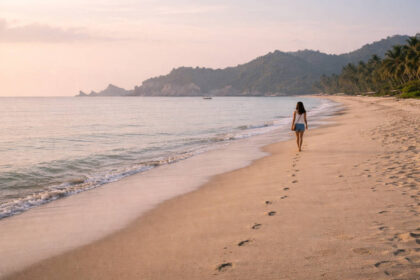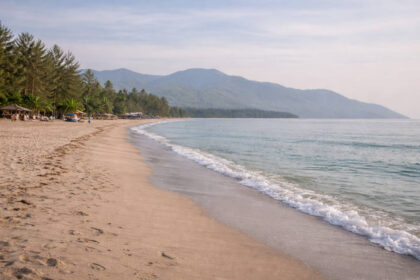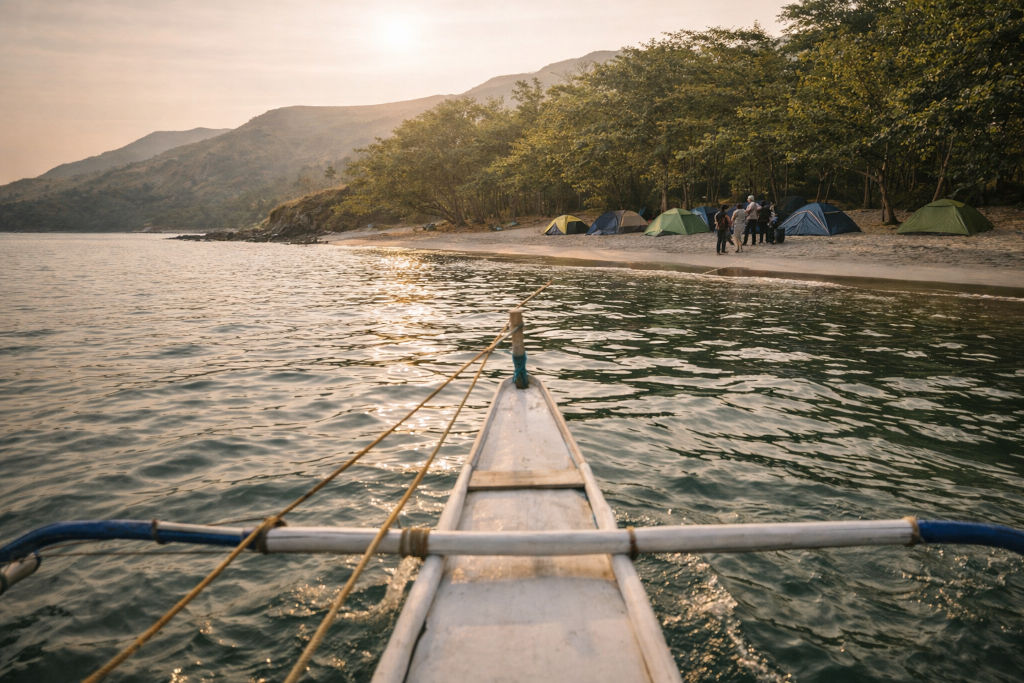
The first time I tried Zambales island camping, I remember the exact moment the coast went quiet. The banca engine slowed, salt spray cooled my cheeks, and the shoreline looked like a promise: pale sand, a line of trees, and tents tucked under shade like small secrets. You step off the boat and suddenly life is simple—carry your bag, find your spot, hammer in a tent peg, drink water, laugh at how “ang init” hits at noon, then forgive the heat the moment the sea breeze returns.
 Zambales island camping is not luxury. It’s the soft thrill of doing less with intention: no malls, no loud schedules, just coves, boats, and a slower heartbeat by the West Philippine Sea. This guide is made for first-timers planning classic Zambales cove camping via Pundaquit, San Antonio—centered on Anawangin Cove camping and Nagsasa Cove camping, with optional extensions like Talisayen Cove and Silanguin Cove if you want more remote quiet. I’ll walk you through boat hire, realistic campsite facilities, Leave No Trace basics, weather reality, and sample overnight itineraries you can follow without overthinking.
If you want more beginner-friendly camping reads, these internal guides are useful companions: Camping and Camping in the Philippines beginners guide.
Coves 101: Where Anawangin and Nagsasa Sit and Why Pundaquit Is the Jump-Off
San Antonio, Zambales as the gateway
Most first-timers do Zambales island camping through Pundaquit in San Antonio, Zambales. It’s a familiar jump-off for banca trips to the coves, and it’s where you’ll sort out boat hire, timing, and last-minute supplies before you go off-grid.
Anawangin and Nagsasa: the two “classic” coves
For Zambales cove camping, Anawangin and Nagsasa are the names people say most often because they deliver that iconic “simple life” vibe: open beach, tent-friendly sand, and a feeling of being far even when you’re just a boat ride away. Anawangin Cove camping usually feels more active; Nagsasa Cove camping tends to feel more spacious and quiet.
Optional nearby stops: Capones and Camara Islands
Capones Island and Camara Island are often treated as side trips if sea conditions allow. They can add a little “day adventure” to your Zambales island camping plan, but they’re best framed as optional: if the waves are rough, you skip without regret.
If you want more Zambales planning inspiration beyond the coves, you can also open these for later: Zambales destination guides and Zambales travel guide hidden beaches.
How to Get to Pundaquit Jump-Off and What Time to Arrive
Arrive early for smoother boats, calmer water, and less stress
How do you get to Pundaquit jump-off, and what time should you arrive? For Zambales island camping, the calm move is to arrive at Pundaquit earlier in the day so you can sort permits, fees, and boat arrangements without rushing. Earlier departures also tend to mean gentler water and more daylight for setting up camp.
From Metro Manila: your practical options
Most travelers do Zambales island camping via bus to Zambales (often to Olongapo or San Antonio area) then a local ride to Pundaquit. If you’re driving, plan for traffic and buffer time—because arriving too late increases your safety risks (night boat rides, rushed setup, tired decisions). This is one of those trips where “early is kinder.”
What to do upon arrival at the jump-off
When you reach Pundaquit, do a quick checklist before paying for anything: confirm your target cove (Anawangin Cove camping or Nagsasa Cove camping), ask about sea conditions, confirm your group size, and decide if you want a private boat or a joiner arrangement. For Zambales island camping, these five minutes of clarity can save you an hour of confusion.
Choose Your Cove: Anawangin vs Nagsasa (Plus Optional Add-Ons)
Anawangin vibe, crowds, facilities, and best for
Anawangin vs Nagsasa: which cove is better for your group and vibe? Anawangin Cove camping is often the first-timer default because it’s popular, lively, and usually has more “camp community” energy—more tents, more people cooking, more chance you’ll find basic supplies being sold. It’s great for friend groups who like a little social buzz, and for beginners who feel calmer when there are other campers nearby.
Tradeoff: because it’s popular, it can feel crowded on peak weekends. For Zambales island camping, that means you’ll want to arrive earlier to get a good spot and to avoid setting up under harsh midday sun.
Nagsasa vibe, quieter feel, facilities, and best for
Nagsasa Cove camping tends to feel more spacious and quiet—more “listen to the wind and the waves” than “hello, neighbor.” It’s a beautiful choice for couples, small groups, and anyone who wants Zambales island camping to feel restorative rather than festive.
Tradeoff: it can feel more remote, and facilities may be more limited depending on the area you choose and current conditions. That’s why Zambales island camping in Nagsasa rewards people who pack more thoughtfully (water plan, lighting plan, food plan).
Talisayen Cove and Silanguin Cove as optional add-ons
If you’re curious about Zambales cove camping beyond the two classics, Talisayen Cove and Silanguin Cove are often mentioned as quieter options. But here’s the honest framing: they usually mean a longer boat ride and a more remote feel. That can be wonderful—if your group is ready for fewer conveniences and you’re confident about weather buffers.
For first-timers, I suggest doing Zambales island camping in Anawangin or Nagsasa first, then treating Talisayen Cove or Silanguin Cove as a “next trip” upgrade when you already know what you personally need to feel comfortable on a beach.
Boat Hire 101: Private vs Joiner, What to Ask, and Weather Reality
Private vs joiner boats: what’s the difference?
How does boat hire work (private vs joiner), and what should you confirm? For Zambales island camping, a private boat means you’re renting the whole banca for your group, choosing your departure time (within reason), and controlling your stops (like quick photo points or an optional island pass if conditions allow). A joiner setup means you share the boat with other travelers, which can be cheaper but less flexible with timing.
Typical boat rate ranges (ranges only, confirm at the port)
Boat rates for Pundaquit boat rental vary by season, fuel costs, group size, and destination cove. As a very rough, commonly mentioned range, private boat hire might fall somewhere around a few thousand pesos up to several thousand pesos per trip depending on your route and inclusions, while joiner fees may be priced per person. Treat any number you hear online as a starting point only. For Zambales island camping, the best practice is to confirm the latest rates and any required environmental fee and camping fees at the port before you depart.
What to confirm before you leave shore
Before you hand over full payment for Zambales island camping transport, confirm these clearly:
• Life vests for everyone (and that you’ll wear them).
• Exact destination (Anawangin Cove camping, Nagsasa Cove camping, or add-ons).
• Pickup time for your return trip and where you should wait.
• What’s included: possible side stops, waiting time, and any extra charges.
• Weather cancellation expectations (what happens if trips are suspended).
Boat ride times and what happens when waves are strong
What are typical boat ride times, and what happens when waves are strong or trips get canceled? Boat ride times vary, but the big reality is this: waves decide the pace. During habagat season waves (and other rough sea periods), trips may be delayed, rerouted, or canceled for safety. Even if you’re eager for Zambales island camping, take “no go” decisions seriously—boatmen know these waters. Your best mindset is: plan for the trip you want, accept the trip the sea allows.
Check weather before you commit (especially during habagat)
Before a Zambales island camping weekend, it helps to check official weather updates and sea condition advisories. PAGASA is a solid reference point: PAGASA. Still, local conditions can shift quickly, so treat this as one piece of your decision-making—not the only one.
Campsite Facilities and Expectations: What You Might Find vs What You Should Not Assume
Toilets and showers: cleanliness reality
What facilities can you expect at each cove (toilets, freshwater, stores, charging), and what must you bring no matter what? In Zambales cove camping areas, there are often basic toilets and simple wash areas, but cleanliness varies with crowd levels and maintenance. Bring your own tissue, wet wipes, and a small hand sanitizer. If you’re sensitive to shared facilities, pack extra patience—and a small flashlight for night bathroom runs.
Freshwater and drinking water plan
Some coves may have limited freshwater access, but don’t assume it will be abundant, clean, or always available. For Zambales island camping, your safest plan is to bring enough drinking water for your group or arrange how you’ll refill responsibly. At minimum: bring a large water jug for camp and separate bottles for hikes and beach time.
Small stores and supplies: sometimes yes, sometimes no
Depending on the cove and season, you might find small stores selling basics (snacks, instant noodles, drinks). But treat that as a bonus, not your plan. Zambales island camping is calmer when you bring what you need and don’t rely on last-minute buying.
Charging, signal, and lighting
Expect limited signal and limited electricity or charging in many Zambales island camping spots. Some areas may offer charging for a fee, but it may be limited or unavailable. Bring a power bank, keep your phone on low power mode, and pack lighting: a headlamp per person is one of the best comfort upgrades for Zambales cove camping.
Leave No Trace, Beach Edition: Simple and Specific
What Leave No Trace looks like on beach coves
Zambales island camping only stays magical if campers keep it that way. Leave No Trace does not have to be preachy—it can be practical and caring. The official principles are explained here: Leave No Trace: 7 Principles. Here’s how I translate it for Zambales cove camping:
• Pack in, pack out: bring trash bags and take everything home, including food scraps and cigarette butts.
• Minimize soap: if you must wash, do it carefully and away from the shoreline when possible, using minimal biodegradable soap.
• Respect quiet hours: keep music low, especially at night—other campers came for the sea, not your playlist.
• Don’t damage trees: avoid tying ropes that scrape bark; use straps if you can.
• Don’t collect live wood: driftwood and branches are part of the ecosystem and the cove’s protection.
A simple “trash station” that changes everything
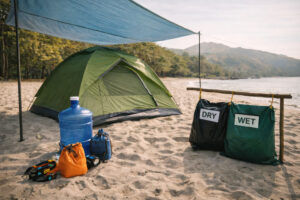
My favorite Zambales island camping habit: set up a small trash station the moment you arrive—one bag for dry trash, one for wet/food waste, and a small container for sharps (like broken skewers). It makes cleanup easy, and it reduces the chance of litter flying away in sea wind.
Respect caretakers and local rules (even when they change)
Environmental fee and camping fees may change, and policies can shift with conservation needs. For Zambales island camping, treat caretakers and boatmen as your best source of current rules. Follow signage, ask when unsure, and pay fees properly—these places stay open because communities maintain them.
Camp Food That Won’t Stress You: Simple Meals, Safe Storage, Clean-Up
Keep meals simple and heat-friendly
Zambales island camping food is happiest when it’s easy: rice, canned ulam, eggs, instant soup, noodles with veggies, grilled items you pre-marinate, and plenty of fruit. If you’re a first-timer, skip complicated cooking. The goal is to eat well without turning your beach day into a kitchen shift.
Safe storage: ants, dogs, and sea wind are real
Beach coves come with tiny realities: ants, curious dogs, and wind that will steal your plastic wrapper like it’s a game. For Zambales island camping, bring sealable containers, keep food covered, and store trash properly. Do not leave food unattended in open bags—this is how campsites get messy fast.
Clean-up plan: faster than you think if you do it in stages
Clean as you go. Use a small wash bin, minimal soap, and bring a sponge you’re willing to throw away later. If you cook anything oily, wipe pans with paper first to reduce greasy wastewater. Zambales island camping feels calmer when your camp stays tidy.
Nights by the Sea: Bonfire Reality Check and Calm Alternatives
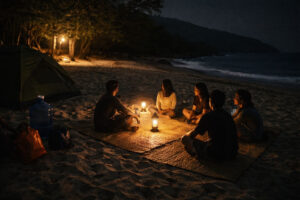 Are bonfires allowed right now? Treat it as “maybe”
Are bonfires allowed right now, and what are low-impact alternatives that still feel “camp”? Bonfire policies in Zambales cove camping areas can change and may be restricted at times due to environmental protection, safety concerns, or local rules. Some travelers have seen restrictions implemented in the past, and they can return. So for Zambales island camping, don’t assume fire is allowed just because someone did it before. Always confirm on-site with caretakers, boatmen, and local authorities before lighting any fire.
If fires are allowed: keep it small, designated, and fully extinguished
If you receive clear permission, use designated areas only (if provided), keep fires small, never burn trash, and fully extinguish with water until cool to the touch. Avoid collecting live wood. The goal is warmth and ambiance, not a big blaze. Zambales island camping should leave no scars on the sand.
A “camp vibe without fire” playbook
If bonfires are not allowed (or you simply want the low-impact route), you can still have a beautiful Zambales island camping night:
• Lanterns and warm string lights (battery-powered).
• Stargazing and constellation spotting (download offline sky apps before you go).
• Shared stories, soft acoustic music at low volume, or quiet card games.
• A warm drink in a mug and an early night that feels like a reset.
Honestly, some of my favorite Zambales island camping nights were lantern-lit and peaceful—no smoke, no ash, just the sea doing its steady breathing.
Safety Red Flags: When to Change the Plan Without Shame
Late arrival is a real risk multiplier
What are safety red flags that should change the plan? Arriving too late makes everything harder: boat decisions, tent setup, finding a safe spot, and managing kids or tired companions. If you’re pushing into late afternoon with uncertain sea conditions, consider adjusting: choose the nearer cove, skip extra side trips, or even reschedule. Zambales island camping rewards people who respect daylight.
Strong waves, habagat, and cancellations
If waves are strong, if boatmen advise against departure, or if there are official suspensions, do not negotiate your way into danger. Switch your plan: stay on the mainland, explore Zambales beaches accessible by road, or rebook. The best Zambales island camping story is the one where everyone gets home safe.
Night swimming, alcohol, and dehydration
Night swimming is a common no for me—visibility is poor, currents can change, and rescue becomes harder. Add alcohol and it’s riskier. For Zambales island camping, set a simple rule: swim only in daylight, hydrate constantly, and treat the midday heat as a real hazard. Bring oral rehydration salts if your group is prone to headaches or heat exhaustion.
Kids and first-timers: choose the safest version of fun
If you have kids or nervous first-timers, choose the more beginner-friendly setup: earlier boat ride, closer camp spot to facilities, and a conservative activity list. Zambales island camping is supposed to feel like relief—not worry.
Sample Itineraries: Easy 2D1N and Slow 3D2N (With Optional Side Trips)
2D1N easy first trip: one cove, one calm optional stop
What are realistic 2D1N itineraries (including optional Capones/Camara side trips if conditions allow)?
Day 1: Arrive early at Pundaquit, confirm boat details, then head to your chosen cove for Zambales island camping (Anawangin Cove camping for a more social vibe, or Nagsasa Cove camping for quieter space). Set up camp before the heat peaks. Lunch, nap or shade time, then a late afternoon swim. Sunset walk. Lantern night. Early sleep.
Day 2: Sunrise coffee, quick beach cleanup, pack out trash. If weather is calm and your boat arrangement includes it, you can do a short side stop at Capones Island or Camara Island on the way back. If waves are strong, skip and go straight home. The win is ending Zambales island camping feeling refreshed, not drained.
If you want more weekend beach-camping patterns you can borrow, this internal guide is helpful: Luzon beach camping weekends easy escapes.
3D2N slow version: extra beach morning, optional cove hop, earlier pack-out
What are realistic 3D2N itineraries? If you can spare the extra day, Zambales island camping becomes much gentler.
Day 1: Travel early, boat to Anawangin Cove camping or Nagsasa Cove camping, setup and rest. Keep the first day light—your body is still “arriving.”
Day 2: Slow morning swim, longer breakfast, then a potential cove hop if conditions allow and your group wants it (for example, a quick look at a quieter cove like Talisayen Cove as a day visit). Return before late afternoon. Nap. Sunset. Lantern night. Keep sound low.
Day 3: Early pack-out and a calm return schedule. If the sea is smooth and everyone feels good, add Capones Island or Camara Island as a final stop. If not, go straight back. This is the beauty of Zambales island camping when you have time: you don’t have to force anything.
FAQ
Anawangin vs Nagsasa: which cove is better for your group and vibe?
Anawangin Cove camping is commonly more social and can feel easier for first-timers because there are often more campers and basic options nearby. Nagsasa Cove camping usually feels quieter and more spacious, better for groups seeking calm. For Zambales island camping, pick based on your energy: community vs quiet.
How do you get to Pundaquit jump-off, and what time should you arrive?
Most people go to Pundaquit in San Antonio, Zambales via bus plus local ride, or by private car. Arriving earlier helps you secure boats, clarify fees, and depart with more daylight for safe setup—key for Zambales island camping.
How does boat hire work, and what should you confirm?
You can usually choose private or joiner arrangements. Confirm life vests, destination, pickup time, inclusions, and what happens if sea conditions change. Zambales island camping is smoother when you clarify return schedules before you leave shore.
What happens when waves are strong or trips get canceled?
Trips may be delayed, rerouted, or suspended. During habagat season waves and other rough periods, follow boatmen and local advisories. For Zambales island camping, rescheduling is sometimes the safest option.
What facilities can you expect at the coves?
Often basic toilets and simple wash areas, with limited signal and limited electricity or charging. Freshwater availability can vary. Bring water, lighting, power banks, and sanitation basics no matter what—core Zambales island camping essentials.
Are bonfires allowed right now?
Policies can change and may be restricted. Always confirm on-site with caretakers, boatmen, and local authorities before lighting any fire. If not allowed, use lanterns, stargazing, and quiet storytelling for a low-impact Zambales island camping night.
What does Leave No Trace look like on beach coves?
Pack out all trash, secure food, minimize soap, respect trees and quiet hours, and avoid collecting live wood. Zambales island camping stays beautiful when campers leave the sand cleaner than they found it.
What safety red flags should change the plan?
Late arrival, strong waves, night swimming, dehydration, heavy drinking, and unstable weather. If any of these show up, scale back or switch plans. Zambales island camping should feel safe and restful.
When you’re ready to plan, you can also explore more Zambales-specific ideas here: Zambales destination guides.