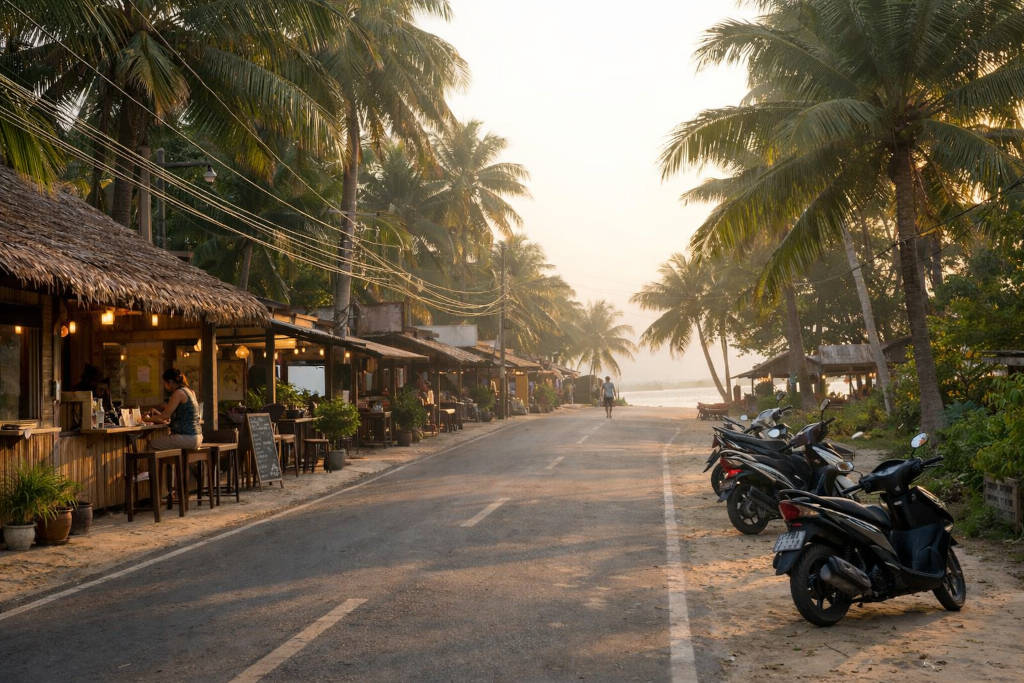
Picking where to stay in General Luna is less about “best hotels” and more about daily friction: how often you will ride a tricycle, how loud the road gets at night, whether your room can handle power cuts, and how far you are from the places you will visit most (restaurants, surf breaks, tour meet-ups, and beaches).
If you are planning your first Siargao trip, start with the bigger picture first, then zoom into neighborhoods. This is the same approach in the Philippines Travel Planning Guide: decide your priorities, then choose a base that reduces surprises.
This guide gives you a map-style breakdown of General Luna’s main stay areas, plus a booking checklist for power, water, and Wi-Fi. For overall island planning beyond accommodations, keep a tab open for the Siargao Travel Guide.
At-a-Glance Logistics For First-Timers
 Best time window: Many travelers prefer drier months for smoother road conditions and easier island hopping. If your dates are flexible, use Philippines Weather And Best Months to pick a season that matches your risk tolerance for rain and wind.
Realistic travel time inside General Luna: The “center” and Cloud 9 are close on a map, but short distances can still mean 10 to 25 minutes depending on traffic, rain, and waiting for a ride.
Budget band: In General Luna, you can find everything from simple fan rooms to boutique stays. Prices jump fast for beachfront, strong back-up power, and reliably strong Wi-Fi.
Crowd and noise risk: Tourism Road and the busiest dining strips can stay active late. Quieter areas exist, but you trade walkability for rides.
Heat and rain backup: Plan a “no-sun, no-surf” day. Choose a stay with covered outdoor space, an easy ride to cafes, and a clear plan for power and Wi-Fi.
Reality Check: Even good properties can experience brownouts, low water pressure, and variable mobile signal. A calm trip often comes down to asking the right questions before you pay.
Quick Decision: where to stay in General Luna by priority
If you want to walk everywhere
Choose the Tourism Road core (often called the Poblacion V area). It is the easiest base if you want to step out for coffee, dinner, or errands without committing to a motorbike. This is usually the simplest answer to where to stay in General Luna for first-timers who value convenience.
Reality Check: “Walkable” can still mean heat, sudden rain, and uneven road edges. Bring a small umbrella and expect puddles after showers.
If you want quieter nights
Look at Santa Fe and the Sunset Bridge area or Malinao. These can feel calmer at night, especially if your accommodation sits a bit off the main road. You will likely rely on tricycles or a motorbike for most meals.
Reality Check: Quieter does not always mean “silent.” Roosters, construction, and occasional karaoke can happen anywhere, so ask about room placement and nearby bars.
If you want to be close to surf at Cloud 9
Choose Cloud 9 and Catangnan if early surf sessions are your priority and you want less commuting before sunrise. It is still easy to reach restaurants, but you will ride more than if you stayed in the Tourism Road core.
Reality Check: “Surf-first” also means you may feel more exposed to wind and salt air. Expect damp gear and plan for drying space.
If you are working remotely and need steadier Wi-Fi options
Start with the Tourism Road core or the in-between resort strip, then filter properties by internet setup and power backup. For many remote workers, the “best” answer to where to stay in General Luna is the place that can keep you online during outages.
Reality Check: “Fast Wi-Fi” claims can mean very different things. Ask for the provider, typical speed range, and what happens during brownouts.
Map-style overview: how General Luna is laid out for first-timers
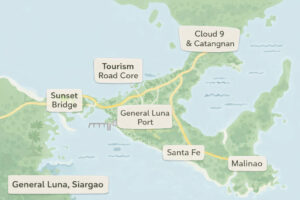 General Luna is a municipality on Siargao’s south side, and most first-timer accommodations cluster along a few familiar zones. If you want a quick background reference, you can check General Luna, Surigao del Norte and the local information page from Surigao del Norte’s General Luna page.
Tourism Road as the main spine
Tourism Road is the main corridor where you will find a dense mix of cafes, restaurants, convenience shops, small groceries, and many accommodations. If you picture General Luna like a simple map, Tourism Road is the “spine” most people return to daily.
Reality Check: The same convenience that makes Tourism Road practical also makes it busy. If you are sensitive to noise, prioritize rooms set back from the road.
Where Cloud 9 and Catangnan sits relative to restaurants
Cloud 9 and Catangnan sit northeast of the Tourism Road core. You are closer to the surf action, but the restaurant density is lower than the center, so you will ride more for variety (especially at night).
Reality Check: Some stretches between clusters feel dark after hours. If you do not drive, confirm that your property can help with tricycle calls at night.
Where the General Luna Port area fits for island hopping
The General Luna Port area matters if island hopping is a main goal. Many tours meet early, and staying closer can reduce morning stress. This zone can feel less “touristy center” and more local in parts.
Reality Check: Being close to the port helps mornings, but it is not always the best base for nightly dining and cafes unless you are comfortable riding.
Where Santa Fe and Malinao fit as quieter side options
Santa Fe and Malinao are common “calmer within reach” options. They are still close enough to General Luna’s center for dinners and tours, but they can feel more residential and less constant in motion.
Reality Check: Road conditions can change quickly with rain, and some lanes are narrow. If you arrive late, confirm the exact landmark drop-off point with your host.
For a quick primer on getting around the Philippines in general (especially if Siargao is part of a longer itinerary), the Philippines Public Transport Guide helps set expectations about transfers, schedules, and buffer time.
Area 1: Tourism Road core
Who this is best for
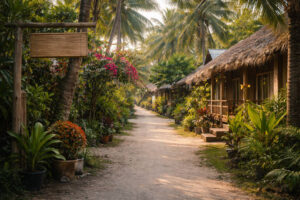 This is best for first-timers who want the simplest version of where to stay in General Luna: easy meals, easy errands, and easy access to tricycles. It suits short stays, groups mixing surf and non-surf plans, and travelers who do not want to rely on a motorbike every day.
Reality Check: The center is convenient, but it can also be the loudest zone. If you are a light sleeper, room placement matters more than the property’s “star rating.”
Walkability and “no motorbike” practicality
You can walk to a lot from here, especially restaurants and cafes. Tours can pick you up easily, and tricycles are usually nearby. If you want to understand your transport options (tricycle rates, motorbike rentals, safety reminders), read How To Get Around Siargao And General Luna.
Planning tip: If you are skipping a motorbike, aim for a stay within a comfortable walk to your must-haves (breakfast, dinner, pharmacy, ATM).
Noise reality check and room-position tips
Traffic noise and late-night conversations are common near the main road. Ask for a room set back from Tourism Road, ideally with solid doors and windows. If the property has a bar area, request a room far from speakers and common spaces.
Reality Check: Noise can spike on weekends and during events. Earplugs are a small but high-impact packing item.
Beach access notes and expectations
“Near the beach” in the Tourism Road core can mean different things. Some places have quick shoreline access, but you might not get the wide, postcard beach right outside your door. If beach lounging is your main plan, confirm whether the nearest beach is swimmable at your travel dates and tide.
Reality Check: Some shoreline areas can be rocky or shallow depending on tide. Plan beach time around tide windows, not just distance.
Area 2: Port side and nearby quieter pockets
Who this is best for
This area works well if island hopping is a priority, if you prefer a slightly more local-feeling base, or if you want to be outside the busiest dining strip while staying within easy reach.
Reality Check: Not all “near port” listings are equally convenient. Some are close in distance but sit on lanes that are tricky in heavy rain.
Early morning logistics for tours and pickups
Many island hopping tours start early. Being closer to the port can reduce your morning rush and tricycle waiting time. Confirm with your operator whether they pick up from your exact area or ask you to meet at a fixed point.
Planning tip: If you have a dawn meet-up, ask your accommodation about early gate access, breakfast availability, and whether they can pre-book a tricycle.
Noise level vs quick access to food
Noise levels can be calmer than the Tourism Road core, but you may ride more often for dinner variety. For moving around confidently (especially if you do not drive), keep How To Get Around Siargao And General Luna handy.
Reality Check: Some pockets feel quiet at night but also less lit. If you plan late dinners, choose a place that can help with safe tricycle calls.
Area 3: Cloud 9 and Catangnan
Who this is best for
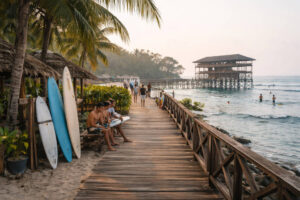 This is best for surfers who want quick access to Cloud 9 and nearby breaks, plus travelers who like sunrise routines and do not mind riding to the main dining clusters. If your trip is built around surf windows, this area can be the most practical answer to where to stay in General Luna.
Reality Check: Surf zones can feel busy at peak times. If you want rest, choose a property on a calmer lane rather than directly on the main flow.
Walkability vs distances between spots
You can walk to Cloud 9 and a few nearby eateries, but General Luna’s core restaurants are farther. If you do not drive, plan a daily transport budget. For typical tricycle costs, safety notes, and motorbike reminders, review How To Get Around Siargao And General Luna.
Planning tip: If you expect to go back and forth multiple times a day (work break, surf, dinner), the ride count adds up. Factor that into your “cheap room vs total cost” decision.
Surf timing advantages and transport notes
Being close helps you catch early sessions and avoid the “should we ride now?” debate when conditions change. If you are with mixed priorities (some surfing, some cafe time), staying here can still work, but plan a consistent transport routine.
Reality Check: Rain can make quick rides feel slower and messier. Bring a light rain layer and a dry bag for electronics.
Night noise expectations
Noise varies street by street. Some places are calm; others sit near lively pockets. Ask about nearby bars, construction, and whether the property enforces quiet hours.
Reality Check: “Quiet hours” are not a guarantee in busy seasons. Your best protection is room location and insulation, not rules on paper.
Area 4: In-between “resort strip” between the center and Cloud 9
Who this is best for
This zone suits travelers who want a more “stay-focused” setup (often with more space and a calmer feel) while keeping both the Tourism Road core and Cloud 9 within a short ride. It can be a balanced answer to where to stay in General Luna if you want flexibility without being in the busiest blocks.
Reality Check: “Resort strip” does not always mean beachfront. Confirm what “beach access” means for that exact property.
Beachfront feel vs access to restaurants
Some properties here feel more private, but you will likely ride for most dining choices. If you like quiet mornings and structured days (surf, work, rest), the tradeoff can be worth it.
Planning tip: If you are not driving, ask how quickly tricycles can reach the property at night, and whether there is a designated drop-off point.
Transport and safety at night
After dark, the road can feel quieter and less lit than the center. Plan your dinner timing, and keep a reliable tricycle contact through your host. For night movement basics and common transport patterns, see How To Get Around Siargao And General Luna.
Reality Check: If you are walking even short distances at night, bring a small light and stay alert for motorbikes and uneven edges.
Area 5: Santa Fe and Sunset Bridge area
Who this is best for
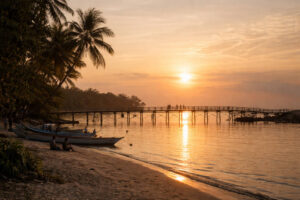 Santa Fe is a good fit for travelers who want calmer evenings without going too far out. It works well for couples, light sleepers, and families who want breathing room but still want quick access to General Luna dining.
Reality Check: Some Santa Fe lanes are quiet but can be dark and muddy after rain. Your footwear and arrival plan matter.
Beach vibe and evening noise
This area can feel more relaxed in the evenings, especially compared with the Tourism Road core. Expect fewer late-night crowds outside your door, though occasional neighborhood noise is always possible.
Planning tip: Ask if there is nearby construction. Siargao develops quickly, and daytime drilling can affect rest even if nights are calm.
Getting into town: tricycle and motorbike notes
You will likely ride into the center for most restaurant choices. If you are not renting a motorbike, confirm typical tricycle availability and rates at your return hours. For practical guidance on moving around day to day, check How To Get Around Siargao And General Luna.
Reality Check: Late-night tricycle availability can thin out. Plan earlier dinners or ask your host about trusted drivers.
Area 6: Malinao
Who this is best for
Malinao is a strong option if your priority is rest and space: quieter nights, slower mornings, and a less “always on” atmosphere. This can be the best answer to where to stay in General Luna for travelers who get overstimulated by constant road activity.
Reality Check: Malinao can feel far if you want multiple cafe stops a day. Plan your days in blocks rather than constant back-and-forth.
Tradeoffs: calm nights vs needing rides for meals
You will often need rides for meals, especially for wide choice. Budget for tricycles, or rent a motorbike if you are comfortable. For a clear overview of options and safety reminders, use How To Get Around Siargao And General Luna.
Planning tip: If you stay in Malinao, choose a property that can help arrange rides reliably, especially if you expect late returns.
Beach access and distance expectations
Some Malinao stays feel closer to a calmer shoreline vibe, but “beach access” can still vary by property and tide. Confirm whether the nearest shoreline is for swimming, walking, or simply relaxing views.
Reality Check: Do not assume beachfront equals swimming beach. Ask what guests typically do at the nearest shoreline during your month.
Best area by traveler type
Families with kids
For families, prioritize safe walking routes, easy food access, and predictable transport. The Tourism Road core is often simplest for quick meals and supplies, while Santa Fe can work if your family values earlier nights. When deciding where to stay in General Luna with kids, ask specifically about stairs, room layout, and road exposure.
Couples
Couples often enjoy Santa Fe for calmer evenings or the in-between resort strip for a more stay-focused feel. If your plan is “coffee, beach time, then dinner,” these areas can reduce noise without making transport too hard.
Solo travelers
Solo travelers usually do well in the Tourism Road core for walkability, social options, and easy transport. If you are looking for a quieter reset, choose a side lane in Santa Fe, but keep transport plans clear for late nights.
Digital nomads
Digital nomads should choose based on power backup and Wi-Fi realism first, then location. Many prefer the Tourism Road core for quick access to cafes and SIM top-ups, or the in-between resort strip for calmer workdays. For remote work, the smartest answer to where to stay in General Luna is the place with clear answers about generator coverage and internet backup.
Surfers who want early sessions
Cloud 9 and Catangnan are the most practical if you want dawn surf sessions and less commute. If you still want restaurant variety nightly, plan your transport routine and accept more rides.
What to ask before booking in General Luna
This is the checklist that prevents the most common surprises. Copy these questions into your notes and send them before you pay. It is a calm way to lock in where to stay in General Luna with fewer “I wish we knew” moments.
Power: outage frequency, generator, and what’s actually covered
- How often do outages happen in this area, especially at night?
- Do you have a generator? If yes, what does it power (lights only, fans, Wi-Fi router, outlets, A/C)?
- During generator use, are outlets available for charging laptops and power banks?
- Is there a schedule for generator hours, or is it automatic?
Reality Check: “Has generator” can still mean limited coverage. A room that stays cool and connected during an outage can be worth paying a bit more for.
Water: pressure, schedules, hot shower reliability
- Is water pressure steady in the shower, especially in the morning?
- Do you have water schedules or occasional interruptions?
- Is hot water consistent, and is it a heater or a solar setup?
Reality Check: Low pressure can show up during peak hours. If morning showers are important for your routine, ask for the “worst time of day” honestly.
Wi-Fi: speed, provider, Starlink, and realistic backup plan
- What internet provider do you use, and what is the typical speed range?
- Where is the router located relative to the room (signal strength matters)?
- Do you have Starlink or a backup connection?
- Does Wi-Fi stay on during power outages (router on generator or battery backup)?
Reality Check: Even good Wi-Fi can slow down at night when everyone streams. If you have calls, plan a backup: a local SIM with data, offline files, and flexible meeting times.
Room comfort: A/C, noise insulation, and construction nearby
- Is the A/C regularly maintained, and does it run well in midday heat?
- Are rooms road-facing or set back? Can you request a quieter room?
- Is there ongoing construction nearby, and what are the usual work hours?
Reality Check: Construction can be the biggest surprise because it is not always mentioned in listings. Asking directly is normal and saves you stress.
Access: stairs, muddy roads, parking, and late-night arrival
- How is the road to the property after heavy rain?
- Are there stairs, and is there help for luggage?
- If you arrive late, how do you check in and find the entrance?
- If you rent a motorbike, is there safe parking?
Reality Check: A place can be “near Tourism Road” but still sit on a lane that floods or gets very dark. Ask for a nearby landmark and confirm the pin location before arrival.
Safe booking tips in Siargao
How to verify the property and location
- Ask for the exact map pin and a nearby landmark (for example, a known cafe or junction).
- Compare listing photos with recent guest photos and reviews for consistency.
- Message the property with your checklist questions. Clear, calm answers are a good sign.
Reality Check: Some listings use “General Luna” broadly. Confirm whether it is truly near your preferred zone before paying, especially if your goal is where to stay in General Luna close to specific places like Tourism Road or Cloud 9.
Payment and deposit safety basics
- Use secure payment methods when possible, and request written confirmation of dates and inclusions.
- Be cautious with large deposits via transfer unless you have verified the property through multiple signals (reviews, consistent contact details, map pin, and policies).
- Keep screenshots of your agreement, cancellation terms, and contact numbers.
For broader travel safety reminders that apply across destinations, read Travel Safety In The Philippines.
Cancellation, date changes, and weather buffers
- Choose flexible cancellation when your trip dates sit near stormier months.
- Ask how date changes work if flights move or sea conditions affect tours.
- Build a small buffer day if your schedule is tight, especially if you are mixing islands.
Reality Check: Weather can disrupt plans quickly. A flexible policy is often more valuable than a slightly cheaper nightly rate.
FAQ
Is Tourism Road too noisy for sleeping?
It depends on your exact room position. Road-facing rooms can pick up motorbikes and late conversations, while rooms set back can feel much calmer. If you are sensitive, ask for a quiet room away from bars and common areas, and bring earplugs as backup.
Do I need a motorbike if I choose where to stay in General Luna outside the center?
You do not strictly need one, but you will rely more on tricycles, especially in Santa Fe, Malinao, and the in-between resort strip. If you prefer not to drive, choose a property that can help call trusted tricycles and confirm typical availability at night.
Which area is best for Cloud 9 access?
Cloud 9 and Catangnan are the closest, especially if you want early sessions. The in-between strip also works if you want a calmer base while staying within a short ride.
How do I avoid bad Wi-Fi surprises?
Ask for the provider, typical speed range, and whether the router and internet stay on during brownouts. If you work remotely, plan a layered backup: SIM data, offline files, and flexible call windows.
Are power outages common, and what should I ask?
Outages can happen, and what matters is the property’s backup setup. Ask whether the generator powers A/C, outlets, and the Wi-Fi router, and whether there is a schedule. “Generator available” is not the same as “you can work normally during an outage.”
Is it safe to walk at night in General Luna?
Many travelers do walk short stretches, especially in the center, but lighting varies and motorbikes move fast. If your route is dark, use a tricycle instead. Keep valuables minimal, stay aware, and follow the general practices in the Travel Safety guide linked above.
If you want more Siargao-specific planning reads next, browse Siargao Travel Guides And Tips. For more destination and accommodation decision guides, you can also explore More Travel Guides.
When you decide where to stay in General Luna, aim for the location that makes your days easier, not just the one that looks best in photos. If your priorities are clear (walkability, quiet nights, surf timing, or steadier work setup), the right neighborhood choice will quietly improve every single day of your trip.